Philippine Pork Dishes Guide: Regional Specialties Across the Archipelago
Discover the most famous Philippine pork dishes from Luzon, Visayas, and Mindanao. Learn about regional specialties, cultural traditions, ingredients, and where to try these iconic Filipino pork recipes.
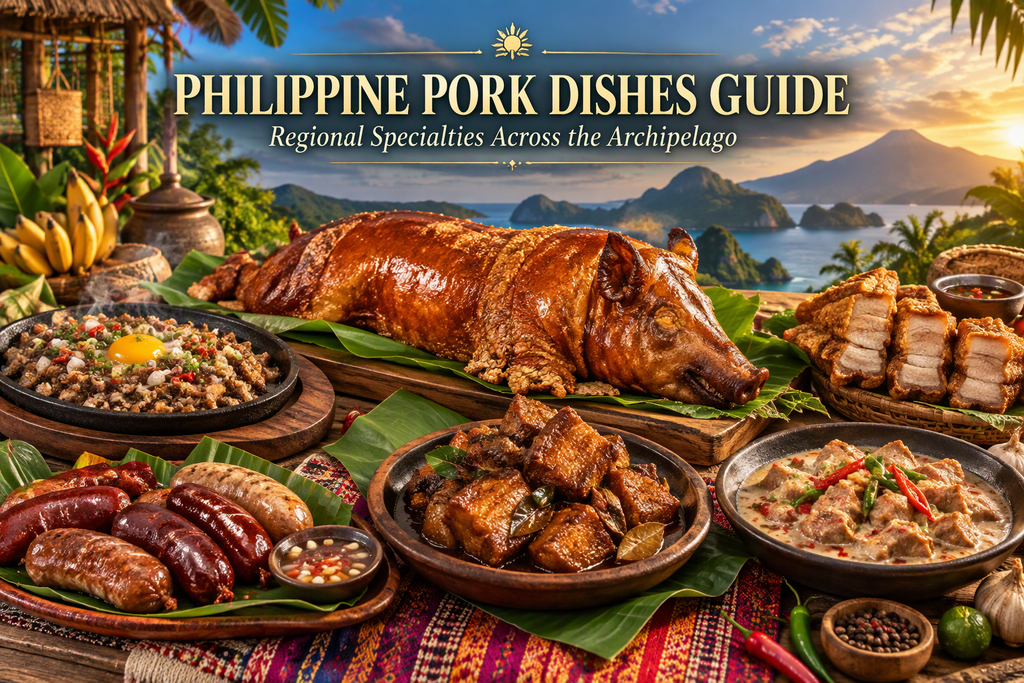
Philippine Pork Dishes Guide: Regional Specialties Across the Archipelago
Pork is one of the most widely enjoyed meats in the Philippines and plays a central role in the country’s culinary identity. From festive lechon feasts to everyday comfort foods, pork dishes reflect local ingredients, regional cooking traditions, cultural influences, and centuries of culinary evolution.
Across the Philippine archipelago, each region has developed unique pork specialties. Some showcase indigenous cooking techniques, while others reveal Spanish, Chinese, Malay, and local influences blended into distinctly Filipino flavors. Whether roasted, grilled, braised, stewed, or cured, pork dishes remain among the most recognizable parts of Filipino cuisine.
This guide explores the most important regional pork dishes across the Philippines, highlighting where they originated, what makes them unique, and why they remain beloved by locals and visitors alike.
Quick Facts About Philippine Pork Dishes
| Category | Information |
|---|---|
| Number of Regions Covered | 3 Major Island Groups |
| Featured Dishes | 15+ |
| Most Famous Pork Dish | Lechon |
| Culinary Capital | Pampanga |
| Best Lechon Destination | Cebu |
Why Pork Is Important in Filipino Cuisine
Pork has long been part of Philippine food culture. Before colonial contact, communities raised pigs for rituals, celebrations, and communal feasts. During the Spanish colonial period, European culinary influences introduced roasting techniques, cured meats, and stews that helped shape modern Filipino cuisine.
Today, pork is featured in almost every region. It appears in street food, home-cooked meals, restaurant offerings, and major celebrations. During fiestas, weddings, birthdays, Christmas, and New Year celebrations, pork often becomes the centerpiece of the dining table.
Its versatility allows cooks to transform nearly every part of the animal into flavorful dishes, resulting in one of the most diverse collections of pork recipes in Southeast Asia.
Historical and Cultural Influences on Philippine Pork Cuisine
The diversity of Philippine pork dishes reflects centuries of cultural exchange, local innovation, and regional adaptation. While many recipes are uniquely Filipino today, they often showcase influences from indigenous traditions, colonial history, migration patterns, and local agricultural practices. Understanding these culinary influences helps explain why pork remains one of the most important ingredients in Filipino cuisine.
Indigenous Influences
Long before foreign traders and colonizers arrived in the Philippines, indigenous communities raised pigs for food, rituals, trade, and celebrations. Pork was commonly prepared using simple methods such as roasting over open fires, grilling on bamboo skewers, smoking, and slow-cooking with native herbs and local ingredients.
Many traditional practices survive today in regional dishes that emphasize local flavors, communal feasting, and nose-to-tail cooking. The Filipino tradition of utilizing nearly every part of the pig can be traced to these early resourceful cooking practices and remains evident in dishes such as sisig, dinuguan, and various regional stews.
Spanish Colonial Influences
More than three centuries of Spanish rule left a lasting impact on Philippine cuisine. Spanish cooking techniques introduced roasting, braising, sausage-making, and elaborate celebratory meals that continue to influence Filipino food today.
Several iconic pork dishes either originated from or were heavily influenced by Spanish culinary traditions, including:
- Lechon
- Longganisa
- Menudo
- Embutido
- Mechado-style preparations
Over time, Filipino cooks adapted these dishes using local ingredients, native spices, and regional preferences, creating distinctly Filipino versions that differ significantly from their Spanish ancestors.
Chinese Culinary Influences
Chinese traders had been interacting with Philippine communities for centuries before Spanish colonization. Their influence can be seen in techniques such as stir-frying, braising, marinating, and the use of soy sauce, fermented ingredients, and noodle accompaniments.
Several pork dishes showcase strong Chinese influences, including:
- Humba
- Pork Asado
- Siopao fillings
- Various longganisa styles
- Chinese-inspired roasted pork recipes
The popularity of soy-based marinades and sweet-savory flavor profiles in many Filipino pork dishes can be traced in part to Chinese culinary traditions.
Malay and Southeast Asian Influences
The Philippines shares many culinary connections with neighboring Southeast Asian countries through ancient trade routes and cultural exchanges. The use of coconut milk, aromatic spices, vinegar, turmeric, and grilling traditions reflects broader regional influences that continue to shape Filipino pork dishes.
These influences are particularly visible in southern Philippine cuisines and coconut-rich regions such as Bicol and parts of Mindanao. Dishes featuring rich coconut-based sauces and bold spice combinations demonstrate these long-standing regional connections.
Modern Filipino Pork Cuisine
Today, Philippine pork cuisine continues to evolve while maintaining deep connections to tradition. Regional specialties remain popular, but modern chefs and home cooks frequently reinterpret classic dishes through new cooking methods, presentation styles, and flavor combinations.
Traditional recipes such as lechon, sisig, bagnet, humba, and longganisa have become national favorites, appearing far beyond their regions of origin. Meanwhile, food tourism, social media, and culinary innovation continue introducing regional pork specialties to new generations of Filipino and international travelers.
Together, indigenous traditions and foreign influences have created one of Southeast Asia’s most diverse pork cuisines, making regional pork dishes an important part of the Philippines’ cultural and culinary heritage.
Luzon’s Famous Pork Dishes
Sisig (Pampanga)
by wikipedia.com
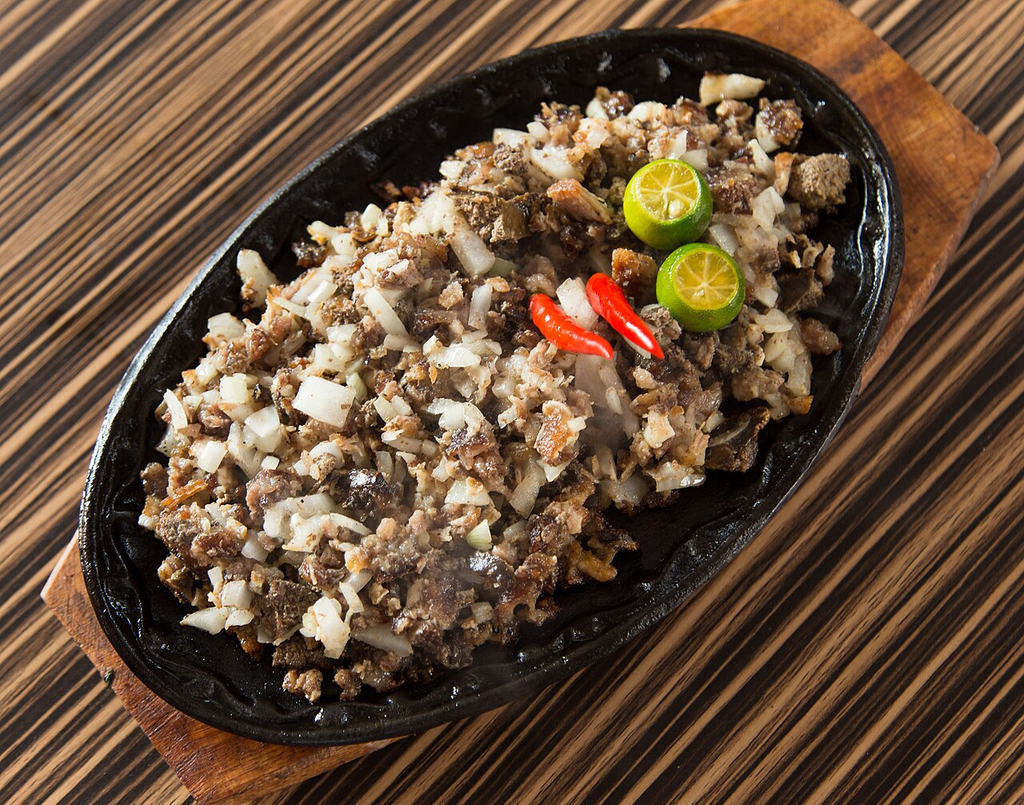
Often called the culinary capital of the Philippines, Pampanga is the birthplace of sisig.
Originally created as a way to utilize pig parts that might otherwise be wasted, sisig combines chopped pork face, ears, cheeks, and liver seasoned with calamansi, onions, and chili peppers.
Served on a sizzling cast-iron plate, sisig delivers a unique combination of crispy, savory, tangy, and spicy flavors.
Why It’s Famous
- Signature Kapampangan dish
- Popular pulutan (beer food)
- Widely served nationwide
- One of the Philippines’ most recognizable dishes
Lechon Kawali (Central Luzon)
by kusinasecrects.com
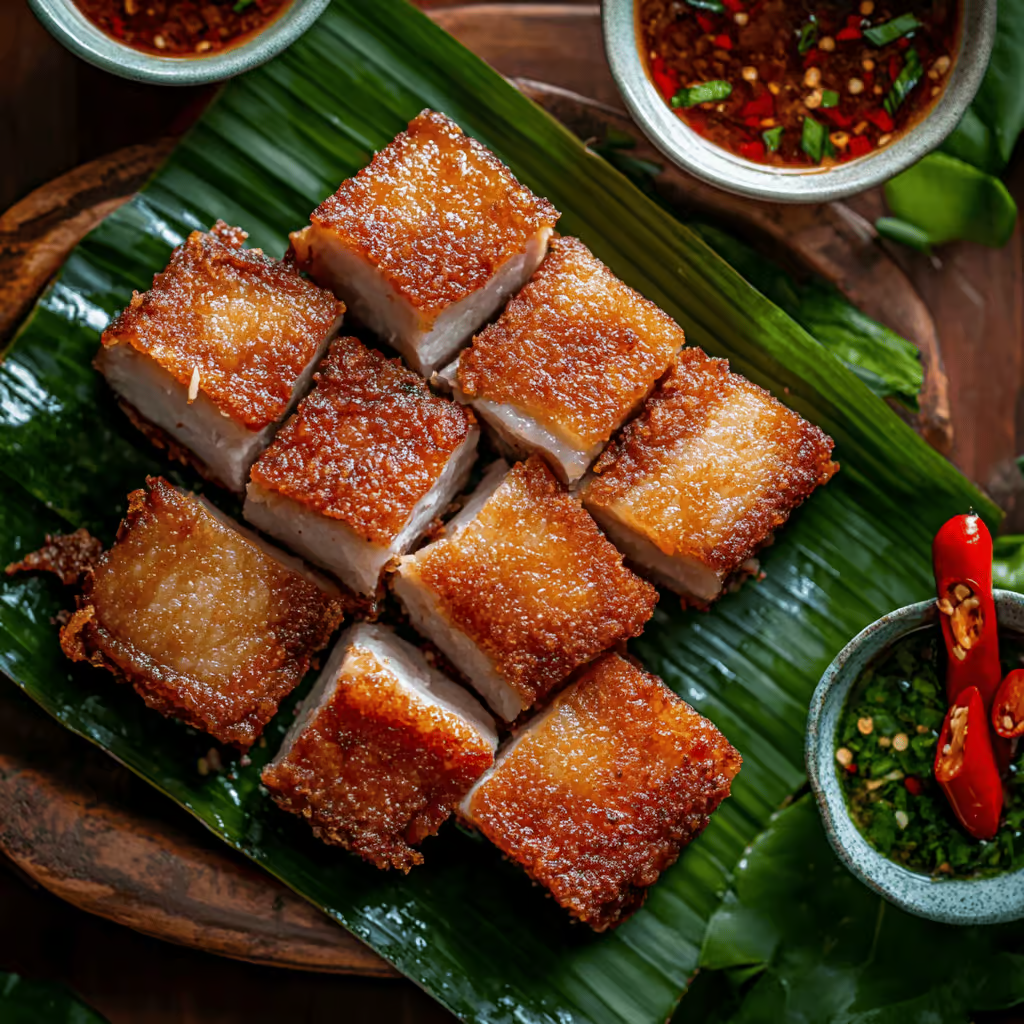
Lechon kawali consists of pork belly boiled until tender and then deep-fried until the skin becomes exceptionally crispy.
Unlike whole roasted lechon, lechon kawali is easily prepared at home and is commonly served with liver sauce, vinegar dip, or soy-based condiments.
Distinctive Features
- Extremely crispy skin
- Tender meat interior
- Popular family meal
- Found nationwide but especially common in Luzon households
Bagnet (Ilocos Region)
by pinterest.com
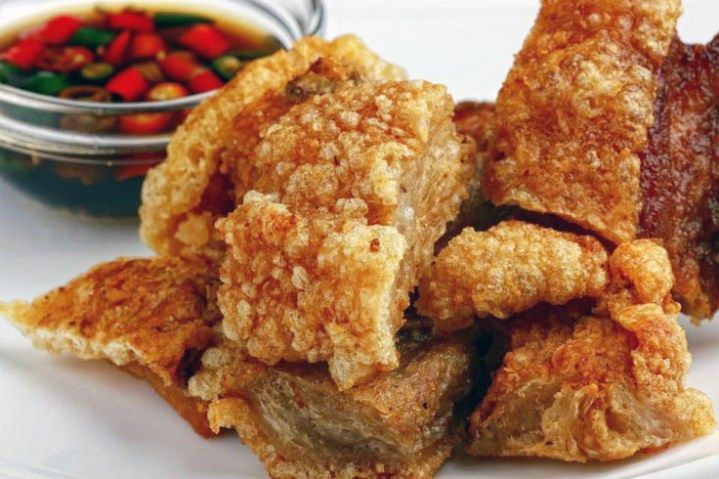
Bagnet is the Ilocano version of crispy pork belly.
The pork undergoes a special process of boiling, drying, and multiple rounds of deep frying. The result is a crunchy crust that remains crispy even after cooling.
Regional Identity
Bagnet is a source of pride in the Ilocos Region and frequently appears in local dishes such as pinakbet and bagnet sandwiches.
Dinuguan (Luzon-Wide)
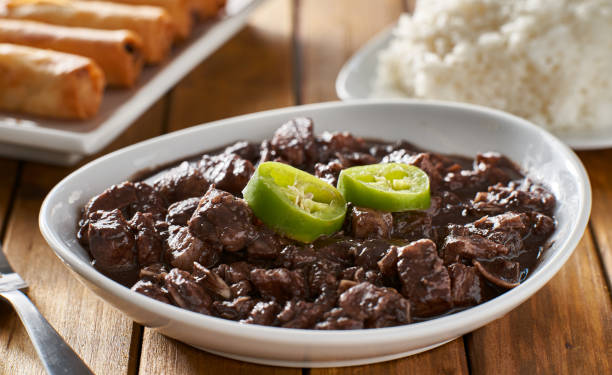
by istockphoto.com
Dinuguan is a savory stew made from pork meat, offal, and fresh pig’s blood.
Different regions have their own versions, ranging from thick and rich preparations to lighter, tangier variations flavored with vinegar.
Cultural Importance
- Popular comfort food
- Often paired with puto
- Common during family gatherings
- Reflects Filipino nose-to-tail cooking traditions
Tokwa’t Baboy (Manila and Central Luzon)
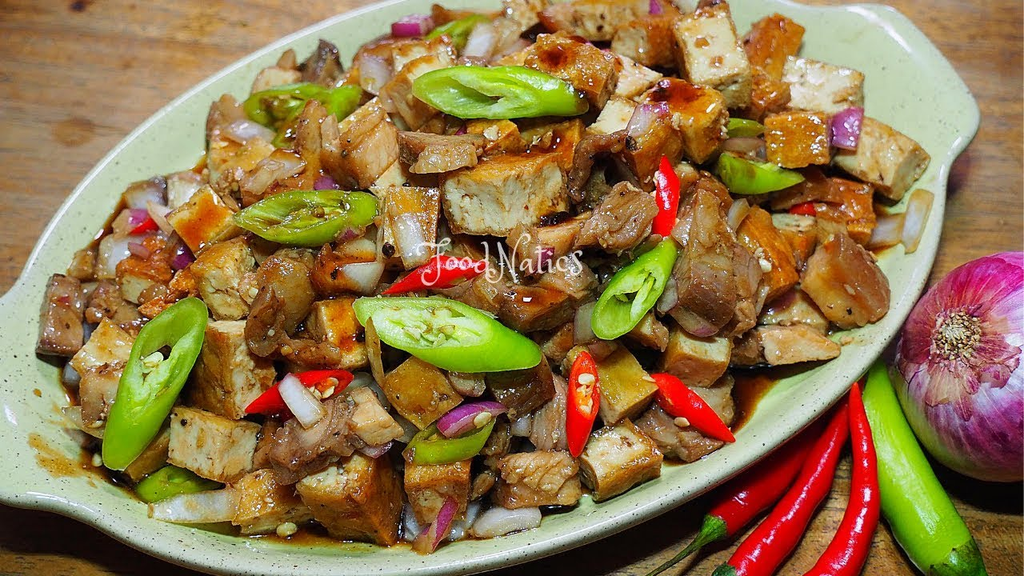
by foodnatics.com
This beloved appetizer combines fried tofu and boiled pork dressed with vinegar, soy sauce, onions, and chili peppers.
Often served alongside lugaw (rice porridge), it remains a staple in traditional eateries throughout Metro Manila and nearby provinces.
Visayan Pork Specialties
Cebu Lechon (Cebu)
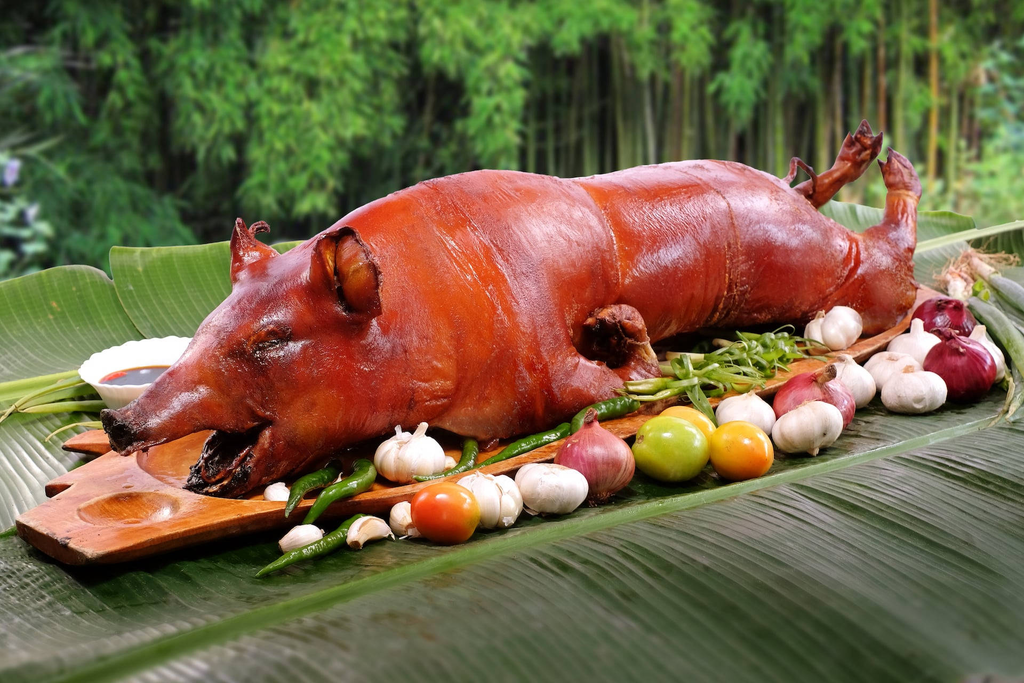
by wallpapers.com
Cebu lechon is widely considered one of the Philippines’ most famous culinary exports.
Unlike many other lechon versions that rely heavily on sauce, Cebu lechon is seasoned internally with lemongrass, garlic, onions, herbs, and spices before roasting.
The result is flavorful meat that often requires no additional dipping sauce.
Why Cebu Lechon Stands Out
- Richly seasoned meat
- Crispy golden skin
- Major tourist attraction
- Common centerpiece during celebrations
Lechon Belly (Cebu)
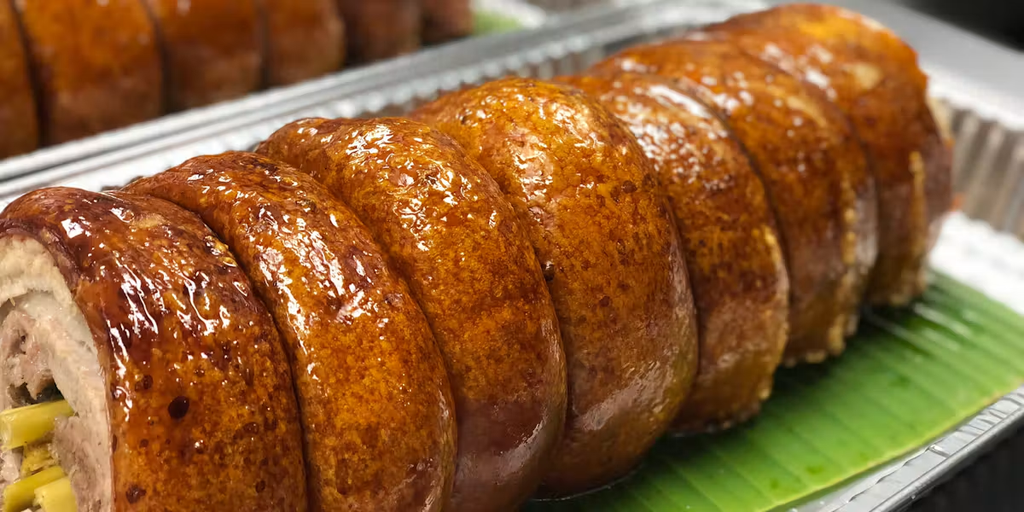
by kuyajas.com
A modern adaptation of traditional lechon, lechon belly uses only rolled pork belly stuffed with herbs and spices before roasting.
It delivers many of the flavors associated with whole lechon while being easier to prepare and serve.
Popularity
Lechon belly has become a favorite among restaurants, catering services, and home cooks throughout the Philippines.
Humba (Visayas)
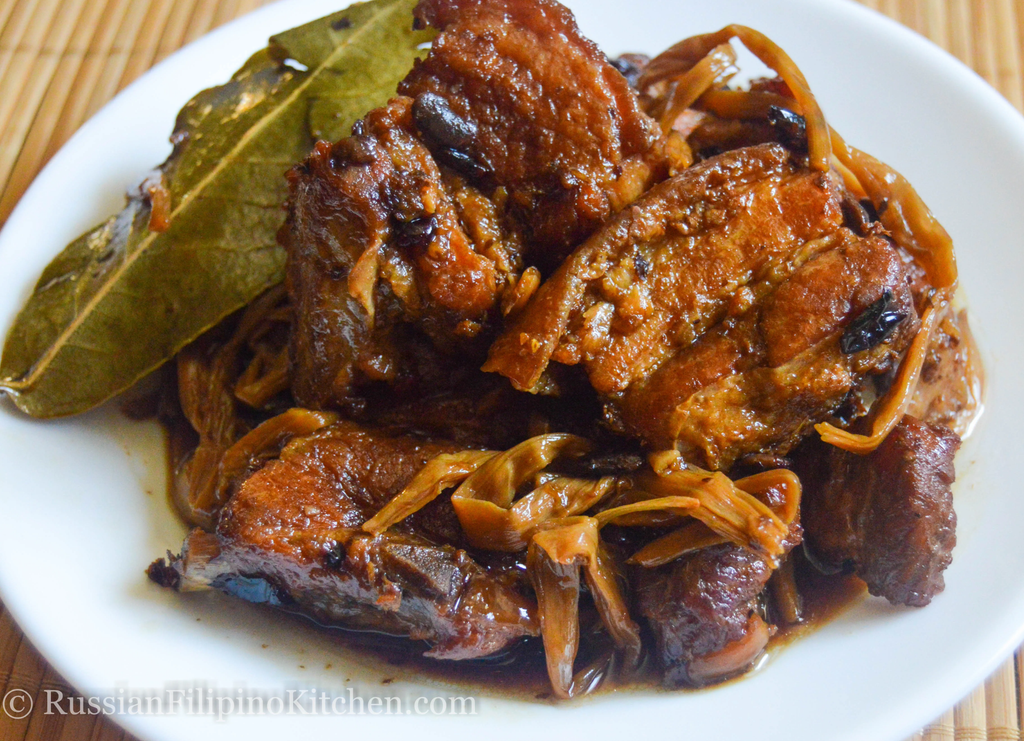
by russianfilipinokitchen.com
Humba is a sweet-savory braised pork dish commonly found in Cebu and neighboring Visayan provinces.
The dish combines pork belly, soy sauce, vinegar, garlic, sugar, and fermented black beans.
Flavor Profile
- Sweet
- Savory
- Slightly tangy
- Rich and tender
The Chinese influence on Visayan cuisine is particularly evident in humba’s ingredients and cooking style.
Linarang Baboy (Cebu)
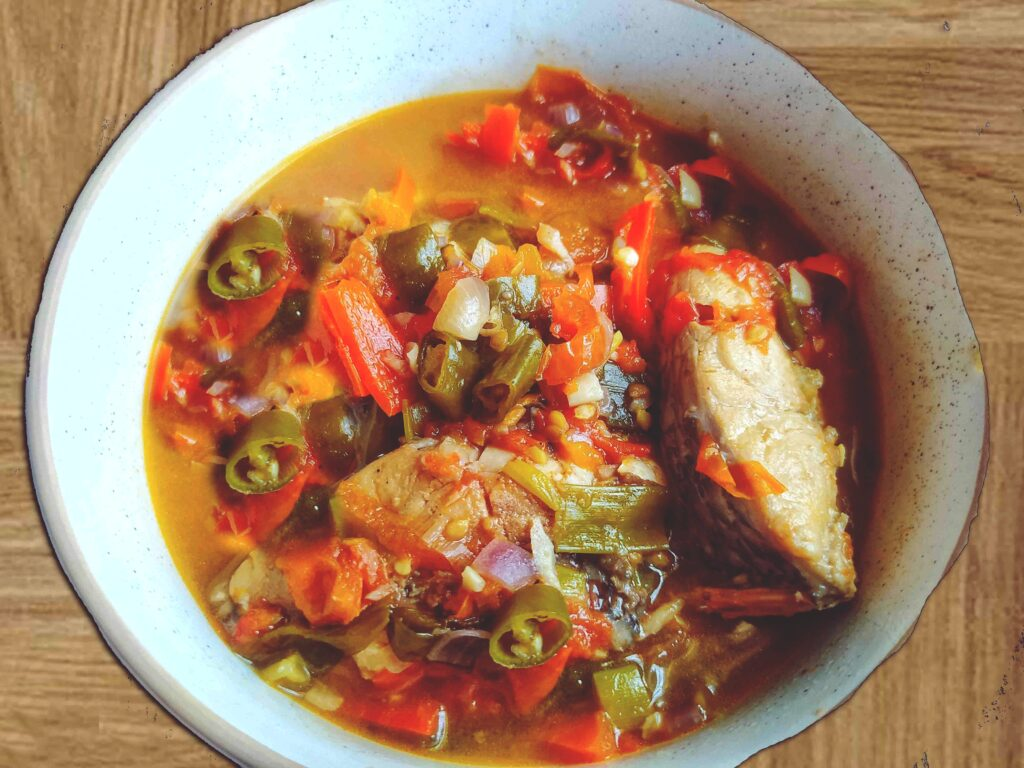
by thepinoyofw.com
Linarang traditionally features seafood, but pork variations are also enjoyed in parts of Cebu.
This distinctive stew combines pork with spices, souring agents, and local seasonings to produce a bold and flavorful broth.
Mindanao Pork Dishes
Grilled Pork Inasal Variations (Western Mindanao)
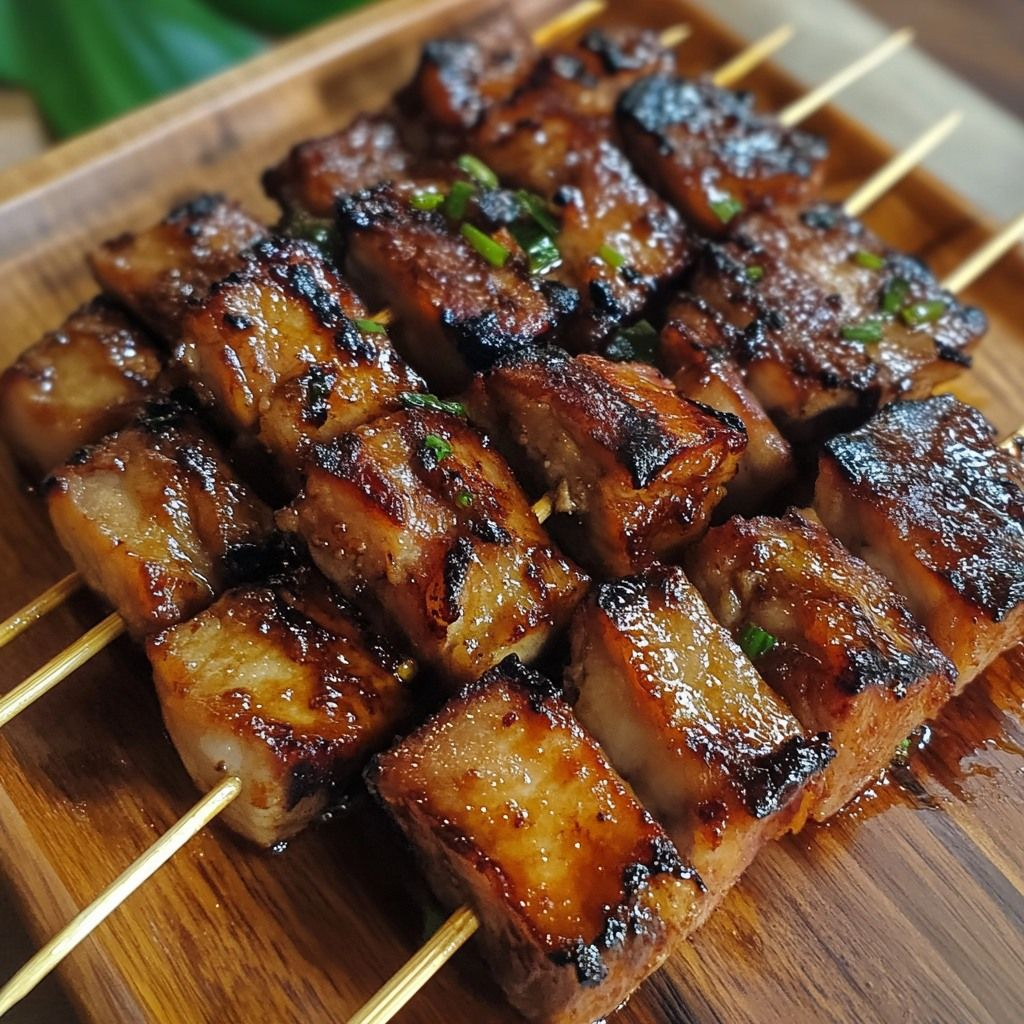
by pinterest.com
While chicken is more commonly associated with inasal, several regions in Mindanao prepare pork versions marinated in local spice blends before grilling.
These dishes highlight Mindanao’s strong grilling traditions and use of native seasonings.
Adobo sa Gata with Pork (Mindanao Variations)
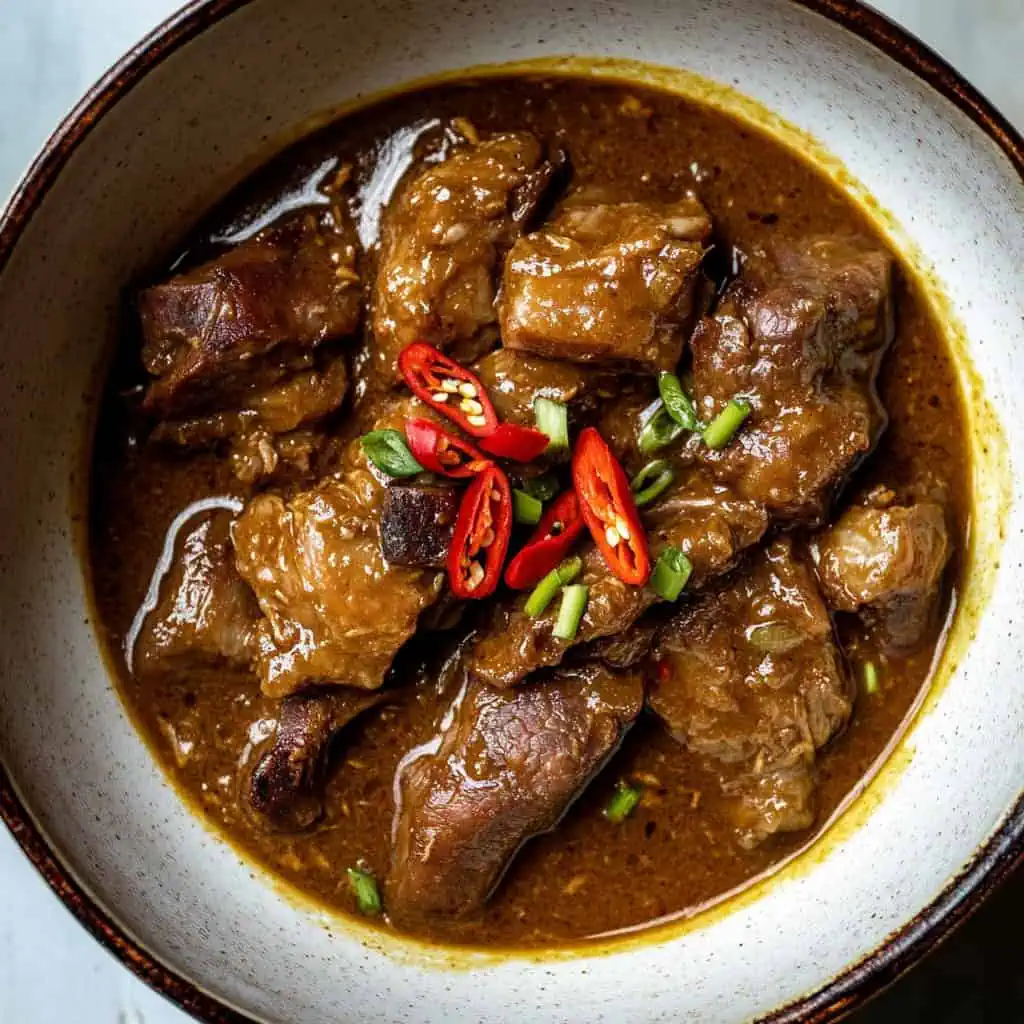
by kusinasecrets.com
Several Mindanao communities combine adobo cooking techniques with coconut milk, creating richer and creamier pork versions than those commonly found elsewhere.
The abundance of coconut-growing areas strongly influences local cooking styles.
Specialty Pork Dishes Across the Philippines
Bicol Express (Bicol Region)
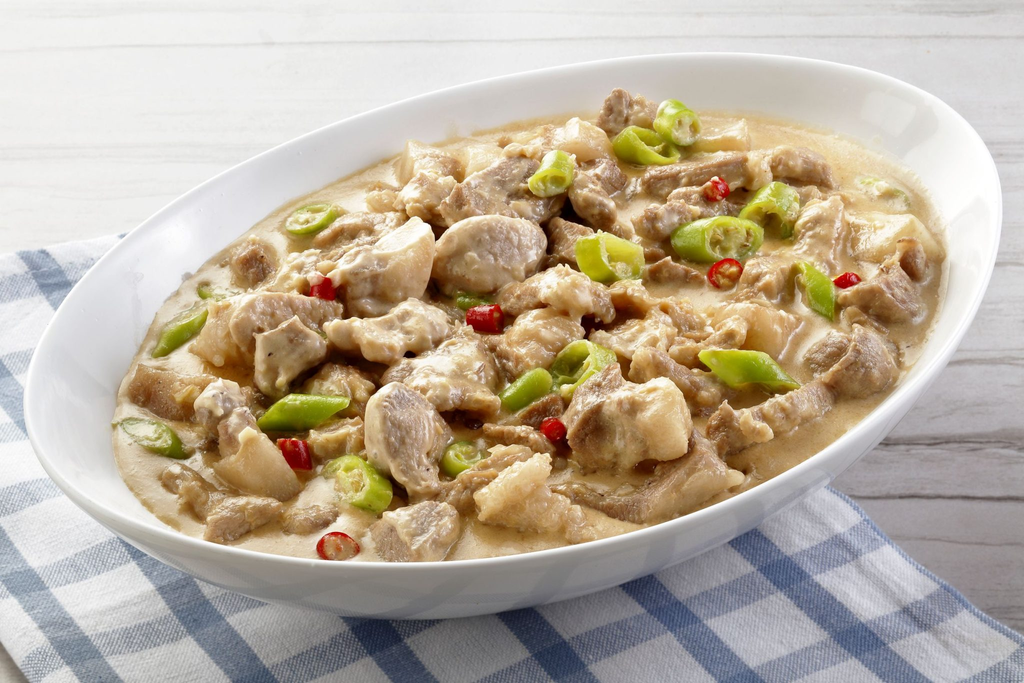
by simplehomecookedrecipes.com
Bicol Express combines pork, coconut milk, shrimp paste, and chili peppers.
Originating from the Bicol Region, this dish is famous for its rich, creamy, and spicy flavor profile.
What Makes It Unique
- Heavy use of coconut milk
- Distinctive spiciness
- Reflects Bicolano love of chili peppers
- Rich and flavorful sauce
Pork Binagoongan
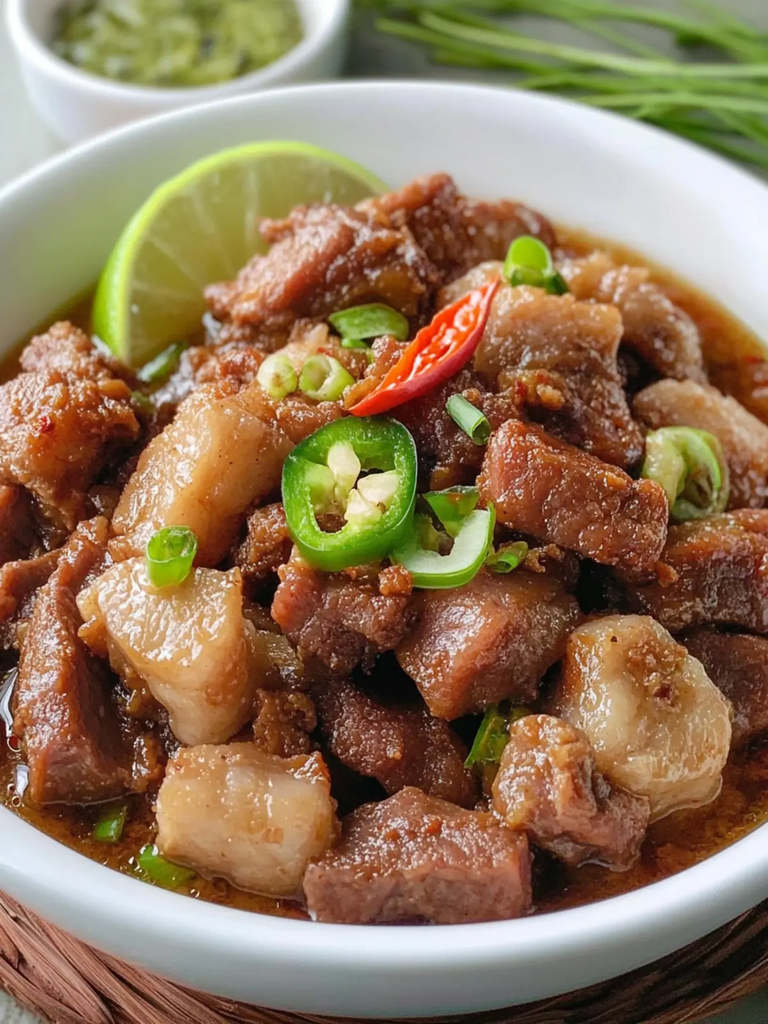
by wendyrecipes.com
Pork binagoongan uses pork cooked with bagoong (fermented shrimp paste), garlic, onions, and tomatoes.
The dish highlights one of the Philippines’ most important traditional condiments.
Kilawin na Baboy
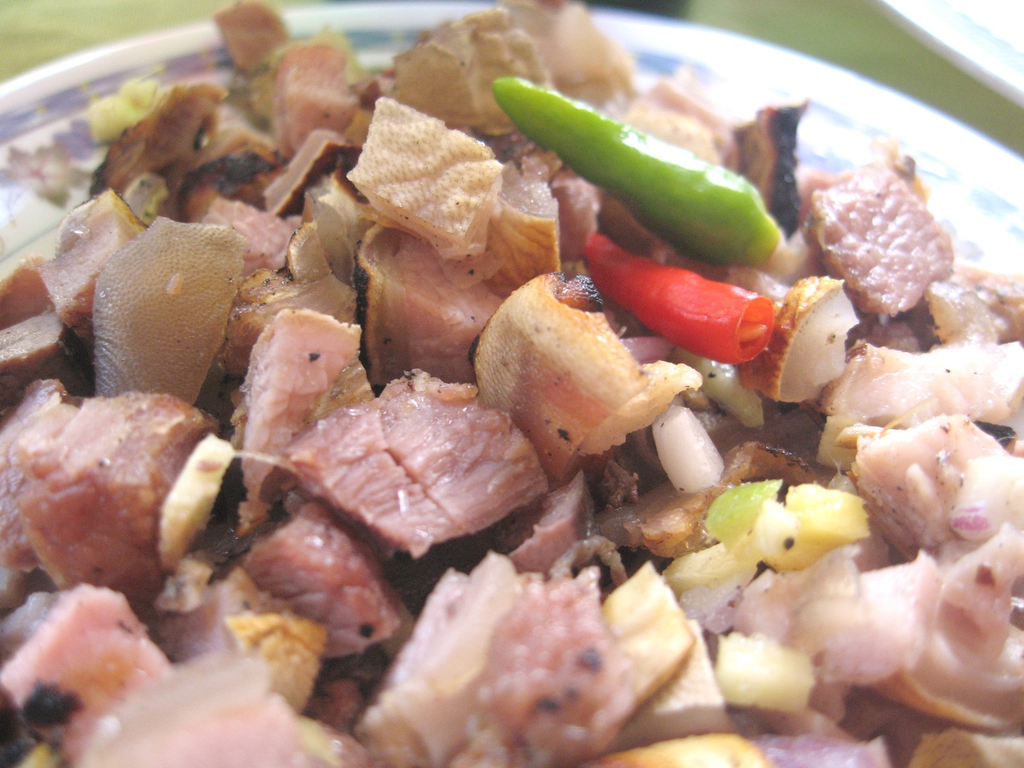
by blogspot.com
Kilawin-style pork dishes use vinegar, spices, onions, and seasonings to create bright and refreshing flavors.
Regional variations appear throughout the country, showcasing local ingredients and preparation techniques.
Longganisa
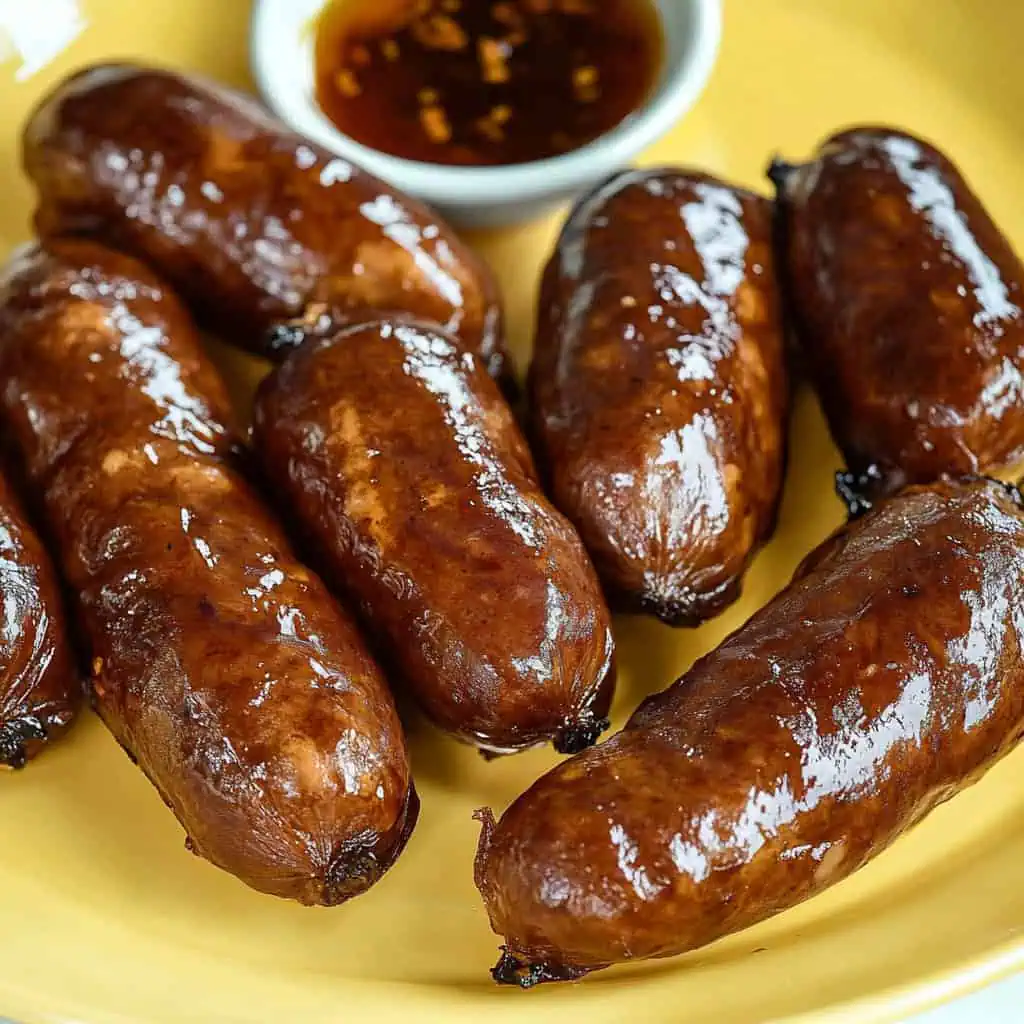
by kusinasecrets.com
Longganisa represents one of the most diverse categories of Filipino pork products.
Different regions have developed unique versions:
Vigan Longganisa (Ilocos Sur)
- Garlic-heavy
- Tangy flavor
- Firm texture
Lucban Longganisa (Quezon)
- Distinct garlic flavor
- Natural casing
- Slightly sour taste
Alaminos Longganisa (Pangasinan)
- Bright orange appearance
- Strong garlic profile
- Local specialty
These sausages illustrate how regional traditions create dramatically different flavor experiences from the same basic ingredient.
Pork Dishes and Filipino Celebrations
Few ingredients are as closely tied to Filipino celebrations as pork.
Major occasions commonly featuring pork include:
- Christmas celebrations
- New Year’s feasts
- Town fiestas
- Weddings
- Birthdays
- Religious festivals
- Family reunions
Lechon, in particular, serves as a symbol of abundance, hospitality, and festivity throughout the country.
Many families reserve their most elaborate pork dishes for important gatherings, reinforcing the connection between food, community, and celebration.
Regional Pork Cuisine Characteristics
| Area | Signature Dishes | Typical Flavors | Defining Characteristics |
|---|---|---|---|
| Northern Luzon | Bagnet, Vigan Longganisa | Garlic-forward, savory | Crispy pork traditions and cured meats |
| Central Luzon | Sisig, Lechon Kawali | Tangy, savory | Culinary innovation and nose-to-tail cooking |
| Southern Luzon | Lucban Longganisa, Pork Binagoongan | Garlicky, salty, tangy | Strong use of local condiments and sausages |
| Bicol | Bicol Express | Spicy, creamy | Heavy use of chilies and coconut milk |
| Visayas | Cebu Lechon, Humba | Sweet-savory | Roasting traditions and Chinese influences |
| Mindanao | Pork Adobo sa Gata, Pork Barbecue | Smoky, rich, savory | Grilling traditions and coconut-based dishes |
Best Places to Try Philippine Pork Dishes
Travelers looking to explore authentic regional pork specialties should consider visiting:
Pampanga
Known for sisig, tocino, and numerous traditional Kapampangan recipes.
Ilocos Region
Famous for bagnet and Vigan longganisa.
Cebu
The country’s most celebrated destination for lechon.
Bicol Region
Home of spicy pork dishes featuring coconut milk and chili peppers.
Zamboanga and Sulu
Offers unique Muslim and indigenous-inspired pork dishes in communities where these traditions are practiced.
How Regional Pork Dishes Differ Across the Philippines
Luzon
- Garlic-heavy
- Vinegar-forward
- Spanish influence
Visayas
- Sweeter flavor profiles
- Roasting traditions
- Chinese influence
Mindanao
- Coconut-based dishes
- Grilling traditions
- Indigenous and Muslim influences
Key Takeaways
- Lechon is the Philippines’ most famous pork dish.
- Pampanga is widely regarded as the country’s culinary capital.
- Cebu is the leading destination for lechon.
- Ilocos is known for bagnet and Vigan longganisa.
- Bicol specializes in spicy coconut-based pork dishes.
- Regional pork recipes reflect indigenous, Spanish, Chinese, and Malay influences.
Frequently Asked Questions About Philippine Pork Dishes
What is the most famous pork dish in the Philippines?
Lechon is widely considered the most famous Philippine pork dish. A whole pig is roasted over charcoal until the skin becomes crispy and the meat remains juicy. Cebu lechon, in particular, is internationally recognized for its flavorful seasoning and crispy skin.
Which region is known as the culinary capital of the Philippines for pork dishes?
Pampanga is often referred to as the culinary capital of the Philippines. The province is famous for iconic pork dishes such as sisig, tocino, morcon, and various traditional Kapampangan specialties.
What is the difference between lechon and lechon kawali?
Lechon is a whole roasted pig cooked over charcoal, typically served during fiestas and major celebrations. Lechon kawali uses pork belly that is boiled and then deep-fried until crispy, making it more practical for everyday meals and smaller gatherings.
Why is Cebu lechon different from other lechon varieties?
Cebu lechon is traditionally stuffed with lemongrass, garlic, onions, and local spices before roasting. Because the meat is already highly seasoned, it is often enjoyed without the liver-based sauces commonly served with lechon in other regions.
What is sisig made from?
Traditional sisig is made from chopped pork face, ears, cheeks, and liver seasoned with calamansi, onions, and chili peppers. Modern versions may use pork belly, chicken, seafood, or tofu, but the classic Kapampangan recipe remains the most recognized.
Which Philippine pork dish is considered the crispiest?
Bagnet from the Ilocos Region is often considered one of the crispiest pork dishes in the Philippines. The pork belly is boiled, dried, and deep-fried multiple times to achieve its distinctive crunch.
Are Philippine pork dishes usually spicy?
Most Filipino pork dishes are savory rather than spicy. However, regional specialties such as Bicol Express feature significant heat from local chili peppers. Spice levels generally vary according to regional preferences and individual recipes.
What pork dish should first-time visitors try?
First-time visitors should consider trying:
- Cebu Lechon
- Sisig
- Bagnet
- Humba
- Bicol Express
- Lechon Kawali
- Longganisa
These dishes provide a good introduction to the diversity of pork cuisine across the Philippines.
What is humba?
Humba is a Visayan braised pork dish commonly associated with Cebu. It combines pork belly, soy sauce, vinegar, garlic, sugar, and fermented black beans to create a rich sweet-savory flavor.
What role does pork play in Filipino celebrations?
Pork plays a major role in Filipino celebrations and is often the centerpiece of holiday feasts, fiestas, weddings, birthdays, and family reunions. Dishes like lechon symbolize abundance, hospitality, and communal celebration.
Which Filipino pork dishes show Spanish influence?
Several popular pork dishes reflect Spanish colonial influences, including:
- Lechon
- Adobo
- Menudo
- Embutido
- Longganisa
These dishes have evolved over centuries into uniquely Filipino versions with local ingredients and cooking methods.
What are the most famous Filipino pork sausages?
The most famous regional longganisa varieties include:
- Vigan Longganisa (Ilocos Sur)
- Lucban Longganisa (Quezon)
- Alaminos Longganisa (Pangasinan)
- Cebu Chorizo
- Cabanatuan Longganisa (Nueva Ecija)
Each has a distinctive flavor profile, seasoning blend, and preparation style.
Which region is best for food travelers seeking pork dishes?
Food-focused travelers should prioritize visiting:
- Pampanga for sisig and Kapampangan cuisine.
- Cebu for lechon and humba.
- Ilocos for bagnet and Vigan longganisa.
- Bicol for spicy coconut-based pork dishes.
- Quezon for Lucban longganisa and Southern Luzon specialties.
Are there pork dishes unique to specific regions?
Yes. Many pork dishes are strongly associated with specific regions, including:
- Sisig (Pampanga)
- Bagnet (Ilocos)
- Cebu Lechon (Cebu)
- Humba (Visayas)
- Bicol Express (Bicol)
- Lucban Longganisa (Quezon)
These specialties reflect local ingredients, cultural influences, and culinary traditions developed over generations.
What is the best time to experience authentic Philippine pork dishes?
The best time is during local fiestas, Christmas celebrations, and major festivals when regional specialties are prepared in their most traditional forms. Many communities showcase their signature dishes during these events, making them ideal opportunities for culinary travelers.
Explore More Philippine Food Guides
Proteins
Regional Cuisine
- Regional Philippine Food Specialties
- Regional Foods of Luzon
- Regional Foods of the Visayas
- Regional Foods of Mindanao
Traditional Foods
- Philippine Rice Dishes Guide
- Filipino Street Food Guide
- Filipino Festival Foods Guide
- Traditional Filipino Soups Guide
Conclusion
Philippine pork dishes tell the story of the archipelago’s diverse cultures, regions, and culinary traditions. From Pampanga’s sizzling sisig and Ilocos’ crispy bagnet to Cebu’s world-famous lechon and the coconut-rich pork dishes of Bicol and Mindanao, every region has developed specialties that reflect its history and local ingredients.
Together, these dishes showcase the creativity, resourcefulness, and hospitality that define Filipino cuisine. Exploring regional pork specialties is not only a culinary experience but also a journey through the cultural landscape of the Philippines, one plate at a time.