Explore the Philippines’ most iconic desserts by region. From kakanin to fruit sweets, rice cakes, and festival delicacies—discover flavors, origins, ingredients, and where to try them. A complete Filipino Desserts Guide for travelers and food lovers.
Philippine Desserts – The Complete Regional Guide
The Philippines is home to one of the most diverse dessert cultures in Southeast Asia. Influenced by indigenous traditions, Spanish heritage, tropical agriculture, and regional creativity, Filipino desserts offer a spectrum of flavors—from creamy and coconut-rich to sticky rice cakes, fruit-based sweets, and festival delicacies enjoyed across generations.
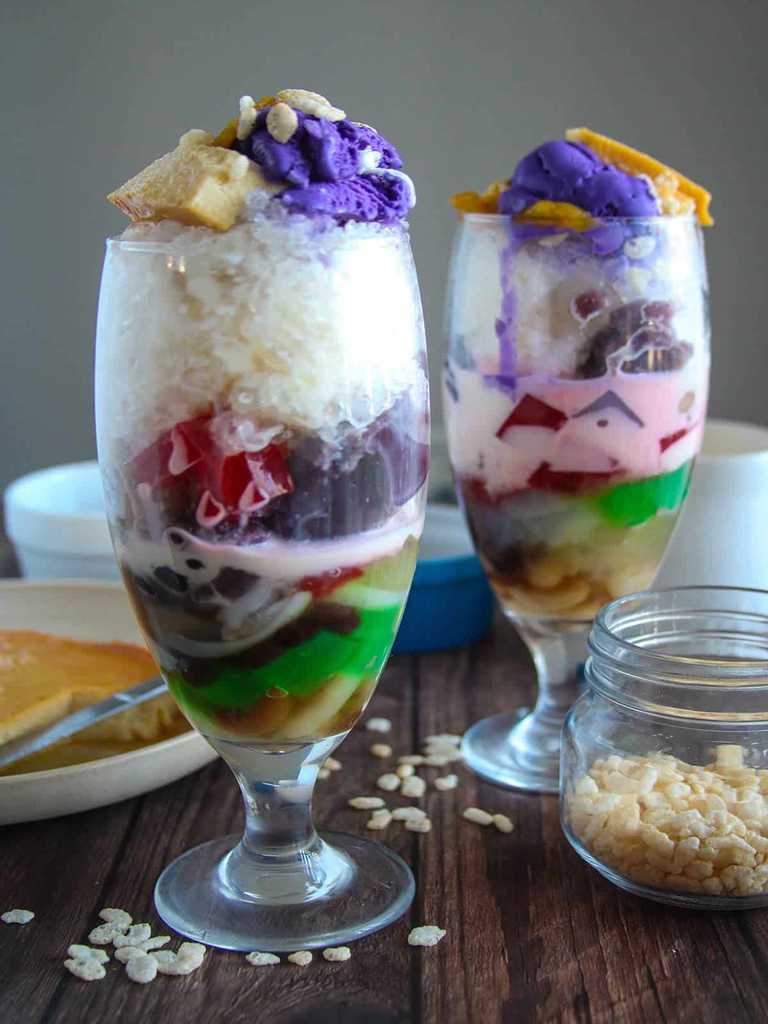
Halo-Halo (Filipino Shaved Ice Dessert) by kawalingpinoy.com
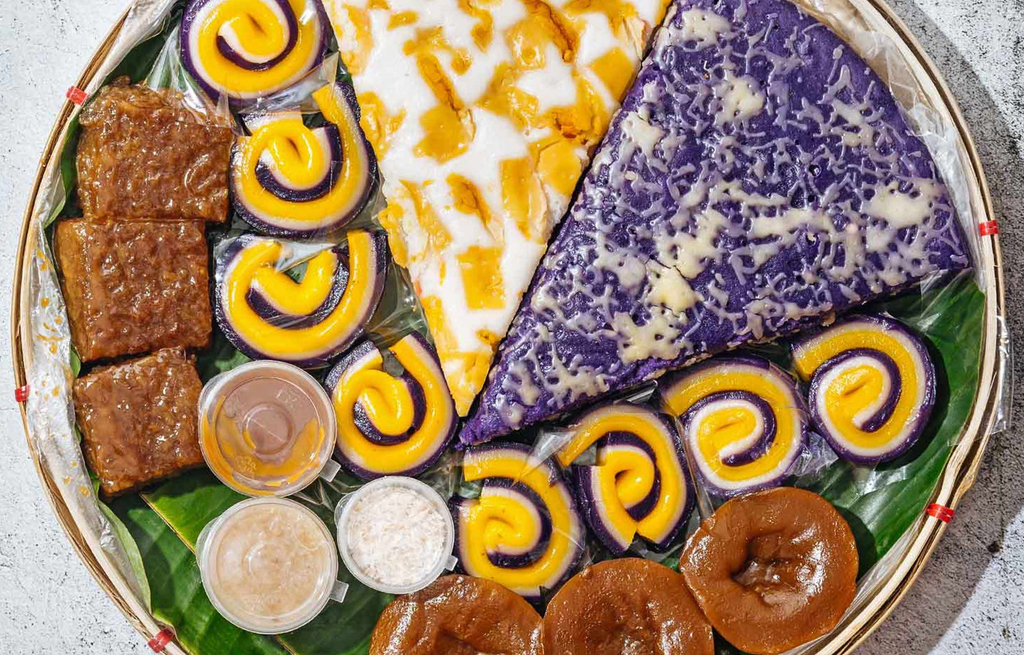
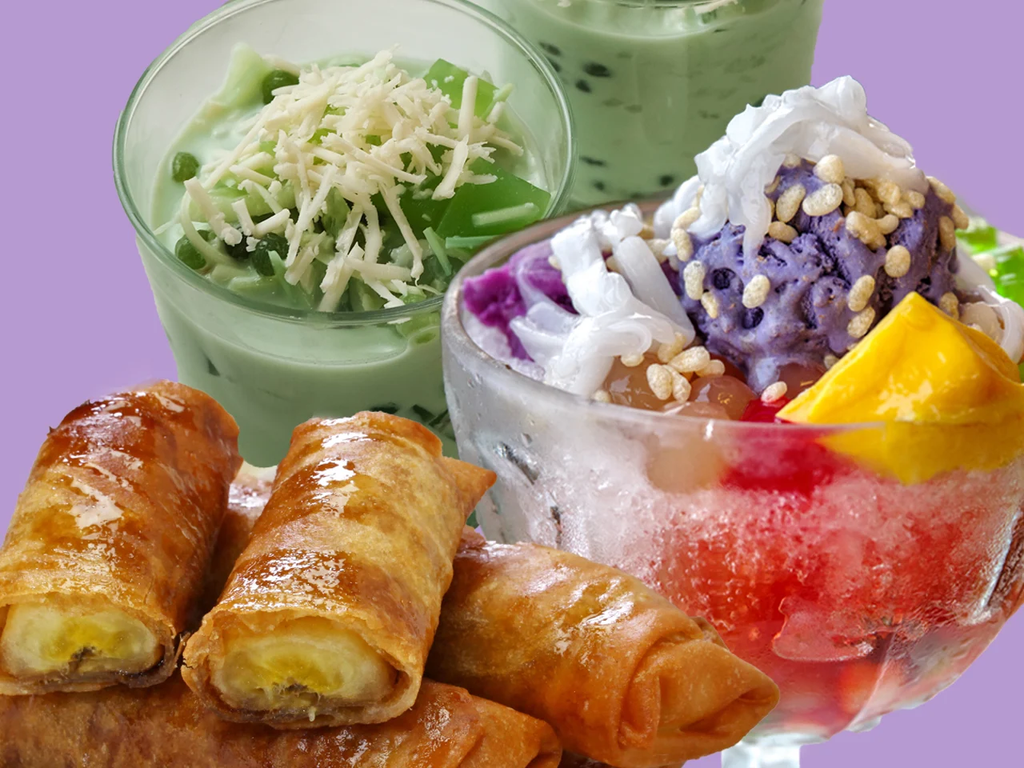
by kawalingpinoy.com by storage.googleapis.com
Why Filipino Desserts Stand Out
Filipino desserts are deeply tied to culture, celebration, and community. Whether served during fiestas, family gatherings, or everyday merienda, these sweets reflect the Philippines’ agricultural abundance—rice, coconut, tropical fruits, and sugarcane.
Key characteristics include:
- Coconut-rich flavors from gata, latik, and coconut strips
- Rice-based textures using malagkit, galapong, and sticky rice
- Tropical fruit sweetness from mango, banana, jackfruit, and ube
- Spanish-inspired techniques like custards, leche flan, and pastries
- Regional identity where each province has its own specialty
This guide breaks down desserts by category and region, helping readers discover both popular and underrated Filipino sweets.
Top Filipino Desserts by Category
Rice Cakes (Kakanin)
Rice cakes are the backbone of Filipino dessert culture. Made from glutinous rice, coconut milk, and sugar, kakanin varies widely across regions.
Bibingka (Luzon)
Bibingka is a soft, fluffy rice cake traditionally cooked in clay pots lined with banana leaves. Often enjoyed during Christmas, it features salted egg, cheese, and butter.
Best Regions:
- Metro Manila
- Quezon Province
- Ilocos Region
Puto (Nationwide)
Steamed rice cakes served plain or flavored with cheese, ube, pandan, or salted egg. Puto is a staple merienda and fiesta food.
Suman (Visayas & Luzon)
Sticky rice wrapped in banana or coconut leaves. Variants include:
- Suman sa Ibos (Bulacan)
- Suman sa Lihiya (Laguna)
- Suman Budbud (Dumaguete)
Biko (Nationwide)
A caramelized sticky rice cake topped with latik. Rich, sweet, and often served during celebrations.
Coconut-Based Desserts
Maja Blanca (Luzon)
A creamy coconut pudding made with cornstarch, sugar, and milk, topped with latik. Popular during fiestas and holidays.
Sapin-Sapin (Metro Manila & Northern Luzon)
A colorful layered dessert made from glutinous rice flour and coconut milk. Flavors include ube, jackfruit, and coconut.
Palitaw (Nationwide)
Flat rice cakes boiled until they float (“litaw”), coated in coconut, sugar, and sesame seeds.
Fruit-Based Desserts
Mango Float (Nationwide)
A modern Filipino refrigerator cake made with graham crackers, cream, and ripe mangoes. Easy, refreshing, and widely loved.
Minatamis na Saging (Nationwide)
Bananas cooked in caramelized sugar syrup, often served with sago or ice.
Ginataang Halo-Halo (Luzon)
A warm dessert made with sweet potatoes, bananas, sago, and jackfruit simmered in coconut milk.
Ube Desserts
Ube Halaya (Northern Luzon)
A purple yam jam used as a base for many desserts. Creamy, vibrant, and iconic.
Ube Ice Cream (Nationwide)
A Filipino favorite, often used in halo-halo or served on its own.
Ube Pandesal (Metro Manila)
A modern twist on the classic pandesal, filled with cheese and flavored with ube.
Custards & Cream-Based Desserts
Leche Flan (Nationwide)
A rich caramel custard made with egg yolks, milk, and sugar. Often considered the Philippines’ most beloved dessert.
Brazo de Mercedes (Luzon)
A soft meringue roll filled with custard. Light, airy, and perfect for celebrations.
Yema (Nationwide)
Sweet custard candies made from egg yolks and condensed milk. Popular as pasalubong.
Festival & Heritage Desserts
Halo-Halo (Nationwide)
The Philippines’ most famous dessert—a mix of crushed ice, milk, sweet beans, fruits, jellies, ube, and leche flan.
Turon (Nationwide)
Banana spring rolls coated in caramelized sugar. A street food classic.
Pastillas de Leche (Bulacan)
Soft milk candies rolled in sugar. A traditional pasalubong from Central Luzon.
Pili Tart & Pili Roll (Bicol)
Desserts featuring the native pili nut, known for its buttery texture.
Filipino Desserts by Region
Luzon Desserts
Luzon offers some of the country’s most iconic sweets, blending indigenous flavors with Spanish influences.
Notable Luzon Desserts
- Bibingka (Quezon, Ilocos)
- Sapin-Sapin (NCR)
- Leche Flan (Nationwide)
- Brazo de Mercedes (Metro Manila)
- Puto Calasiao (Pangasinan)
- Pastillas de Leche (Bulacan)
Best Places to Try Luzon Desserts
- Binondo, Manila
- Quezon Province bakeries
- Ilocos food markets
- Bulacan pasalubong centers
Visayas Desserts
Visayas desserts are known for their coconut richness, sticky rice cakes, and fruit-based sweets.
Notable Visayas Desserts
- Budbud Kabog (Dumaguete)
- Piaya (Bacolod)
- Napoleones (Bacolod)
- Biko (Cebu & Iloilo)
- Mango Float (Nationwide)
Best Places to Try Visayas Desserts
- Bacolod bakeries
- Dumaguete public market
- Cebu lechon & dessert shops
- Iloilo heritage restaurants
Mindanao Desserts
Mindanao’s desserts highlight indigenous flavors, tropical fruits, and Muslim culinary heritage.
Notable Mindanao Desserts
- Pastil (Maguindanao) – savory but often paired with sweet snacks
- Durian Candy (Davao)
- Kakanin varieties (Zamboanga Peninsula)
- Coconut sweets (Northern Mindanao)
Best Places to Try Mindanao Desserts
- Davao fruit markets
- Cagayan de Oro pasalubong shops
- Zamboanga food stalls
Where to Try Filipino Desserts
Travelers can enjoy Filipino desserts in:
- Local markets
- Street food stalls
- Bakeries and panaderias
- Fiestas and celebrations
- Pasalubong centers
- Heritage restaurants
For a deeper dive into regional food culture, explore:
- Philippine Food Guides
- Local Dining Tips
- Rice Desserts by Region
Related Guides
- Philippine Food Guide
- Local Dining Tips Guide
- Rice Desserts by Region
- Island Group Food Guides
- Eco‑Tourism Food Experiences
Conclusion – Discover More Filipino Food Adventures
Filipino desserts are more than just sweet treats—they are cultural stories passed down through generations. Whether you’re exploring Luzon’s bibingka, Visayas’ piaya, or Mindanao’s durian candies, each dessert offers a taste of the Philippines’ heritage, creativity, and regional identity.
If you’re building your travel itinerary or expanding your food knowledge, continue exploring our Food Silo for deeper guides, regional specialties, and curated culinary experiences.
Explore more Filipino food guides today and plan your next delicious adventure.
.