Explore the Philippines’ most iconic cooked foods—from rice meals and stews to grilled dishes, soups, noodles, and regional specialties. Learn ingredients, cooking techniques, cultural origins, and dining tips. Includes links to related food guides.
Cooked Foods in the Philippines:
Complete Guide to Dishes, Traditions, and Regional Flavors
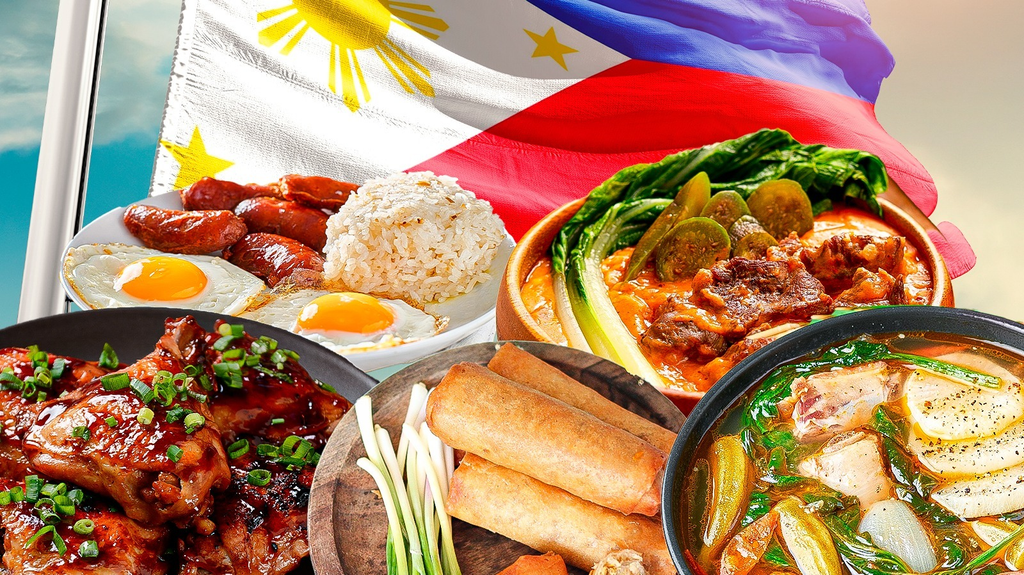
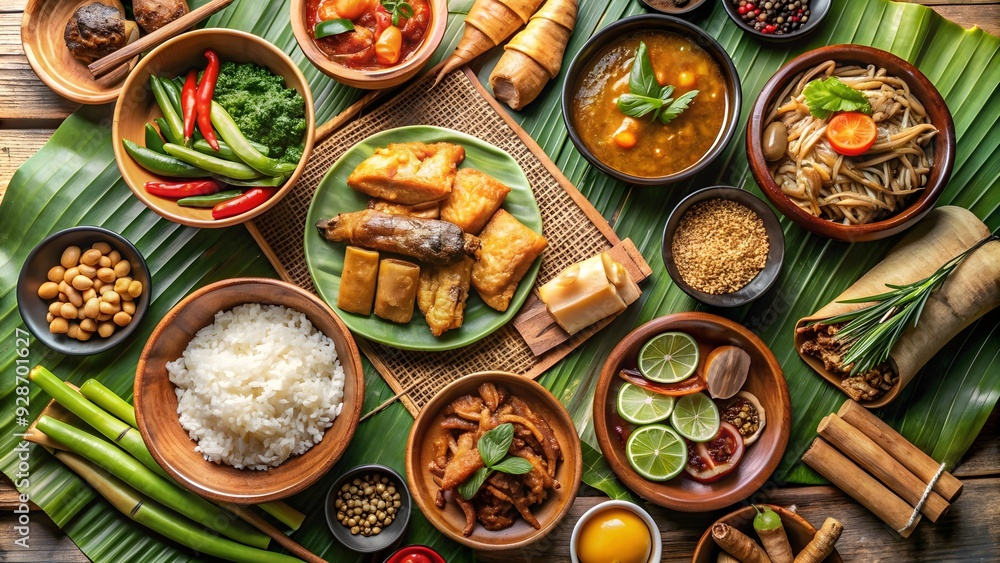
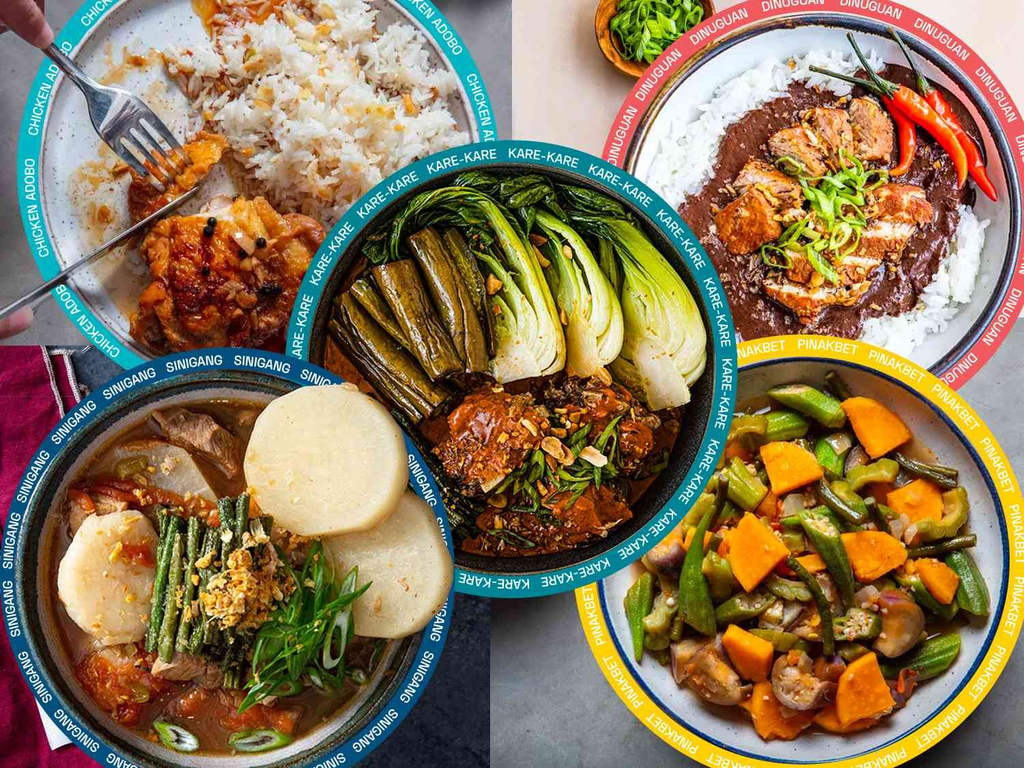
by tastingtable.com by artofit.com by stock.adobe.com
Cooked foods are the heart of Filipino cuisine. Across Luzon, Visayas, and Mindanao, families prepare dishes that blend indigenous traditions with Spanish, Chinese, Malay, and regional influences. This guide explores the Philippines’ most important, cooked dishes—how they’re made, what ingredients define them, and how each region adds its own identity.
‘Whether you’re documenting food culture, building culinary guides, or helping travelers understand Filipino dining, this page serves as your complete pillar for cooked foods under the Food Silo.
What Defines Filipino Cooked Foods?
Filipino cooked foods are built on four pillars:
- Rice-based meals
- Protein dishes (pork, chicken, beef, fish, seafood)
- Vegetable and mixed dishes
- Soups, stews, and broths
Across the archipelago, cooking methods such as boiling, stewing, grilling, frying, sautéing, and slow-cooking create dishes that are comforting, flavorful, and deeply tied to local culture.
Major Categories of Filipino Cooked Foods
Rice Cooked Dishes
Rice is the foundation of Filipino meals. Cooked rice dishes vary by region, ingredients, and cooking method.
Steamed Rice (Kanín)
The everyday staple. Served plain, paired with savory dishes, or flavored with garlic, ginger, or pandan.
Garlic Fried Rice (Sinangag)
A breakfast essential made with leftover rice sautéed in garlic. Often paired with tapsilog, longsilog, or bangsilog.
Sticky Rice Dishes
- Biko – sweetened sticky rice with coconut milk
- Suman – wrapped sticky rice cooked in coconut milk
- Kalamay – sticky rice dessert with sugar and coconut
Related Guide:
Pork Cooked Dishes
Pork is central to Filipino cuisine, especially in Luzon and Visayas.
Adobo (Pork Adobo)
Simmered in vinegar, soy sauce, garlic, and peppercorns. Variations include dry adobo, adobong puti, and regional versions using coconut milk.
Lechon
Whole roasted pig cooked over charcoal. Cebu lechon is famous for its crispy skin and herb-stuffed cavity.
Sisig
Chopped pork face and belly sautéed with onions, chili, and calamansi. Pampanga is the recognized origin.
Menudo
Tomato-based pork stew with potatoes, carrots, and liver.
Related Guide:
Chicken Cooked Dishes
Chicken dishes are widely prepared across the Philippines.
Chicken Adobo
A lighter version of pork adobo, often cooked with bay leaves and peppercorns.
Tinola
Ginger-based chicken soup with green papaya and chili leaves.
Inasal
Grilled chicken marinated in calamansi, vinegar, garlic, and annatto oil. Bacolod is the home of authentic inasal.
Afritada
Tomato-based chicken stew with vegetables.
Related Guide:
Fish & Seafood Cooked Dishes
With over 7,641 islands, seafood is abundant and central to coastal cuisine.
Paksiw
Fish simmered in vinegar, garlic, and spices.
Inihaw na Isda
Grilled fish served with soy-calamansi dipping sauce.
Kinilaw
Raw fish cured in vinegar or citrus, mixed with ginger, onions, and chili.
Sinigang na Hipon
Shrimp cooked in sour tamarind broth with vegetables.
Related Guide:
Vegetable Cooked Dishes
Vegetable dishes highlight agricultural staples like eggplant, okra, squash, bitter melon, and leafy greens.
Pinakbet
Ilocano vegetable dish flavored with bagoong.
Laing
Taro leaves cooked in coconut milk, chili, and dried fish. A Bicol specialty.
Ginisang Gulay
Sautéed mixed vegetables with garlic and onions.
Dinengdeng
Ilocano vegetable soup with grilled fish and bagoong.
Related Guide:
Soups, Stews, and Broths
These dishes define Filipino comfort food.
Sinigang
Sour tamarind-based soup with pork, fish, shrimp, or beef.
Nilaga
Clear broth with beef or pork, potatoes, and cabbage.
Bulalo
Beef shank and marrow stew from Batangas.
Kare-Kare
Peanut-based stew with oxtail, vegetables, and bagoong.
Related Pages
- Soups, Stews, and Broths Dishes Guide
Grilled & Fried Cooked Foods
Inihaw
Grilled meats, seafood, and vegetables served with dipping sauces.
Lumpia
Fried spring rolls filled with vegetables, pork, or seafood.
Tapa
Cured beef fried until crisp, commonly served with garlic rice.
Longganisa
Filipino sausages with regional variations—sweet, garlicky, spicy.
Related Pages
- Grilled & Fried Cooked Foods Guide
Noodle Cooked Dishes
Pancit Canton
Stir-fried noodles with vegetables, meat, and soy-based sauce.
Pancit Malabon
Thick noodles with seafood sauce and toppings.
Batchoy
Visayan noodle soup with pork organs, crushed chicharon, and egg.
Sotanghon
Clear noodle soup with chicken and vegetables.
Related Pages
- Noodle Cooked Dishes Guide
Regional Variations in Cooked Foods
Filipino cooked foods vary widely across regions.
Luzon
Ilocos
Pinakbet, dinengdeng, bagnet.
Pampanga
Sisig, bringhe, tocino.
Bicol
Laing, Bicol express, kinunot.
MIMAROPA
Palawan
Tamilok, nido soup, grilled blue marlin, lato salad, Cuyonon chicken rice.
Mindoro
Adobo sa gata, burong isda, sinaing na tulingan (Mindoro style), ginataang pagi, banana heart dishes.
Romblon
Inihaw na pugita, ginataang langka, linapay, seafood pancit, root crop dishes (camote, gabi, ube).
Visayas
Cebu
Lechon, tuslob buwa, bam-i.
Iloilo
Batchoy, kansi, pancit molo.
Negros
Chicken inasal, kansi variations.
Mindanao
Davao
Kinilaw, grilled tuna dishes.
Zamboanga
Curacha with alavar sauce.
Tausug & Maranao Cuisine
Satti, tiyula itum, palapa.
Cooking Methods Used in Filipino Cooked Foods
Boiling & Simmering
Used for soups, stews, and broths like tinola, nilaga, and sinigang.
Grilling (Inihaw)
Common in coastal and rural areas.
Frying
Lumpia, tapa, longganisa, fried fish.
Sautéing (Gisa)
Base technique for many dishes.
Stewing (Adobo, Menudo)
Slow-cooked dishes with layered flavors.
Braising
Used for kare-kare, paksiw, and other vinegar-based dishes.
Ingredients Commonly Used in Cooked Foods
Proteins
Pork, chicken, beef, fish, shrimp, squid, shellfish.
Vegetables
Eggplant, okra, squash, bitter melon, leafy greens.
Aromatics
Garlic, onions, ginger, lemongrass.
Seasonings
Soy sauce, vinegar, bagoong, fish sauce, calamansi.
Coconut Milk
Essential in Bicol and Mindanao dishes.
Cultural Significance of Cooked Foods
Cooked foods are central to Filipino celebrations:
- Birthdays
- Town fiestas
- Weddings
- Family gatherings
- Religious holidays
Dishes like lechon, pancit, and adobo symbolize abundance, longevity, and togetherness.
Related Food Guides
- Food Dishes Guide
- Rice Cooked Dishes
- Pork Dishes Guide
- Chicken Dishes Guide
- Fish & Seafood Dishes Guide
- Vegetable Dishes Guide
- Food & Culinary Traditions
Conclusion — Explore More Filipino Food Guides
Filipino cooked foods represent the diversity of the Philippines—its landscapes, cultures, and traditions. From rice meals and stews to grilled dishes, soups, noodles, and regional specialties, every dish tells a story of heritage and identity.