A comprehensive guide to money, banking, ATMs, exchange rates, GCash, credit cards, and financial essentials for visitors and expats in the Philippines. Learn how to access cash, avoid fees, understand tipping culture, and manage daily expenses safely.
Money, Banking & ATMs in the Philippines: Complete Visitor & Expat Guide
Managing money in the Philippines is straightforward once you understand how cash, digital payments, banking systems, and ATMs work across the country. Whether you’re a short‑term visitor or settling in as an expat, this guide covers everything you need—from withdrawing cash and opening a bank account to using GCash, navigating exchange rates, and staying safe during transactions.
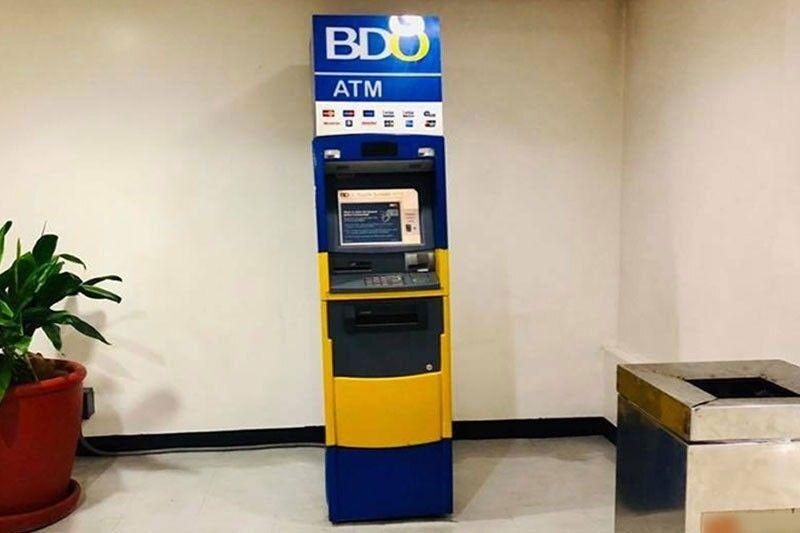
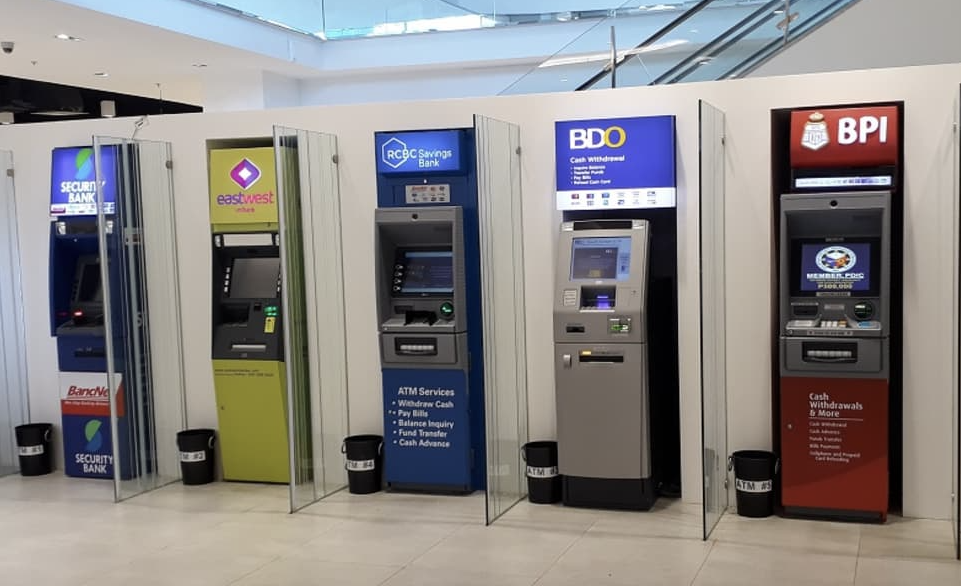
by philstar.com by nvestasian.com
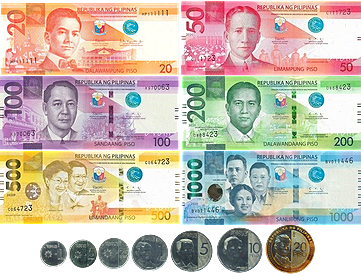
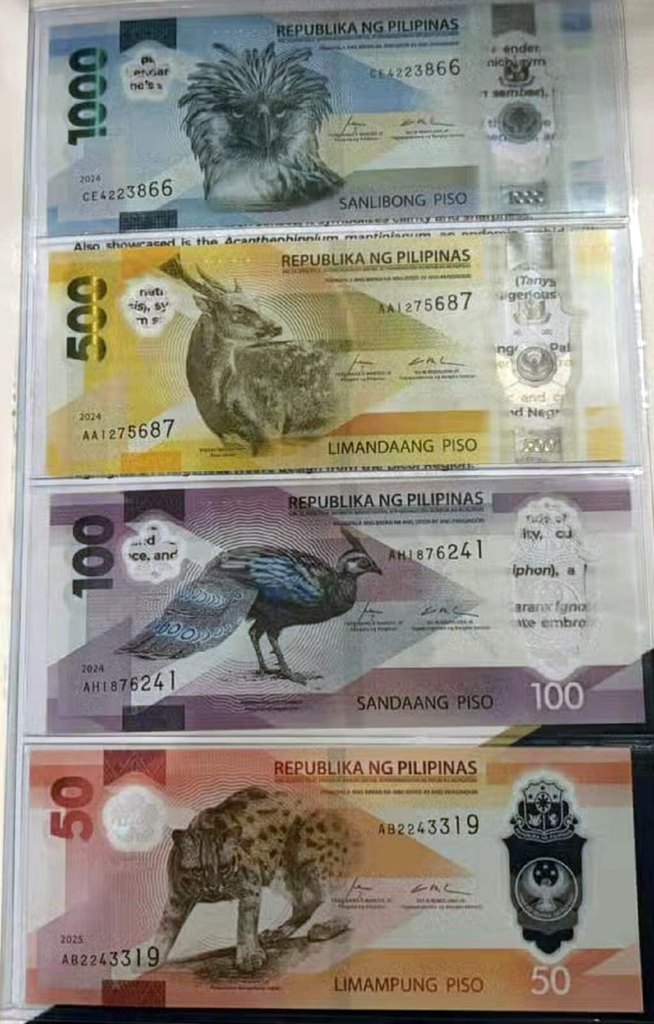
by artofit.com by business.inquirer.net
Understanding Philippine Currency (PHP)
The official currency of the Philippines is the Philippine Peso (PHP). Banknotes come in denominations of ₱20, ₱50, ₱100, ₱200, ₱500, and ₱1,000, while coins range from ₱1 to ₱20.
How Much Cash Should You Carry?
Cash is still widely used, especially outside major cities.
- In Manila, Cebu, and Davao: cash + digital payments are common.
- In provinces and islands: cash is essential.
- For daily travel: ₱1,000–₱3,000 is usually enough.
- For remote areas: bring extra cash because ATMs may be unavailable.
Where to Get the Best Exchange Rates
You’ll find the most favorable rates at:
- Mall-based money changers (Ayala, SM, Robinsons)
- Banks (BDO, BPI, Metrobank)
- Airport money changers (convenient but lower rates)
Avoid exchanging money at hotels or small street kiosks.
ATMs in the Philippines
ATMs are widely available in cities but less common in rural towns and islands. Always withdraw before traveling to remote destinations.
ATM Networks That Work Best for Foreign Cards
Most international Visa, Mastercard, and Cirrus cards work with:
- BDO
- BPI
- Metrobank
- Landbank
- PNB
Typical ATM Withdrawal Fees
Foreign card withdrawal fees range from ₱250–₱300 per transaction. Daily withdrawal limits vary:
- Most banks: ₱10,000–₱20,000
- Some provincial ATMs: ₱5,000–₱10,000
Safety Tips for ATM Use
- Use ATMs inside malls or banks.
- Avoid standalone ATMs at convenience stores late at night.
- Cover your PIN and inspect the machine for skimming devices.
- Decline “conversion” offers—always choose “Charge in PHP” for better rates.
Digital Payments: GCash, Maya & Contactless Cards
Digital payments have exploded in popularity, especially after 2020. Even small shops now accept QR payments.
GCash
GCash is the most widely used mobile wallet in the Philippines. Visitors can use GCash if they have:
- A Philippine SIM card
- Valid ID (passport accepted)
- A linked debit/credit card
Expats can fully verify their account for higher limits.
Maya
Maya is another major digital wallet offering:
- QR payments
- Online purchases
- Virtual Visa cards
- Bank transfers
Contactless Payments
Visa PayWave and Mastercard Tap-to-Pay work in:
- Major supermarkets
- Restaurants
- Ride-hailing apps
- Hotels
- Malls
However, many small businesses still prefer cash.
Credit Cards & Debit Cards
Credit cards are widely accepted in urban areas but less so in rural provinces.
Where Cards Are Commonly Accepted
- Hotels
- Chain restaurants
- Malls
- Supermarkets
- Ride-hailing apps (Grab, JoyRide)
Where Cash Is Still Required
- Local eateries (carinderias)
- Jeepneys, tricycles, ferries
- Small shops
- Public markets
- Remote islands
Avoiding Foreign Transaction Fees
To reduce fees:
- Use a travel-friendly card (no FX fees).
- Withdraw larger amounts less frequently.
- Pay in PHP, not your home currency.
Opening a Bank Account as an Expat
Expats staying long-term often open a local bank account for convenience.
Requirements
Most banks require:
- Passport
- ACR I-Card
- Proof of address
- Minimum deposit (₱2,000–₱10,000)
Best Banks for Expats
- BDO – largest branch network
- BPI – strong digital banking
- Metrobank – reliable service
- UnionBank – excellent online banking
- Security Bank – expat-friendly branches
Online Banking Features
Most banks offer:
- Bills payment
- Fund transfers
- QR payments
- Mobile apps
- Online statements
Sending Money to the Philippines
Visitors and expats often send money to local accounts or receive funds from abroad.
Best International Transfer Options
- Wise (formerly TransferWise)
- Remitly
- Western Union
- Xoom
- Bank wire transfers
Wise typically offers the best exchange rates.
Receiving Money Locally
Locals can receive funds through:
- Bank deposits
- GCash
- Maya
- Remittance centers (Cebuana, Palawan, MLhuillier)
Tipping Culture in the Philippines
Tipping is appreciated but not mandatory.
Standard Tipping Amounts
- Restaurants: ₱50–₱100 or 5–10%
- Hotels: ₱50–₱100 for bellhops
- Taxi/Grab: round up the fare
- Spas: ₱50–₱200
- Tour guides: ₱100–₱300
When Not to Tip
- Fast-food chains
- Convenience stores
- Public transportation
Daily Costs & Budgeting
Understanding typical costs helps visitors and expats plan their daily budget.
Average Daily Costs
- Meals: ₱150–₱350
- Coffee: ₱120–₱200
- Taxi/Grab: ₱150–₱300
- SIM card: ₱40–₱100
- Monthly rent (expat areas): ₱15,000–₱40,000
Budgeting Tips
- Keep small bills for transportation.
- Avoid carrying large amounts of cash.
- Use GCash for everyday purchases.
- Track expenses using apps like Money Manager or Maya.
Safety & Security When Handling Money
Common Scams to Avoid
- Overcharging taxis (use Grab)
- Fake money changers
- ATM skimming
- “Broken meter” taxi scam
- Pickpocketing in crowded areas
How to Stay Safe
- Use mall ATMs.
- Keep cash in multiple pockets.
- Avoid flashing large bills.
- Use hotel safes for passports and extra cash.
Money Tips for Remote Islands & Provinces
Bring Enough Cash
Many islands—Siargao, Camiguin, Romblon, Palawan—have limited ATMs.
Expect Cash-Only Transactions
- Boat transfers
- Local eateries
- Small resorts
- Souvenir shops
Withdraw Cash Before Traveling
Withdraw in Manila, Cebu, or Davao before heading to remote destinations.
Related Guides
- Visa & Immigration Guide
- Travel Essentials Guide
- Healthcare & Hospitals Guide
- Safety & Security Guide
- Transportation & Getting Around
- Housing & Rentals Guide
Ready to Explore More? Your Next Step as a Visitor or Expat
Managing money confidently is one of the most important parts of living or traveling in the Philippines. With the right mix of cash, digital payments, and safe banking habits, you’ll navigate daily life smoothly—whether you’re exploring Manila’s malls, island-hopping in the Visayas, or settling into long-term expat life.