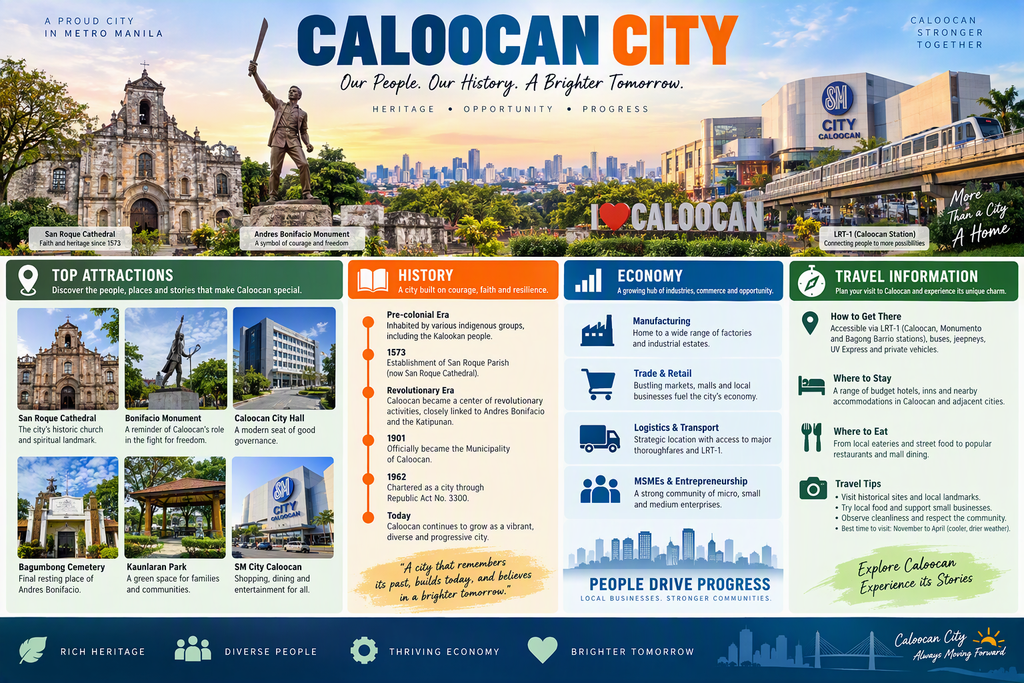
Discover Caloocan City in Metro Manila, Philippines. Learn about its history, attractions, transportation, economy, culture, districts, and practical travel information for visitors and residents.
Caloocan City
Caloocan City is one of the largest and most populated cities in Metro Manila, Philippines. Located at the northern edge of the National Capital Region (NCR), it serves as an important residential, commercial, and transportation hub connecting Metro Manila with neighboring provinces such as Bulacan. The city is known for its historical significance during the Philippine Revolution, its growing commercial districts, and its role as a gateway between the capital region and Northern Luzon.
With a blend of established communities, business centers, educational institutions, and historical landmarks, Caloocan continues to play a vital role in the economic and urban development of the Greater Manila Area.
Quick Facts About Caloocan City
| Category | Details |
|---|---|
| Region | National Capital Region (NCR) |
| Province | None |
| City Type | Highly Urbanized City |
| Founded | 1815 |
| Land Area | Approximately 53.33 km² |
| Population | Over 1.6 million residents |
| Language | Filipino, English |
| Major Districts | North Caloocan, South Caloocan |
| ZIP Codes | Various by district |
| Time Zone | Philippine Standard Time (PST) UTC+8 |
Where Is Caloocan City Located?
Caloocan occupies the northern portion of Metro Manila and is unique because it consists of two geographically separate sections.
South Caloocan
South Caloocan borders Manila, Malabon, Navotas, and Quezon City. This district serves as the city’s historic and commercial center.
North Caloocan
North Caloocan is much larger geographically and shares borders with Quezon City, Valenzuela, Bulacan, and Rodriguez in Rizal Province. This area contains many residential developments and emerging commercial zones.
The separation between North and South Caloocan was created following the establishment and expansion of Quezon City.
History of Caloocan City
The name “Caloocan” is believed to be derived from the Tagalog word lo-ok, meaning “bay” or “inlet.”
During the Spanish colonial era, Caloocan was established as a municipality and later became a significant site during the Philippine Revolution against Spain.
The Cry of Balintawak
One of the most important events associated with Caloocan is the Cry of Balintawak, which marked the beginning of the Filipino revolution against Spanish rule in 1896. Revolutionary leader Andres Bonifacio and members of the Katipunan played central roles in these historic events.
Growth Into a Modern City
Following World War II, Caloocan experienced rapid urbanization as Metro Manila expanded. Its strategic location attracted industries, residential communities, schools, and commercial developments, ultimately contributing to its status as one of NCR’s most populous cities.
Why Visit Caloocan City?
Although often overshadowed by more tourism-oriented destinations within Metro Manila, Caloocan offers unique historical significance, local culture, and easy access to various parts of Luzon.
Highlights
- Significant Philippine Revolution landmarks
- Important transportation hub
- Diverse local food scene
- Large public parks and memorials
- Shopping centers and commercial districts
- Affordable accommodations and dining
- Growing residential and business communities
Top Attractions in Caloocan City
Bonifacio Monument
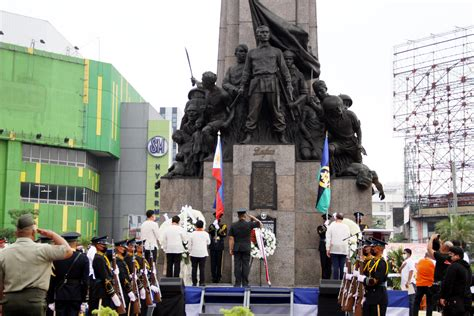
by pna.gov.ph
The Bonifacio Monument is the city’s most iconic landmark. Created by National Artist Guillermo Tolentino, it commemorates Andres Bonifacio and the Filipino revolutionaries who fought for independence.
Why Visit
- Historic national monument
- Symbol of Filipino nationalism
- Popular photography location
- Important educational landmark
La Loma Catholic Cemetery
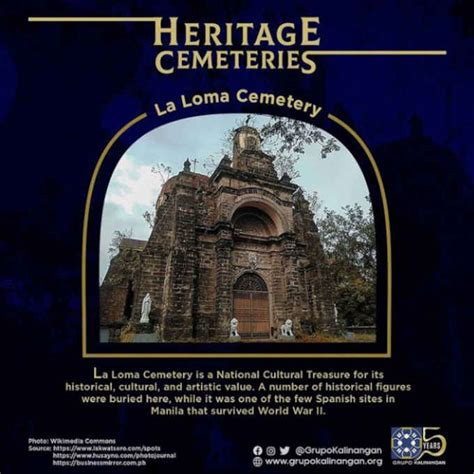
by bigwas.com
One of Metro Manila’s oldest cemeteries, La Loma Catholic Cemetery provides insights into the country’s history and architectural heritage.
Highlights
- Historic mausoleums
- Heritage architecture
- Cultural significance
- Peaceful surroundings
University of Caloocan City Areas
The educational districts surrounding the university offer local eateries, student-oriented establishments, and insight into everyday city life.
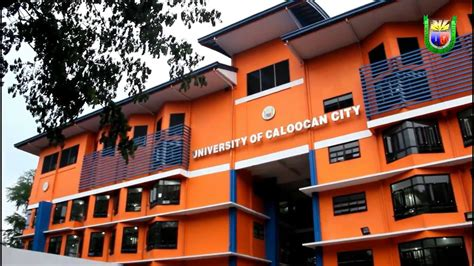
by youtube.com
People’s Park and Community Parks
Several parks throughout the city provide recreational opportunities for families, joggers, and residents seeking open spaces.
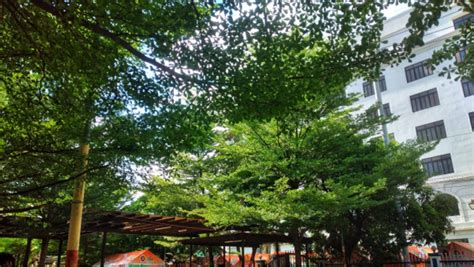
by itravelsnotebook.wixsite.com
Culture and Local Life
Caloocan reflects the diversity of Metro Manila, where long-established communities coexist alongside newer residential developments.
Local Traditions
Residents celebrate many traditional Filipino festivals, religious observances, and community events throughout the year.
Religious Influence
Roman Catholicism plays an important role in local life, with numerous churches serving as community centers.
Community Spirit
Despite its size, many barangays maintain strong neighborhood identities and active local organizations.
Food and Dining in Caloocan
Visitors can find a wide variety of dining options ranging from traditional Filipino cuisine to modern fast-food chains and international restaurants.
Must-Try Filipino Dishes
Adobo
The Philippines’ national favorite, available in numerous local restaurants.
Sisig
A flavorful dish made popular nationwide and commonly served throughout Caloocan.
Kare-Kare
A rich peanut-based stew often enjoyed during family gatherings.
Pancit
A noodle dish traditionally served during celebrations and special occasions.
Popular Dining Areas
- Monumento District
- Samson Road vicinity
- Zabarte Road area
- Commercial centers in North Caloocan
- Local neighborhood food strips
Shopping in Caloocan City
Shopping options range from traditional public markets to modern malls.
Major Shopping Destinations
SM Center Sangandaan
A convenient shopping mall offering retail, dining, and entertainment options.
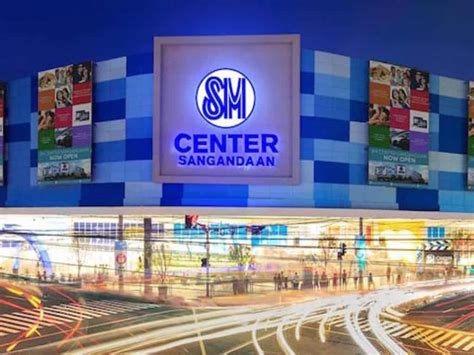
by lionunion.com
Victory Mall Monumento
One of the most recognizable shopping centers in the city.
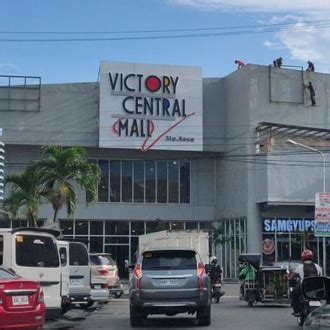
byrjmgadgetzone.com
Local Markets
Traditional markets remain popular among residents for fresh produce, seafood, meat, and everyday goods.
Economy of Caloocan City
Caloocan contributes significantly to the economy of Metro Manila through commerce, services, manufacturing, logistics, and retail industries.
Major Economic Sectors
Retail Trade
Shopping centers, public markets, and commercial establishments generate substantial economic activity.
Manufacturing
Various industrial operations continue to support employment and local production.
Logistics and Transportation
The city’s strategic location makes it an important link between Metro Manila and Northern Luzon.
Real Estate
Residential developments continue to expand, particularly in North Caloocan.
Transportation and Accessibility
Caloocan is one of Metro Manila’s most accessible cities.
Rail Transportation
LRT Line 1
Monumento Station provides direct rail access to Manila and other cities within Metro Manila.
Buses
Provincial and city buses frequently pass through major roads serving commuters and travelers.
Jeepneys
Traditional jeepneys remain one of the most common transportation modes within the city.
Modern Public Transport
Modern jeepneys, UV Express vans, ride-hailing services, and taxis are widely available.
Education in Caloocan City
The city hosts a wide range of educational institutions.
Notable Institutions
University of Caloocan City
A major public higher education institution serving local students.
Numerous Public Schools
Caloocan operates extensive elementary and secondary education systems to serve its large population.
Private Colleges and Universities
Several private institutions provide academic and professional training programs.
Living in Caloocan City
Many residents choose Caloocan because of its relatively affordable housing compared to some other Metro Manila cities.
Advantages
- Strong transportation connections
- Access to Metro Manila employment centers
- Expanding residential developments
- Numerous schools and hospitals
- Active commercial districts
Considerations
- Heavy traffic during peak hours
- Urban congestion in some areas
- Population density in established neighborhoods
Healthcare Facilities
Residents and visitors have access to both public and private healthcare providers.
Available Services
- Public hospitals
- Private medical centers
- Community health clinics
- Specialty medical services
- Emergency healthcare facilities
Best Time to Visit Caloocan
Dry Season (November to May)
The most comfortable period for sightseeing and outdoor activities.
Rainy Season (June to October)
Frequent rainfall may affect travel plans but attractions remain accessible.
Sample One-Day Caloocan Itinerary
Morning
- Visit the Bonifacio Monument
- Explore the Monumento area
- Enjoy local breakfast specialties
Afternoon
- Lunch at a local Filipino restaurant
- Visit shopping centers and commercial districts
- Explore community parks
Evening
- Enjoy local dining options
- Experience the city’s nightlife and food scene
- Return via convenient public transportation
Frequently Asked Questions About Caloocan City
Is Caloocan part of Metro Manila?
Yes. Caloocan is one of the cities that make up the National Capital Region (NCR).
What is Caloocan famous for?
The city is best known for the Bonifacio Monument, its role in the Philippine Revolution, and its strategic location connecting Metro Manila to Northern Luzon.
Is Caloocan safe for visitors?
Like other major urban areas, visitors should practice normal safety precautions, remain aware of their surroundings, and secure personal belongings.
How do I get to Caloocan?
Travelers can access the city through LRT Line 1, buses, jeepneys, private vehicles, ride-hailing services, and provincial transportation networks.
Related Metro Manila City Guides
Popular Metro Manila Travel Guides
- ➜ Best Hotels in Metro Manila
- ➜ Best Shopping Malls in Metro Manila
- ➜ Best Nightlife Areas in Metro Manila
- ➜ Best Rooftop Bars in Metro Manila
- ➜ Best Restaurants in Metro Manila
- ➜ Metro Manila Transportation Guide
- ➜ Top 25 Manila Attractions You Must Visit
Weekend Getaways Near Metro Manila
- ➜ Tagaytay Travel Guide
- ➜ Batangas Travel Guide
- ➜ Laguna Travel Guide
- ➜ Bataan Travel Guide
- ➜ Subic Travel Guide
- ➜ Baguio Travel Guide
Conclusion
Caloocan City combines historical importance, urban convenience, and economic vitality within one of Metro Manila’s most significant northern gateways. Whether visitors are exploring revolutionary landmarks, experiencing local culture, enjoying Filipino cuisine, or using the city as a transportation hub to Northern Luzon, Caloocan offers a valuable perspective on life within the Philippine capital region. Its rich history, expanding infrastructure, and strategic location continue to make it an essential part of Metro Manila’s growth and identity.