Explore detailed summaries of all Philippine regions—culture, geography, economy, tourism, and identity. A comprehensive Information Silo subpage designed for travelers, students, and researchers.
Regional Summaries Guide: Complete Overview of Philippine Regions
The Philippines is divided into 17 administrative regions, each with its own cultural identity, geographic character, economic strengths, and tourism highlights. This Regional Summaries Guide provides a structured, information‑rich overview designed for travelers, researchers, students, and anyone seeking a deeper understanding of the archipelago’s regional diversity.
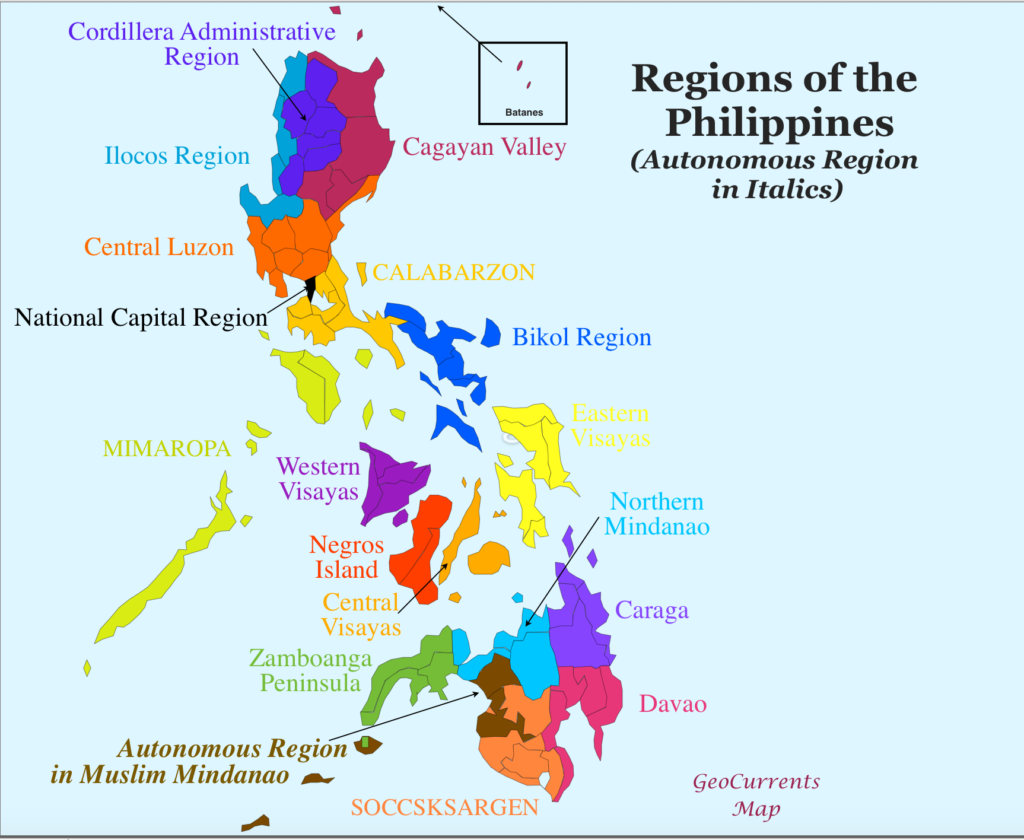
by mumble.nationalgeographic.com
Understanding the Philippine Regional System
The regional system organizes provinces into clusters that share geographic proximity, cultural similarities, or administrative functions. While provinces are the primary local government units, regions serve as higher‑level groupings that streamline governance, planning, and development.
Key regional functions include:
- Economic coordination across provinces
- Infrastructure planning and inter‑provincial connectivity
- Cultural preservation and regional identity promotion
- Tourism development through unified branding
- Statistical reporting for national agencies
- Regional Summaries (Luzon, Visayas, Mindanao)
Below is a structured breakdown of each region, organized by island group.
Luzon Regions
Region I – Ilocos Region
Provinces: Ilocos Norte, Ilocos Sur, La Union, Pangasinan
- Identity: Coastal heritage, strong agricultural traditions, historic architecture
- Economy: Tobacco, corn, garlic, fisheries, tourism
- Tourism Highlights: Vigan Heritage Village, Pagudpud, Hundred Islands
Related Guides:
- Ilocos Travel Guide
- Northern Luzon Destinations
Region II – Cagayan Valley
Provinces: Cagayan, Isabela, Nueva Vizcaya, Quirino, Batanes
- Identity: Mountain ranges, fertile valleys, Ivatan culture
- Economy: Rice, corn, aquaculture, forestry
- Tourism Highlights: Batanes stone houses, Callao Cave, Sierra Madre treks
Related Guides:
- Cagayan Valley Travel Guide
- Batanes Travel Guide
Region III – Central Luzon
Provinces: Aurora, Bataan, Bulacan, Nueva Ecija, Pampanga, Tarlac, Zambales
- Identity: Culinary capital, agricultural powerhouse, industrial corridor
- Economy: Rice, sugarcane, manufacturing, logistics
- Tourism Highlights: Mount Pinatubo, Subic, Clark, Aurora beaches
Related Guides:
- Central Luzon Travel Guide
- Central Luzon Food Guide
- Zambales Beaches
Region IV‑A – CALABARZON
Provinces: Cavite, Laguna, Batangas, Rizal, Quezon
- Identity: Rapid urbanization, heritage towns, lakeside culture
- Economy: Industrial parks, agriculture, tourism
- Tourism Highlights: Tagaytay, Taal Volcano, Batangas beaches
Related Guides:
- CALABARZON Travel Guide
Region IV‑B – MIMAROPA
Provinces: Mindoro, Marinduque, Romblon, Palawan
- Identity: Island biodiversity, marine conservation, rural heritage
- Economy: Fisheries, agriculture, eco‑tourism
- Tourism Highlights: Coron, El Nido, Romblon marble, Apo Reef
Related Guides:
- Palawan Island Guide
- MIMAROPA Travel Guide
Region V – Bicol Region
Provinces: Albay, Camarines Norte, Camarines Sur, Catanduanes, Masbate, Sorsogon
- Identity: Spicy cuisine, volcanic landscapes, strong Catholic traditions
- Economy: Agriculture, fisheries, tourism
- Tourism Highlights: Mayon Volcano, Caramoan, Donsol whale sharks
Related Guides:
- Bicol Travel Guide
Region XIV – Cordillera Administrative Region (CAR)
Provinces: Abra, Apayao, Benguet, Ifugao, Kalinga, Mountain Province
- Identity: Indigenous highland culture, rice terraces, cool climate
- Economy: Vegetables, coffee, crafts, tourism
- Tourism Highlights: Banaue Rice Terraces, Sagada, Baguio
Related Guides:
- Cordillera Cultural Guide
- Cordillera Travel Guide
Visayas Regions
Region VI – Western Visayas
Provinces: Aklan, Antique, Capiz, Guimaras, Iloilo, Negros Occidental
- Identity: Coastal heritage, Hiligaynon culture, festivals
- Economy: Sugar, fisheries, mangoes, tourism
- Tourism Highlights: Boracay, Iloilo heritage, Guimaras mango farms
Related Guides:
Region VII – Central Visayas
Provinces: Cebu, Bohol, Negros Oriental, Siquijor
- Identity: Trade hub, island culture, historic landmarks
- Economy: Tourism, manufacturing, IT‑BPO
- Tourism Highlights: Chocolate Hills, Cebu City, Siquijor beaches
Related Guides:
Region VIII – Eastern Visayas
Provinces: Biliran, Leyte, Southern Leyte, Northern Samar, Eastern Samar, Western Samar
- Identity: War history, coastal communities, resilient culture
- Economy: Agriculture, fisheries, energy
- Tourism Highlights: Kalanggaman Island, San Juanico Bridge, Limasawa
Related Guides:
Mindanao Regions
Region IX – Zamboanga Peninsula
Provinces: Zamboanga del Norte, Zamboanga del Sur, Zamboanga Sibugay
- Identity: Chavacano heritage, coastal culture
- Economy: Fisheries, agriculture, trade
- Tourism Highlights: Pink Sand Beach, Fort Pilar, Dakak
Related Guides:
Region X – Northern Mindanao
Provinces: Bukidnon, Camiguin, Lanao del Norte, Misamis Occidental, Misamis Oriental
- Identity: Highlands, volcanic islands, agricultural heartland
- Economy: Pineapple, corn, tourism, manufacturing
- Tourism Highlights: Camiguin, Bukidnon mountains, Cagayan de Oro
Related Guides:
Region XI – Davao Region
Provinces: Davao del Norte, Davao del Sur, Davao Oriental, Davao Occidental, Davao de Oro
- Identity: Durian culture, indigenous heritage, strong urban center
- Economy: Agriculture, trade, tourism
- Tourism Highlights: Samal Island, Mt. Apo, Dahican Beach
Related Guides:
Region XII – SOCCSKSARGEN
Provinces: South Cotabato, Cotabato (North), Sultan Kudarat, Sarangani
- Identity: Tuna capital, diverse ethnic groups
- Economy: Fisheries, agriculture, trade
- Tourism Highlights: Lake Sebu, Sarangani Bay, GenSan
Related Guides:
- SOCCSKSARGEN Travel Guide
Region XIII – Caraga
Provinces: Agusan del Norte, Agusan del Sur, Surigao del Norte, Surigao del Sur, Dinagat Islands
- Identity: Rainforests, mining, island culture
- Economy: Mining, forestry, tourism
- Tourism Highlights: Siargao, Tinuy‑an Falls, Enchanted River
Related Guides:
- Caraga Region Guide
Region XV – BARMM (Bangsamoro Autonomous Region in Muslim Mindanao)
Provinces: Basilan, Lanao del Sur, Maguindanao del Norte, Maguindanao del Sur, Sulu, Tawi‑Tawi
- Identity: Islamic heritage, maritime culture, diverse ethnic groups
- Economy: Fisheries, agriculture, crafts
- Tourism Highlights: Bud Bongao, Sulu seas, Lake Lanao
Related Guides:
- BARMM Cultural Guide
- BARRM Travel Guide
Conclusion — A Deeper Invitation for Readers to Explore the Philippines
The Philippines is more than a collection of islands—it is a tapestry of cultures, landscapes, languages, and histories woven across 17 distinct regions. Each region carries its own identity, shaped by centuries of tradition, geography, and community life. By exploring these regional summaries, you’ve taken the first step toward understanding the country not just as a destination, but as a living, breathing archipelago with stories that stretch far beyond its coastlines.
This guide is designed to be your gateway. Every region you’ve just read about can lead you into deeper journeys—whether you’re a traveler planning your next adventure, a student researching Philippine geography, or a reader simply curious about the nation’s diversity. The Philippines rewards curiosity, and the more you explore, the more you uncover.
Use this Regional Summaries Guide as your foundation for discovering:
- How regional cultures shape local food, festivals, and traditions
- Why geography and climate differ dramatically from region to region
- What makes each region’s economy and industries unique
- Where the most iconic destinations and hidden gems can be found
- How regional identities contribute to the national story of the Philippines
Every region offers something different—mountain cultures in the Cordilleras, volcanic landscapes in Bicol, island biodiversity in MIMAROPA, heritage cities in Ilocos, and vibrant trade hubs in the Visayas and Mindanao. By diving deeper into each one, you gain a clearer, richer understanding of the Philippines as a whole.
If you’re building out your knowledge or planning future travels, this is the perfect moment to continue exploring. Move into more detailed guides, expand your understanding of regional identities, or explore the country’s natural wonders through interconnected pages that help you see the Philippines from every angle.