Explore the Philippines’ UNESCO World Heritage Sites, including cultural landmarks, natural wonders, historic cities, churches, and protected marine parks. Learn how to visit, what to expect, and why these sites matter.
Philippine Cultural Travel Guide: UNESCO World Heritage Sites
Introduction
The Philippines is home to a remarkable collection of UNESCO World Heritage Sites, each representing the country’s cultural identity, historical evolution, and ecological richness. These sites are not just tourist attractions—they are living testaments to Filipino heritage, indigenous knowledge, colonial history, biodiversity, and community resilience.
For travelers, exploring UNESCO sites offers a deeper understanding of the Philippines beyond beaches and resorts. These destinations reveal the stories of ancient rice farmers, Spanish-era builders, indigenous communities, and conservationists who protect fragile ecosystems. This guide provides a comprehensive, traveler‑focused overview of all UNESCO World Heritage Sites in the Philippines, including practical tips, cultural insights, and regional context.
Overview of UNESCO Sites in the Philippines
The Philippines currently has six UNESCO World Heritage Sites, divided into three cultural and three natural categories.
Cultural Sites
- Rice Terraces of the Philippine Cordilleras
- Historic City of Vigan
- Baroque Churches of the Philippines
Natural Sites
- Puerto Princesa Subterranean River National Park
- Tubbataha Reefs Natural Park
- Mount Hamiguitan Range Wildlife Sanctuary
Each site offers a unique cultural or ecological experience, making them essential stops for heritage‑focused travelers.
Cultural UNESCO Sites
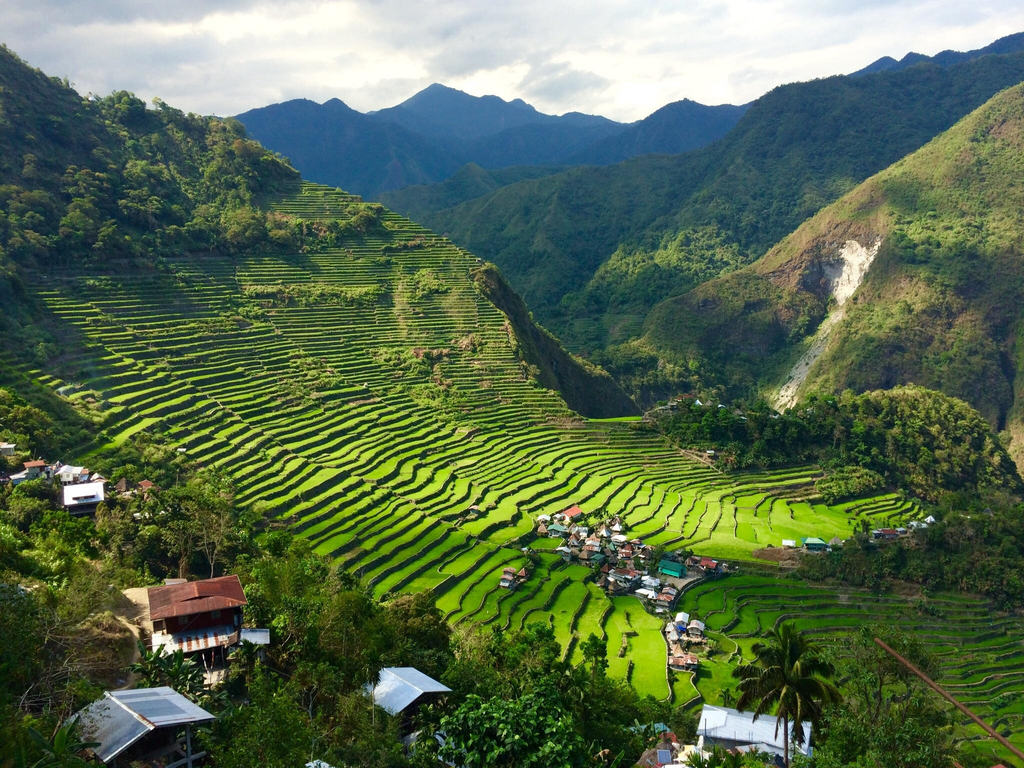
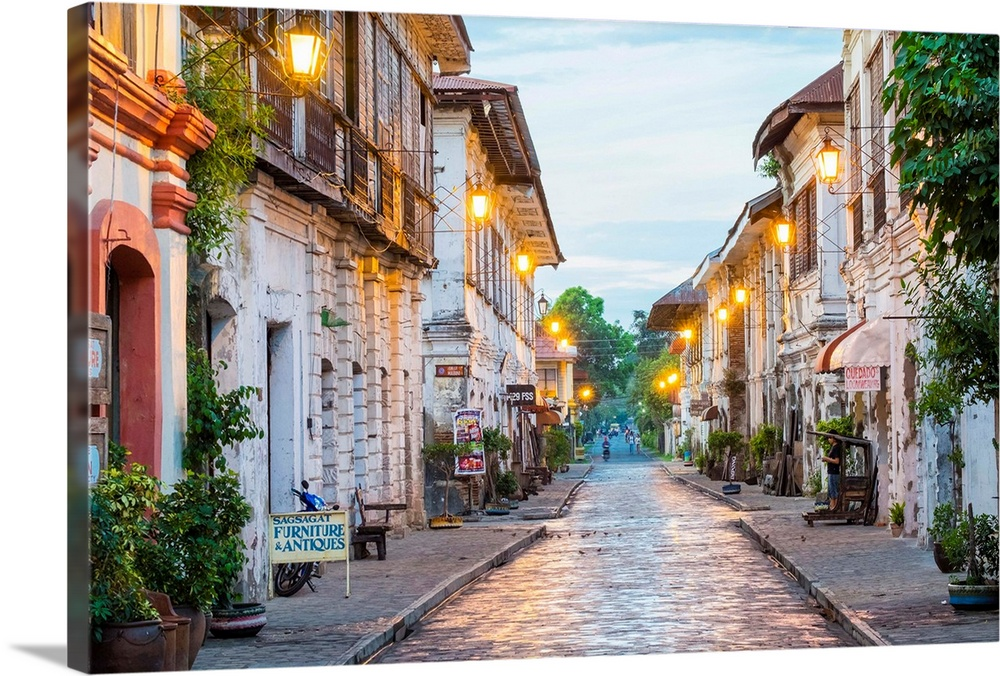
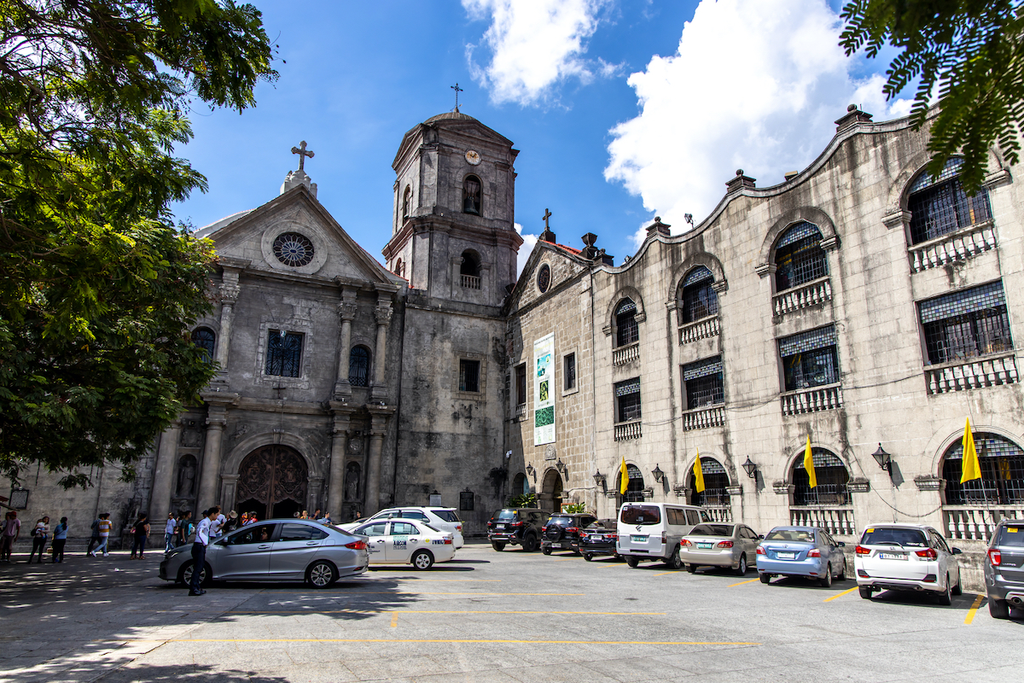
Rice Terraces Banaue Philippines by fity.club Calle Crisologo by greatbigcanvas.com San Agustin Church by outoftownblog.com
Rice Terraces of the Philippine Cordilleras
Overview
Often called the “Eighth Wonder of the World,” the Rice Terraces of the Philippine Cordilleras are a 2,000‑year‑old agricultural marvel carved by the Ifugao people using only hand tools and indigenous engineering. These terraces demonstrate sustainable farming practices that harmonize with mountain ecosystems.
Key Locations
- Banaue
- Batad
- Bangaan
- Mayoyao
- Hapao
Cultural Significance
The terraces reflect the Ifugao’s ancestral knowledge, spiritual rituals, and communal labor traditions. They are part of a cultural landscape where farming, festivals, and indigenous identity are deeply intertwined.
Traveler Experience
Visitors can trek through terraced valleys, join cultural tours, witness traditional weaving, and learn about Ifugao rice varieties. Homestays offer immersive experiences with local families.
Best Time to Visit
- Greenest months: June–September
- Harvest season: October–November
Historic City of Vigan
Overview
Vigan is the best‑preserved Spanish colonial town in Asia. Its cobblestone streets, ancestral houses, and mestizo architecture showcase the blending of Filipino, Chinese, and Spanish influences.
Key Attractions
- Calle Crisologo
- Syquia Mansion
- Bantay Bell Tower
- Vigan Cathedral
- Plaza Salcedo
Cultural Significance
Vigan represents the Philippines’ colonial past, trade history, and architectural evolution. Its preservation is a community effort involving local artisans, heritage advocates, and government programs.
Traveler Experience
Horse‑drawn kalesa rides, pottery workshops, weaving demonstrations, and heritage food tours (including Vigan longganisa and empanada) make Vigan a cultural immersion destination.
Best Time to Visit
Dry season: November–April
Baroque Churches of the Philippines
Overview
Four Spanish‑era churches—San Agustin (Manila), Santa Maria (Ilocos Sur), Miagao (Iloilo), and Paoay (Ilocos Norte)—form this UNESCO grouping. They showcase Earthquake Baroque architecture, designed to withstand seismic activity.
Key Churches
- San Agustin Church (Manila)
- Santa Maria Church (Ilocos Sur)
- Paoay Church (Ilocos Norte)
- Miagao Church (Iloilo)
Cultural Significance
These churches reflect the fusion of European Baroque style with Filipino, Chinese, and indigenous motifs. Their massive buttresses, carved facades, and fortress‑like structures symbolize resilience and adaptation.
Traveler Experience
Visitors can explore church interiors, museum collections, and nearby heritage towns. Photography enthusiasts will appreciate the intricate stonework and dramatic architectural angles.
Best Time to Visit
Year‑round, with fewer crowds on weekdays.
Natural UNESCO Sites
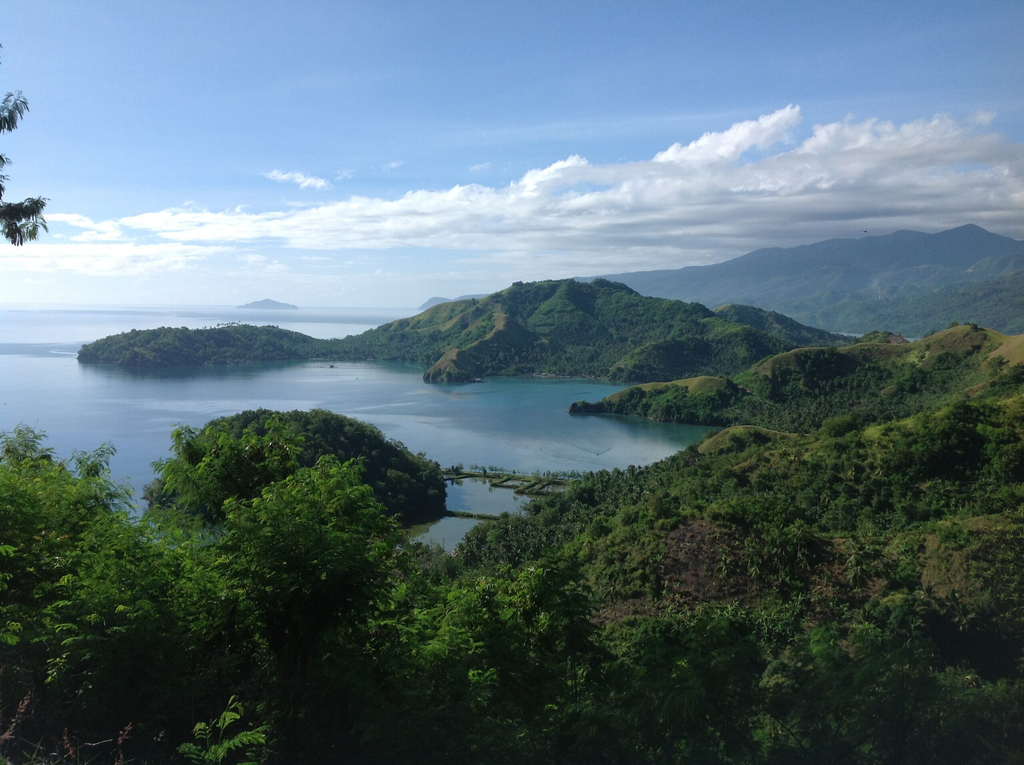
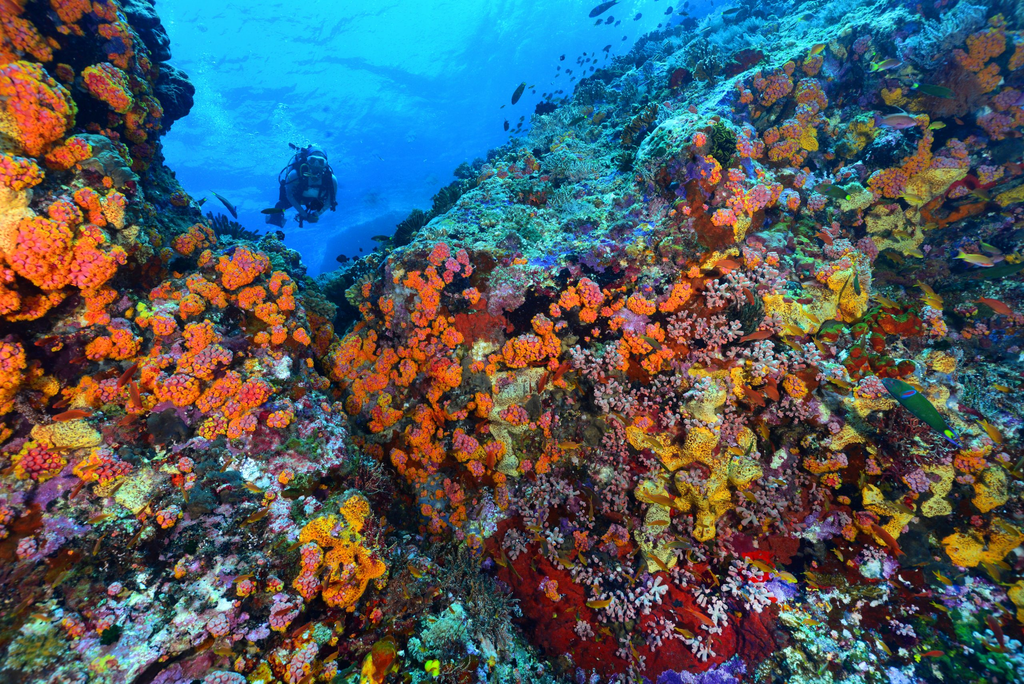
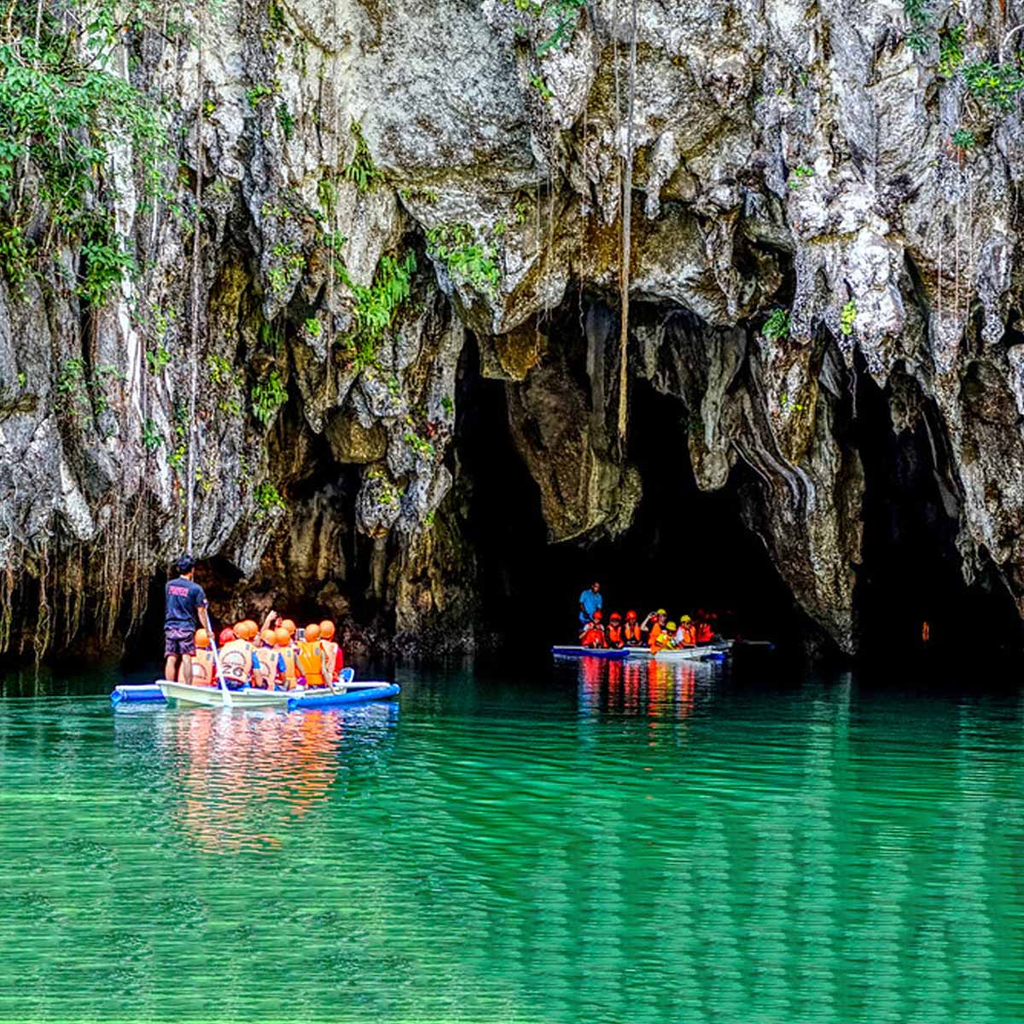
Mount Hamiguitan Range by aseanbiodiversity.org Tubbataha Reefs by marine-conservation.org Subterranean National Park by bgcgoshen.org
Puerto Princesa Subterranean River National Park
Overview
Located in Palawan, this natural wonder features an 8.2‑kilometer underground river flowing beneath limestone karst formations. It is one of the world’s longest navigable underground rivers.
Ecological Significance
The park hosts diverse ecosystems, including forests, mangroves, and cave habitats. It is home to endemic species such as the Palawan peacock‑pheasant and various bat colonies.
Traveler Experience
Visitors take guided boat tours through cathedral‑like chambers filled with stalactites and stalagmites. The surrounding area offers jungle trails, beaches, and wildlife viewing.
Best Time to Visit
Dry season: December–May
Tubbataha Reefs Natural Park
Overview
Tubbataha is the Philippines’ premier diving destination and one of the most biodiverse marine ecosystems on Earth. Located in the Sulu Sea, it is accessible only by liveaboard boats.
Ecological Significance
The park protects over 600 fish species, 360 coral species, sharks, manta rays, turtles, and seabirds. It is a critical breeding ground for marine life.
Traveler Experience
Diving in Tubbataha offers pristine reefs, dramatic drop‑offs, and encounters with large pelagic species. Strict conservation rules ensure minimal human impact.
Best Time to Visit
March–June (liveaboard season)
Mount Hamiguitan Range Wildlife Sanctuary
Overview
Located in Davao Oriental, Mount Hamiguitan is known for its pygmy forest—trees stunted by ultramafic soil conditions. The sanctuary protects rare species found nowhere else.
Ecological Significance
Key species include:
- Philippine eagle
- Philippine warty pig
- Hamiguitan pitcher plants
- Endemic orchids
Traveler Experience
Trekkers can explore mossy forests, bonsai fields, and wildlife habitats. The visitor center provides educational exhibits on conservation.
Best Time to Visit
Dry months: February–May
Why UNESCO Sites Matter to Cultural Travelers
Preservation of Heritage
UNESCO sites safeguard irreplaceable cultural and natural treasures, ensuring future generations can experience them.
Community Identity
Many sites are living cultural landscapes where traditions, rituals, and livelihoods continue.
Sustainable Tourism
UNESCO designation encourages responsible tourism practices, benefiting local communities and ecosystems.
Educational Value
Travelers gain deeper insights into Filipino history, indigenous knowledge, architecture, and biodiversity.
Practical Travel Tips for Visiting UNESCO Sites
Permits and Fees
Some sites require advance booking or environmental fees, especially Puerto Princesa and Tubbataha.
Guided Tours
Hiring local guides enriches the experience and supports community livelihoods.
Respect for Cultural Protocols
- Ask permission before photographing indigenous communities.
- Follow dress codes in churches.
- Avoid touching fragile structures or artifacts.
Environmental Responsibility
- Do not litter.
- Avoid single‑use plastics.
- Follow wildlife viewing guidelines.
Suggested UNESCO Travel Itineraries
Luzon Heritage Loop
- Vigan
- Paoay Church
- Santa Maria Church
- San Agustin Church
- Banaue Rice Terraces
Palawan Nature Circuit
- Puerto Princesa Underground River
- Tubbataha (seasonal)
- El Nido or Coron add‑ons
Mindanao Biodiversity Route
- Mount Hamiguitan
- Davao cultural tours
- Coastal eco‑tourism sites
Future UNESCO Prospects (Tentative List)
These locations are on the Philippines’ UNESCO Tentative List, offering potential future additions:
- Batanes Cultural Landscape
- Kabayan Mummy Burial Caves
- Agusan Marsh Wildlife Sanctuary
- Mount Apo Natural Park
- Coron Island Natural Biotic Area
- Loboc River Landscape
- Cebu Historic Sites
These destinations may eventually expand the country’s UNESCO portfolio.
Conclusion
The UNESCO World Heritage Sites of the Philippines offer travelers a profound journey through the country’s cultural evolution, architectural ingenuity, indigenous traditions, and ecological wonders. Whether exploring ancient rice terraces, walking through colonial streets, diving into pristine reefs, or trekking through endemic forests, each site reveals a different facet of Filipino heritage.