by crazytouristgirl12.blogspot.com
Learn how Philippine climate works. Explore seasonal patterns, rainfall distribution, temperature profiles, and extreme weather systems including typhoons, El Niño, and La Niña.
by YouTube.com
Philippine Climate & Weather Systems — Complete Guide
The Philippines sits in the tropical western Pacific, giving it a warm, humid, and highly dynamic climate shaped by monsoons, ocean temperatures, and large‑scale atmospheric systems. This pillar page breaks down the country’s seasonal patterns, rainfall distribution, temperature profiles, and extreme weather events such as typhoons, El Niño, and La Niña.
Seasonal Patterns in the Philippines
The country experiences two dominant seasons: the dry season and the wet season, both heavily influenced by monsoon winds.
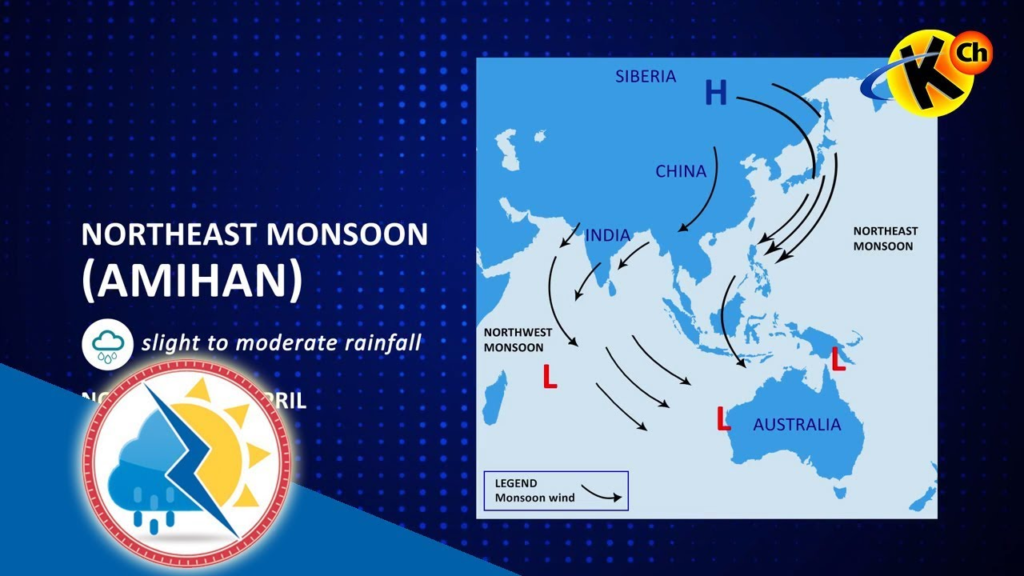
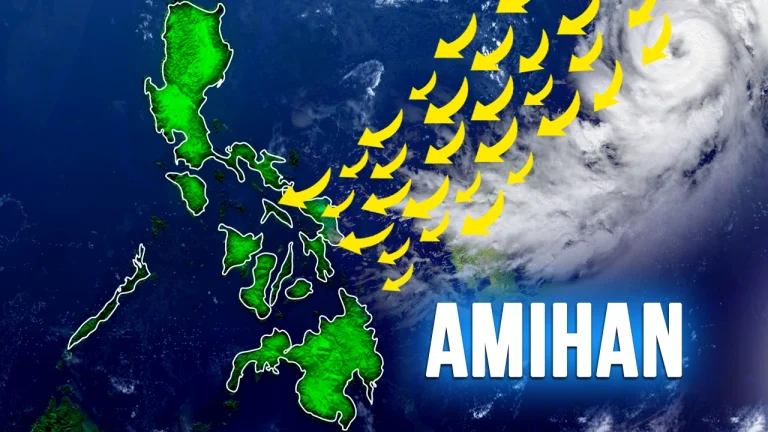
Dry Season (Amihan & Early Summer)
- Months: November to May
- Drivers: Northeast Monsoon (Amihan)
- Characteristics:
- Cooler temperatures from December–February
- Hot, dry conditions from March–May
- Clear skies ideal for tourism and outdoor travel
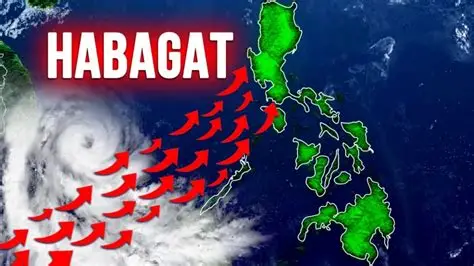
Wet Season (Habagat)
- Months: June to October
- Drivers: Southwest Monsoon (Habagat)
- Characteristics:
- Frequent rain showers and thunderstorms
- High humidity
- Peak typhoon activity
by Pinoycentric.com
by Pinoycentric.com
Regional Variations
- Luzon: Strong monsoon influence; pronounced wet/dry seasons
- Visayas: More evenly distributed rainfall
- Mindanao: Generally drier; fewer typhoons
Rainfall Distribution Across the Philippines
Rainfall varies widely due to geography, prevailing winds, and mountain ranges.
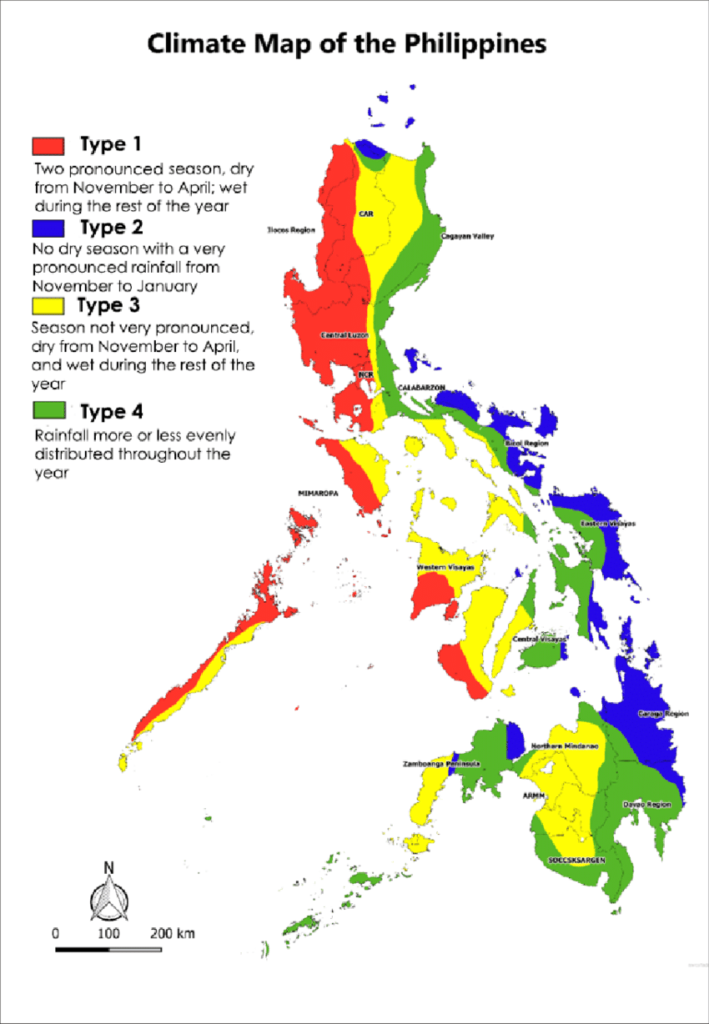
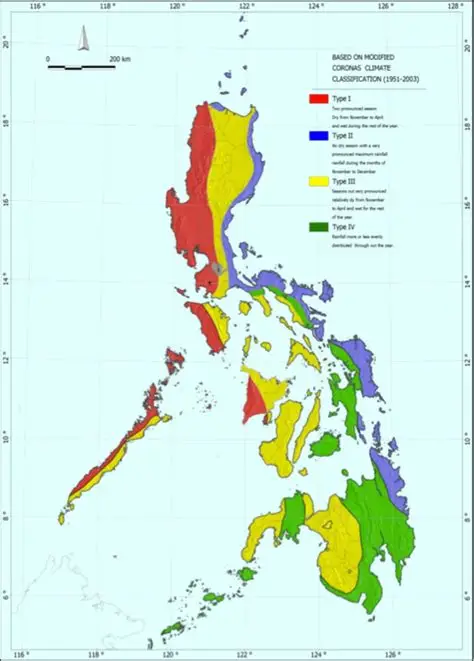
Four Rainfall Types (PAGASA Classification)
- Type I — Distinct dry (Nov–Apr) and wet (May–Oct) seasons
- Type II — No dry season; maximum rainfall Nov–Jan
- Type III — Short dry season; rainfall evenly spread
- Type IV — Rainfall evenly distributed year‑round
Influencing Factors
- Topography: Mountain ranges block or enhance rainfall
- Monsoon winds: Bring seasonal rains
- Intertropical Convergence Zone (ITCZ): Causes heavy rainfall when overhead
- Tropical cyclones: Add significant rainfall during peak season
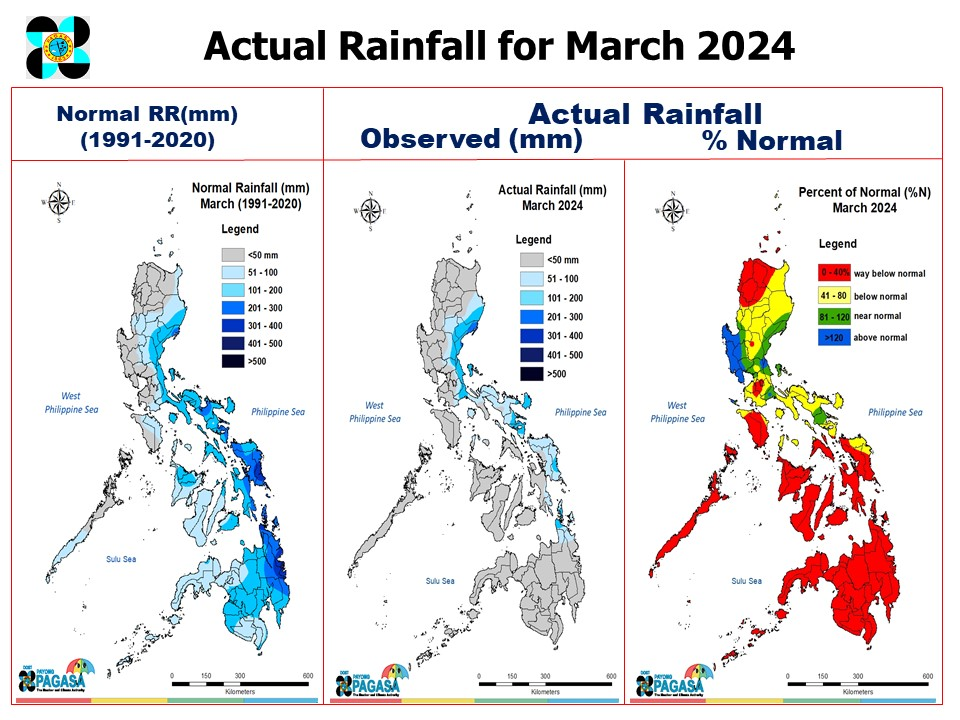
Map by bagong.pagasa.dost.gov.ph
Temperature Profiles in the Philippines
The country’s temperature is consistently warm, but varies by altitude, season, and region.
National Temperature Ranges
- Lowlands: 25°C–35°C
- Highlands: 15°C–25°C
- Coolest months: December–February
- Hottest months: March–May
Regional Temperature Differences
- Northern Luzon: Cooler due to latitude and elevation
- Metro Manila & Lowland Luzon: Hot urban heat island effect
- Visayas: Moderately warm year‑round
- Mindanao: Slightly cooler in highland areas (Bukidnon, Davao highlands)
Heat Index Considerations
Humidity increases perceived temperature, often pushing heat index values above 40°C, especially in cities.
by storage.googleapis.com
Extreme Weather Systems Affecting the Philippines
The Philippines is one of the world’s most disaster‑prone countries due to its exposure to tropical cyclones and ocean‑driven climate anomalies.
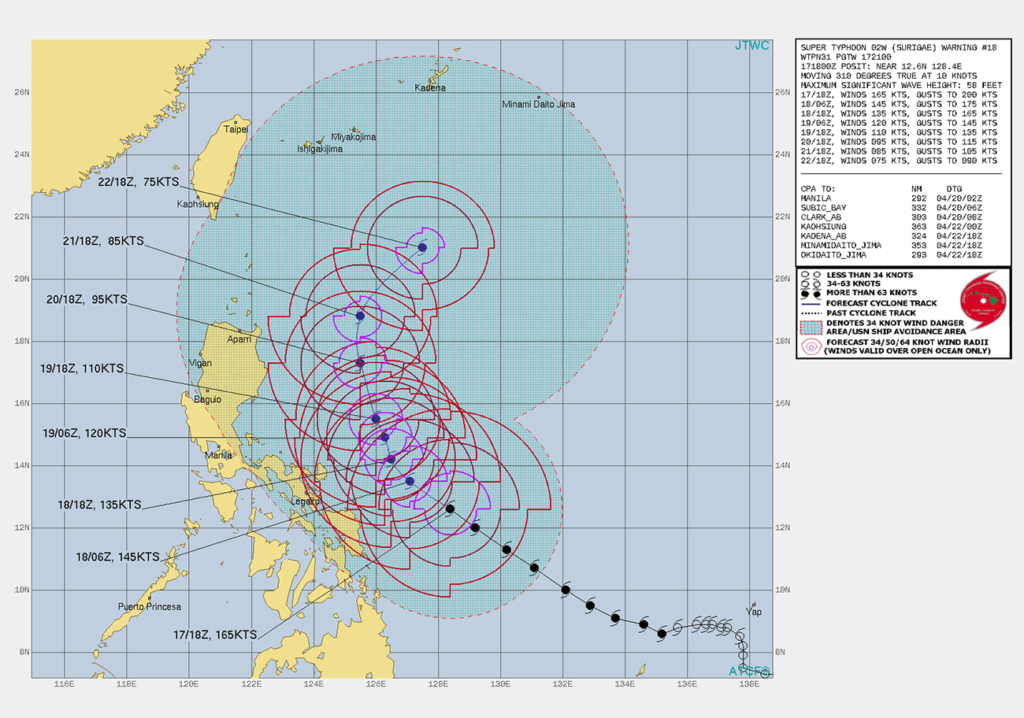
Typhoons in the Philippines
Frequency & Seasonality
- Average: 18–20 tropical cyclones enter PAR yearly
- Peak months: July–October
- Most affected regions: Northern Luzon, Eastern Visayas, Bicol
Impacts
- Strong winds
- Storm surges
- Flooding
- Landslides
by www.severe-weather.eu
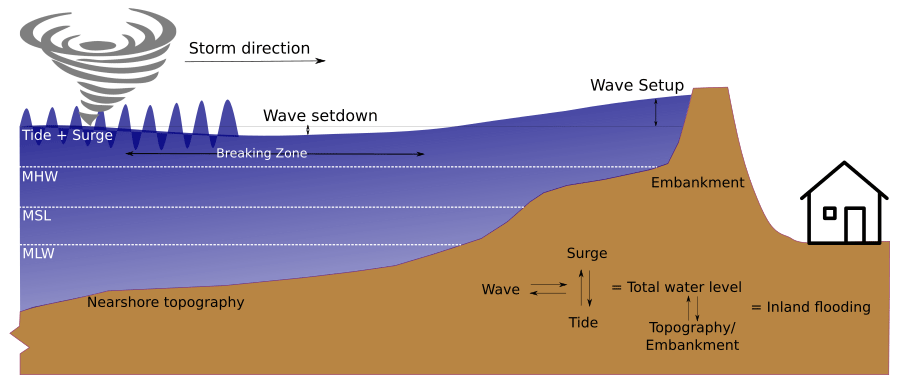
Storm Surge Diagram Storm Surge « Inside the Eye fifty.club
Why the Philippines Gets So Many Typhoons
- Warm Pacific waters fuel cyclone formation
- Country lies directly in the typhoon belt
- Interaction with monsoon systems intensifies storms
El Niño & La Niña in the Philippines
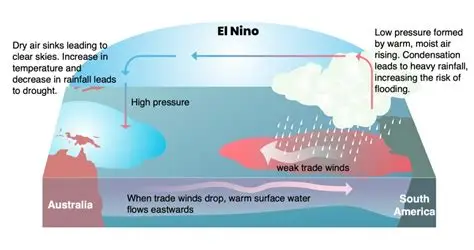
El Niño
A warming of the central/eastern Pacific Ocean that causes:
- Reduced rainfall
- Droughts
- Water shortages
- Agricultural losses
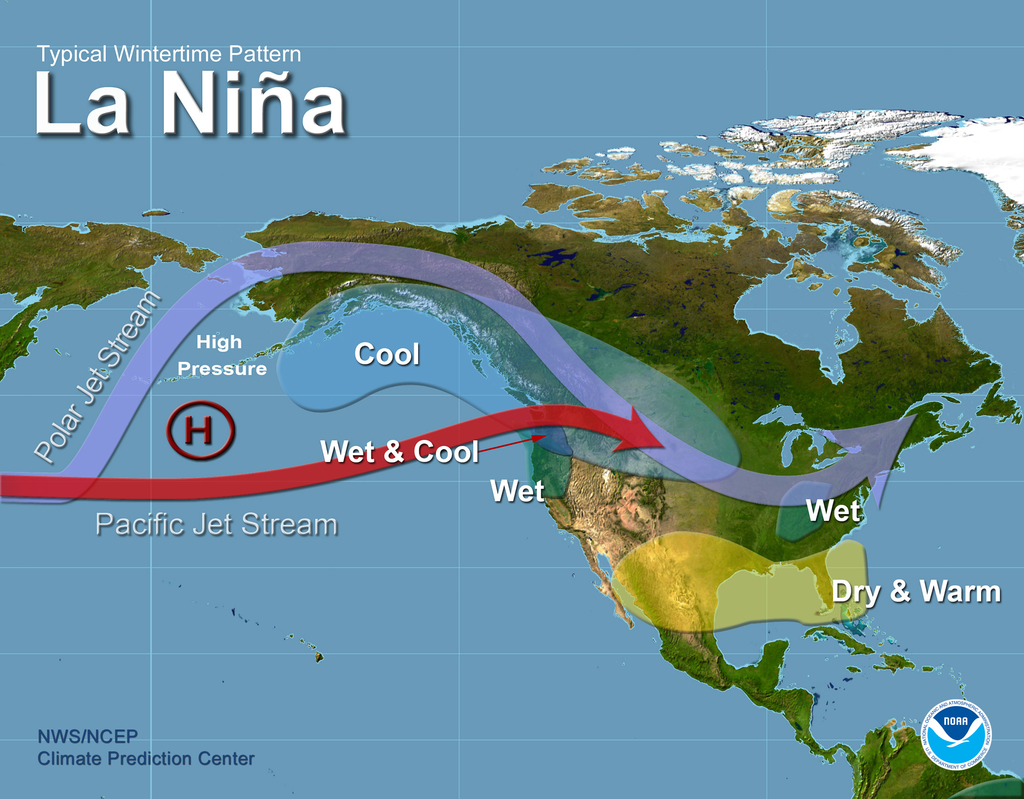
La Niña
A cooling of the same region that leads to:
- Above‑average rainfall
- Flooding
- Stronger monsoon activity
- Higher risk of landslides
by internetgeography.net by ecicomfort.com
ENSO Effects on Philippine Climate
- Alters monsoon strength
- Influences typhoon frequency and intensity
- Impacts food production and water supply
Summary Table — Philippine Climate & Weather Systems
| System | Key Features | Season/Timing | Primary Effects |
|---|---|---|---|
| Dry Season | Cool then hot, clear skies | Nov–May | Tourism peak, low rainfall |
| Wet Season | Heavy rains, humidity | Jun–Oct | Flooding, typhoons |
| Rainfall Types | 4 climate zones | Year‑round | Regional climate variation |
| Temperature Profiles | Warm tropical climate | Year‑round | Heat index concerns |
| Typhoons | 18–20 per year | Jul–Oct peak | Storm surges, flooding |
| El Niño | Drought, reduced rain | Every 2–7 years | Water shortages |
| La Niña | Excess rainfall | Every 2–7 years | Flooding, landslides |
Closing Section — Why Understanding Philippine Climate Matters
A clear understanding of the Philippines’ climate systems helps travelers, residents, and planners make informed decisions about:
- Best travel months
- Agriculture and food security
- Disaster preparedness
- Water resource management
- Infrastructure planning