Halo-Halo: The Philippines’ Famous Mixed Dessert Explained
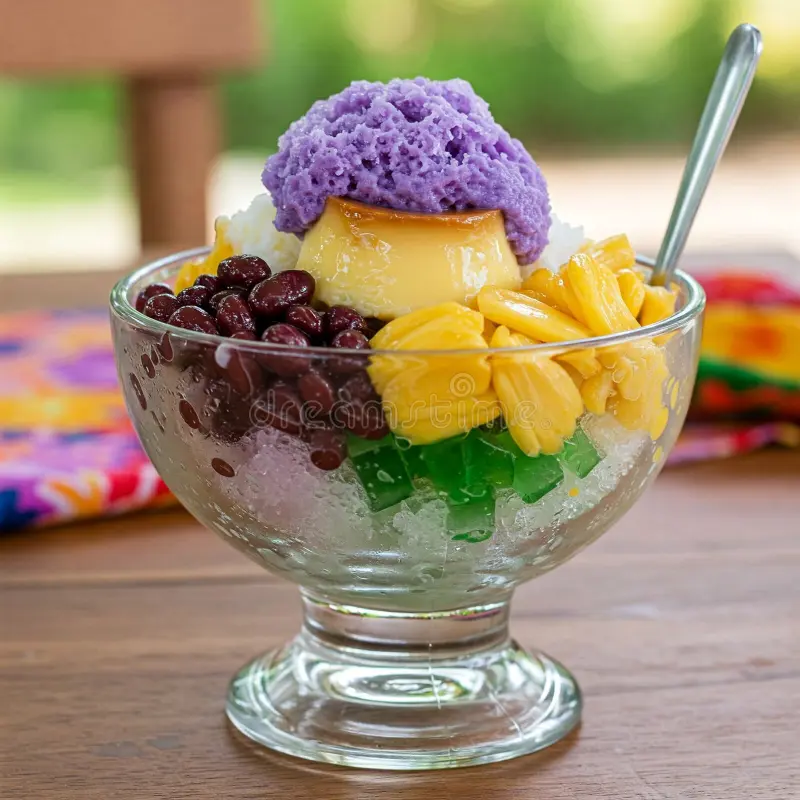
by dreamtime.com
Discover halo-halo, the Philippines’ iconic shaved ice dessert. Learn about its history, ingredients, prices, regional variations, and the best places to try it during your Philippine travels.
Halo-Halo: The Philippines’ Famous Mixed Dessert Explained
Few desserts are as closely associated with the Philippines as halo-halo. Found in roadside eateries, public markets, family restaurants, dessert cafés, and major restaurant chains, halo-halo is one of the country’s most popular treats. Combining shaved ice, milk, fruits, sweet preserves, beans, jellies, and specialty toppings, it is both refreshing and uniquely Filipino.
For travelers, trying halo-halo is more than satisfying a sweet tooth. It is a chance to experience Filipino food culture, discover local ingredients, and enjoy one of the most iconic desserts in the country.
Halo-Halo at a Glance
| Feature | Details |
|---|---|
| Category | Filipino Dessert |
| Best Served | Cold |
| Origin | Philippines |
| Main Ingredients | Shaved Ice, Milk, Fruits, Sweet Preserves, Beans |
| Average Price | ₱40–₱250+ |
| Best For | Hot Weather, Dessert Lovers, First-Time Visitors |
| Availability | Nationwide |
| Popular Toppings | Ube, Leche Flan, Ice Cream, Kaong, Jackfruit |
What Is Halo-Halo?
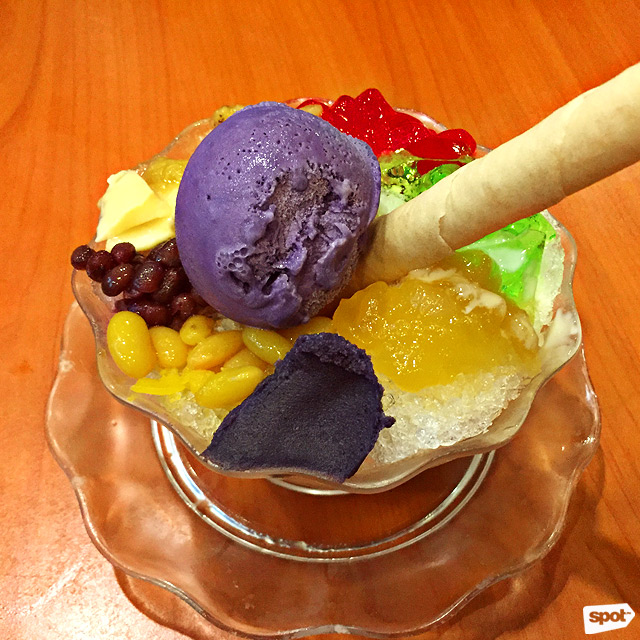
Halo-halo is a traditional Filipino cold dessert made with finely shaved ice, evaporated milk, and a mixture of sweet ingredients layered in a tall glass.
The name comes from the Filipino word halo, meaning “to mix.” The phrase halo-halo literally translates to “mix-mix,” referring to the way the dessert is stirred together before eating. Before enjoying halo-halo, diners traditionally mix the ingredients so the flavors and textures combine throughout the dessert.
A typical serving may include:
- Sweetened bananas
- Jackfruit
- Kaong (sugar palm fruit)
- Nata de coco
- Sweet beans
- Tapioca pearls
- Macapuno coconut
- Leche flan
- Ube halaya
- Shaved ice
- Evaporated milk
Many establishments add ice cream or specialty toppings to create their own version of the dessert.
The History of Halo-Halo
While now considered a national dessert, halo-halo reflects many cultural influences that helped shape Filipino cuisine over centuries.
Food historians generally trace its origins to Japanese shaved-ice desserts introduced during the early twentieth century. Filipino cooks adapted the concept to local tastes by incorporating tropical fruits, sweet preserves, beans, and coconut products that were already common throughout the country.
Over time, the dessert evolved into the colorful and ingredient-rich treat enjoyed by millions of Filipinos today.
Typical Halo-Halo Prices in the Philippines
One reason halo-halo remains so popular is its affordability. Travelers can enjoy a quality serving on almost any budget.
| Type | Typical Price |
|---|---|
| Street Vendor Halo-Halo | ₱40–₱80 |
| Local Eatery Halo-Halo | ₱60–₱120 |
| Restaurant Halo-Halo | ₱100–₱180 |
| Premium Halo-Halo with Ice Cream | ₱150–₱250+ |
Prices may be higher in major tourist destinations, shopping malls, and specialty dessert shops.
What Ingredients Are Found in Halo-Halo?
by storage.googleapis.com
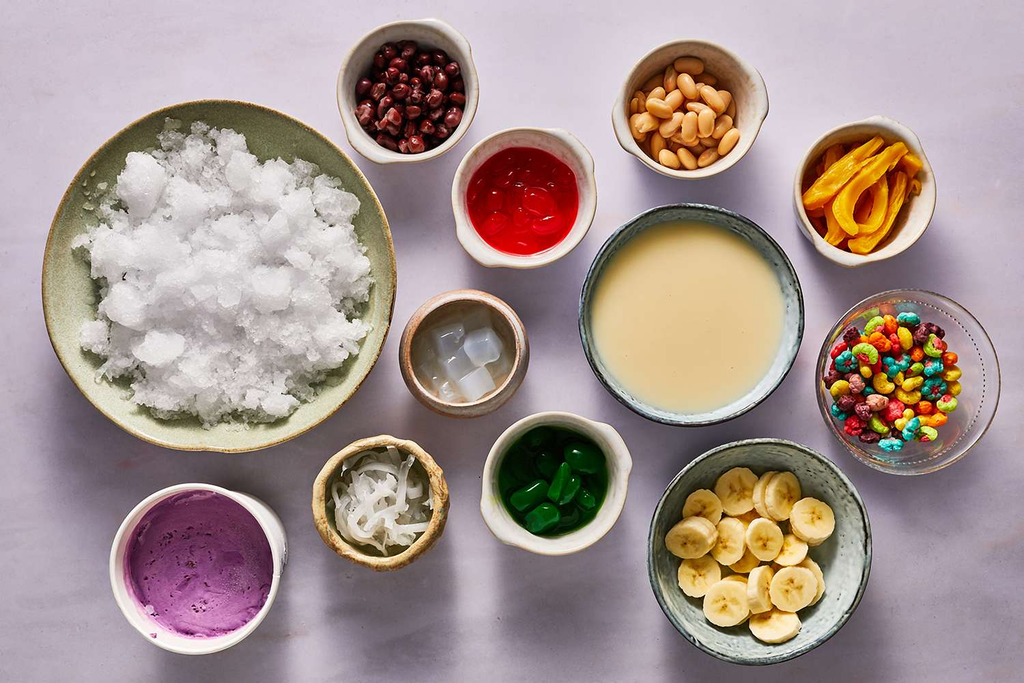
Common halo-halo ingredients including shaved ice, milk, sweet beans, tropical fruits, nata de coco, kaong, bananas, and ube.
Ube
Purple yam, known locally as ube, is one of halo-halo’s most recognizable ingredients. Its vibrant color and sweet flavor have become closely associated with Filipino desserts.
Leche Flan
This rich caramel custard often sits on top of the dessert, adding texture and creaminess.
Sweetened Beans
Red and white beans are a traditional ingredient that gives halo-halo its distinctive texture and surprising flavor combinations.
Tropical Fruits
Jackfruit, bananas, coconut products, sugar palm fruit, and other tropical ingredients contribute sweetness and local character.
Kaong and Nata de Coco
Kaong (sugar palm fruit) and nata de coco (coconut gel) add the chewy textures that make halo-halo unique. These ingredients are commonly found in traditional versions throughout the Philippines and provide a pleasant contrast to the shaved ice and milk.
Shaved Ice and Milk
The foundation of halo-halo is finely shaved ice mixed with evaporated milk, creating a refreshing dessert perfectly suited to the Philippine climate.
Traditional vs Modern Halo-Halo
Today, travelers can find both classic and contemporary interpretations of halo-halo.
| Traditional Halo-Halo | Modern Halo-Halo |
|---|---|
| Family recipes | Chef-created variations |
| Local preserved ingredients | Premium toppings |
| Simple presentation | Elaborate presentation |
| Budget-friendly | Premium pricing |
| Focus on tradition | Focus on creativity |
Both versions are worth trying and showcase different aspects of Filipino culinary culture.
Regional Variations Across the Philippines
One of the most interesting aspects of halo-halo is that no single recipe exists.
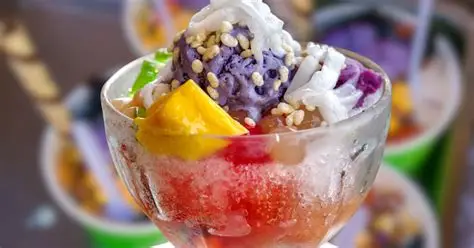
Luzon
Many versions found throughout Luzon emphasize ube, leche flan, sweet beans, and traditional toppings.
by yinumin.blogspot.com
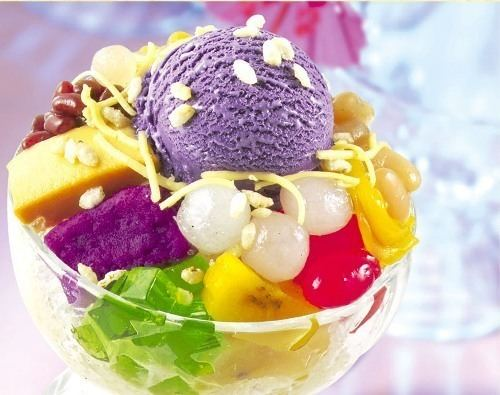
Visayas
Various Visayan destinations offer their own local twists, often incorporating regional ingredients and family recipes.
by alchetron.com
Mindanao
In Mindanao, halo-halo frequently reflects the area’s abundance of tropical fruits and agricultural products.
by storage.googleapis.com
Travelers who sample halo-halo in multiple regions often discover that every destination has its own interpretation.
Where to Try Halo-Halo in the Philippines
Local Carinderias and Eateries
Small neighborhood restaurants often provide some of the most authentic halo-halo experiences.
Best For: Traditional flavors and local atmosphere.
Public Markets
Many public markets feature vendors specializing in halo-halo and other Filipino desserts.
Best For: Budget travelers and food explorers.
Restaurant Chains
National restaurant chains offer reliable and easily accessible versions throughout the country.
Best For: First-time visitors seeking consistency.
Dessert Cafés
Modern cafés and specialty dessert shops frequently create premium halo-halo variations with unique presentations.
Best For: Food enthusiasts and social-media-worthy experiences.
Best Places to Try Halo-Halo
Manila
The capital region offers everything from historic eateries to modern dessert cafés serving innovative halo-halo creations. Travelers can easily compare traditional and contemporary versions throughout Metro Manila.
Pampanga
Widely known as one of the country’s culinary capitals, Pampanga is an excellent destination for traditional Filipino dishes and desserts. Many local establishments take pride in preserving classic recipes and flavors..
Cebu
Travelers can find numerous interpretations ranging from classic preparations to modern premium versions. Halo-halo is commonly available in restaurants, malls, and local eateries throughout Cebu.
Davao
Local fruit production influences many Mindanao-style desserts, creating unique regional flavors. Travelers may discover variations featuring fresh tropical fruits grown in the region.
Why Tourists Should Try Halo-Halo
Halo-halo offers more than just a sweet treat.
Visitors can experience:
- A classic Filipino dessert
- Traditional local ingredients
- A refreshing escape from tropical heat
- Unique flavor and texture combinations
- An authentic part of everyday Filipino food culture
Unlike many desserts that remain confined to restaurants, halo-halo can be found almost everywhere, making it one of the most accessible culinary experiences in the Philippines.
Tips for First-Time Visitors
- Mix all ingredients thoroughly before eating.
- Expect a variety of textures.
- Don’t be surprised by sweetened beans, which are a traditional component.
- Try halo-halo in different regions to compare variations.
- Enjoy it during the hottest part of the day for maximum refreshment.
Related Guides
- Philippine Food Guide – Discover the dishes, flavors, and culinary traditions that define Filipino cuisine.
- Filipino Desserts Guide – Explore popular sweets, pastries, and cold treats from across the Philippines.
- Filipino Street Food Guide – Learn what to eat at markets, roadside stalls, and night food districts.
- Food Culture in the Philippines – Understand the history and cultural influences behind Filipino cooking.
- Regional Food Specialties of the Philippines – Discover how local ingredients and traditions shape cuisine across Luzon, Visayas, and Mindanao.
- Philippine Festivals Guide– Explore colorful celebrations, local traditions, and cultural events held throughout the year.
- Philippine Cultural Travel Guide – Discover the customs, heritage, arts, food traditions, and regional identities that shape Filipino culture
Final Thoughts
Halo-halo is more than a dessert. It reflects the diversity, creativity, and cultural influences that have shaped Filipino cuisine over generations. Whether enjoyed from a street-side stall, a public market, a family-run eatery, or a modern dessert café, halo-halo remains one of the most enjoyable and memorable food experiences in the Philippines.
For travelers seeking an authentic taste of Filipino culture, few desserts capture the spirit of the country quite like a well-made bowl of halo-halo.