Stay safe in the Philippines with essential emergency numbers, typhoon tips, earthquake procedures, volcano alert levels, and disaster‑readiness guides for travelers and long‑term residents.
by cagayantoday.info by mirror.pia.gov.ph
b storage.googleapis.com
Safety & Emergency Information in the Philippines (2026)
A complete, silo‑ready guide covering Typhoon Preparedness, Earthquake Preparedness, Volcano Alert Levels, and Emergency Numbers for travelers and long‑term residents. This pillar page links out to your deeper guides and supports your entire emergency‑information cluster.
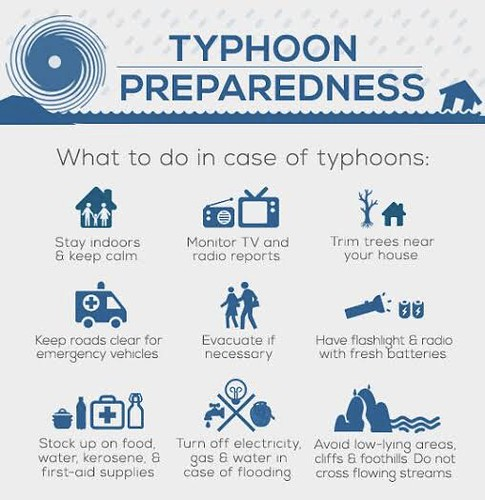
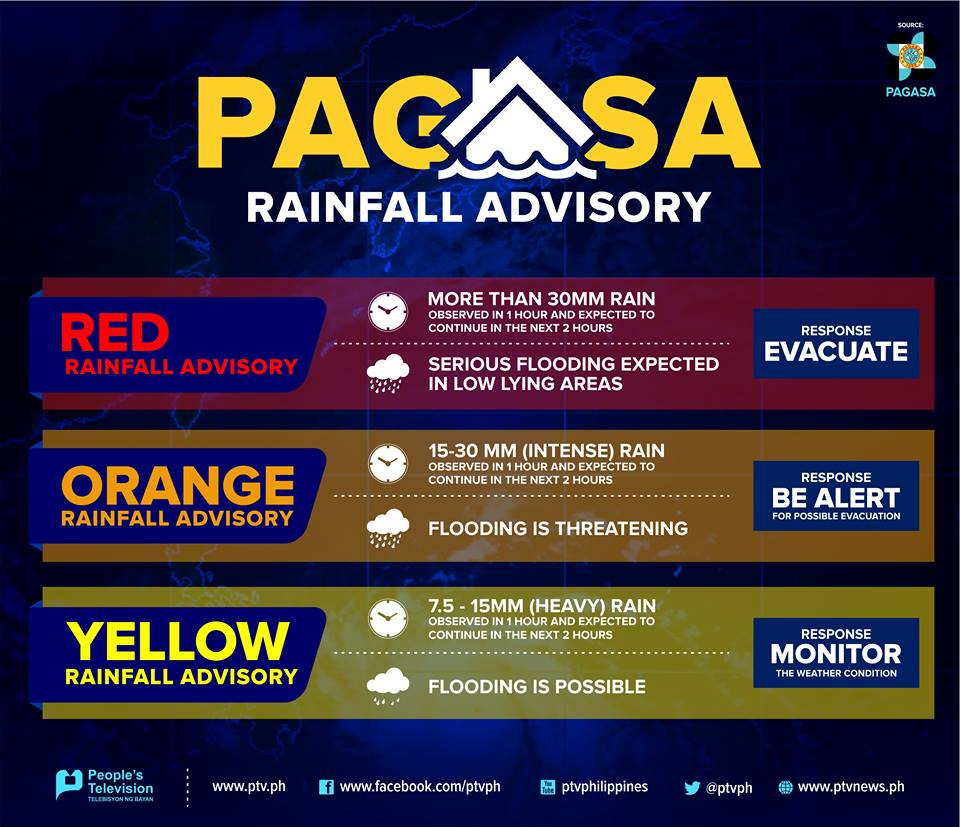
Typhoon Preparedness Philippines – Safety Tips for Travelers & Residents
Learn essential typhoon safety tips in the Philippines, including emergency kits, evacuation steps, PAGASA alerts, and travel precautions during severe weather.
by scoopnest.com
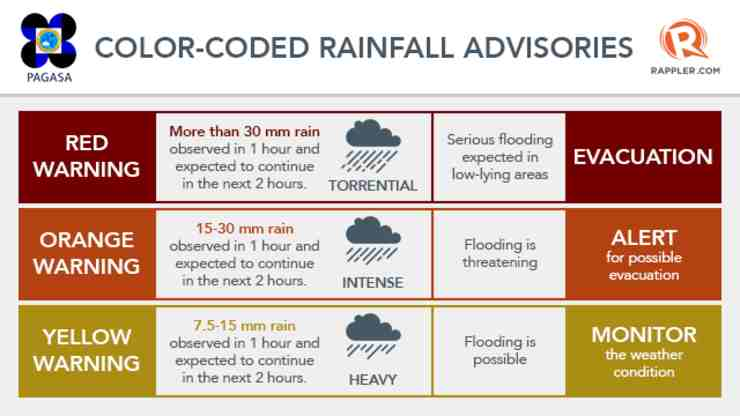
by rappler.com
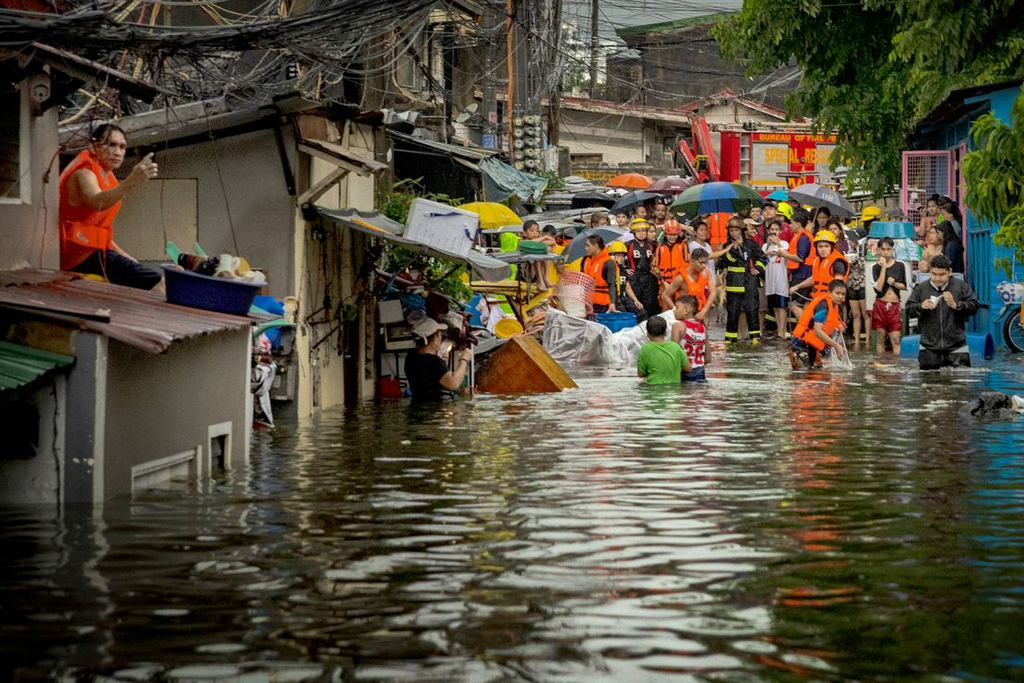
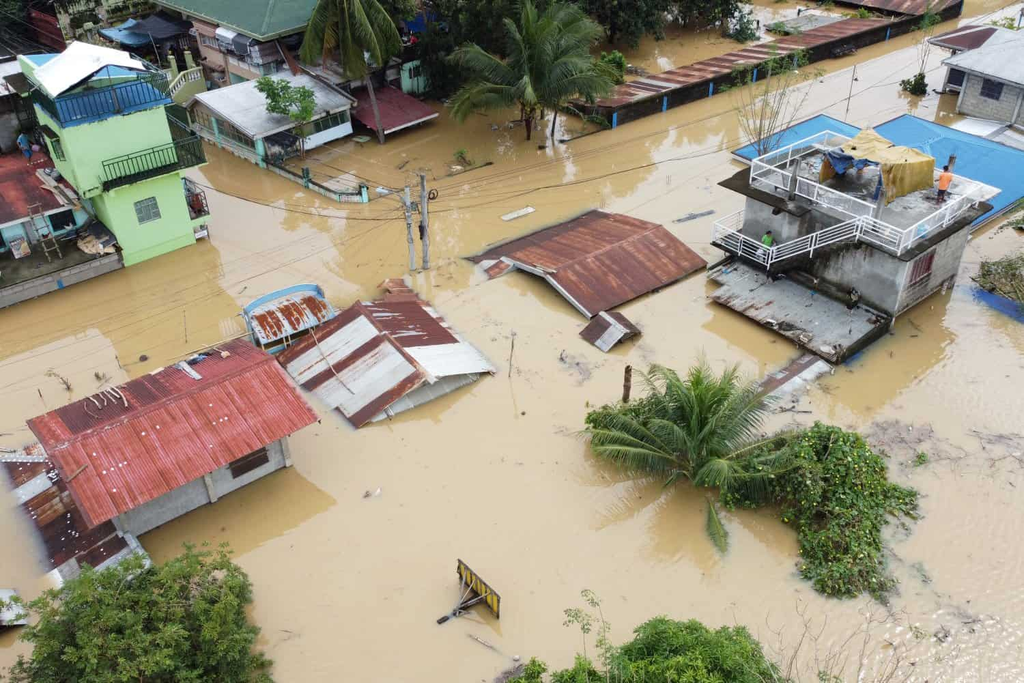
by egyptindependent.com by witness.co.za
Understanding PAGASA Typhoon Signals
- Signal No. 1 — Minimal threat; prepare early.
- Signal No. 2 — Strong winds expected; secure property.
- Signal No. 3 — Dangerous winds; stay indoors.
- Signal No. 4 — Severe threat; evacuate if advised.
- Signal No. 5 — Catastrophic conditions; follow LGU orders immediately.
Typhoon Safety Checklist
- Emergency Kit Essentials — Water, food, flashlights, power banks, first aid.
- Home Safety Measures — Secure windows, roof, outdoor items.
- Evacuation Readiness — Know barangay evacuation centers.
- Travel Safety Tips — Avoid sea travel; monitor flight advisories.
Related Guides
- Typhoon Season Travel Guide
- Flood Safety Tips
- Rainy Season Packing List
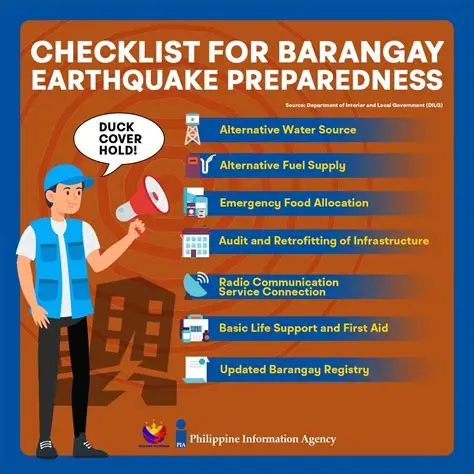
Earthquake Preparedness Philippines for Travelers & Residents
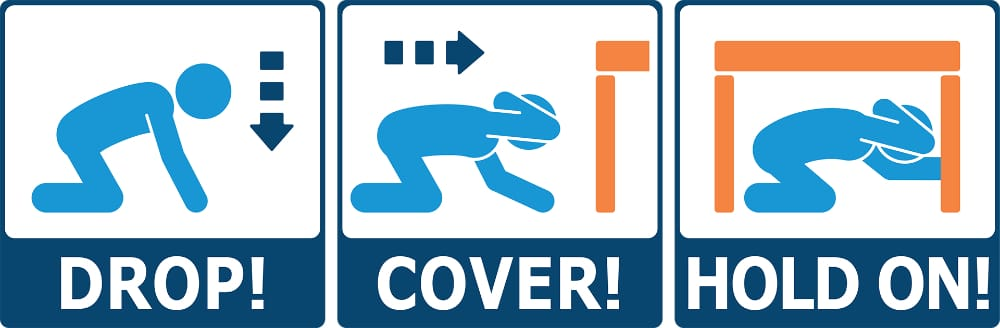
Stay safe during earthquakes in the Philippines with essential “Drop, Cover, Hold” procedures, evacuation tips, and post‑quake safety guidelines.
by arigatotravel.com
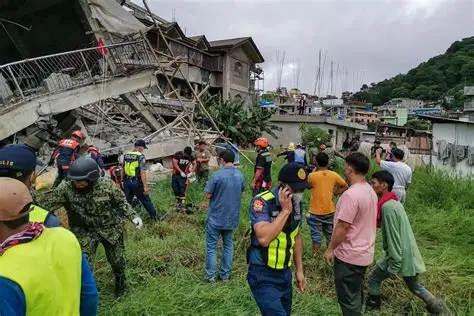
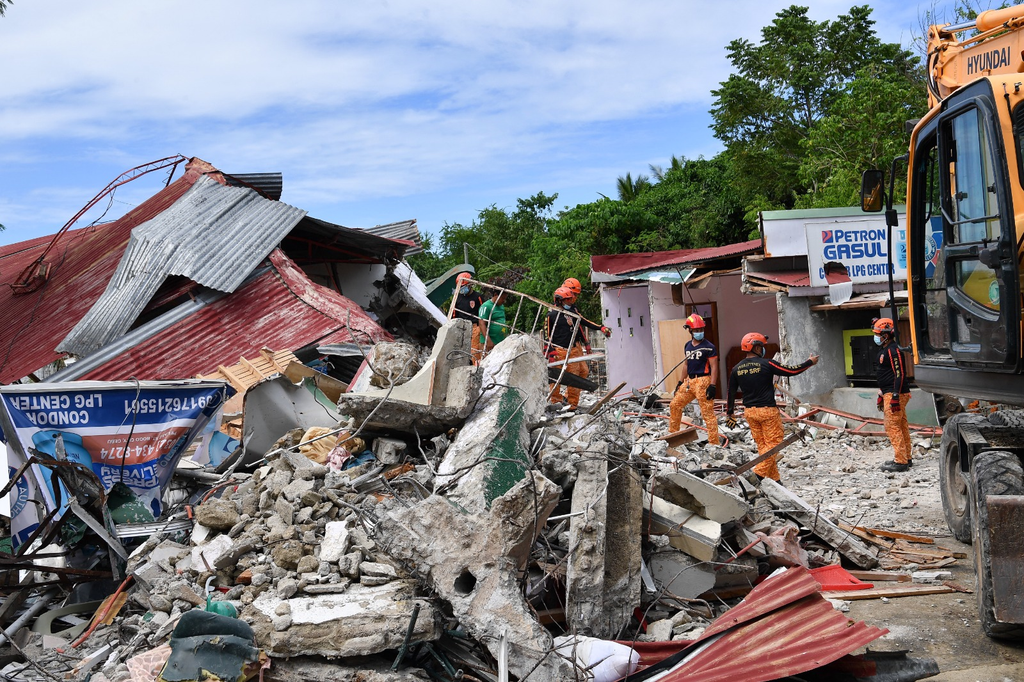
by aljazeera.com by newsinfo.inquirer.net
Before an Earthquake
- Earthquake‑Ready Home Setup — Secure shelves, heavy items, and appliances.
- Emergency Communication Plan — Identify meeting points and contacts.
- Go‑Bag Preparation — Include IDs, cash, medicine, chargers.
During an Earthquake
- Drop, Cover, Hold — Protect your head and neck.
- If Outdoors — Move away from buildings and power lines.
- If in a Vehicle — Stop safely; avoid bridges.
After an Earthquake
- Check for Hazards — Gas leaks, damaged structures, fallen wires.
- Monitor PHIVOLCS Updates — Stay informed on aftershocks.
- Evacuation Protocols — Follow LGU instructions.
Related Guides
- Earthquake Travel Safety Guide
- PHIVOLCS Earthquake Hazard Map Guide
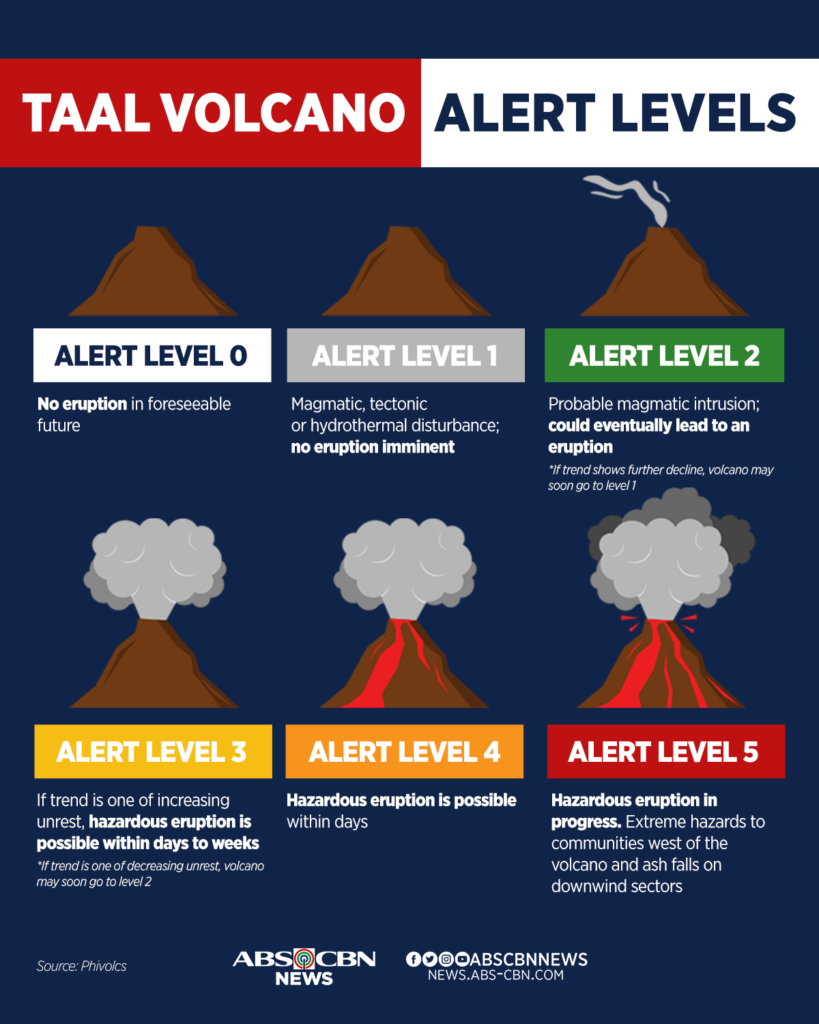
Volcano Alert Levels Philippines – PHIVOLCS Guide for Travelers & Residents
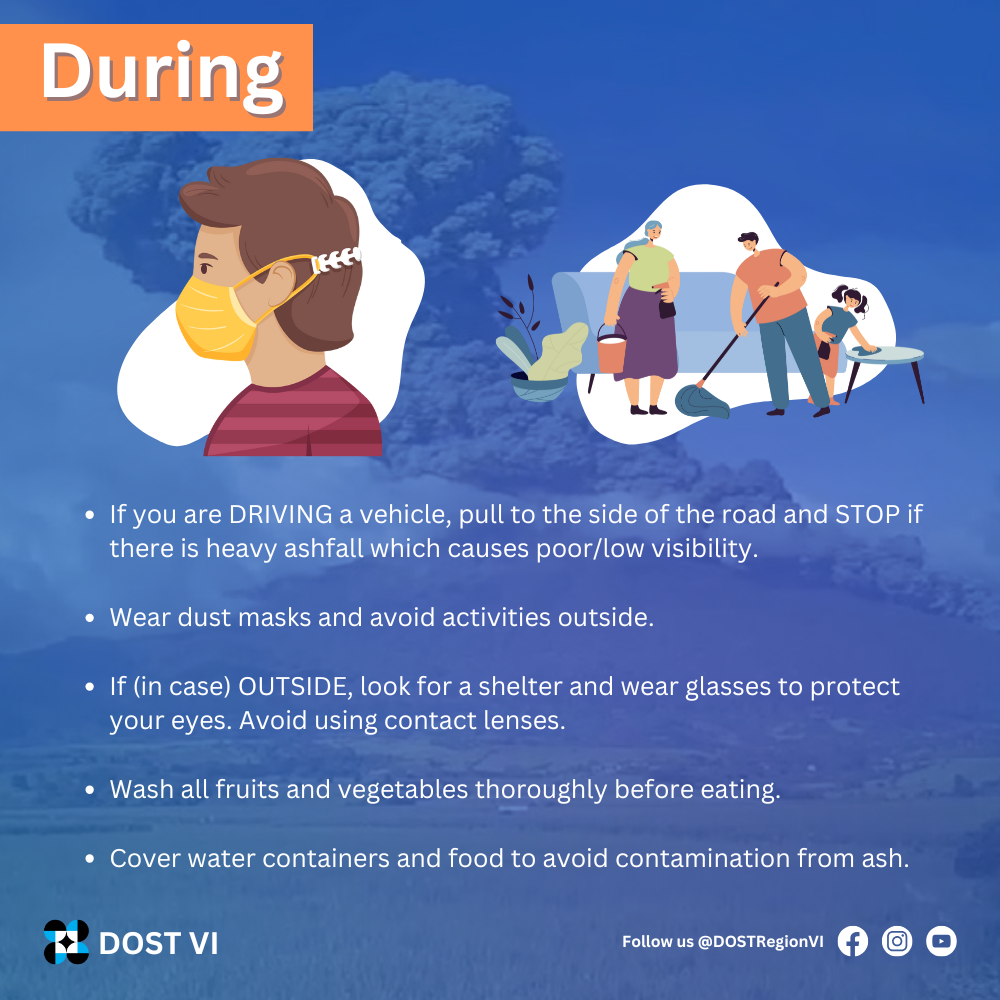
Understand PHIVOLCS volcano alert levels, evacuation procedures, ashfall safety tips, and travel advisories for volcanic regions in the Philippines.
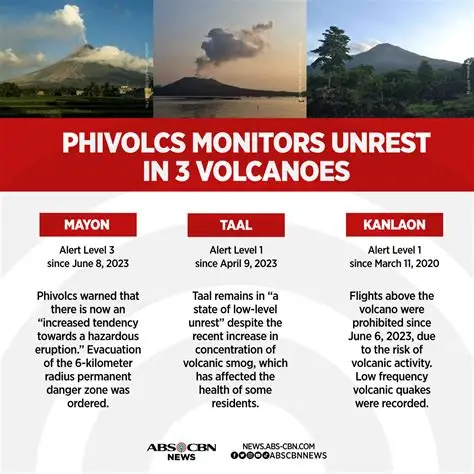
from facebook.com
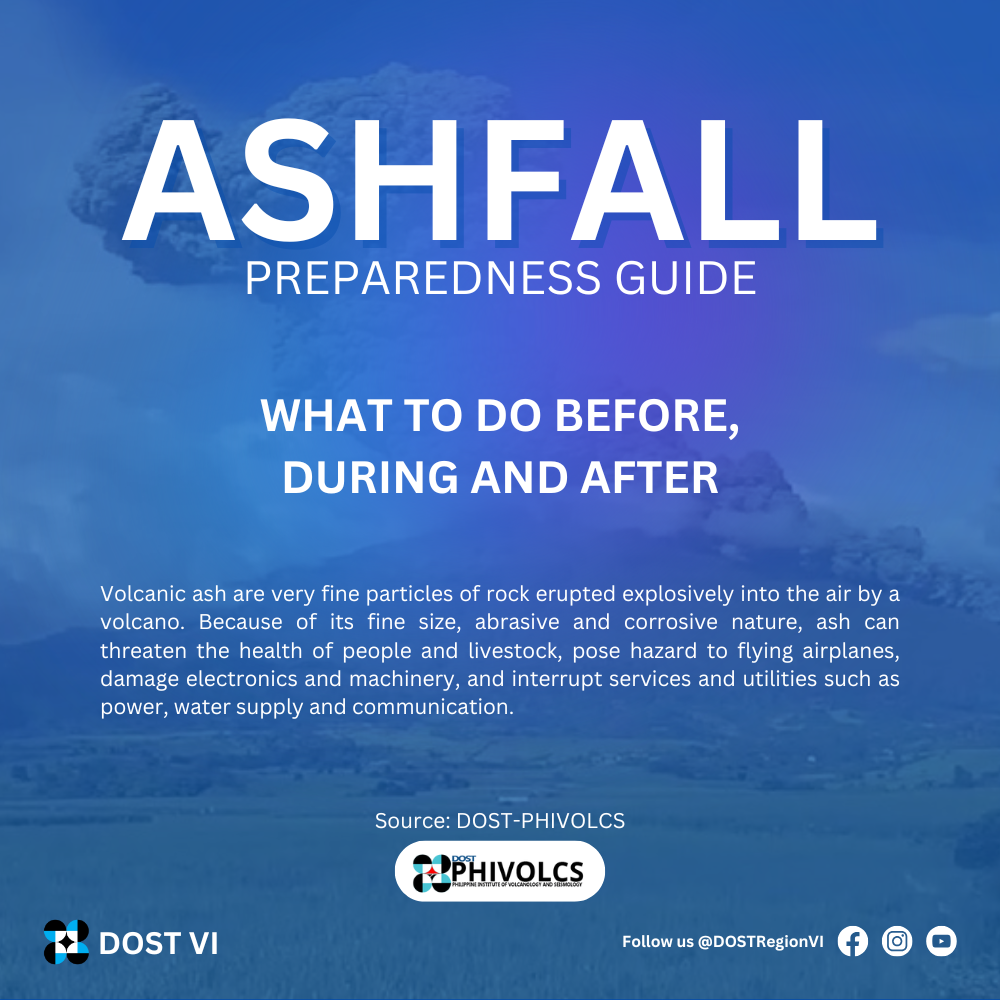
Both by region6.dost.gov.ph
PHIVOLCS Volcano Alert Levels Explained
- Alert Level 0 — Normal; no eruption threat.
- Alert Level 1 — Abnormal activity; stay informed.
- Alert Level 2 — Increasing unrest; avoid danger zones.
- Alert Level 3 — Magma movement; prepare to evacuate.
- Alert Level 4 — Hazardous eruption imminent.
- Alert Level 5 — Hazardous eruption ongoing.
HAshfall Safety Tips
- Protective Gear — Masks, goggles, long sleeves.
- Home Protection — Seal windows; clean roofs.
- Travel Precautions — Avoid driving; monitor advisories.
Related Guides
- Volcano Tourism Safety Guide
- Ashfall Travel Advisory
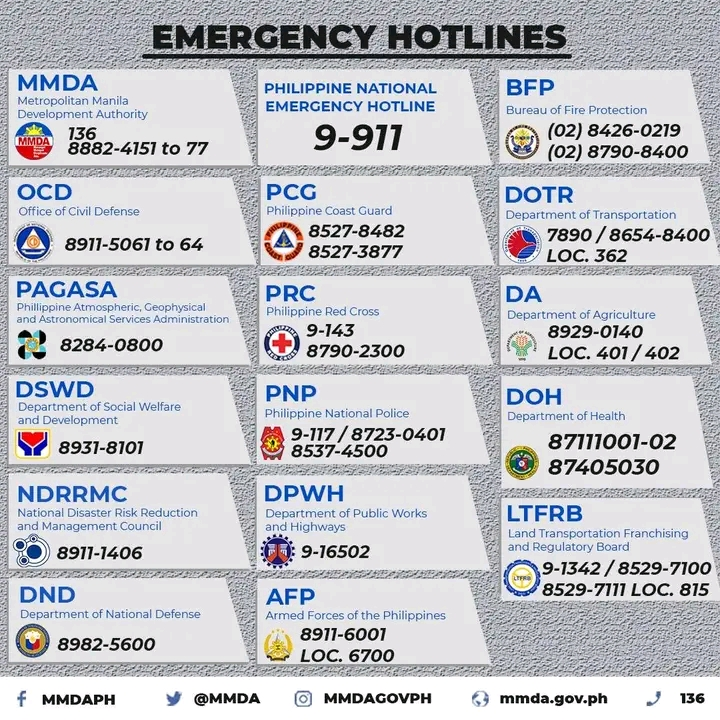
Philippines Emergency Numbers – Complete Hotline Directory for 2026
Save the Philippines’ most important emergency numbers, including 911, Red Cross, Coast Guard, PNP, BFP, and disaster hotlines for safe travel.
by assistance.ph
by pinaywise.com by newsinfo.inquirer.net
National Emergency Hotlines
- Philippine Emergency Hotline 911
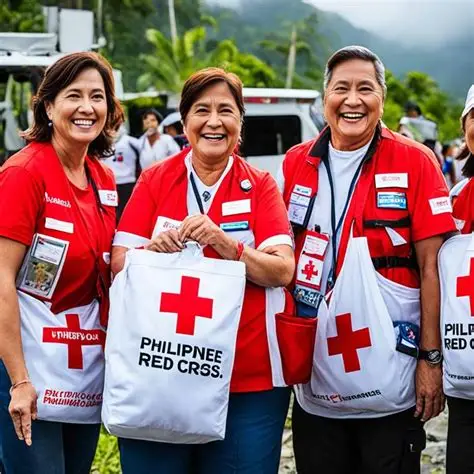
- Philippine Red Cross — 143
- PNP Police Hotline — 117
- BFP Fire Hotline — (02) 8426‑0219
- Coast Guard Hotline — 0917‑PCG‑HELP
Local Government Hotlines
- LGU Disaster Risk Reduction Offices
- Barangay Emergency Contacts
Related Guides
- Complete Emergency Hotline Directory
- Hospital & Clinic Finder
Conclusion – Stay Prepared, Stay Safe in the Philippines
Preparedness is the strongest form of protection. Whether you’re traveling for a week or living long‑term in the Philippines, understanding typhoon signals, earthquake procedures, volcano alert levels, and emergency numbers ensures you stay safe wherever you go.