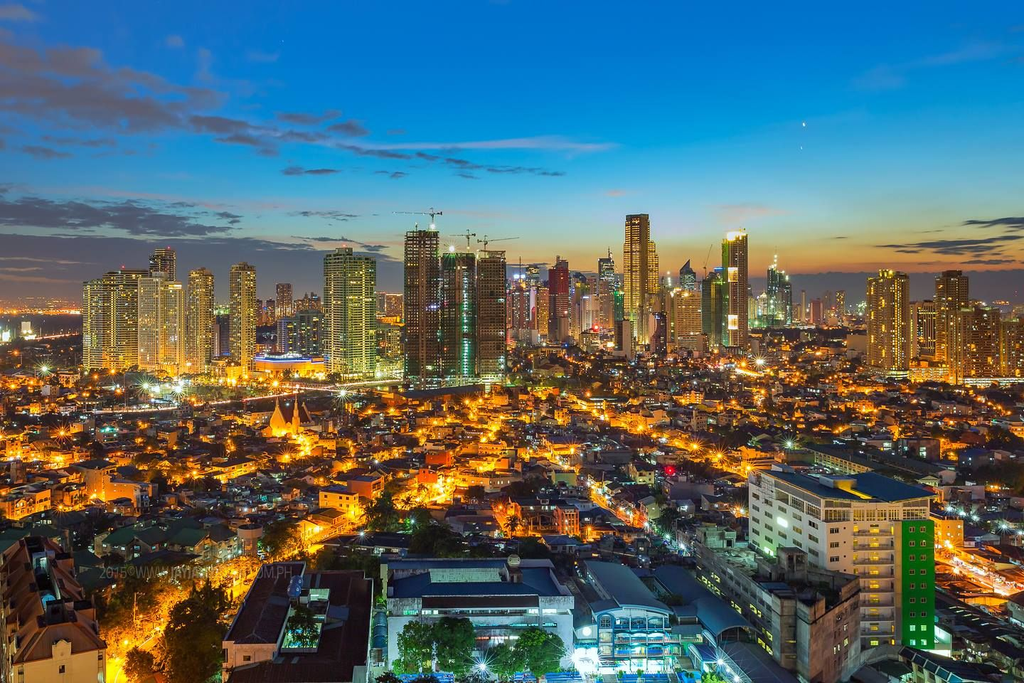
by pinterest.com UP Diliman by tourlandmarks.com by futureseducation.s3.amazonaws.com
Explore the National Capital Region (NCR): Metro Manila’s administrative divisions, cities, municipalities, districts, barangays, geography, economy, and travel overview. Complete guide under Regions of the Philippines.
National Capital Region (NCR) – Administrative & Travel Overview
The National Capital Region (NCR)—also known as Metro Manila—is the political, economic, and cultural center of the Philippines. Classified as Region XVI, NCR is unique because it is not part of Luzon’s regional grouping, even though it is geographically located on Luzon Island.
NCR consists of 16 cities and 1 municipality, forming the country’s largest metropolitan area and its most densely populated region.
Administrative Identity of NCR
NCR is a special administrative region with no provinces. Instead, it is subdivided into:
- 16 Highly Urbanized Cities
- 1 Municipality (Pateros)
- 699 Barangays
- 4 Legislative District Groups (Manila, QC, Caloocan, Others)
- 1 Metropolitan Authority (MMDA)
Why NCR is Region XVI
NCR is designated as Region XVI by the PSA and DILG. It stands parallel to Luzon, Visayas, and Mindanao regional groupings — not inside them.
Cities & Municipality of NCR
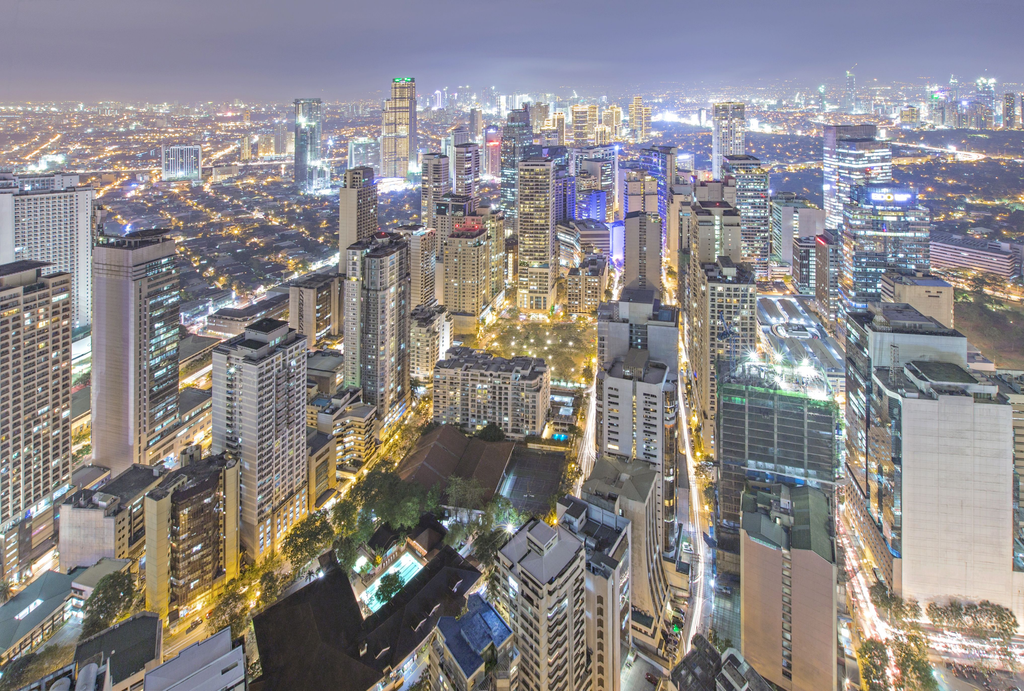
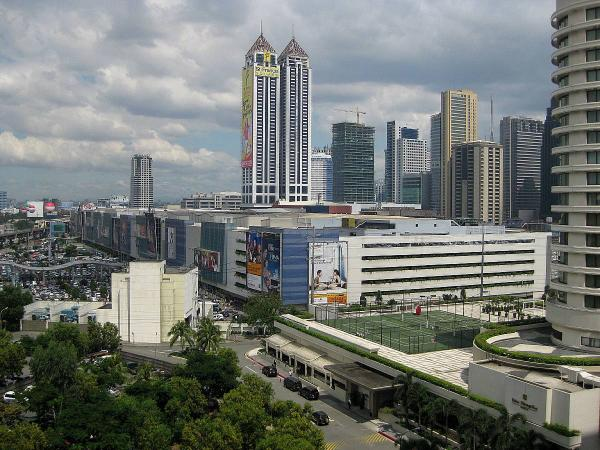
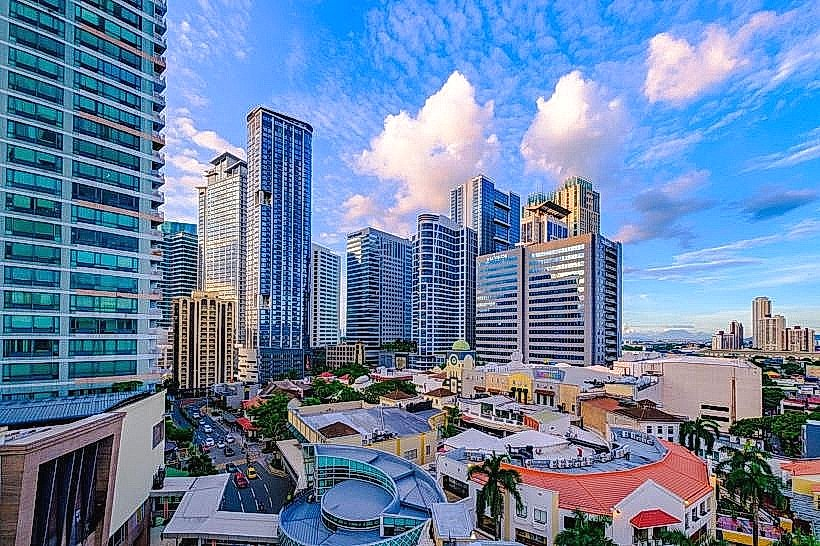
Marinara Quezon City by storage.googleapis.com Makati City by pinterest.com Ortigas Center – Pasig by wikimapia.org
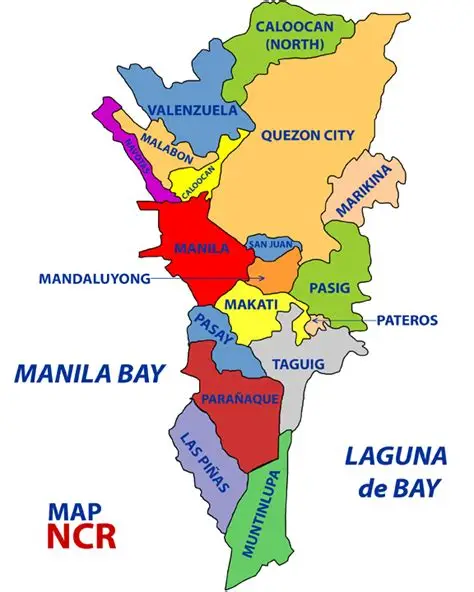
NCR is composed of 17 local government units:
Highly Urbanized Cities
- Manila – Capital of the Philippines
- Quezon City – Largest city by population
- Caloocan
- Las Piñas
- Makati – Financial center
- Malabon
- Mandaluyong
- Marikina
- Muntinlupa
- Navotas
- Parañaque
- Pasay
- Pasig
- San Juan
- Taguig
- Valenzuela
Municipality
- Pateros – The only municipality in NCR
Districts & Barangays
NCR’s barangays are distributed across its cities and municipality. Key district groupings include:
Major Districts
- Manila’s 16 Districts
- Quezon City’s 6 Districts
- Caloocan North & South
- Taguig’s 2 Districts
- Makati’s 2 Districts
Barangay Count by Area
- Quezon City – 142 barangays
- Manila – 897 barangays (largest barangay system historically; reorganized administratively)
- Caloocan – 188 barangays
- Taguig – 38 barangays
- Makati – 33 barangays
- Pateros – 10 barangays
Geography of NCR
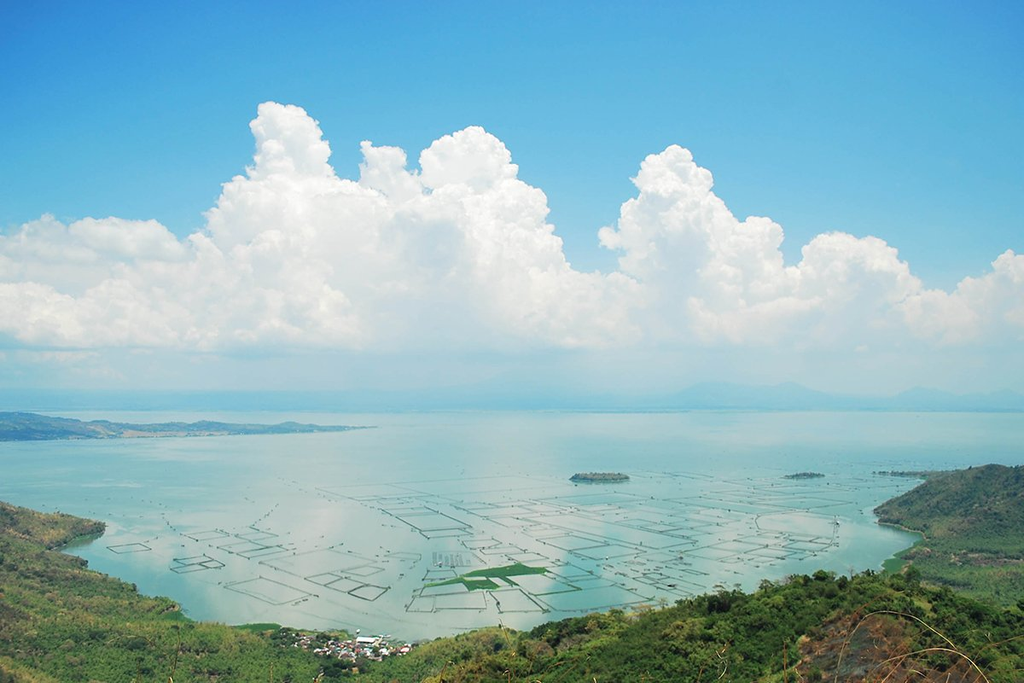
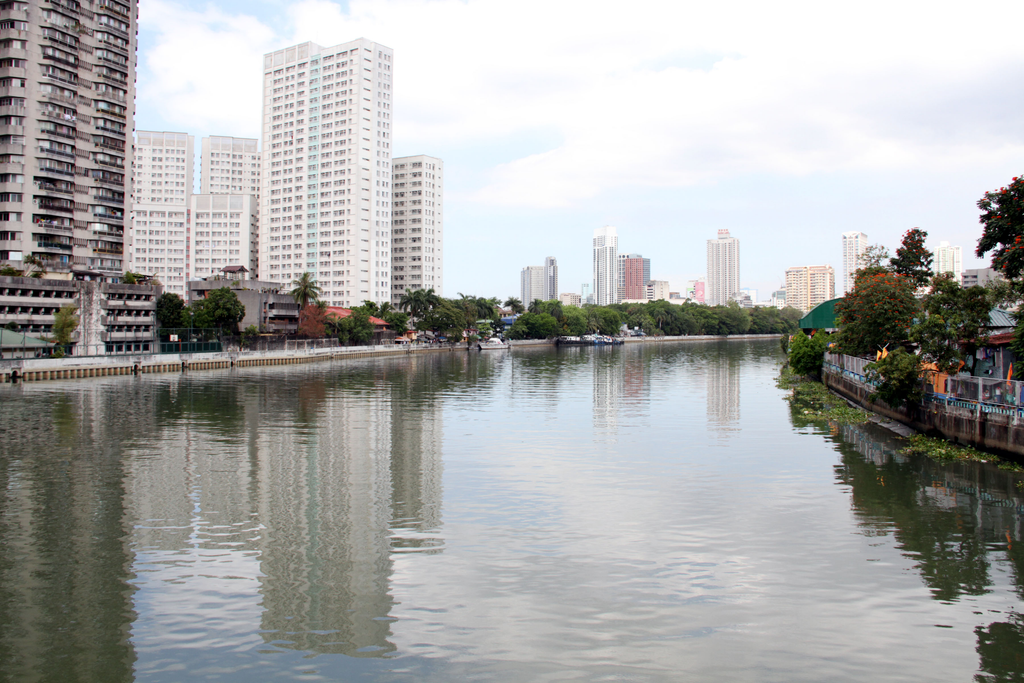
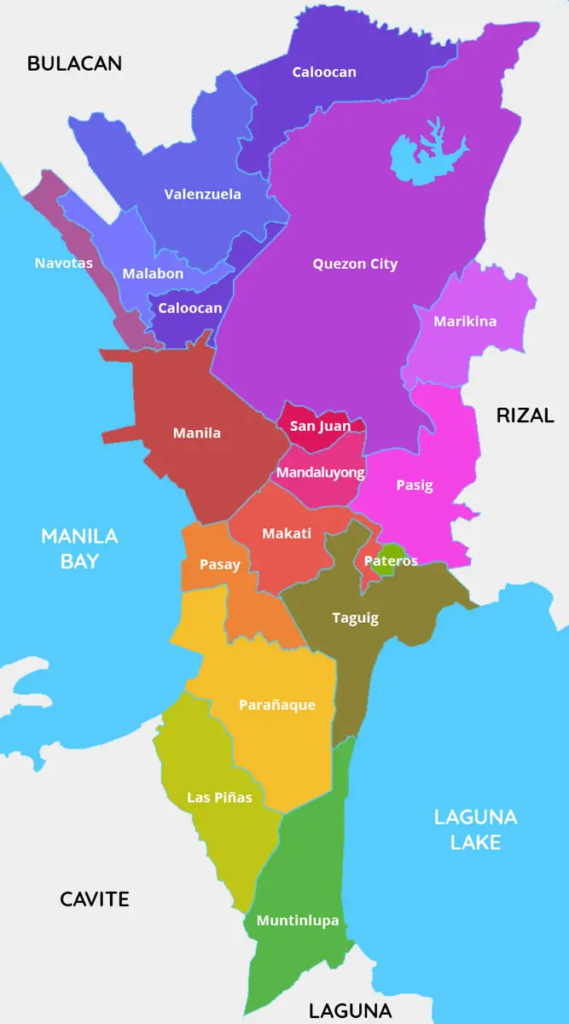
Laguna De Bay by digital.bedachung-gemuend.de Ilog Pasig by ar.inspiredpencil.com Map of Metro Manila by house.autumnofdoom.de
NCR covers 619.57 km², located on the western side of Luzon. Key geographic features include:
- Manila Bay – Western boundary
- Laguna de Bay – Eastern boundary
- Pasig River – Connects Manila Bay to Laguna de Bay
- Marikina Valley – Eastern lowland area
- Coastal zones – Navotas, Malabon, Parañaque, Las Piñas
NCR is highly urbanized, with limited forest cover and protected areas.
Economy of NCR
NCR is the economic powerhouse of the Philippines, contributing over 30% of national GDP.
Key Economic Sectors
- Finance & Banking – Makati CBD, BGC, Ortigas
- Commerce & Retail – Manila, QC, Pasay
- Technology & BPO – Taguig, Pasig, Mandaluyong
- Manufacturing – Valenzuela, Caloocan, Malabon
- Logistics & Ports – Manila Port, Manila International Container Terminal
Travel Overview of NCR
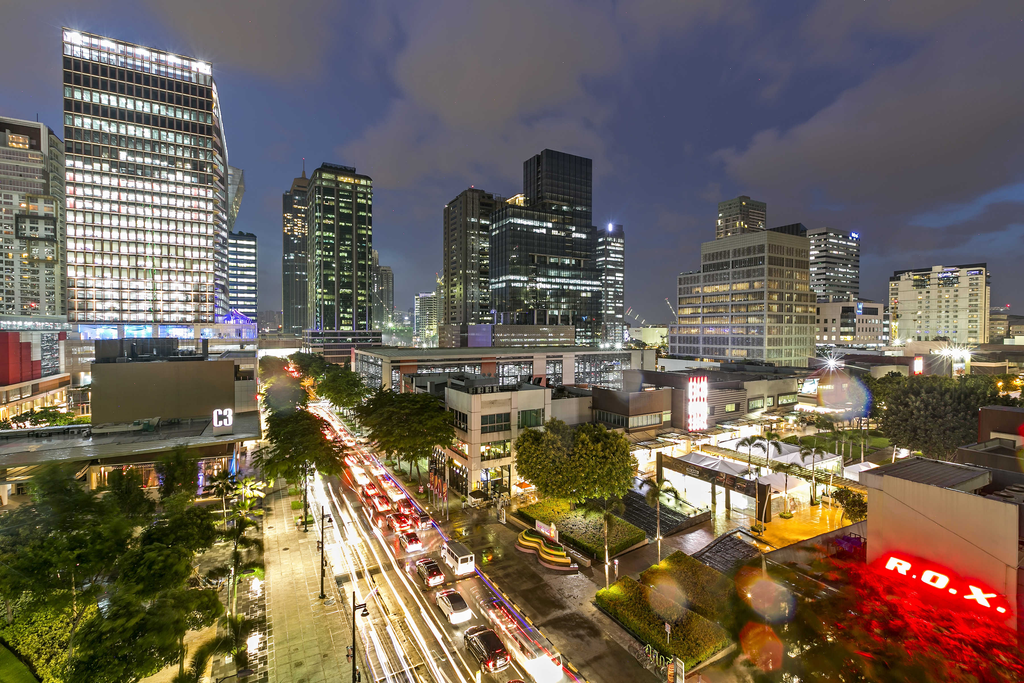
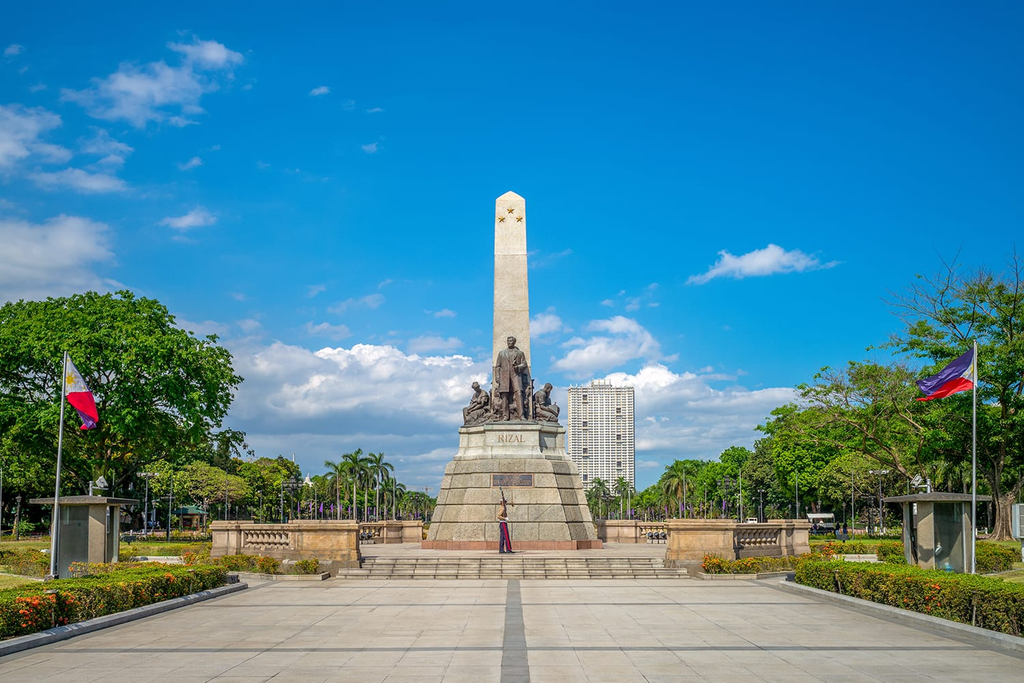
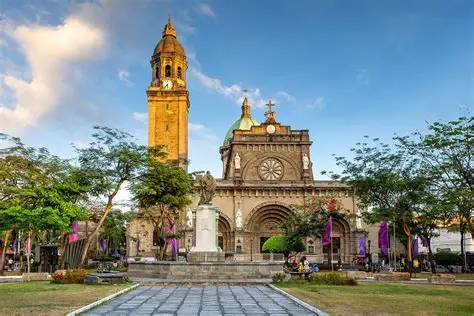
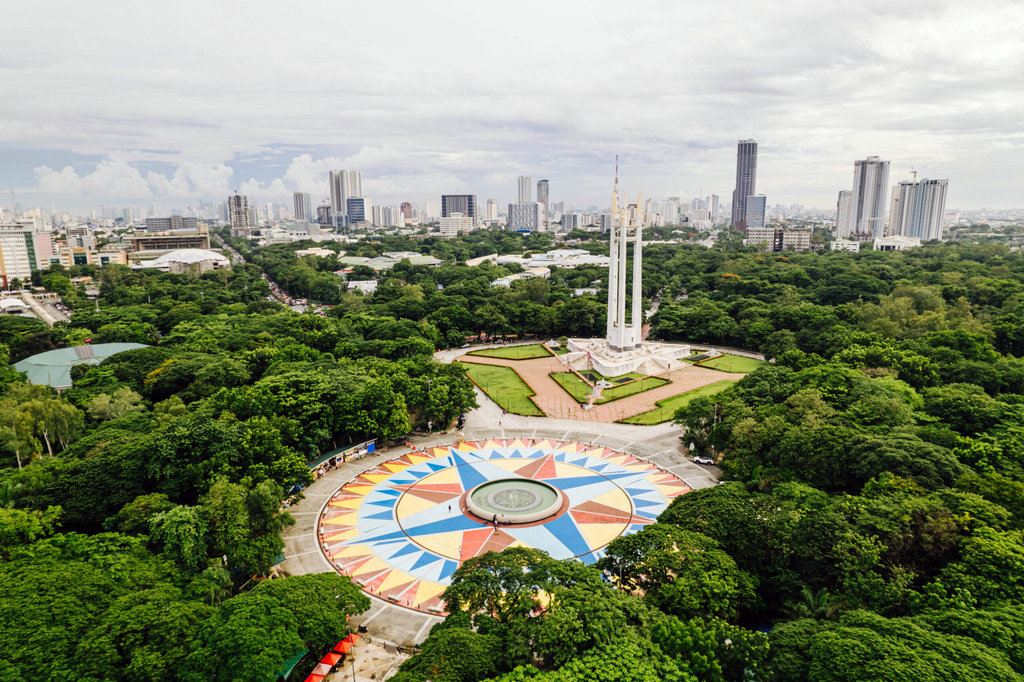
BGC by morefunwithjuan.com Rizal Park & Monument by glassandclay.org Manila Cathedral by iphoneadd.com
NCR is the gateway to the Philippines, home to:
- Ninoy Aquino International Airport (NAIA)
- Major tourism districts: Intramuros, BGC, Makati, Manila Bay
- Cultural landmarks: Rizal Park, National Museum, Manila Cathedral
- Shopping & entertainment hubs: Mall of Asia, Greenbelt, Uptown BGC
This section should link outward to your Destinations, Travel Guides, and Eco‑Tourism silos.
Internal Links
Strengthen your silo by linking NCR to:
- Regions of the Philippines
- Luzon Island Group
- Philippine Administrative Divisions Explained
- All NCR Cities & Municipality Pages
- Statistics Pages
- Travel Guides
Conclusion
The National Capital Region stands as the Philippines’ center of governance, commerce, culture, and connectivity — and understanding its administrative structure is essential for navigating Metro Manila’s 17 LGUs. Whether you’re exploring its cities, studying its districts, or planning travel across the region, NCR serves as your gateway to the rest of the country.
Continue building your knowledge of the Philippines’ administrative landscape by exploring the next major island group.