Explore Philippine food culture through regional flavors, culinary traditions, dining customs, cooking heritage, and iconic dishes. A complete guide for travelers who want to understand Filipino cuisine beyond the plate.
Food Culture in the Philippines: A Complete Traveler’s Guide
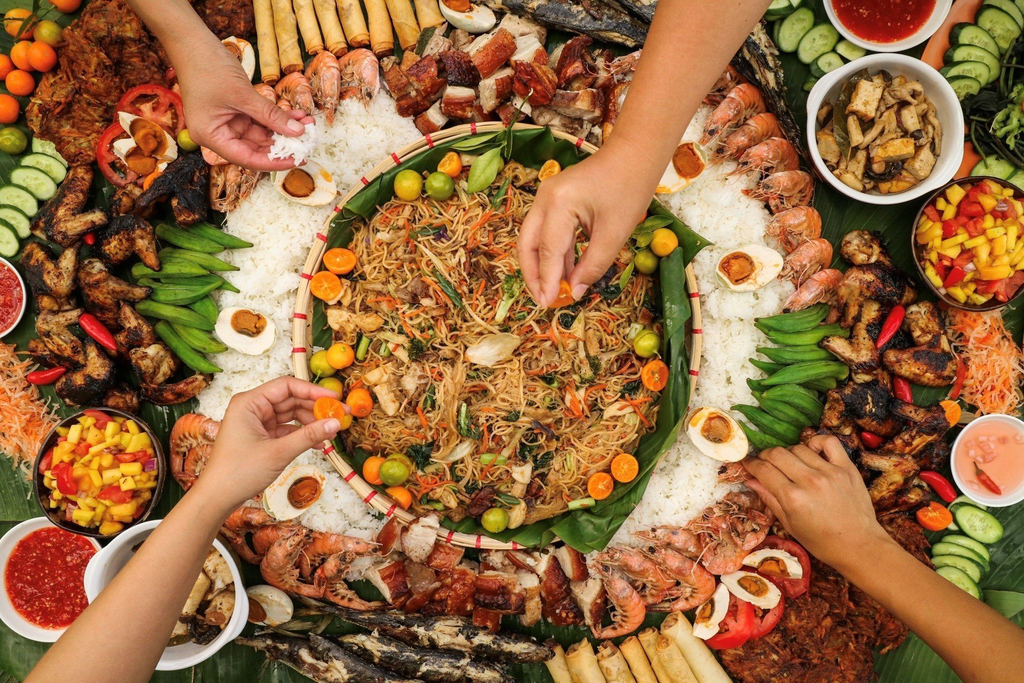
Boodle Fight by sandyforsenate.com
Food culture in the Philippines is a living expression of history, identity, and community. For travelers, understanding how Filipinos cook, eat, gather, and celebrate through food provides deeper insight into the country’s character. Filipino cuisine is not only about flavors—it is about shared meals, regional diversity, indigenous roots, colonial influences, and the cultural meaning behind everyday dishes.
This guide explores the traditions, customs, regional variations, and cultural significance of Filipino food, helping travelers appreciate the Philippines through its culinary heritage.
What Defines Filipino Food Culture
Food as a Social Experience
Filipino meals are communal. Whether at home, in a carinderia, or during fiestas, food is meant to be shared. The concept of salu‑salo—a gathering centered around food—reflects the Filipino value of togetherness. Large platters, shared bowls, and family-style dining are common, emphasizing hospitality and connection.
The Central Role of Rice
Rice is the foundation of Filipino meals. It is eaten three times a day, often steamed, fried, or turned into delicacies. Travelers will notice that dishes are designed to pair with rice—savory, saucy, or grilled foods complement the staple perfectly. In many regions, rice farming traditions also shape local food identity.
Balance of Flavors
Filipino cuisine is known for balancing salty, sour, sweet, and umami flavors. Dishes like adobo, sinigang, and kinilaw showcase this harmony. Vinegar, soy sauce, calamansi, coconut milk, and fish sauce are essential ingredients that define Filipino taste profiles.
Historical Influences on Filipino Cuisine
Indigenous Roots
Before colonization, Filipinos cooked with native ingredients such as coconut, root crops, seafood, and tropical fruits. Techniques like grilling (inihaw), boiling (nilaga), and fermenting (burong isda) remain central to regional food traditions.
Spanish Influence
Spanish colonization introduced stews, pastries, and festive dishes. Lechon, menudo, embutido, and paella-inspired rice dishes became staples. The concept of elaborate fiesta food also emerged during this period.
Chinese Influence
Chinese traders brought noodles, dumplings, soy sauce, and stir-frying techniques. This influence is seen in pancit, lumpia, siopao, and tikoy. Many Filipino comfort foods trace their origins to Chinese culinary traditions.
H3: American Influence
American presence introduced processed foods, fast food culture, and Western-style desserts. Items like fried chicken, burgers, and sweet spaghetti became part of modern Filipino dining.
Southeast Asian Connections
Filipino cuisine shares similarities with neighboring countries—coconut-based dishes, grilled seafood, and sour broths reflect regional culinary ties.
H2: Regional Food Culture Across the Philippines
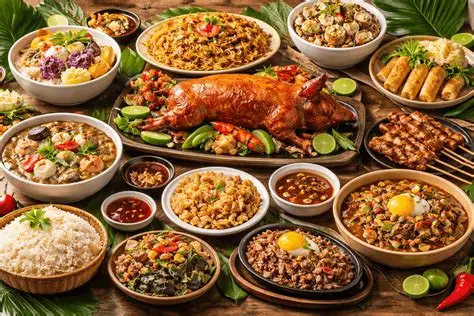
by tripwordwide.com
Luzon Food Culture
Luzon’s cuisine is shaped by fertile plains, mountain highlands, and coastal areas.
- Ilocos — Known for pinakbet, bagnet, and empanada. Strong vegetable-based dishes and bold flavors.
- Pampanga — Considered the culinary capital. Famous for sisig, tocino, and rich stews.
- Bicol — Coconut milk and chili define dishes like Bicol Express and laing.
- Cordillera — Indigenous dishes like pinikpikan and smoked meats reflect mountain traditions.
Visayas Food Culture
Visayan cuisine is seafood-rich and often sour or grilled.
- Cebu — Home of lechon, widely regarded as the best in the country.
- Iloilo — Known for batchoy, pancit molo, and fresh seafood.
- Negros — Sugar capital, influencing desserts and sweet-savory dishes.
- Bohol — Simple, fresh coastal dishes with coconut and seafood.
Mindanao Food Culture
Mindanao’s cuisine is influenced by Muslim heritage and spice-forward flavors.
- Zamboanga — Spanish-Malay fusion dishes like curacha and satti.
- Davao — Durian, tuna, and indigenous dishes like kinilaw.
- Cotabato & Sulu — Muslim dishes such as pastil, piaparan, and tiyula itum.
Filipino Cooking Traditions and Techniques
Adobo Cooking
Adobo is a method, not just a dish. Meat or seafood is simmered in vinegar, soy sauce, garlic, and peppercorns. Every region has its own version—dry, saucy, coconut-based, or spicy.
Grilling and Roasting
Inihaw (grilled) and lechon (roasted pig) are central to celebrations. Grilling is a daily cooking method, especially in coastal communities.
Stewing and Broths
Filipinos love hearty soups and stews:
- Sinigang — sour tamarind broth
- Nilaga — clear beef or pork soup
- Kare-kare — peanut stew
- Bulalo — bone marrow soup
Coconut-Based Cooking
Coconut milk (gata) is used in Bicol, Visayas, and Mindanao. It creates rich, creamy dishes with depth and spice.
Fermentation and Preservation
Traditional methods include:
- Bagoong — fermented fish or shrimp paste
- Burong isda — fermented rice and fish
- Tinapa — smoked fish
Dining Customs and Etiquette for Travelers
These techniques reflect indigenous food preservation practices.
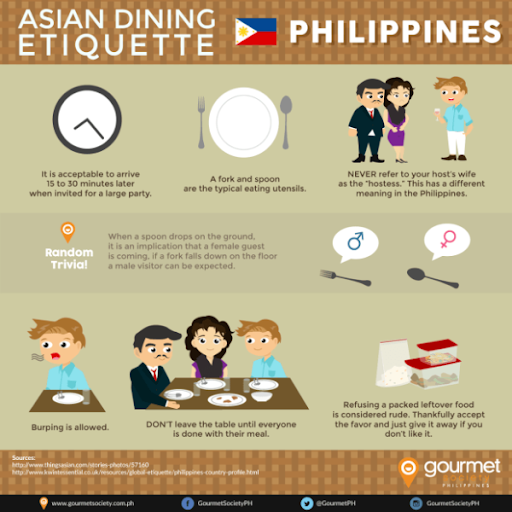
byartofit.com
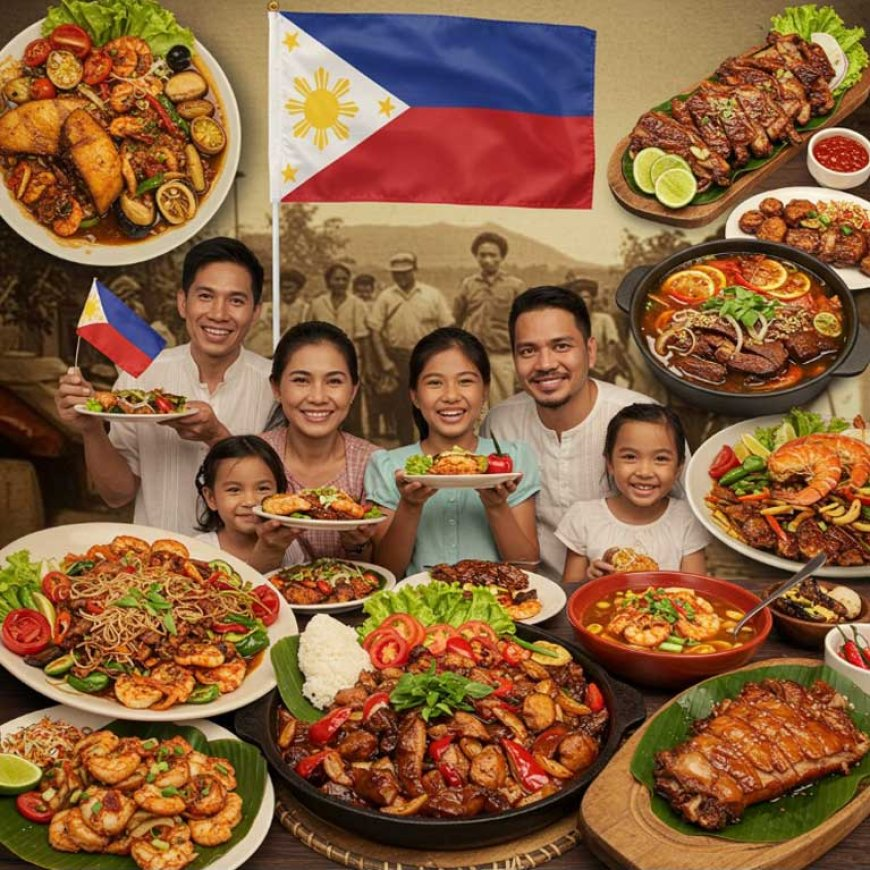
by nipino.com
Hospitality and Generosity
Filipinos often insist guests eat more. Refusing food may be seen as impolite, so travelers should accept at least a small portion.
Eating with Hands
Kamayan (eating with hands) is common, especially during feasts or boodle fights. It is a cultural experience that travelers should try.
Boodle Fights
Food is laid out on banana leaves and eaten together using hands. This tradition symbolizes unity and equality.
Carinderia Culture
Small eateries serving home-style meals are everywhere. They offer affordable, authentic dishes and reflect everyday Filipino dining.
Fiesta Food Traditions
Fiestas feature elaborate spreads—lechon, kare-kare, pancit, and desserts. These celebrations highlight community pride and culinary heritage.
Iconic Dishes That Represent Filipino Food Culture
Adobo
A national symbol of Filipino cooking, showcasing the balance of salty, sour, and umami flavors.
Sinigang
A sour broth that reflects Filipino love for tangy flavors and fresh ingredients.
Lechon
A centerpiece of celebrations, representing Filipino craftsmanship in roasting.
Pancit
Symbolizes long life and is served during birthdays and gatherings.
Kinilaw
A raw seafood dish marinated in vinegar and citrus, highlighting indigenous cooking traditions.
Halo-Halo
A layered dessert that represents Filipino creativity and love for sweet treats.
Food Culture and Travel: What Visitors Should Experience
Try Regional Specialties
Each region offers unique dishes that reflect local identity. Travelers should explore food markets, coastal grills, and heritage restaurants.
Join a Fiesta or Community Feast
Experiencing a fiesta provides insight into Filipino hospitality, tradition, and culinary pride.
Visit Local Farms and Markets
Wet markets, rice fields, coconut farms, and fishing villages reveal the agricultural roots of Filipino cuisine.
Participate in a Cooking Class
Learning to cook adobo, kinilaw, or laing deepens cultural understanding.
Related Guides
- Cooked Foods
- Local Dining
- Desserts
- Culture & Regional Identity
- Philippine Food Overview
CTA – Plan Your Culinary Journey Across the Philippines
Filipino food culture is rich, diverse, and deeply rooted in tradition. Whether you’re exploring Luzon’s heritage dishes, Visayas’ seafood flavors, or Mindanao’s spice-forward cuisine, every meal tells a story. Use this guide to plan your culinary journey and discover the Philippines through its food, people, and traditions.