A fast, reliable, and information‑dense reference page designed for travelers, digital nomads, and new expats who need essential facts at a glance. This guide consolidates emergency numbers, seasonal weather patterns, realistic travel times, cost snapshots, and regional summaries into one authoritative resource.
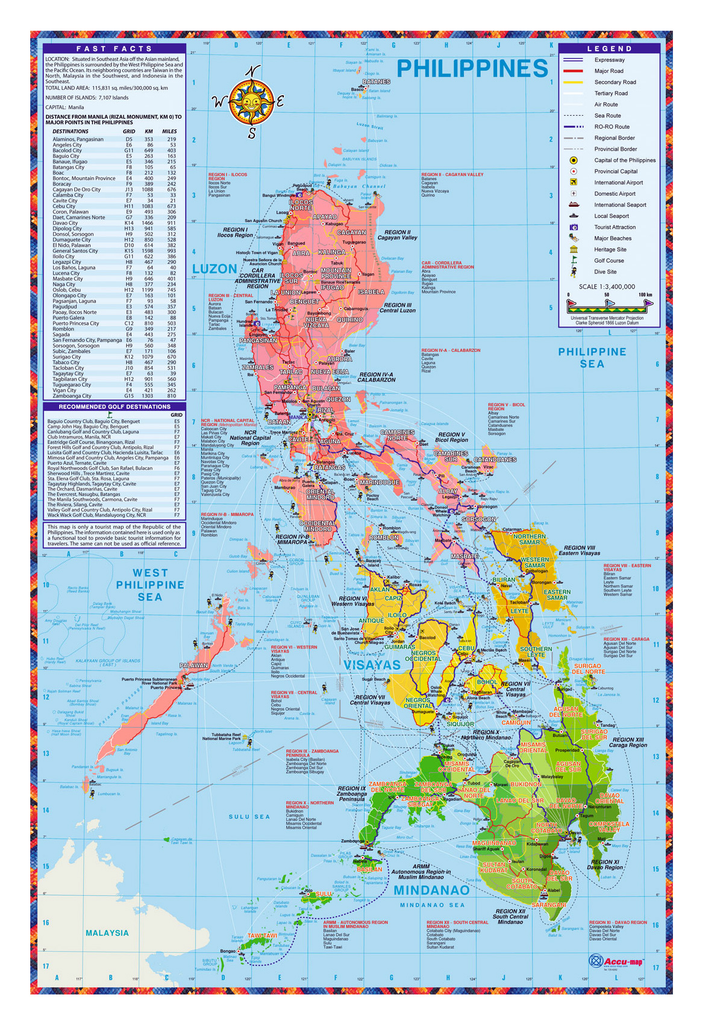
Map by mapsland.com
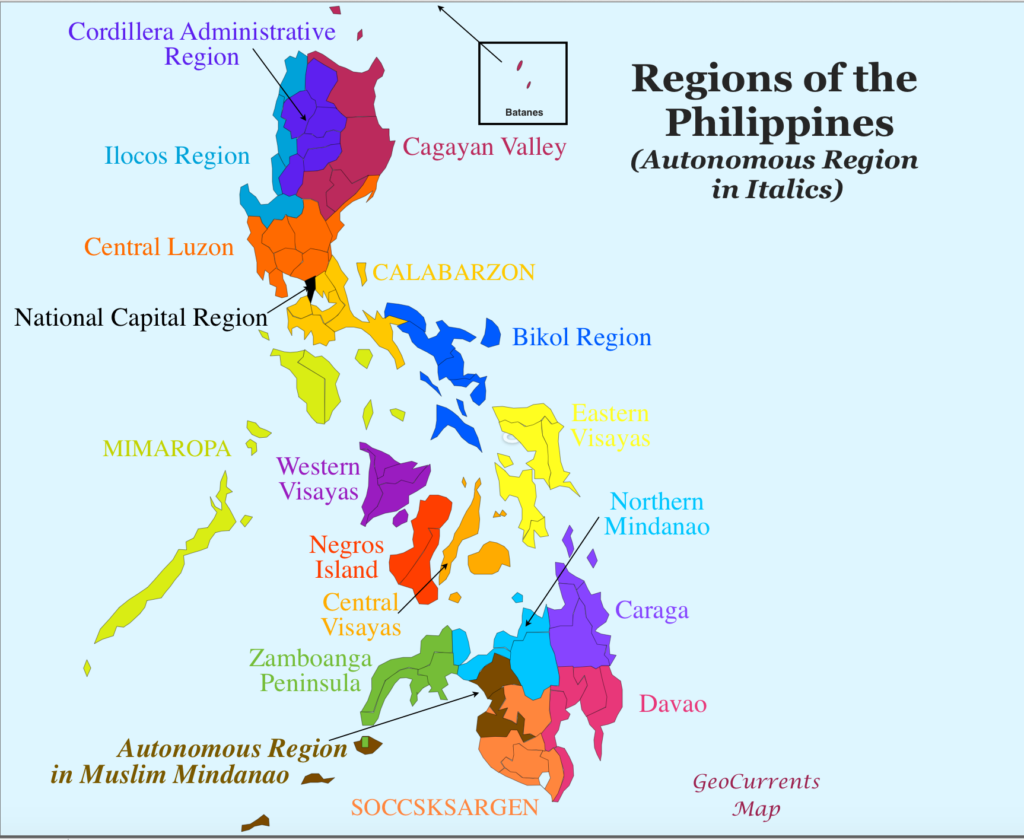
Map by aminakia-life.club
Emergency Numbers and Essential Contacts
The Philippines maintains a unified emergency response system, but availability varies by region. Below is the definitive quick‑reference list for travelers and expats.
National Emergency Numbers
- National Emergency Hotline (911) — Centralized hotline for police, fire, medical, and rescue.
- Philippine National Police (PNP) – 117 — Direct police assistance, especially in urban centers.
- Bureau of Fire Protection – (02) 8426‑0219 — Fire emergencies and rescue operations.
- Philippine Coast Guard – 117 or 0917‑PCG‑HELP — Maritime emergencies, island‑hopping incidents, coastal rescue.
Medical & Hospital Access
- Department of Health (DOH) – (02) 8651‑7800 — Public health assistance and hospital coordination.
- Red Cross – 143 — Disaster response, first aid, blood services.
- Ambulance Services — Availability varies; major cities have faster response times.
Traveler‑Specific Contacts
- Tourist Assistance Center – (02) 8831‑3001 — Lost items, tourist safety, coordination with local authorities.
- Immigration Hotline – (02) 8465‑2400 — Visa concerns, overstays, entry/exit issues.
- Airport Assistance (MIAA) – (02) 8877‑1109 — Flight issues, airport emergencies, terminal services.
When to Use Which Number
- Use 911 for any life‑threatening emergency.
- Use 117 for police‑related incidents such as theft, harassment, or lost passports.
- Use 143 for disaster‑related situations or first aid.
- Use Tourist Assistance for non‑emergency travel issues.
Weather Seasons and Climate Realities
The Philippines has a tropical climate with distinct seasonal patterns that affect travel, transportation, and daily life. Understanding these patterns helps visitors plan safer and more efficient trips.
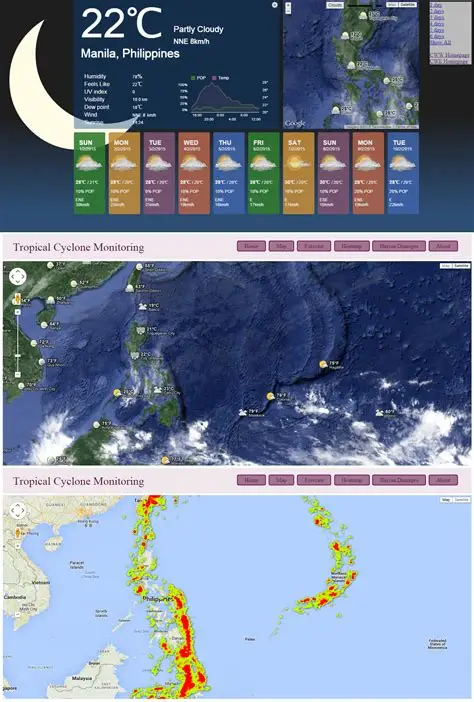
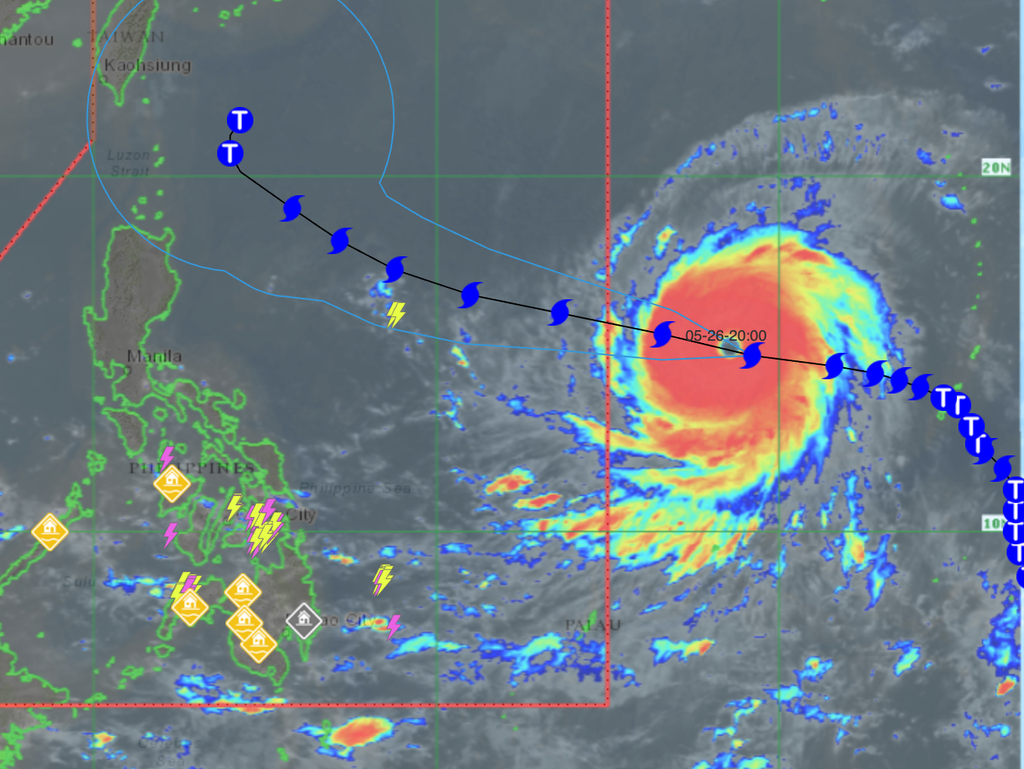
by worldmapusclip.blogspot.com by inquirer.net
The Three Main Seasons
- Dry Season (December–May) — Best for beach travel, island‑hopping, and long‑distance road trips.
- Hot Dry Season (March–May) — Peak heat; temperatures often exceed 35°C.
- Wet Season (June–November) — Frequent rain, thunderstorms, and typhoons.
Typhoon Considerations
The Philippines experiences 15–20 typhoons annually.
- High‑risk months: July–October
- Lower‑risk months: December–March
- Regions most affected: Eastern Visayas, Bicol, Northern Luzon
H3: Temperature & Humidity Snapshot
- Luzon: 20–34°C, moderate humidity
- Visayas: 24–33°C, high humidity
- Mindanao: 23–34°C, variable humidity depending on elevation
Seasonal Travel Tips
- Book island‑hopping tours during dry months.
- Avoid long ferry routes during peak typhoon season.
- Expect sudden rain showers even during dry season.
- Mountain regions (Sagada, Bukidnon) can drop to 10–15°C at night.
Travel Time Realities Across the Philippines
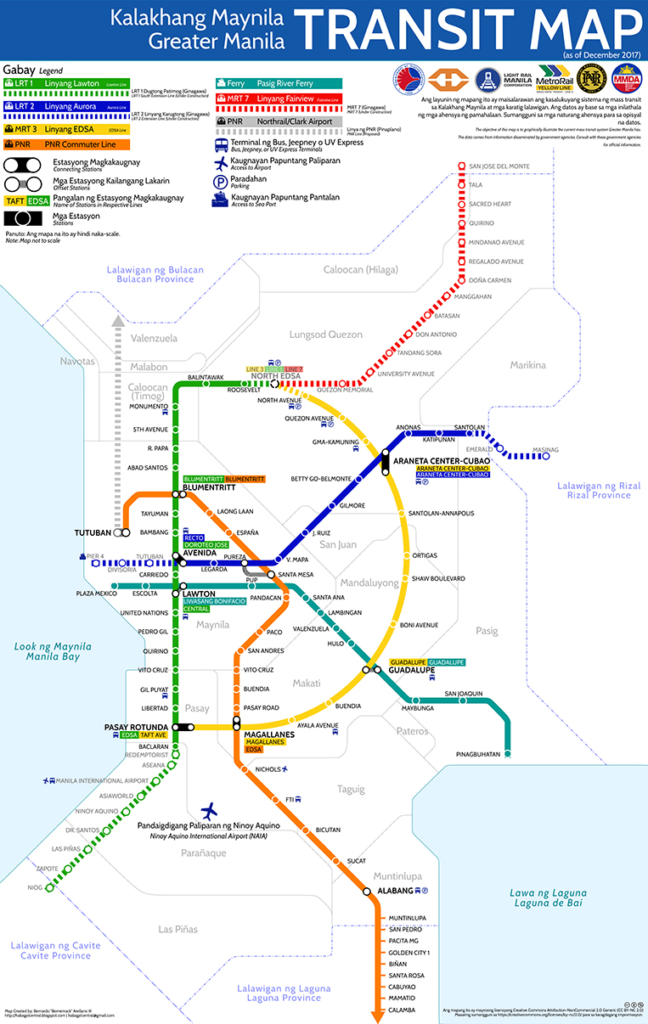
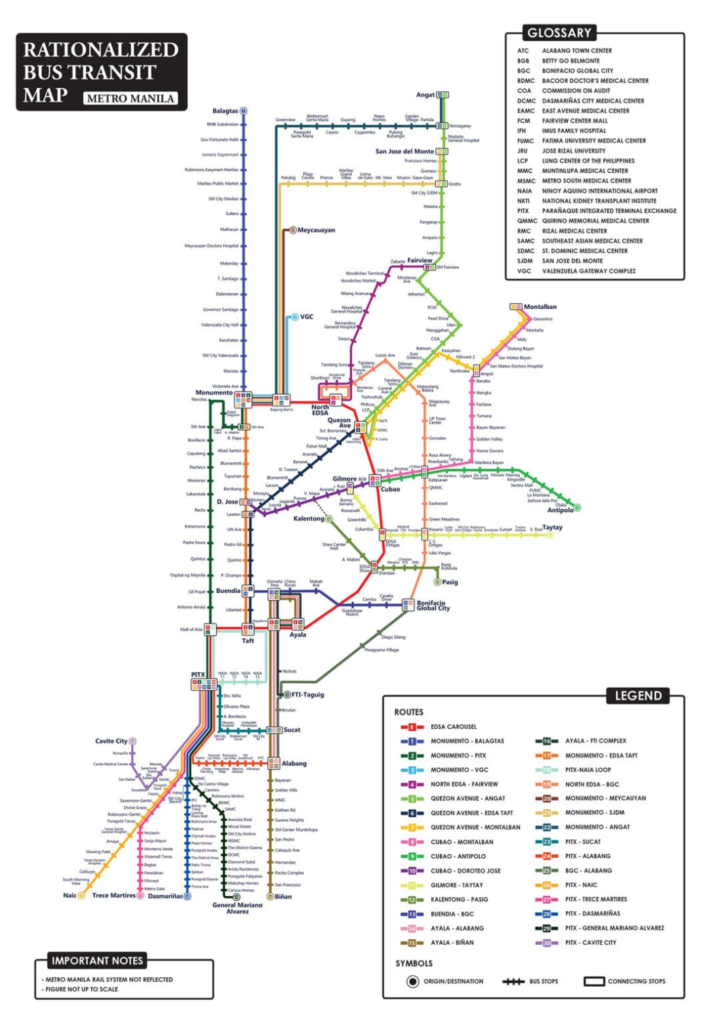
Travel times in the Philippines are influenced by geography, traffic, weather, and infrastructure. Below is a realistic, experience‑based reference guide.
by Visor.ph
by ph.bus.com
Air Travel Times (Major Routes)
- Manila to Cebu — 1 hour 20 minutes
- Manila to Davao — 1 hour 50 minutes
- Cebu to Siargao — 1 hour
- Clark to Iloilo — 1 hour 15 minutes
Ferry Travel Times
- Cebu to Bohol — 2 hours
- Manila to Coron — 11–13 hours
- Cebu to Leyte — 3–4 hours
- Iloilo to Bacolod — 1 hour
Road Travel Times (Realistic)
Traffic and road conditions vary widely. These estimates reflect typical travel realities.
- Manila to Baguio — 4–6 hours
- Manila to Batangas Port — 2–3 hours
- Cebu City to Moalboal — 2.5–3 hours
- Davao City to Samal Island — 45 minutes including ferry
- Iloilo City to Antique — 2–3 hours
Travel Time Factors
- Weather delays during wet season
- Traffic congestion in Metro Manila and Cebu
- Mountain roads in Cordillera and Bukidnon
- Ferry cancellations during storms
- Limited night‑time transportation in rural areas
Cost Snapshots for Travelers & Expats
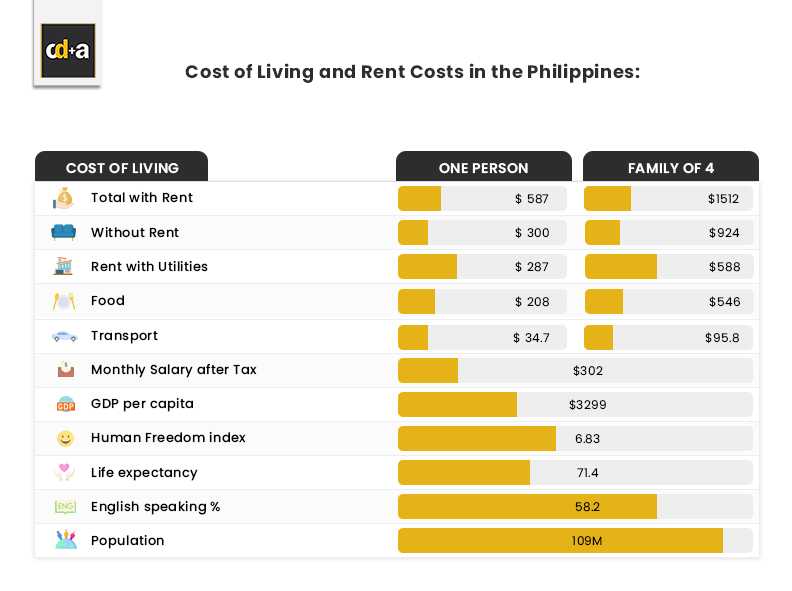
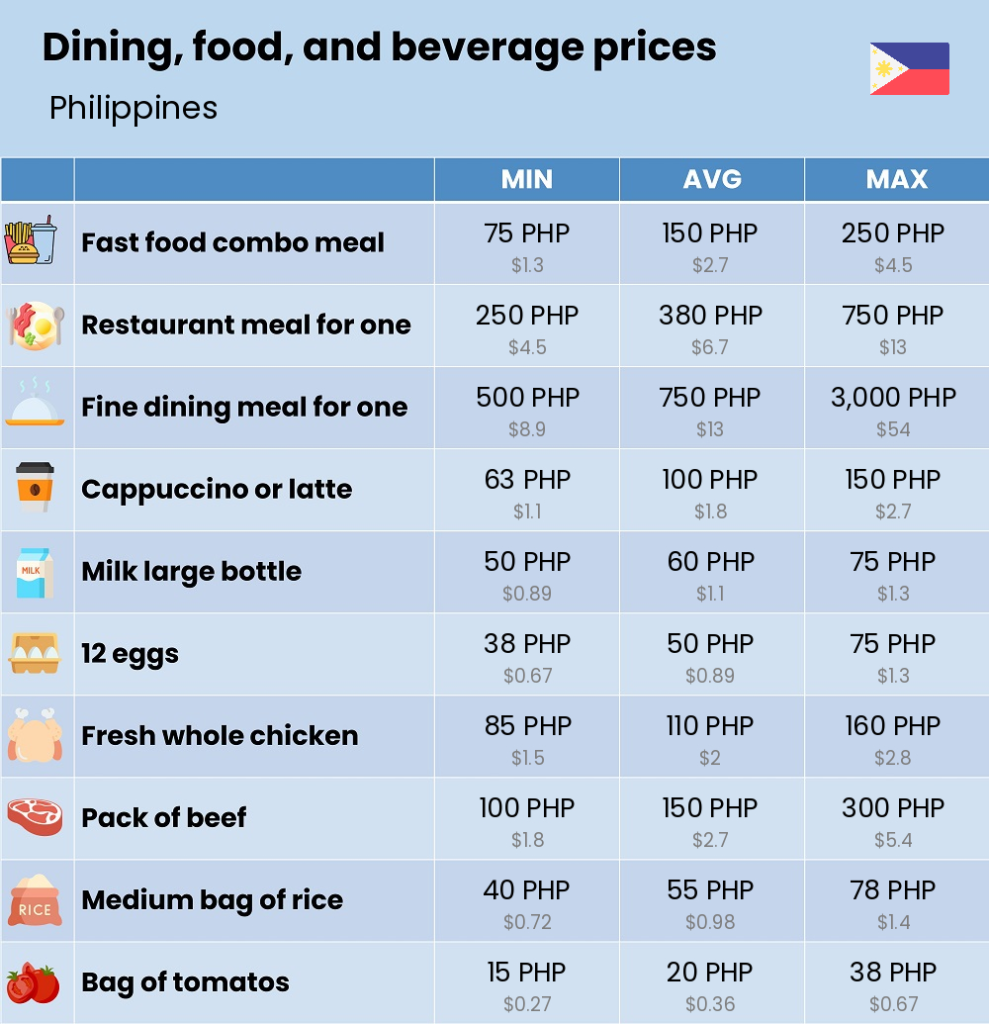
A quick, data‑driven overview of typical costs across major cities and smaller towns. These snapshots help visitors budget realistically.
by currandaly.com
by copound.com
Daily Travel Budget (Average)
- Backpacker Budget — ₱1,200–₱1,800 per day
- Mid‑range Traveler — ₱2,500–₱4,000 per day
- Comfort Traveler — ₱4,500–₱7,000 per day
Cost of Living Snapshots (Monthly)
- Metro Manila — ₱35,000–₱70,000
- Cebu City — ₱30,000–₱55,000
- Davao City — ₱25,000–₱45,000
- Small Towns — ₱15,000–₱30,000
Common Travel Costs
- Meals: ₱120–₱350 (local), ₱400–₱900 (restaurant)
- Transportation: ₱15–₱25 (jeepney), ₱50–₱150 (tricycle), ₱150–₱300 (Grab short ride)
- Hotels: ₱1,200–₱2,500 (budget), ₱3,000–₱7,000 (mid‑range)
- Island‑hopping tours: ₱1,200–₱2,500 per person
- SIM card + data: ₱300–₱600 monthly
Cost Tips for Visitors
- Book domestic flights 2–3 weeks ahead.
- Use Grab or Angkas in major cities.
- Expect higher prices in Boracay, El Nido, and Siargao.
- Small towns offer significantly lower food and lodging costs.
Regional Summaries for Quick Orientation
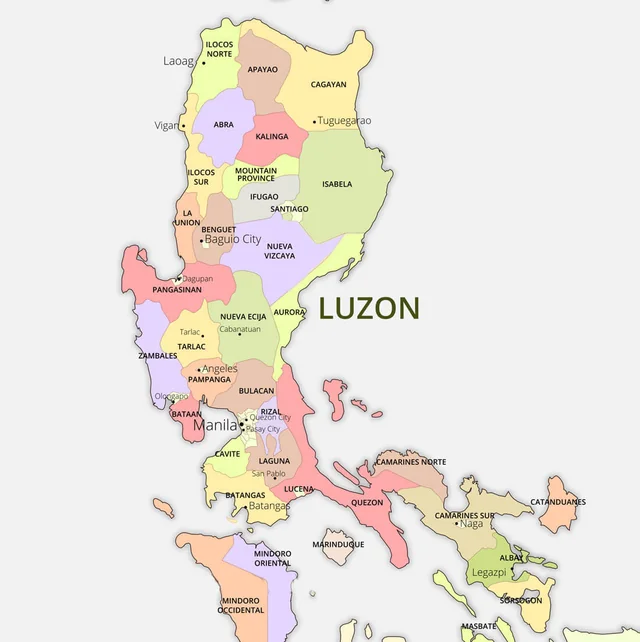
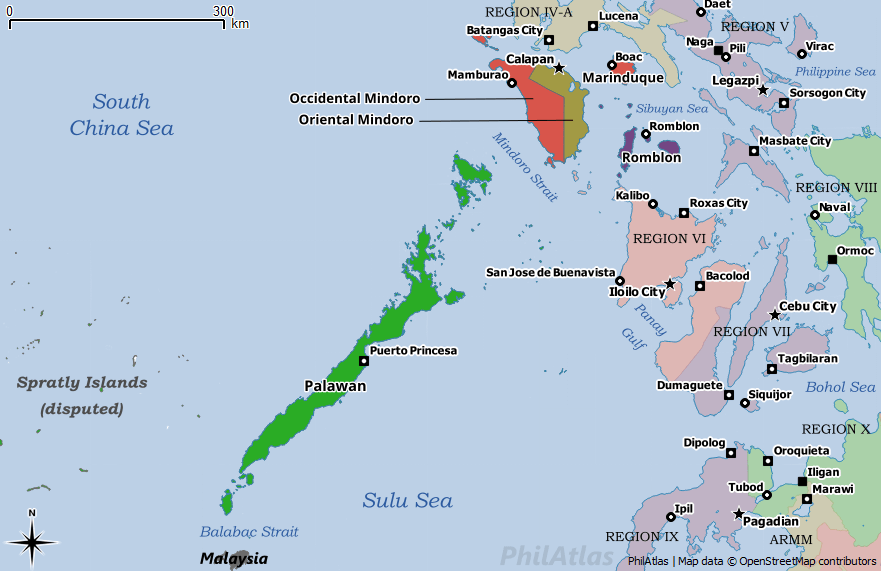
by googleapis.com by googleapis.com
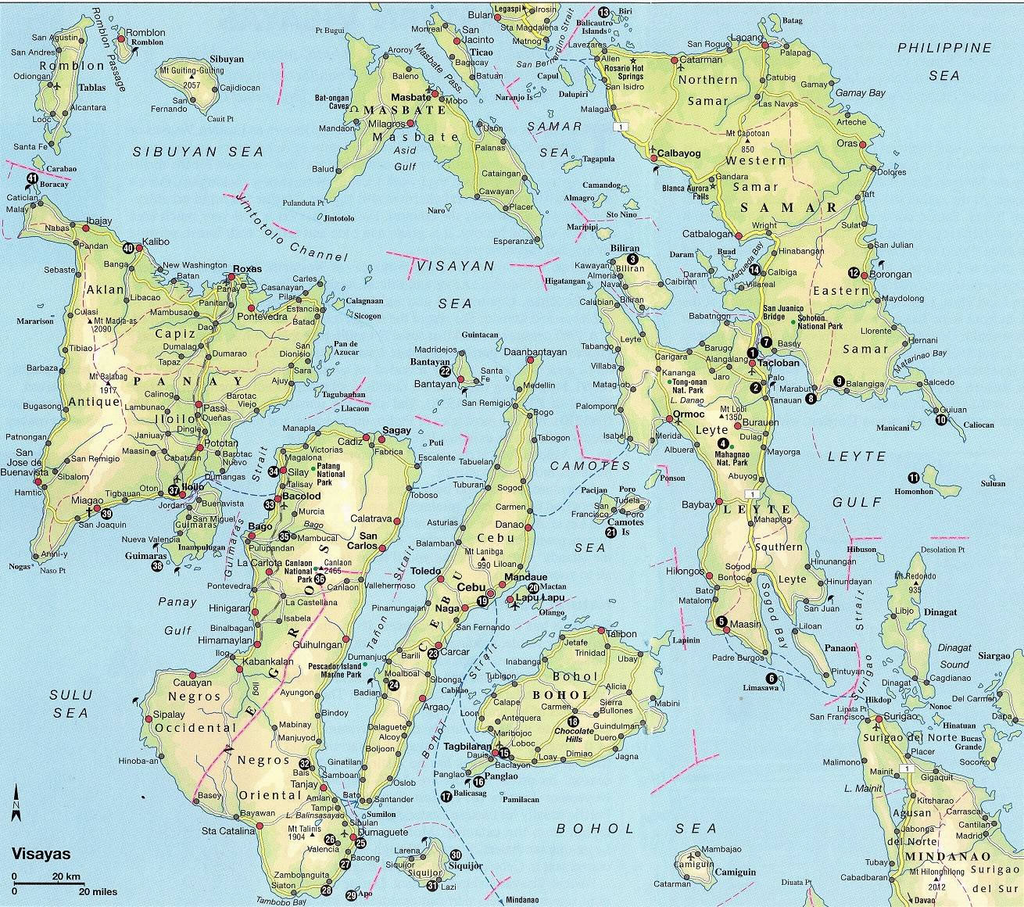
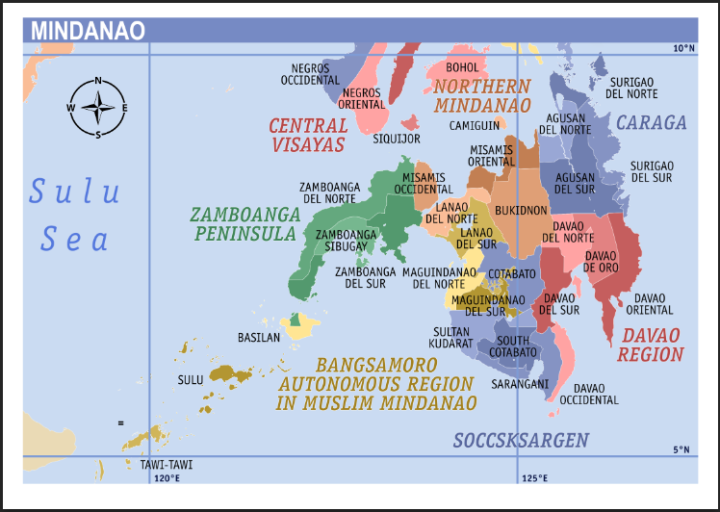
by ar.inspiredpencil.com by fity.club
Luzon Summary
- Overview — Largest island group; home to Manila, Baguio, Vigan, and Palawan.
- Best For — Culture, history, mountains, beaches, city life.
- Travel Realities — Heavy traffic in Metro Manila; excellent access to airports and highways.
- Costs — Higher in NCR; moderate in North Luzon.
Visayas Summary
- Overview — Central island group; Cebu, Bohol, Iloilo, Bacolod, Boracay.
- Best For — Beaches, diving, food culture, festivals.
- Travel Realities — Frequent ferries; reliable airports; weather‑dependent travel.
- Costs — Moderate; Boracay and Cebu slightly higher.
Mindanao Summary
- Overview — Southern island group; Davao, Cagayan de Oro, Siargao, Bukidnon.
- Best For — Nature, adventure, surfing, cooler highlands.
- Travel Realities — Good roads in major cities; rural areas vary.
- Costs — Generally lower than Luzon and Visayas.
Final Notes for Visitors & Expats
This Quick Reference Guide is designed to be a fast, authoritative resource for anyone navigating the Philippines. Whether you are planning a short vacation, relocating as a digital nomad, or settling as a long‑term expat, these emergency numbers, seasonal patterns, travel realities, cost snapshots, and regional summaries provide the essential foundation for safe and informed travel.