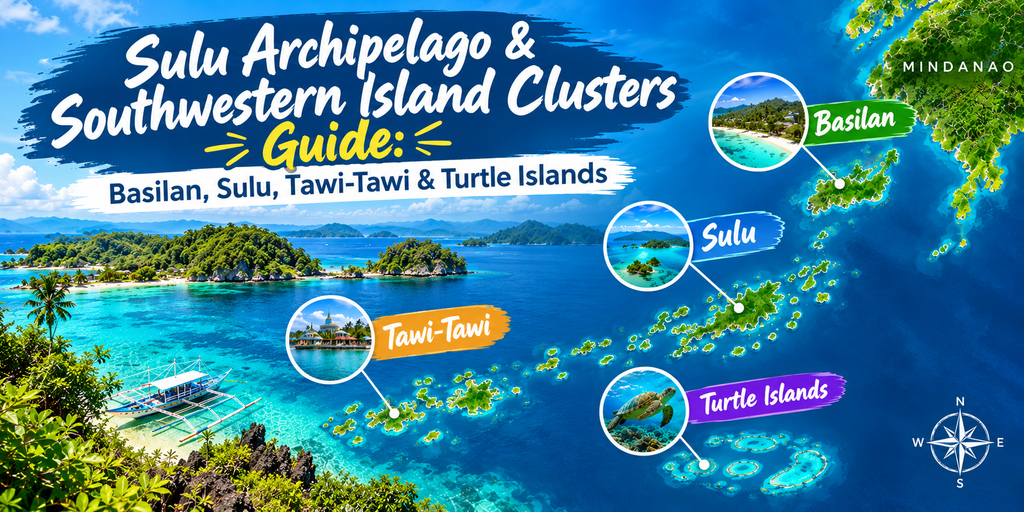
Explore the islands of the Sulu Archipelago including Basilan, Sulu, Tawi-Tawi, and the Turtle Islands. Discover history, geography, culture, marine biodiversity, beaches, island attractions, and travel planning tips.
Sulu Archipelago & Southwestern Islands Guide: Basilan, Sulu, Tawi-Tawi & Remote Island Frontiers
The Sulu Archipelago is one of the Philippines’ most unique island regions, stretching between the Zamboanga Peninsula and the northern coast of Borneo. Composed of hundreds of islands, reefs, and sandbars scattered across the Sulu Sea and Celebes Sea, the archipelago forms a natural maritime bridge linking the Philippines with the wider cultures and trading networks of Southeast Asia.
For centuries, these islands served as important centers of navigation, trade, fishing, cultural exchange, and Islamic scholarship. Today, the region is home to the island provinces of Basilan, Sulu, and Tawi-Tawi, along with smaller island groups such as the Turtle Islands. Together, they create one of the country’s most geographically distinct and culturally diverse regions.
While tourism remains limited compared to destinations such as Palawan, Cebu, or Siargao, the Sulu Archipelago offers visitors an opportunity to experience a part of the Philippines where maritime traditions, cultural heritage, and coastal environments continue to shape everyday life.
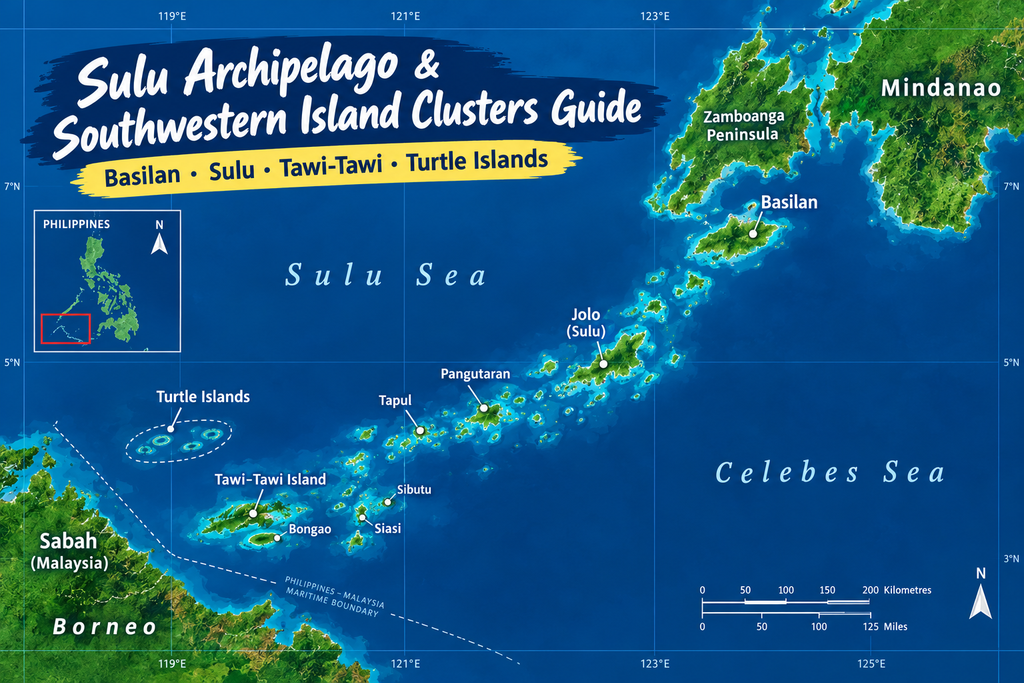
The map below highlights the major islands, municipalities, provincial centers, transportation routes, marine protected areas, and key geographic features that make up the Sulu Archipelago and Southwestern Philippines.
Understanding the Sulu Archipelago
Geography and Marine Environment
The Sulu Archipelago extends southwest from Mindanao toward Borneo and consists of hundreds of islands distributed across one of the most ecologically important marine environments in the world. The islands vary from large inhabited islands with established communities to small uninhabited sandbars surrounded by coral reefs.
The region lies within the Coral Triangle, an area recognized for its extraordinary marine biodiversity. Coral reefs, seagrass beds, mangrove forests, and coastal habitats support thousands of marine species and contribute significantly to Philippine fisheries.
Key geographical features include:
- Extensive coral reef systems
- Mangrove forests
- Seagrass meadows
- Deep marine channels
- Limestone and volcanic islands
- Protected coastal ecosystems
The surrounding waters serve as important migration routes for fish, marine mammals, and sea turtles moving throughout Southeast Asia.
Historical Significance
The Sulu Archipelago occupies an important place in Philippine history. For hundreds of years, the islands formed the center of the Sultanate of Sulu, one of the most influential maritime powers in the region. Through trade and diplomacy, the Sultanate established connections with neighboring territories including present-day Malaysia, Brunei, Indonesia, and other parts of maritime Southeast Asia.
These historical connections helped shape the region’s culture, language, traditions, architecture, and religious heritage.
Historical influences include:
- Maritime trade networks
- Islamic scholarship
- Indigenous seafaring traditions
- Regional cultural exchange
- Colonial-era interactions
- Traditional political systems
Today, many historic sites and cultural traditions continue to reflect this rich past.
Peoples and Cultures
The islands are home to several ethnolinguistic groups whose identities are closely tied to the sea. Life throughout the archipelago has traditionally revolved around fishing, navigation, agriculture, weaving, and trading activities.
Major cultural groups include:
- Tausug
- Yakan
- Sama
- Badjao
- Jama Mapun
Each group contributes unique languages, traditions, crafts, music, and culinary practices to the cultural landscape of the region.
Biodiversity and Conservation
The Sulu Archipelago contains some of the Philippines’ most important coastal and marine ecosystems. Numerous conservation initiatives focus on protecting coral reefs, sea turtle nesting grounds, mangrove habitats, and fish breeding areas.
Wildlife found throughout the region includes:
- Green sea turtles
- Hawksbill turtles
- Reef fish species
- Giant clams
- Coastal birds
- Marine invertebrates
Particularly significant are the Turtle Islands, which support one of the country’s most important marine turtle conservation programs.
Sulu Archipelago Island Clusters at a Glance
| Island Cluster | Known For | Best For |
|---|---|---|
| Basilan Islands | Yakan culture, waterfalls, agriculture | Cultural travelers |
| Sulu Islands | Sultanate heritage, island communities | History enthusiasts |
| Tawi-Tawi Islands | Maritime culture, Bud Bongao, island scenery | Nature travelers |
| Turtle Islands | Marine turtle conservation | Eco-tourism |
Basilan Islands Cluster
by guidbookbali.com
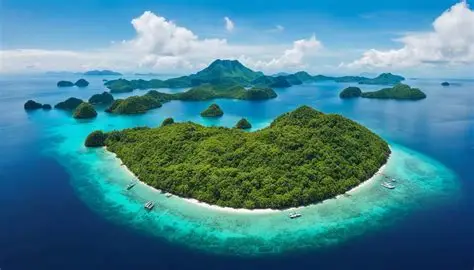
The Basilan Islands form the northern gateway to the Sulu Archipelago and lie just south of the Zamboanga Peninsula. The province consists of Basilan Island and numerous smaller surrounding islands. Historically, Basilan has served as an important link between Mindanao and the rest of the archipelago.
Agriculture remains a major part of the local economy, particularly the production of rubber, coconut products, and fisheries. The island’s interior features hills, forests, and river systems, while the coastline contains beaches, islands, and fishing communities.
Top Attractions
- Malamawi Island
- Bulingan Falls
- Yakan Villages
- Lampinigan Island
- Basilan Provincial Capitol
- Coastal beaches
- Traditional weaving centers
Best For
- Cultural tourism
- Local traditions
- Heritage experiences
- Photography
- Island exploration
Related Guide: Basilan Travel Guide
Sulu Islands Cluster
dreamtime.com
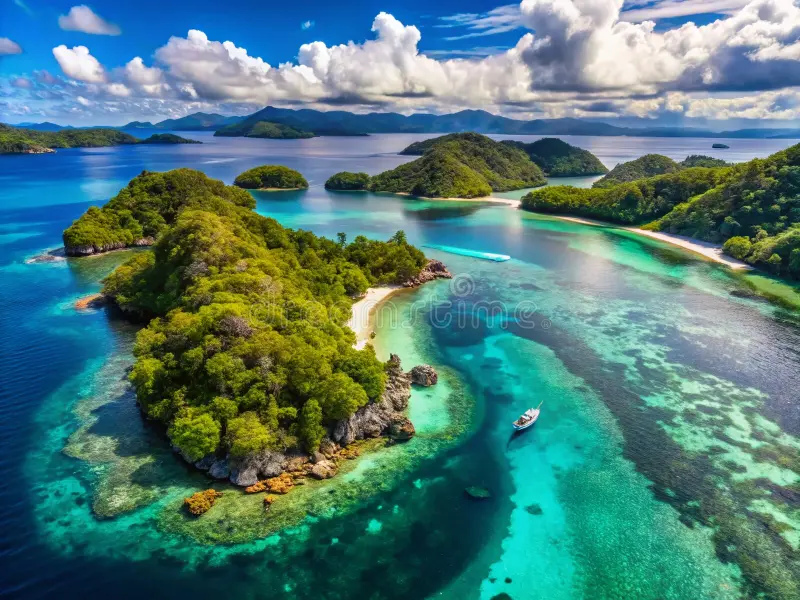
The Sulu Islands occupy the central section of the archipelago and historically served as the political and cultural center of the Sultanate of Sulu. The islands have long been connected through maritime trade, fishing, and regional commerce.
Jolo remains the province’s principal urban center and continues to function as an important regional hub. Throughout the island group, traditional settlements and coastal communities maintain strong maritime traditions that have existed for generations.
Top Attractions
- Jolo
- Mount Tumantangis
- Historic mosques
- Traditional island communities
- Coastal landscapes
- White-sand beaches
- Sultanate heritage locations
Best For
- History enthusiasts
- Cultural exploration
- Photography
- Maritime heritage
- Geography enthusiasts
Related Guide: Sulu Islands Travel Guide
Tawi-Tawi Islands Cluster
by science.nasa.gov
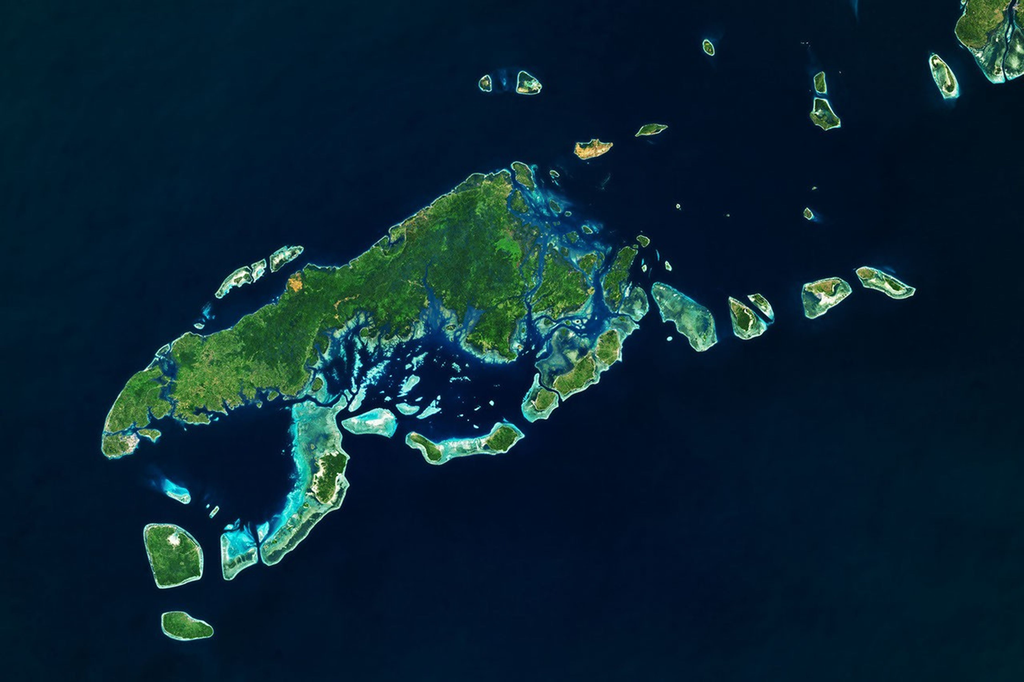
The Tawi-Tawi Islands represent the southernmost province of the Philippines and consist of more than one hundred islands located near Borneo. Geographically isolated from much of the country, Tawi-Tawi has developed a distinctive maritime culture influenced by centuries of regional interaction and seafaring traditions.
The province is known for scenic island landscapes, diverse marine habitats, traditional boat-building communities, and some of the country’s most remarkable coastal views.
Top Attractions
- Bud Bongao
- Panampangan Island
- Simunul Island
- Bongao Peak
- Sheikh Karimul Makhdum Mosque
- White-sand beaches
- Island-hopping destinations
Best For
- Nature photography
- Island hopping
- Cultural experiences
- Hiking
- Marine tourism
Traveler Tip
Most visitors combine Bongao, Bud Bongao, and Panampangan Island to experience both the cultural and natural attractions of Tawi-Tawi.
Related Guide: Tawi-Tawi Travel Guide
Turtle Islands Cluster
by aseanbiodiveristy.org
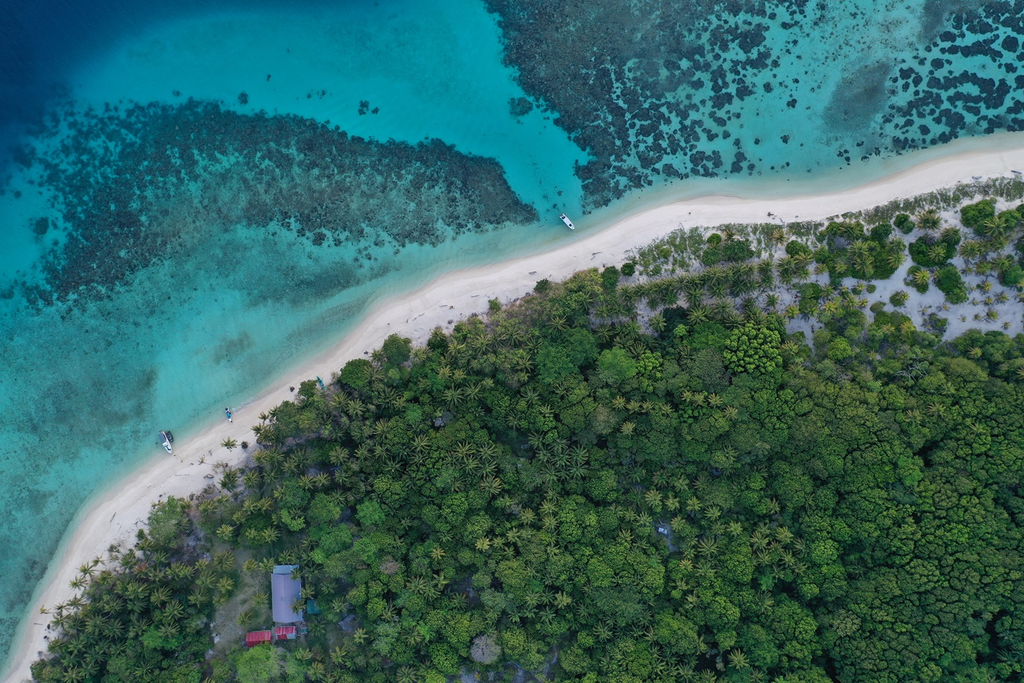
Located in the southwestern Sulu Sea near the Malaysian border, the Turtle Islands consist of a small group of islands internationally recognized for their environmental importance. The islands support one of Southeast Asia’s most significant sea turtle nesting areas and are protected through conservation programs focused on preserving marine habitats.
Although tourism is limited, the islands remain an important destination for conservation awareness, marine research, and ecological protection.
Top Attractions
- Turtle nesting beaches
- Protected marine habitats
- Coral reef ecosystems
- Coastal wildlife areas
- Conservation facilities
- Natural island landscapes
Best For
- Eco-tourism
- Wildlife enthusiasts
- Conservation tourism
- Marine biology interests
- Nature photography
Related Guide: Turtle Islands Travel Guide
How to Get Around the Sulu Archipelago
Transportation throughout the Sulu Archipelago relies heavily on ferries, inter-island boats, and domestic flights. Due to the region’s island geography, sea transportation remains the primary method of travel between many islands.
Major Airports
- Zamboanga International Airport
- Jolo Airport
- Sanga-Sanga Airport
- Regional connections through Mindanao
Major Ferry Hubs
- Zamboanga City
- Jolo
- Bongao
- Isabela City
- Lamitan
Most visitors begin their journey in Zamboanga City before continuing to other parts of the archipelago by air or sea. Transportation schedules may vary depending on weather and sea conditions.
Related Guide: Philippines Transportation Guide
Tourism & Travel Planning in the Sulu Archipelago
While the Sulu Archipelago receives far fewer visitors than many Philippine tourism regions, it remains one of the country’s most culturally and historically important island groups. The region offers opportunities to learn about maritime heritage, explore remote coastal environments, and experience communities that reflect centuries of interaction across Southeast Asia.
Best Time to Visit
| Season | Months | Conditions |
|---|---|---|
| Dry Season | November to May | Best for island travel |
| Peak Visitor Season | December to April | Generally favorable conditions |
| Shoulder Season | May to June, October to November | Fewer visitors |
| Rainy Season | June to October | Rougher sea conditions possible |
For the best overall experience, many travelers visit between December and April, when sea conditions are often most favorable for inter-island transportation.
Suggested Sulu Archipelago Itineraries
5-Day Introduction
Day 1-2: Basilan
Day 3-5: Tawi-Tawi
Ideal for travelers interested in culture and geography.
10-Day Southern Islands Explorer
Basilan → Sulu → Tawi-Tawi
Perfect for visitors seeking history, island landscapes, and cultural experiences.
14-Day Grand Sulu Archipelago Journey
Zamboanga → Basilan → Sulu → Tawi-Tawi → Turtle Islands
Provides a comprehensive introduction to the region’s geography, history, cultures, and marine environments.
Best Islands by Interest
Best Beaches
- Panampangan Island
- Malamawi Island
- Lampinigan Island
- Coastal beaches of Sulu
- Protected Turtle Islands beaches
Best Cultural Experiences
- Yakan Weaving Villages
- Jolo Heritage Sites
- Simunul Island
- Bongao Communities
- Traditional Sama Settlements
Best Nature Destinations
- Bud Bongao
- Turtle Islands
- Panampangan Island
- Basilan Forest Areas
- Coastal Marine Sanctuaries
Best for History
- Sultanate Heritage Sites
- Historic Mosques
- Simunul Island
- Traditional Maritime Communities
- Regional Cultural Centers
Best Off-the-Beaten-Path Destinations
- Turtle Islands
- Panampangan Island
- Remote Tawi-Tawi Islands
- Offshore Basilan Islands
- Lesser-Visited Sulu Communities
Continue Exploring the Sulu Archipelago
Island Travel Guides
- Basilan Travel Guide
- Sulu Islands Travel Guide
- Tawi-Tawi Travel Guide
- Turtle Islands Travel Guide
- Zamboanga City Guide
- Bongao Travel Guide
Related Philippines Travel Resources
- Best Islands in the Philippines
- Island Hopping in the Philippines
- Philippines Transportation Guide
- Philippine Airports Guide
- Philippines Travel Insurance Guide
- Philippines eSIM Guide
Discover the Best of the Sulu Archipelago
The Sulu Archipelago is one of the Philippines’ most distinctive island regions, combining centuries of maritime history, extraordinary cultural diversity, and globally important marine ecosystems. From the Yakan communities of Basilan and the historic legacy of the Sultanate of Sulu to the island landscapes of Tawi-Tawi and the conservation significance of the Turtle Islands, the region presents a side of the Philippines rarely experienced by most travelers.
Whether you’re interested in history, geography, culture, biodiversity, or remote island exploration, the Sulu Archipelago offers a deeper understanding of the richness and diversity of the Philippine archipelago. Use this guide as your starting point, then continue exploring the individual island guides to discover the destinations, traditions, and hidden gems that make the Southwestern Philippines one of the country’s most fascinating island regions.