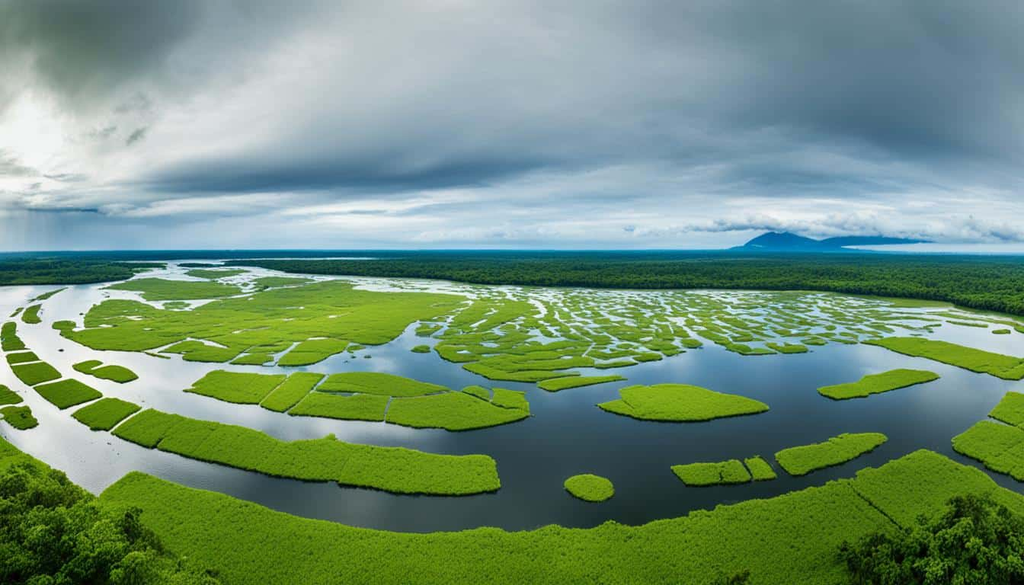
Agusan March by ocptravel.weinnovate.school
The Philippines is home to some of Southeast Asia’s most important wetland ecosystems. From the vast Agusan Marsh in Mindanao to internationally recognized bird sanctuaries and mangrove forests, wetlands support biodiversity, protect communities from flooding, sustain fisheries, and provide unique eco-tourism opportunities.
These ecosystems serve as critical habitats for migratory birds, freshwater fish, reptiles, mammals, and countless plant species. They also play an essential role in water filtration, carbon storage, and coastal protection.
Whether you are a birdwatcher, wildlife enthusiast, photographer, researcher, or eco-tourist, the wetlands of the Philippines offer some of the country’s most rewarding nature experiences.
Why Wetlands Matter in the Philippines
Wetlands provide environmental, economic, and social benefits throughout the country.
They help:
- Reduce flooding
- Filter and improve water quality
- Protect coastlines from storms
- Support fisheries and aquaculture
- Provide habitat for wildlife
- Store carbon and combat climate change
- Sustain local communities and livelihoods
Many of the Philippines’ most important protected areas are built around wetland ecosystems.
Quick Facts About Philippine Wetlands
| Information | Details |
|---|---|
| Major Wetland Types | Marshes, swamps, mangroves, estuaries, floodplains |
| Best Activities | Birdwatching, wildlife viewing, photography, eco-tours |
| Best Visiting Season | November to May |
| International Importance | Several Ramsar-designated wetlands |
| Key Locations | Luzon, Visayas, Mindanao |
| Common Wildlife | Migratory birds, fish, reptiles, amphibians |
Types of Wetlands in the Philippines
Marshes
Marshes are wetlands dominated by grasses, reeds, and other low-growing vegetation. They provide critical feeding and nesting grounds for birds and aquatic wildlife.
Examples include:
- Agusan Marsh
- Candaba Wetlands
- Ligawasan Marsh
Swamps
Swamps are forested wetlands found in both freshwater and coastal environments. These ecosystems often support a rich variety of wildlife and plant species.
They are especially important for flood control and biodiversity conservation.
Mangrove Wetlands
Mangrove forests occupy coastal wetlands and estuaries throughout the Philippines.
Mangroves:
- Protect coastlines
- Reduce erosion
- Provide fish nurseries
- Support birds and marine life
Many of the country’s best-preserved mangrove forests can be found in Palawan, Bohol, and parts of Mindanao.
Estuaries
Estuaries occur where rivers meet the sea, creating highly productive ecosystems that support marine and freshwater species.
These environments serve as important breeding grounds for fish, crabs, and other aquatic life.
Floodplains
Floodplains are low-lying areas adjacent to rivers that experience seasonal flooding. These wetlands help regulate water flow and support both agriculture and wildlife.
Major Wetlands of the Philippines
Agusan Marsh Wildlife Sanctuary
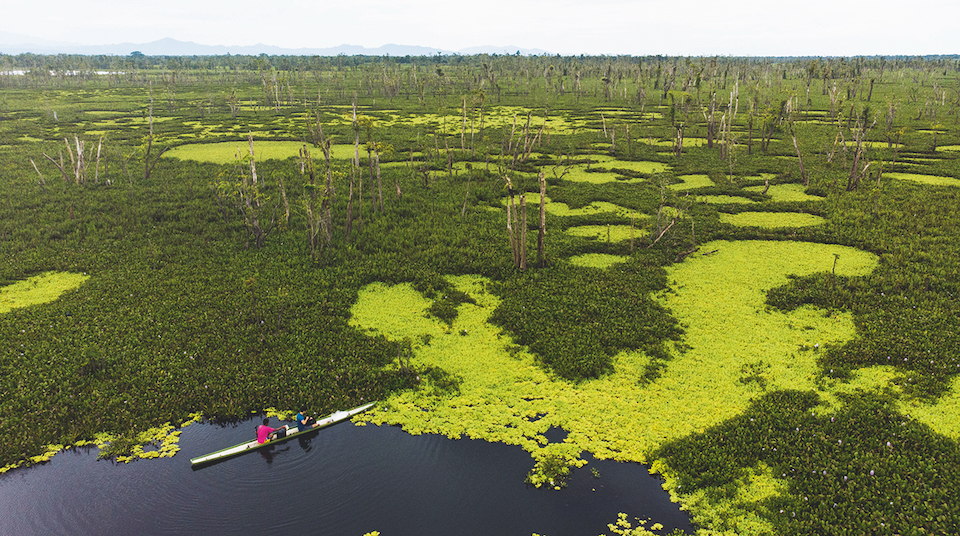
by silverkris.singaporeair.com
Located in Agusan del Sur, Agusan Marsh is one of the largest and most important wetlands in the Philippines.
Highlights
- Extensive freshwater marshes
- Rich birdlife
- Indigenous cultural communities
- Seasonal floating villages
- Exceptional wildlife viewing opportunities
Agusan Marsh is often considered one of the country’s most significant inland wetland ecosystems.
Candaba Wetlands
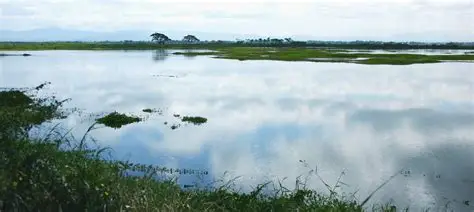
by flickr.com
The Candaba Wetlands of Pampanga are among the Philippines’ most famous birdwatching destinations.
Highlights
- Migratory bird hotspot
- Seasonal wetland habitat
- Easily accessible from Metro Manila
- Excellent photography opportunities
Birdwatchers frequently visit during migration periods when thousands of birds arrive from other parts of Asia.
Olango Island Wildlife Sanctuary
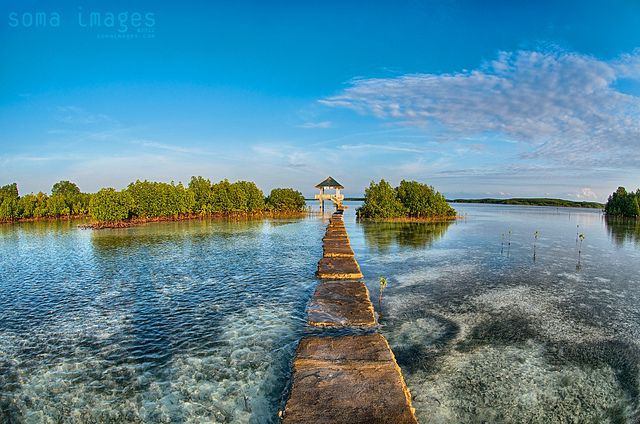
by pinterest.com
Located near Cebu, Olango Island Wildlife Sanctuary is internationally recognized for its importance to migratory birds.
Highlights
- Shorebird migrations
- Coastal wetlands
- Mudflats and mangroves
- Eco-tourism opportunities
The sanctuary is one of the country’s premier birdwatching destinations.
Ligawasan Marsh
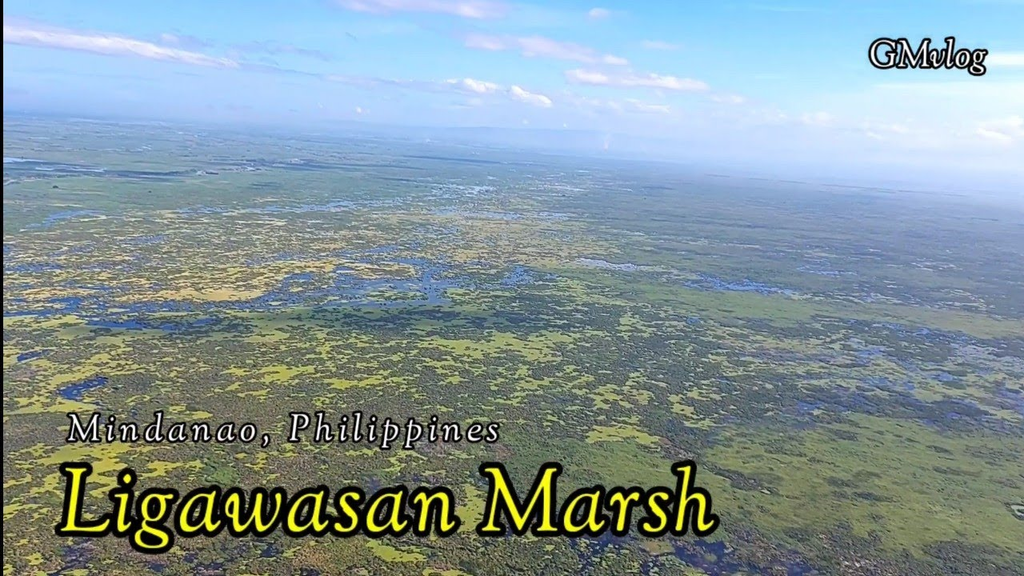
by gmvlog.com
Situated in the Mindanao River Basin, Ligawasan Marsh is one of the largest wetland areas in the Philippines.
Highlights
- Floodplain ecosystems
- Bird habitats
- Fishing communities
- Important biodiversity area
The marsh supports both wildlife conservation and local livelihoods.
Naujan Lake Wetland System
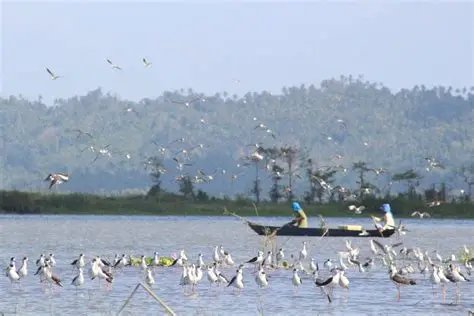
by travel.ps.ph
Located in Oriental Mindoro, this protected wetland supports freshwater habitats and a wide variety of wildlife.
Highlights
- Freshwater biodiversity
- Birdwatching
- Nature tourism
- Protected ecosystems
Wildlife of Philippine Wetlands
Wetlands are among the most productive wildlife habitats in the country.
Birds
Common wetland birds include:
- Egrets
- Herons
- Kingfishers
- Ducks
- Rails
- Shorebirds
- Migratory waders
Many locations become seasonal homes for thousands of migratory birds traveling through the East Asian-Australasian Flyway.
Fish
Wetlands provide important breeding and nursery habitats for freshwater and coastal fish species.
Examples include:
- Tilapia
- Catfish
- Native gobies
- Various riverine species
Reptiles and Amphibians
Wetland ecosystems support:
- Water monitors
- Freshwater turtles
- Frogs
- Native snake species
Mammals
Certain wetland habitats support:
- Fruit bats
- Small mammals
- River-associated wildlife
Although sightings are less common, mammals remain an important part of healthy wetland ecosystems.
Best Wetland Activities in the Philippines
Birdwatching
Wetlands are among the country’s best locations for observing resident and migratory birds.
Popular locations include:
- Candaba Wetlands
- Olango Island Wildlife Sanctuary
- Agusan Marsh
Wildlife Viewing
Visitors can observe birds, reptiles, fish, and wetland vegetation from designated viewing areas or guided tours.
Nature Photography
Wetlands are excellent destinations for photographers interested in:
- Sunrise landscapes
- Wildlife photography
- Migratory birds
- Reflections and water scenes
Boat Tours
Certain wetlands offer guided boat excursions that provide access to otherwise remote habitats.
These tours can be particularly rewarding in areas such as Agusan Marsh.
Educational Eco-Tours
Many protected wetland sites offer environmental education programs that focus on conservation, biodiversity, and sustainable tourism.
Wetland Tourism Costs
Typical Tour Prices
| Activity | Typical Cost |
|---|---|
| Guided Wetland Tour | ₱500-₱2,000 |
| Birdwatching Tour | ₱1,000-₱3,000 |
| Photography Tour | ₱1,000-₱4,000 |
| Boat Tour | ₱500-₱2,500 |
| Environmental Tour | ₱500-₱2,000 |
Prices vary by destination, season, and operator.
Typical Accommodation Costs
| Travel Style | Cost Per Night |
|---|---|
| Budget | ₱500-₱1,500 |
| Mid-Range | ₱1,500-₱4,000 |
| Comfort | ₱4,000+ |
Estimated Daily Travel Budget
| Travel Style | Daily Cost |
|---|---|
| Budget | ₱1,000-₱2,500 |
| Mid-Range | ₱2,500-₱6,000 |
| Comfort | ₱6,000+ |
Conservation Challenges
Despite their importance, many Philippine wetlands face increasing pressures.
Habitat Loss
Urbanization, development, and land conversion continue to reduce wetland habitats.
Pollution
Improper waste disposal, agricultural runoff, and water pollution threaten wildlife populations.
Climate Change
Changing rainfall patterns, droughts, sea-level rise, and extreme weather events affect many wetland systems.
Illegal Hunting and Fishing
Unsustainable practices can impact bird populations and freshwater biodiversity.
Wetland Conservation Efforts
Wetland conservation in the Philippines involves:
- Protected area management
- Wildlife sanctuary programs
- Community conservation initiatives
- Environmental education
- Habitat restoration projects
Numerous wetlands receive protection through local, national, and international conservation programs.
Best Time to Visit Philippine Wetlands
Dry Season (November to May)
The dry season generally offers:
- Better accessibility
- More comfortable weather
- Easier wildlife viewing
- Improved photography conditions
Migratory Bird Season
Many birdwatchers visit between late autumn and early spring when migratory species arrive in the Philippines.
Wet Season (June to October)
The wet season may bring:
- Lush vegetation
- Higher water levels
- Increased flooding in some areas
- Challenging access conditions
Responsible Wetland Travel
When visiting wetlands:
- Stay on designated paths
- Avoid disturbing wildlife
- Do not feed animals
- Carry out all trash
- Follow local regulations
- Respect protected areas
- Support eco-friendly tourism operators
Responsible tourism helps preserve these fragile ecosystems for future generations.
Frequently Asked Questions
What are wetlands?
Wetlands are areas where water covers or saturates the land for part or all of the year. Examples include marshes, swamps, mangroves, estuaries, and floodplains.
Why are wetlands important?
Wetlands support wildlife, reduce flooding, improve water quality, protect coastlines, and provide important economic benefits.
What is the largest wetland in the Philippines?
Agusan Marsh Wildlife Sanctuary is one of the largest and most significant wetland ecosystems in the country.
Which wetland is best for birdwatching?
Candaba Wetlands and Olango Island Wildlife Sanctuary are among the most popular birdwatching destinations in the Philippines.
When is the best time to visit wetlands?
The dry season from November to May generally offers the best conditions for access, wildlife viewing, and photography.
Related Guides
- Mangroves of the Philippines
- Rivers of the Philippines
- Lakes of the Philippines
- Waterfalls of the Philippines
- National Parks of the Philippines
- Protected Areas of the Philippines
- Wildlife of the Philippines
- Birdwatching in the Philippines
- Eco-Tourism Destinations in the Philippine