Introduction
The Philippines’ tropical climate, volcanic soil, and year‑round warmth support an exceptional variety of edible plants. From world‑famous fruits like mango and banana to nutrient‑rich vegetables such as malunggay, ampalaya, and gabi, the country’s biodiversity fuels both home gardening and commercial agriculture. This guide organizes the Philippines’ edible plants into three major groups: fruits, vegetables, and native crops, helping travelers and readers understand what grows in the archipelago, how it’s used, and where it’s found.
Fruits Grown in the Philippines
Overview
The Philippines produces some of the sweetest and most flavorful tropical fruits in the world. Many fruit-bearing plants thrive in backyard gardens, farms, and coastal regions, making fresh produce widely accessible across the islands.
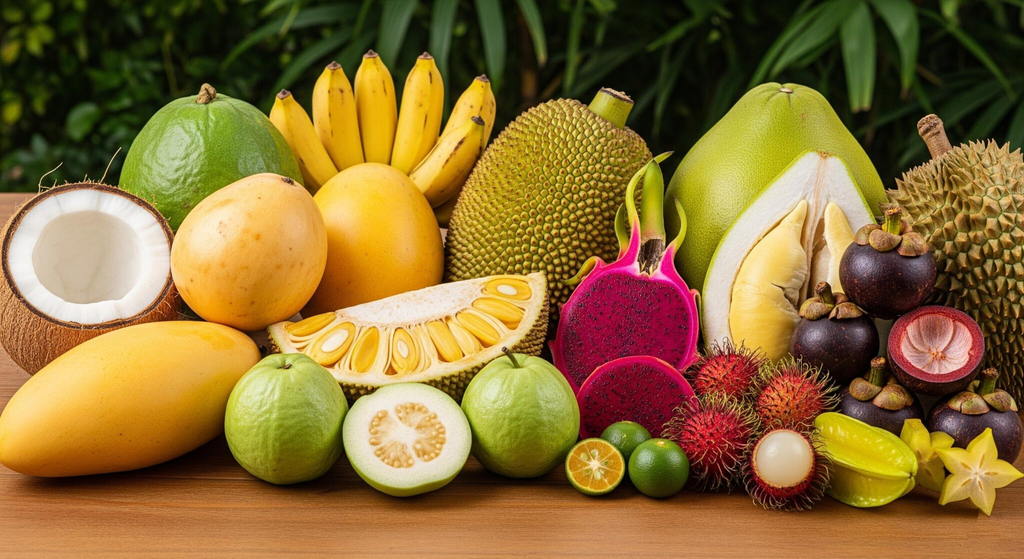
by joe.ph
Top Fruit-Bearing Plants
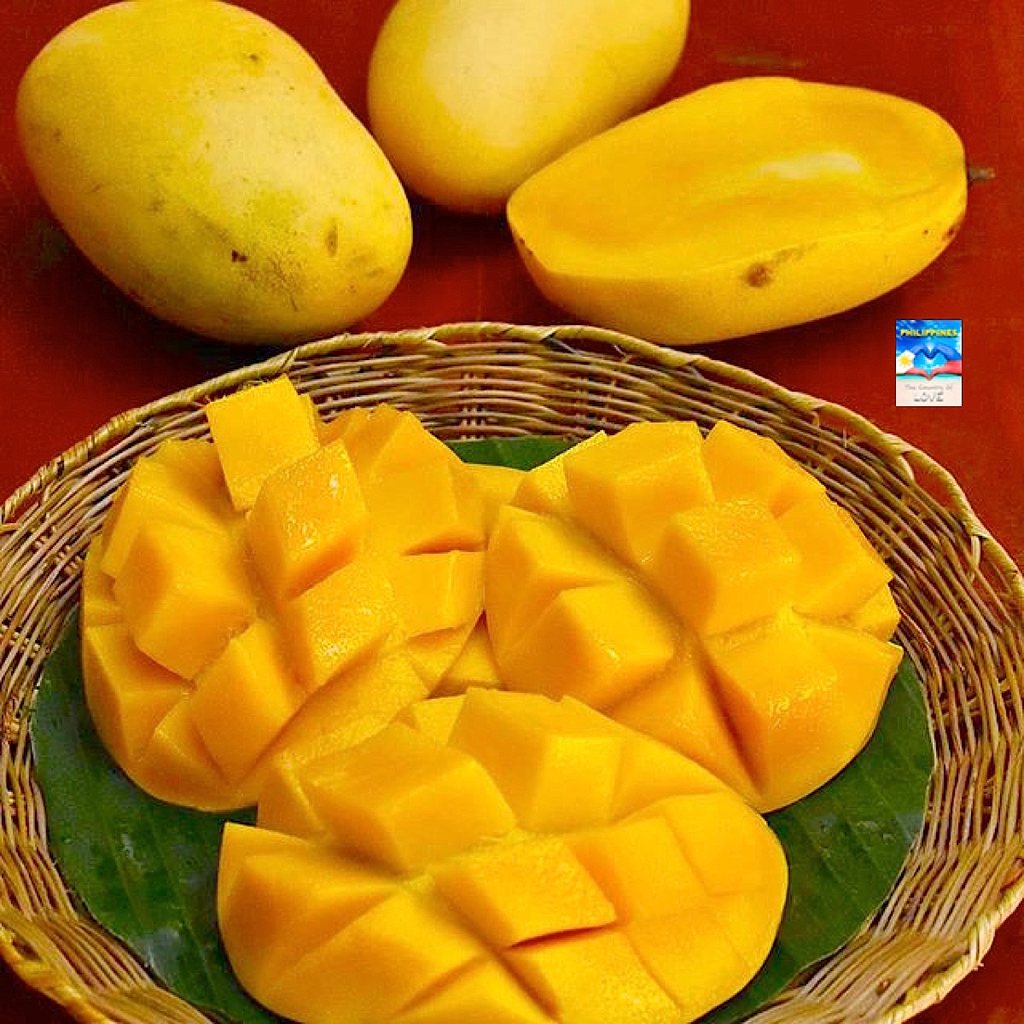
- Mango — Carabao mango is considered one of the sweetest globally.
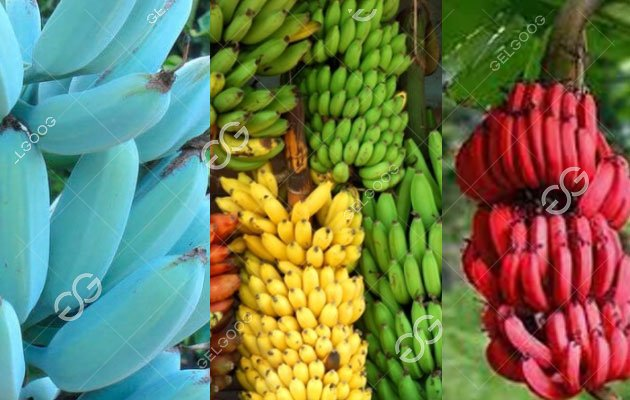
- Banana — Lakatan, Latundan, and Saba varieties dominate Filipino backyards.
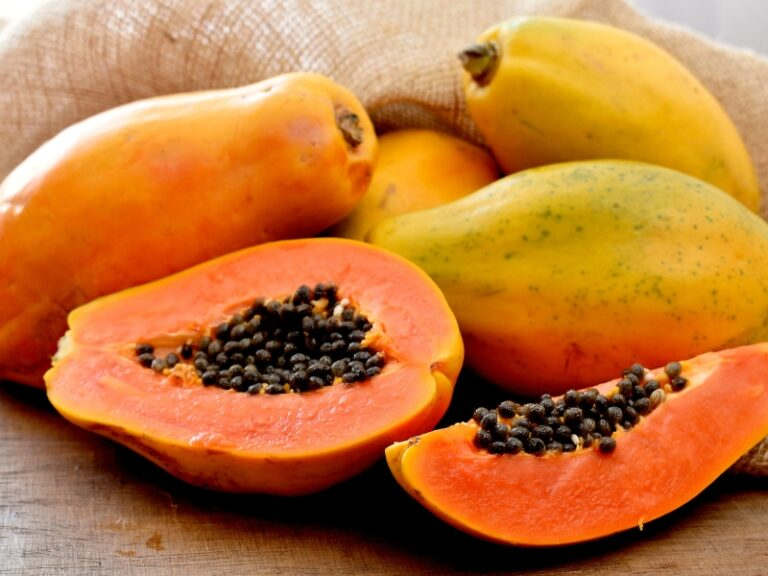
- Papaya — Fast-growing fruiting plant producing in 6–9 months.
- Coconut — Used fresh or processed into milk, oil, and desiccated coconut.
- Pineapple — Consumed fresh or processed into canned goods and juices.
- Calamansi — The most popular backyard citrus tree.
- Guava — Fast-growing and fruits within 1–2 years.
- Pomelo
- Lanzones
- Rambutan
Mango in the Philippines – Varieties, Growing Tips & Uses
Learn about the Carabao mango, its sweetness, growing conditions, harvest season, and culinary uses in Filipino cuisine.
by blogspt.com
Philippine Bananas – Lakatan, Latundan & Saba Varieties
Explore banana varieties grown in the Philippines, including cooking and dessert bananas, plus planting and harvesting tips.
by frying-equiptment.com
Papaya Growing Guide Philippines – Fast Fruiting Tropical Plant
Discover how papaya grows in the Philippines, fruiting timelines, popular varieties, and culinary uses.
by insanelygoodrecipes.com
Coconut in the Philippines – Uses, Benefits & Processing
Learn how Filipinos use coconut for fresh consumption, milk, oil, and processed products.
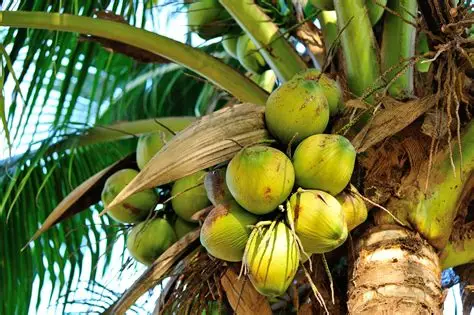
by fity.com
Pineapple Farming Philippines – Varieties & Uses
Explore pineapple cultivation, fresh consumption, and processed forms like canned pineapple and juices.
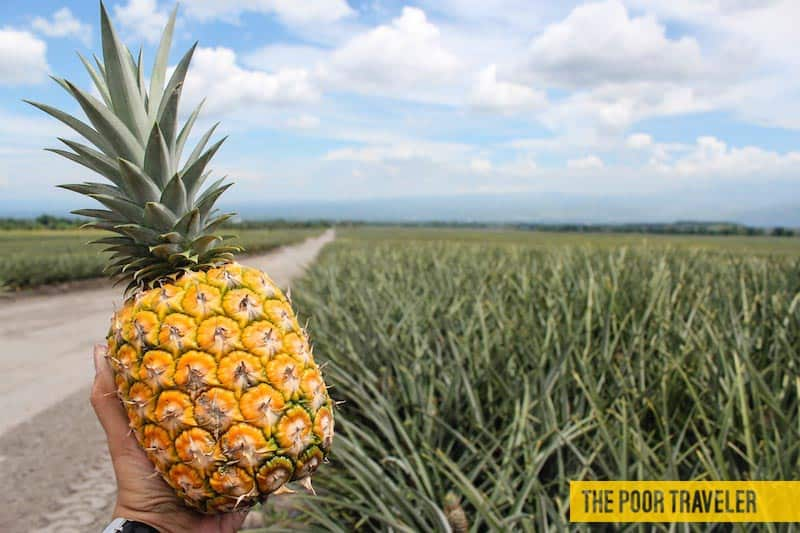
by thepoortraver.net
Calamansi – The Essential Filipino Citrus
Learn how to grow calamansi, its uses in drinks, sauces, and cooking, and care tips for year-round fruiting.
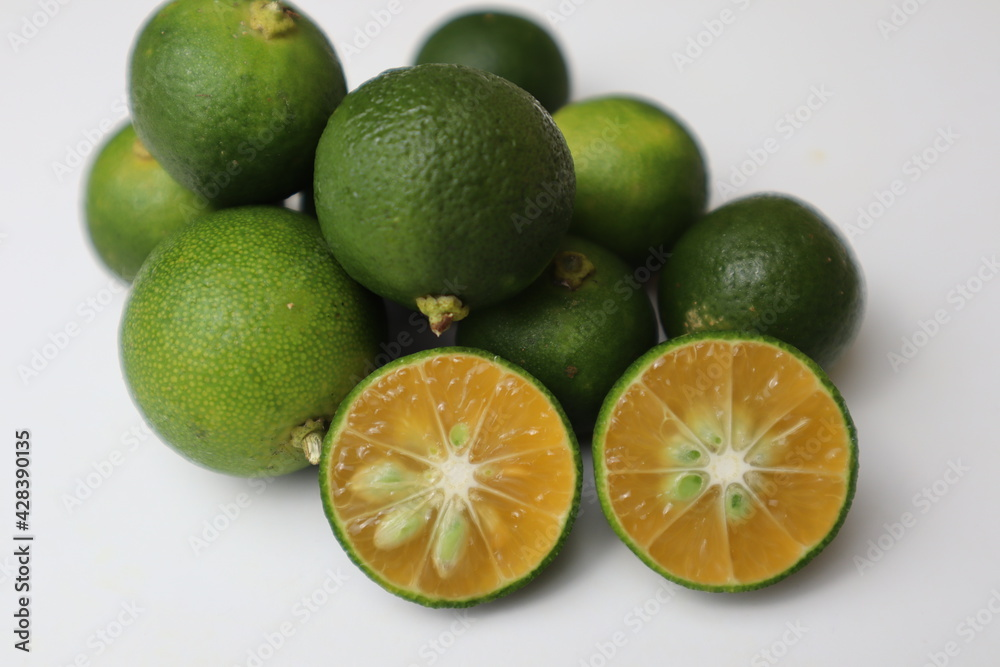
by stock,adobe.com
Featured Fruit Guides
- Mango Varieties & Uses
- Banana Varieties in the Philippines
- Papaya Growing Guide
- Coconut Uses & Processing
- Pineapple Farming & Varieties
- Calamansi Citrus Guide
Vegetables Grown in the Philippines
Overview
Filipino vegetables include leafy greens, root crops, gourds, and indigenous plants used in soups, stews, sautéed dishes, and everyday home cooking. Many vegetables are grown in backyard plots, upland farms, and lowland agricultural zones.
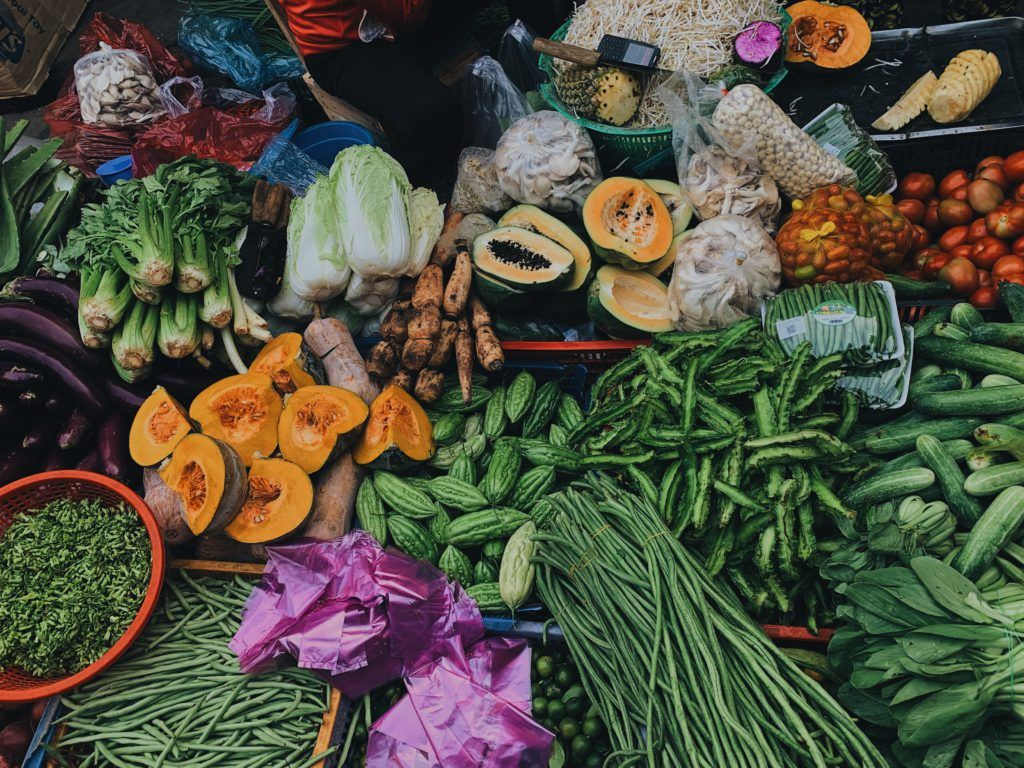
by pinerest.com
Top Vegetable-Bearing Plants
- Malunggay (Moringa) — A Filipino superfood used in soups and processed into powder.
- Kamote (Sweet Potato) — Eaten boiled or processed into chips and flour.
- Gabi (Taro) — Used in soups and dishes like laing.
- Ampalaya (Bitter Gourd/Melon) — Used in pinakbet and wellness teas.
- Sayote (Chayote) — Common in sautéed dishes and soups.
- Kangkong — Used in adobo, sinigang, and stir-fries.
- Saluyot — Popular in Ilocano dishes.
- Pechay — Used in nilaga and stir-fries.
- Talbos ng Kamote — Eaten blanched with fish sauce
Malunggay (Moringa) Philippines – Nutrition & Uses
Learn why malunggay is a Filipino superfood, its culinary uses, and how it’s processed into powder and tea.
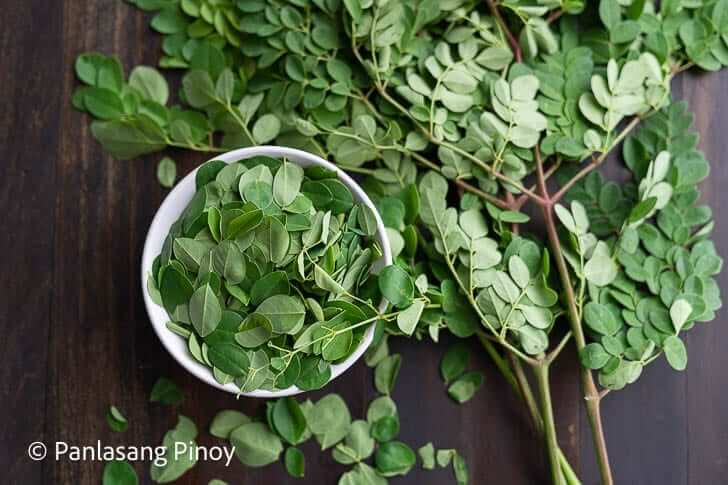
by Panasang Pinoy
Sweet Potato (Kamote) Philippines – Cooking & Growing Guide
Discover kamote’s uses, from boiling to chips and flour, plus planting tips.
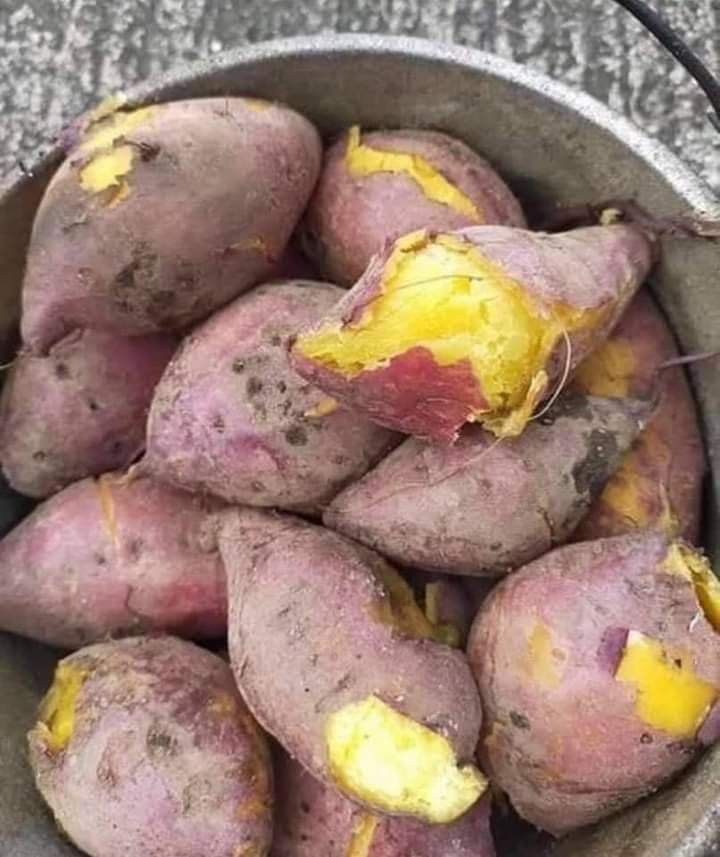
by pinterest
Gabi (Taro) Philippines – Culinary Uses & Processing
Explore how gabi is used in soups, laing, and processed into chips and powder.
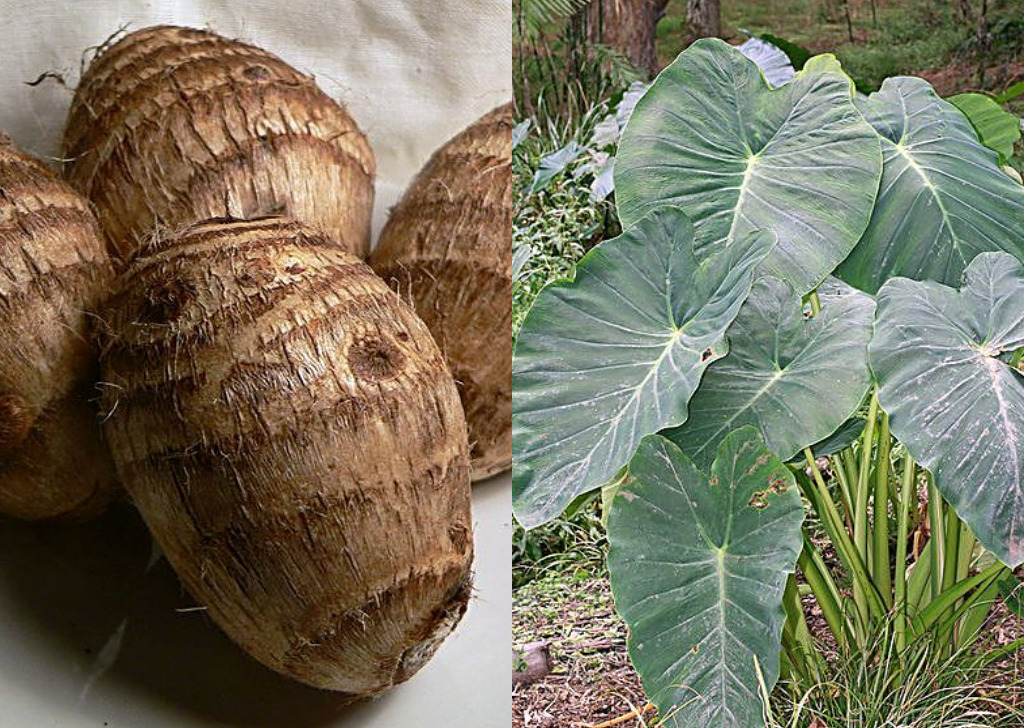
by pinoy-entepreneur.com
Ampalaya (Bitter Gourd) – Health Benefits & Filipino Recipes
Learn about ampalaya’s role in Filipino dishes and its processed wellness products.
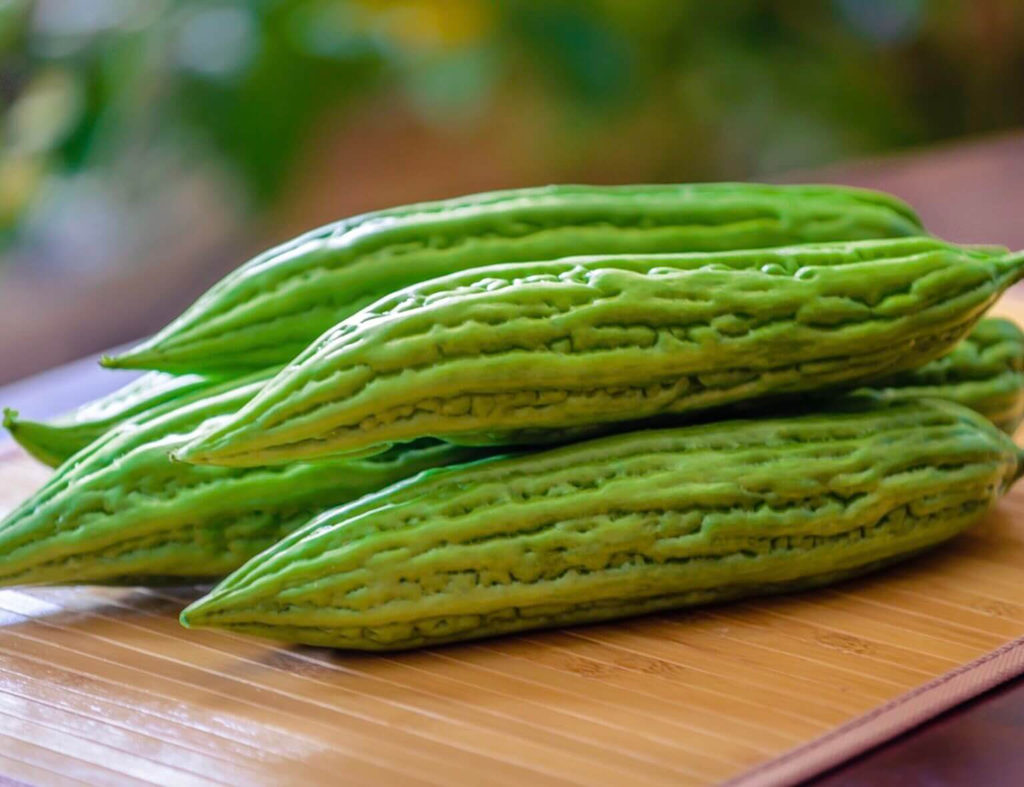
by mabuhaycanada.org
Featured Vegetable Guides
- Malunggay Nutrition & Uses
- Sweet Potato (Kamote) Guide
- Gabi (Taro) Uses & Processing
- Ampalaya Health Benefits
Other Native Edible Plants of the Philippines – Herbs, Greens & Indigenous Crops
Explore indigenous edible plants in the Philippines, including leafy greens, herbs, and traditional crops used in Filipino cuisine.
Examples
- Kangkong
- Saluyot
- Pechay
- Talbos ng Kamote
Native Crops & Indigenous Edible Plants
Overview
Native crops and indigenous edible plants play a major role in Filipino cuisine, especially in rural communities and regional dishes. These plants are often grown in home gardens, small farms, and traditional agricultural systems.
Examples of Native Edible Plants
- Kangkong
- Saluyot
- Pechay
- Talbos ng Kamote
- Other indigenous greens and herbs used in Filipino cooking
Featured Native Crop Guides
- Indigenous Greens of the Philippines
- Traditional Filipino Herbs
Related Guides
Explore more food and travel content across the Philippines:
- Filipino Dishes
- Metro Manila Travel Guide
- Luzon Island Group Travel Guide
- Visayas Island Group Travel Guide
- Mindanao Island Group Travel Guide
Conclusion
Continue exploring the rich flavors of Filipino cuisine by visiting our guides on cooked dishes, desserts, rice varieties, and local dining traditions. Each section offers deeper insights into how Filipinos grow, prepare, and enjoy their food across different regions of the country. Use these resources to discover more ingredients, cooking styles, and cultural food practices that shape everyday life in the Philippines.
Stay Updated
We regularly add new informational posts to help travelers and readers discover more of the Philippines’ edible plants, fruits, vegetables, and native crops. Check back often for fresh guides, tips, and insights.