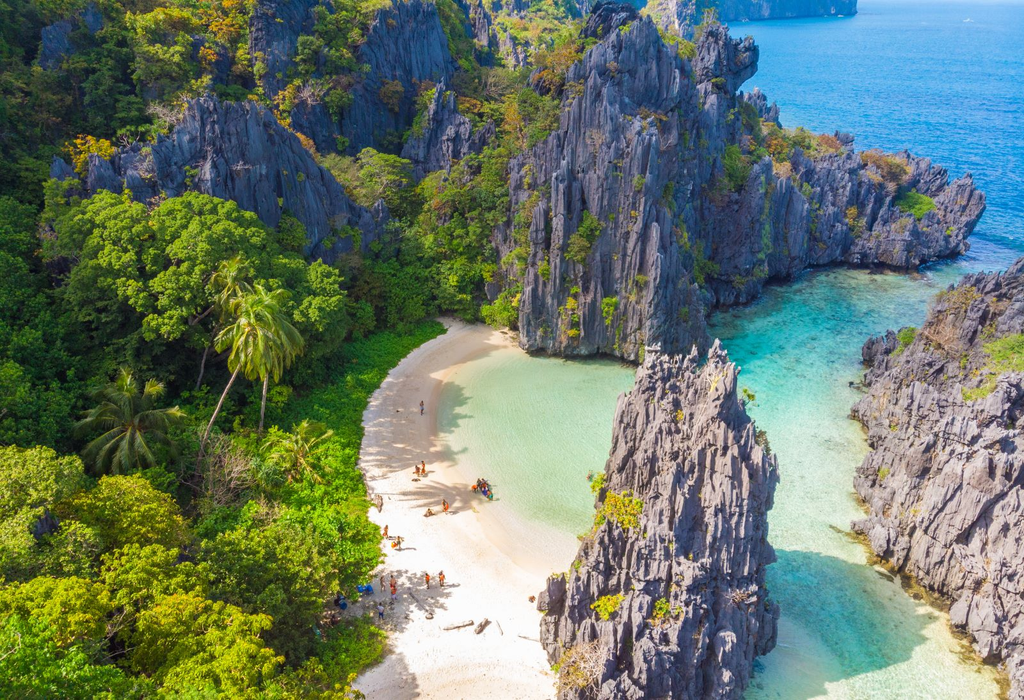
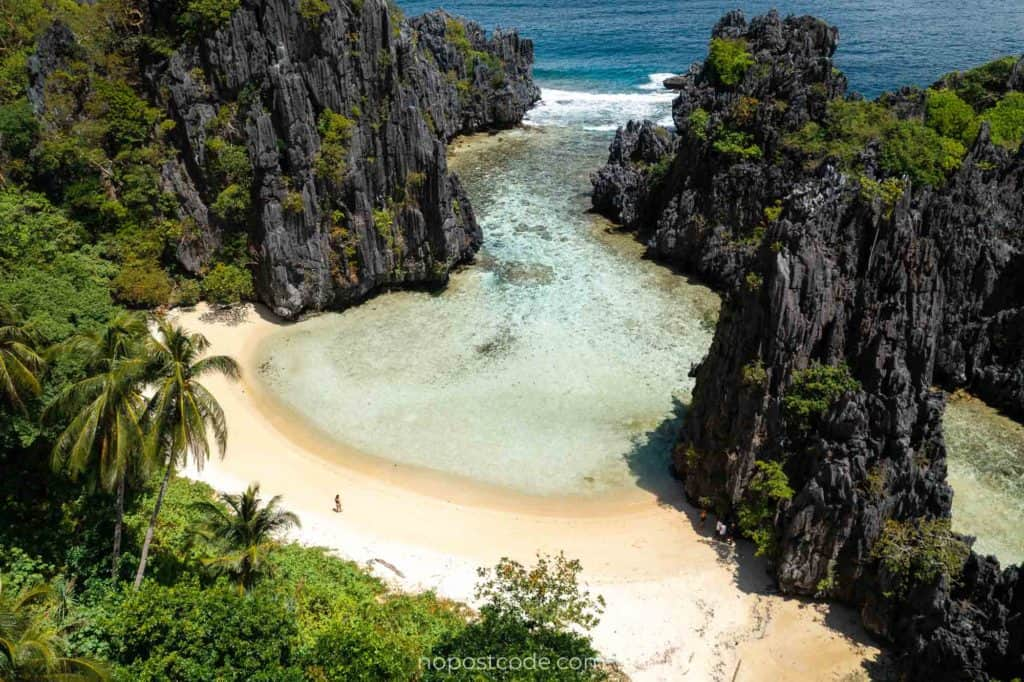
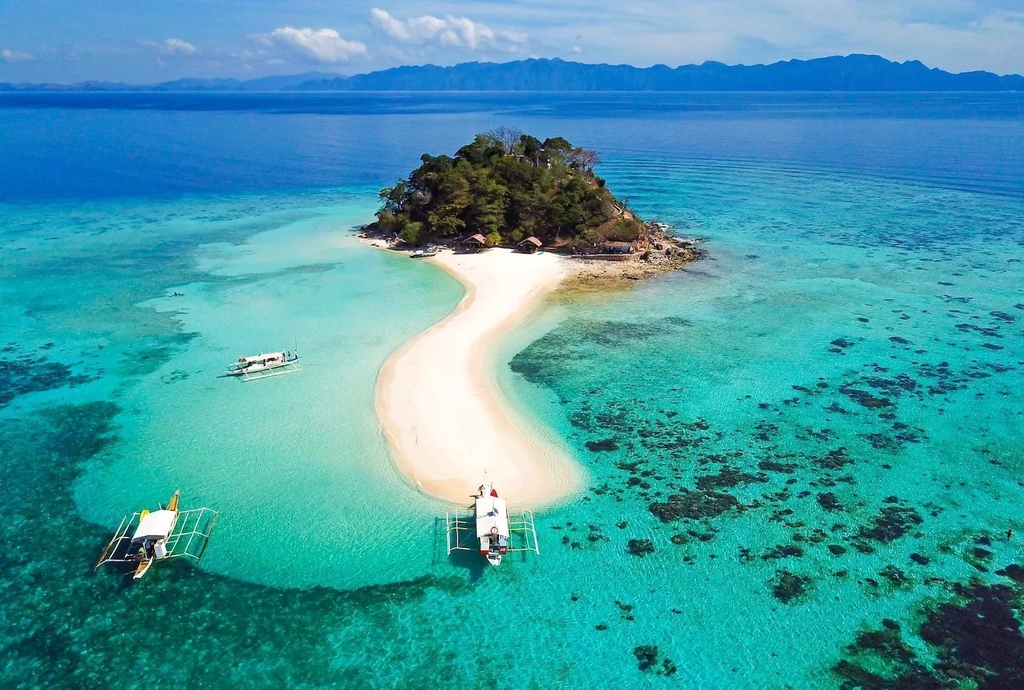
by passingthru.com by morilly.com by philippinesislandhopping.com
Lesser‑Known Islands in the Philippines
These islands remain outside mainstream tourism but offer exceptional natural beauty, cultural depth, and quiet escapes. This page serves as your authoritative guide to emerging destinations across Luzon, Visayas, and Mindanao.
Overview of Lesser‑Known Islands
The Philippines has more than 7,600 islands, yet only a fraction receive heavy tourism. The lesser‑known islands below are characterized by limited commercial development, strong ecological value, and authentic local communities. They are ideal for travelers seeking solitude, nature, and off‑the‑beaten‑path experiences.
Key characteristics include:
- Low tourism density — fewer visitors, quieter beaches, minimal crowding.
- High ecological value — coral reefs, mangroves, limestone formations, endemic wildlife.
- Community‑based tourism — local guides, homestays, and sustainable practices.
- Limited commercial development — fewer resorts, more natural landscapes.
Luzon’s Lesser‑Known Islands
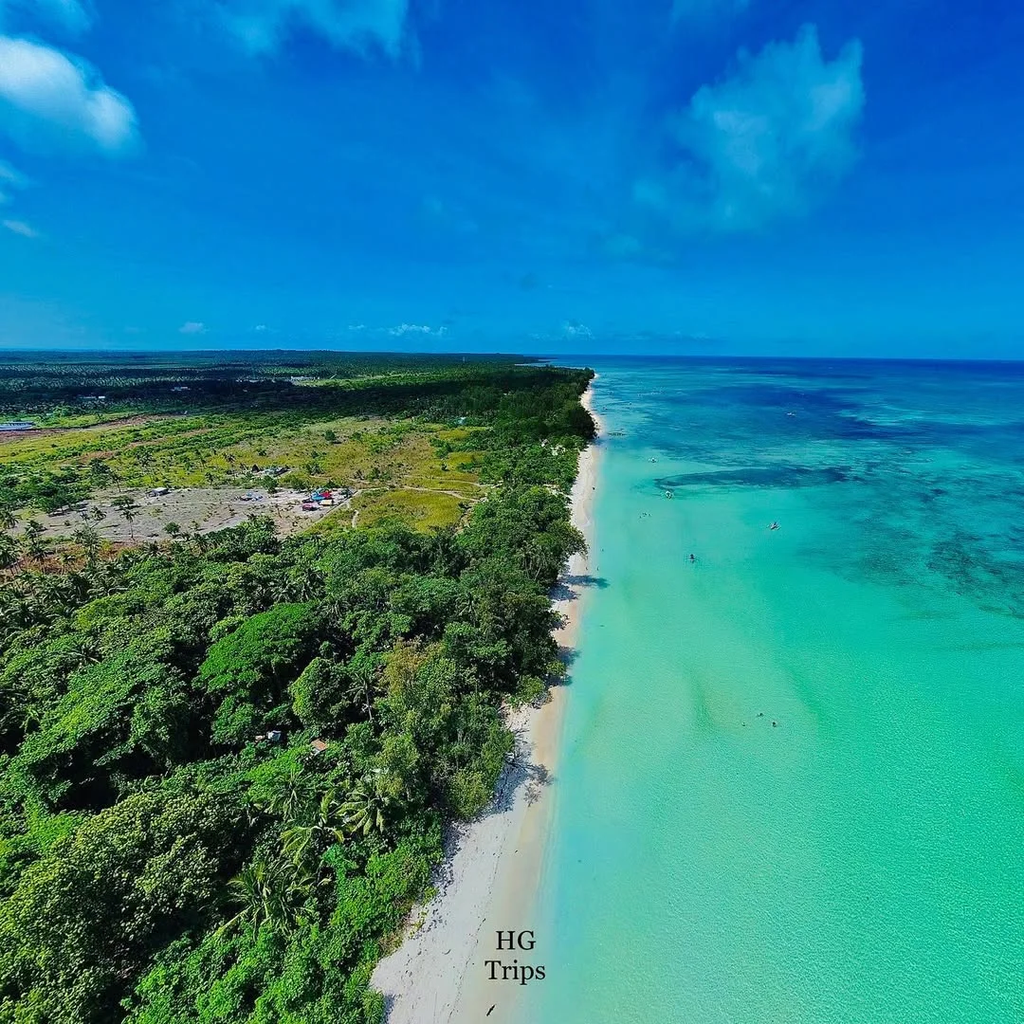
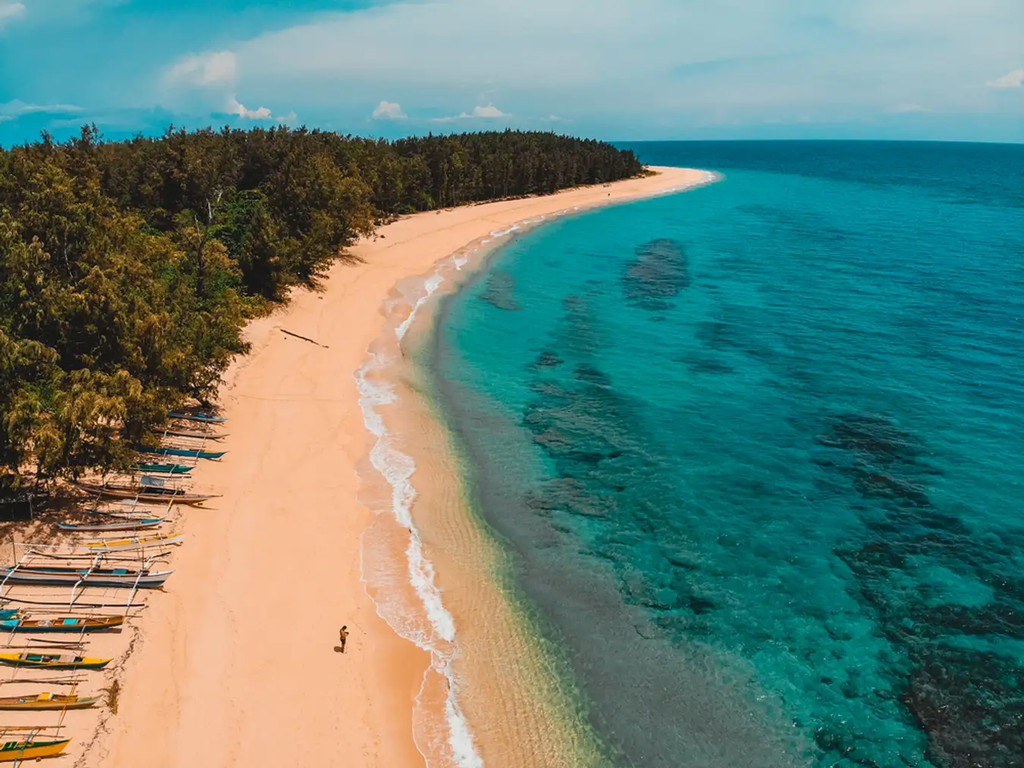
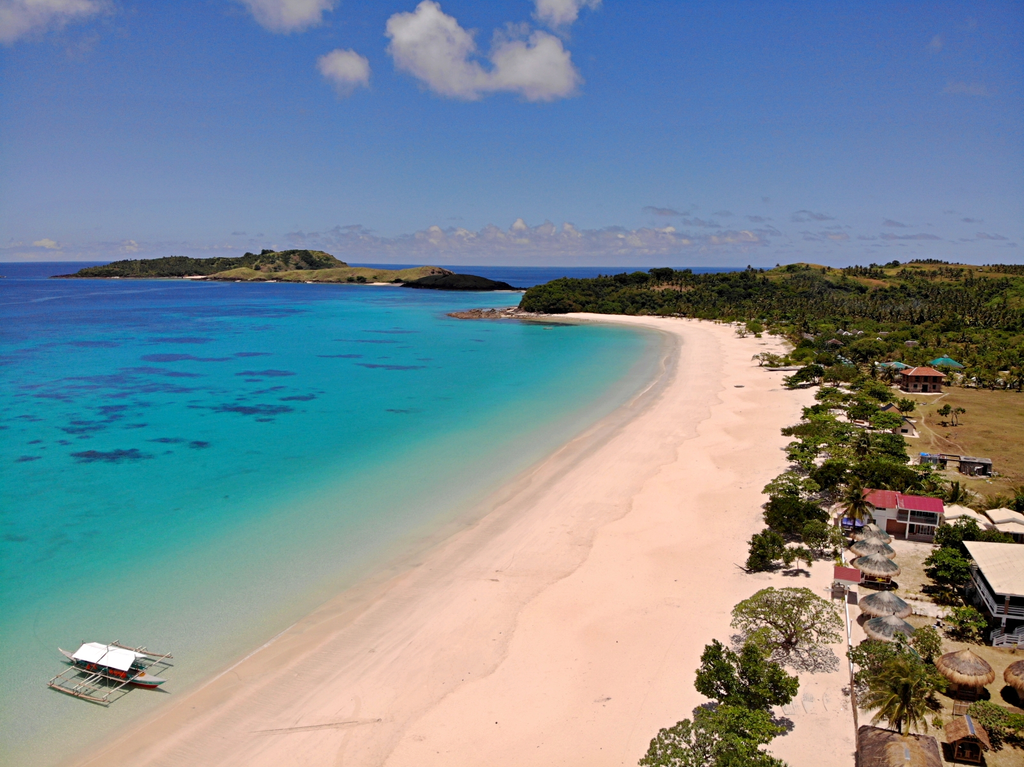
Cagbalete Island by lakbaypinas.com Jomalig Island by traveloka.com Calaguas Island by nomadicexperiences.com
1. Cagbalete Island (Quezon Province)
A flat, sandbar‑rich island known for golden hours, tidal pools, and quiet beachfront homestays.
- Highlights — long sandbars, seagrass beds, birdwatching.
- Access — bus to Mauban + boat transfer.
- Best For — photographers, nature travelers.
2. Jomalig Island (Quezon Province)
A remote island famous for golden sand beaches and friendly local communities.
- Highlights — Salibungot Beach, inland lakes.
- Access — long boat ride from Real, Quezon.
- Best For — backpackers, long‑stay travelers.
3. Calaguas Islands (Camarines Norte)
Known for powder‑fine sand and pristine waters, still quieter than mainstream destinations.
- Highlights — Mahabang Buhangin Beach.
- Access — boat from Vinzons or Paracale.
- Best For — beach purists, camping groups.
Visayas’ Lesser‑Known Islands
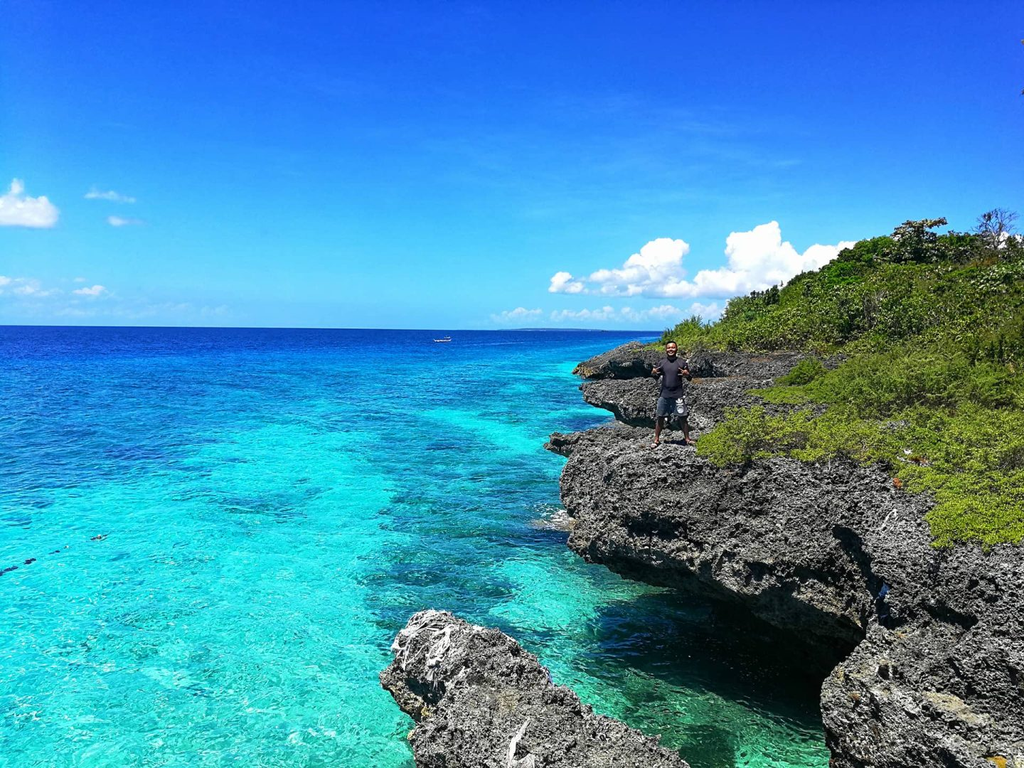
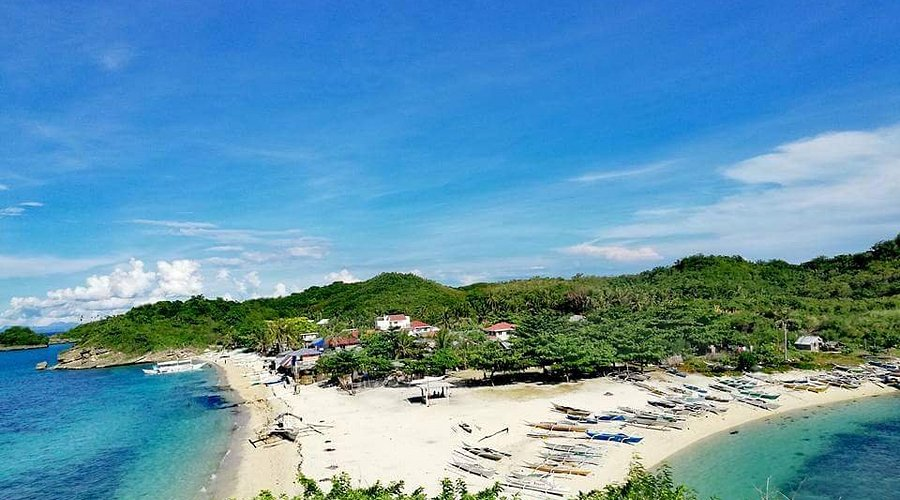
Kinatarkan Island (Guintarcan) by queencitycebu.com Maripipi, Biliraby tarakahitsaan.com Carnaza Island (Cebu) by tripadvisor.com.ph
1. Carnaza Island (Cebu)
A turtle‑shaped island with coves, cliffs, and rustic accommodations.
- Highlights — secluded beaches, cliff viewpoints.
- Access — boat from Daanbantayan.
- Best For — adventure travelers.
2. Maripipi Island (Biliran)
A volcanic island with dramatic coastlines and quiet barangays.
- Highlights — rock formations, coastal roads.
- Access — boat from Naval, Biliran.
- Best For — cultural explorers.
3. Kinatarkan Island (Cebu)
An emerging island known for its lighthouse, cliffs, and raw beaches.
- Highlights — Laaw Lagoon, cliff diving spots.
- Access — boat from Santa Fe, Bantayan.
- Best For — off‑grid travelers.
Mindanao’s Lesser‑Known Islands
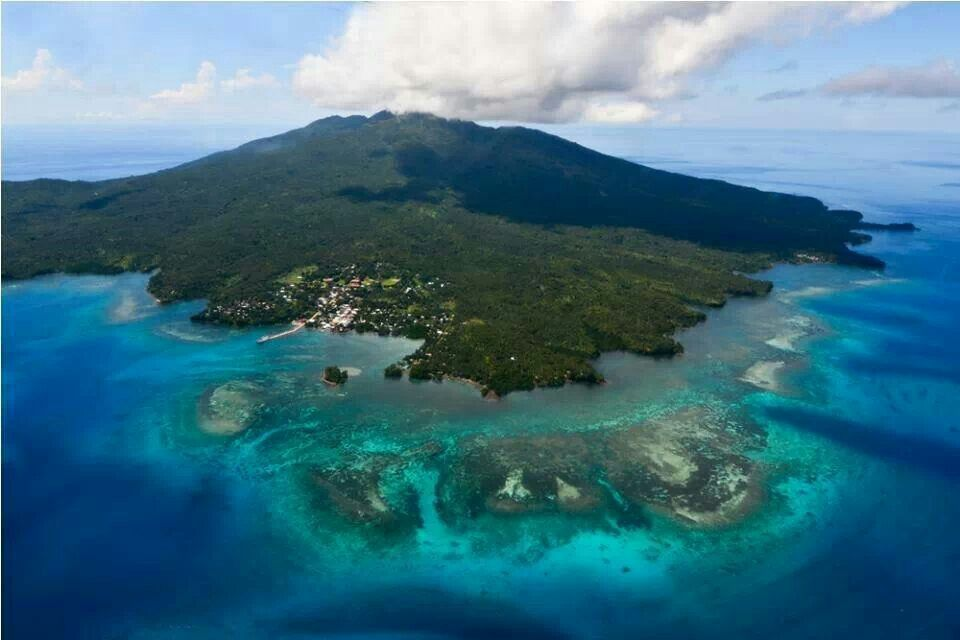
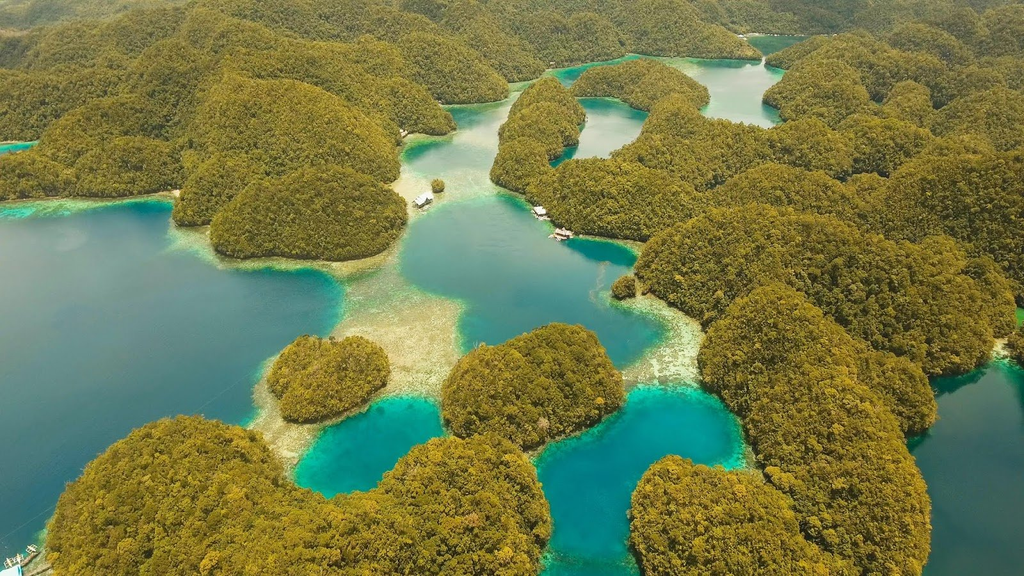
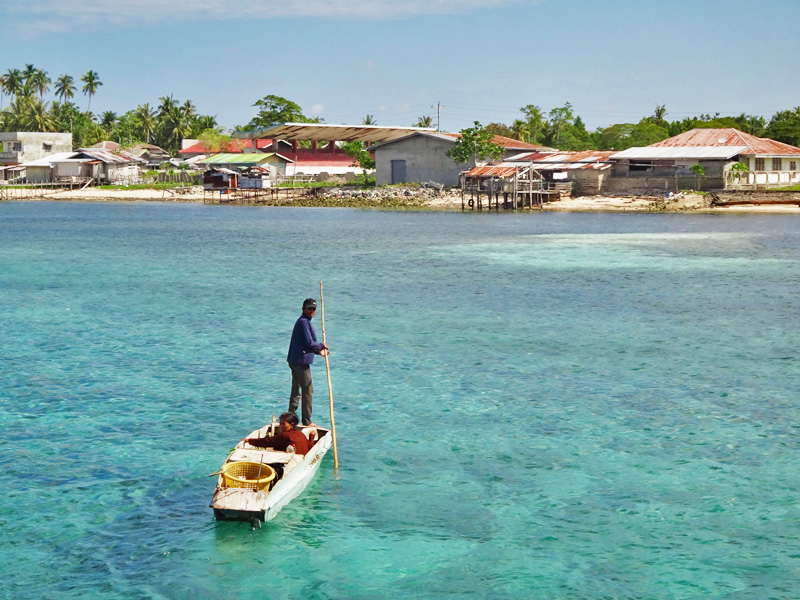
Balut Island by iamtravelinglight.com Bucas Grande Island by escapemanila.com Sibutu Island by iamtravelinglight.com
1. Balut Island (Sarangani)
A volcanic island with hot springs, rugged terrain, and strong cultural identity.
- Highlights — Sabang Hot Spring, mountain trails.
- Access — boat from General Santos.
- Best For — hikers, cultural travelers.
2. Bucas Grande Island (Surigao del Norte)
Often overshadowed by Siargao but home to the famous Sohoton Cove.
- Highlights — jellyfish sanctuary, limestone formations.
- Access — boat from Hayanggabon Port.
- Best For — eco‑tourists.
3. Sibutu Island (Tawi‑Tawi)
A culturally rich island near the edge of the Philippine archipelago.
- Highlights — cultural villages, turquoise shallows.
- Access — boat from Bongao.
- Best For — cultural immersion travelers.
Travel Tips for Lesser‑Known Islands
- Expect limited infrastructure — fewer ATMs, stores, and transport options.
- Bring essentials — cash, power banks, reef‑safe sunscreen.
- Respect local communities — follow local guidelines and customs.
- Practice eco‑friendly travel — avoid single‑use plastics, support local guides.
Conclusion
The Philippines’ lesser‑known islands offer some of the most rewarding travel experiences in the country. Their quiet beaches, untouched ecosystems, and authentic communities make them ideal for travelers seeking nature and solitude. As tourism continues to expand, these islands represent the future of sustainable, community‑based travel in the archipelago.