Explore the full history of the Philippines from the pre‑colonial period to the modern era. Learn how each era shaped Filipino national identity, culture, and society.
History and National Identity of the Philippines: A Complete Timeline for Travelers
The Philippines’ long and complex history is one of the most important keys to understanding its culture, identity, and modern society. For travelers, knowing how the archipelago evolved—from early barangays to colonial rule, war, independence, and nation‑building—adds depth to every destination, landmark, and cultural encounter.
This guide presents a structured overview of Philippine history, focusing on how each era shaped Filipino identity.
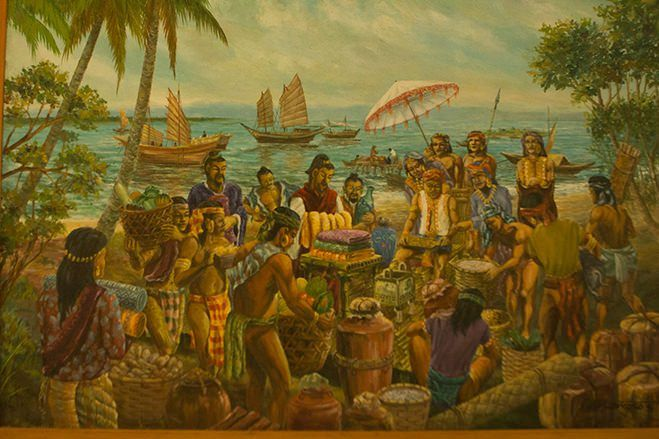
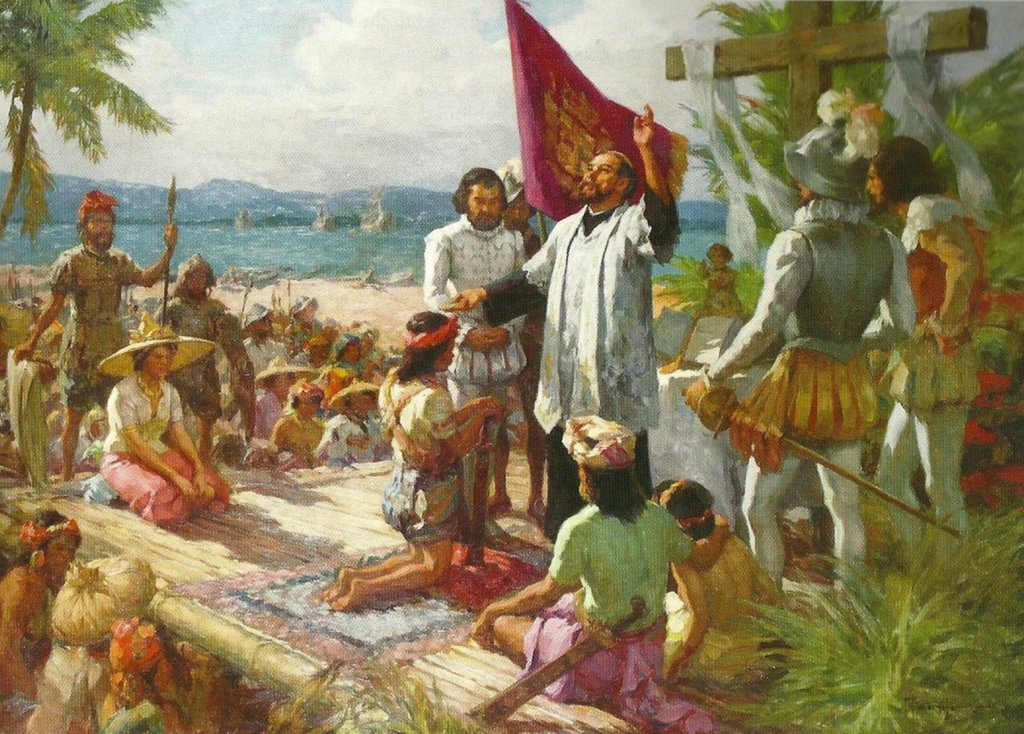
Pre Spanish Colonization by pinterest.com Spanish rule by exozkviqk.blob.core.windows.net
Pre‑Colonial Period (Before 1521)
Early Societies and Barangays
Before foreign contact, the Philippines was home to diverse ethnolinguistic groups organized into barangays, typically led by a datu. These communities were independent, maritime-oriented, and deeply connected to trade networks across Asia.
Trade partners included:
- Chinese merchants
- Arab traders
- Malay kingdoms
- Indianized empires
These exchanges introduced early writing systems like Baybayin, Hindu-Buddhist influences, and Islamic traditions in Mindanao and Sulu.
Culture, Beliefs, and Identity
Pre‑colonial Filipinos practiced animism, worshipping nature spirits and ancestral beings. Social classes existed—datu, maharlika, timawa, and alipin—but mobility was possible.
Key identity foundations:
- Community-centered living
- Respect for elders
- Strong oral traditions
- Early craftsmanship in gold, pottery, and weaving
Related Guides
- Ethnolinguistic Groups
- Philippine Languages
- Pre‑Colonial Cultural Basics
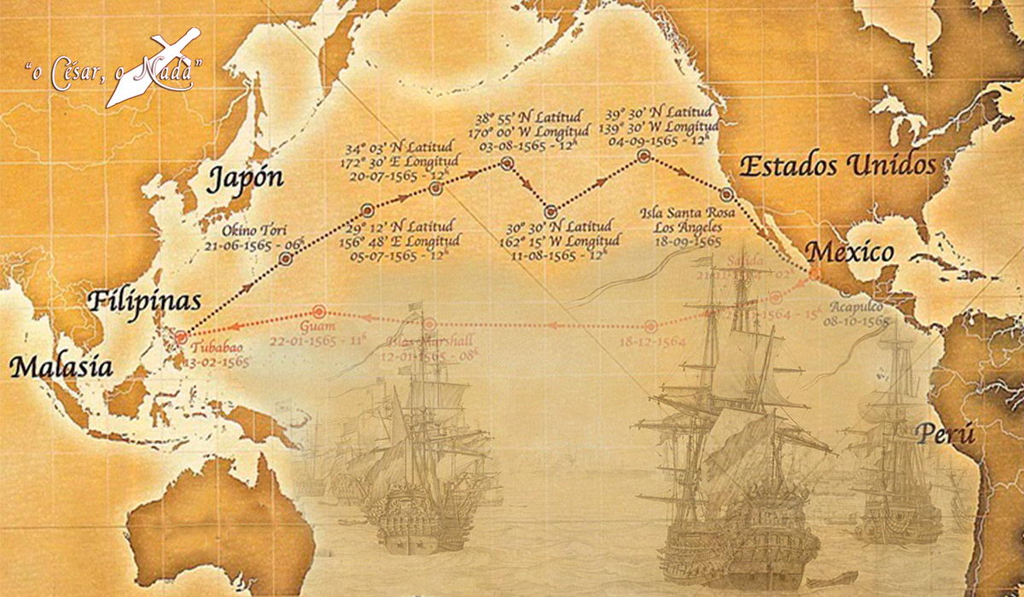
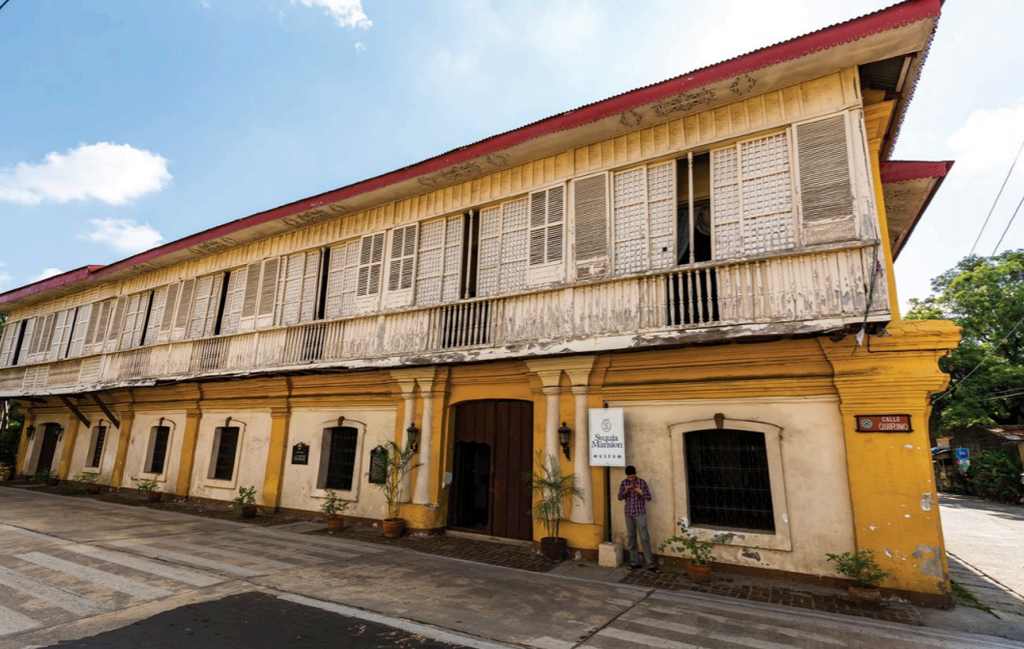
Manila Galleons Trade Route by fity.club Spanish Colonial Architecture by fity.club
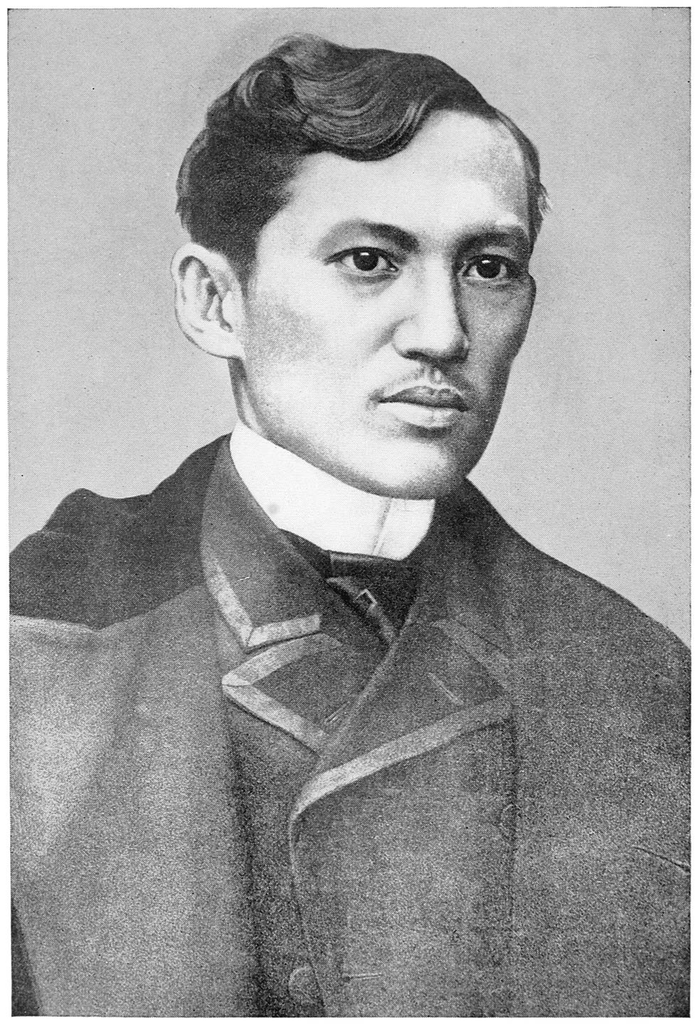
José Rizal by gutenberg.org
Spanish Era (1521–1898)
Arrival of Spain and Christianization
Spain’s arrival in 1521 marked the beginning of over 300 years of colonial rule. The Spanish introduced:
- Christianity
- Western-style government
- New social structures
- Town plazas and churches
The Manila-Acapulco Galleon Trade connected the Philippines to global commerce for centuries.
Resistance and National Awakening
Filipinos resisted Spanish rule through revolts such as:
- Dagohoy Rebellion
- Silang Revolt
- Tamblot Uprising
By the late 1800s, the Propaganda Movement and national heroes like José Rizal, Andrés Bonifacio, and Emilio Aguinaldo fueled the push for independence.
Identity Shifts
Spanish rule reshaped Filipino identity through:
- Catholic faith
- Hispanic surnames
- Town-based communities
- Rise of nationalism
Related Guides
- Historical Eras Overview
- National Symbols
- Philippine Government Structure
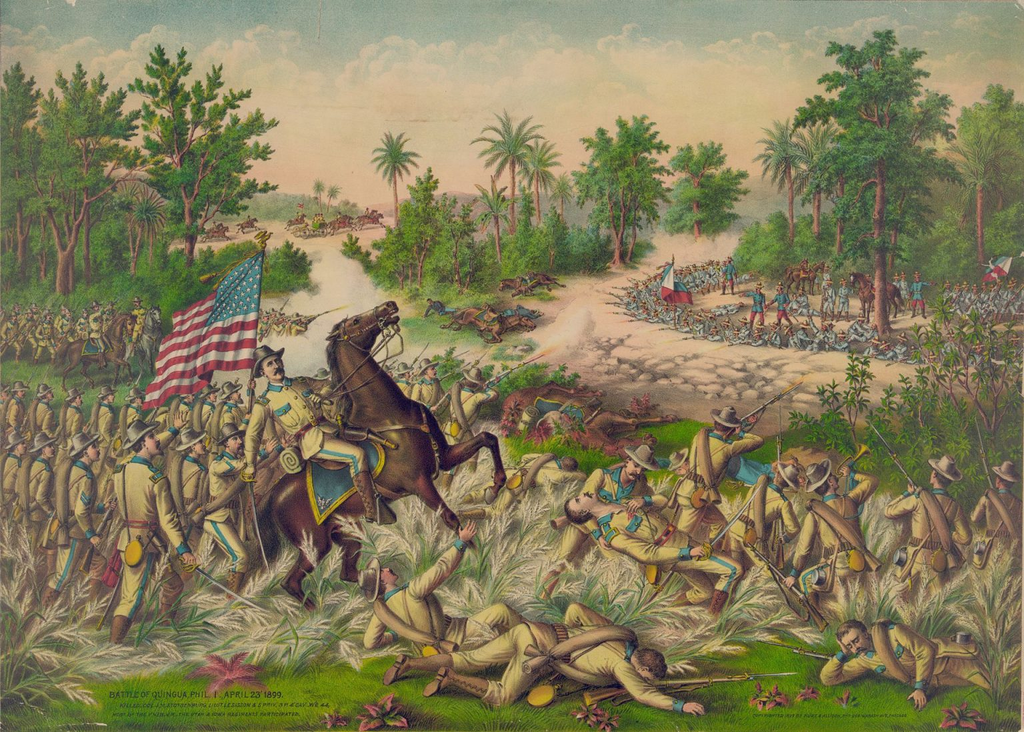
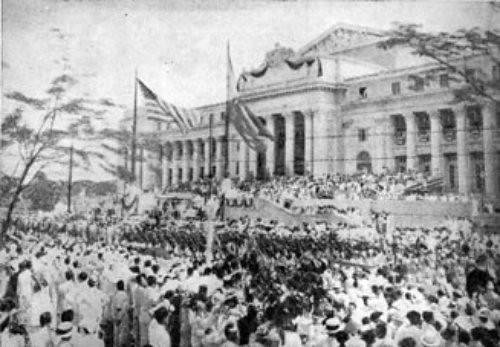
The Rise and Fall of American Rule by nykdaily.com Commonwealth of the Philippines by fity.club
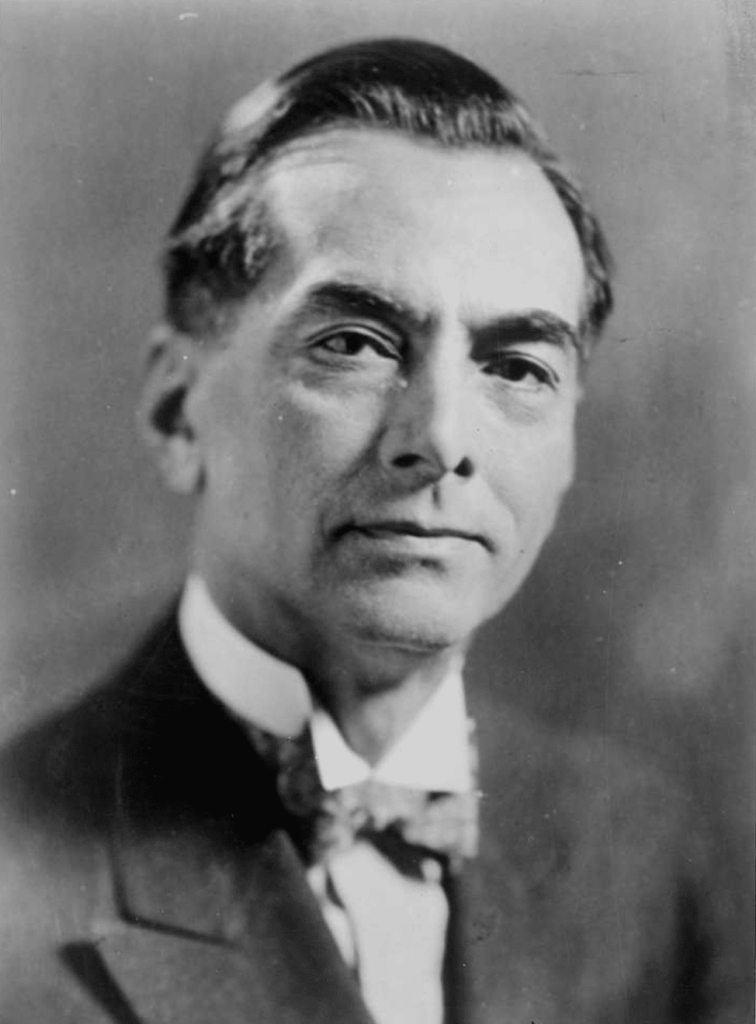
President Manuel Quezon by usa.inquirer.net
American Period (1898–1941)
Transition to American Rule
After the Spanish-American War, the Philippines came under U.S. control. This era introduced:
- Public education
- English language
- Modern infrastructure
- Democratic institutions
The Philippine-American War (1899–1902) marked the struggle against new colonial rule.
Commonwealth Government
In 1935, the Commonwealth of the Philippines was established under President Manuel L. Quezon, preparing the nation for eventual independence.
Identity Transformations
American influence shaped:
- English proficiency
- Democratic ideals
- Public schooling
- Modern governance
Related Guides
- Philippine Economy Overview
- Philippine Maps & Reference
- Transportation Overview
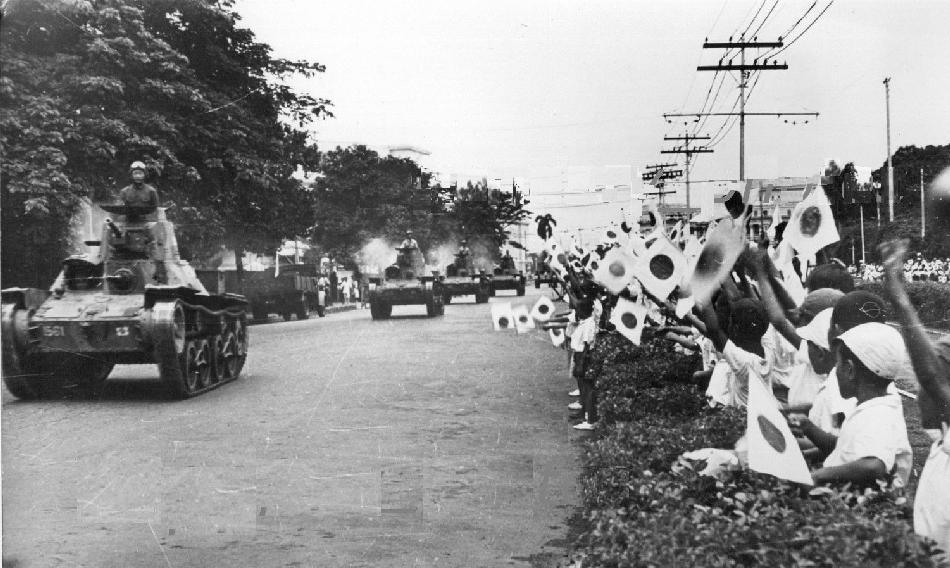
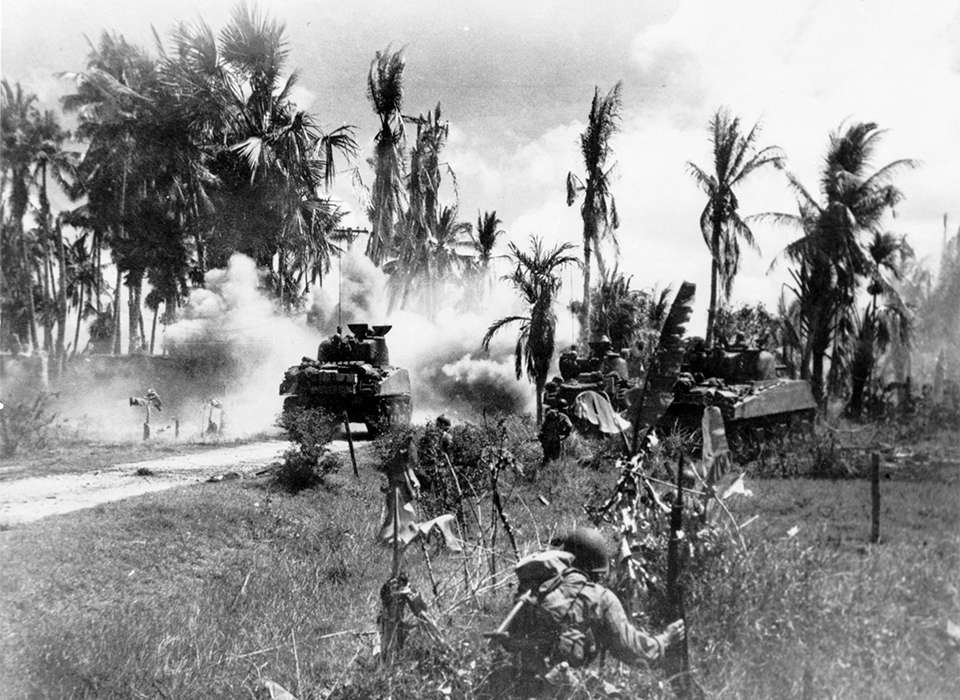
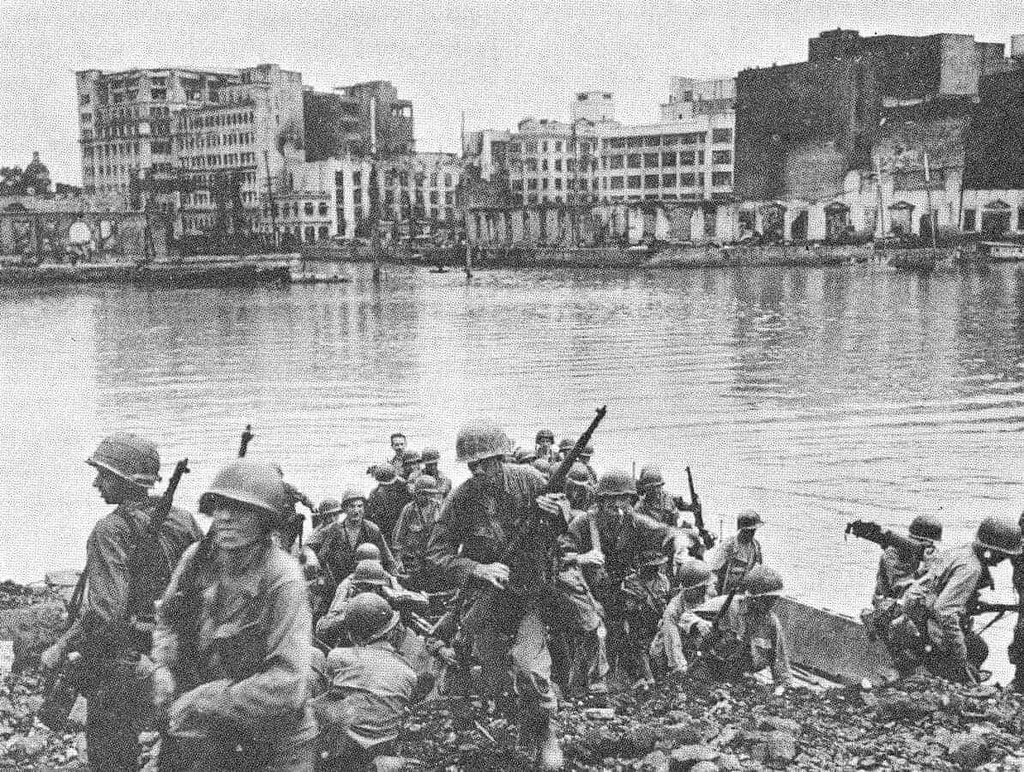
by fity.club by nationalww2museum.org by sanyubabies.com
Japanese Occupation (1941–1945)
War and Hardship
World War II brought devastation as Japan occupied the Philippines. Key events included:
- Fall of Bataan
- Death March
- Battle of Manila
- Guerrilla resistance
Filipinos endured severe suffering, scarcity, and violence.
Rise of Heroism
Despite hardship, Filipino and American forces fought together to liberate the country. Guerrilla groups across Luzon, Visayas, and Mindanao kept resistance alive.
Identity Under War
The occupation strengthened:
- Patriotism
- Unity
- Collective memory of sacrifice
Related Guides
- Safety & Security Overview
- Philippine Historical Timelines
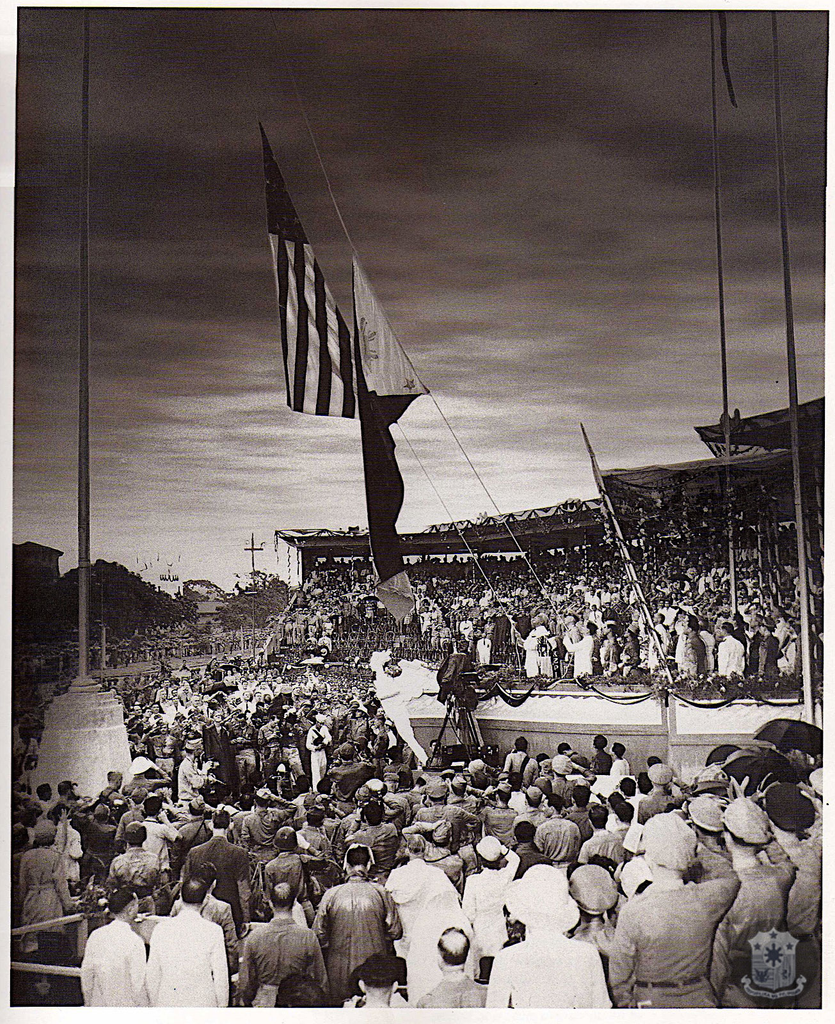
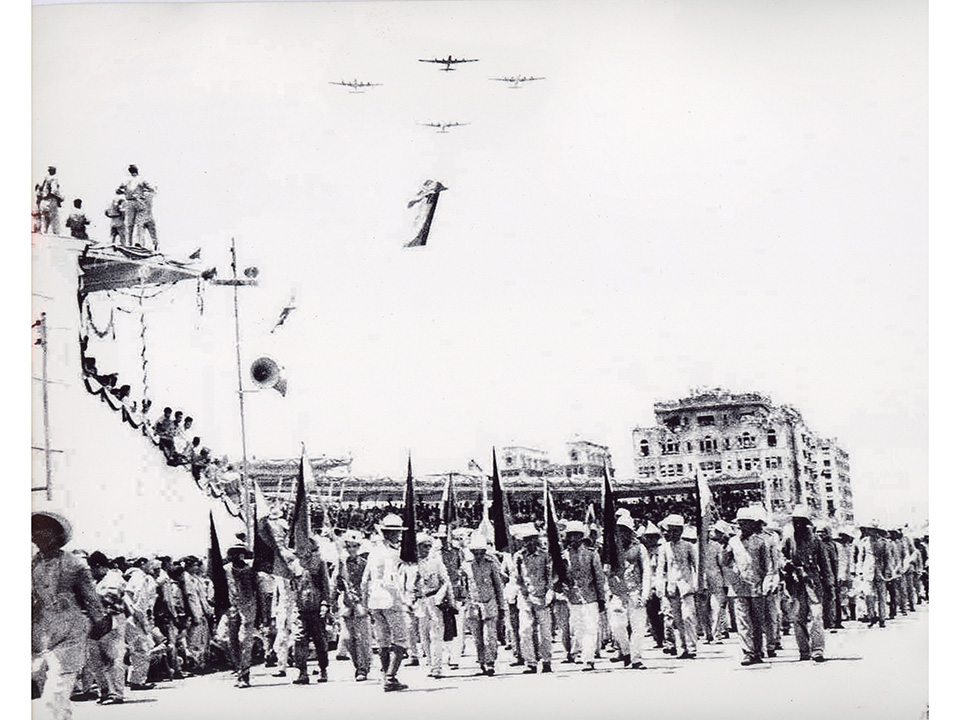
June 12 and the Commemoration Independence by primer.com.ph July 4, 1946: The Philippines Gained Independence by nationalww2museum.org
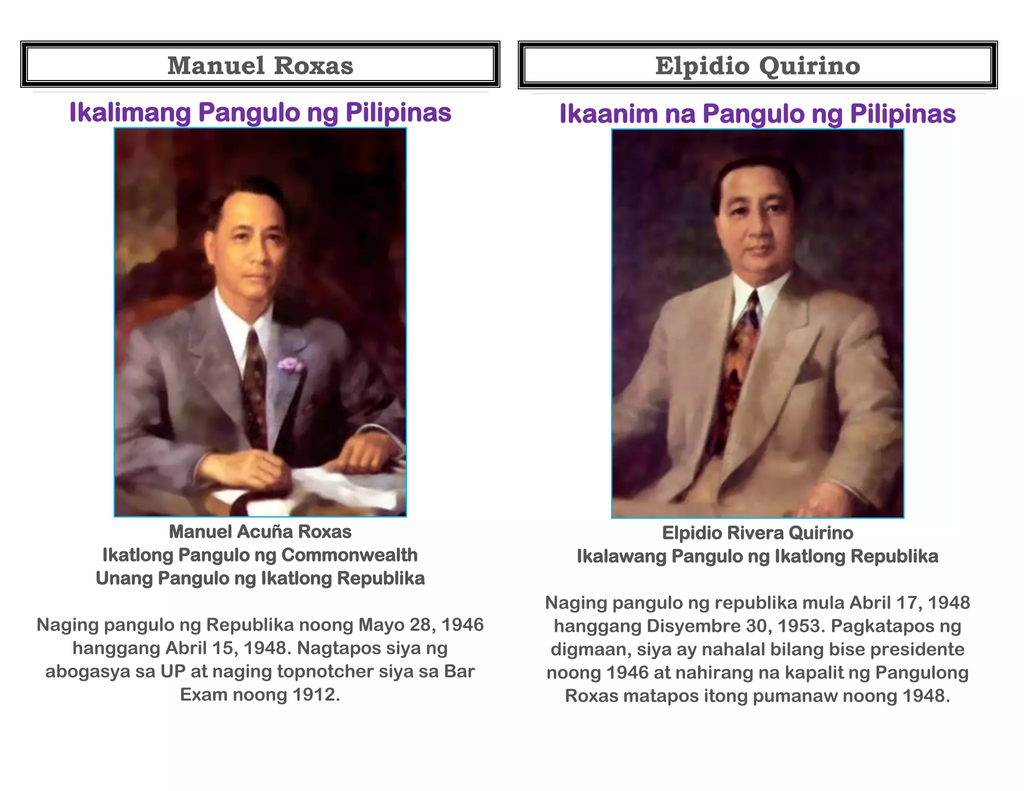
by slideshare.net
Post‑War Era (1946–1986)
Independence and Reconstruction
On July 4, 1946, the Philippines gained full independence. The post-war years focused on:
- Rebuilding cities
- Restoring the economy
- Strengthening democratic institutions
Presidents Roxas, Quirino, Magsaysay, Garcia, and Macapagal led the early republic.
Martial Law and Political Change
In 1972, President Ferdinand Marcos declared Martial Law, reshaping political life. The era saw:
- Infrastructure expansion
- Centralized power
- Human rights issues
- Rise of opposition movements
The EDSA People Power Revolution in 1986 restored democracy under President Corazon Aquino.
Identity in Transition
Post-war identity centered on:
- Rebuilding national pride
- Democratic aspirations
- Collective memory of People Power
Related Guides
- Government Structure
- Philippine FAQs
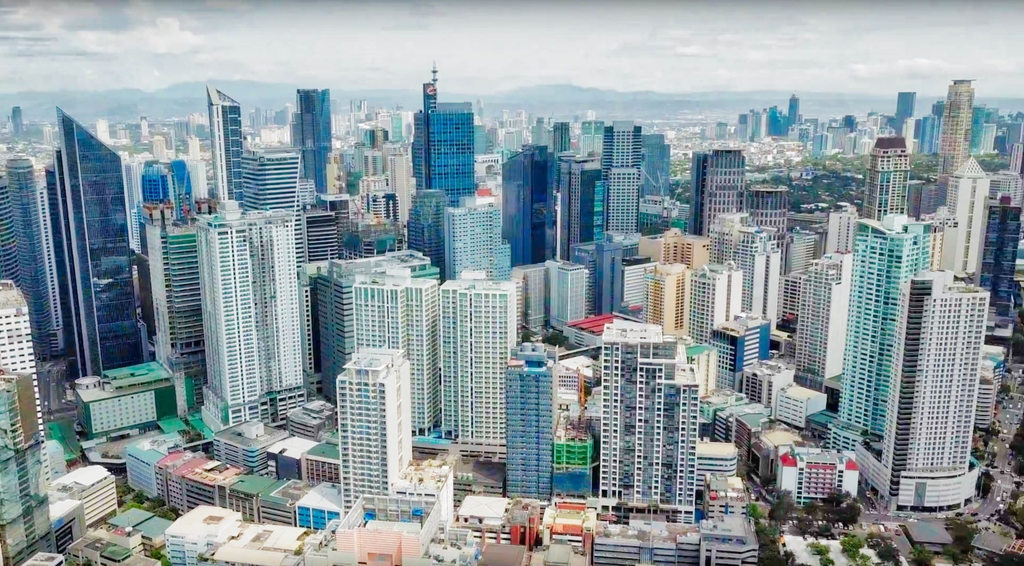
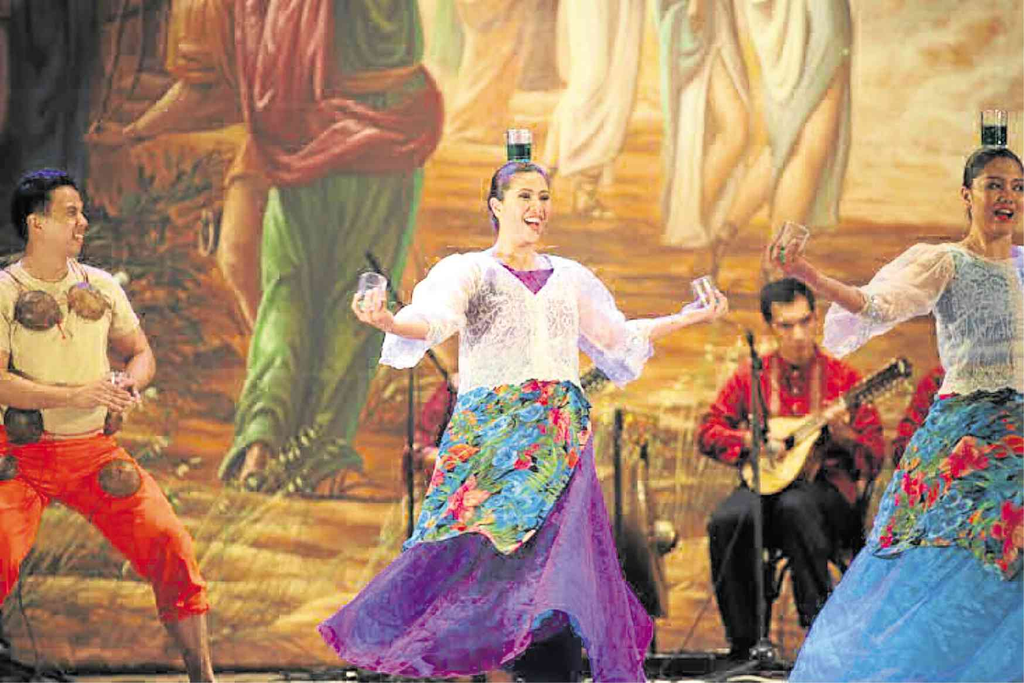
by anfulgar.com by animalia-life.club
by nenaratif.com
Modern Philippines (1986–Present)
Democratic Consolidation
Modern Philippines is defined by:
- Democratic institutions
- Rapid urbanization
- Globalized economy
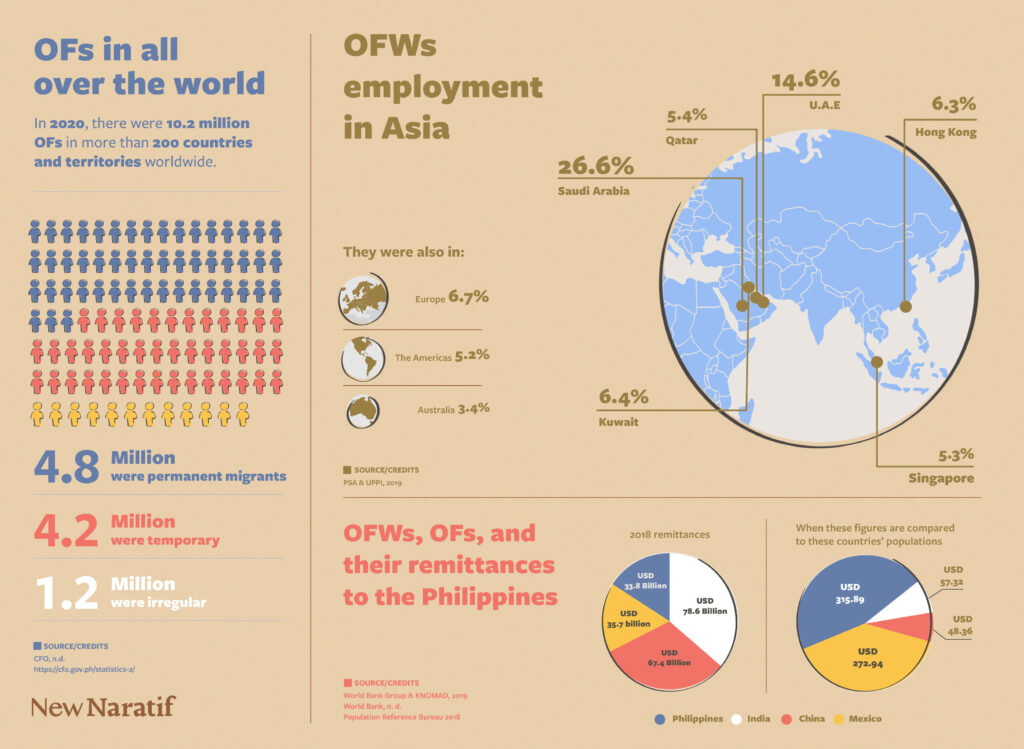
- Overseas Filipino Workers (OFWs)
The country continues to balance tradition with modernization.
Culture and Identity Today
Filipino identity today blends:
- Indigenous roots
- Spanish Catholic heritage
- American cultural influence
- Asian regional ties
Key modern traits:
- Resilience
- Hospitality
- Strong family values
- Global adaptability
Related Guides
- Philippine Culture Basics
- Costs & Budgeting
- Visitor Requirements
Historical Timelines (Quick Reference)
Major Eras
- Pre‑Colonial Period
- Spanish Era
- American Period
- Japanese Occupation
- Post‑War Era
- Modern Philippines
Key Dates
- 900 CE – Laguna Copperplate Inscription
- 1521 – Arrival of Magellan
- 1896 – Philippine Revolution
- 1898 – Declaration of Independence
- 1935 – Commonwealth Government
- 1941 – Japanese Invasion
- 1946 – Independence from the U.S.
- 1986 – People Power Revolution
Conclusion – Why Understanding History Enriches Your Travel Experience
Philippine history is not just a timeline—it is the foundation of the country’s national identity. Every church, fort, museum, festival, and cultural tradition you encounter is shaped by centuries of transformation.
Understanding this history allows travelers to:
- Appreciate cultural diversity
- Recognize historical landmarks
- Connect with local communities
- Understand modern Filipino values