A complete Philippines Visitor & Expat Reference Hub covering emergency numbers, regional summaries, cost snapshots, travel time realities, and cost‑of‑living breakdowns. Fast, reliable, and SEO‑optimized for travelers, digital nomads, and long‑term expats.
Philippines Visitor & Expat Reference Hub
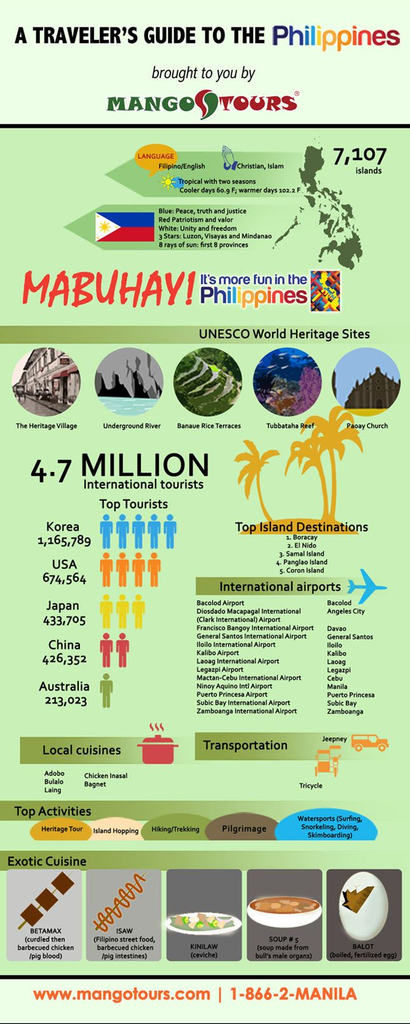
The Visitor & Expat Information Hub serves as your centralized reference page for essential travel, relocation, and day‑to‑day living information in the Philippines. Whether you’re a first‑time visitor, a digital nomad settling in for a few months, or an expat planning long‑term residency, this page consolidates the most important quick‑access guides you’ll rely on repeatedly.
by pinterest.com
Quick Reference Guides (Overview)
The Quick Reference Guides are designed for fast, practical lookups—ideal for travelers who need immediate clarity on weather seasons, emergency procedures, transportation norms, and cultural basics.
What This Guide Covers
- Weather Seasons — Understand the dry season (Dec–May), wet season (Jun–Nov), typhoon months, and regional microclimates.
- Emergency Numbers — A simplified list of national and local emergency hotlines.
- Travel Time Realities — Realistic expectations for land, sea, and air travel across the archipelago.
- Cost Snapshots — Quick estimates for meals, transport, accommodations, SIM cards, and basic services.
- Regional Summaries — A fast overview of Luzon, Visayas, and Mindanao.
Why It Matters
Visitors often underestimate travel times, weather disruptions, and cost variations between regions. This guide ensures you have a reliable baseline before planning itineraries or budgeting.
Related Guides
Emergency Numbers (Overview)
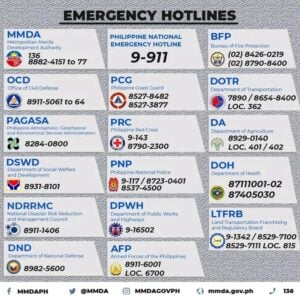
The Emergency Numbers Guide is a critical resource for both visitors and expats. It consolidates national hotlines, regional emergency contacts, and specialized services.
by ltoportal.ph
National Emergency Hotlines
- National Emergency Hotline: 911
- Philippine National Police: 117
- Bureau of Fire Protection: Local fire stations vary by city
- Philippine Red Cross: 143
Localized Emergency Contacts
Because the Philippines is highly decentralized, each city or province may have its own emergency numbers. The guide provides:
- City‑specific police stations
- Local fire departments
- Hospital emergency rooms
- Tourist assistance centers
Traveler‑Specific Hotlines
- Tourist Assistance Centers (DOT)
- Coast Guard Hotline for island hopping and maritime travel
- Airport Emergency Contacts for NAIA, Mactan‑Cebu, Clark, and regional airports
Related Guides
Regional Summaries Guide (Overview)
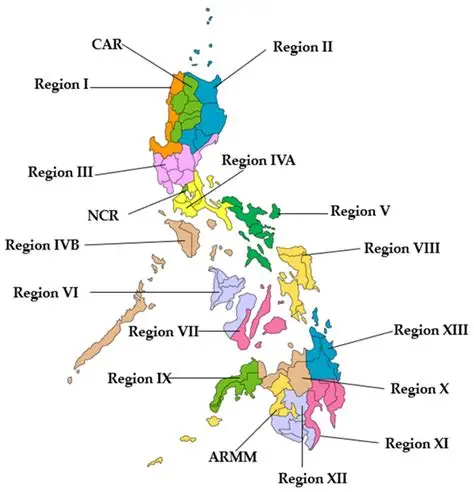
The Regional Summaries Guide provides a structured breakdown of the Philippines’ three major island groups—Luzon, Visayas, and Mindanao—plus key regional distinctions.
by utpaqp.edu.pe
Luzon
- Home to Manila, Palawan, Baguio, La Union, Ilocos, Bicol
- Economic and administrative center
- Diverse climates: cool highlands, hot lowlands, typhoon‑prone coasts
Visayas
- Cebu, Bohol, Iloilo, Bacolod, Dumaguete
- Known for beaches, diving, and mid‑range cost of living
- Strong digital nomad presence
Mindanao
- Davao, Cagayan de Oro, Zamboanga Peninsula
- Affordable living, large landmass, varied cultures
- Some areas require situational awareness
What the Full Guide Includes
- Regional cost differences
- Safety notes
- Transportation realities
- Climate variations
- Local etiquette and cultural norms
Related Guides
- Cost Snapshot Guide
- Cost of Living Breakdown
- Cost of Living in the Small-Town vs City Prices for Travelers
- Cost of Living in the Small-Town vs City Prices for Expats
Cost Snapshot Guide (Overview)
The Cost Snapshot Guide provides quick, digestible cost estimates for everyday travel and living expenses.
by copound
Typical Daily Costs
- Meals: ₱120–₱350 (local eateries), ₱350–₱900 (mid‑range)
- Transport: ₱15–₱50 (jeepney), ₱50–₱150 (tricycle), ₱150–₱300 (Grab short trips)
- SIM Cards: ₱40–₱60
- Mobile Data: ₱300–₱600 monthly
- Budget Hotels: ₱900–₱1,500
- Mid‑range Hotels: ₱2,000–₱4,000
Regional Price Differences
- Manila and Cebu: highest costs
- Iloilo, Bacolod, Davao: moderate
- Provincial towns: lowest
Why This Guide Helps
Visitors and expats often misjudge costs due to regional variation. This guide provides realistic expectations for budgeting.
Related Guides
Travel Time Realities (Overview)
The Travel Time Realities Guide is one of the most important resources for visitors and expats. The Philippines’ geography—7,641 islands—means travel times are rarely straightforward.
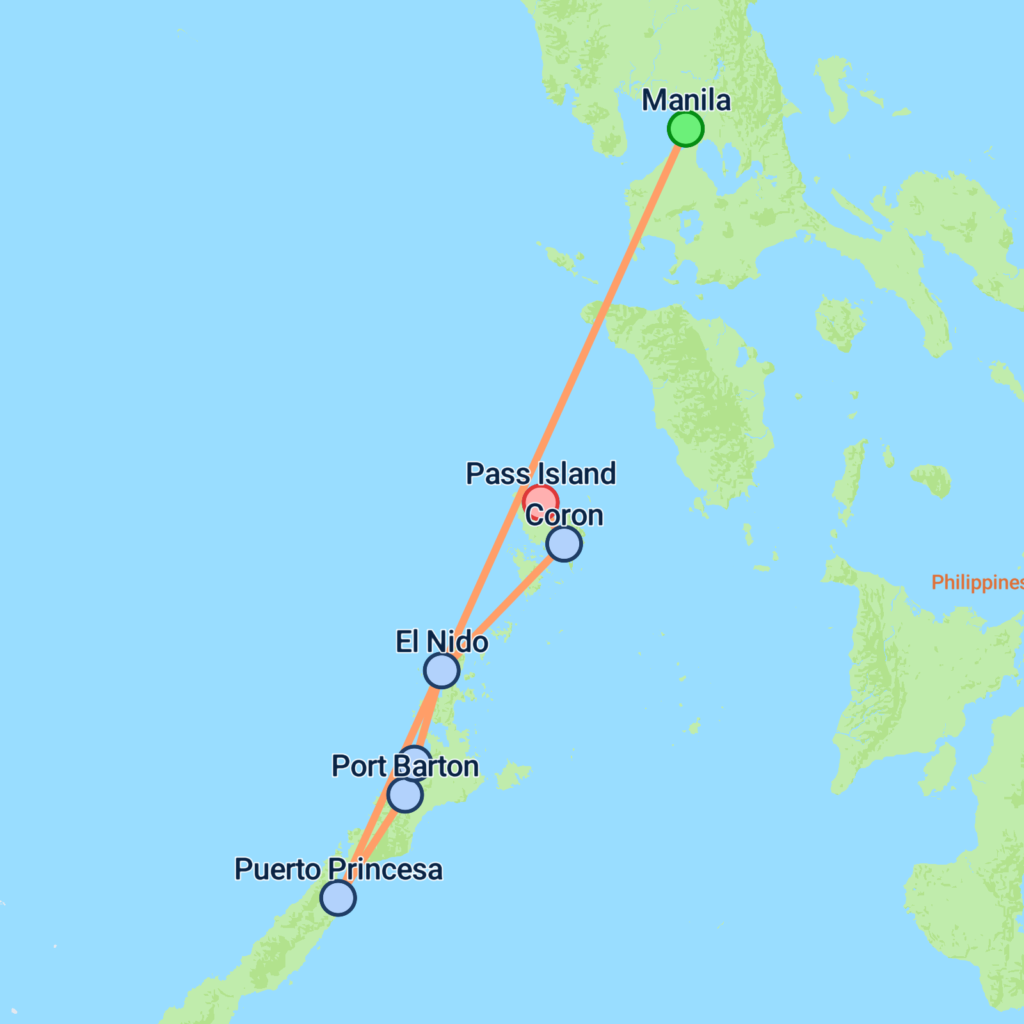
Inter-Island Ferry System Map by fity.club
Land Travel
- Metro Manila traffic can double or triple travel times
- Provincial roads vary from smooth highways to rough rural routes
- Bus travel between regions can take 6–12 hours
Air Travel
- Domestic flights are frequent but prone to delays
- Weather disruptions are common during rainy and typhoon seasons
- Airport transfers (Manila, Cebu) require buffer time
Sea Travel
- Ferries connect major islands but schedules vary
- Weather can cancel trips with little notice
- Overnight ferries require planning and safety awareness
Why This Guide Matters
Travelers often underestimate how long it takes to move between islands. This guide sets realistic expectations and helps avoid rushed itineraries.
Related Guides
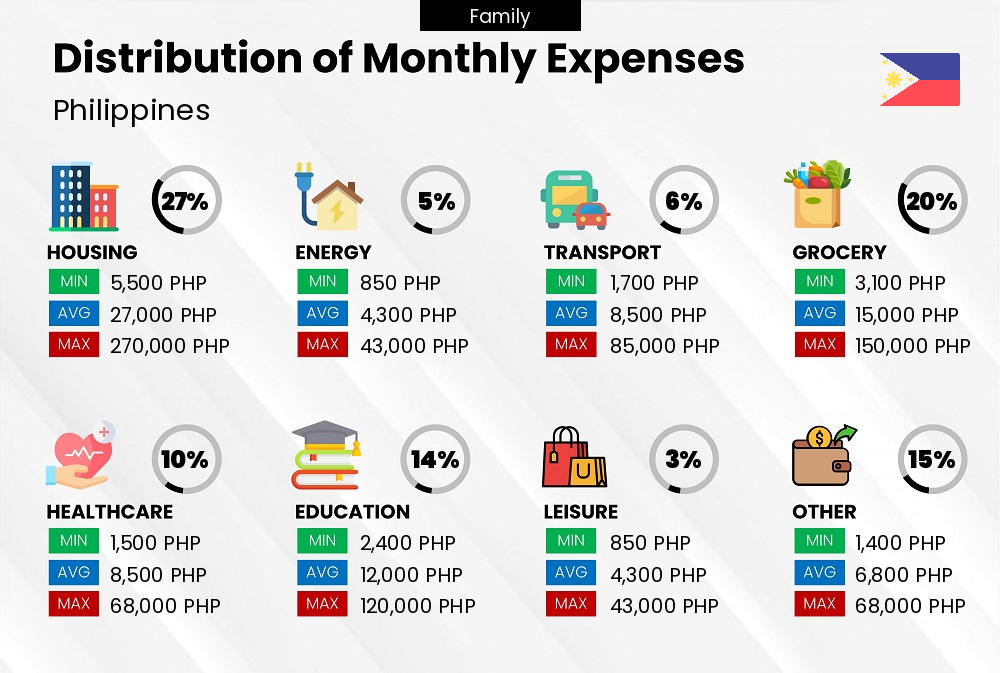
Cost of Living Breakdown (Overview)
The Cost of Living Breakdown is designed for expats, long‑term visitors, and digital nomads evaluating where to live and how much to budget.
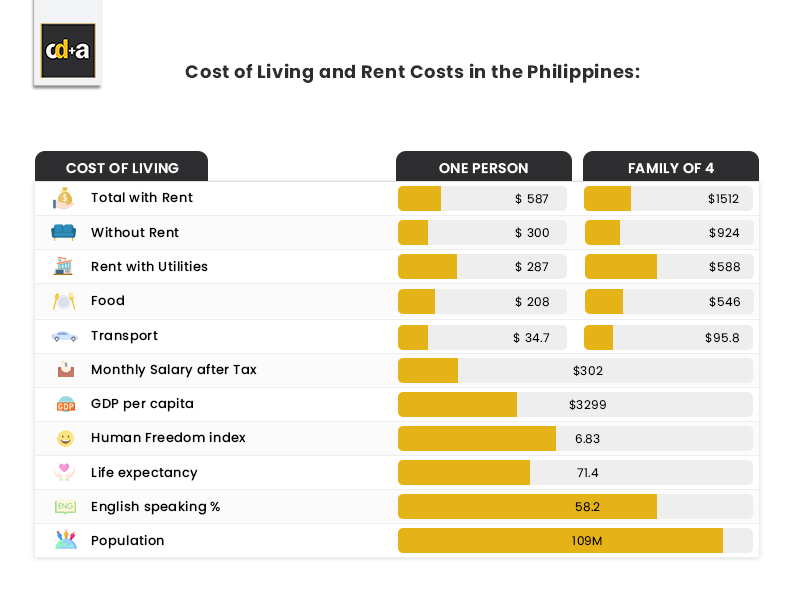
by currandaly.com
Housing Costs
- Metro Manila: ₱18,000–₱45,000 (condo rentals)
- Cebu & Davao: ₱12,000–₱30,000
- Provincial Cities: ₱7,000–₱18,000
Utilities
- Electricity: ₱2,500–₱6,000
- Water: ₱300–₱800
- Internet: ₱1,000–₱2,000
Food & Groceries
- Groceries (monthly): ₱6,000–₱12,000
- Dining out (monthly): ₱4,000–₱10,000
Lifestyle Costs
- Gyms: ₱800–₱2,500
- Co‑working spaces: ₱3,000–₱7,000
- Transportation: ₱1,500–₱4,000
Regional Variations
- Manila: highest
- Cebu & Davao: moderate
- Iloilo, Bacolod, Dumaguete: affordable
- Provincial towns: lowest
Related Guides
Plan Your Philippines Stay with Confidence
Whether you’re visiting for a week or settling in for a year, the Visitor & Expat Information Hub gives you the essential tools to navigate the Philippines smoothly. Use the guides linked above to plan smarter, travel safer, and budget more accurately.
Explore the full silo and continue building your itinerary or relocation plan with confidence.