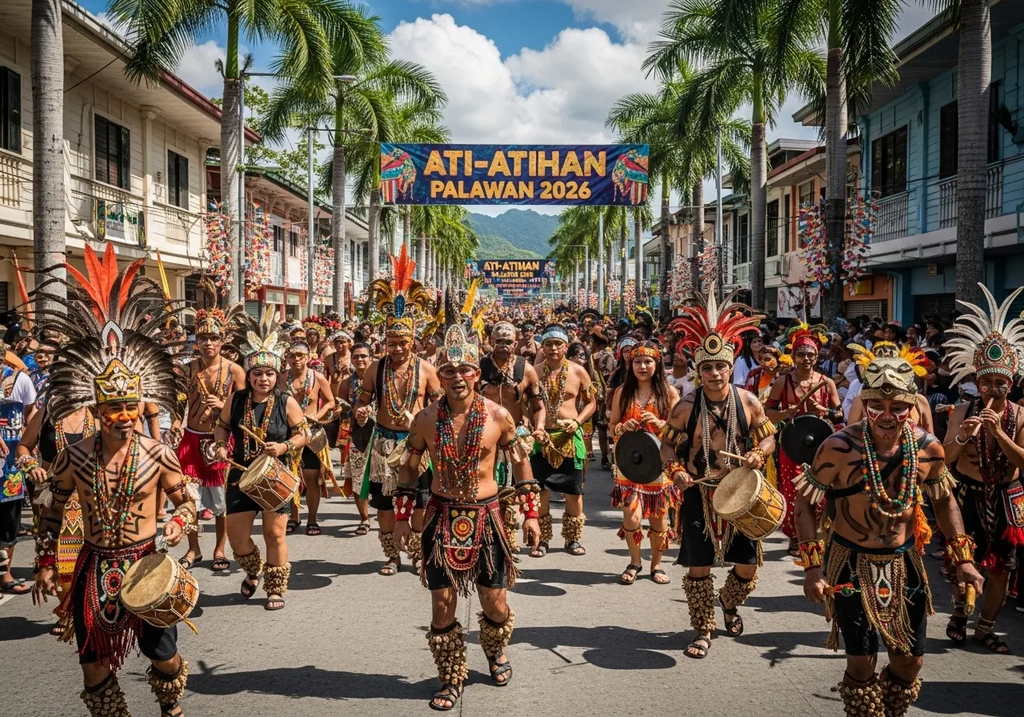
by islandsevents.com
Experience one of the Philippines’ most iconic celebrations at the Ati-Atihan Festival in Kalibo, Aklan. Often called the “Mother of All Philippine Festivals,” Ati-Atihan combines faith, history, music, dance, and community participation into an unforgettable cultural experience. Unlike many festivals where visitors simply watch the performances, Ati-Atihan invites everyone to become part of the celebration.
Whether you’re traveling for the vibrant street dancing, powerful drumbeats, cultural immersion, or photography opportunities, this guide will help you plan your Ati-Atihan Festival trip.
Quick Facts About Ati-Atihan Festival
| Item | Details |
|---|---|
| Festival Name | Ati-Atihan Festival |
| Location | Kalibo, Aklan |
| Region | Western Visayas |
| Usually Held | Third Week of January |
| Festival Type | Religious & Cultural Festival |
| Honors | Santo Niño (Child Jesus) |
| Crowd Levels | High |
| Estimated Visitors | Hundreds of thousands annually |
| Best For | Cultural Immersion, Photography, Street Dancing |
| Recommended Stay | 3-4 Days |
| Family Friendly | Yes |
| Photography Opportunities | Excellent |
What Is the Ati-Atihan Festival?
Ati-Atihan is one of the oldest and most significant festivals in the Philippines. The celebration honors the Santo Niño while commemorating local traditions and cultural heritage.
The festival is famous for participants painting their faces and bodies with dark pigments, wearing elaborate tribal-inspired costumes, and dancing through Kalibo’s streets to the constant rhythm of drums.
Unlike many modern festivals where barriers separate performers from spectators, Ati-Atihan encourages participation. Visitors often find themselves dancing alongside performers, locals, and fellow travelers.
This atmosphere of inclusiveness is one reason many travelers consider Ati-Atihan one of the most authentic festival experiences in the country.
Where Is the Ati-Atihan Festival Held?
Ati-Atihan takes place primarily in:
- Kalibo, Aklan
- Downtown Kalibo
- Major town streets
- Kalibo Cathedral area
- Public plazas and festival grounds
Most major events occur within walking distance of central Kalibo, making it easy for visitors to move between festival activities.
When Is the Ati-Atihan Festival Held?
The festival takes place annually during January and culminates during the third week of the month.
Main Festival Events
Novena Masses
Religious services honoring the Santo Niño are held in the days leading up to the festival.
Processions
Various religious processions move through Kalibo, attracting devotees from throughout the Philippines.
Drum Competitions
Drum groups create the energetic soundtrack that defines Ati-Atihan.
Tribal Dance Competitions
Performers showcase elaborate costumes, choreography, and cultural presentations.
Street Dancing
One of the festival’s biggest attractions where performers and visitors celebrate together throughout the town.
Festival Finale
The concluding celebrations feature some of the largest crowds and most vibrant performances.
History of the Ati-Atihan Festival
Ati-Atihan is widely regarded as the oldest festival in the Philippines and serves as the inspiration for many later festivals, including Sinulog in Cebu and Dinagyang in Iloilo.
Historical accounts trace the celebration to interactions between indigenous Ati communities and Malay settlers in Panay. Over time, religious devotion to the Santo Niño was incorporated into the festivities, creating the celebration known today.
As Christianity spread throughout the region, the festival evolved while retaining elements of local culture and identity. The result is a unique blend of religious devotion, indigenous symbolism, music, dance, and community participation.
Today, Ati-Atihan remains one of the Philippines’ most important cultural celebrations and continues to play a central role in the identity of Kalibo and Aklan Province.
Why Travelers Visit Ati-Atihan
A Participatory Festival Experience
Unlike many major festivals where visitors remain spectators, Ati-Atihan encourages visitors to join the celebration.
Incredible Street Atmosphere
The combination of drums, dance, costumes, and enthusiastic crowds creates an unforgettable atmosphere.
Rich Cultural Heritage
Visitors gain insights into local traditions, religious devotion, and community pride.
Outstanding Photography Opportunities
The festival offers:
- Portrait photography
- Street photography
- Cultural documentation
- Costume photography
- Festival action shots
Easy Trip Pairing with Boracay
Many travelers combine Ati-Atihan with several days in Boracay, one of the Philippines’ most famous island destinations.
Main Festival Events
Tribal Dance Performances
Colorful dance groups compete while performing through Kalibo’s streets.
Expect:
- Elaborate costumes
- Traditional-inspired designs
- Choreographed performances
- Live percussion
Drum Performances
The festival’s drumming tradition creates an exciting and energetic atmosphere throughout the celebration.
Santo Niño Processions
Religious processions remain among the most important aspects of the festival and demonstrate its deep spiritual foundations.
Community Street Celebrations
Throughout the celebration visitors can experience local food, music, entertainment, and hospitality.
Best Places to Experience Ati-Atihan
Best Areas for Street Dancing
Downtown Kalibo provides the most immersive festival experience.
Best Photography Locations
- Major intersections
- Competition venues
- Procession routes
- Public plazas
Best Areas for Families
Families may prefer areas with more space away from the densest crowds.
Best Locations for First-Time Visitors
Central festival zones allow easy access to major events while providing a good overview of the celebration.
Is Ati-Atihan Right for You?
| Traveler Type | Recommendation |
|---|---|
| Solo Travelers | Excellent |
| Couples | Excellent |
| Families | Good |
| Seniors | Good |
| Photographers | Excellent |
| Cultural Travelers | Excellent |
| Budget Travelers | Excellent |
| Luxury Travelers | Good |
Festival Costs & Budget Planning
Festival Pricing Notice
Accommodation, transportation, flights, tours, and related travel costs during major Philippine festivals may be significantly higher than normal seasonal rates due to increased visitor demand. The prices shown in this guide are estimates intended for trip-planning purposes and may vary by booking date, availability, location, room type, airline promotions, and festival attendance levels. Travelers should book accommodations and transportation as early as possible.
Typical vs Festival Season Accommodation Costs
| Accommodation Type | Typical Kalibo Rates | Ati-Atihan Week Rates |
|---|---|---|
| Hostel | ₱500-1,000 | ₱800-1,800 |
| Budget Hotel | ₱1,200-2,500 | ₱2,000-4,500 |
| Mid-Range Hotel | ₱2,500-5,000 | ₱4,000-8,000+ |
| Premium Resort | ₱5,000-10,000 | ₱8,000-15,000+ |
Note
Festival-week rates are generally highest during the final weekend and major Santo Niño celebrations. Booking several months ahead typically results in better pricing and availability.
Typical vs Festival Airfare Costs
| Route | Typical Roundtrip Fare | Festival Season Fare |
|---|---|---|
| Manila–Kalibo | ₱2,000-4,500 | ₱4,000-9,000+ |
| Cebu–Kalibo | ₱2,500-5,000 | ₱4,000-8,000+ |
| Davao–Kalibo | ₱3,000-6,000 | ₱5,000-10,000+ |
| International Arrivals | Variable | Frequently much higher |
Daily Budget Estimates
Budget Traveler
| Expense | Daily Cost |
|---|---|
| Hostel | ₱800-1,500 |
| Food | ₱400-700 |
| Transportation | ₱200-500 |
| Miscellaneous | ₱300-500 |
| Total | ₱1,700-3,200 |
Mid-Range Traveler
| Expense | Daily Cost |
|---|---|
| Hotel | ₱3,000-6,000 |
| Food | ₱800-1,500 |
| Transportation | ₱300-700 |
| Miscellaneous | ₱500-1,000 |
| Total | ₱4,600-9,200 |
Comfort Traveler
Expect approximately ₱8,000-15,000+ per day depending on accommodation and activities.
Where to Stay During Ati-Atihan
Downtown Kalibo
The best choice for most visitors.
Advantages include:
- Walking access to festival events
- Restaurants and cafes
- Easy transportation
- Festival atmosphere
Near Kalibo International Airport
Convenient for travelers with early arrivals or departures.
Resort Areas
Some visitors use Kalibo as a festival base before continuing to Boracay and staying at beach resorts.
When Should You Book?
| Item | Recommended Booking Window |
|---|---|
| Flights | 3-5 Months Before |
| Hotels | 3-5 Months Before |
| Airport Transfers | 2-4 Weeks Before |
| Tours | 1-2 Months Before |
As one of the country’s biggest January events, waiting until the last minute can significantly increase costs.
How to Get to Ati-Atihan
By Air
Most visitors fly into Kalibo Airport.
Via Boracay
Many travelers combine Ati-Atihan with a Boracay vacation before or after the festival.
By Ferry
Travelers from neighboring islands may reach Aklan through regional ferry networks.
Getting Around Kalibo
Transportation options include:
- Tricycles
- Jeepneys
- Taxis
- Private transfers
Many festival locations are also easily explored on foot.
Local Food to Try
Native Kakanin
Traditional Filipino rice-based snacks sold throughout the festival.
Fresh Seafood
Aklan’s coastal location provides access to excellent seafood dishes.
Chicken Inasal
Popular throughout Western Visayas.
Local Noodle Dishes
Regional noodle specialties are widely available during festival celebrations.
Aklan Delicacies
Try local specialties sold by community vendors and restaurants.
Photography Guide
Best Time for Photos
- Early-morning preparations
- Afternoon performances
- Golden-hour street scenes
- Evening celebrations
Recommended Equipment
- Mirrorless or DSLR camera
- 24-70mm lens
- Extra batteries
- Extra memory cards
Photography Tips
- Arrive early for prime positions.
- Focus on faces and expressions.
- Capture both wide crowd scenes and details.
- Look for drum groups and costume performers.
Respectful Photography
- Ask permission before photographing individuals up close.
- Respect cultural and religious symbolism.
- Avoid interrupting ceremonies.
- Do not obstruct performers.
Cultural Etiquette During Ati-Atihan
Respect Religious Activities
Remember that the festival remains deeply connected to devotion to the Santo Niño.
- Dress appropriately.
- Remain respectful during ceremonies.
- Follow local guidelines.
Respect Performers
- Do not touch costumes.
- Give participants space.
- Ask before taking posed portraits.
Respect Local Communities
- Support local businesses.
- Dispose of waste properly.
- Treat residents respectfully.
Festival Safety Tips
Managing Crowds
- Establish meeting points.
- Stay aware of your surroundings.
- Avoid pushing through dense crowd areas.
Protect Valuables
- Use secure bags.
- Keep phones and wallets protected.
- Minimize carrying unnecessary valuables.
Stay Comfortable
- Stay hydrated.
- Wear lightweight clothing.
- Use sunscreen.
- Wear comfortable walking shoes.
Sample 3-Day Ati-Atihan Itinerary
Day 1
- Arrive in Kalibo
- Explore downtown
- Visit local markets
- Experience opening festivities
Day 2
- Attend cultural performances
- Observe dance competitions
- Explore food stalls
- Evening celebrations
Day 3
- Attend major processions
- Experience street dancing
- Enjoy the festival finale
- Depart or continue to Boracay
Nearby Attractions
Extend your journey by visiting:
- Boracay Island
- Bakhawan Eco-Park
- Aklan Province attractions
- Panay Island destinations
- Local beaches and nature areas
Frequently Asked Questions
What makes Ati-Atihan different from Sinulog?
Ati-Atihan is generally more participatory, encouraging visitors to join the celebration rather than simply watch performances.
Can tourists participate?
Yes. Participation is one of the festival’s defining characteristics.
How crowded is the festival?
Crowds become particularly heavy during the final days and major Santo Niño events.
Is Ati-Atihan family friendly?
Yes, although families may prefer less congested viewing areas.
How many days should I stay?
Three to four days provides enough time to experience the major events.
Can I combine Ati-Atihan with Boracay?
Absolutely. Many travelers visit both destinations during the same trip.
Do I need to purchase tickets?
Most public festival activities are free to attend.
Related Guides
- Philippine Festivals Travel Guide
- Aklan Travel Guide
- Boracay Travel Guide
- Panay Island Travel Guide
- Philippine Cultural Travel Guide
- Philippine Transportation Guide
- Philippine Airports Guide
- Travel Guide for Solo Travelers, Couples, Families & Seniors
Experience the Ati-Atihan Festival
Ati-Atihan is more than a festival. It is a celebration of faith, culture, history, and community that places visitors at the heart of the experience. From the thunder of drums and the energy of street dancing to the devotion surrounding the Santo Niño, Ati-Atihan remains one of the most authentic and memorable cultural events in the Philippines.