by critterrepublic.com
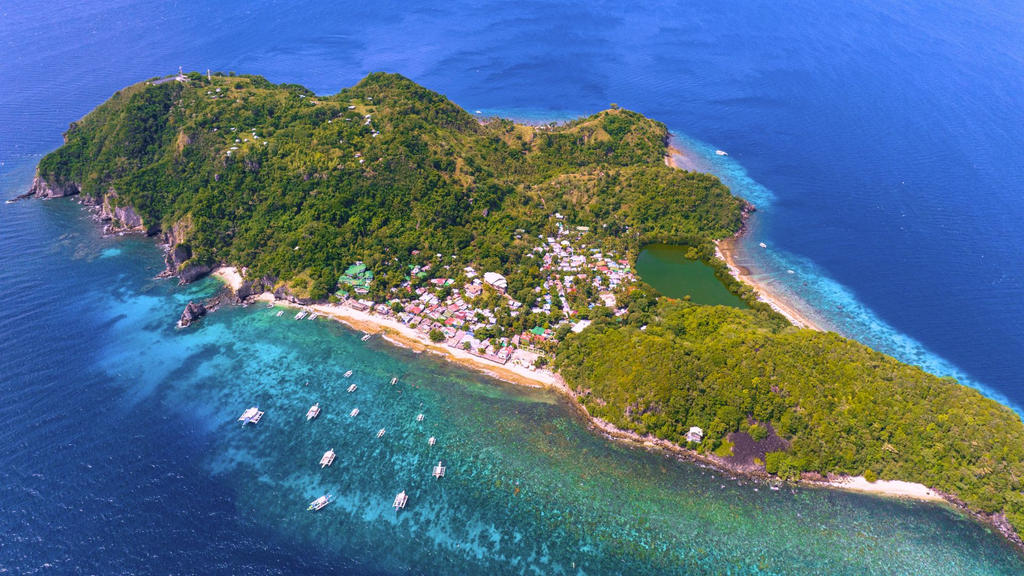
Apo Island, Negros Island
Apo Island is one of the Philippines’ most successful eco-tourism destinations and a global example of community-based marine conservation. Located off the southeastern coast of Negros Island near Dauin, this small volcanic island is best known for its protected coral reefs, abundant marine life, and resident sea turtles.
Unlike many island destinations where tourism development is the primary attraction, Apo Island’s greatest asset is its thriving marine ecosystem. Decades of conservation efforts by local residents, scientists, and environmental advocates transformed the island into one of the country’s most respected marine protected areas.
Today, Apo Island attracts divers, snorkelers, wildlife enthusiasts, photographers, and travelers seeking meaningful nature experiences while supporting sustainable tourism.
Quick Facts About Apo Island
| Category | Information |
|---|---|
| Location | Off the coast of Dauin, Negros Island |
| Province | Negros Oriental |
| Known For | Marine sanctuary, sea turtles, coral reefs, eco-tourism |
| Best Activities | Snorkeling, diving, wildlife observation, hiking |
| Island Type | Small volcanic island |
| Major Attraction | Protected Marine Sanctuary |
| Access Point | Dauin |
| Travel Time from Dauin | Approximately 30–45 minutes by boat |
| Best Time to Visit | November to May |
Why Visit Apo Island?
Apo Island is less about beaches and more about experiencing one of the Philippines’ most important marine conservation success stories.
Visitors come to:
- Swim with sea turtles
- Explore protected coral reefs
- Experience sustainable tourism
- Learn about community conservation
- Enjoy world-class snorkeling
- Photograph marine wildlife
- Support eco-tourism initiatives
- Experience a small island community
The island demonstrates how environmental protection and tourism can work together when managed responsibly.
Apo Island: A Conservation Success Story
Apo Island’s reputation extends far beyond Negros Island.
For decades, local residents have worked to protect marine resources through community-led conservation efforts. The establishment of protected marine areas helped coral reefs recover and allowed fish populations to flourish.
As a result, Apo Island became:
- A model for marine conservation in the Philippines
- An internationally recognized eco-tourism destination
- A leading example of community-managed marine protection
- An important site for marine research and education
The island’s conservation story remains one of its greatest attractions.
Best Things to Do on Apo Island
Snorkel with Sea Turtles
The island’s most famous experience is swimming alongside sea turtles in their natural habitat.
Visitors frequently encounter turtles while snorkeling near the marine sanctuary. Unlike captive wildlife attractions, turtle encounters here occur naturally within a protected ecosystem.
Responsible wildlife viewing practices help ensure these animals remain healthy and undisturbed.
Highlights
- Wild sea turtle encounters
- Shallow-water snorkeling
- Coral reef viewing
- Nature photography
Explore the Marine Sanctuary
The protected marine sanctuary is the ecological heart of Apo Island.
Healthy coral formations support a remarkable diversity of marine species, including:
- Reef fish
- Sea turtles
- Giant clams
- Soft corals
- Hard corals
- Various invertebrates
The sanctuary showcases what marine ecosystems can become when given long-term protection.
Scuba Diving
Apo Island consistently ranks among the best diving destinations on Negros Island.
Popular dive experiences include:
- Reef diving
- Drift diving
- Coral wall exploration
- Underwater photography
- Sea turtle encounters
The island appeals to both beginner and experienced divers.
Walk Around the Island
Visitors can explore the island on foot and experience daily life within the local community.
Walking trails provide access to:
- Coastal viewpoints
- Village areas
- Rocky shorelines
- Scenic overlooks
The island’s small size makes exploration manageable within a day trip.
Visit the Lighthouse Viewpoint
One of the best viewpoints on Apo Island is the lighthouse area overlooking the surrounding sea.
The elevated perspective offers:
- Island panoramas
- Coastal scenery
- Excellent photography opportunities
- Sunset views during overnight visits
Wildlife and Marine Life
Apo Island is one of the best places in the Philippines to observe marine wildlife responsibly.
Common sightings include:
Sea Turtles
The island is particularly famous for resident green sea turtles that regularly feed in the shallow waters surrounding the sanctuary.
Reef Fish
Protected reefs support diverse populations of colorful tropical fish.
Corals
Both hard and soft corals thrive throughout the protected marine environment.
Marine Invertebrates
Divers and underwater photographers frequently encounter unique reef species throughout the island’s waters.
Responsible Tourism on Apo Island
Visitors play an important role in protecting the island’s ecosystems.
Follow Marine Sanctuary Rules
Protected areas exist to safeguard sensitive habitats and wildlife.
Do Not Touch Sea Turtles
Maintain a respectful distance and allow wildlife to behave naturally.
Avoid Standing on Coral
Even minor contact can damage living coral structures.
Use Reef-Safe Sunscreen
Choose products that minimize environmental impacts on marine ecosystems.
Support Local Businesses
Community-based tourism helps provide economic benefits that support conservation efforts.
How to Get to Apo Island
From Dauin
Most visitors travel to Apo Island from Dauin.
Transportation
- Boat tours
- Organized snorkeling trips
- Dive excursions
- Private boat arrangements
Travel time is generally around 30 to 45 minutes depending on weather and sea conditions.
From Dumaguete
Travelers typically first reach Dauin before joining a boat transfer to the island.
Total travel time is usually less than two hours.
Best Time to Visit
November to May
This period generally offers:
- Drier weather
- Better sea conditions
- Improved snorkeling visibility
- More reliable boat operations
June to October
Conditions may include:
- Increased rainfall
- Rougher seas
- Fewer visitors
- Lush island scenery
Boat schedules can occasionally be affected by weather.
Suggested Eco-Tourism Day Trip Itinerary
Morning
- Depart Dauin
- Arrive at Apo Island
- Orientation on responsible tourism
- Snorkeling within designated areas
Midday
- Island exploration
- Local lunch
- Community sightseeing
Afternoon
- Marine sanctuary snorkeling
- Lighthouse hike
- Wildlife observation
Evening
- Return to Dauin
Why Apo Island Matters
Apo Island is more than a tourist attraction.
It demonstrates how conservation, education, and community involvement can protect natural resources while supporting local livelihoods. Visitors leave not only with memories of sea turtles and coral reefs but also with a better understanding of how environmental stewardship benefits both people and biodiversity.
For many travelers, Apo Island becomes one of the most meaningful destinations they visit in the Philippines.
Related Guides
- Negros Island Travel Guide
- Dauin Travel Guide
- Dumaguete Travel Guide
- Philippines Eco-Tourism Guide
- Marine Life of the Philippines
- Nature Destinations
- Marine Protected Areas in the Philippines
- Philippines Diving Guide
- Wildlife of the Philippines
- Wildlife Watching in the Philippines
- Best Nature Destinations in the Philippines
- Best Island Destinations in the Philippines
- Sustainable Travel in the Philippines
- Philippines Island Hopping Guide
Conclusion
Apo Island stands as one of the Philippines’ greatest eco-tourism success stories. Its protected reefs, thriving marine life, and community-led conservation efforts have created a destination where tourism supports environmental protection rather than competes with it. While travelers may initially come for the sea turtles and world-class snorkeling, many leave with a deeper appreciation for the importance of marine conservation. For nature lovers, wildlife enthusiasts, divers, and responsible travelers, Apo Island remains one of the most rewarding destinations on Negros Island and in the Philippines as a whole.