Your complete resource for navigating flights, ferries, buses, jeepneys, vans, ride-hailing services, and local transportation across the Philippines.
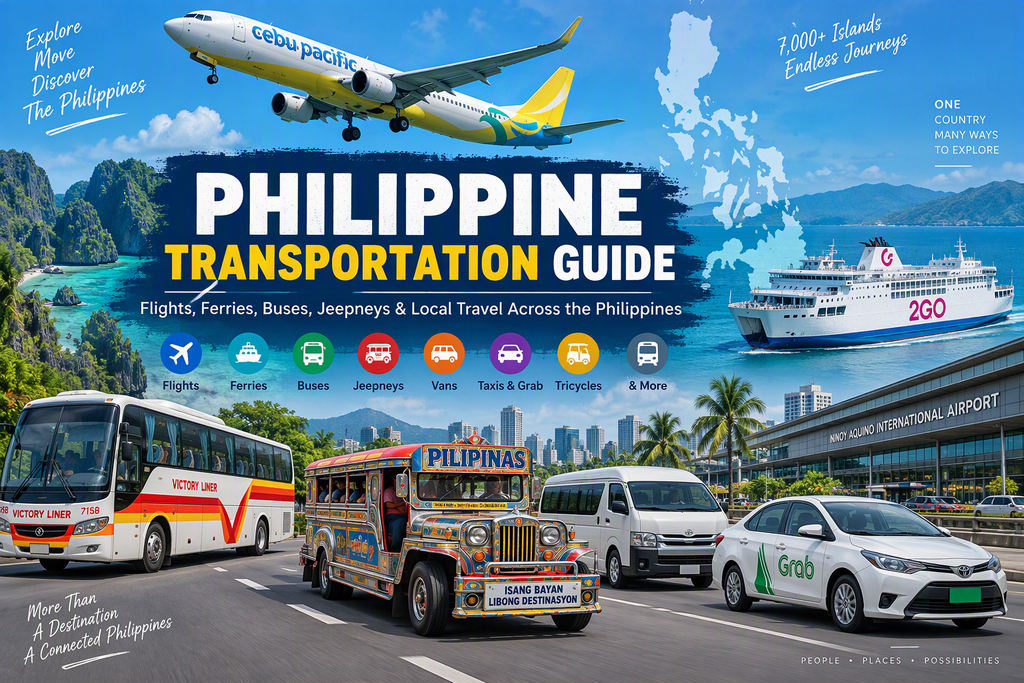
The Philippines is an archipelago of more than 7,000 islands, making transportation an essential part of every journey. Whether you’re island hopping through Palawan, exploring the mountains of Luzon, visiting historic cities in the Visayas, or discovering Mindanao’s natural attractions, understanding the country’s transportation network can save time, money, and stress.
This guide covers all major transportation options available to travelers, from domestic flights and ferries to jeepneys and tricycles.
How Transportation Connects the Philippines: Airports, Ferry Ports & Land Travel Hubs
The Philippines relies on a vast transportation network that connects thousands of islands through airports, ferry ports, highways, and local transit systems. Understanding the country’s primary transportation hubs can help travelers plan efficient routes between destinations. The map below highlights the major transportation gateways across Luzon, Visayas, and Mindan
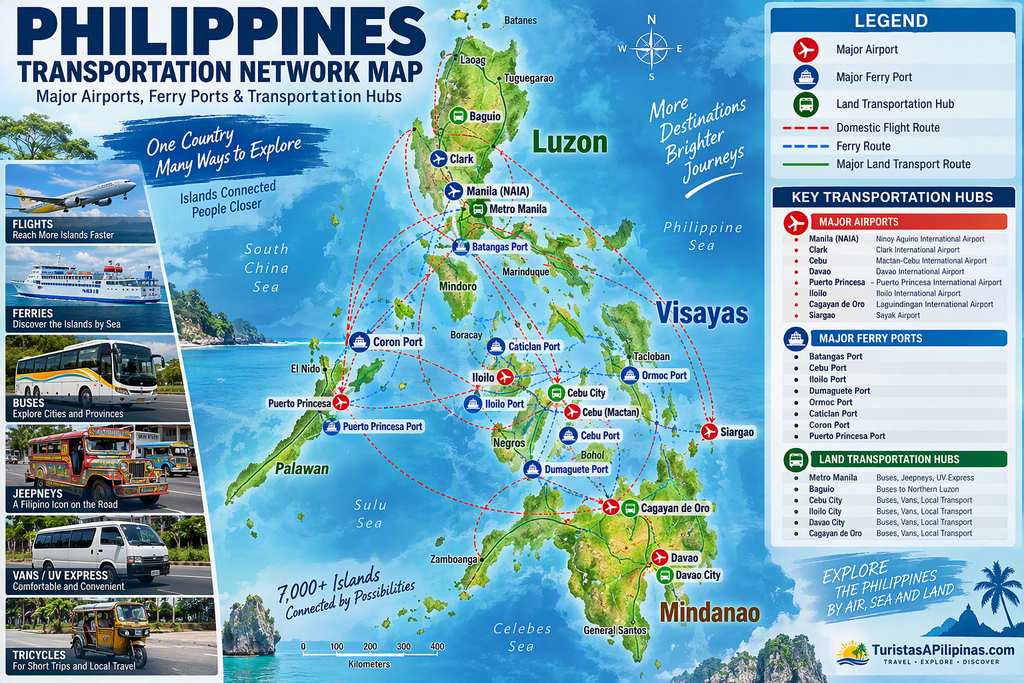
Philippines Transportation Network Map showing major airports, ferry ports, land transportation hubs, and key travel routes across Luzon, Visayas, and Mindanao.
Understanding Transportation in the Philippines
Transportation in the Philippines can be divided into three main categories:
Air Transportation
The fastest way to travel between islands and major cities.
Sea Transportation
An affordable and scenic option connecting many islands through ferries and passenger ships.
Land Transportation
Buses, vans, jeepneys, taxis, and ride-hailing services provide transportation within cities and provinces.
Most travelers use a combination of all three depending on their destination.
| Transportation Type | Best For | Cost | Speed |
|---|---|---|---|
| Flights | Long-distance travel | High | Fastest |
| Ferries | Inter-island travel | Moderate | Moderate |
| Buses | Provincial travel | Low | Moderate |
| Vans | Direct routes | Moderate | Moderate |
| Jeepneys | Urban travel | Lowest | Slow |
| Tricycles | Local travel | Low | Slow |
| Grab & Taxi | Convenience | Moderate | Fast |
Domestic Flights in the Philippines
For long-distance travel, domestic flights are often the most convenient choice.
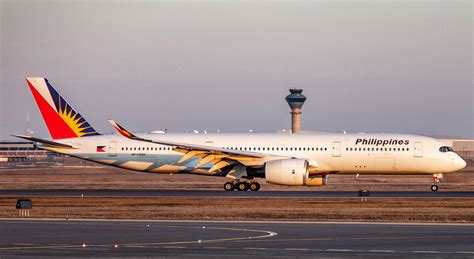
by simpleflying.com
Major Domestic Airlines
| Airline | Best For | Network Type |
|---|---|---|
| Philippine Airlines (PAL) | Full-service travel | Nationwide |
| Cebu Pacific | Budget travel | Nationwide |
| AirAsia Philippines | Budget travel | Major tourist destinations |
Major Domestic Airports
Most domestic air travel passes through a relatively small number of major airports that act as regional gateways for Luzon, Visayas, and Mindanao.
Ninoy Aquino International Airport (NAIA)
- Primary gateway to the Philippines
- Largest concentration of domestic routes
- Main hub for Manila
Mactan-Cebu International Airport
- Main transportation hub for the Visayas
- Important connection point for Central Philippines
Clark International Airport
- Alternative gateway serving Luzon
- Popular for Northern and Central Luzon travelers
Davao International Airport
- Primary aviation hub for Mindanao
- Major gateway to Southern Philippines
Other Important Domestic Airports
- Batanes Airport System
- Iloilo International Airport
- Bacolod-Silay Airport
- Laguindingan Airport
- Bohol-Panglao International Airport
- Puerto Princesa International Airport
- Siargao Airport
Common Domestic Flight Routes
| Route | Purpose |
|---|---|
| Manila → Cebu | Luzon–Visayas connection |
| Manila → Davao | Luzon–Mindanao connection |
| Manila → Puerto Princesa | Palawan travel |
| Manila → Coron | Northern Palawan travel |
| Cebu → Siargao | Surfing tourism |
| Cebu → Boracay | Beach tourism |
| Cebu → Dumaguete | Central Visayas travel |
| Davao → Cagayan de Oro | Mindanao regional travel |
When Are Domestic Flights the Best Option?
Flights are usually the best transportation choice when:
- Traveling between island groups
- Visiting remote destinations
- Traveling on limited time
- Visiting Batanes, Siargao, Palawan, or Mindanao from Luzon
- Combining multiple destinations during a single vacation
For shorter regional connections, ferries may provide a more affordable alternative.
Ferry Transportation in the Philippines
When Are Ferries Better Than Flights?
- Traveling between nearby islands
- Transporting vehicles
- Budget travel
- Regional island hopping
- Scenic travel
Ferries are an important part of inter-island travel and often provide access to destinations without airports.
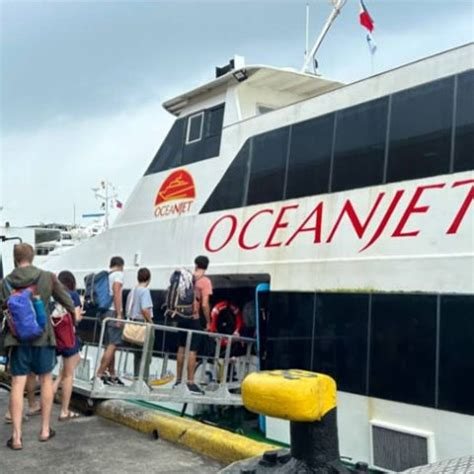
by oceanjetonlinebooking.ph
Types of Ferry Services
Fast Craft Ferries
Fast craft vessels connect nearby islands and are common in regions like:
- Cebu to Bohol
- Cebu to Ormoc
- Iloilo to Bacolod
- Batangas to Puerto Galera
RoRo Ferries (Roll-On Roll-Off)
These vessels transport both passengers and vehicles.
Popular routes include:
- Batangas to Mindoro
- Matnog to Allen
- Cebu to Negros
- Luzon to Samar
Passenger Ships
Larger vessels offering economy and cabin accommodations for long-distance travel.
Major Ferry Operators
- 2GO Travel
- OceanJet
- Montenegro Lines
- FastCat
- SuperCat
- Lite Ferries
Looking for detailed schedules, routes, terminals, ticket information, and inter-island connections? See our Philippine Ferry Guide for a complete overview of ferry travel throughout the archipelago.
Bus Travel in the Philippines
Buses provide affordable long-distance transportation across the country’s larger islands.
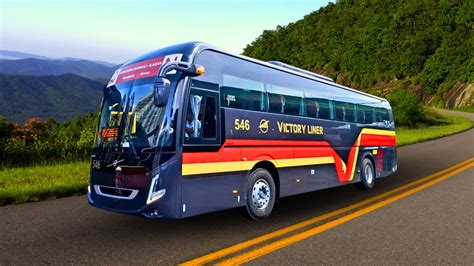
by pamasahe.com
When Are Buses the Best Option?
Buses are most useful for:
- Luzon road travel
- Provincial tourism
- Budget travel
- Travelers avoiding domestic flights
Luzon Bus Routes
Major routes connect:
- Manila to Baguio
- Manila to Vigan
- Manila to Batangas
- Manila to Bicol Region
- Manila to Pangasinan
Visayas Bus Routes
Popular services include:
- Cebu Provincial Routes
- Negros Island Routes
- Panay Island Routes
Mindanao Bus Routes
Major routes connect:
- Davao to Cagayan de Oro
- Davao to General Santos
- Cagayan de Oro to Iligan
- Zamboanga Regional Routes
Jeepneys: The Icon of Philippine Transportation
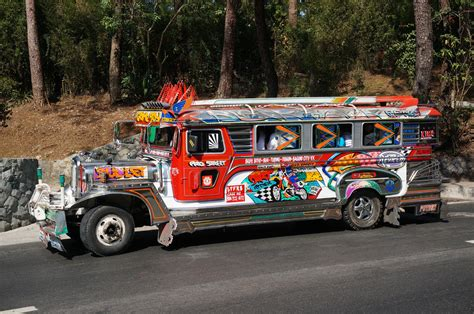
by the culturetrip.com
Jeepneys are among the most recognizable forms of public transportation in the Philippines.
Originally created from surplus military vehicles after World War II, they have evolved into colorful cultural symbols and remain an affordable transportation option for millions of Filipinos.
How Jeepneys Work
Passengers typically:
- Board from the rear.
- Pay the fare directly or pass payment forward.
- Inform the driver when they wish to stop.
- Exit near their destination.
Jeepneys are particularly common in:
- Metro Manila
- Cebu City
- Davao City
- Iloilo City
- Bacolod City
UV Express and Passenger Vans
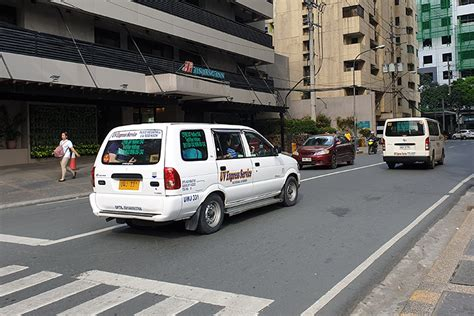
by visor.ph
UV Express vans provide shared transportation between city centers, airports, and provincial destinations.
They are often:
- Faster than buses
- More comfortable for longer trips
- Popular among commuters
- Widely available in metropolitan regions
Many tourist destinations also use vans as primary transportation links.
Tricycles and Pedicabs
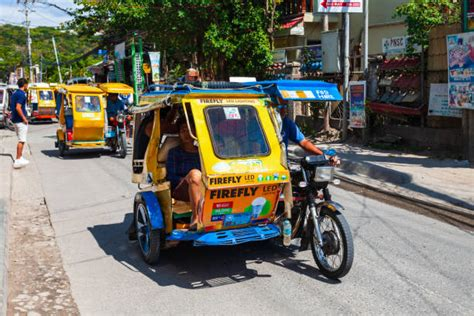
by istockphoto.com
Tricycles
Tricycles consist of a motorcycle attached to a sidecar and are common throughout towns and rural communities.
They are often used for:
- Short urban trips
- Transportation to resorts
- Access to beaches and attractions
- Travel to remote areas
Pedicabs
Pedicabs are human-powered cycle rickshaws commonly found in smaller cities and local neighborhoods.
Taxis in the Philippines
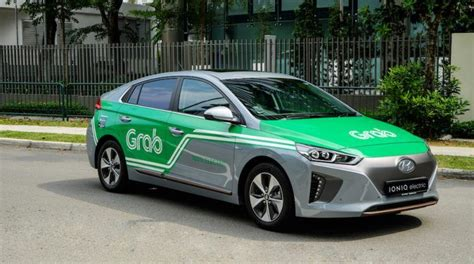
by techinasia.com
Taxis are available in most major urban centers.
Where Taxis Are Common
- Metro Manila
- Cebu City
- Davao City
- Baguio
- Iloilo City
- Cagayan de Oro
Travelers should ensure drivers use the meter whenever available.
Ride-Hailing Services
Ride-hailing has become a preferred transportation option in many Philippine cities.
Popular Services
Grab
The country’s leading ride-hailing platform offers:
- Private car services
- Airport transportation
- Cashless payments
- Real-time tracking
Motorcycle Taxi Services
Available in some urban areas, motorcycle taxi services can reduce travel times during heavy traffic conditions.
Airport Transfers
Airport transportation options vary by location.
Common choices include:
- Taxis
- Grab
- Hotel shuttle services
- Public buses
- Airport vans
Booking transfers in advance is recommended during peak travel seasons.
Major Transportation Hubs in the Philippines
The Philippines’ transportation network revolves around a handful of major hubs that connect domestic flights, ferry routes, highways, and local transportation systems. Understanding these gateways can help travelers plan more efficient routes throughout the country.
Related Guides:
Metro Manila
Metro Manila is the country’s primary transportation hub and home to Ninoy Aquino International Airport (NAIA).
Major connections include:
- Domestic flights throughout Luzon, Visayas, and Mindanao
- International flights
- Provincial bus terminals serving Luzon
- Ferry connections through nearby Batangas Port
Best For: First-time visitors, international arrivals, and Luzon travel.
Cebu
Cebu serves as the primary transportation hub for the Visayas and one of the country’s busiest domestic gateways.
Major connections include:
- Flights throughout the Philippines
- Fast ferries to Bohol, Negros, Leyte, and Mindanao
- Provincial bus routes across Cebu Island
- Direct connections to many resort destinations
Best For: Visayas travel and island hopping.
Clark
Clark International Airport provides an alternative gateway for Luzon and helps reduce congestion around Metro Manila.
Major connections include:
- Domestic flights
- International flights
- Road access throughout Central Luzon
- Bus connections to Northern Luzon
Best For: Central and Northern Luzon travel.
Davao
Davao serves as the largest transportation hub in Mindanao.
Major connections include:
- Domestic flights
- Regional bus routes
- Connections throughout Southern Mindanao
- Access to Samal Island and nearby attractions
Best For: Southern Mindanao travel.
Iloilo
Iloilo is one of Western Visayas’ most important transportation centers.
Major connections include:
- Domestic flights
- Ferries to Guimaras
- Connections to Bacolod and Negros
- Access to Panay Island destinations
Best For: Western Visayas exploration.
Cagayan de Oro
Cagayan de Oro functions as a major gateway to Northern Mindanao.
Major connections include:
- Domestic flights through Laguindingan Airport
- Bus connections throughout Northern Mindanao
- Access to Camiguin and Bukidnon
Best For: Northern Mindanao and adventure travel.
Transportation by Region
Transportation options vary significantly between Luzon, Visayas, and Mindanao. Understanding the primary transportation methods used in each region helps travelers plan more efficiently.
Luzon
Luzon has the country’s most extensive road network and largest concentration of airports.
Most common transportation options:
- Domestic flights
- Long-distance buses
- Rental vehicles
- Vans
- Rail transit in Metro Manila
Major transportation hubs:
- Metro Manila
- Clark
- Baguio
- Batangas
Best For: Road trips and overland travel.
Visayas
Because the Visayas consists of multiple islands, travel often combines flights, ferries, and local transportation.
Most common transportation options:
- Domestic flights
- Fast ferries
- RoRo vessels
- Provincial buses
Major transportation hubs:
- Cebu
- Iloilo
- Bacolod
- Tagbilaran
Best For: Island hopping and regional exploration.
Mindanao
Mindanao combines extensive highway networks with important domestic aviation routes.
Most common transportation options:
- Domestic flights
- Provincial buses
- Vans
- Private vehicles
Major transportation hubs:
- Davao
- Cagayan de Oro
- Zamboanga
- General Santos
Best For: Long-distance provincial travel and adventure tourism.
Best Transportation Option by Travel Type
| Travel Need | Recommended Transportation |
|---|---|
| Fastest Inter-Island Travel | Domestic Flights |
| Budget Island Hopping | Ferries |
| Long Provincial Travel | Buses |
| Comfortable Group Travel | Vans |
| Urban Transportation | Grab or Taxi |
| Short Local Trips | Tricycles |
| Road Trips | Rental Vehicle |
| Airport Transfers | Grab, Taxi, or Shuttle Service |
| Multi-Island Vacations | Flights + Ferries |
| Rural Exploration | Vans and Tricycles |
Transportation Between Major Tourist Destinations
Manila to Boracay
- Fastest: Flight to Caticlan
- Budget Option: Bus and ferry combination
- Most Common: Flight + transfer + ferry
Manila to Palawan
- Fastest: Direct flights to Puerto Princesa, Coron, or El Nido, depending on your destination in Palawan.
- Budget Option: Direct flight to Puerto Princesa
- Most Common: Direct flight to Puerto Princesa followed by onward travel within Palawan
Manila to Cebu
- Fastest: Direct flight
- Budget Option: Ferry or promo flight
- Most Common: Direct flight
Manila to Baguio
- Fastest: Private vehicle
- Budget Option: Provincial bus
- Most Common: Provincial bus
Cebu to Bohol
- Fastest: Fast ferry
- Most Common: Day-trip ferry services
- Budget Option: Standard ferry services
Cebu to Siquijor
- Fastest: Ferry via Dumaguete
- Budget Option: Ferry via Dumaguete
- Most Common: Ferry connections
Cebu to Camiguin
- Fastest: Flight
- Budget Option: Ferry connections
- Most Common: Flight via Cebu
Luzon to Visayas
- Fastest: Domestic flights
- Budget Option: RoRo ferry routes
- Most Common: Domestic flights
Visayas to Mindanao
- Fastest: Flights
- Budget Option: Long-distance ferry connections
- Most Common: Domestic flights
Dumaguete to Siquijor
- Fastest: Fast ferry
- Most Common: Fast ferry
Iloilo to Guimaras
- Fastest: Passenger ferry
- Budget Option: Passenger ferry
- Most Common: Passenger ferry
Transportation Safety Tips
Traveling in the Philippines is generally straightforward, but visitors should follow standard precautions:
- Use licensed transportation providers.
- Keep valuables secure.
- Confirm fares before boarding tricycles.
- Arrive early for ferry departures.
- Monitor weather conditions during sea travel.
- Use reputable booking platforms for tickets.
Best Transportation Option by Travel Type
| Travel Need | Recommended Transportation |
|---|---|
| Fastest Inter-Island Travel | Domestic Flights |
| Budget Island Hopping | Ferries |
| Long Provincial Travel | Buses |
| Comfortable Group Travel | Vans |
| Urban Transportation | Grab |
| Short Local Trips | Tricycles |
| Road Trips | Rental Vehicle |
| Airport Transfers | Grab or Taxi |
Final Thoughts
Transportation in the Philippines is diverse, affordable, and designed to connect one of the world’s largest archipelagos. From domestic flights linking major islands to traditional jeepneys navigating busy city streets, travelers have numerous options for reaching virtually every corner of the country.
Understanding how these transportation systems work allows visitors to travel more efficiently, discover destinations beyond major tourist hubs, and experience Philippine culture in a more authentic way.
Related Transportation Guides
- Transportation & Getting Around in the Philippines
- Philippine Ferry Guide
- Philippine Airports Guide
- Island Hopping in the Philippines
- Philippine Road Trip Guide
- Land Transportation Guide (future)
Vacation Planning Resources
- Vacation Planning Hub
- Philippines Travel Costs Guide
- Philippine Budget Travel Guide
- Philippines Travel Safety Guide
- How to Fly to the Philippines
- Best Time to Visit the Philippines