Discover the Sulu Islands in the southern Philippines. Explore maritime heritage, island culture, historic communities, coastal landscapes, and travel information for one of the country’s most distinctive island destinations.
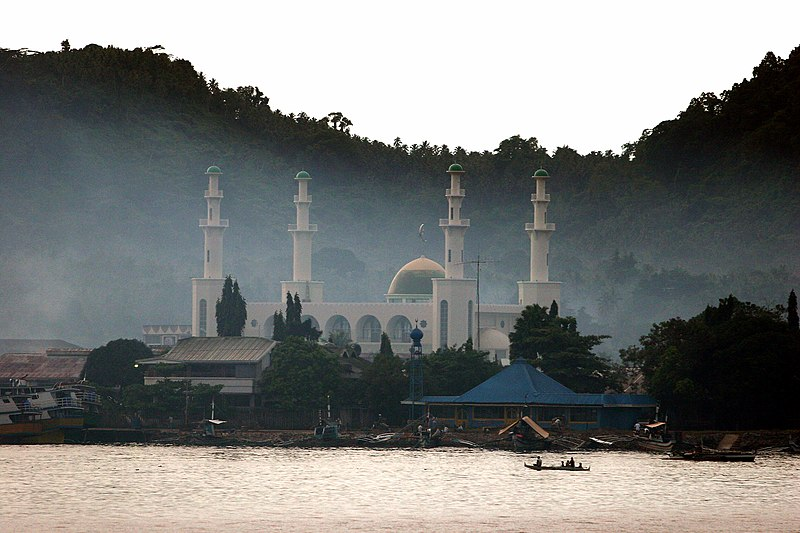
The towering minarets of the magnificent Tulay Mosque in the southern Philippine Island of Jolo in the Sulu Archipelago. (Photo By Al Jacinto)
Sulu Islands Travel Guide
The Sulu Islands occupy the central portion of the Sulu Archipelago, a chain of islands stretching southwest from Mindanao toward Borneo. Known for their maritime history, cultural traditions, island communities, and coastal landscapes, the islands have played an important role in the history and identity of the southern Philippines.
Unlike many of the country’s better-known island destinations, the Sulu Islands are defined less by resort tourism and more by their heritage, traditions, and centuries-old connections to regional trade and seafaring culture. Travelers interested in history, geography, cultural tourism, and island life will find a destination unlike any other in the Philippines.
For those seeking to understand the rich diversity of the country’s island regions, the Sulu Islands represent one of the most fascinating cultural landscapes in Southeast Asia.
Quick Facts About the Sulu Islands
| Fact | Information |
|---|---|
| Location | Southwestern Philippines |
| Region | Bangsamoro Autonomous Region in Muslim Mindanao (BARMM) |
| Island Group | Mindanao |
| Archipelago | Sulu Archipelago |
| Provincial Capital | Jolo |
| Best Known For | Maritime heritage, island culture, history |
| Best For | Cultural tourism, heritage travel, geography enthusiasts |
| Nearest Major Gateway | Zamboanga City |
| Major Center | Jolo |
Where Are the Sulu Islands?
The Sulu Islands lie between Basilan and Tawi-Tawi within the Sulu Archipelago. The islands form part of a chain that extends from the Zamboanga Peninsula toward Borneo, occupying a strategic position along historical maritime routes.
For centuries, the islands served as important centers of trade, cultural exchange, and regional influence throughout the southern Philippines and neighboring parts of Southeast Asia.
Today, they remain an important part of the cultural and historical identity of the Sulu Archipelago.
About the Sulu Archipelago
The Sulu Islands form the central heart of the Sulu Archipelago, one of the Philippines’ most distinctive island regions.
The archipelago consists of three major island groups:
- Basilan
- Sulu
- Tawi-Tawi
Together, these islands share deep cultural, historical, and maritime connections. For centuries, the region was shaped by trade, seafaring traditions, and interactions with neighboring communities across the seas of Southeast Asia.
Understanding the Sulu Islands provides important insight into the broader story of the Sulu Archipelago and the people who call it home.
Why Visit the Sulu Islands?
The Sulu Islands appeal to travelers interested in destinations that offer more than beaches alone.
Visitors are drawn by:
- Maritime heritage
- Historic significance
- Cultural traditions
- Island communities
- Coastal landscapes
- Traditional lifestyles
- Photography opportunities
- Geographic exploration
The destination is best suited to travelers interested in discovery, learning, and gaining a deeper understanding of the southern Philippines.
Top Attractions in the Sulu Islands
Jolo
Jolo serves as the best-known island and community within the province and has historically functioned as a major center of culture, commerce, and regional activity.
The community remains central to understanding the history and identity of the Sulu Islands.
Coastal Landscapes
The islands feature scenic coastlines, fishing communities, and maritime environments that reflect their long relationship with the sea.
Many areas offer opportunities to appreciate the region’s natural beauty and island character.
Traditional Island Communities
Throughout the islands, local communities continue traditions that have been shaped by generations of maritime activity and cultural exchange.
These communities contribute significantly to the distinctive identity of the region.
Historical and Cultural Sites
Various locations throughout the islands help tell the story of the area’s historical importance and cultural heritage.
Travelers interested in local history often consider these sites among the destination’s most rewarding experiences.
Maritime Heritage and History
The Sulu Islands have long been associated with seafaring traditions and regional trade networks.
For centuries, the islands connected people and communities across the southern Philippines and neighboring regions. Their location along important maritime routes contributed to the development of a rich cultural landscape influenced by trade, migration, and cultural exchange.
This maritime heritage remains one of the defining characteristics of the islands today.
Culture and Traditions
Culture is one of the strongest reasons to learn about and explore the Sulu Islands.
Visitors will encounter:
- Traditional customs
- Community traditions
- Maritime lifestyles
- Regional food culture
- Local crafts
- Island heritage
The islands continue to preserve cultural practices that reflect generations of history and community life.
Island Landscapes and Natural Attractions
The Sulu Islands offer a variety of coastal and island environments.
Coastal Scenery
Much of the archipelago’s beauty comes from its coastlines, surrounding seas, and island vistas.
Marine Environments
The region’s location within the Sulu Sea contributes to diverse marine ecosystems and scenic waters.
Island Views
Many areas provide excellent opportunities for photography and sightseeing.
The combination of sea, coastline, and island communities creates distinctive landscapes unlike many other Philippine destinations.
Things to Do in the Sulu Islands
Learn About Local History
The islands offer significant opportunities for travelers interested in Philippine history and regional heritage.
Explore Island Communities
Visitors can gain insight into local culture and traditional island lifestyles.
Discover Maritime Heritage
The islands’ relationship with the sea remains central to daily life and cultural identity.
Experience Cultural Tourism
Learning about customs, traditions, food, and community life can provide a deeper understanding of the region.
Photograph Coastal Landscapes
The islands offer numerous opportunities for landscape, coastal, and travel photography.
Who Should Visit the Sulu Islands?
Best For
- Cultural travelers
- Heritage enthusiasts
- Geography enthusiasts
- History lovers
- Photographers
- Destination-discovery travelers
Less Suitable For
- Luxury resort vacations
- Beach-party tourism
- Nightlife-focused trips
- Resort-centered itineraries
How to Get There
The primary gateway to the Sulu Islands is typically through Zamboanga City, with onward transport to destinations within the province.
Transportation schedules and local travel arrangements should always be confirmed before departure.
Getting Around
Transportation options may include:
- Tricycles
- Motorcycles
- Local vehicles
- Ferry services
- Community transport
Availability varies between islands and communities.
Best Time to Visit
Travel planning is generally easiest during periods of favorable weather and calmer sea conditions.
Visitors should consider transportation schedules and seasonal conditions when organizing their itinerary.
Travel Considerations
Travel conditions, transportation availability, and local circumstances can vary throughout the Sulu Islands and the wider Sulu Archipelago. Visitors should review current travel information, transportation schedules, and local guidance when planning a trip.
As with many remote island destinations, weather, ferry schedules, infrastructure, and local conditions may affect travel plans. Allowing flexibility and planning ahead can help create a smoother travel experience.
Respect for local customs, traditions, and community practices contributes to a more rewarding visit.
Where to Stay
Accommodation options are generally concentrated around population centers and transportation gateways.
Visitors may find:
- Hotels
- Guesthouses
- Inns
- Local accommodations
Facilities are generally more limited than those found in the country’s major tourism destinations.
Related Guides
Explore More Mindanao Island Destinations
- Siargao Island Guide
- Camiguin Island Guide
- Samal Island Guide
- Dinagat Islands Guide
- Basilan Island Guide
- Tawi-Tawi Islands Guide
Continue Exploring
- Mindanao Island Destinations Beyond the Mainland
- Mindanao Travel Guide
- Island Destinations
- Island Travel Guides
Why Visit the Sulu Islands?
The Sulu Islands offer an opportunity to discover one of the Philippines’ most historically and culturally significant island regions. Situated at the heart of the Sulu Archipelago, the islands combine maritime heritage, traditional communities, coastal landscapes, and centuries of history into a destination focused on cultural discovery and exploration. For travelers interested in the diverse identities that make up the Philippine archipelago, the Sulu Islands provide a unique and fascinating perspective on island life in the southern Philippines.