by wallpapers.com
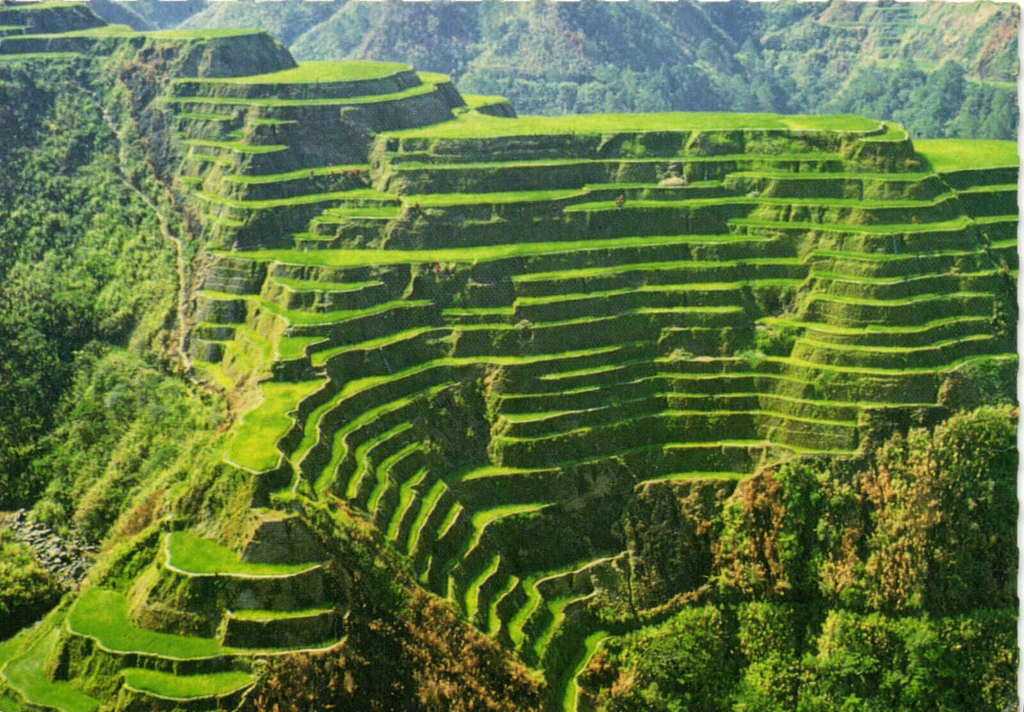
Explore the cultural landscapes of the Philippines, from the Rice Terraces of the Cordilleras to heritage towns, farming regions, and indigenous cultural environments shaped by centuries of human interaction with nature.
Cultural Landscapes of the Philippines
The cultural landscapes of the Philippines reveal the long relationship between people and the environment. Across the archipelago, generations of Filipinos have shaped mountains, valleys, rivers, coastlines, forests, and agricultural lands to support communities while preserving cultural traditions and local identities.
These landscapes reflect centuries of indigenous knowledge, farming practices, religious beliefs, trade networks, and community life. From the world-famous Rice Terraces of the Cordilleras to the historic sugar estates of Negros and the lake settlements of Mindanao, cultural landscapes tell the story of how Filipinos adapted to and transformed their surroundings.
For travelers interested in history, culture, architecture, agriculture, and heritage, these destinations provide some of the most meaningful experiences in the Philippines.
Quick Facts About Cultural Landscapes in the Philippines
| Feature | Details |
|---|---|
| Best For | Cultural tourism, heritage travel, photography |
| Most Famous | Rice Terraces of the Philippine Cordilleras |
| UNESCO Cultural Landscape | Rice Terraces of the Philippine Cordilleras |
| Found In | Luzon, Visayas, and Mindanao |
| Cultural Influences | Indigenous, Spanish, Islamic, and local traditions |
| Main Attractions | Terraces, heritage towns, traditional communities |
| Best Time to Visit | November to May |
What Is a Cultural Landscape?
A cultural landscape is an area where people and nature have interacted over generations to create a distinct environment reflecting cultural traditions, livelihoods, and ways of life.
These landscapes may include:
- Traditional farming systems
- Historic settlements
- Sacred mountains and forests
- Heritage towns
- Agricultural regions
- Fishing communities
- Indigenous cultural territories
- Religious and pilgrimage sites
Unlike individual landmarks, cultural landscapes are living environments where heritage, community, and nature exist together.
UNESCO Cultural Landscape of the Philippines
Rice Terraces of the Philippine Cordilleras
by tripadvisor.com
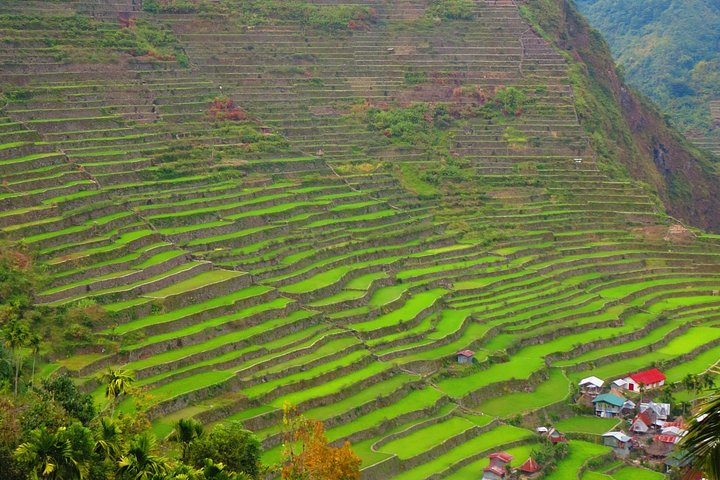
The Rice Terraces of Ifugao represent the Philippines’ most internationally recognized cultural landscape. Built and maintained by generations of Ifugao communities, the terraces demonstrate remarkable engineering, agricultural knowledge, and cultural continuity.
Highlights
- Banaue Rice Terraces
- Batad Rice Terraces
- Bangaan Rice Terraces
- Mayoyao Rice Terraces
- Traditional Ifugao culture
Why It Matters
The terraces are not simply agricultural structures. They form part of a living cultural system involving traditional farming practices, water management, community cooperation, and spiritual traditions.
Best For: Heritage tourism and cultural learning.
Major Cultural Landscapes of Luzon
Banaue and Ifugao Highlands

by trip.com
Beyond the UNESCO-listed terraces, the broader Ifugao region represents a living mountain landscape where traditional agricultural and cultural practices remain visible.
Highlights
- Terraced mountains
- Traditional villages
- Indigenous customs
- Historic footpaths
Best For: Mountain cultural experiences.
Sagada Cultural Landscape

by vintag.com.es
Sagada combines natural beauty with centuries-old highland traditions.
Highlights
- Hanging coffins
- Limestone valleys
- Indigenous burial sites
- Traditional mountain communities
Best For: Indigenous heritage exploration.
Batanes Cultural Landscape
by iamdenise17.tumblr.com
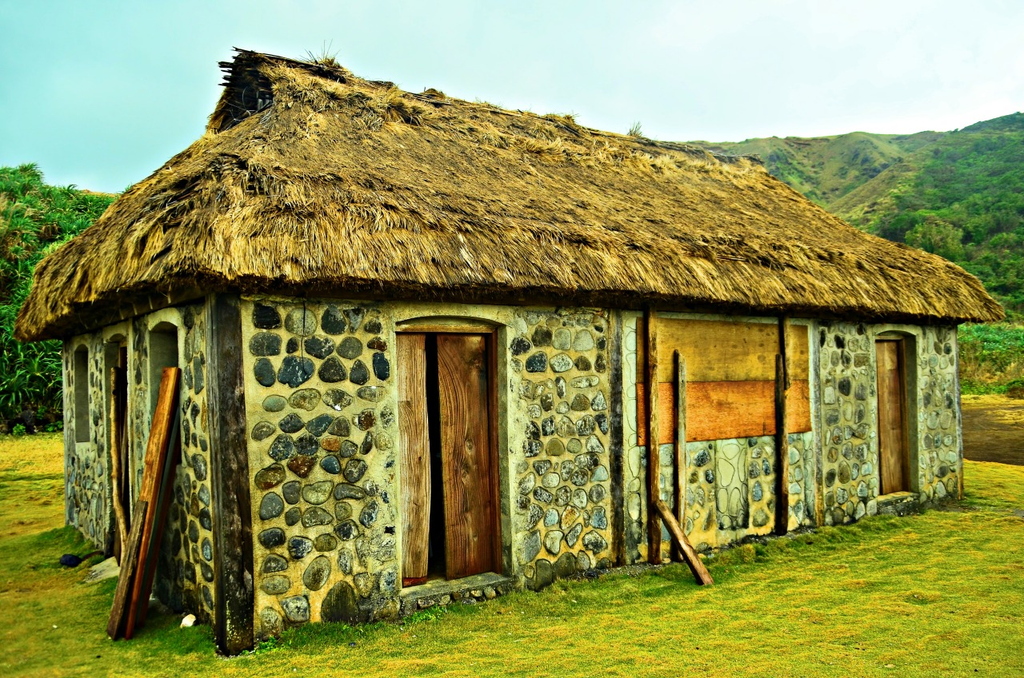
The islands of Batanes preserve one of the country’s most distinctive cultural environments.
Highlights
- Ivatan stone houses
- Rolling pasturelands
- Traditional architecture
- Coastal farming systems
Best For: Architecture and cultural preservation.
Taal Heritage Landscape
by graphicwanderlust.com
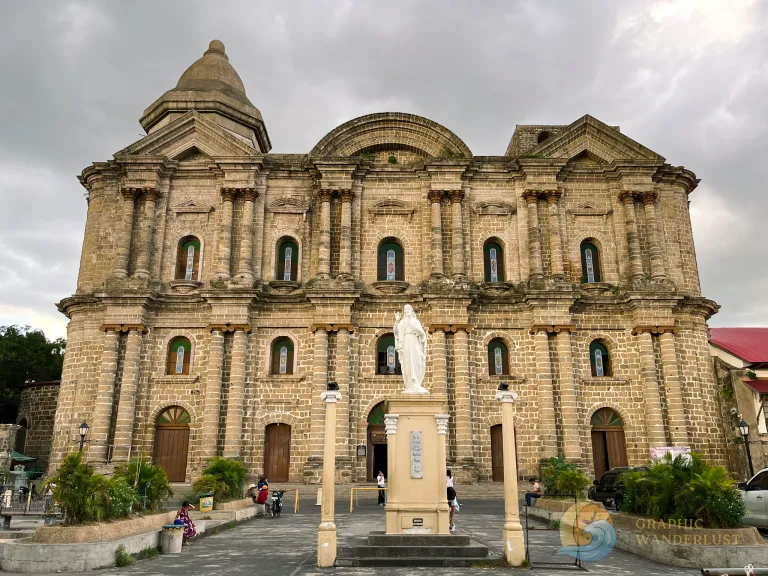
The historic town of Taal and its surrounding environment create a landscape shaped by colonial architecture, religious heritage, and centuries of settlement.
Highlights
- Large ancestral homes
- Taal Basilica
- Traditional town planning
- Heritage streets
Best For: Historic town exploration.
Vigan Cultural Landscape
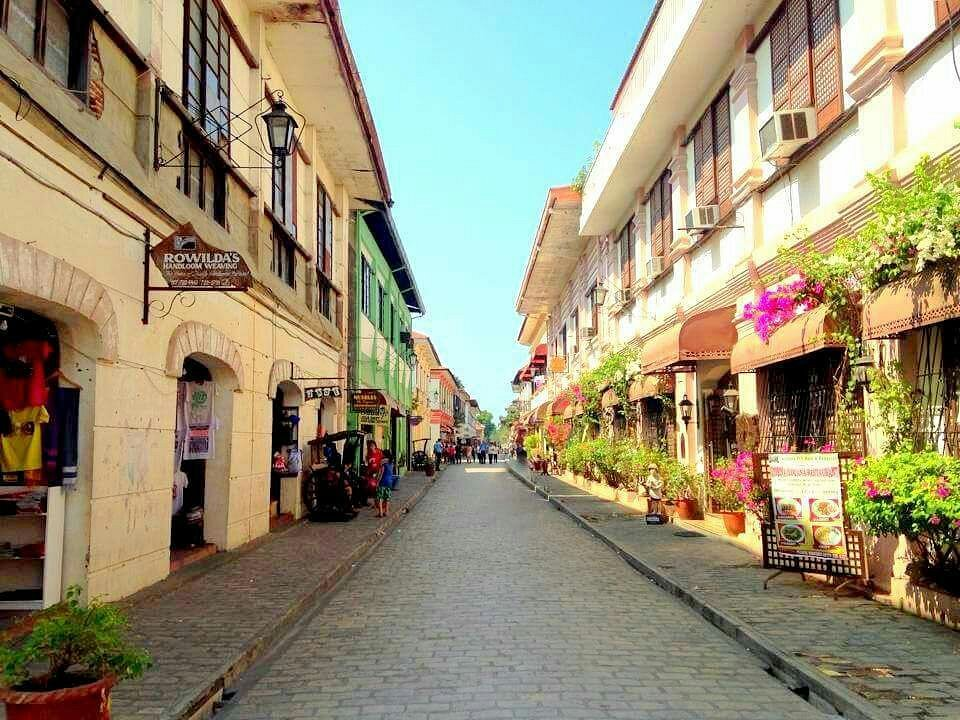
by tripadvisor.com
Vigan remains one of the finest examples of Spanish colonial urban planning in Asia.
Highlights
- Calle Crisologo
- Ancestral houses
- Historic plazas
- Colonial architecture
Best For: Urban heritage tourism.
Agricultural Cultural Landscapes
Cagayan Valley Agricultural Landscape
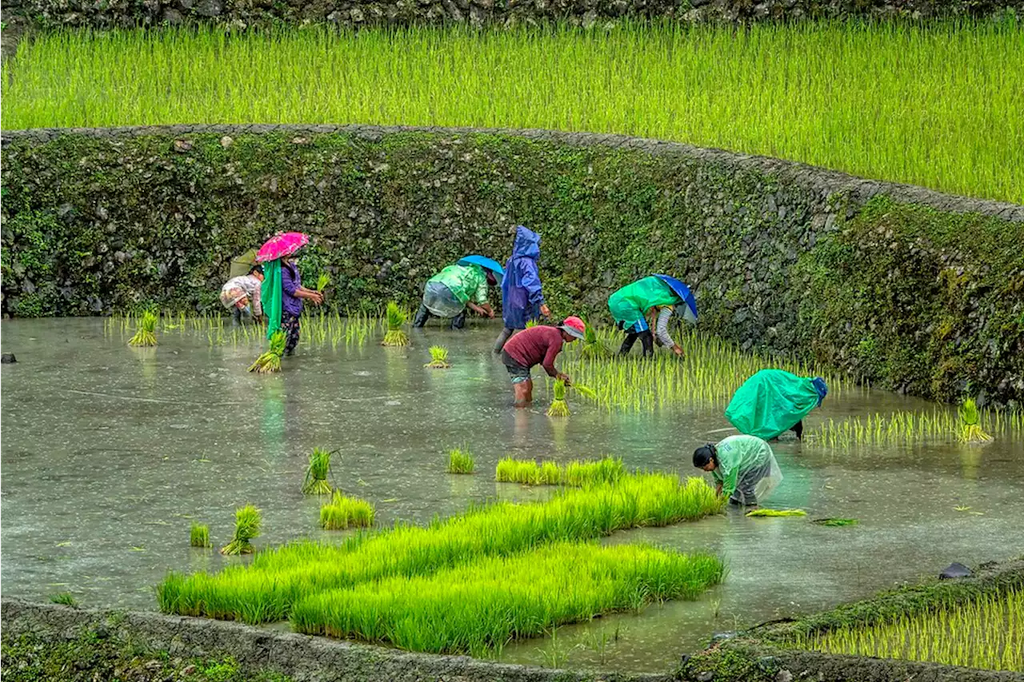
by ph.headtopics.com
The fertile plains of northern Luzon have supported farming communities for generations.
Highlights
- Rice cultivation
- River systems
- Traditional agricultural communities
Central Luzon Rice Plains

by dreamtime
Known as the Rice Granary of the Philippines, Central Luzon reflects centuries of agricultural development.
Highlights
- Extensive rice fields
- Irrigation networks
- Farming communities
Bicol Coconut Landscape
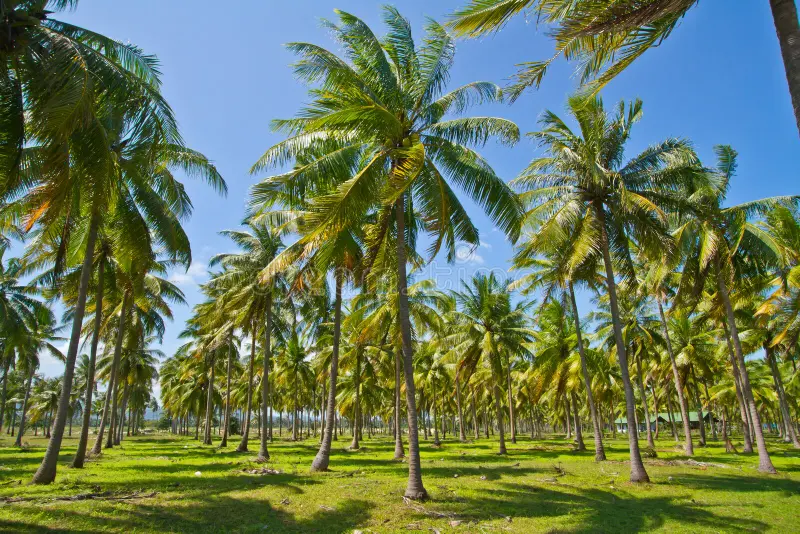
by dreamtime.com
The Bicol Region has long been associated with coconut farming and volcanic landscapes.
Highlights
- Coconut plantations
- Mayon Volcano backdrop
- Rural communities
Cultural Landscapes of the Visayas
Silay and the Sugar Heritage Landscape

by chinimandi.com
The prosperity generated by the sugar industry shaped much of Negros Occidental’s cultural identity.
Highlights
- Heritage mansions
- Sugar plantations
- Historic haciendas
- Industrial heritage
Best For: Economic and social history.
Iloilo Heritage Landscape
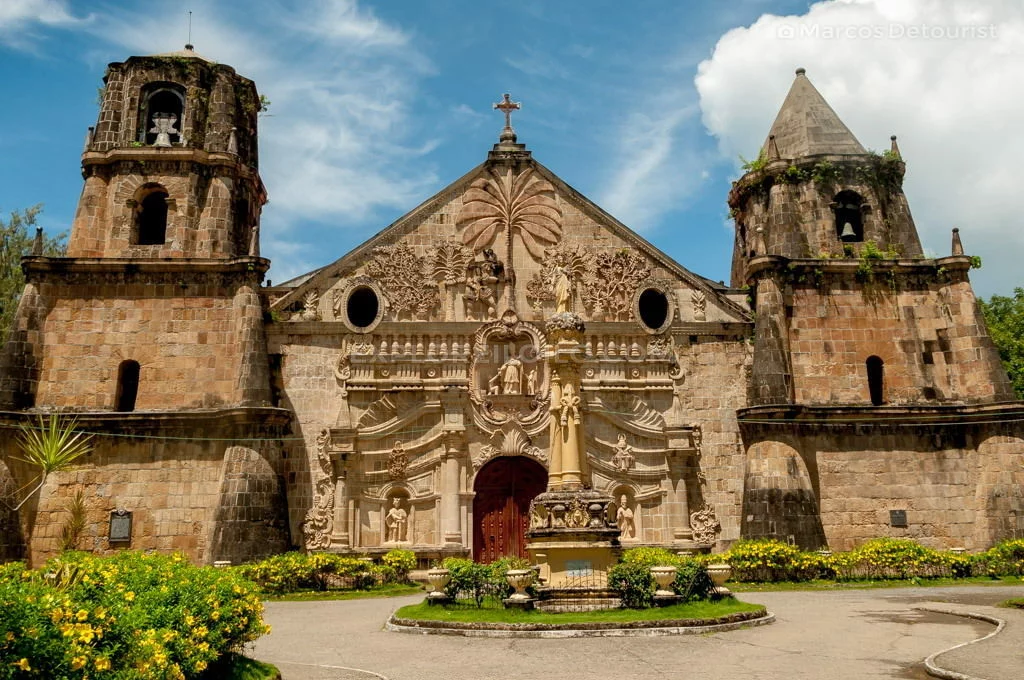
by windowseat.ph
Iloilo’s wealth during the colonial era created a rich cultural environment blending religious, architectural, and agricultural heritage.
Highlights
- Heritage churches
- Ancestral houses
- Historic districts
- Agricultural countryside
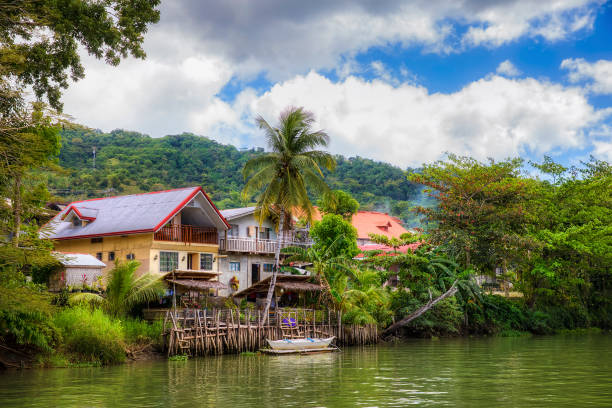
Bohol Cultural Landscape
by istockphoto.com
Bohol combines centuries-old churches, river communities, and agricultural traditions.
Highlights
- Baclayon Church
- Loboc River settlements
- Historic villages
- Rural landscapes
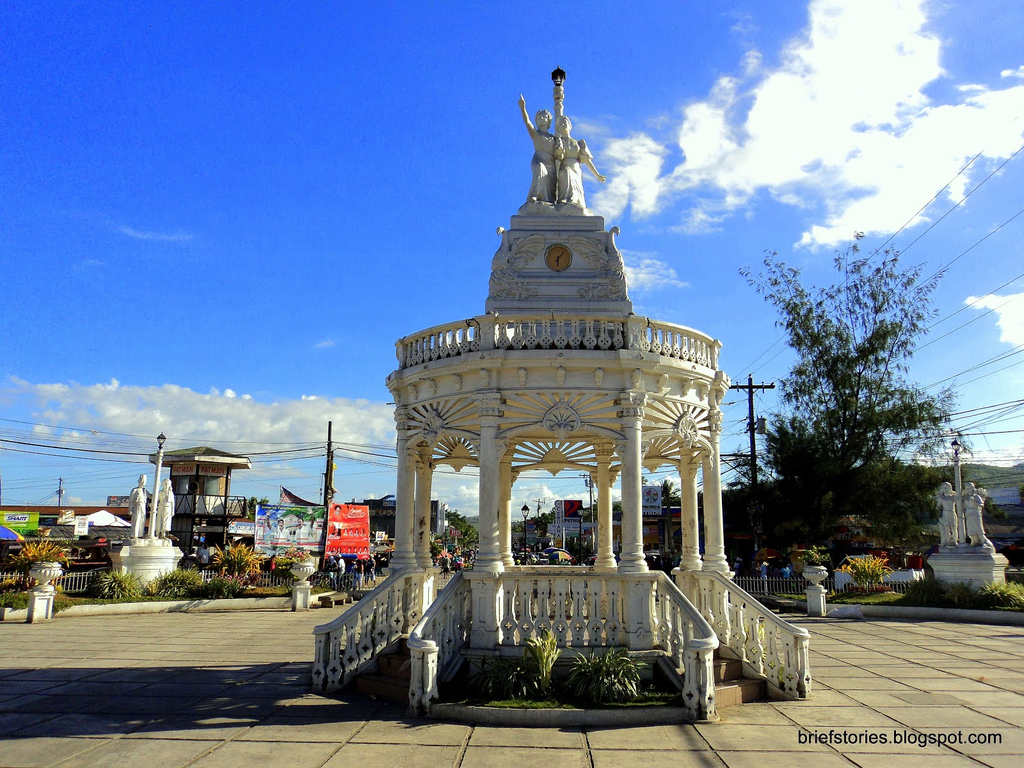
Carcar Heritage Landscape
by blog.joemill.com
Carcar showcases the relationship between architecture, trade, religion, and local culinary traditions.
Highlights
- Heritage district
- Colonial-era buildings
- Traditional markets
Cultural Landscapes of Mindanao
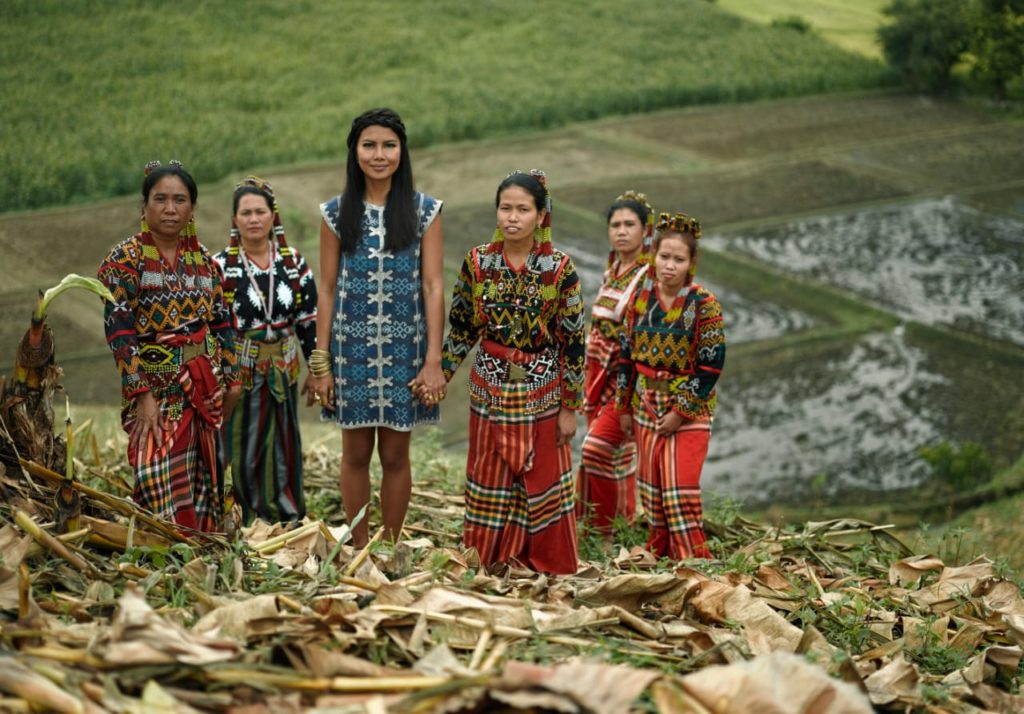
Lake Sebu Cultural Landscape
by taeclaos.org
Lake Sebu remains one of the most important indigenous cultural destinations in the Philippines.
Highlights
- T’boli communities
- Traditional weaving
- Lake settlements
- Cultural traditions
Best For: Indigenous cultural experiences.
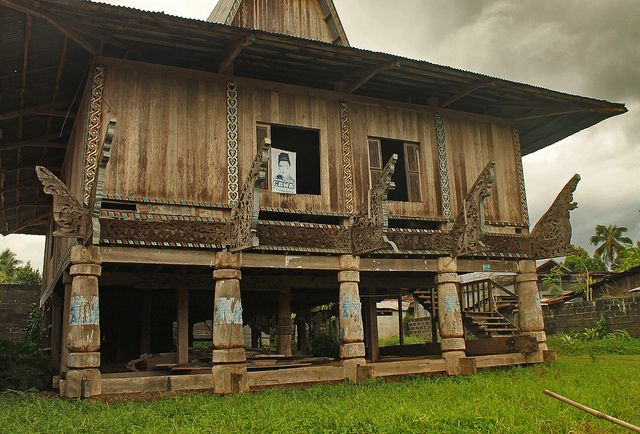
Lanao Cultural Landscape
by in.pinterest.com
The lands surrounding Lake Lanao form the cultural heartland of the Maranao people.
Highlights
- Maranao traditions
- Torogan architecture
- Kulintang music
- Cultural craftsmanship
Best For: Islamic heritage and indigenous culture.
Sulu Cultural Landscape
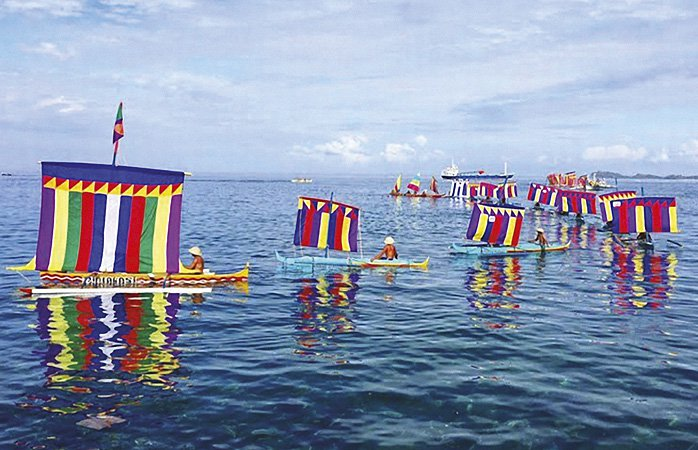
by hoytaratravel.blogspot.com
The historic communities of the Sulu Archipelago preserve important traditions linked to maritime trade and Islamic history.
Highlights
- Traditional coastal settlements
- Maritime heritage
- Cultural traditions
Best For: Historical and cultural learning.
Sacred and Religious Cultural Landscapes
Mount Banahaw

by mountains.com.ph
Long considered a sacred mountain, Mount Banahaw serves as an important pilgrimage destination.
Highlights
- Religious sites
- Pilgrimage routes
- Sacred springs
- Spiritual traditions
Mount Apo Cultural Environment
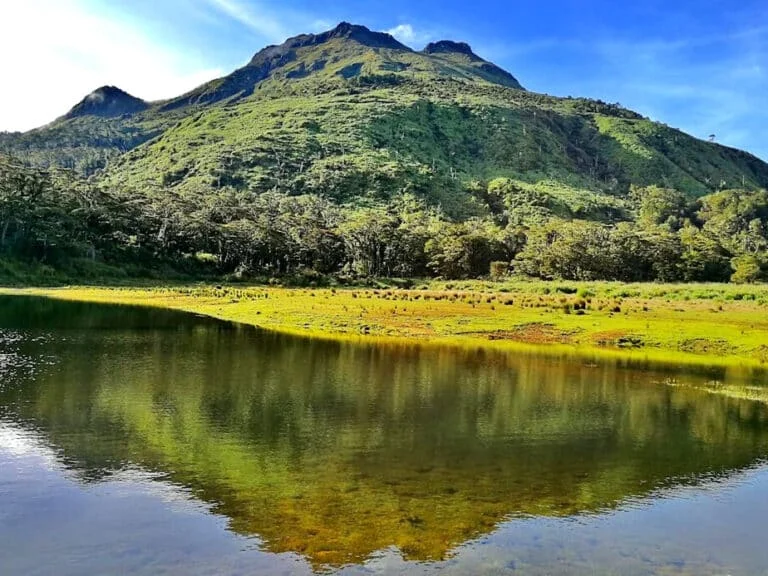
by manakaayugbukid.com
Many indigenous communities regard Mount Apo as an important ancestral and sacred landscape.
Highlights
- Indigenous traditions
- Sacred cultural significance
- Mountain ecosystems
Simala and Cebu Pilgrimage Routes
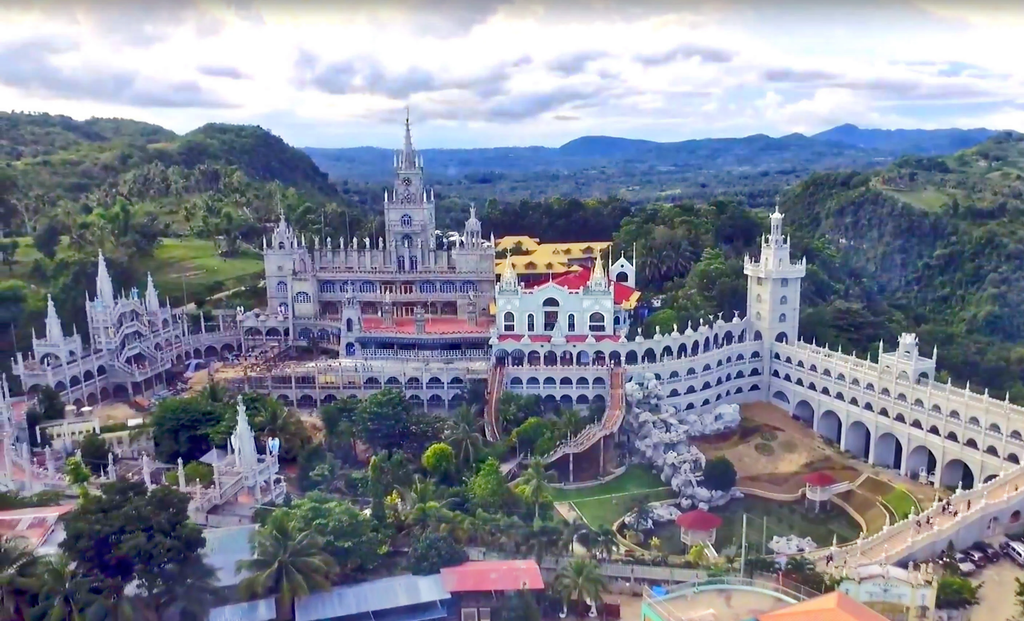
by projectlupad.com
Religious landscapes across Cebu continue to attract pilgrims and visitors.
Highlights
- Shrines
- Pilgrimage traditions
- Community religious practices
Coastal Cultural Landscapes
Traditional Fishing Communities
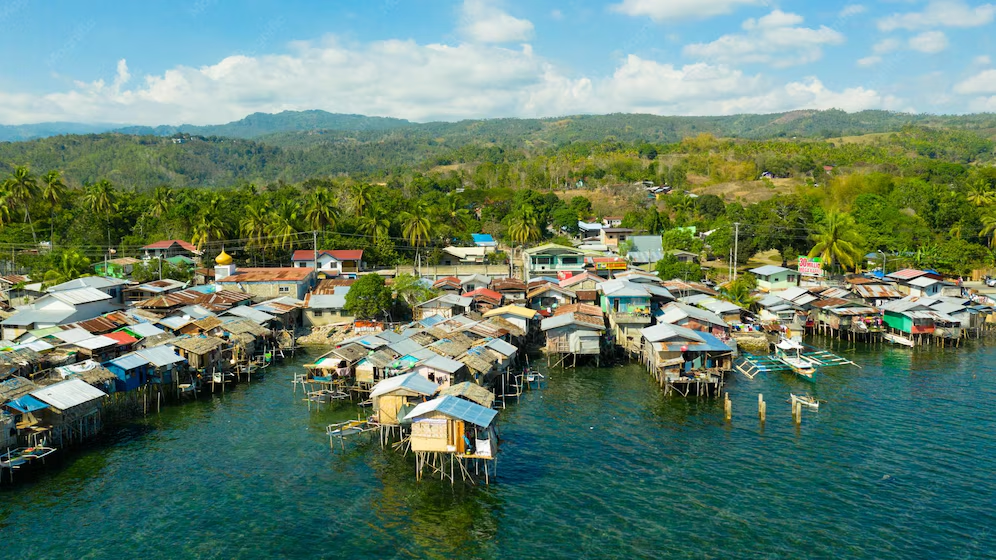
by freepik.com
Many Philippine coastal areas preserve fishing traditions that have endured for generations.
Examples include:
- Batanes fishing villages
- Palawan coastal communities
- Visayan island settlements
- Southern Mindanao fishing communities
These areas illustrate how communities adapted to marine environments while building distinct local cultures.
Best Cultural Landscapes for Travelers
| Interest | Destination |
|---|---|
| UNESCO Heritage | Ifugao Rice Terraces |
| Indigenous Culture | Lake Sebu |
| Historic Towns | Vigan |
| Colonial Heritage | Taal |
| Architecture | Batanes |
| Religious Heritage | Mount Banahaw |
| Agricultural Heritage | Central Luzon |
| Sugar-Era History | Silay |
Responsible Cultural Tourism
When visiting cultural landscapes:
- Respect local customs and traditions.
- Support community-based tourism.
- Hire local guides when available.
- Stay on designated trails and pathways.
- Purchase local products directly from artisans.
- Avoid disturbing sacred and ceremonial sites.
Responsible tourism helps preserve both cultural heritage and local livelihoods.
Related Guides
- Philippine Cultural Travel Guide
- Indigenous Cultures of the Philippines
- Heritage Towns of the Philippines
- Historic Churches of the Philippines
- UNESCO World Heritage Sites in the Philippines
- Traditional Filipino Arts and Crafts
- Ethnic Groups of the Philippines
- Cultural Festivals of the Philippines
Conclusion
The cultural landscapes of the Philippines demonstrate how generations of communities have shaped their environments through agriculture, settlement, faith, craftsmanship, and tradition. From the world-famous Rice Terraces of Ifugao and the stone villages of Batanes to the indigenous cultural heartlands of Lake Sebu and Lake Lanao, these landscapes provide a deeper understanding of the people, history, and heritage of the Philippines. They remain among the country’s most valuable and inspiring cultural treasures.