Explore the most iconic regional food specialties of the Philippines from Regions I–XV. Discover Luzon, Visayas, and Mindanao’s traditional dishes, cultural flavors, and local delicacies. Includes regional breakdowns, food origins, and related travel and food guides.
Regional Philippine Food Specialties (Regions I–XV)
The Philippines’ culinary identity is deeply regional, shaped by geography, indigenous traditions, colonial influences, and local ingredients. From the bold flavors of Northern Luzon to the coconut‑rich dishes of Bicol and the spice‑forward cuisine of Mindanao, each region offers distinct specialties that reflect its history and culture. This comprehensive guide organizes regional dishes by administrative region, helping readers explore food traditions alongside your regional travel guides, province pages, and statistics pages.
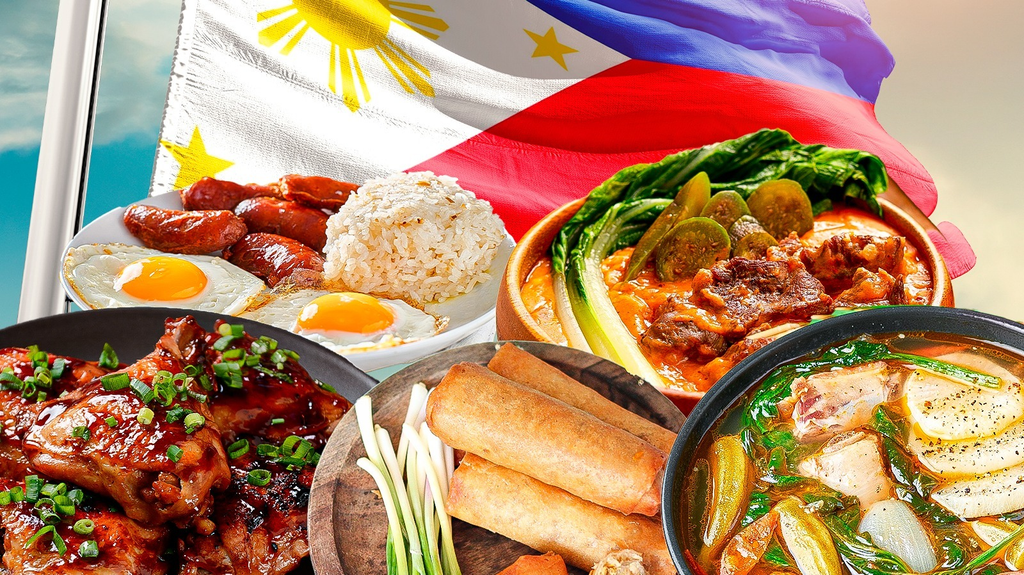
by tastingtables.com
Luzon Island Group Regional Specialties
Region I – Ilocos Region
Ilocano cuisine is known for its simplicity, earthiness, and vegetable‑forward dishes.
- Pinakbet — A vegetable stew flavored with bagoong, showcasing local produce.
- Bagnet — Crispy deep‑fried pork belly, often paired with KBL (kamatis, bagoong, lasona).
- Dinengdeng — A lighter vegetable dish with grilled fish.
- Empanada — Orange‑crusted empanada filled with longganisa and papaya.
Region II – Cagayan Valley
A region rich in corn, rice, and freshwater fish.
- Pancit Batil Patung — Tuguegarao’s signature noodle dish topped with egg and carabao beef.
- Inatata & Binallay — Sticky rice delicacies wrapped in banana leaves.
- Chicharabao — Carabao‑skin cracklings.
Region III – Central Luzon
Known as the “Rice Granary of the Philippines,” Central Luzon offers hearty and iconic dishes.
- Sisig — Pampanga’s world‑famous sizzling chopped pork dish.
- Bringhe — Kapampangan rice dish similar to paella.
- Tibuk‑tibuk — Carabao‑milk pudding.
Region IV‑A – CALABARZON
A region known for coconut‑based dishes and heritage recipes.
- Pansit Habhab — Eaten straight from a banana leaf using no utensils.
- Sinigang na Baka sa Bayabas — Guava‑based sour soup.
- Buko Pie — Laguna’s iconic coconut pie.
Region IV‑B – MIMAROPA
Island flavors dominate this region.
- Tamilok — Woodworm delicacy from mangrove trees.
- Kamaru — Fried mole crickets.
- Sarsa sa Ulang — Freshwater prawn cooked in coconut milk.
Region V – Bicol Region
Bicolano cuisine is famous for its use of coconut milk and chilies.
- Laing — Taro leaves simmered in coconut milk and chilies.
- Bicol Express — Spicy pork stew with coconut milk.
- Pinangat — Layered taro leaves stuffed with meat or fish.
Region XIV – Cordillera Administrative Region (CAR)
Highland cuisine rooted in indigenous traditions.
- Pinikpikan — Ritual chicken dish with smoky broth.
- Etag — Salted, smoked pork used in many Cordilleran dishes.
- Kiniing — Smoked meat similar to etag but less salty.
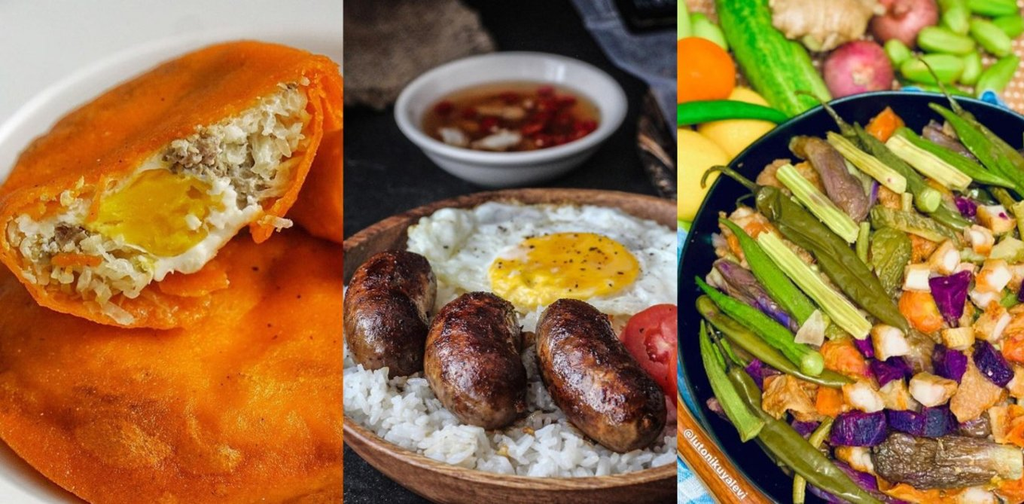
by klook.com
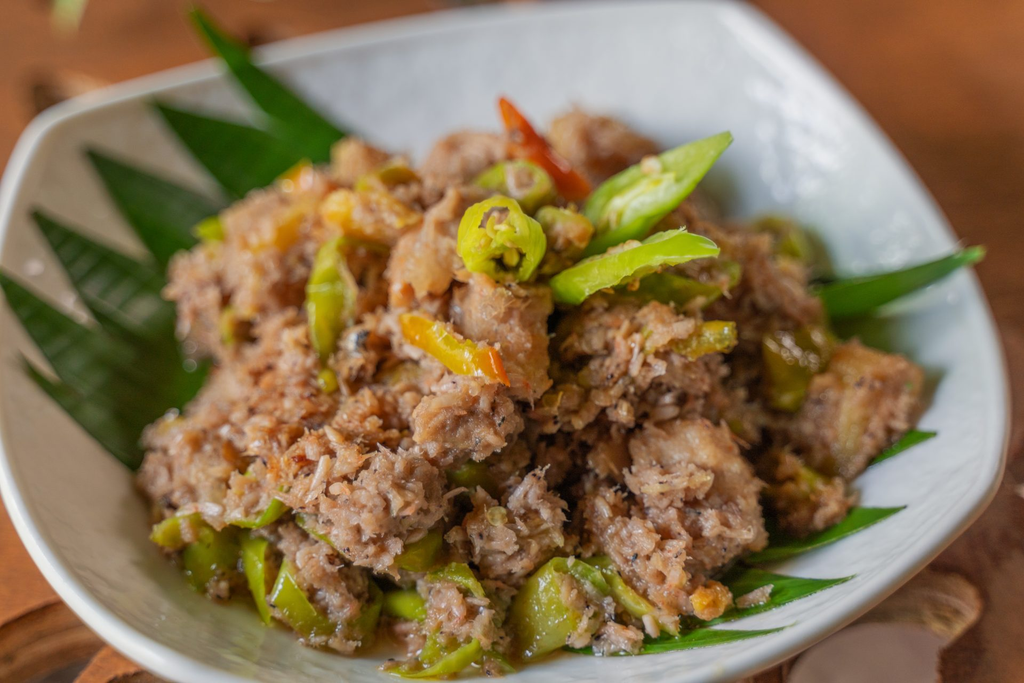
Bicol Food by storage.googleapis.com
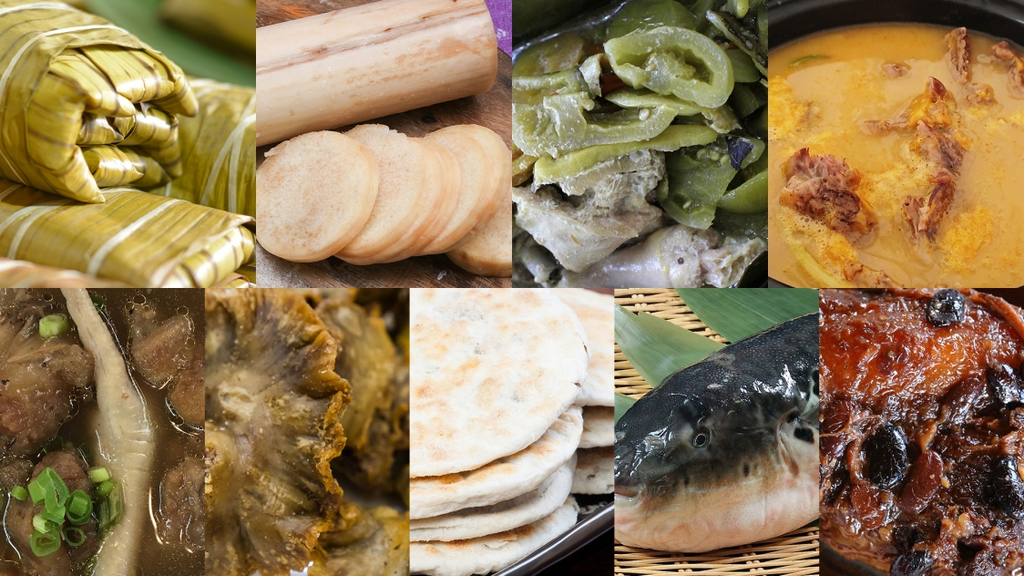
From Central Luzon by netdot.de
Visayas Island Group Regional Specialties
Region VI – Western Visayas
A region known for sour broths, seafood, and iconic noodle dishes.
- La Paz Batchoy — Rich noodle soup with pork offal and chicharon.
- KBL — Kadyos, baboy, and langka stew.
- Piaya — Muscovado‑filled flatbread.
Region VII – Central Visayas
Home to Cebu’s globally recognized dishes.
- Lechon Cebu — Crispy roasted pork with herbs.
- Tuslob Buwa — Savory pork‑brain dip eaten with puso rice.
- Budbud Kabog — Millet‑based suman.
Region VIII – Eastern Visayas
A region with coconut‑rich dishes and unique desserts.
- Binagol — Taro‑based sweet treat cooked in coconut shells.
- Moron — Chocolate‑flavored suman.
- Lawot‑lawot — Vegetable dish with coconut milk.
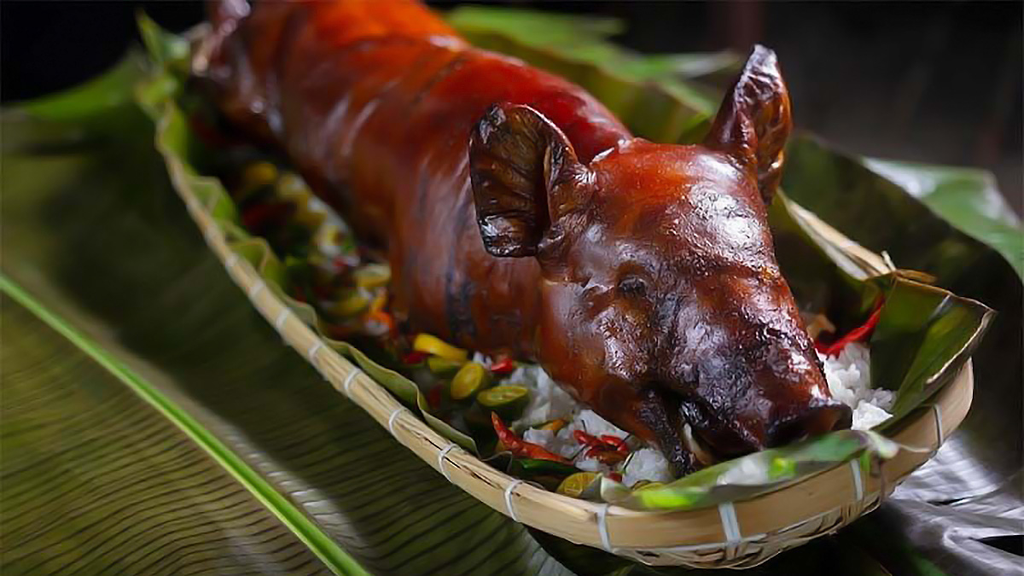
Lechon by storage.googleapis.com
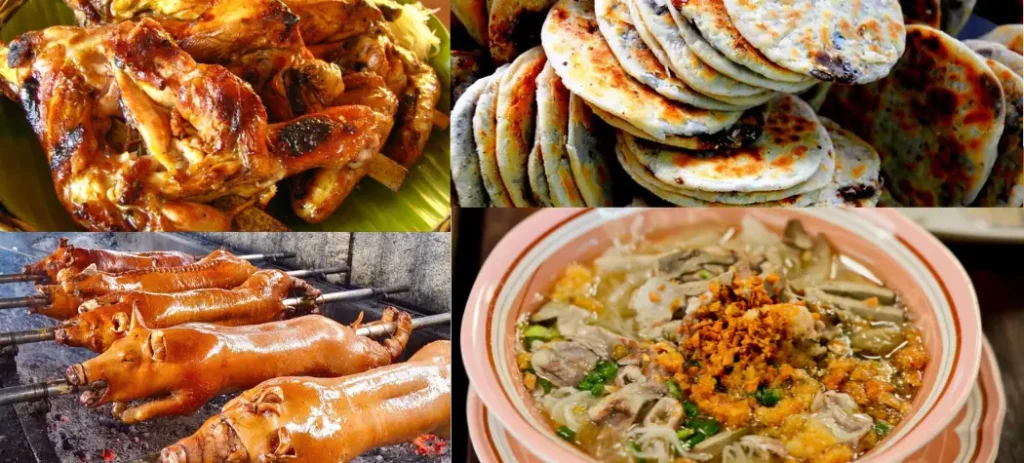
From Visayas by pinoyjuander.org
H2: Mindanao Island Group Regional Specialties (Regions IX–XV)
H3: Region IX – Zamboanga Peninsula
A region influenced by Spanish, Tausug, and Chavacano traditions.
- Satti — Spicy breakfast dish with grilled meat and thick sauce.
- Knickerbocker — Fruit‑and‑gelatin dessert similar to halo‑halo.
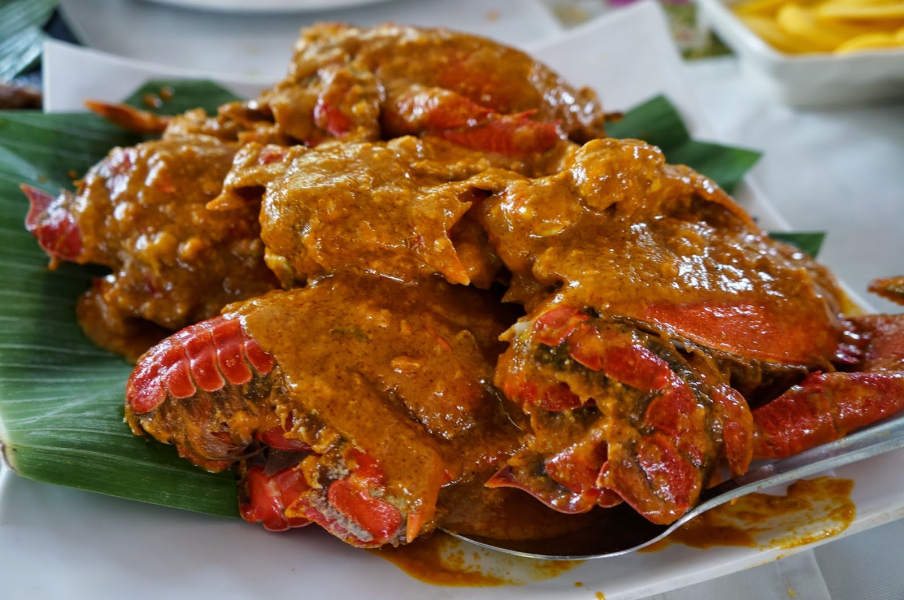
- Curacha Alavar — Deep‑sea crab cooked in Alavar sauce.
H3: Region X – Northern Mindanao
Known for beef dishes and fresh produce.
- Sinuglaw — Grilled pork mixed with kinilaw.
- Pastel de Camiguin — Soft buns filled with yema.
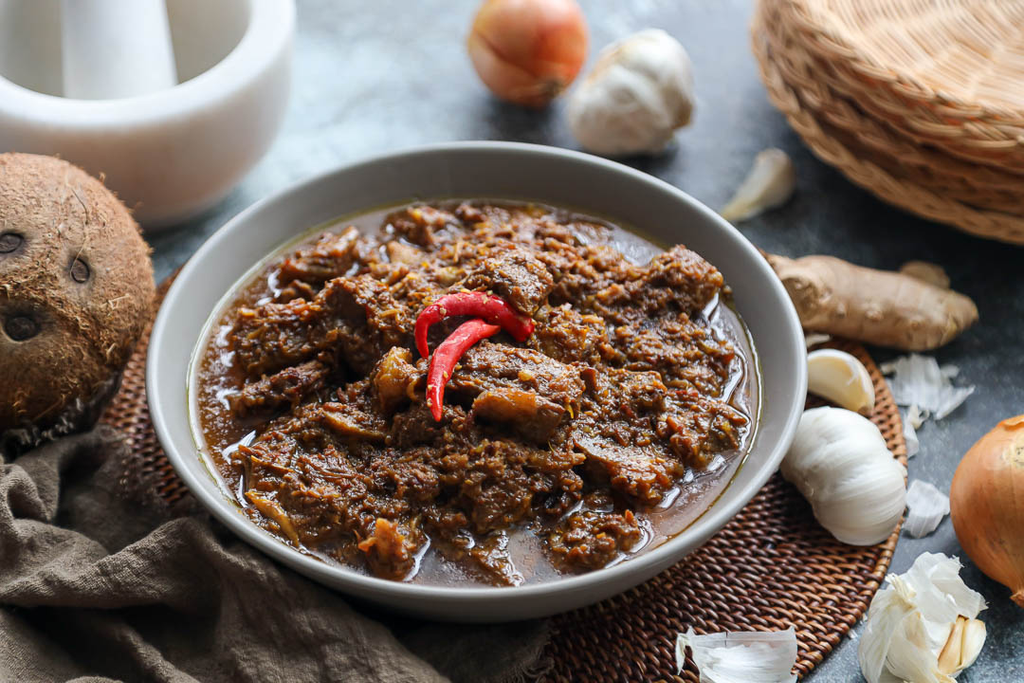
- Beef Randang — Mindanaoan version of rendang.
H3: Region XI – Davao Region
A region rich in fruits, seafood, and indigenous dishes.
- Kinilaw na Tuna — Fresh tuna ceviche.
- Durian Desserts — Candies, ice cream, and pastries.
- Chicken Piaparan — Coconut‑and‑turmeric chicken stew.
H3: Region XII – SOCCSKSARGEN
Home to tuna capital General Santos.
- Tuna Kinilaw — Fresh tuna with vinegar and spices.
- Pastil — Rice topped with shredded chicken or beef.
- Tinagtag — Crispy rice snack.
H3: Region XIII – Caraga
A region with coconut‑heavy dishes and indigenous flavors.
- Sayongsong — Rice cake steamed in cone‑shaped leaves.
- Nilamburan — Chicken cooked in coconut milk.
- Pala‑pala — Fresh seafood dishes.
H3: Region XV – BARMM (Bangsamoro Autonomous Region in Muslim Mindanao)
BARMM cuisine is deeply rooted in Tausug, Maranao, and Maguindanaon traditions.
- Tiyula Itum — Black beef soup colored with burnt coconut.
- Pyanggang — Chicken cooked in blackened coconut paste.
- Satti Tausug — Spicy grilled meat with thick sauce.
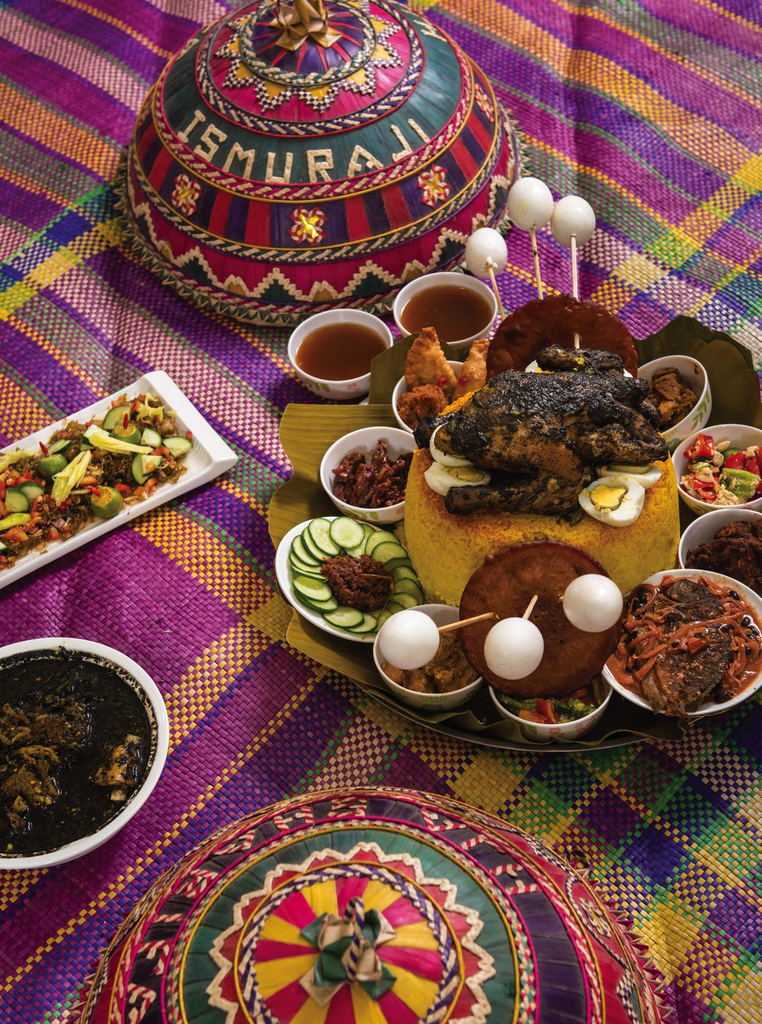
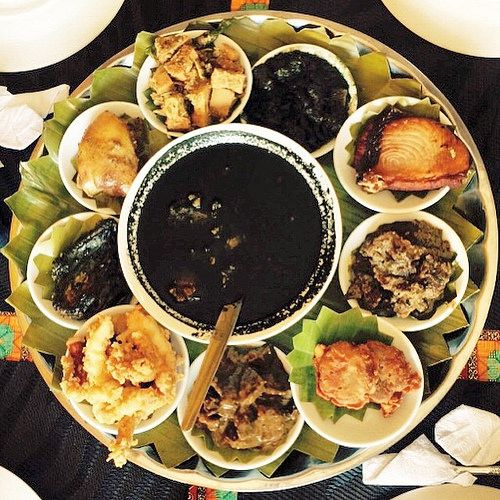
by tatlerasia.com by pinterest.com
by camella.com.ph by angsarap.net
Related Guides for Deeper Exploration
- Luzon Regional Travel Guide
- Visayas Regional Travel Guide
- Mindanao Regional Travel Guide
- National Capital Region (NCR) Travel Guide
- Province Information Pages
- Philippine Food Hub Main Page
- Luzon Island Group Administrative Guide
- Visayas Island Group Administrative Guide
- Mindanao Island Group Administrative Guide
- National Capital Region (NCR) Administrative Guide
- Statistics & Demographics Pages
Conclusion – Explore More Regional Food Traditions
Regional food specialties are more than dishes—they are living expressions of culture, geography, and identity. Whether you’re exploring Luzon’s vegetable‑rich stews, Visayas’ noodle and seafood traditions, or Mindanao’s spice‑forward heritage cuisine, each region offers flavors that tell a story. Continue your culinary journey through the Philippines by exploring regional food guides, discovering local delicacies, and connecting each dish to the places, people, and traditions that make them unforgettable.