How to Fly to the Philippines: Best Airports, Airlines & Flight Routes Compared
by stock.adobe.com
Planning a trip to the Philippines starts with choosing the right airport and airline. While many travelers automatically book the cheapest fare available, the best option often depends on where you’re coming from, your final destination, how many layovers you’re willing to accept, and whether a slightly higher fare can save several hours of travel time.
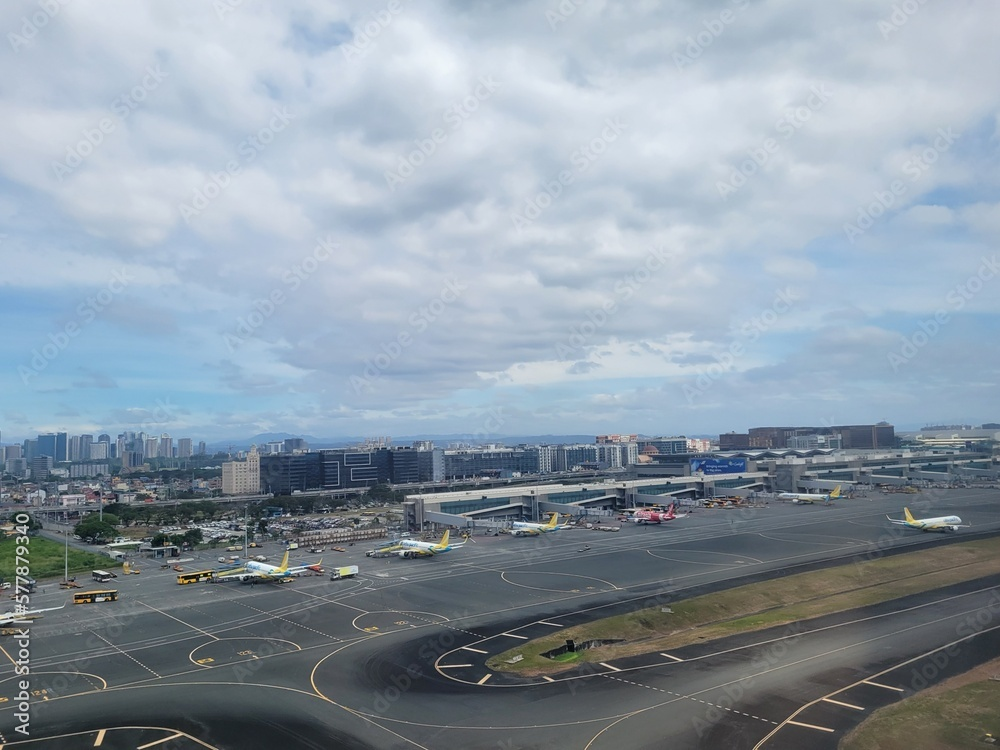
The Philippines has four primary international gateways: Ninoy Aquino International Airport (NAIA) in Manila, Mactan-Cebu International Airport (MCIA) in Cebu, Clark International Airport (CRK) in Pampanga, and Francisco Bangoy International Airport (DVO) in Davao. Each airport serves a different part of the country and attracts different airlines and routes.
Quick Airport Comparison
| Airport | Best For | Region Served | International Connectivity |
|---|---|---|---|
| Manila (NAIA) | First-time visitors | Nationwide | Excellent |
| Cebu (MCIA) | Visayas travel | Central Philippines | Excellent |
| Clark (CRK) | Northern Luzon | Central & Northern Luzon | Good |
| Davao (DVO) | Mindanao travel | Southern Philippines | Moderate |
Quick Airline Comparison
| Airline | Best For | Direct Flights to Philippines | Budget or Premium |
|---|---|---|---|
| Philippine Airlines | North America | Yes | Full Service |
| United Airlines | United States | Yes | Full Service |
| Cebu Pacific | Budget Travel | Some | Budget |
| AirAsia | Southeast Asia | Some | Budget |
| Singapore Airlines | Australia & Europe | Usually Transfer | Premium |
| Cathay Pacific | North America & Europe | Usually Transfer | Premium |
| Emirates | Europe & Middle East | Usually Transfer | Premium |
| Qatar Airways | Europe & Middle East | Usually Transfer | Premium |
| Korean Air | US West Coast | Usually Transfer | Premium |
| EVA Air | US & Canada | Usually Transfer | Premium |
Which Airport Should You Choose?
| Destination | Recommended Airport |
|---|---|
| Metro Manila | NAIA |
| Palawan | NAIA |
| Boracay | NAIA or Cebu |
| Cebu | Cebu |
| Bohol | Cebu |
| Siquijor | Cebu |
| Camiguin | Cebu |
| Siargao | Cebu |
| Pampanga | Clark |
| Baguio | Clark |
| Vigan | Clark |
| Davao | Davao |
| Samal Island | Davao |
| General Santos | Davao |
Ready to Compare Flights?
Now that you know which airport may best fit your itinerary, compare routes and fares before deciding which airline offers the best balance of price, travel time, and connections.

by logos-world.net
Philippine Airlines (PAL)
Home Base: Philippines
Type: Full-Service Carrier
Primary Hub: Manila (NAIA)
Philippine Airlines is the Philippines’ flag carrier and one of the most important airlines serving the country. It operates some of the most valuable long-haul routes connecting North America, Australia, Asia, and the Philippines while also maintaining an extensive domestic network.
Best For
- North American travelers
- Direct flights to the Philippines
- Full-service travel
- Travelers with checked baggage
- Multi-destination Philippine itineraries
Major Markets
- United States
- Canada
- Australia
- Japan
- South Korea
- Singapore
- Hong Kong
- Middle East
Direct or Transfer?
| Departure Region | Typical Routing |
|---|---|
| Los Angeles | Direct to Manila |
| San Francisco | Direct to Manila |
| Seattle | Direct to Manila |
| Vancouver | Direct to Manila |
| Toronto | Direct or one-stop depending on season and schedule |
| Sydney | Direct to Manila |
| Melbourne | Usually one-stop |
| Japan | Direct |
| South Korea | Direct |
| Singapore | Direct |
| Hong Kong | Direct |
Philippine Airports Served
- Manila (Major Hub)
- Cebu (Regional Hub)
- Clark (Limited Services)
- Davao (Domestic Network)
When Philippine Airlines Makes Sense
Philippine Airlines is often the best choice when direct flights are available from your departure city. Travelers from North America and Australia can frequently save several hours by avoiding connections through other Asian hubs. It is also ideal for visitors planning to continue onward to destinations such as Palawan, Boracay, Bohol, Cebu, Siargao, or Davao using PAL’s domestic network.
Typical Flight Times
| Route | Approximate Flight Time |
|---|---|
| Los Angeles → Manila | 14-16 Hours |
| San Francisco → Manila | 13-15 Hours |
| Seattle → Manila | 13-15 Hours |
| Vancouver → Manila | 13-15 Hours |
| Toronto → Manila | 18-24 Hours |
| Sydney → Manila | 8-10 Hours |
| Melbourne → Manila | 11-16 Hours |
Recommended Layover
If connecting onto Philippine Airlines flights within the Philippines:
- Manila (NAIA): 3-4 Hours recommended
- Cebu (MCIA): 2-3 Hours recommended
If connecting from another international airline onto a PAL domestic flight in Manila, allow additional time for baggage collection, terminal transfers, immigration, and security procedures.
Potential Advantages
- Some of the few direct flights between North America and the Philippines
- Extensive domestic network
- Full-service airline with meals and baggage on most international routes
- Convenient for travelers visiting multiple Philippine destinations
Potential Drawbacks
- Often more expensive than low-cost carriers
- Manila connections can require terminal transfers
- Not every international route operates daily year-round
Bottom Line
Choose Philippine Airlines if minimizing travel time is more important than finding the absolute lowest fare. For many travelers from the United States, Canada, Australia, and parts of Asia, PAL offers the simplest route to the Philippines with fewer layovers and easier domestic connections.

by logos-world.net
United Airlines
Home Base: United States
Type: Full-Service Carrier
Primary Hubs: San Francisco (SFO), Los Angeles (LAX), Newark (EWR), Chicago (ORD), Houston (IAH)
United Airlines is one of the largest airlines in the United States and operates one of the most important direct links between North America and the Philippines. For many American travelers, United offers a convenient alternative to Philippine Airlines, particularly from the U.S. West Coast.
Best For
- U.S.-based travelers
- Direct flights from the West Coast
- Star Alliance members
- Travelers connecting from across North America
Major Markets
- United States
- Canada (via U.S. hubs)
- Mexico
- Latin America (via U.S. connections)
- Asia-Pacific connections through Manila
Direct or Transfer?
| Departure Region | Typical Routing |
|---|---|
| San Francisco | Direct to Manila |
| Los Angeles | Direct or one-stop depending on routing |
| Seattle | Usually one-stop via San Francisco |
| Denver | One-stop via San Francisco |
| Chicago | One-stop via San Francisco |
| New York/Newark | One-stop via San Francisco |
| Washington D.C. | One-stop via San Francisco |
| Toronto | One-stop via a United hub |
| Vancouver | One-stop via a United hub |
Philippine Airports Served
- Manila (Primary Philippine Destination)
When United Makes Sense
United is often a strong choice for travelers starting elsewhere in the United States who can connect through San Francisco and continue directly to Manila on a single airline ticket. It is particularly attractive for Star Alliance travelers earning or redeeming frequent-flyer miles and those who prefer staying within a large North American route network.
Typical Flight Time
| Route | Approximate Flight Time |
|---|---|
| San Francisco → Manila | 14-16 Hours |
| Los Angeles → Manila | 15-17 Hours |
| New York → San Francisco → Manila | 19-26 Hours Total |
| Chicago → San Francisco → Manila | 18-24 Hours Total |
Recommended Layover
If connecting through a United hub before flying to the Philippines:
- San Francisco (SFO): 2-3 Hours
- Los Angeles (LAX): 2-4 Hours
- Chicago (ORD): 2-3 Hours
- Newark (EWR): 2-3 Hours
Bottom Line: United Airlines
Choose United if you’re traveling from elsewhere in the United States and can connect through San Francisco on a single itinerary. It is often one of the easiest alternatives to Philippine Airlines for North American travelers.

by sunstar.com.ph
Cebu Pacific
Home Base: Philippines
Type: Low-Cost Carrier
Primary Hubs: Manila and Cebu
Cebu Pacific is the Philippines’ largest budget airline and often offers the lowest fares for both domestic and regional international travel. It operates one of the country’s most extensive domestic networks and is frequently used by travelers continuing on to destinations such as Boracay, Palawan, Bohol, Siargao, and Davao.
Best For
- Budget-conscious travelers
- Domestic flights
- Island hopping
- Multi-city itineraries
Major Markets
- Singapore
- Hong Kong
- Taiwan
- Japan
- South Korea
- Thailand
- Vietnam
- Malaysia
Direct or Transfer?
| Departure Region | Typical Routing |
|---|---|
| Southeast Asia | Usually direct |
| Japan | Usually direct |
| South Korea | Usually direct |
| Australia | Sometimes direct, sometimes one-stop |
| North America | Typically requires transfer |
Philippine Airports Served
- Manila
- Cebu
- Clark
- Davao
When Cebu Pacific Makes Sense
Cebu Pacific is often the best choice for travelers focused on finding the lowest airfare. It is particularly useful for domestic flights and island-hopping itineraries where fare savings can be significant.
Typical Flight Times
| Route | Approximate Flight Time |
|---|---|
| Singapore → Manila | 3.5-4 Hours |
| Hong Kong → Manila | 2-3 Hours |
| Tokyo → Manila | 4-5 Hours |
| Seoul → Manila | 4-5 Hours |
Recommended Layover
If connecting through a Cebu Pacific hub:
- Manila (NAIA): 3-4 Hours
- Cebu (MCIA): 2-3 Hours
Bottom Line: Cebu Pacific
Choose Cebu Pacific if your priority is the lowest airfare and you don’t mind fewer amenities. It is especially useful for domestic flights and island-hopping itineraries throughout the Philippines.

by logo.wine
AirAsia Philippines
Home Base: Philippines (AirAsia Group)
Type: Low-Cost Carrier
Primary Hubs: Manila (NAIA), Clark (CRK)
AirAsia Philippines is part of the AirAsia Group, one of Southeast Asia’s largest low-cost airline networks. The airline focuses primarily on affordable regional routes throughout Southeast Asia and domestic destinations within the Philippines. For travelers already exploring Asia, AirAsia is often one of the cheapest ways to reach the Philippines.
Best For
- Budget travelers
- Southeast Asia multi-country trips
- Regional Asian flights
- Travelers comfortable with low-cost carriers
- Domestic Philippine connections
Major Markets
- Malaysia
- Thailand
- Indonesia
- Singapore
- Taiwan
- Selected China routes
- Domestic Philippine destinations
Direct or Transfer?
| Departure Region | Typical Routing |
|---|---|
| Malaysia | Usually direct |
| Singapore | Usually direct |
| Thailand | Usually direct |
| Indonesia | Usually direct |
| Taiwan | Usually direct |
| Australia | Usually transfer |
| Europe | Usually transfer |
| North America | Multiple transfers |
Philippine Airports Served
- Manila
- Cebu
- Clark
- Selected domestic destinations
When AirAsia Makes Sense
AirAsia works best for travelers who are already visiting Southeast Asia before heading to the Philippines. It is often one of the cheapest options from hubs such as Kuala Lumpur, Bangkok, and Singapore, making it popular with backpackers, digital nomads, and budget-conscious travelers.
Typical Flight Times
| Route | Approximate Flight Time |
|---|---|
| Kuala Lumpur → Manila | 3.5-4 Hours |
| Singapore → Manila | 3.5-4 Hours |
| Bangkok → Manila | 3-4 Hours |
| Jakarta → Manila | 4-5 Hours |
| Taipei → Manila | 2-3 Hours |
Recommended Layover
If connecting through an AirAsia hub:
- Kuala Lumpur (KUL): 2-3 Hours
- Bangkok (DMK): 2-3 Hours
- Manila (NAIA): 3-4 Hours
- Clark (CRK): 2-3 Hours
Budget carriers generally offer fewer protections for missed connections than full-service airlines, so consider longer layovers if you’re booking separate tickets.
Potential Advantages
- Frequently among the lowest fares available
- Extensive Southeast Asian route network
- Good option for multi-country Asian trips
- Frequent promotions and fare sales
Potential Drawbacks
- Baggage usually costs extra
- Meals and seat selection are often additional charges
- Fewer long-haul options
- Multiple transfers may be required for North American and European travelers
Bottom Line
Choose AirAsia if you’re already traveling around Southeast Asia and want an affordable flight into the Philippines. For travelers departing from Singapore, Malaysia, Thailand, or Indonesia, AirAsia is often one of the cheapest ways to reach Manila, Cebu, or Clark.

by vecteezy.com
Singapore Airlines
Home Base: Singapore
Type: Full-Service Carrier
Primary Hub: Singapore Changi Airport (SIN)
Singapore Airlines is widely regarded as one of the world’s leading airlines and consistently ranks among the best carriers for service, onboard comfort, and reliability. Its hub at Singapore Changi Airport also gives travelers access to one of the easiest and most efficient transfer airports in the world.
Best For
- Australia travelers
- European travelers
- Premium international travel
- Long-haul flights with one convenient connection
- Travelers prioritizing comfort and service
Major Markets
- Australia
- New Zealand
- Europe
- Southeast Asia
- South Asia
- Middle East
Direct or Transfer?
| Departure Region | Typical Routing |
|---|---|
| Sydney | Singapore → Manila/Cebu |
| Melbourne | Singapore → Manila/Cebu |
| Brisbane | Singapore → Manila |
| Perth | Singapore → Manila |
| London | Singapore → Manila |
| Paris | Singapore → Manila |
| Frankfurt | Singapore → Manila |
| New Zealand | Singapore → Manila/Cebu |
| Southeast Asia | Often direct to Manila or Cebu |
Philippine Airports Served
- Manila
- Cebu
When Singapore Airlines Makes Sense
Singapore Airlines is often one of the best choices for travelers originating in Australia, New Zealand, Europe, and other parts of Asia. A connection through Singapore is generally easy to navigate, and many travelers prefer a single stop in Singapore over longer routings through multiple airports.
Typical Flight Times
| Route | Approximate Flight Time |
|---|---|
| Singapore → Manila | 3.5-4 Hours |
| Singapore → Cebu | 3.5-4 Hours |
| Sydney → Singapore → Manila | 11-16 Hours Total |
| Melbourne → Singapore → Manila | 12-17 Hours Total |
| London → Singapore → Manila | 16-24 Hours Total |
| Frankfurt → Singapore → Manila | 16-24 Hours Total |
Recommended Layover
If connecting through Singapore Changi Airport:
- Minimum Layover: 2 Hours
- Comfortable Layover: 2-4 Hours
- Long Layover: 5+ Hours (enough time to enjoy airport amenities)
Singapore Changi is one of the world’s most traveler-friendly airports, making longer layovers considerably more comfortable than many other major international hubs.
Potential Advantages
- Exceptional onboard service
- Consistently ranked among the world’s best airlines
- Convenient connections through Singapore
- Excellent entertainment, meals, and seating comfort
- Access to one of the world’s best airports
Potential Drawbacks
- Often more expensive than budget carriers
- Rarely the cheapest option
- Usually requires a connection for travelers from Europe, Australia, or North America
Bottom Line
Choose Singapore Airlines if you value comfort, reliability, and a smooth travel experience more than finding the absolute lowest fare. For travelers from Australia, New Zealand, Europe, and much of Asia, a connection through Singapore is often one of the easiest and most pleasant ways to reach the Philippines.

by freebiesupply.com
Cathay Pacific
Home Base: Hong Kong
Type: Full-Service Carrier
Primary Hub: Hong Kong International Airport (HKG)
Cathay Pacific is Hong Kong’s flagship airline and one of Asia’s most established international carriers. The airline connects travelers from North America, Europe, Australia, and Asia to the Philippines through its hub in Hong Kong, offering a balance of premium service, extensive route options, and relatively convenient transfer times.
Best For
- North American travelers
- European travelers
- Travelers wanting a Hong Kong connection
- Premium international travel
- Oneworld frequent-flyer members
Major Markets
- United States
- Canada
- United Kingdom
- Europe
- Australia
- Mainland China
- Hong Kong
- Southeast Asia
Direct or Transfer?
| Departure Region | Typical Routing |
|---|---|
| Los Angeles | Hong Kong → Manila/Cebu |
| San Francisco | Hong Kong → Manila/Cebu |
| Vancouver | Hong Kong → Manila |
| Toronto | Hong Kong → Manila |
| London | Hong Kong → Manila |
| Frankfurt | Hong Kong → Manila |
| Sydney | Hong Kong → Manila |
| Melbourne | Hong Kong → Manila |
Philippine Airports Served
- Manila
- Cebu
When Cathay Pacific Makes Sense
Cathay Pacific is often a strong option for travelers from North America, Canada, and Europe who prefer connecting through Hong Kong rather than the Middle East. Its network provides good access to the Philippines while allowing travelers the possibility of adding a short Hong Kong stopover before continuing their trip.
Typical Flight Times
| Route | Approximate Flight Time |
|---|---|
| Hong Kong → Manila | 2-3 Hours |
| Hong Kong → Cebu | 2.5-3 Hours |
| Los Angeles → Hong Kong → Manila | 17-24 Hours Total |
| Vancouver → Hong Kong → Manila | 15-22 Hours Total |
| London → Hong Kong → Manila | 17-25 Hours Total |
| Sydney → Hong Kong → Manila | 12-18 Hours Total |
Recommended Layover
If connecting through Hong Kong International Airport:
- Minimum Layover: 2 Hours
- Comfortable Layover: 2-4 Hours
- Long Layover: 5+ Hours
Hong Kong is generally considered one of Asia’s more efficient transit airports, although long walking distances between gates can occasionally increase connection times.
Potential Advantages
- Strong North American and European route network
- Excellent service reputation
- Convenient Hong Kong connections
- Good balance of flight frequency and routing options
- Opportunity for Hong Kong stopovers
Potential Drawbacks
- Usually requires a connection for most travelers
- Often more expensive than low-cost carriers
- Hong Kong routing may not be the fastest option for every itinerary
Bottom Line
Choose Cathay Pacific if you’re traveling from North America, Canada, Europe, or Australia and prefer connecting through Hong Kong rather than Dubai, Doha, Singapore, or Seoul. It offers a comfortable, reliable one-stop option to the Philippines with a strong international network and convenient access to both Manila and Cebu.

by logospng.org
Emirates
Home Base: Dubai, United Arab Emirates
Type: Full-Service Carrier
Primary Hub: Dubai International Airport (DXB)
Emirates is one of the world’s largest long-haul airlines and connects the Philippines to an extensive global network through Dubai. The airline is particularly popular among travelers from Europe, Africa, and the Middle East, offering convenient one-stop connections to Manila and other Asian destinations.
Best For
- European travelers
- Middle East travelers
- African travelers
- Long-haul international travel
- Premium cabin experiences
Major Markets
- Europe
- Middle East
- Africa
- South Asia
- Oceania
- North America (via Dubai)
Direct or Transfer?
| Departure Region | Typical Routing |
|---|---|
| London | Dubai → Manila |
| Paris | Dubai → Manila |
| Frankfurt | Dubai → Manila |
| Rome | Dubai → Manila |
| Johannesburg | Dubai → Manila |
| Cairo | Dubai → Manila |
| New York | Dubai → Manila |
| Sydney | Dubai → Manila |
Philippine Airports Served
- Manila
When Emirates Makes Sense
Emirates is often an excellent choice for travelers from Europe, Africa, and the Middle East because Dubai serves as one of the world’s best-connected aviation hubs. Many travelers prefer a single connection in Dubai over multiple stops through smaller airports.
Typical Flight Times
| Route | Approximate Flight Time |
|---|---|
| Dubai → Manila | 8-10 Hours |
| London → Dubai → Manila | 17-24 Hours Total |
| Paris → Dubai → Manila | 17-25 Hours Total |
| Frankfurt → Dubai → Manila | 16-24 Hours Total |
| Rome → Dubai → Manila | 16-24 Hours Total |
| Johannesburg → Dubai → Manila | 18-26 Hours Total |
Recommended Layover
If connecting through Dubai International Airport:
- Minimum Layover: 2.5-3 Hours
- Comfortable Layover: 3-5 Hours
- Long Layover: 6+ Hours
Dubai International Airport is one of the busiest airports in the world, and longer walking distances between gates can occasionally increase transfer times.
Potential Advantages
- Extensive global route network
- Strong service reputation
- Excellent premium cabin products
- Convenient for Europe, Africa, and Middle East departures
- Large number of flight frequencies through Dubai
Potential Drawbacks
- Usually requires a connection for most travelers
- Often more expensive than budget carriers
- Dubai Airport can involve long walks between gates
- Not always the shortest routing for travelers from North America
Bottom Line
Choose Emirates if you’re traveling from Europe, Africa, or the Middle East and want a reliable one-stop connection to the Philippines. The airline combines a huge global network, strong onboard service, and convenient access through Dubai, making it one of the most popular ways to reach Manila from outside Asia.

by logos-world.net
Qatar Airways
Home Base: Doha, Qatar
Type: Full-Service Carrier
Primary Hub: Hamad International Airport (DOH)
Qatar Airways is one of the world’s leading international airlines and is frequently ranked among the best carriers for long-haul travel. Through its hub in Doha, the airline connects the Philippines with hundreds of destinations across Europe, Africa, the Middle East, Asia, and North America.
Best For
- European travelers
- Premium cabin travelers
- Long-haul international travel
- Travelers seeking a single Middle East connection
- Oneworld frequent-flyer members
Major Markets
- Europe
- Middle East
- Africa
- South Asia
- Southeast Asia
- North America
Direct or Transfer?
| Departure Region | Typical Routing |
|---|---|
| London | Doha → Manila |
| Paris | Doha → Manila |
| Amsterdam | Doha → Manila |
| Frankfurt | Doha → Manila |
| Rome | Doha → Manila |
| Johannesburg | Doha → Manila |
| New York | Doha → Manila |
| Washington D.C. | Doha → Manila |
Philippine Airports Served
- Manila
- Cebu (on select schedules and periods)
When Qatar Airways Makes Sense
Qatar Airways is often one of the best choices for travelers departing from Europe, Africa, and the Middle East. Doha’s central location allows for convenient one-stop itineraries to the Philippines while maintaining relatively competitive travel times.
Typical Flight Times
| Route | Approximate Flight Time |
|---|---|
| Doha → Manila | 9-10 Hours |
| Doha → Cebu | 9-10 Hours |
| London → Doha → Manila | 16-24 Hours Total |
| Paris → Doha → Manila | 17-24 Hours Total |
| Amsterdam → Doha → Manila | 17-24 Hours Total |
| Frankfurt → Doha → Manila | 16-23 Hours Total |
| New York → Doha → Manila | 20-28 Hours Total |
Recommended Layover
If connecting through Hamad International Airport in Doha:
- Minimum Layover: 2 Hours
- Comfortable Layover: 2-4 Hours
- Long Layover: 5+ Hours
Doha is generally considered one of the easiest major Middle Eastern hubs for international transfers, with efficient connections and modern facilities.
Potential Advantages
- Consistently rated among the world’s top airlines
- Excellent service and onboard experience
- Large global route network
- Efficient transfer hub in Doha
- Strong premium and business-class products
Potential Drawbacks
- Usually more expensive than budget carriers
- Requires a connection for most travelers
- Not always the shortest routing for North American departures
Bottom Line
Choose Qatar Airways if you want a premium long-haul travel experience and don’t mind making one connection in Doha. For travelers departing from Europe, Africa, and much of the Middle East, it is often one of the most comfortable and efficient ways to reach the Philippines.

by 1000logos.net
Korean Air
Home Base: South Korea
Type: Full-Service Carrier
Primary Hub: Seoul Incheon International Airport (ICN)
Korean Air is South Korea’s flagship airline and one of the leading carriers connecting North America, Asia, and the Philippines. Through its hub at Seoul Incheon, travelers can reach Manila and Cebu with convenient one-stop connections and access to one of the world’s most efficient international airports.
Best For
- U.S. West Coast travelers
- Canadian travelers
- Travelers connecting through Northeast Asia
- Premium international travel
- SkyTeam frequent-flyer members
Major Markets
- United States
- Canada
- South Korea
- Japan
- China
- Southeast Asia
- Oceania
Direct or Transfer?
| Departure Region | Typical Routing |
|---|---|
| Los Angeles | Seoul → Manila/Cebu |
| San Francisco | Seoul → Manila/Cebu |
| Seattle | Seoul → Manila/Cebu |
| Vancouver | Seoul → Manila |
| Toronto | Seoul → Manila |
| Sydney | Seoul → Manila |
| Tokyo | Direct to Manila or via Seoul |
Philippine Airports Served
- Manila
- Cebu
When Korean Air Makes Sense
Korean Air is often a strong choice for travelers from the United States and Canada who do not have access to a nonstop flight to the Philippines. Seoul Incheon is widely regarded as one of the easiest airports in Asia for international transfers, making connections relatively painless compared to some larger global hubs.
Typical Flight Times
| Route | Approximate Flight Time |
|---|---|
| Seoul → Manila | 4-5 Hours |
| Seoul → Cebu | 4-5 Hours |
| Los Angeles → Seoul → Manila | 17-23 Hours Total |
| Seattle → Seoul → Manila | 15-21 Hours Total |
| Vancouver → Seoul → Manila | 14-20 Hours Total |
| Toronto → Seoul → Manila | 18-25 Hours Total |
Recommended Layover
If connecting through Seoul Incheon International Airport:
- Minimum Layover: 2 Hours
- Comfortable Layover: 2-4 Hours
- Long Layover: 5+ Hours
Incheon is one of the most efficient transfer airports in the world, with excellent signage, modern facilities, and generally smooth international connections.
Potential Advantages
- Excellent service reputation
- Easy transfers through Seoul Incheon
- Strong North American network
- Good balance of flight schedules and connection times
- Modern fleet and comfortable long-haul cabins
Potential Drawbacks
- Usually requires a connection for North American travelers
- Often more expensive than budget carriers
- Fewer Philippine destinations than Philippine Airlines or Cebu Pacific
Bottom Line
Choose Korean Air if you’re flying from the United States or Canada and want a comfortable one-stop journey through one of Asia’s best airports. For many travelers on the U.S. West Coast, Seoul offers one of the smoothest and most convenient connection points on the way to Manila or Cebu.

by travelstart.co.bw
EVA Air
Home Base: Taiwan
Type: Full-Service Carrier
Primary Hub: Taipei Taoyuan International Airport (TPE)
EVA Air is one of Taiwan’s leading international airlines and has built a strong reputation among North American travelers for reliability, service quality, and efficient connections through Taipei. The airline is a popular alternative to both Korean Air and Philippine Airlines for travelers heading to the Philippines from the United States and Canada.
Best For
- U.S. travelers
- Canadian travelers
- Taiwan connections
- Travelers seeking a comfortable one-stop itinerary
- Star Alliance frequent-flyer members
Major Markets
- United States
- Canada
- Taiwan
- Japan
- South Korea
- Southeast Asia
- Australia
Direct or Transfer?
| Departure Region | Typical Routing |
|---|---|
| Los Angeles | Taipei → Manila/Cebu |
| San Francisco | Taipei → Manila/Cebu |
| Seattle | Taipei → Manila |
| Vancouver | Taipei → Manila |
| Toronto | Taipei → Manila |
| New York | Taipei → Manila |
| Australia | Taipei → Manila |
Philippine Airports Served
- Manila
- Cebu
When EVA Air Makes Sense
EVA Air is often an excellent choice for North American travelers who do not have access to a convenient nonstop flight. Taipei is one of Asia’s easiest airports for international transfers, and EVA Air frequently offers competitive fares compared to other full-service airlines serving the Philippines.
Typical Flight Times
| Route | Approximate Flight Time |
|---|---|
| Taipei → Manila | 2-3 Hours |
| Taipei → Cebu | 2.5-3 Hours |
| Los Angeles → Taipei → Manila | 16-23 Hours Total |
| San Francisco → Taipei → Manila | 15-22 Hours Total |
| Seattle → Taipei → Manila | 16-23 Hours Total |
| Vancouver → Taipei → Manila | 14-20 Hours Total |
| Toronto → Taipei → Manila | 18-26 Hours Total |
Recommended Layover
If connecting through Taipei Taoyuan International Airport:
- Minimum Layover: 2 Hours
- Comfortable Layover: 2-4 Hours
- Long Layover: 5+ Hours
Taipei is known for relatively short walking distances, efficient immigration and security procedures, and smooth international transfer experiences.
Potential Advantages
- Strong reputation for service and reliability
- Efficient transfers through Taipei
- Extensive North American network
- Often competitive pricing compared to other premium carriers
- Member of Star Alliance
Potential Drawbacks
- Usually requires a connection for most travelers
- Fewer Philippine destinations than Philippine Airlines
- Flight schedules may not be as frequent as larger Middle Eastern carriers
Bottom Line
Choose EVA Air if you’re traveling from the United States or Canada and want a comfortable one-stop connection through Taipei. For many North American travelers, EVA Air strikes an excellent balance between price, service quality, and travel time, making it one of the strongest alternatives to nonstop flights to the Philippines.
Direct vs Transfer Flights to the Philippines
| Region | Direct Flight Availability | Transfer Usually Required? | Common Connection Airports |
|---|---|---|---|
| US West Coast | Often Available | Sometimes | N/A |
| US East Coast | Rare | Usually Yes | Seoul, Taipei, Tokyo |
| Canada | Some Direct Routes | Sometimes | Taipei, Seoul |
| United Kingdom | No Direct Flights | Yes | Dubai, Doha, Singapore |
| Europe | No Direct Flights | Yes | Dubai, Doha, Singapore, Hong Kong |
| Australia | Limited Direct Flights | Sometimes | Singapore |
| New Zealand | Rare | Usually Yes | Sydney, Singapore |
| Middle East | Multiple Direct Options | Sometimes | Dubai, Doha |
| Japan | Multiple Direct Flights | No | N/A |
| South Korea | Multiple Direct Flights | No | N/A |
| Taiwan | Multiple Direct Flights | No | N/A |
| Hong Kong | Multiple Direct Flights | No | N/A |
| Singapore | Multiple Direct Flights | No | N/A |
Typical Flight Times to the Philippines
| Departure Region | Direct Flight Time | One-Stop Flight Time |
|---|---|---|
| Los Angeles | 14-16 Hours | 17-24 Hours |
| San Francisco | 13-15 Hours | 17-24 Hours |
| Seattle | 13-15 Hours | 17-24 Hours |
| Vancouver | 13-15 Hours | 17-24 Hours |
| Toronto | N/A | 18-28 Hours |
| London | N/A | 16-24 Hours |
| Paris | N/A | 17-25 Hours |
| Frankfurt | N/A | 16-24 Hours |
| Sydney | 8-10 Hours | 10-15 Hours |
| Melbourne | N/A | 11-16 Hours |
| Dubai | 8-10 Hours | 10-15 Hours |
| Doha | 9-10 Hours | 11-15 Hours |
| Tokyo | 4-5 Hours | 6-10 Hours |
| Seoul | 4-5 Hours | 6-10 Hours |
| Taipei | 2-3 Hours | 5-10 Hours |
| Hong Kong | 2-3 Hours | 5-10 Hours |
| Singapore | 3-4 Hours | 6-10 Hours |
| Kuala Lumpur | 3.5-4.5 Hours | 6-10 Hours |
Flight times are approximate and vary by route, airline, weather, and aircraft type.
How Long Should Your Layover Be?
| Airport | Recommended Layover |
|---|---|
| Singapore (SIN) | 2-3 Hours |
| Seoul Incheon (ICN) | 2-3 Hours |
| Taipei (TPE) | 2-3 Hours |
| Hong Kong (HKG) | 2-3 Hours |
| Tokyo Narita (NRT) | 2.5-4 Hours |
| Tokyo Haneda (HND) | 2-3 Hours |
| Doha (DOH) | 2-4 Hours |
| Dubai (DXB) | 3-4 Hours |
| Kuala Lumpur (KUL) | 2-3 Hours |
| Bangkok (BKK) | 2-3 Hours |
Example Total Travel Times
| Destination | Via Manila | Via Cebu | Via Clark | Via Davao |
|---|---|---|---|---|
| Bohol | 3-6 hrs incl. connection | 1-3 hrs | Not recommended | Not recommended |
| Siquijor | 5-8 hrs | 2-4 hrs | Not recommended | Not recommended |
| Boracay | 2-5 hrs | 2-4 hrs | 2-4 hrs | Longer routing |
| Baguio | 4-7 hrs | Long routing | 2-3 hrs | Not recommended |
| Davao | 3-5 hrs | 4-6 hrs | 4-6 hrs | Direct arrival |
Cheapest Doesn’t Always Mean Best
Many flight search engines automatically sort by the lowest fare. While this can save money, the cheapest itinerary often includes additional layovers, longer travel times, overnight waits, or airport changes.
Consider this example:
| Option | Price | Travel Time | Layovers |
|---|---|---|---|
| Cheapest Fare | $850 | 30 Hours | 2 |
| Mid-Priced Fare | $950 | 20 Hours | 1 |
| Faster Option | $1,050 | 15 Hours | Direct |
A traveler may save $100 by choosing the cheapest fare but spend an additional 10 hours traveling.
In many cases, paying slightly more can:
- Remove an extra layover
- Shorten travel time significantly
- Reduce the risk of missed connections
- Eliminate overnight airport stays
- Improve overall comfort
Flight Fare Comparison Checklist
Before booking your flight to the Philippines, compare more than just the ticket price.
Travel Time
✓ Compare total journey time, not just airfare.
Number of Layovers
✓ Direct flights are ideal.
✓ One layover is usually the best balance.
✓ Two or more layovers should provide meaningful savings.
Layover Length
✓ 2-4 hours is usually ideal.
✓ Avoid extremely short international connections.
✓ Avoid unnecessarily long overnight waits.
Airport Transfers
✓ Verify whether you must change terminals or airports.
Baggage Allowances
✓ Check if checked baggage is included.
✓ Review carry-on restrictions.
Arrival Airport
✓ Manila is not always the best option.
✓ Cebu may reduce connections for Visayas travel.
✓ Clark may be better for Northern Luzon.
✓ Davao may be best for Mindanao.
Domestic Connection Requirements
✓ Determine whether your international arrival airport requires another flight.
Final Question
Would spending an additional $50-$150 save 5-10 hours of travel time or eliminate a layover?
For many travelers, the answer is yes.
Which Airport Is Best for First-Time Visitors?
Choose Manila (NAIA) If:
- It’s your first visit to the Philippines.
- You want the most airline choices.
- You’re visiting multiple destinations.
- You’re traveling to Palawan.
Choose Cebu (MCIA) If:
- You’re visiting Cebu.
- You’re traveling to Bohol.
- You’re heading to Siquijor.
- You want to avoid connecting through Manila.
Choose Clark (CRK) If:
- You’re visiting Pampanga.
- You’re exploring Northern Luzon.
- You’re heading to Baguio or the Ilocos Region.
Choose Davao (DVO) If:
- You’re traveling primarily within Mindanao.
- You’re visiting Samal Island.
- You’re staying in the Davao Region.
Travel Tip: Consider the Hidden Cost of Layovers
A cheaper ticket isn’t always the cheaper trip. Long layovers can add additional expenses such as meals, drinks, airport purchases, lounge access, baggage fees, and transportation during extended stopovers. When comparing fares, consider both the ticket price and the total travel experience.
For some travelers, paying an additional $50-$150 for a shorter itinerary or direct flight can provide significantly better overall value.
That isn’t telling people to buy expensive tickets. It’s teaching them to think beyond the fare displayed on the booking website, which fits the ATI Information goal perfectly.
And honestly, your own experience sitting in an airport for 2-3 hours is exactly why those “Bottom Line” sections work. They’ve moved beyond airline descriptions and into practical travel advice.
Common Flight Booking Mistakes
Booking the Cheapest Fare Without Checking Travel Time
Saving $75 might add 10 hours to your journey.
Flying Into the Wrong Airport
Travelers heading to Bohol or Siquijor often save time by flying into Cebu rather than Manila.
Choosing Extremely Short Layovers
International connections under 90 minutes can increase the risk of missed flights.
Ignoring Baggage Fees
Budget carriers may appear cheaper until baggage and seat selection fees are added.
Related Guides Block
- Philippine Airports Guide
- NAIA Airport Guide
- Metro Manila Travel Guide
- Cebu Travel Guide
- Davao Travel Guide
- Clark Travel Guide
- Philippine Transportation Guide
- Getting Around the Philippines
- Accommodations of the Philippines
- First-Time Visitor’s Guide to the Philippines
- Where to Stay in Metro Manila
- Where to Stay in Davao City
Final Verdict
For most first-time visitors, Manila’s Ninoy Aquino International Airport (NAIA) remains the most practical gateway thanks to its extensive airline network, direct international routes, and domestic connections.
However, travelers bound for the Visayas should compare flights into Cebu, visitors exploring Northern Luzon should consider Clark, and those focused on Mindanao may save time and money by flying directly into Davao.
The best airport is not necessarily the cheapest or busiest. The best airport is the one that gets you closest to your destination with the fewest connections, the least stress, and the best overall value.