Philippine Desserts Guide: Traditional Sweets from Across the Islands
From halo-halo and leche flan to rice cakes, ube delicacies, and coconut-based sweets, Philippine desserts reflect the country’s rich culinary traditions and regional diversity.
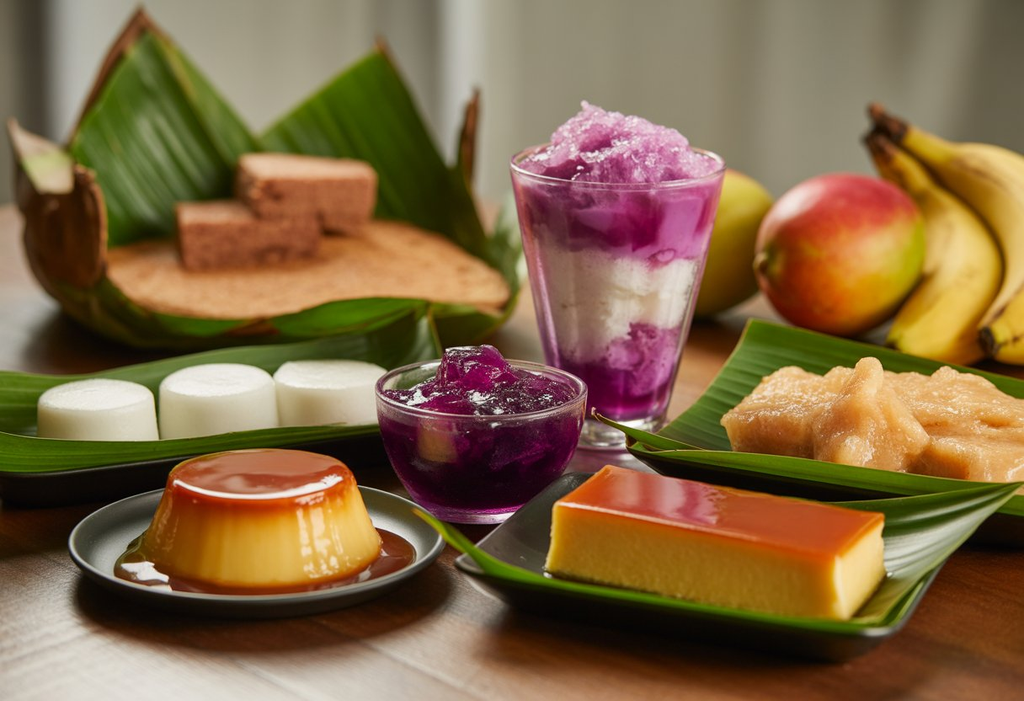
Traditional Filipino desserts showcase the Philippines’ rich culinary heritage through ingredients such as rice, coconut, ube, bananas, tropical fruits, and milk-based sweets. Photo by droolrecipes.com
Philippine desserts are as diverse as the archipelago itself. Influenced by indigenous ingredients, Spanish traditions, Chinese culinary techniques, and regional cultures, Filipino sweets combine rice, coconut, tropical fruits, milk, sugar, and local flavors into a dessert culture unlike any other in Southeast Asia. From colorful festival delicacies to everyday merienda favorites, Philippine desserts offer travelers a delicious way to explore the country’s history and regional identities.
Related Guides:
“Philippine desserts are more than sweet treats. They are reflections of the country’s agricultural traditions, regional cultures, and culinary history.”
What Makes Filipino Desserts Unique?
Many Philippine desserts share a few common ingredients:
- Glutinous rice
- Coconut milk
- Coconut sugar
- Ube (purple yam)
- Cassava
- Saba bananas
- Rice flour
- Carabao milk
- Tropical fruits
These ingredients appear in countless variations throughout Luzon, Visayas, and Mindanao.
Unlike many Western desserts that emphasize chocolate and butter, Filipino sweets often focus on natural sweetness, texture, coconut flavors, and locally available ingredients.
Filipino desserts are not just sweets. They are reflections of the country’s agricultural traditions, regional cultures, and culinary history.
The Most Famous Philippine Desserts
Halo-Halo
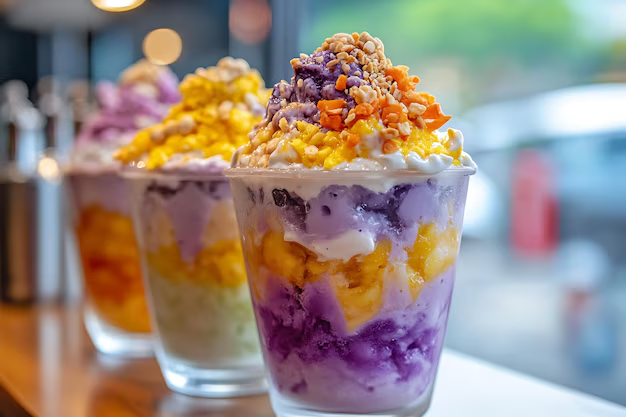
by freepik.com
Probably the most famous Filipino dessert, halo-halo literally means “mix-mix.”
Ingredients commonly include:
- Shaved ice
- Sweetened beans
- Coconut strips
- Nata de coco
- Ube
- Leche flan
- Sweetened fruits
- Evaporated milk
Every region, restaurant, and household has its own variation.
Halo-halo is especially popular during the hot summer months.
Leche Flan
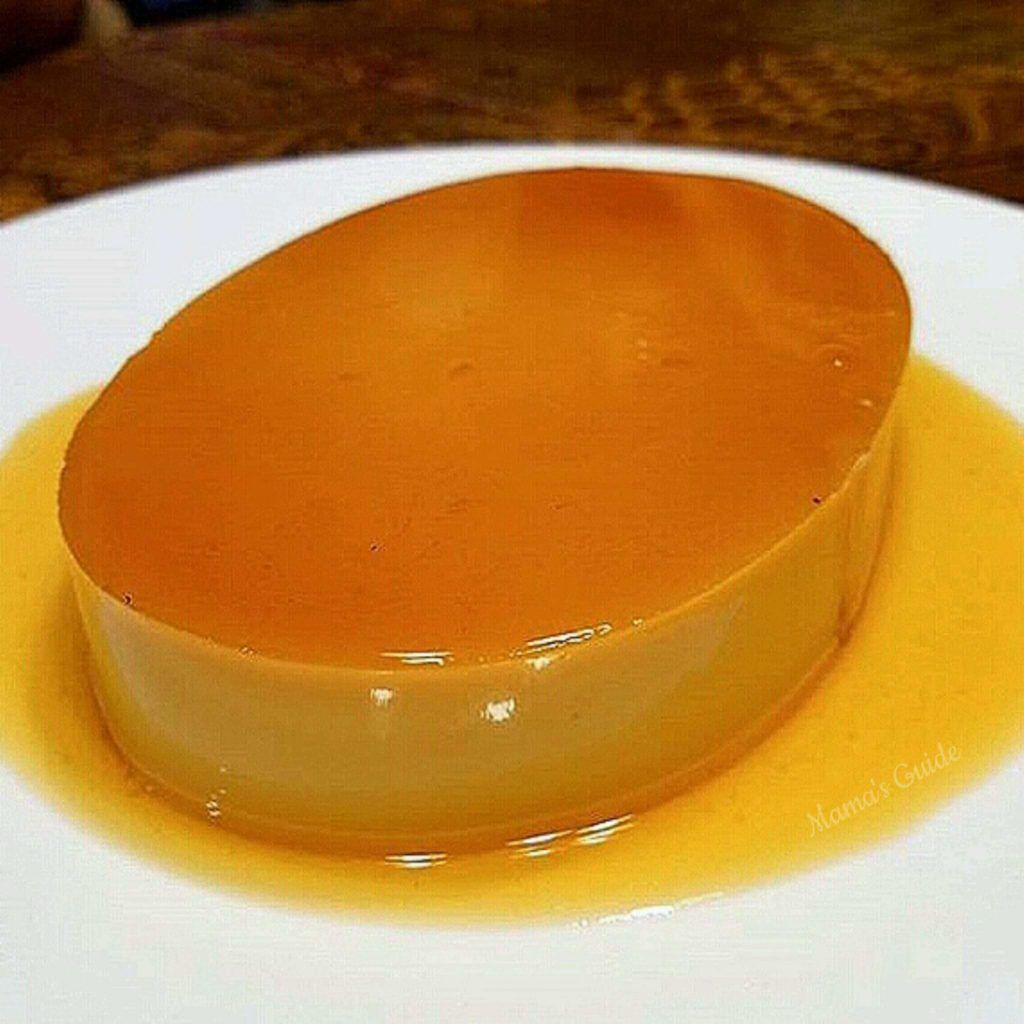
by pinterest.com
Leche flan is one of the most recognizable Filipino desserts.
Made from:
- Egg yolks
- Condensed milk
- Evaporated milk
- Caramelized sugar
Leche flan is commonly served during:
- Christmas
- New Year
- Birthdays
- Family celebrations
- Special occasions
Its rich texture reflects Spanish influence on Philippine cuisine.
Ube Desserts
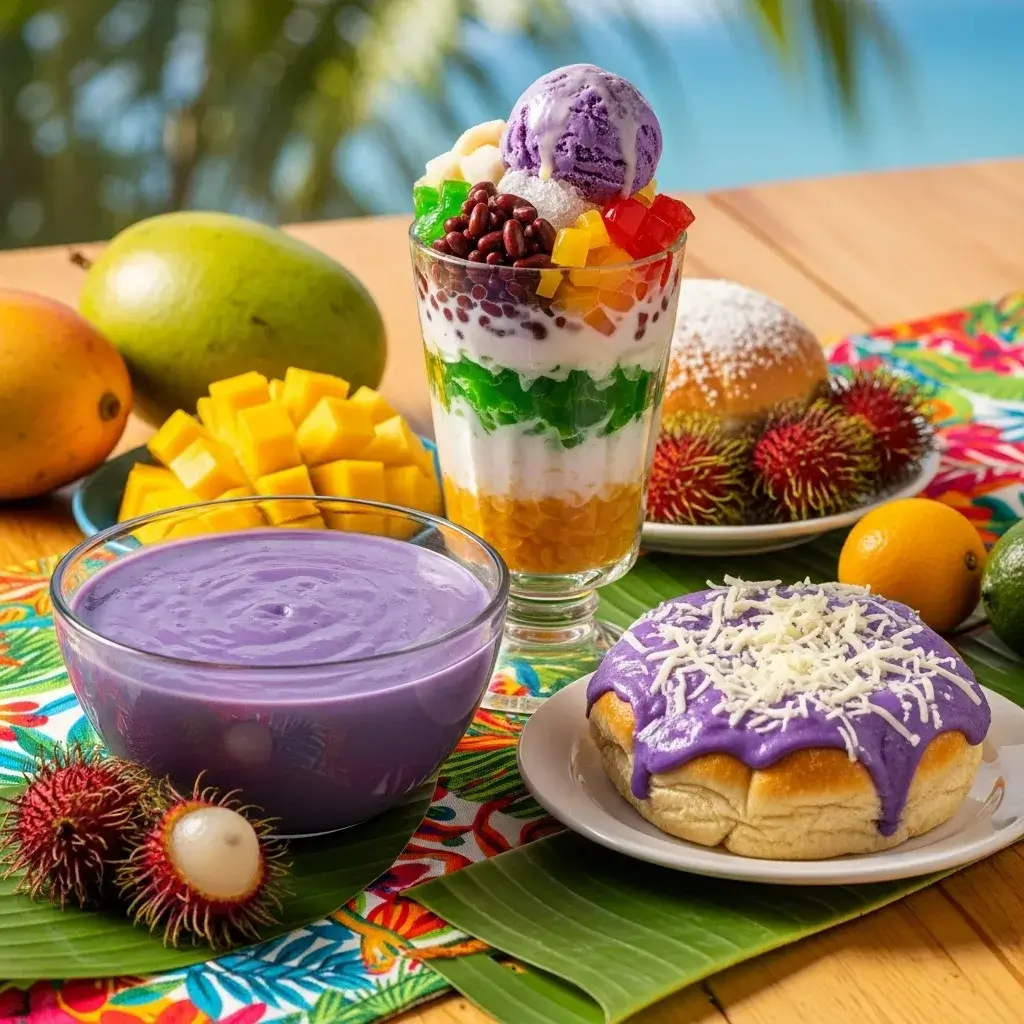
by myrecipestimes.com
Ube has become one of the Philippines’ most internationally recognized ingredients.
Popular ube desserts include:
- Ube cake
- Ube halaya
- Ube ice cream
- Ube cheesecakes
- Ube pastries
- Ube milk desserts
Its vibrant purple color and unique flavor have earned worldwide popularity.
Rice-Based Desserts
Rice is a staple ingredient throughout the Philippines, making rice-based desserts extremely common.
Biko
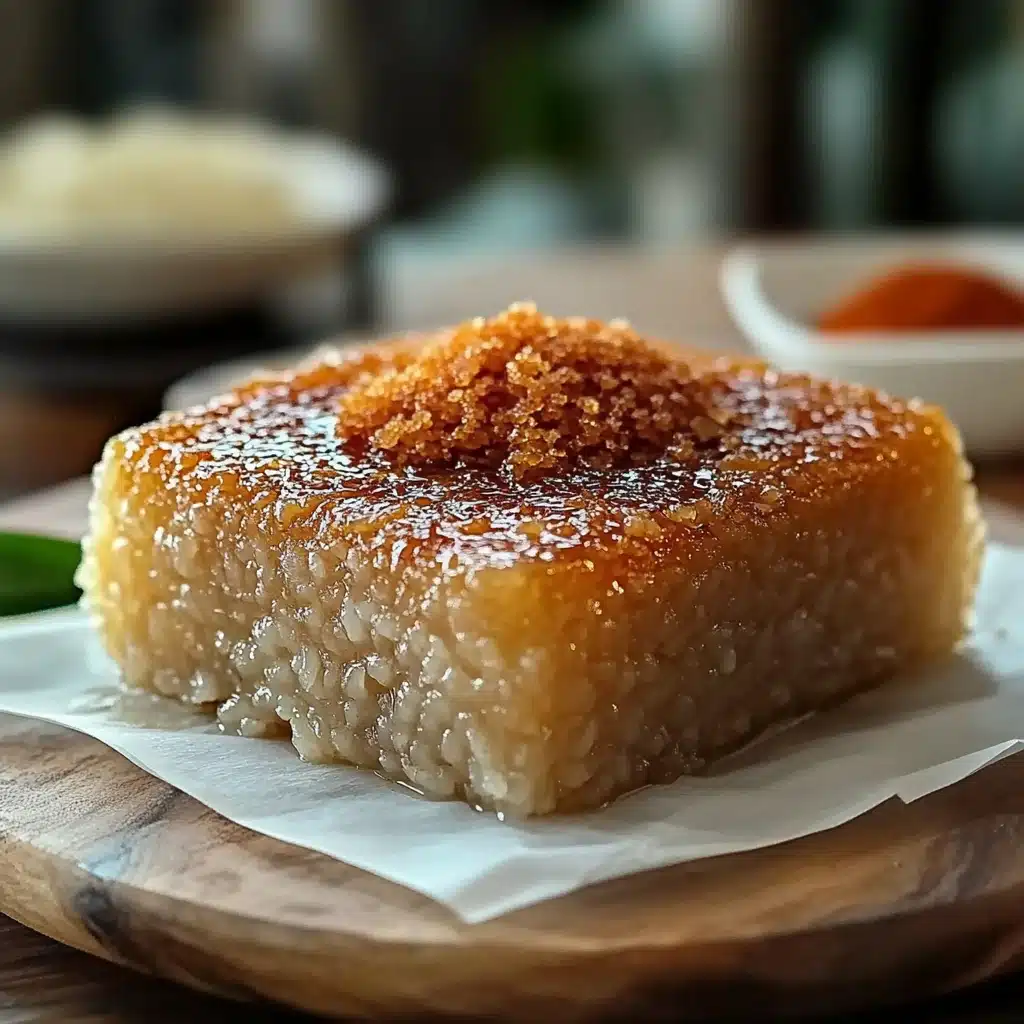
by dishanddelights.com
Biko is made from:
- Glutinous rice
- Coconut milk
- Brown sugar
The result is a sweet, sticky rice cake commonly prepared during gatherings and celebrations.
Sapin-Sapin
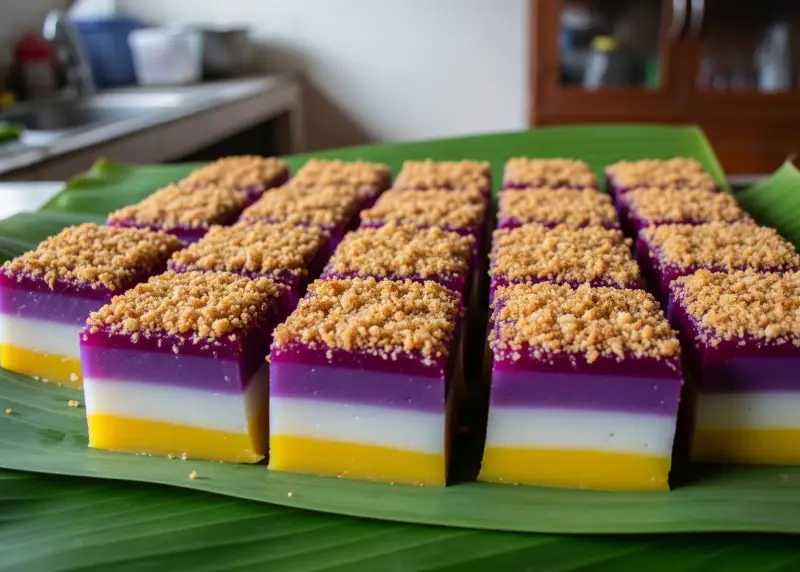
by ebosya.com
One of the Philippines’ most colorful desserts, sapin-sapin consists of multiple layers made from rice flour mixtures.
The name translates roughly to:
“Layers”
Different regions create their own flavor combinations and colors.
Puto
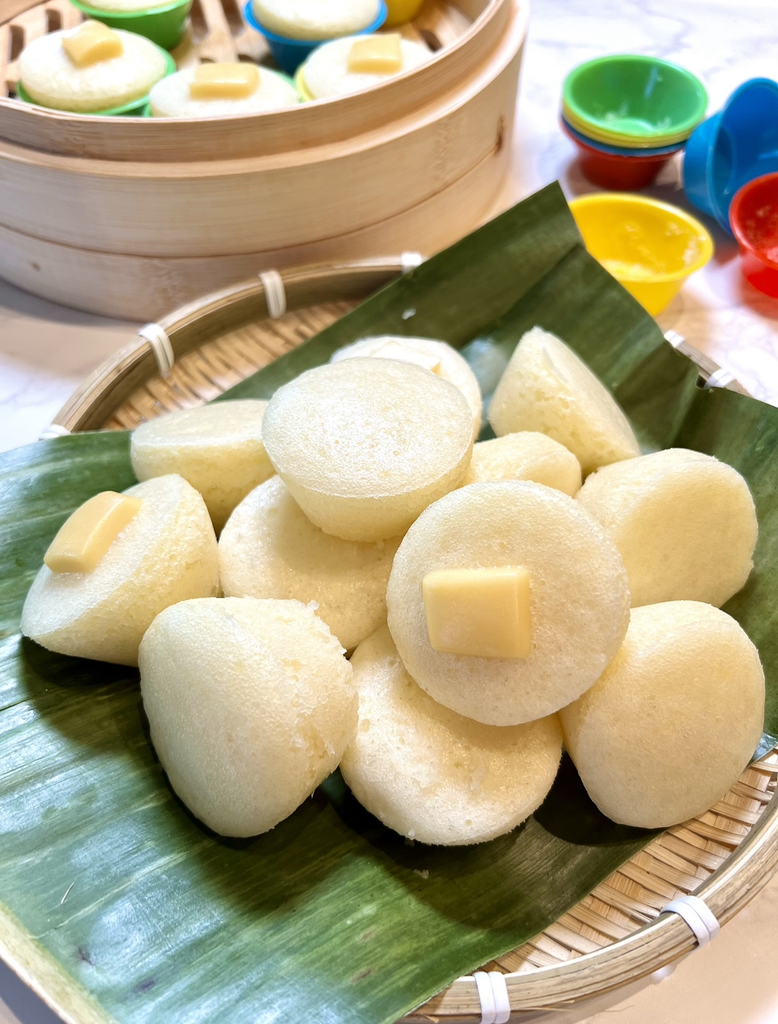
by iankewks.com
Puto refers to steamed rice cakes found throughout the country.
Varieties include:
- Plain puto
- Cheese puto
- Ube puto
- Puto kutsinta combinations
Puto is commonly served as both a dessert and a snack.
Kutsinta
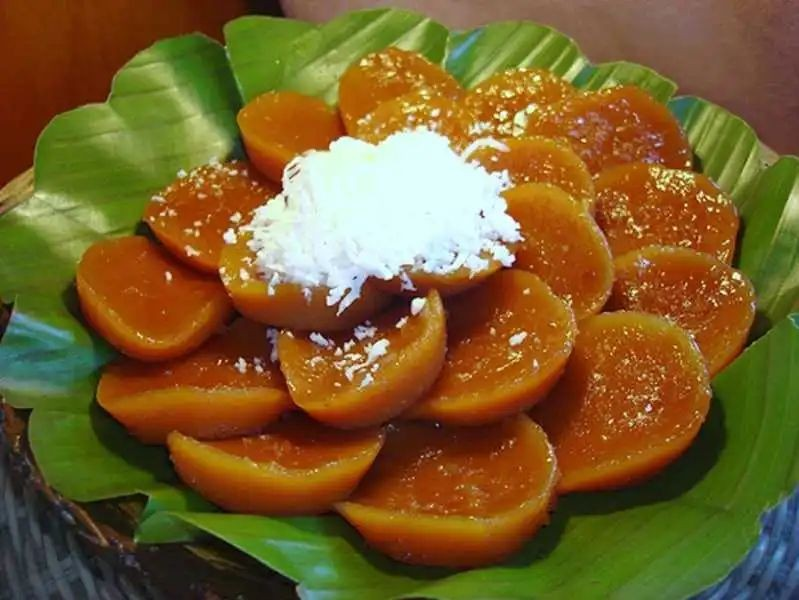
by recipe4peace.com
Kutsinta is a steamed rice cake known for its distinctive chewy texture.
Often enjoyed with:
- Fresh coconut
- Grated coconut
- Coffee
- Hot chocolate
It remains one of the most popular traditional merienda foods.
Coconut-Based Desserts
No ingredient is more closely associated with Philippine desserts than coconut.
Bibingka
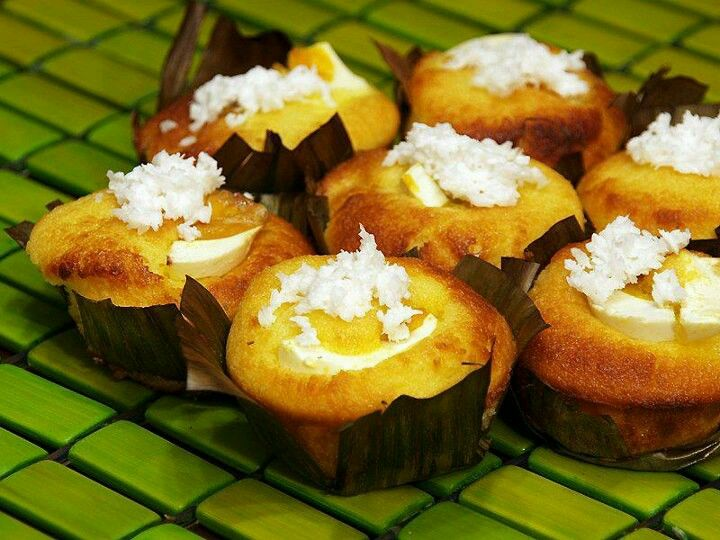
by pinterest.com
Traditionally cooked during Christmas season, bibingka combines:
- Rice flour
- Coconut milk
- Eggs
Modern versions often include:
- Salted eggs
- Cheese
- Butter
Bibingka remains one of the country’s most beloved holiday treats.
Pichi-Pichi
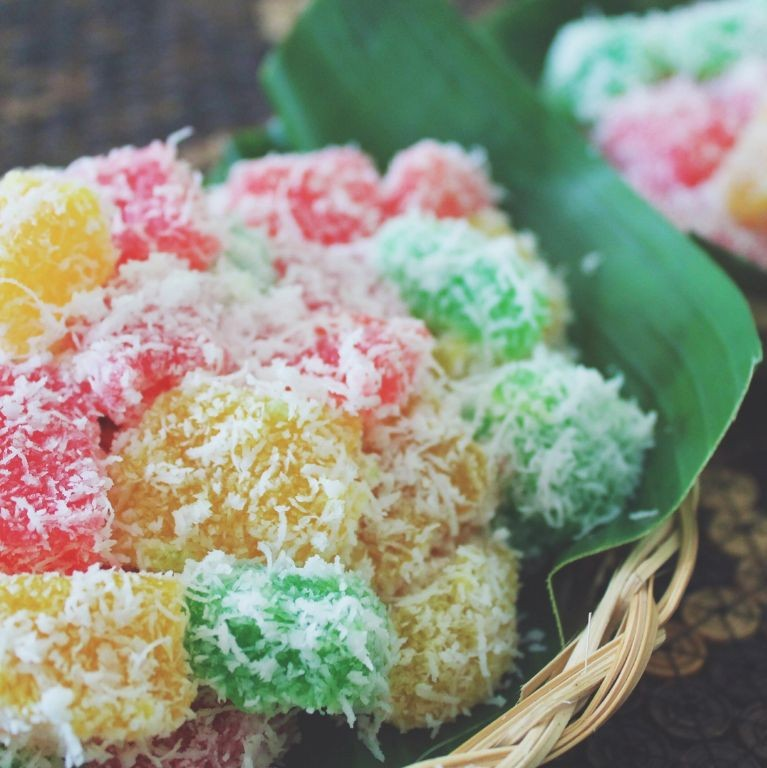
by recipe4peace.com
Pichi-pichi is made from cassava and coated with fresh grated coconut.
It is commonly found in:
- Markets
- Bakeries
- Local celebrations
Its soft texture and coconut coating make it an enduring favorite.
Palitaw
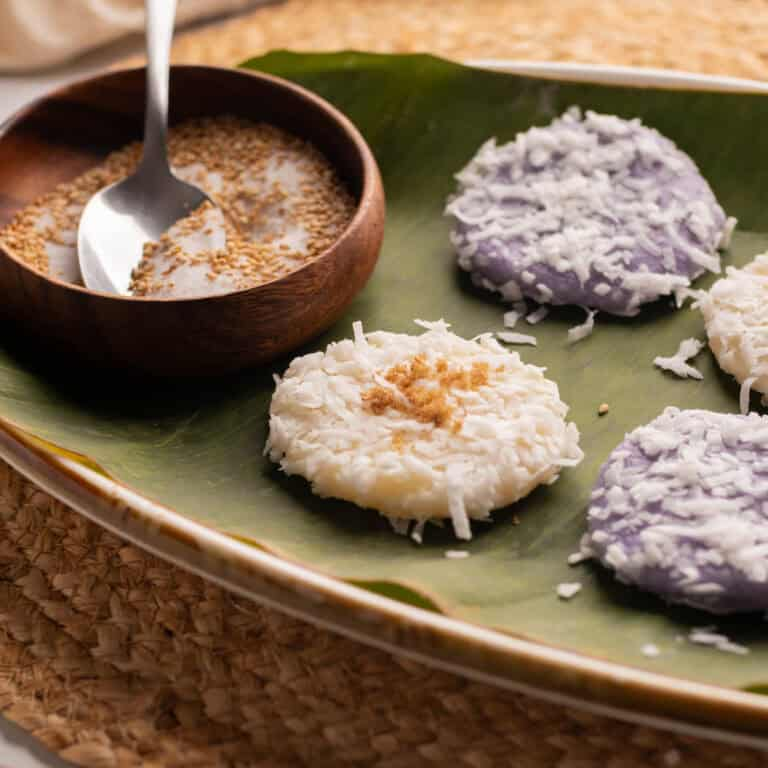
by mikhaeats.com
Palitaw consists of glutinous rice cakes coated with:
- Coconut
- Sugar
- Toasted sesame seeds
The name comes from the cooking process, as the cakes float to the surface while boiling.
Banana & Root Crop Desserts
Turon
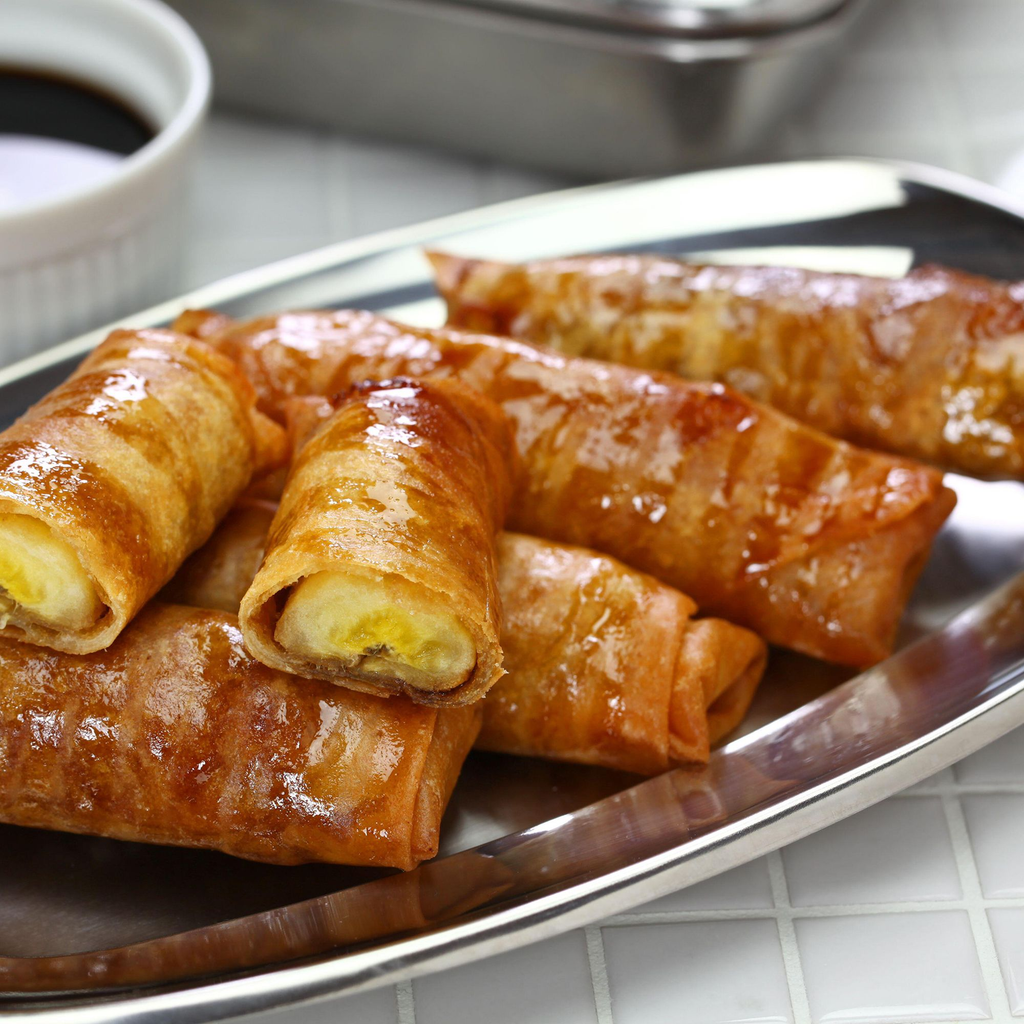
by pinterest.com
Turon is one of the most common street-food desserts in the Philippines.
It consists of:
- Saba banana
- Brown sugar
- Lumpia wrapper
Many variations also include:
- Jackfruit
- Chocolate
- Ube
Turon is inexpensive, widely available, and enjoyed throughout the country.
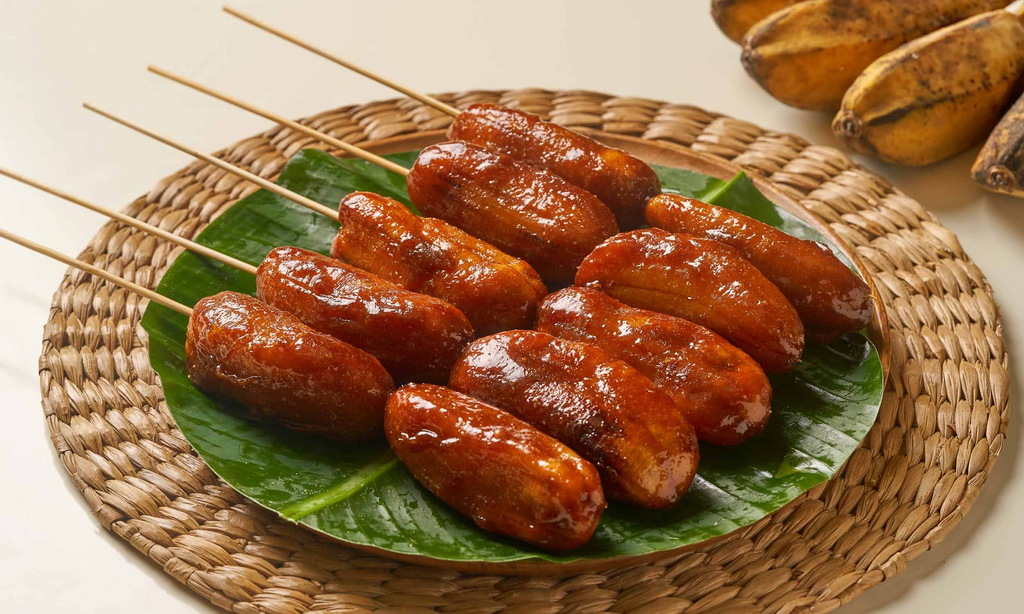
Banana Cue
by pepper.ph
Banana cue consists of saba bananas coated in caramelized brown sugar and served on bamboo skewers.
It remains a staple street snack.
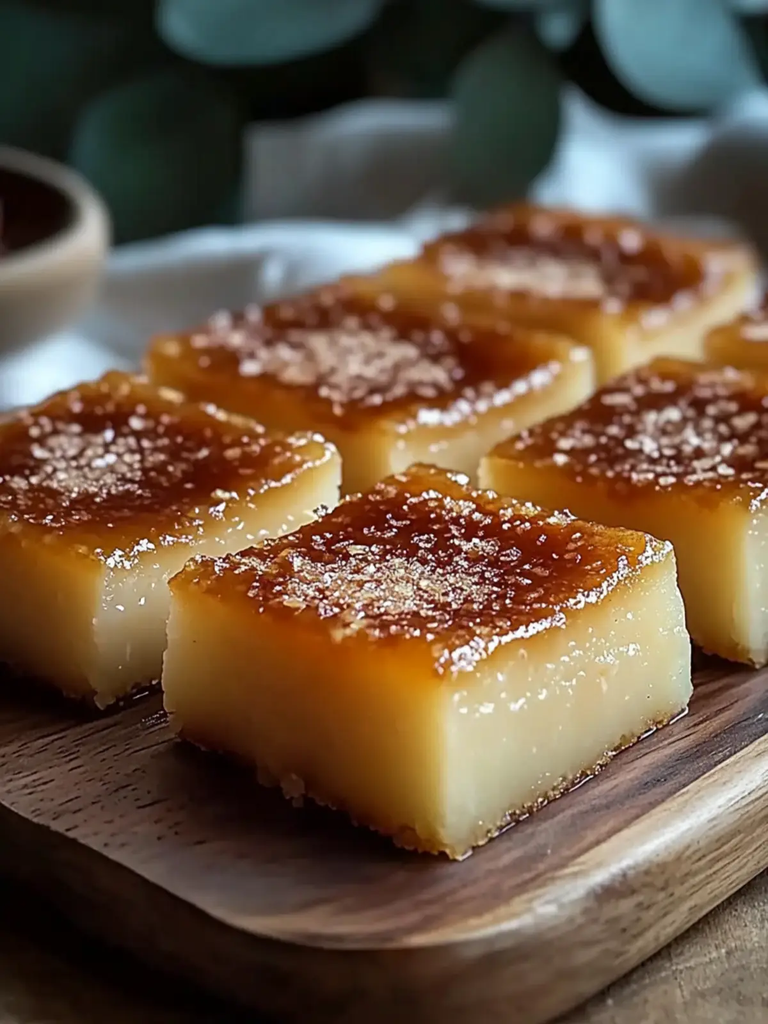
Cassava Cake
by recipesbyandie.com
Cassava cake is a popular dessert throughout the Philippines.
Made from:
- Cassava
- Coconut milk
- Condensed milk
It offers a rich and dense texture that differs from many Western cakes.
Festival & Celebration Desserts
Many Filipino desserts are connected to:
- Religious festivals
- Christmas celebrations
- Family reunions
- Weddings
- Town fiestas
Popular examples include:
- Bibingka
- Puto bumbong
- Biko
- Leche flan
- Sapin-sapin
Food plays an important role in Filipino celebrations, and desserts often hold cultural significance beyond their ingredients.
Related Guides:
Regional Dessert Specialties
Luzon
Known for:
- Ube products
- Bibingka
- Puto bumbong
- Tupig
- Rice cakes
Popular throughout:
- Metro Manila
- Ilocos Region
- Central Luzon
- CALABARZON
- Bicol Region
Related Guides:
Visayas
Known for:
- Piaya
- Napoleones
- Binagol
- Coconut-based sweets
Western Visayas, particularly Negros and Iloilo, has developed a strong reputation for desserts and pastries.
Related Guides:
Mindanao
Known for:
- Pastil-inspired sweets
- Fruit-based desserts
- Durian products
- Indigenous rice delicacies
The region’s cultural diversity produces unique dessert traditions not commonly found elsewhere.
Related Guides:
Desserts Travelers Should Try
If you’re visiting the Philippines for the first time, start with:
- Halo-Halo
- Leche Flan
- Ube Halaya
- Bibingka
- Turon
- Biko
- Sapin-Sapin
- Puto
- Kutsinta
- Piaya
Together, these provide a good introduction to the country’s dessert culture.
Where to Find Philippine Desserts
Travelers can discover Filipino sweets in:
- Local bakeries
- Public markets
- Food festivals
- Restaurants
- Family-owned eateries
- Shopping malls
- Roadside stalls
- Tourist destinations
Some of the best desserts are still found in small local establishments rather than chain restaurants.
Philippine Desserts and Travel
Desserts provide an enjoyable way to explore local culture.
Many destinations have sweets associated with:
- A province
- A region
- A festival
- A cultural tradition
Trying local desserts can help travelers understand regional differences and culinary traditions throughout the archipelago.
Related Guides
Philippine Food & Culture
- Filipino Foods Guide
- Filipino Desserts Guide
- Food & Culture in the Philippines
- Regional Food Guide to the Philippines
Food & Festivals
Regional Exploration
- Luzon Mainland Travel Guide
- Luzon Islands Travel Guide
- Visayas Islands Travel Guide
- Mindanao’s Mainland Travel Guide
- Mindanao Islands Travel Guide
Final Thoughts
Philippine desserts are more than sweet treats. They are part of the country’s cultural identity, shaped by generations of local traditions, agricultural practices, and regional influences. From a bowl of halo-halo on a hot afternoon to bibingka during Christmas season, Filipino desserts offer travelers a flavorful introduction to the history, culture, and diversity of the Philippine archipelago.
Whether you prefer rice cakes, coconut delicacies, fruit-based sweets, or rich milk desserts, every island group offers something worth trying.