Explore the Philippines’ diverse regional cultures—from Luzon to Visayas to Mindanao. Learn key customs, etiquette, communication styles, food traditions, and traveler tips. A comprehensive guide for visitors and expats.
Regional Cultural Differences in the Philippines – A Complete Visitor & Expat Guide
The Philippines is one of the world’s most culturally diverse archipelagos, shaped by centuries of indigenous heritage, maritime trade, Spanish and American influence, and strong regional identities. For travelers and expats, understanding these regional cultural differences is essential—not only for respectful interaction but also for appreciating the country’s rich social fabric.
This guide breaks down cultural nuances across Luzon, Visayas, and Mindanao, including communication styles, etiquette, food culture, religious influences, and regional behaviors that shape everyday life.
Why Regional Cultural Differences Matter for Travelers and Expats
Although Filipinos share a national identity, each region has distinct traditions, languages, values, and social norms. These differences influence:
- How people communicate
- How hospitality is expressed
- How communities celebrate
- How visitors are expected to behave
- How food is prepared and shared
- How religion shapes daily life
Understanding these nuances helps travelers avoid misunderstandings, build rapport, and experience the Philippines more authentically.
Luzon – Cultural Identity, Social Norms, and Traveler Expectations
Luzon is the largest island group and home to the capital, Manila. It is culturally diverse, ranging from cosmopolitan urban centers to deeply traditional rural communities.
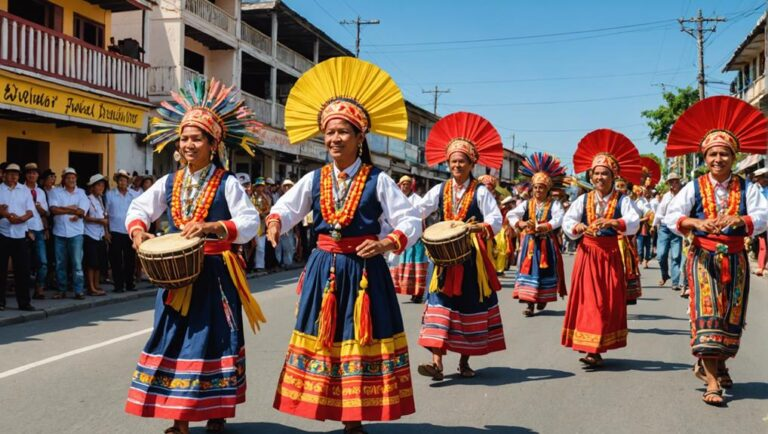
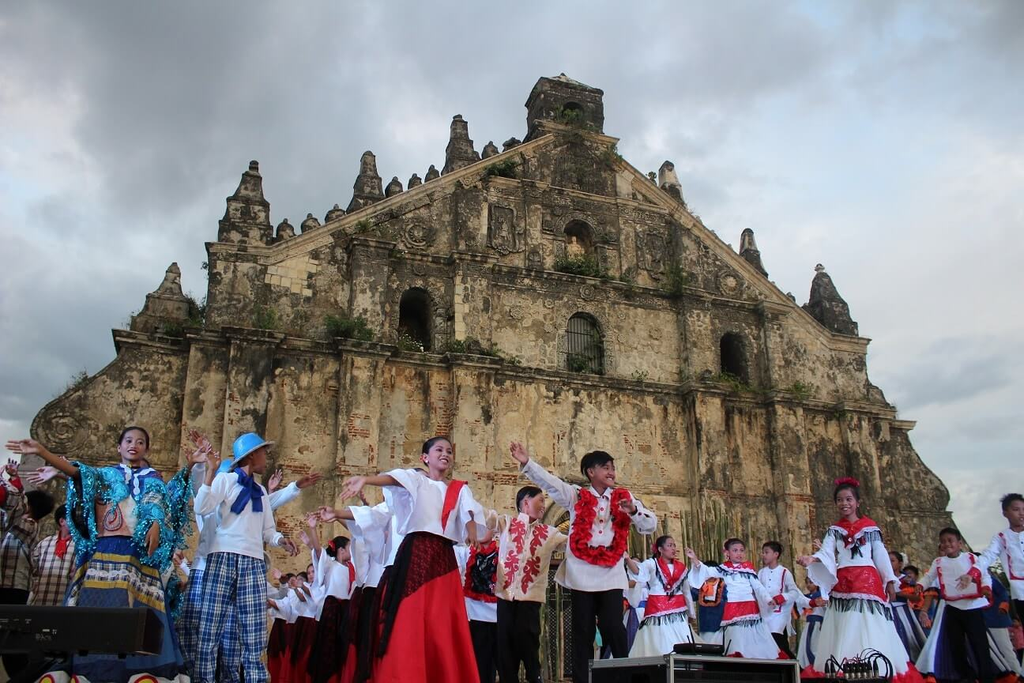
Sandugo Festival by festivepinoy.com Festival in Ilocos by vistaestates.vistaland.com.ph
Communication Style in Luzon
- Direct but polite — People in Metro Manila and major cities tend to be more straightforward, influenced by Western communication norms.
- English proficiency is highest — Many Luzon residents switch comfortably between Filipino (Tagalog) and English.
- Professional tone — In business settings, Luzon culture leans toward formality, punctuality, and structured communication.
Social Etiquette and Behavior
- Urban etiquette — In Manila, efficiency and time-consciousness matter more than in other regions.
- Respect for hierarchy — Titles like Sir, Ma’am, Attorney, Engineer, and Doctor are commonly used.
- Personal space — Compared to Visayas and Mindanao, Luzon residents maintain more personal space and may appear less physically expressive.
Food Culture in Luzon
- Bold, savory flavors — Dishes like adobo, sinigang, kare-kare, and pancit dominate.
- Rice is central — Luzon’s rice culture is strong, especially in Central Luzon.
- Street food culture — Manila’s street food scene is diverse, from isaw to fish balls.
Religious and Cultural Influences
- Catholic traditions are strong, especially in Northern Luzon.
- Fiestas like Pahiyas and Panagbenga highlight agricultural heritage and community pride.
- Indigenous groups such as the Igorot maintain distinct rituals and attire.
Visayas – Warmth, Hospitality, and Distinct Linguistic Identity
The Visayas is known for its friendliness, musicality, and strong regional pride. Cebuano, Hiligaynon, and Waray languages dominate, each with unique cultural nuances.
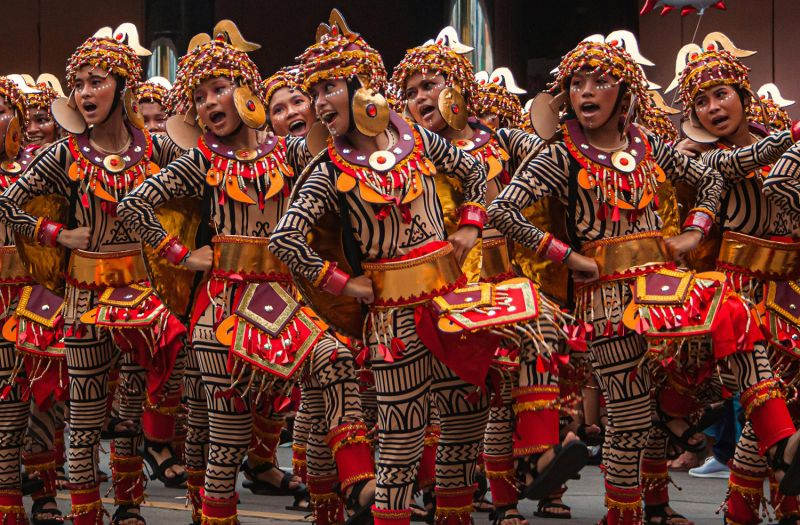
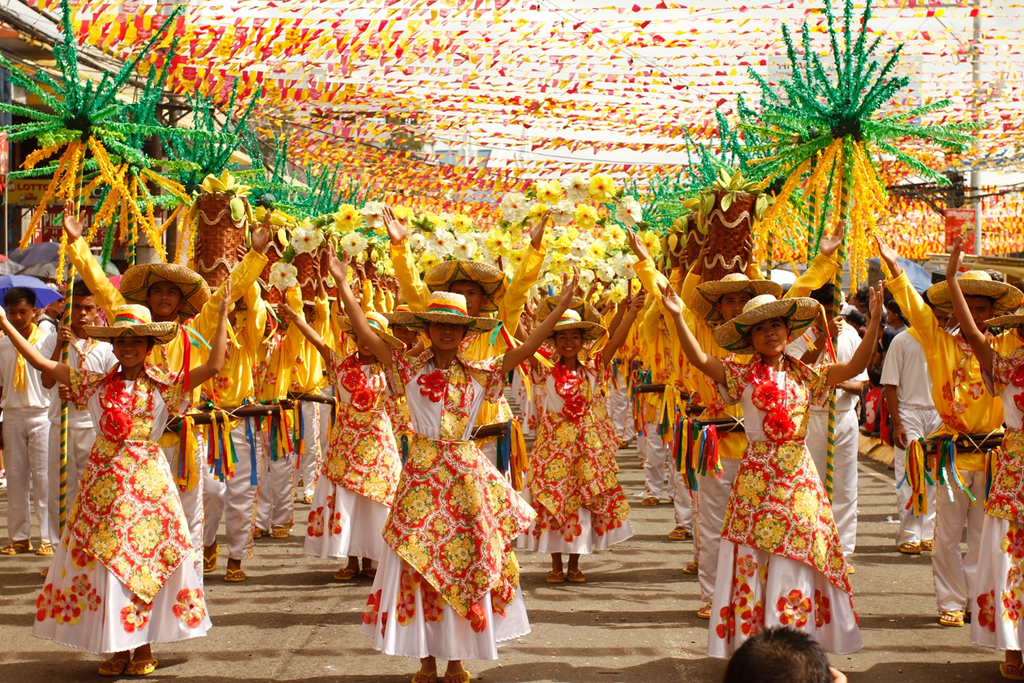
Sinulog Festival in Cebu by linkedin.com Cebuano Festival by cloth.crnfrd.co.uk
Communication Style in the Visayas
- Warm and expressive — Visayans are known for open smiles, laughter, and approachable demeanor.
- Indirect but friendly — Communication is polite, often softened with humor.
- Regional pride — Locals strongly identify with their city or island (Cebuano, Ilonggo, Waray).
Social Etiquette and Behavior
- Hospitality is central — Visitors are often invited to meals or gatherings.
- Community-oriented — Social life revolves around family, neighbors, and local events.
- Relaxed pace — Compared to Manila, Visayan cities and towns have a more laid-back rhythm.
Food Culture in the Visayas
- Seafood-rich cuisine — Fresh fish, shellfish, and grilled dishes dominate.
- Sweet flavor profiles — Visayan dishes often lean sweeter, especially in Cebu and Negros.
- Iconic dishes — Lechon Cebu, batchoy, kinilaw, piaya, and chicken inasal.
Religious and Cultural Influences
- Catholicism is deeply rooted, with major festivals like Sinulog, Dinagyang, and Ati-Atihan.
- Music and dance are integral to celebrations.
- Indigenous traditions blend with Spanish heritage.
Mindanao – Cultural Diversity, Islamic Heritage, and Indigenous Traditions
Mindanao is the most culturally diverse region, home to Christian communities, Muslim Filipinos (Moros), and numerous indigenous groups (Lumad).
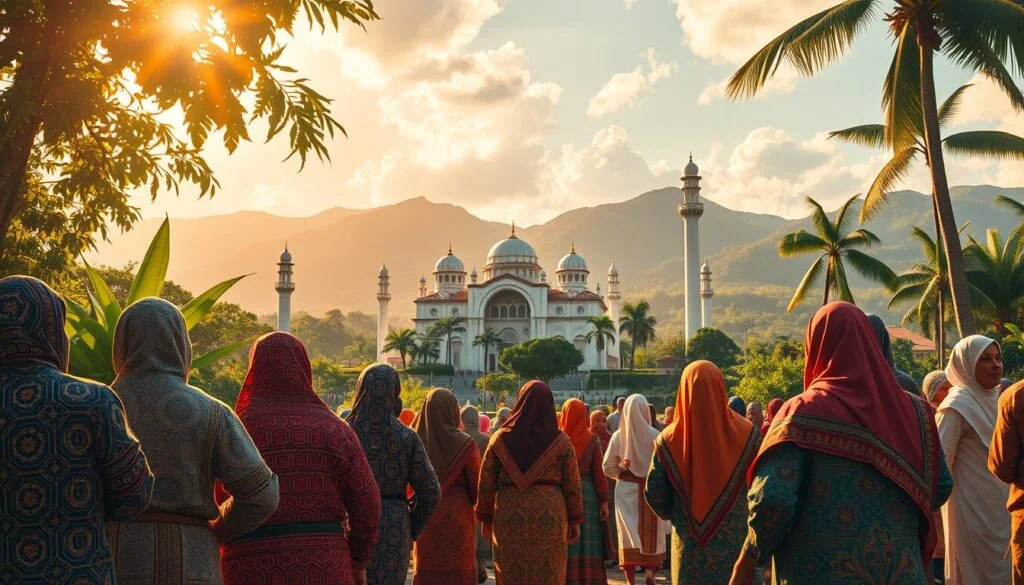
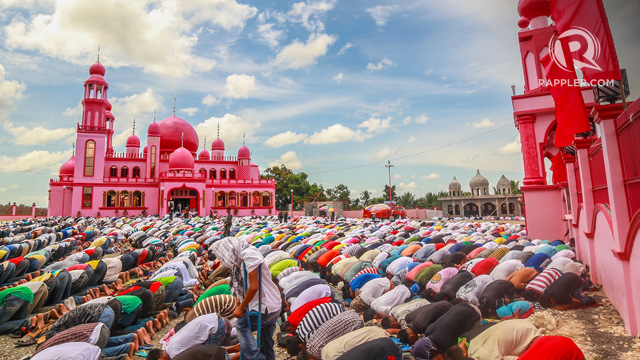
The Moro Conflict and the Peace Process by sinaunangpanahon.com Islam in the Philippines by rappler.com
Communication Style in Mindanao
- Calm and respectful — Mindanaoans often speak softly and avoid confrontational tones.
- Indirect communication — Politeness and harmony are prioritized.
- Multilingual environment — Cebuano is widely spoken, along with Tausug, Maranao, Maguindanao, and indigenous languages.
Social Etiquette and Behavior
- Strong respect culture — Elders and community leaders hold significant authority.
- Hospitality with boundaries — Warm but more reserved compared to Visayas.
- Modesty in dress — In Muslim-majority areas, conservative clothing is expected.
Food Culture in Mindanao
- Spiced and aromatic dishes — Influenced by Malay and Indonesian cuisine.
- Coconut-rich recipes — Piaparan, pastil, satti, beef rendang, and palapa are staples.
- Halal food culture — Widely practiced in Muslim communities.
Religious and Cultural Influences
- Islamic traditions shape daily life in many provinces.
- Christian-majority cities like Davao and Cagayan de Oro blend Mindanaoan and Visayan culture.
- Lumad communities preserve ancient rituals, weaving, and tribal governance.
Key Cultural Differences Across Luzon, Visayas, and Mindanao
Communication Differences
- Luzon: Direct, professional, English-forward
- Visayas: Warm, humorous, expressive
- Mindanao: Soft-spoken, respectful, harmony-focused
Hospitality and Social Behavior
- Luzon: Urban efficiency, polite formality
- Visayas: Open invitations, communal gatherings
- Mindanao: Reserved warmth, respect-driven interactions
Food Culture Variations
- Luzon: Savory, bold, rice-heavy
- Visayas: Seafood-rich, sweet-leaning
- Mindanao: Spiced, aromatic, halal-friendly
Religious and Cultural Influences
- Luzon: Catholic traditions, indigenous highland culture
- Visayas: Catholic festivals, musical heritage
- Mindanao: Islamic customs, tribal traditions
Practical Tips for Travelers Navigating Regional Cultural Differences
Language Tips
- Learn basic greetings in Tagalog, Cebuano, or Hiligaynon depending on the region.
- English works almost everywhere, but locals appreciate effort.
Dress Code Awareness
- Casual attire is fine in Luzon and Visayas.
- Dress modestly in Muslim-majority Mindanao.
Respect Local Customs
- Ask permission before taking photos of people or religious sites.
- Participate respectfully in festivals and rituals.
Food Etiquette
- Accepting food is a sign of respect.
- In Mindanao, be mindful of halal practices.
Safety and Sensitivity
- Avoid political discussions in unfamiliar settings.
- Be culturally sensitive in areas with strong indigenous or Islamic traditions.
Related Guides for Deeper Cultural Understanding
- Philippine Cultural Etiquette Guide
- Culture & Regional Identity Hub
- Travel Essentials
- Expat Essentials: Living in the Philippines
- Quick Reference Guides
Plan Your Cultural Journey Across the Philippines
Understanding regional cultural differences is one of the most rewarding parts of exploring the Philippines. Whether you’re navigating Manila’s fast-paced urban culture, enjoying Visayan hospitality, or experiencing Mindanao’s rich Islamic and indigenous heritage, each region offers a unique lens into Filipino identity.