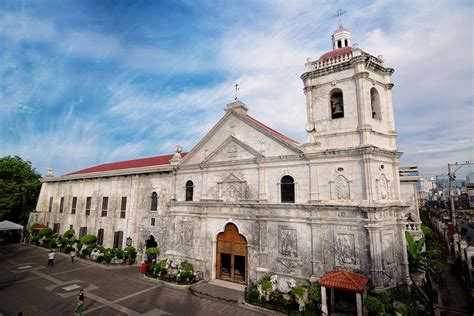
by santoninodecebubasilica.org
The Basilica Minore del Santo Niño in Cebu City is one of the most significant religious sites in the Philippines and the country’s oldest Roman Catholic church. Home to the revered image of the Santo Niño de Cebu, the basilica attracts millions of pilgrims, worshippers, and visitors every year.
For centuries, the Santo Niño has been at the center of Filipino Catholic devotion. The church is also closely associated with the annual Sinulog Festival, one of the largest and most famous cultural and religious celebrations in the Philippines.
Whether you’re a pilgrim, history enthusiast, architecture lover, or cultural traveler, the Basilica remains one of the most important destinations in Cebu and the Philippines.
Basilica Minore del Santo Niño at a Glance
| Feature | Details |
|---|---|
| Location | Cebu City, Cebu |
| Founded | 1565 |
| Status | Minor Basilica |
| Known For | Santo Niño de Cebu Image |
| Travel Style | Religious Tourism, History, Culture & Pilgrimage |
| Ideal Visit Length | 1–3 Hours |
| Best For | Pilgrims, Families, History Lovers |
| Religious Importance | Philippines’ Oldest Catholic Church |
Why Visit the Basilica Minore del Santo Niño?
The basilica is more than a church. It is one of the most important religious landmarks in Philippine history.
Visitors come to:
- View the historic Santo Niño image
- Experience one of the country’s premier pilgrimage destinations
- Learn about the beginnings of Christianity in the Philippines
- Attend Mass in a historic church
- Explore museums and religious collections
- Participate in religious celebrations
- Visit one of Cebu City’s most famous landmarks
Few locations offer a deeper connection to Filipino faith and history.
What Makes the Basilica Special?
Home of the Santo Niño de Cebu
The most treasured feature of the basilica is the image of the Santo Niño.
The image is believed to be the oldest Christian relic in the Philippines and is deeply connected to the arrival of Christianity in Cebu during the sixteenth century.
Millions of Filipinos revere the Santo Niño and visit the basilica throughout the year.
The Birthplace of Philippine Christianity
The basilica occupies a central place in Philippine history.
The site is associated with the earliest period of Spanish contact and the introduction of Christianity to the islands, making it one of the country’s most historically significant religious landmarks.
Center of the Sinulog Festival
Every January, the basilica becomes the spiritual heart of the Sinulog Festival.
Pilgrims and visitors gather in Cebu City to honor the Santo Niño through religious activities, processions, and cultural celebrations.
Top Things to See at the Basilica
The Santo Niño Shrine
The highlight of any visit is seeing the revered image of the Santo Niño.
Pilgrims often spend time in prayer and reflection before the shrine.
For many visitors, this is the most meaningful part of the experience.
The Historic Church Interior
The basilica’s interior reflects centuries of religious devotion.
Visitors can admire:
- Historic religious artwork
- Ornate altars
- Sacred images
- Traditional church architecture
The atmosphere remains peaceful despite the large number of visitors.
Pilgrim Center
The basilica complex includes facilities designed to accommodate thousands of pilgrims and worshippers.
The open spaces often host religious events and gatherings.
Basilica Museum
The museum provides insight into the religious and cultural history of Cebu.
Highlights include:
- Religious artifacts
- Historical documents
- Ecclesiastical treasures
- Sacred objects connected to Santo Niño devotion
Magellan’s Cross
Located a short walk from the basilica, Magellan’s Cross is one of Cebu City’s most famous historical landmarks.
Many visitors combine both attractions in a single visit.
A Brief History of the Basilica
The origins of the basilica date to 1565 when Spanish explorers arrived in Cebu and rediscovered the Santo Niño image.
The image survived decades of conflict and change, becoming an enduring symbol of Christianity in the Philippines.
Over the centuries, the church evolved into one of the most important pilgrimage destinations in Asia.
Today, the basilica remains an active center of worship while welcoming millions of visitors each year.
Santo Niño Basilica vs Other Famous Philippine Churches
| Church | Best Known For |
|---|---|
| Santo Niño Basilica | Most Important Pilgrimage Church |
| San Agustin Church | Oldest Stone Church |
| Paoay Church | Massive Buttresses |
| Santa Maria Church | Hilltop Setting |
| Miagao Church | Unique Cultural Façade |
| Taal Basilica | Monumental Size |
Quick Winner
Choose Santo Niño Basilica if you’re looking for the Philippines’ most important pilgrimage destination and one of the country’s most significant religious landmarks.
How to Get There
The basilica is located in downtown Cebu City and is easily accessible from major transportation hubs.
| Origin | Travel Time |
|---|---|
| Mactan-Cebu International Airport | 30–60 Minutes |
| Cebu IT Park | 20–40 Minutes |
| Cebu Port Area | 10–20 Minutes |
| Colon District | Walking Distance |
Most visitors include the basilica as part of a Cebu City heritage tour.
How Long Should You Stay?
| Stay Length | Recommendation |
|---|---|
| 30 Minutes | Quick Visit |
| 1 Hour | Church & Shrine |
| 2 Hours | Church, Museum & Grounds |
| Half Day | Combine with Cebu Heritage Sites |
Allow extra time during major religious celebrations and festival periods.
Best Experiences at the Basilica
| Experience | Priority |
|---|---|
| View the Santo Niño Image | Must Do |
| Attend a Mass | Must Do |
| Visit the Museum | Must Do |
| Explore the Basilica Grounds | Must Do |
| Visit Magellan’s Cross | Must Do |
| Attend Sinulog Activities | Recommended |
| Join Pilgrimage Events | Recommended |
| Learn About Early Philippine Christianity | Essential |
Best Time to Visit
For a quieter experience, visit on weekday mornings.
Religious travelers frequently visit during:
- Feast of the Santo Niño
- Sinulog Festival season
- Holy Week
- Major Catholic celebrations
January provides the most vibrant atmosphere but also the largest crowds.
Suggested Cebu Heritage Itinerary
Morning
- Basilica Minore del Santo Niño
- Santo Niño Shrine
- Basilica Museum
Afternoon
- Magellan’s Cross
- Cebu Metropolitan Cathedral
- Historic Cebu City landmarks
Evening
- Local Cebuano dining
- Cultural attractions
Is the Basilica Minore del Santo Niño Worth Visiting?
Absolutely.
The Basilica Minore del Santo Niño is one of the most important religious destinations in the Philippines and a cornerstone of Cebu’s cultural identity. Its deep historical roots, spiritual significance, connection to the Santo Niño devotion, and role in the Sinulog Festival make it an essential stop for anyone interested in Philippine history, culture, and faith.
For pilgrims, history lovers, and travelers exploring Cebu, it remains one of the country’s most meaningful and memorable landmarks.
Related Guides
- Historic Churches of the Philippines
- Cebu City Guide
- Cebu Island Travel Guide
- Sinulog Festival Guide
- Philippine Pilgrimage Destinations
- Heritage Towns of the Philippines
- San Agustin Church Travel Guide
- Santa Maria Church Travel Guide
- Taal Basilica Travel Guide
- Cultural Tourism in the Philippines