Philippine Information Silo (Reference & Facts)
A comprehensive reference hub covering the Philippines’ geography, administrative structure, climate systems, biodiversity, cultural foundations, national statistics, and historical background. This silo provides factual, evergreen information designed to support all travel, regional, and eco‑tourism content across TuristaSaPilipinas.com.
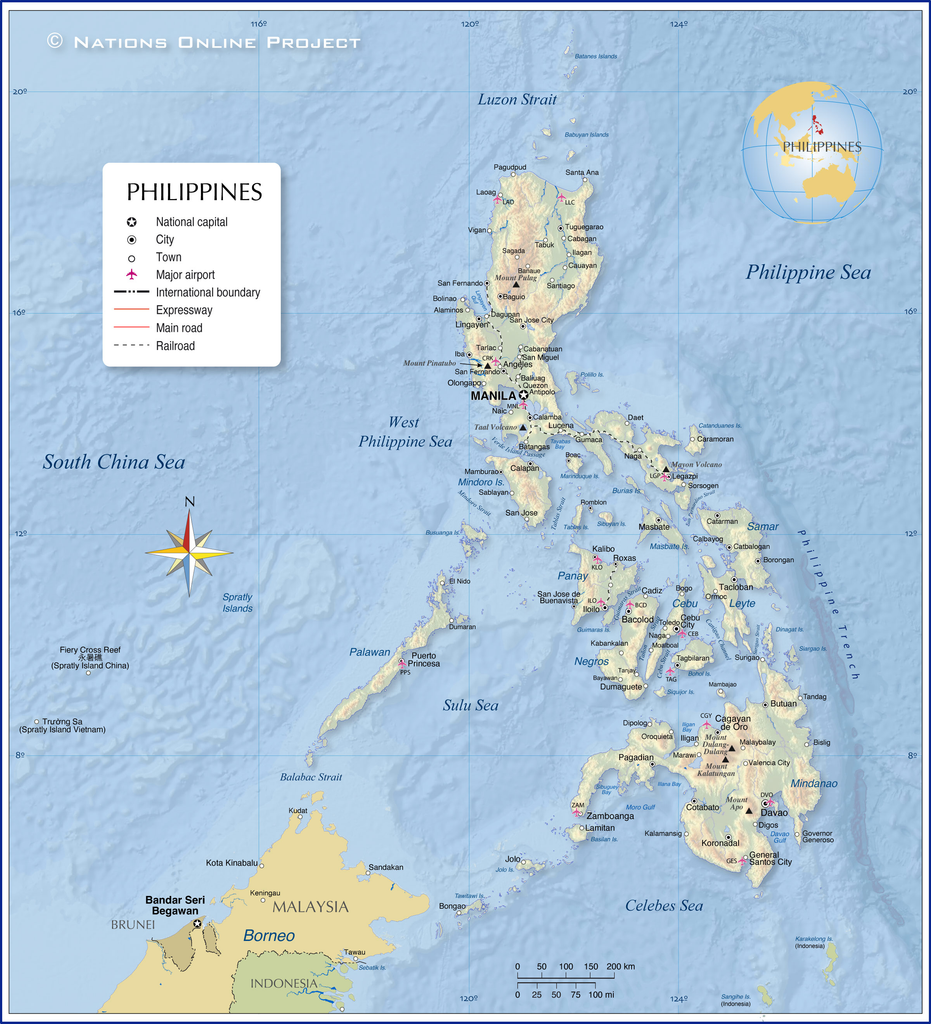
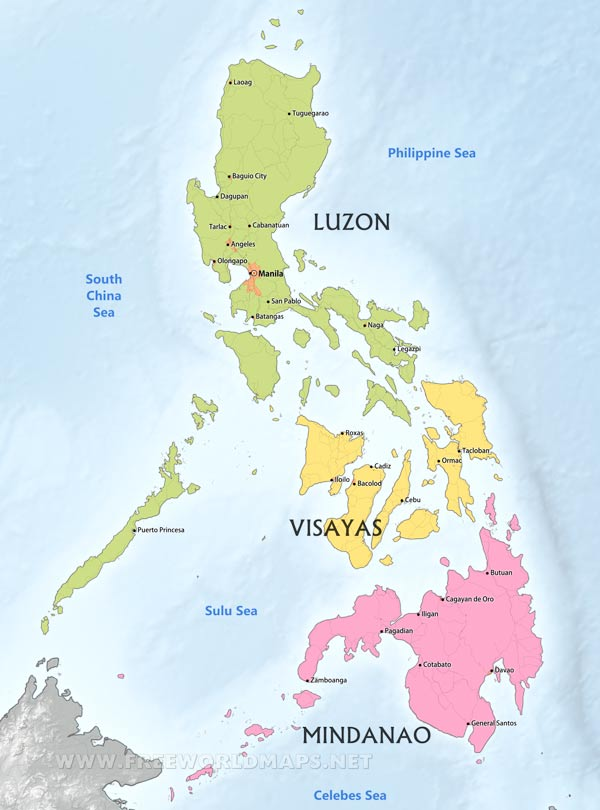
Map by ar.inspiredpencil.com by freeworldmaps.net
Geography of the Philippines
Archipelago Structure
The Philippines consists of 7,641 islands, grouped into three major island clusters: Luzon, Visayas, and Mindanao. Learn more in Philippine Geography.
Major Landforms
- Mountain ranges (Cordillera, Sierra Madre, Zambales Mountains)
- Volcanic systems (Mayon, Taal, Kanlaon)
- Plains and valleys (Cagayan Valley, Central Luzon Plain) Explore Philippine Landforms.
Water Systems
- Major rivers (Cagayan, Agusan, Pampanga)
- Lakes (Laguna de Bay, Taal Lake, Lake Lanao)
- Watersheds and basins See Philippine Water Systems.
Administrative Divisions
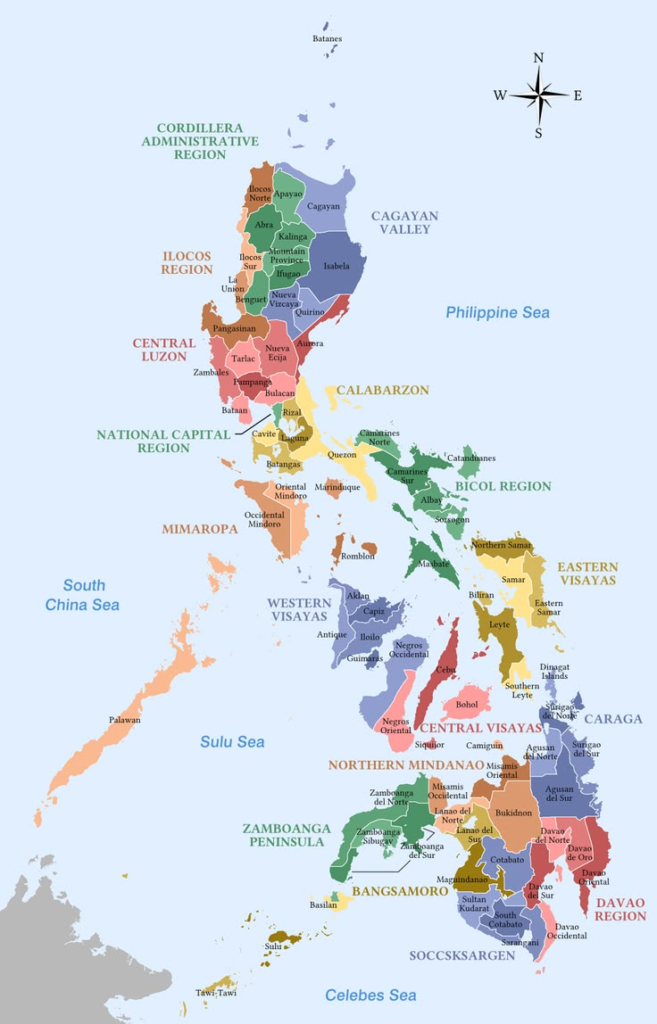
Mao by pinterest.com
National Administrative Structure
The Philippines is divided into:
- 17 Regions
- 83 Provinces
- 148 Cities
- 1,488 Municipalities
- 42,000+ Barangays
Related Guides & Pages
Region Profiles
Each region has distinct cultural, geographic, and economic characteristics.
Related Guides & Pages
City Classifications
- Highly Urbanized Cities (HUCs)
- Independent Component Cities
- Component Cities
Related Guides & Pages
- City Classifications
Climate & Weather Systems
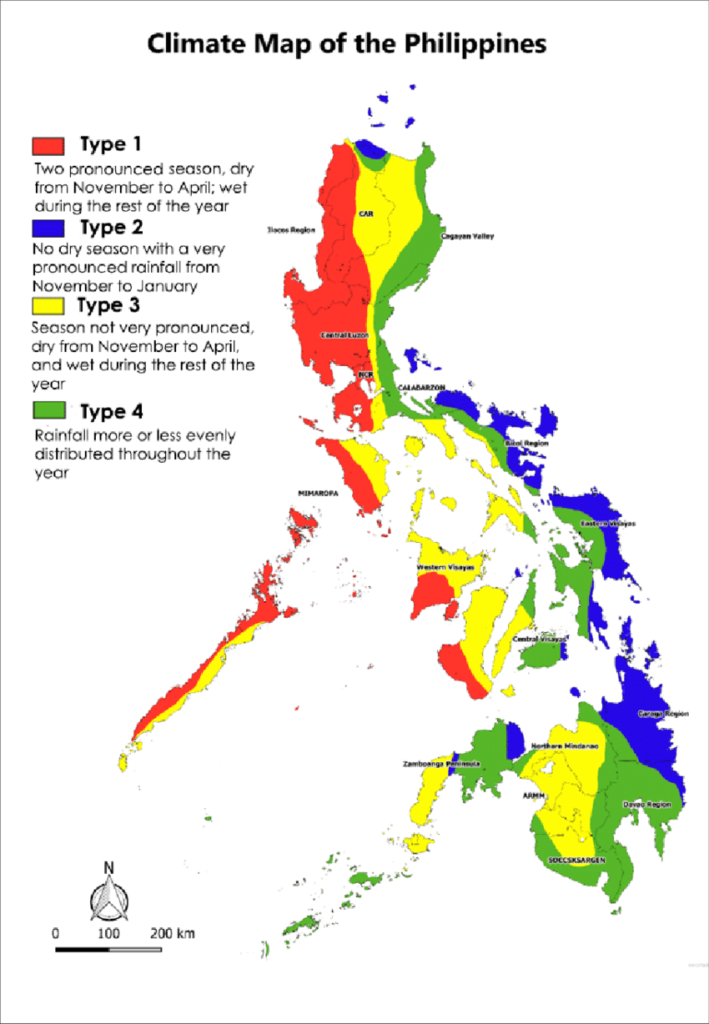
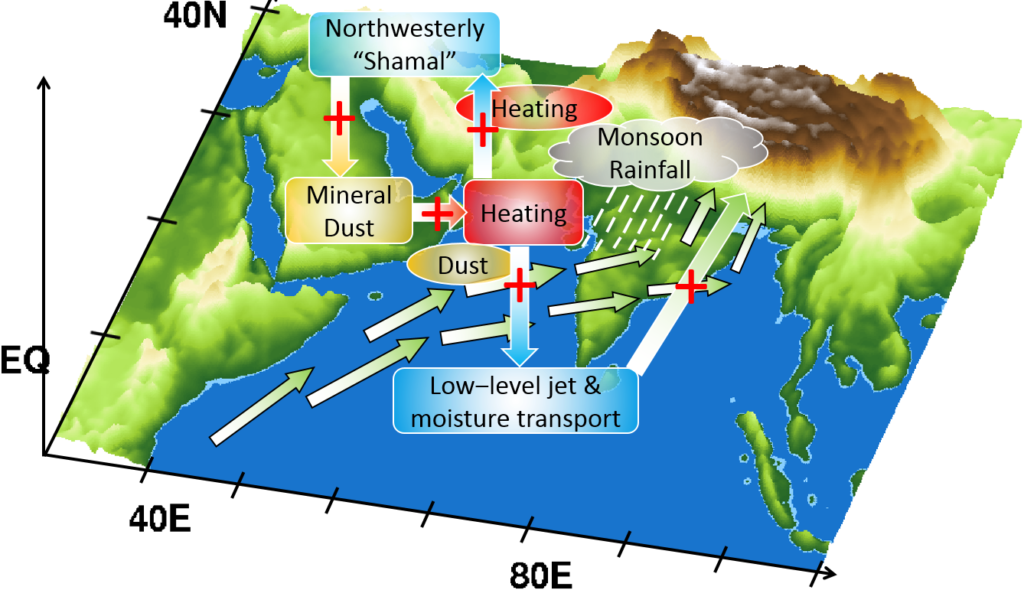
by crazytouristgirl12.blogspot.com What Are Monsoons? by storage.googleapis.com
Climate Types
The Philippines has four climate types based on rainfall distribution. See Philippine Climate Types.
Monsoon Patterns
- Amihan (Northeast Monsoon)
Typhoon Belt
The country experiences 15–20 typhoons annually, mostly between July and September. Explore Philippine Typhoon Belt.
Biodiversity & Wildlife
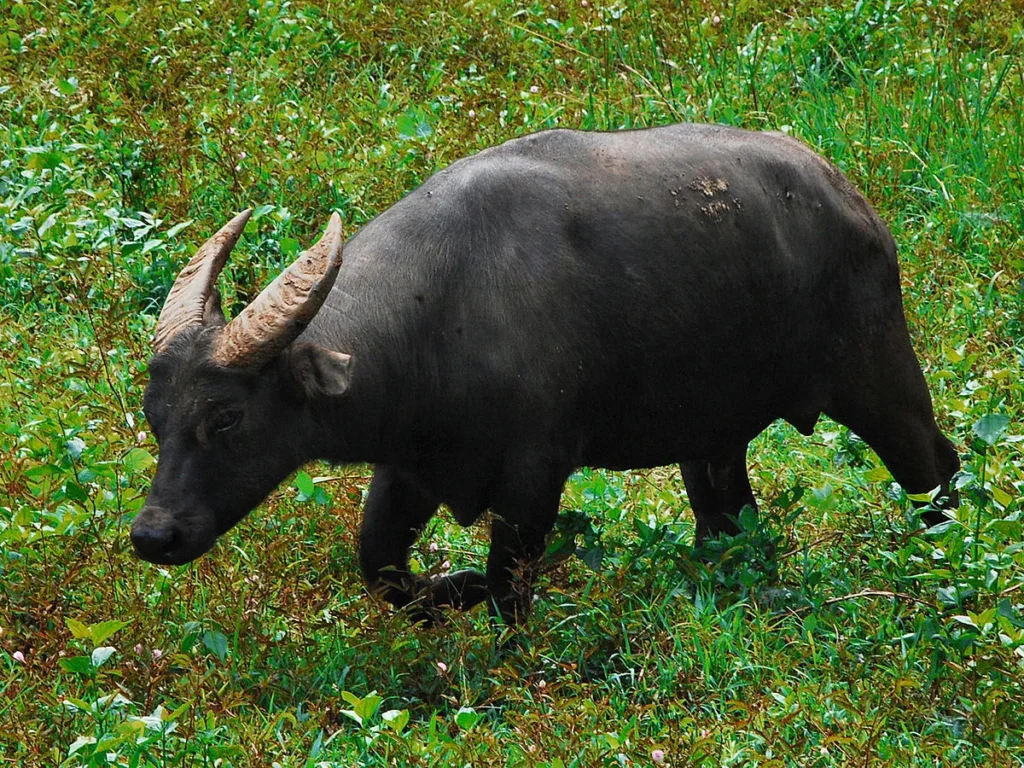
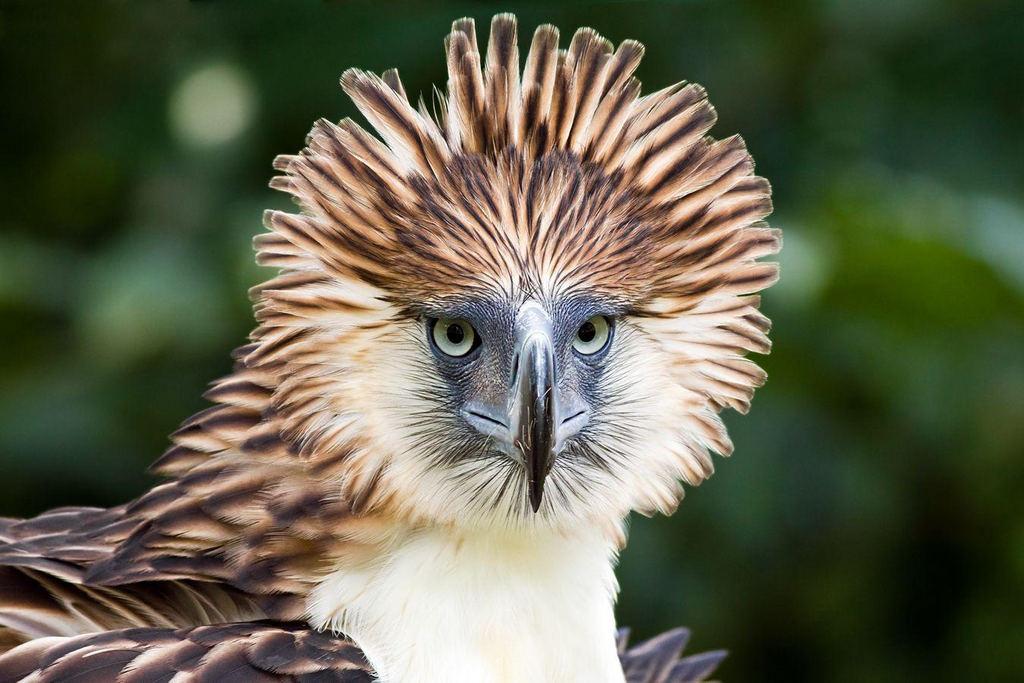
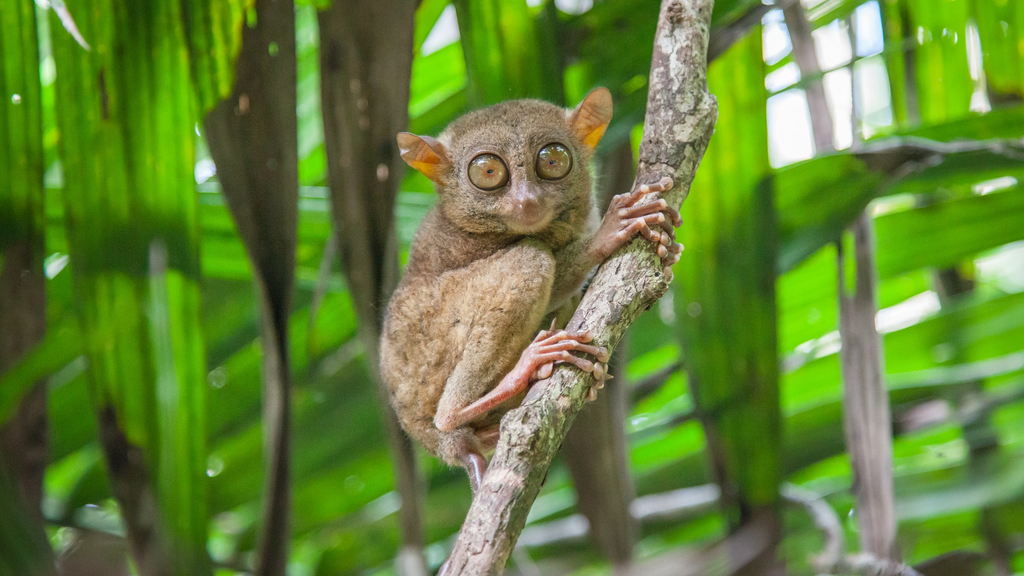
by toyotavalencia.com.ph by wallpaperaccess.com by neprimateconservancy.org
H3: Endemic Species
The Philippines is one of the world’s biodiversity hotspots, home to thousands of endemic species
Related Guides & Pages
- Philippine Endemic Species.
Threatened Species
Key threatened species include the Philippine Eagle, Tamaraw, and Visayan Warty Pig.
Related Guides & Pages
- Threatened Wildlife.
H3: Protected Areas
The country has over 240 protected areas, including national parks, wildlife sanctuaries, and marine reserves. Learn more in Protected Areas.
H2: Cultural Foundations
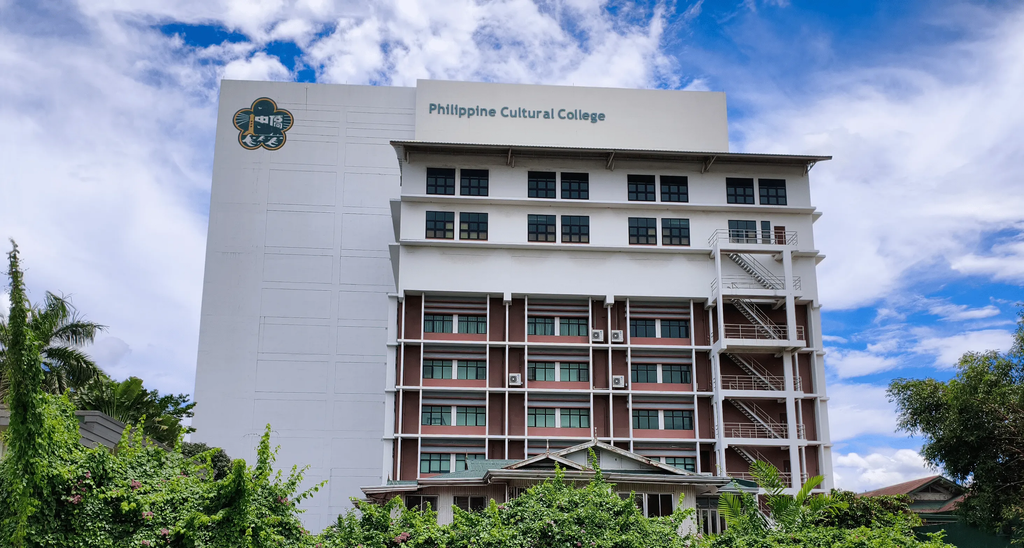
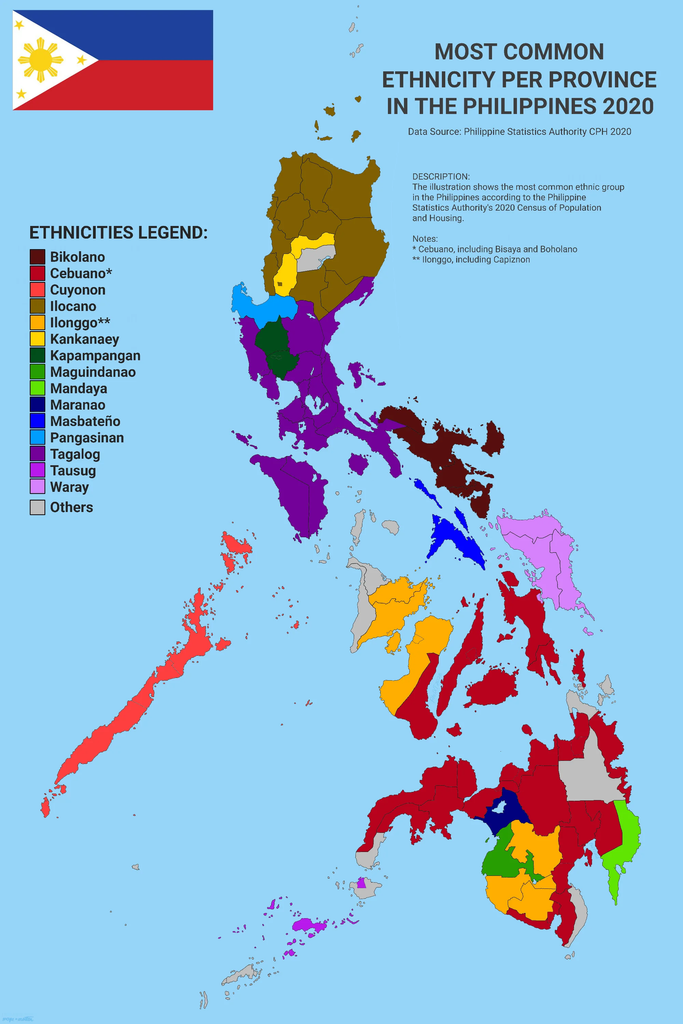
by philippineculturalcollege.edu.ph Map by reddit.com
Ethnolinguistic Groups
The Philippines has over 100 ethnolinguistic groups, each with distinct traditions and languages. See Ethnolinguistic Groups.
Languages
Filipino and English are official languages, with regional languages like Cebuano, Ilocano, Hiligaynon, Kapampangan, and Tausug widely spoken.
Related Guides & Pages
- Philippine Languages.
Religion & Belief Systems
The Philippines is predominantly Christian, with significant Muslim communities in Mindanao and indigenous belief systems across the archipelago. Learn more in
Related Guides & Pages
- Religion in the Philippines.
National Statistics & Data
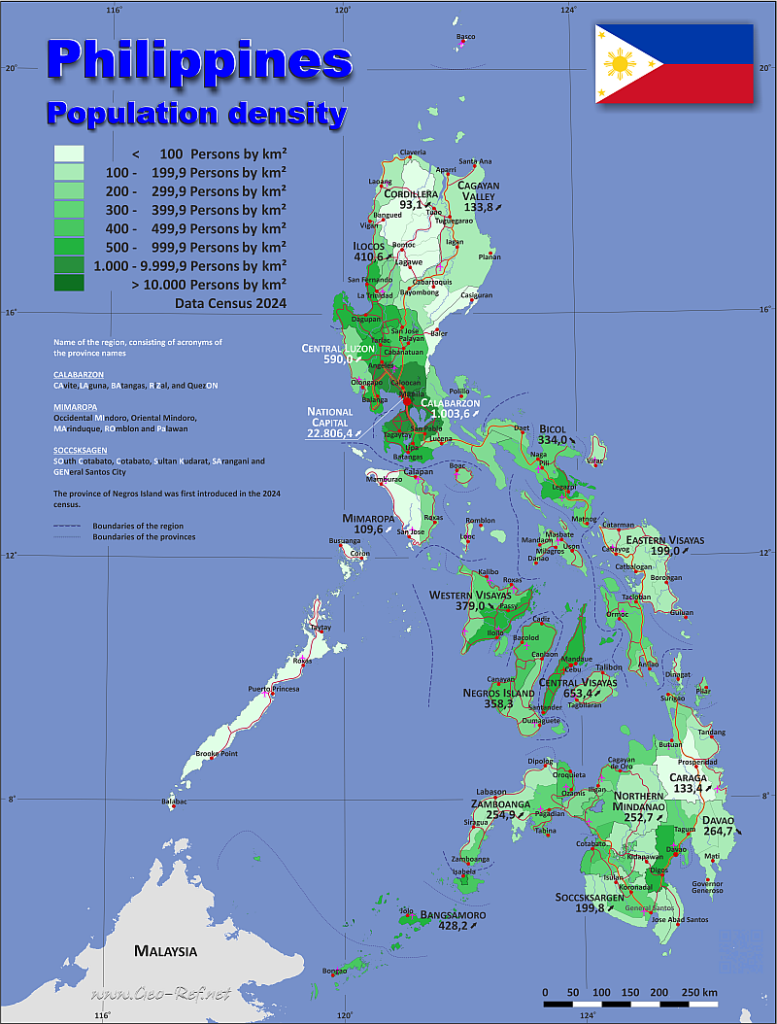
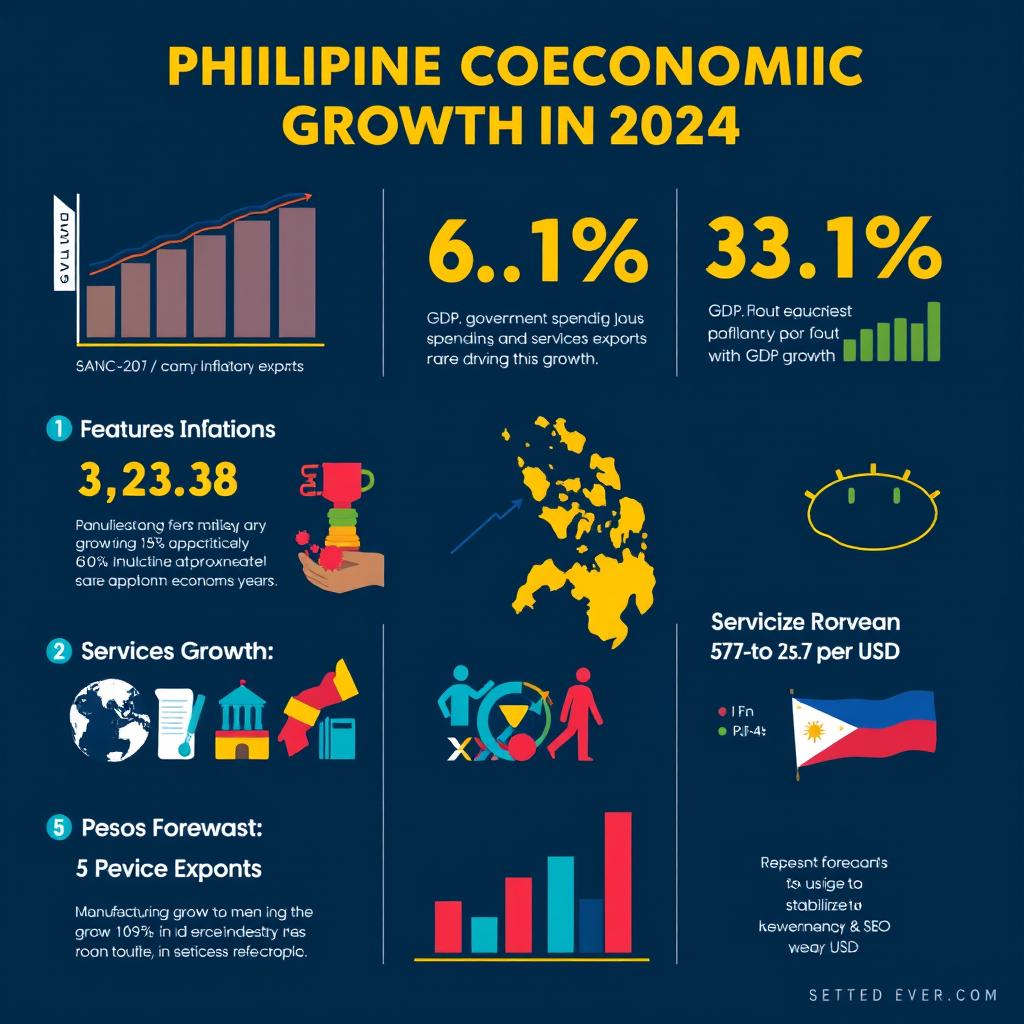
How Many Cities in the Philippines 2020 storage.googleapis.com Philippine Economic Growth 2024 by us.idyllic.app
Population & Demographics
- Population: ~118 million
- Median age: ~25
- Urbanization: ~47% See Philippine Demographics.
Economy & GDP
The Philippines has a growing service‑driven economy with strong OFW remittances and expanding digital sectors.
Related Guides & Pages
- Philippine Economy.
Tourism Statistics
Millions of visitors arrive annually, with top destinations including Manila, Cebu, Boracay, and Palawan.
Related Guides & Pages
- Tourism Statistics.
History & National Identity
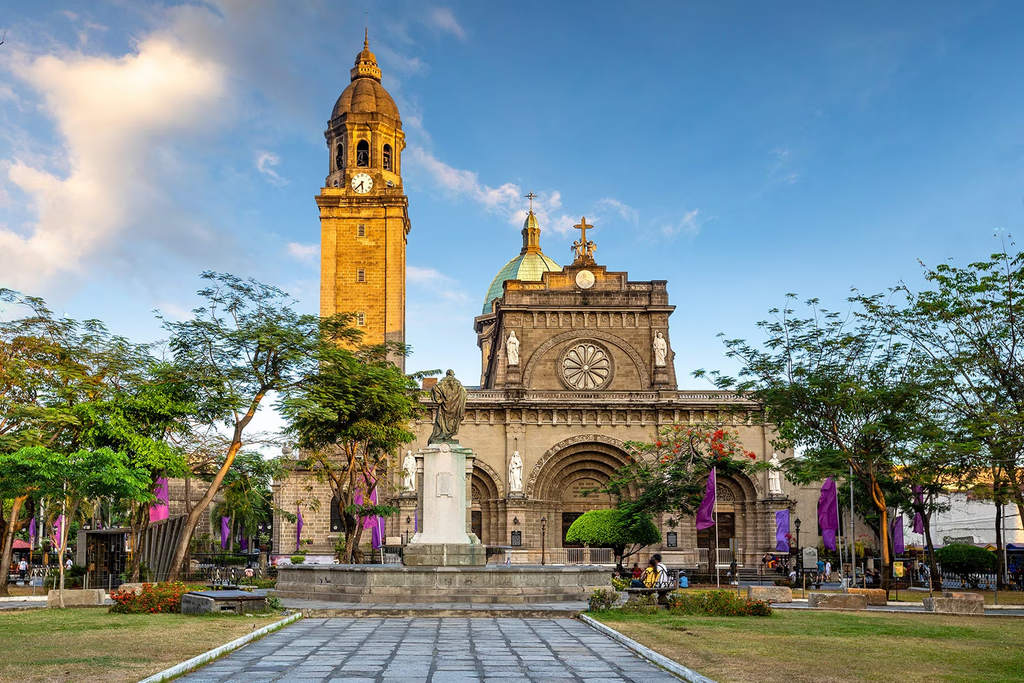
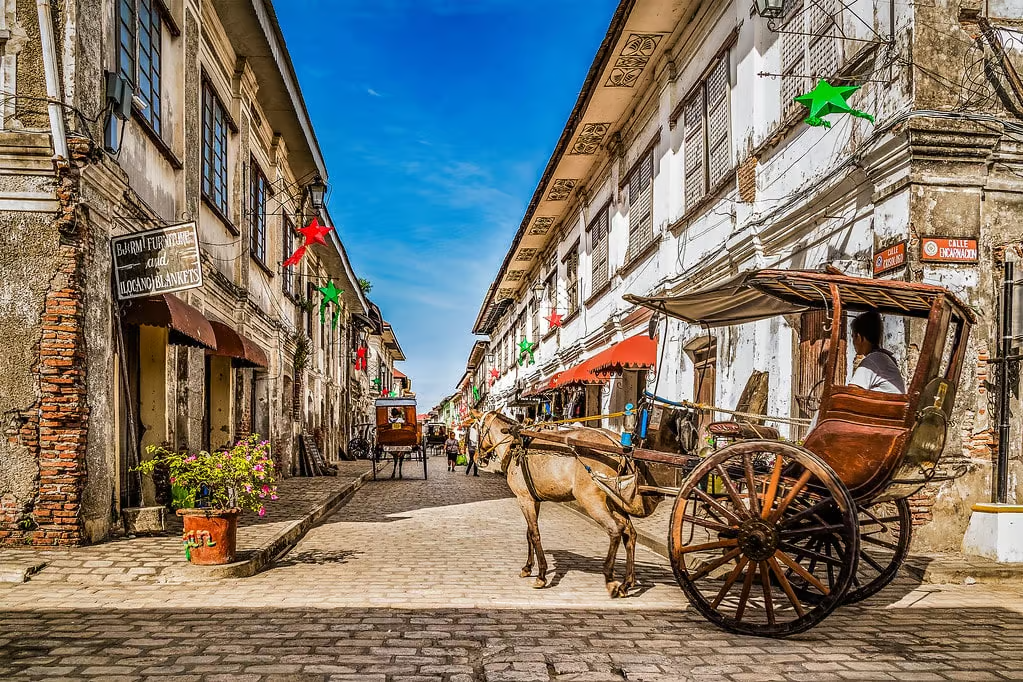
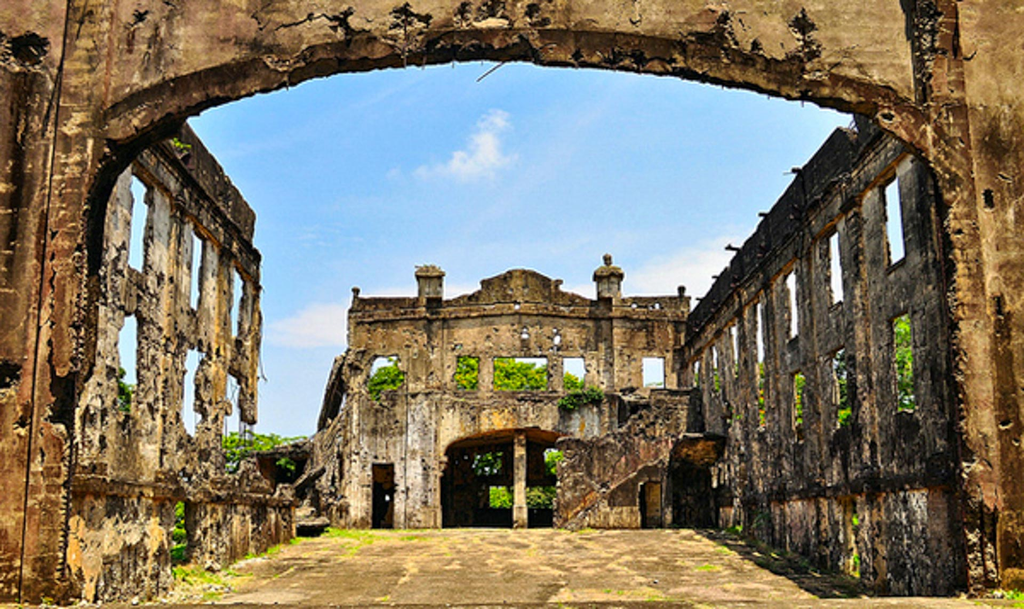
by ar.inspiredpencil.com by islandhoppinginthephilippines.com by philjets.com
Pre‑Colonial Period
Indigenous kingdoms and trade networks shaped early Philippine society.
Related Guides & Pages
- Pre‑Colonial Philippines.
Spanish Colonial Era (1521–1898)
Introduced Catholicism, towns, plazas, and early education systems.
Related Guides & Pages
- Spanish Era.
American Period (1898–1946)
Modern governance, public education, and infrastructure expanded.
Related Guides & Pages
- American Period.
Post‑Independence to Present
Nation‑building, regional development, and cultural evolution continue to shape modern identity.
Related Guides & Pages
- Modern Philippine History.
Transportation & Infrastructure
Air Transport
Major international airports: NAIA, Clark, Cebu, Davao.
Related Guides & Pages
- Philippine Airports.
Land Transport
National highways, expressways, and bus networks connect major regions.
Related Guides & Pages
- Philippine Road Systems.
Sea Transport
Ferry routes link islands across Luzon, Visayas, and Mindanao.
Related Guides & Pages
- Philippine Ferry Systems.
Food Origins & Culinary Foundations
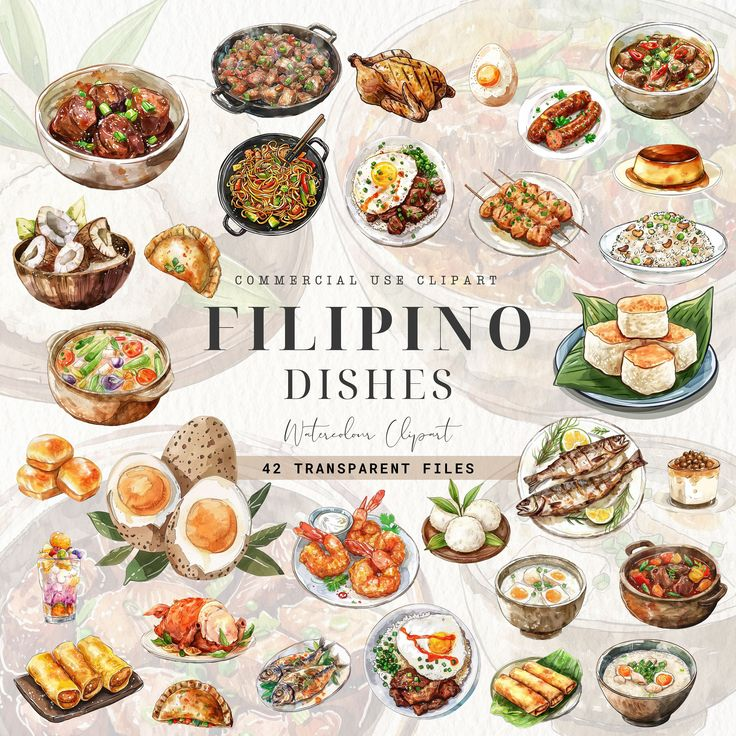
by pinterest.com
Culinary Influences
Philippine cuisine blends indigenous, Spanish, Chinese, and American influences.
Related Guides & Pages
- Philippine Culinary History.
- Food Guides
Staple Ingredients
Rice, coconut, seafood, tropical fruits, and regional spices.
Related Guides & Pages
- Philippine Food Staples.
Regional Food Identities
Distinct food cultures across Luzon, Visayas, and Mindanao.
Related Guides & Pages
- Regional Food Identities.
Purpose of the Information Hun
- Visitor & Expat Information Hub
- Travel Guides
- Eco‑Tourism Guides
- Regional Pages
- Wildlife & Conservation
- Food & Cuisine
Conclusion
The Philippines is a country shaped by its landscapes, its history, and the many cultures that call it home. As you explore this Information Hub, you’re not just reading facts—you’re building the foundation for deeper, more meaningful travel. Understanding the geography, climate, culture, and biodiversity of the archipelago allows every journey, every conversation, and every discovery to become richer and more connected.
If you’re planning a trip, preparing to relocate, or simply learning more about the country, let this hub be your starting point. Use it to explore the regions, understand local customs, appreciate the wildlife, and navigate the country with confidence. The more you learn, the more the Philippines reveals its depth, beauty, and complexity.