Administrative Island Groups & NCR – Complete Guide to Philippine Regional Structure
Complete guide to the Philippines’ administrative island groups and NCR. Includes Luzon Regions I–V & XIV, Visayas Regions VI–VIII, Mindanao Regions IX–XV, and NCR as a standalone Region XVI.
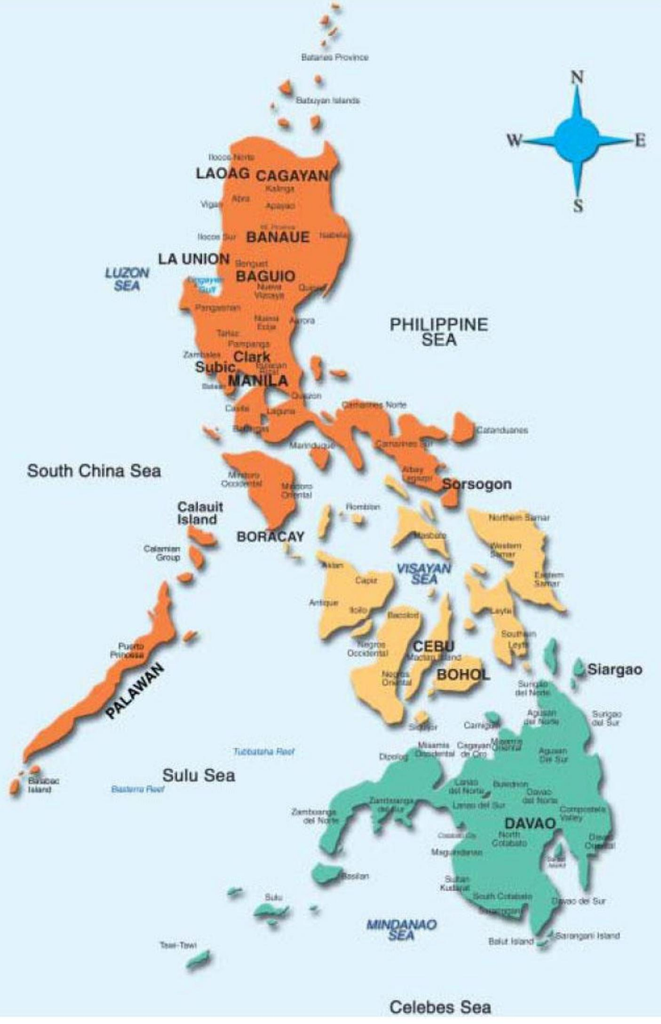
Map by academia.edu
Overview of the Philippines’ Administrative Structure
The Philippines is divided into three major island groups—Luzon, Visayas, and Mindanao—each containing multiple administrative regions. Alongside these, the National Capital Region (NCR) stands as a unique, standalone region (Region XVI) that does not belong to any island group.
This page links all administrative divisions together in one authoritative hub.
Luzon Island Group (Administrative Version)
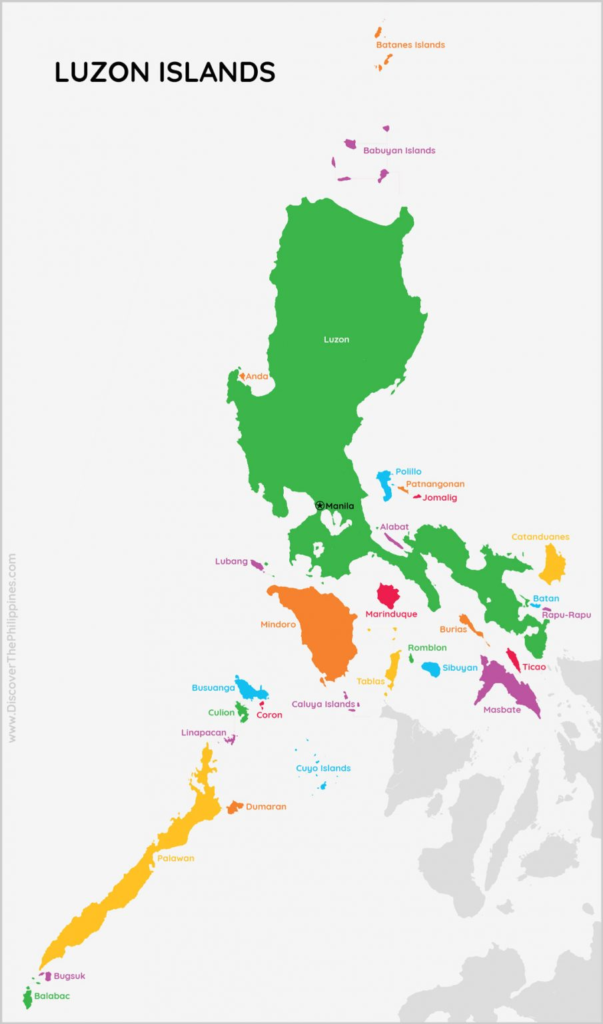
Map by by bgeec.visulexi.de
Luzon is the largest island group and contains seven administrative regions, including the Cordillera Administrative Region (CAR). These regions span from the Ilocos coast to the Bicol peninsula.
Luzon Administrative Regions
- Region I – Ilocos Region — Ilocos Norte, Ilocos Sur, La Union, Pangasinan
- Region II – Cagayan Valley — Batanes, Cagayan, Isabela, Nueva Vizcaya, Quirino
- Region III – Central Luzon — Aurora, Bataan, Bulacan, Nueva Ecija, Pampanga, Tarlac, Zambales
- Region IV‑A – CALABARZON — Cavite, Laguna, Batangas, Rizal, Quezon
- Region IV‑B – MIMAROPA — Occidental Mindoro, Oriental Mindoro, Marinduque, Romblon, Palawan
- Region V – Bicol Region — Albay, Camarines Norte, Camarines Sur, Catanduanes, Masbate, Sorsogon
- Region XIV – Cordillera Administrative Region (CAR) — Abra, Apayao, Benguet, Ifugao, Kalinga, Mountain Province
Visayas Island Group (Administrative Version)
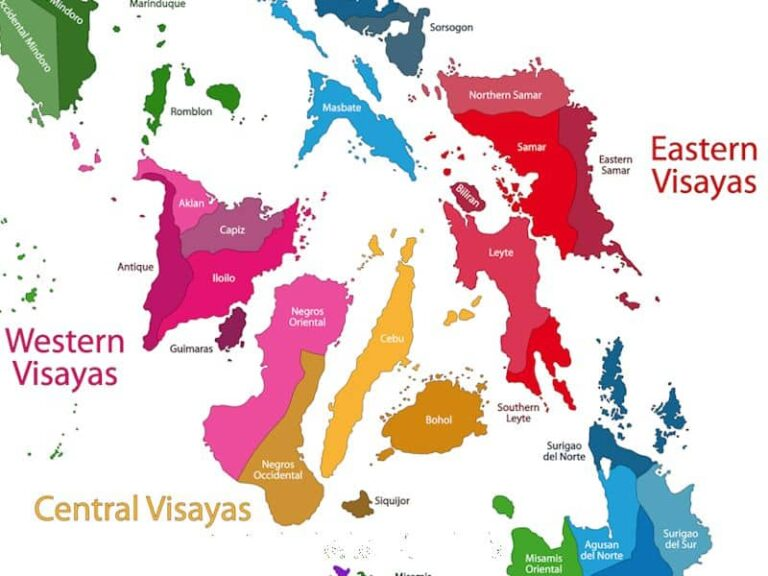
by micnon2018.org
The Visayas is the central island group of the Philippines, composed of three administrative regions known for their cultural diversity and economic activity.
Visayas Administrative Regions
- Region VI – Western Visayas — Aklan, Antique, Capiz, Guimaras, Iloilo, Negros Occidental
- Region VII – Central Visayas — Bohol, Cebu, Negros Oriental, Siquijor
- Region VIII – Eastern Visayas — Biliran, Leyte, Southern Leyte, Northern Samar, Samar, Eastern Samar
Mindanao Island Group (Administrative Version)
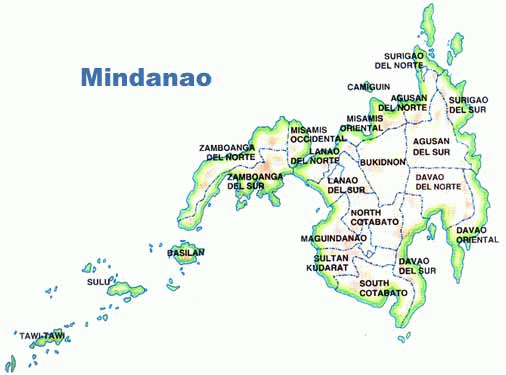
Map by printable-maps.blogspot.com
Mindanao Administrative Regions
- Region IX – Zamboanga Peninsula — Zamboanga del Norte, Zamboanga del Sur, Zamboanga Sibugay
- Region X – Northern Mindanao — Bukidnon, Camiguin, Lanao del Norte, Misamis Occidental, Misamis Oriental
- Region XI – Davao Region — Davao de Oro, Davao del Norte, Davao del Sur, Davao Oriental, Davao Occidental
- Region XII – SOCCSKSARGEN — Cotabato, Sarangani, South Cotabato, Sultan Kudarat
- Region XIII – Caraga — Agusan del Norte, Agusan del Sur, Surigao del Norte, Surigao del Sur, Dinagat Islands
- Region XV – BARMM — Basilan, Lanao del Sur, Maguindanao del Norte, Maguindanao del Sur, Sulu, Tawi‑Tawi
National Capital Region (NCR) – Region XVI (Standalone Region)
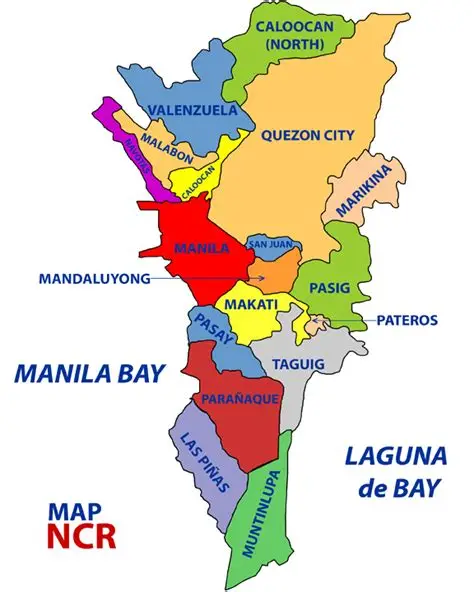
Map by futureseducation.s3.amazonaws.com
NCR is the only region in the Philippines that does not belong to any island group. It is geographically located on Luzon but administratively independent.
Why NCR Is Standalone
- It is Region XVI, separate from Luzon’s Regions I–V and CAR.
- It is the political, economic, and cultural center of the Philippines.
- It contains 16 cities and 1 municipality.
- It is governed differently from other regions, with a metropolitan structure.
Cities and Municipality of NCR
- Manila
- Quezon City
- Makati
- Pasig
- Taguig
- Mandaluyong
- San Juan
- Marikina
- Pasay
- Parañaque
- Las Piñas
- Muntinlupa
- Valenzuela
- Caloocan
- Malabon
- Navotas
- Pateros (only municipality)
NCR’s Administrative Role
NCR functions as:
- The seat of national government
- The center of commerce and finance
- A hub for transportation, education, and culture
- A unique administrative region without provinces
Conclusion
Understanding how Luzon, Visayas, Mindanao, and NCR fit together in the Philippines’ administrative hierarchy gives travelers, researchers, and students a clearer picture of how the country is organized. If you’re exploring regional profiles, building travel plans, or studying governance, this hub is your starting point.
Use the links above to dive deeper into each region, province, city, and barangay. Continue exploring the Philippines’ administrative structure through our detailed guides and build a complete understanding of how the nation’s regions connect and operate.