A comprehensive Safety & Security Guide for visitors and expats in the Philippines. Learn crime prevention, emergency contacts, disaster preparedness, health safety, transportation security, and practical tips for safe travel and living.
Philippines Safety & Security Guide for Visitors & Expats
The Philippines is one of Southeast Asia’s most welcoming destinations, known for its friendly locals, vibrant culture, and stunning natural landscapes. While millions of tourists and expats enjoy safe and memorable experiences each year, understanding local safety norms, emergency procedures, and risk‑aware travel habits is essential for a smooth stay.
This Safety & Security Guide provides a complete, practical, and updated overview of how to stay safe while traveling or living in the Philippines—covering crime prevention, natural disaster readiness, transportation safety, health precautions, and emergency resources.
by farwestherald.com
Understanding General Safety Conditions in the Philippines
Safety conditions vary across regions, cities, and rural areas. Urban centers like Manila, Cebu, and Davao have modern infrastructure and active law enforcement, while remote provinces may have limited emergency services.
Overall Crime Levels
Petty crimes such as pickpocketing, bag‑snatching, and phone theft occur in crowded areas. Violent crime is less common for tourists and expats who follow basic precautions and avoid high‑risk zones.
Safe vs. Caution Areas
- Metro Manila: Safe in commercial districts (BGC, Makati, Ortigas). Exercise caution in Divisoria, Quiapo, and some Pasay areas.
- Cebu City: Generally safe in IT Park, Lahug, and business districts.
- Davao City: Known for strict local security and low crime rates.
- Mindanao: Some provinces require heightened awareness due to sporadic security concerns.
Local Attitudes Toward Foreigners
Filipinos are widely known for hospitality. Foreigners are generally treated with respect, and communities often assist visitors in navigating local norms.
Crime Prevention Tips for Visitors & Expats
Protecting Personal Belongings
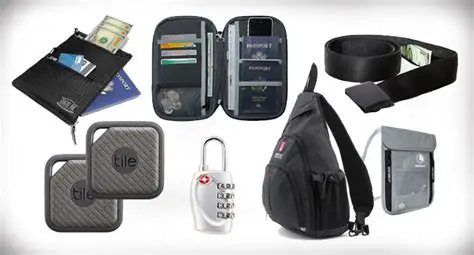
- Keep bags zipped and close to your body.
- Avoid displaying expensive jewelry, watches, or gadgets.
- Use anti‑theft backpacks or crossbody bags.
- Store passports and cash in hotel safes when possible.
Staying Safe in Public Areas
- Be alert in markets, bus terminals, jeepney stops, and festivals.
- Avoid walking alone late at night in unfamiliar neighborhoods.
- Choose well‑lit streets and populated areas.
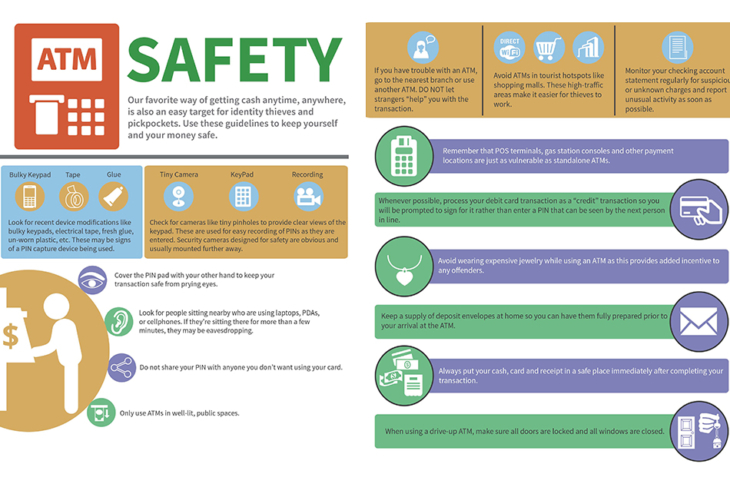
ATM & Banking Safety
- Use ATMs inside malls or banks.
- Shield your PIN.
- Avoid withdrawing large amounts at once.
- Monitor your account for unauthorized transactions.
Digital & Online Safety
- Beware of phishing scams, fake rental listings, and online marketplace fraud.
- Use secure payment channels.
- Avoid connecting to unsecured public Wi‑Fi networks.
by abileneteachersfcu.org
Anti-Theft Travel Gear by brobible.com by pinterest.com
Transportation Safety & Secure Mobility
Related Guide
- Transportation & Getting Around
Taxis, Ride‑Hailing & Private Cars
Ride‑hailing apps like Grab, JoyRide, and Move It are widely used and considered safe.
Best Practices
- Verify the plate number before boarding.
- Share your ride details with a trusted contact.
- Avoid unregistered taxis or “colorum” vehicles.
Jeepneys, Buses & Public Transport
Public transport is affordable but crowded.
Safety Tips
- Keep belongings in front of you.
- Avoid using phones near open jeepney windows.
- Board only at official stops.
Ferries & Inter‑Island Travel
The Philippines is an archipelago, making ferries a common mode of transport.
Safety Tips
- Choose reputable ferry companies.
- Check weather conditions before traveling.
- Follow crew instructions during boarding.
Driving in the Philippines
Traffic congestion, unpredictable road behavior, and narrow provincial roads require caution.
Driving Tips
- Avoid driving at night in rural areas.
- Use navigation apps with real‑time traffic updates.
- Keep vehicle doors locked at all times.
Natural Disaster Preparedness
The Philippines is prone to typhoons, earthquakes, volcanic activity, and flooding. Preparedness is essential for both short‑term visitors and long‑term expats.
Related Guide
Typhoons & Heavy Rainfall
Typhoon season typically runs from June to November.
Safety Measures
- Monitor PAGASA weather updates.
- Avoid coastal travel during storm warnings.
- Keep emergency kits ready (flashlight, power bank, bottled water).
Earthquakes
Earthquakes occur regularly due to tectonic activity.
Earthquake Safety
- Practice “Drop, Cover, Hold On.”
- Identify safe spots in your accommodation.
- Avoid elevators during tremors.
Volcanic Activity
Areas near Mayon, Taal, and Kanlaon may experience periodic activity.
Safety Tips
- Follow PHIVOLCS advisories.
- Respect exclusion zones.
- Wear masks during ashfall.
Flooding & Landslides
Heavy rains can cause flash floods in low‑lying areas.
Safety Tips
- Avoid crossing flooded streets.
- Stay updated on local advisories.
- Move to higher ground when necessary.
Health & Medical Safety
Hospitals & Clinics
Major cities have modern hospitals, while rural areas may have limited facilities.
Related Guide
Recommendations
- Identify the nearest hospital to your residence or hotel.
- Keep a list of emergency numbers.
- Consider international health insurance.
Food & Water Safety
- Drink bottled or purified water.
- Avoid raw seafood from street vendors.
- Choose reputable restaurants.
Mosquito‑Borne Illnesses
Dengue and chikungunya occur in tropical climates.
Prevention
- Use mosquito repellent.
- Wear long sleeves in forested or rural areas.
- Stay in accommodations with screens or air‑conditioning.
Heat & Sun Exposure
- Use sunscreen SPF 30+.
- Stay hydrated.
- Avoid prolonged exposure during midday.
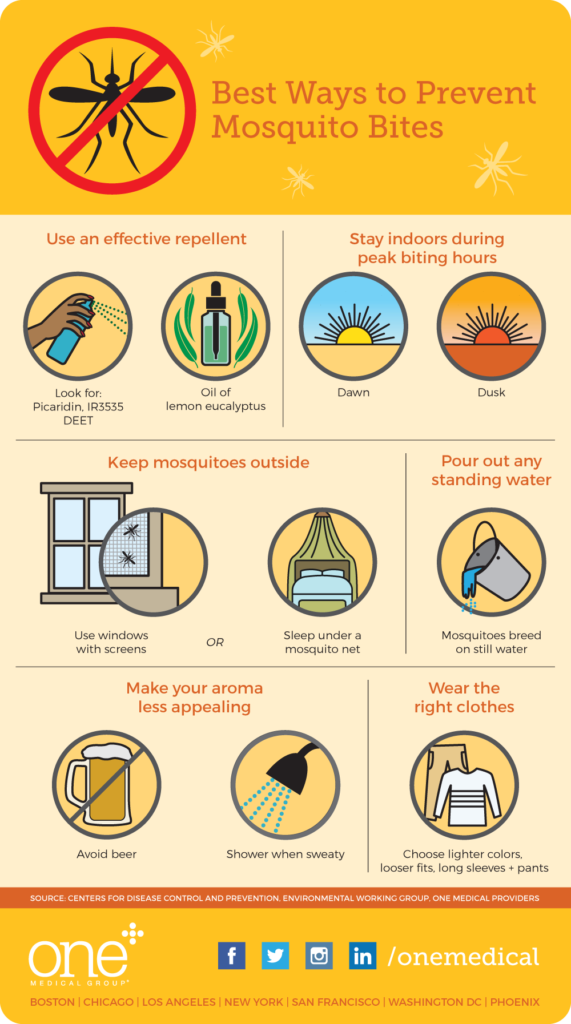
by ilona-ludwig.de
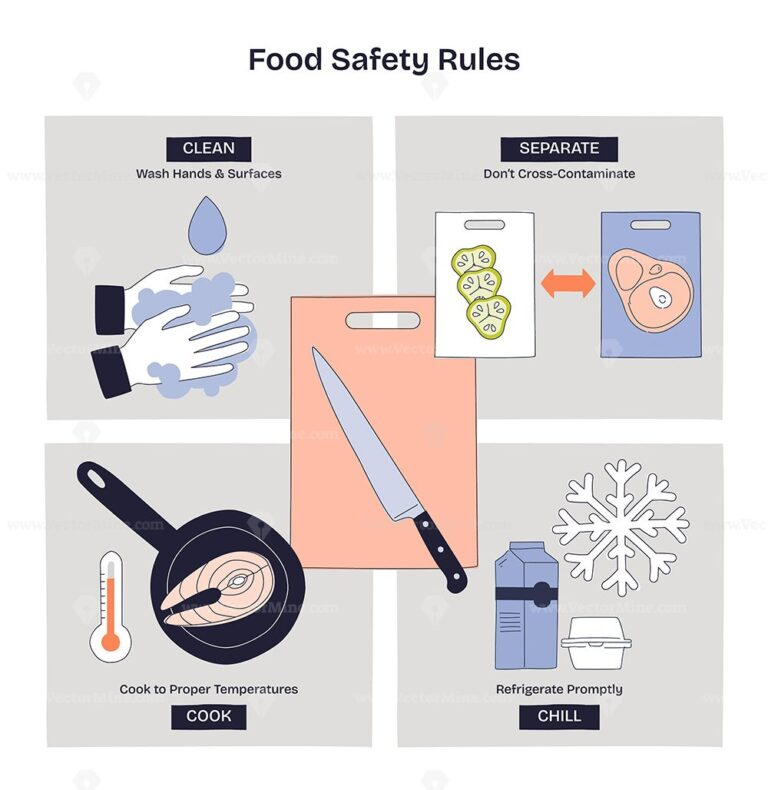
by vectormine.com
Emergency Contacts & Local Support
Related Guide
National Emergency Numbers
- Philippine National Police (PNP): 117
- Bureau of Fire Protection: 160
- Emergency Hotline: 911
- Coast Guard: 0917‑PCG‑HOTLINE
- Tourist Assistance Centers: Available in major cities and airports.
Embassy & Consulate Support
Foreign embassies in Manila provide assistance for passport issues, legal concerns, and emergencies.
Barangay (Local Community) Support
Barangays often assist with neighborhood security, local disputes, and community alerts.
Safety Tips for Daily Living as an Expat
Related Guides
- Housing & Rentals Guide
- Money, Banking & ATMs
Housing & Rentals
- Choose condos or gated communities with security personnel.
- Inspect door locks, windows, and CCTV coverage.
- Avoid rentals without proper documentation.
Social & Cultural Awareness
- Respect local customs and religious practices.
- Avoid political discussions in unfamiliar groups.
- Learn basic Filipino phrases for smoother interactions.
Money Handling & Budgeting
- Use digital wallets (GCash, Maya) for secure transactions.
- Avoid carrying large cash amounts.
- Keep emergency funds accessible.
Community Integration
- Join expat groups or local clubs.
- Participate in community events.
- Build relationships with neighbors for added support.
Related Guides to Strengthen Your Safety Knowledge
- Visa & Immigration Guide
- Healthcare & Hospitals Guide
- Transportation & Getting Around
- Money, Banking & ATMs
- Travel Essentials Guide
- Housing & Rentals Guide
H2: Ready to Explore the Philippines Safely?
Staying informed is the most effective way to enjoy the Philippines with confidence. Whether you’re visiting for a week or settling in long‑term, following these safety practices ensures a secure, enjoyable, and stress‑free experience.