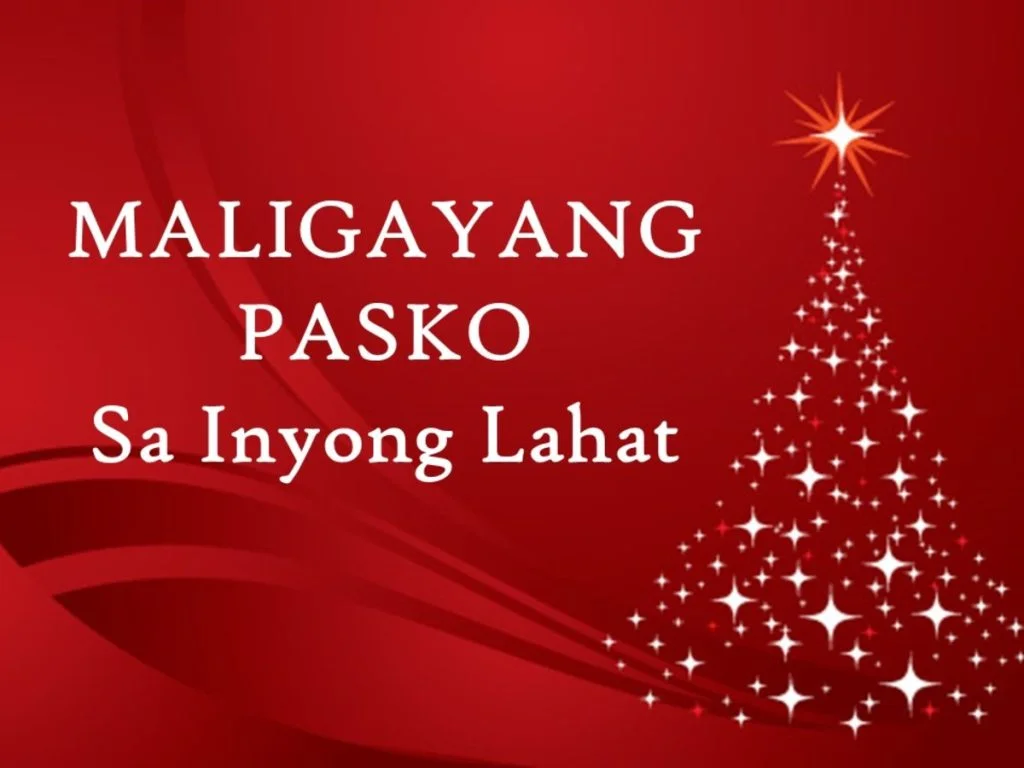
Pasko in the Philippines
We say “Maligayang Pasko!”
Christmas in the Philippines is known simply as Pasko, a word derived from the Spanish word Pascua. While many countries begin preparing for Christmas in December, Filipinos often begin celebrating as early as September. Decorations appear in homes, businesses, shopping centers, churches, and public plazas months before Christmas Day arrives.
For many Filipinos, Christmas is about more than decorations and gifts. It is a season centered on faith, family, community, tradition, and spending time with loved ones.
Visitors who experience Pasko quickly discover why Christmas is one of the most important cultural celebrations in the Philippines.
Quick Facts About Pasko
| Feature | Details |
|---|---|
| Local Name | Pasko |
| Main Celebration | Christmas |
| Season Begins | September |
| Peak Celebrations | December |
| Traditional Events | Simbang Gabi, Noche Buena |
| Famous For | Parols, family gatherings, holiday festivals |
| Religious Tradition | Roman Catholic |
| Best For | Cultural travelers, holiday visitors, families |
The Longest Christmas Season in the World
One of the most unique aspects of Pasko is its length.
As soon as the calendar reaches September, Christmas songs begin appearing on the radio, decorations start appearing throughout cities and towns, and stores begin preparing for the holiday season.
The famous “Ber Months” include:
- September
- October
- November
- December
For many Filipinos, these months unofficially mark the beginning of Christmas.
While holiday activity gradually increases throughout the season, December remains the busiest and most festive period.
Why Christmas Is So Important in the Philippines
The Philippines is one of the largest Christian nations in Asia, and Christmas celebrations reflect both religious faith and strong family traditions.
For many families, Christmas is a time for:
- Family reunions
- Religious observances
- Community celebrations
- Gift giving
- Holiday travel
- Traditional meals
- Visiting relatives
Many overseas Filipinos also return home during the Christmas season to spend time with family.
Parols: The Symbol of Filipino Christmas
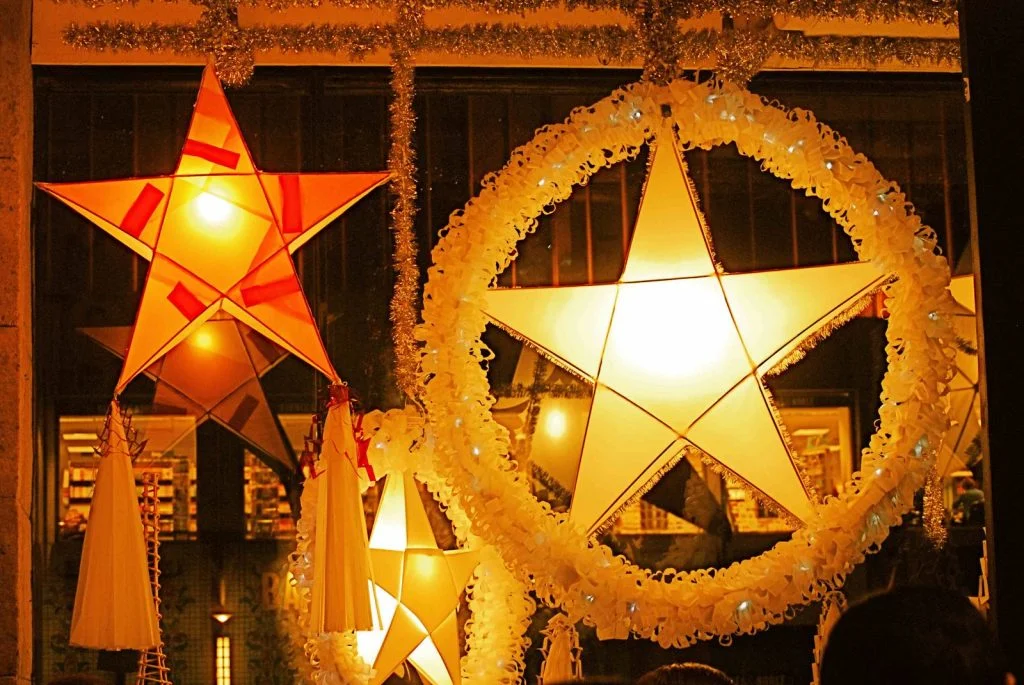
The parol is one of the most recognizable symbols of Christmas in the Philippines.
Inspired by the Star of Bethlehem, these star-shaped lanterns appear throughout the country during the holiday season.
Parols are commonly displayed in:
- Homes
- Churches
- Schools
- Businesses
- Government buildings
- Town plazas
Traditional parols were often made from bamboo and paper, while modern versions feature colorful lighting and elaborate designs.
For many Filipinos, Christmas doesn’t truly feel complete without seeing parols illuminating homes and streets.
Simbang Gabi
One of the most important Christmas traditions in the Philippines is Simbang Gabi.
This series of nine Masses is typically celebrated during the days leading up to Christmas.
Many Filipinos attend:
- Early morning Masses
- Evening Masses
- Community celebrations
- Church gatherings
For believers, Simbang Gabi represents preparation for Christmas and remains one of the most cherished traditions of the season.
Noche Buena
Christmas Eve is often centered around Noche Buena, a festive family meal shared after Christmas Mass.
Families gather together to celebrate with food, conversation, and holiday traditions.
Popular dishes may include:
- Ham
- Lechon
- Pancit
- Lumpia
- Barbecue
- Cakes and desserts
- Fresh fruit
The exact menu varies by region and family tradition, but the focus remains the same: spending time together.
Christmas Lights & Public Celebration
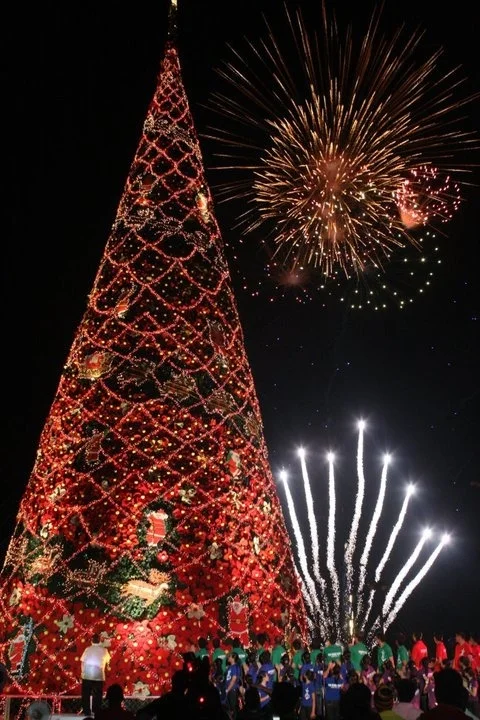
Many cities and towns throughout the Philippines host Christmas lighting ceremonies, concerts, community events, and festive displays during the holiday season.
Visitors may encounter:
- Giant Christmas trees
- Public parols
- Christmas markets
- Light displays
- Music performances
- Fireworks celebrations
The holiday atmosphere can often be felt throughout an entire community rather than being limited to a single event or location.
Religious Traditions During Pasko
Faith remains at the center of Christmas for many Filipinos.
Throughout the season, churches become important gathering places for communities celebrating:
- Simbang Gabi
- Christmas Eve Mass
- Christmas Day services
- Marian devotions
- Family prayers
- Community celebrations
Many travelers combine Christmas visits with some of the country’s most important religious destinations.
Related Guides
- Pilgrimage Destinations in the Philippines
- Historic Churches of the Philippines
- Our Lady of the Rosary of Manaoag Guide
- Basilica Minore del Santo Niño Travel Guide
Best Places to Experience Pasko
Manila
Major shopping districts, historic churches, and public lighting displays make Manila one of the country’s most festive holiday destinations.
Pampanga
Known for its strong Christmas traditions, elaborate decorations, and cultural celebrations.
Baguio
Cool mountain weather gives Baguio a unique Christmas atmosphere unlike much of the rest of the country.
Cebu
Home to important religious traditions, churches, and Christmas activities throughout the holiday season.
Davao
Offers Christmas festivals, public displays, and seasonal celebrations in Mindanao.
Christmas Travel Tips
If you plan to visit the Philippines during Christmas:
- Book accommodations early.
- Reserve flights well in advance.
- Expect larger crowds during late December.
- Allow extra travel time around holidays.
- Attend a local Christmas Mass or Simbang Gabi.
- Explore local Christmas markets and community displays.
Christmas is one of the busiest travel periods of the year.
My Experience with Pasko
One of the things that stands out most about Christmas in the Philippines is how early people begin celebrating. Decorations appear months before Christmas Day, holiday music becomes part of daily life, and families begin preparing long before December arrives.
For visitors, Pasko offers an opportunity to experience a side of the Philippines that combines faith, family traditions, food, community celebrations, and genuine holiday spirit.
Whether you’re visiting a small provincial town or one of the country’s major cities, you’ll quickly discover why Christmas holds such a special place in Filipino culture.
Related Guides
Culture & Heritage
- Culture Guide of the Philippines
- Festivals Travel Guide for the Philippines
- Pilgrimage Destinations in the Philippines
- Historic Churches of the Philippines
Travel Planning
- Best Time to Visit the Philippines
- Travel Safety in the Philippines
- What You Need to Know Before Visiting the Philippines
Religious Travel
- Our Lady of the Rosary of Manaoag Guide
- Basilica Minore del Santo Niño Travel Guide
- Central Luzon Church Road Trip: Historic Churches, Pilgrimage Sites & Heritage Towns
Conclusion
Pasko in the Philippines is far more than a single holiday. It is a season that combines faith, family, food, traditions, and community celebrations into one of the most distinctive Christmas experiences anywhere in the world. From the first decorations of September to the gatherings, Masses, and festivities of December, Christmas remains one of the most meaningful and memorable times to experience Filipino culture.
Maligayang Pasko at Maligayang Bagong Taon!