Explore the Philippines’ rich culture and regional identity—customs, festivals, food traditions, UNESCO sites, history for travelers, and the best souvenirs to bring home. A complete cultural guide for visitors and new expats.
Culture & Regional Identity of the Philippines
A Comprehensive Traveler & Expat Information Hub
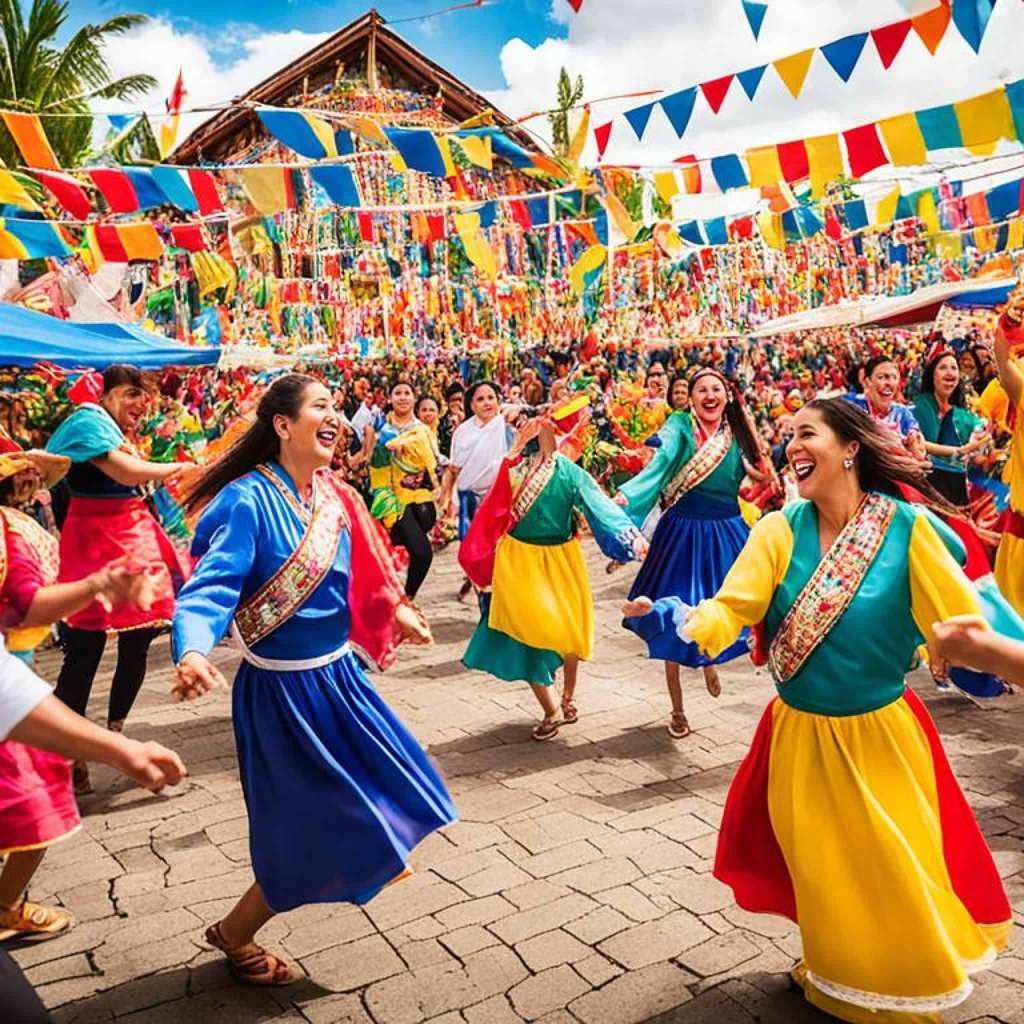
by mumble.nationalgeographic.com by ar.inspiredpencil.com by tastingtable.com
The Philippines is one of the most culturally diverse nations in Asia, shaped by centuries of indigenous heritage, maritime trade, colonial influence, and regional traditions. For travelers and new expats, understanding the country’s cultural landscape is essential for meaningful exploration—whether you’re attending a festival, visiting a UNESCO site, tasting regional dishes, or buying authentic handicrafts.
This silo page provides a structured, in‑depth overview of customs, festivals, food culture, UNESCO heritage, history for travelers, and souvenirs, with internal links to deeper guides across your site.
Customs & Cultural Etiquette
The Philippines’ customs vary by region, but several core values shape everyday interactions nationwide.
by discoverwalks.com by taasnoopilipino.com
Core Filipino Values
- Hiya — A sense of propriety and social respect that guides behavior.
- Pakikisama — Maintaining harmony within groups.
- Utang na Loob — Deep gratitude and reciprocal obligation.
- Bayanihan — Communal unity and helping one another.
Everyday Etiquette
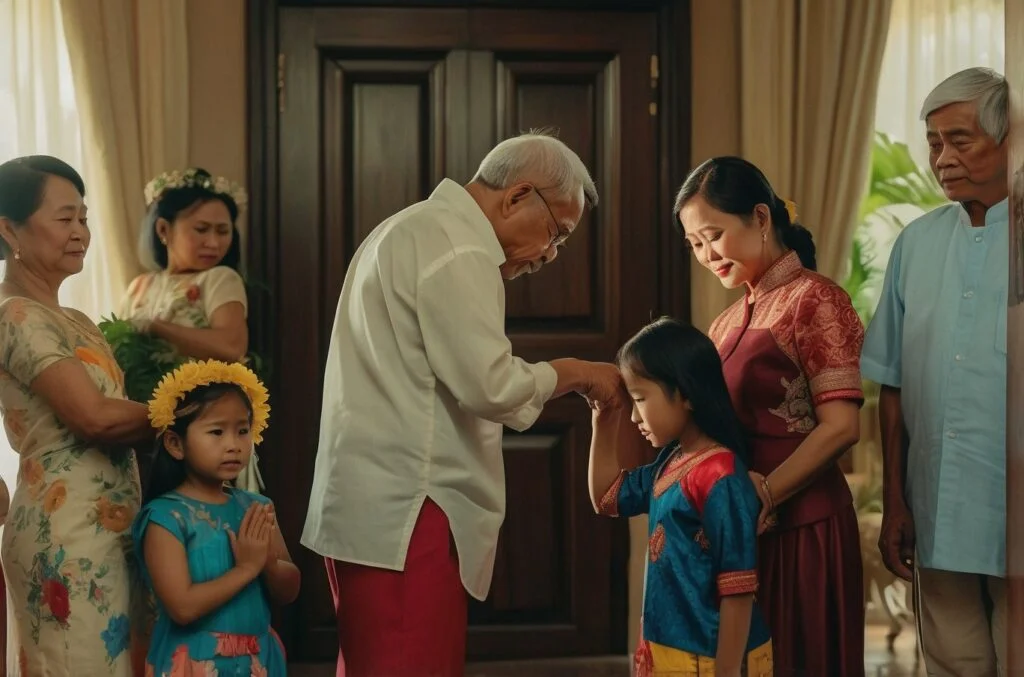
- Greetings — A polite “po” and “opo” shows respect, especially to elders.
- Hospitality — Guests are treated generously; refusing food may be seen as impolite.
- Dress Codes — Casual in most places, modest in churches and rural communities.
- Photography Etiquette — Always ask permission before photographing people, especially in indigenous communities.
Regional Variations
- Luzon — Strong Spanish influence, formal etiquette, and Catholic traditions.
- Visayas — Known for friendliness, music culture, and lively festivals.
- Mindanao — Rich Islamic heritage; modest dress and respectful conduct in mosques and Muslim communities.
Festivals & Regional Celebrations
The Philippines hosts more than 42,000 festivals annually, each reflecting local identity, devotion, and artistry.
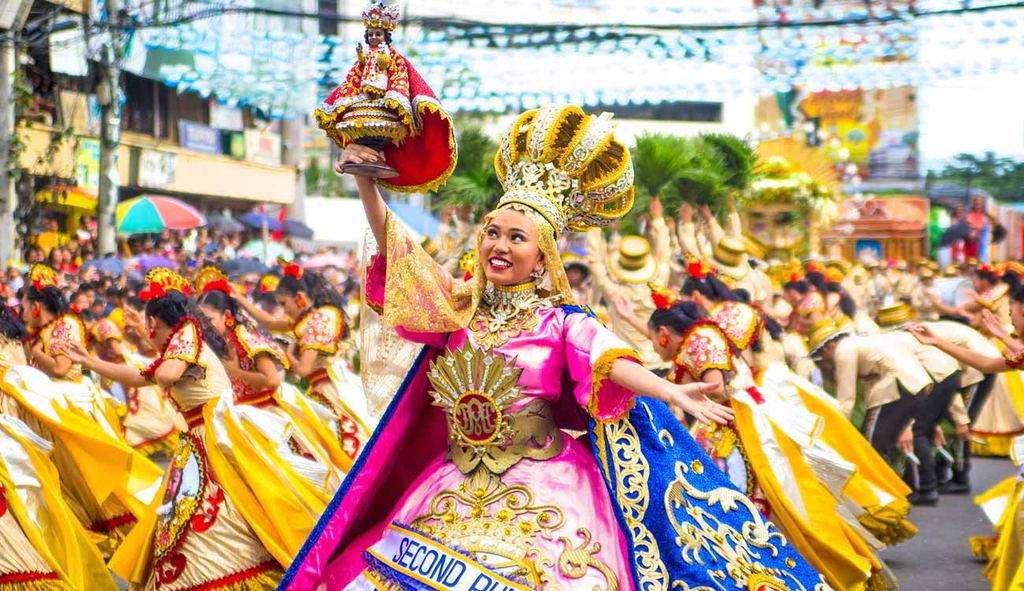
Sinulog Festival Santo Nino by animalia-life.club
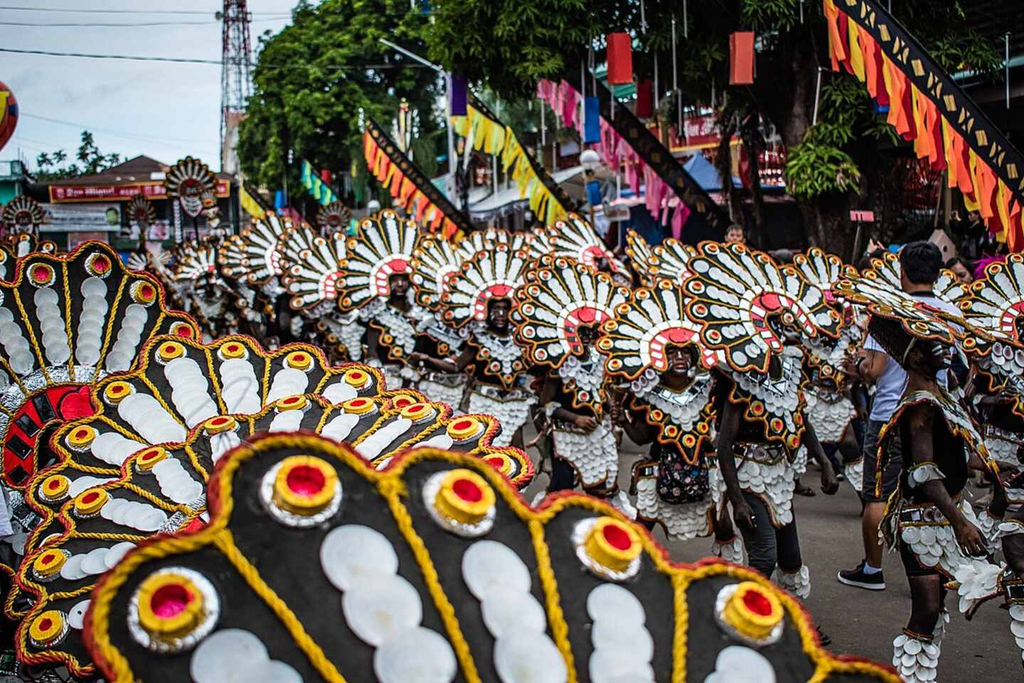
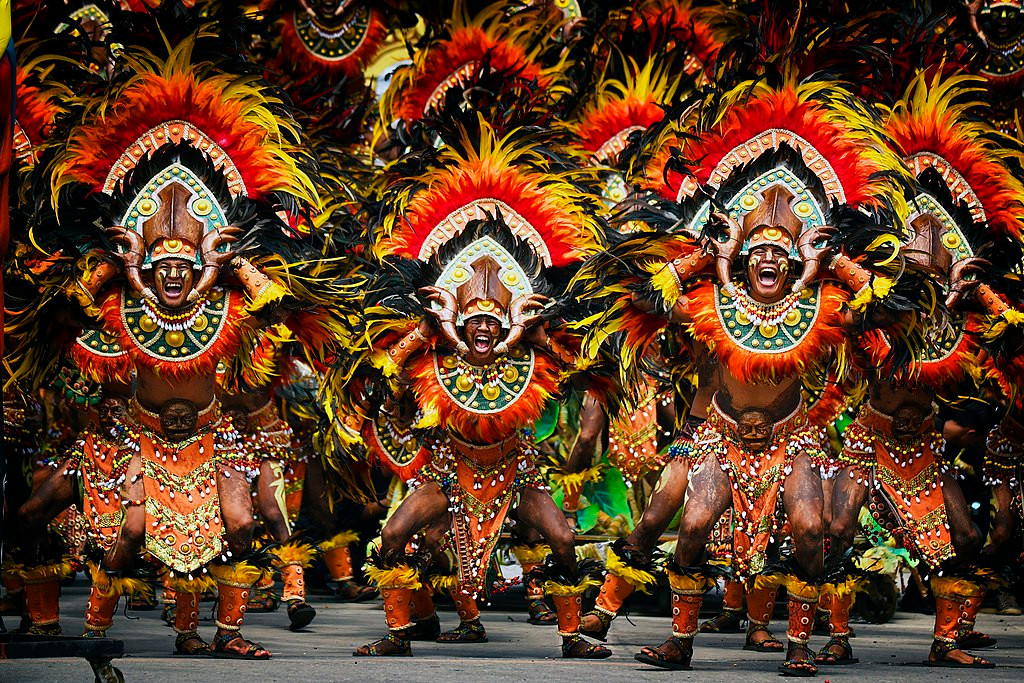
Ati Atihan Festival Participants by ar.inspiredpencil.com
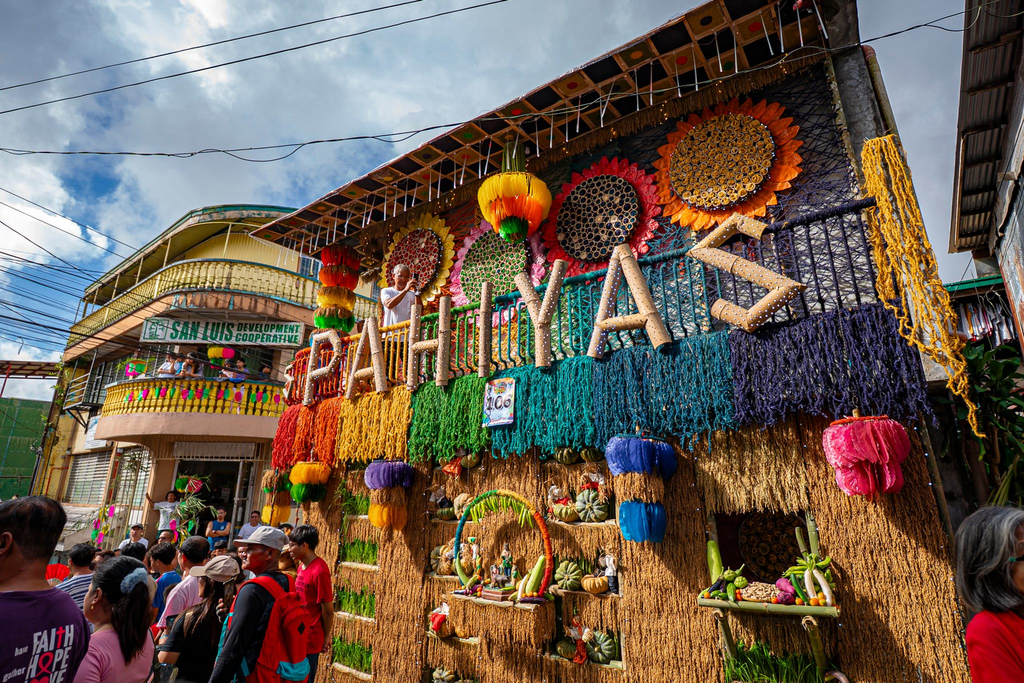
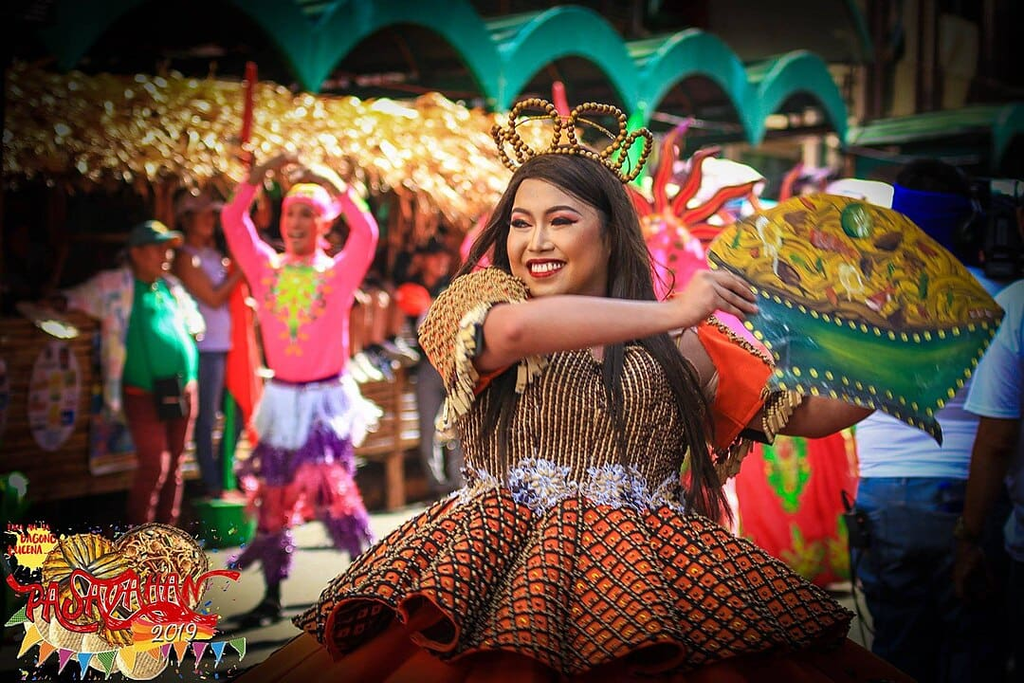
Pahiyas Festival by fity.club
Major National Festivals
- Sinulog Festival (Cebu) — Grand street parades honoring the Santo Niño.
- Ati‑Atihan Festival (Aklan) — Indigenous-inspired dances and body paint.
- Pahiyas Festival (Quezon) — Colorful houses decorated with rice harvest displays.
- Panagbenga (Baguio) — Flower floats celebrating Cordillera culture.
Regional Identity Through Festivals
- Ilocos — Heritage parades and devotion to patron saints.
- Bicol — Vibrant celebrations tied to volcanic landscapes and spicy cuisine.
- Visayas — Drum-heavy street dances and pre-colonial traditions.
- Mindanao — Islamic celebrations, royal Maranao pageantry, and Lumad rituals.
Traveler Tips
- Book accommodations 2–3 months ahead.
- Expect road closures and heavy crowds.
- Bring breathable clothing and hydration.
- Respect religious processions and sacred rituals.
Food Culture & Regional Cuisine
Filipino food culture is deeply regional, shaped by geography, indigenous ingredients, and centuries of trade.
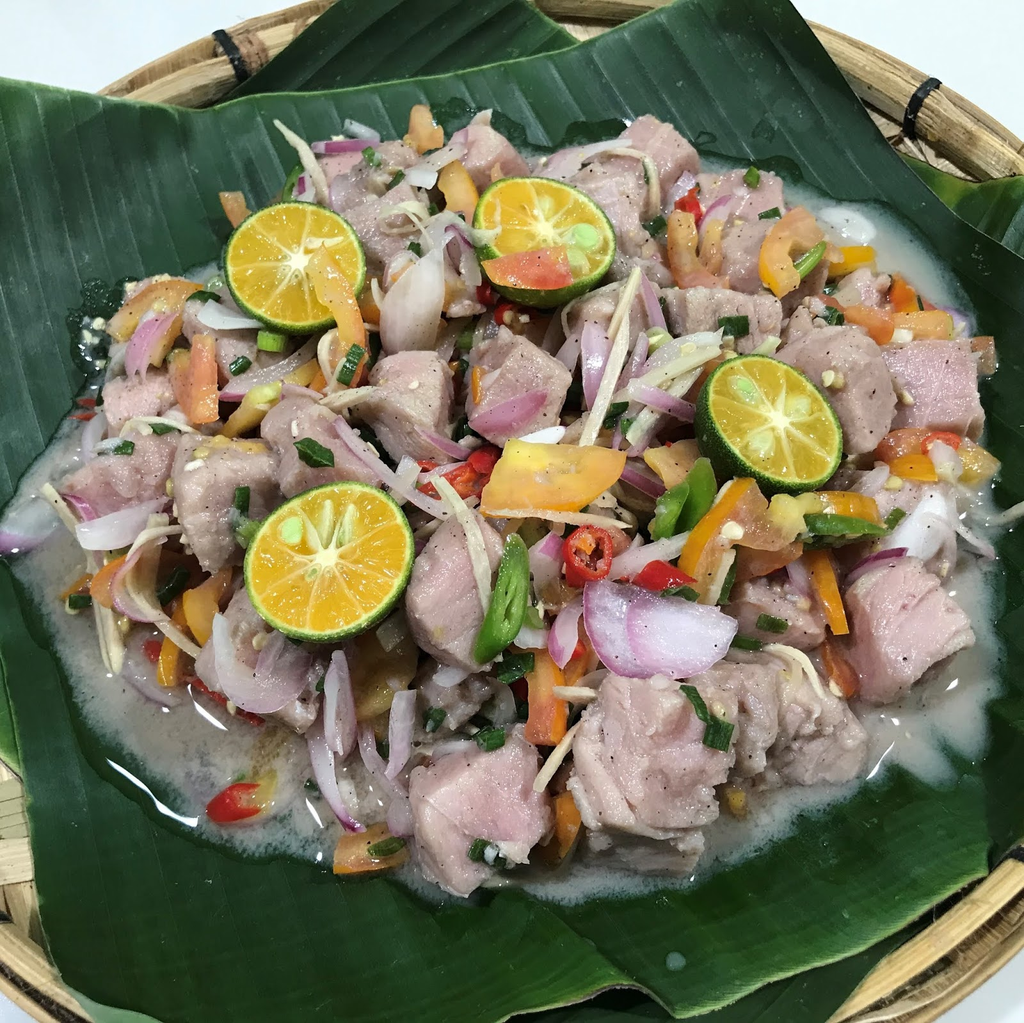
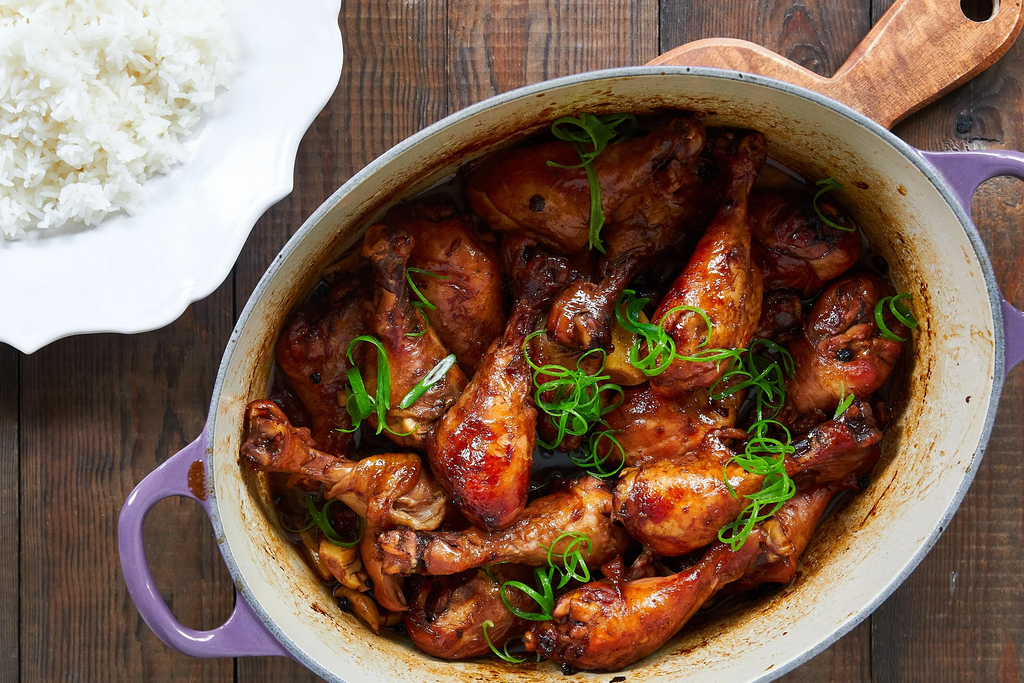
Kinilaw by casabaluartefilipinorecipes.com Chicken Adobo by norecipes.com
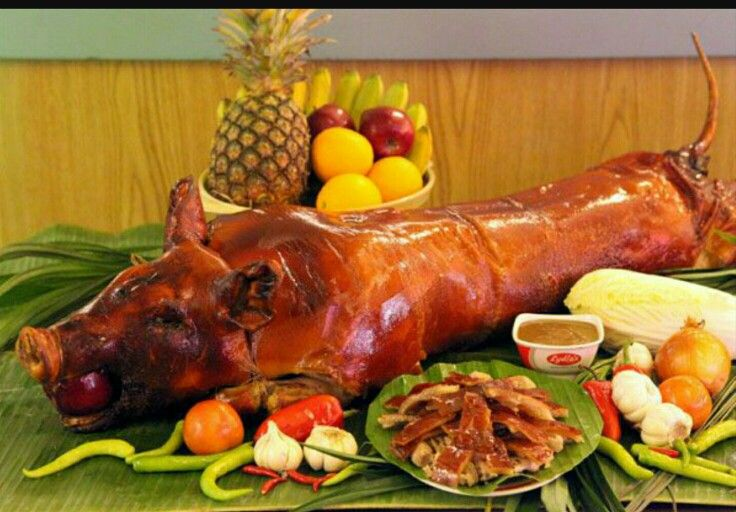
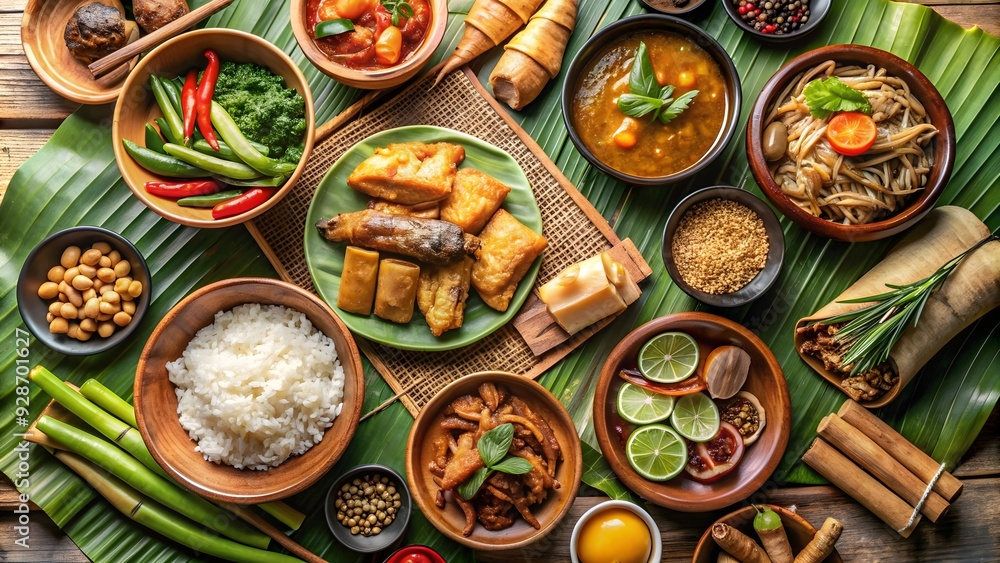
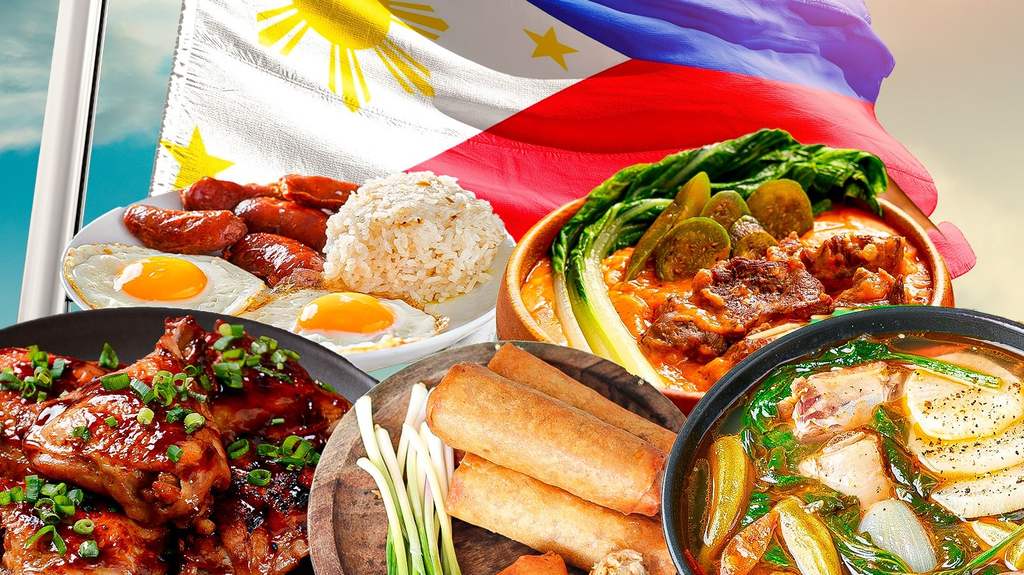
Lechon by pinterest.com Traditional Filipino dishes by stock.adobe.com
National Dishes
- Adobo — Variations include soy-based, vinegar-heavy, coconut milk, or regional spices.
- Lechon — Cebu’s crispy lechon is considered the gold standard.
- Sinigang — Tamarind-based sour soup with pork, shrimp, or fish.
- Kinilaw — Visayan raw seafood dish similar to ceviche.
Regional Food Identity
- Ilocos — Bagnet, empanada, pinakbet.
- Pampanga — Sisig, tocino, heritage desserts.
- Bicol — Spicy dishes with coconut milk (laing, Bicol express).
- Cebu & Visayas — Lechon, sutukil, seafood.
- Mindanao — Tausug and Maranao dishes like tiyula itum and piaparan.
Food Etiquette
- Sharing dishes is standard.
- Eating with hands (kamayan) is common and culturally accepted.
- Avoid wasting food; it is considered disrespectful.
Related Guides
UNESCO World Heritage Sites
The Philippines has several UNESCO-listed cultural and natural sites that reflect its diverse heritage.
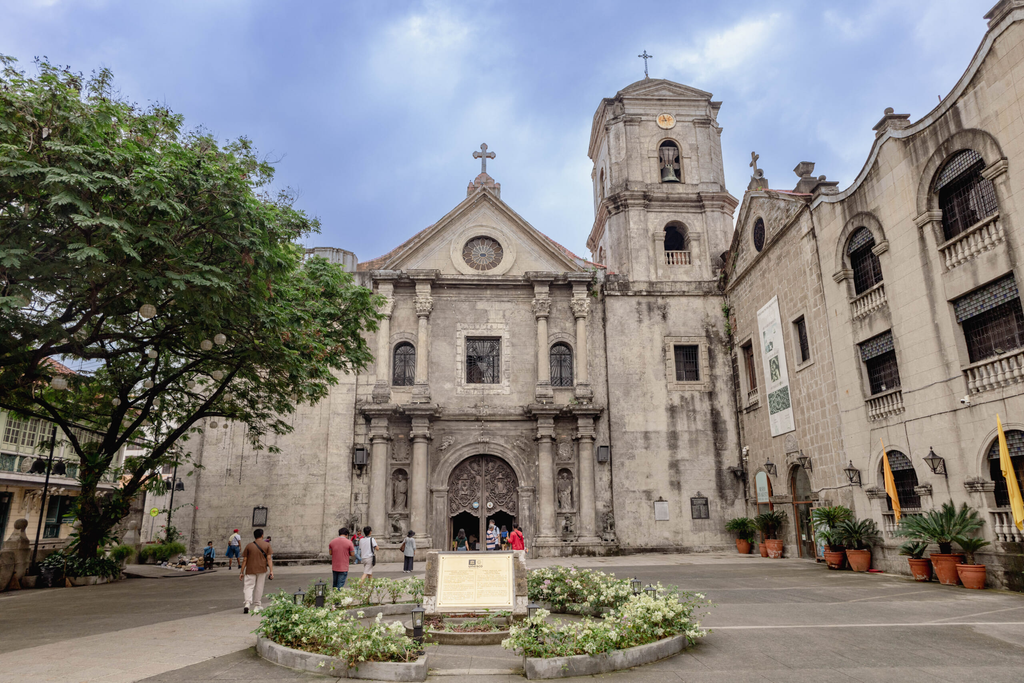
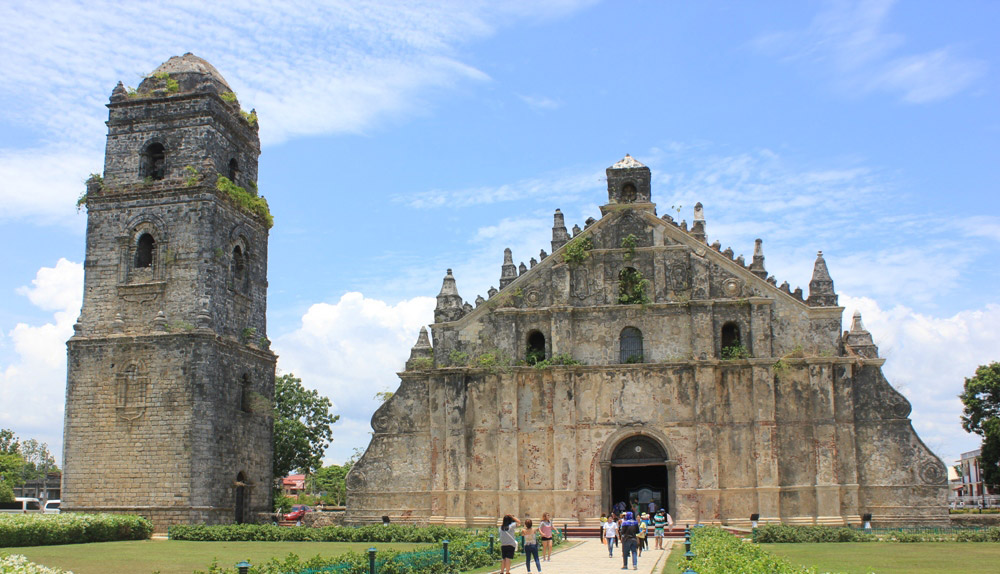
San Agustin Church by primer.com.ph Cebu Church by fity.club

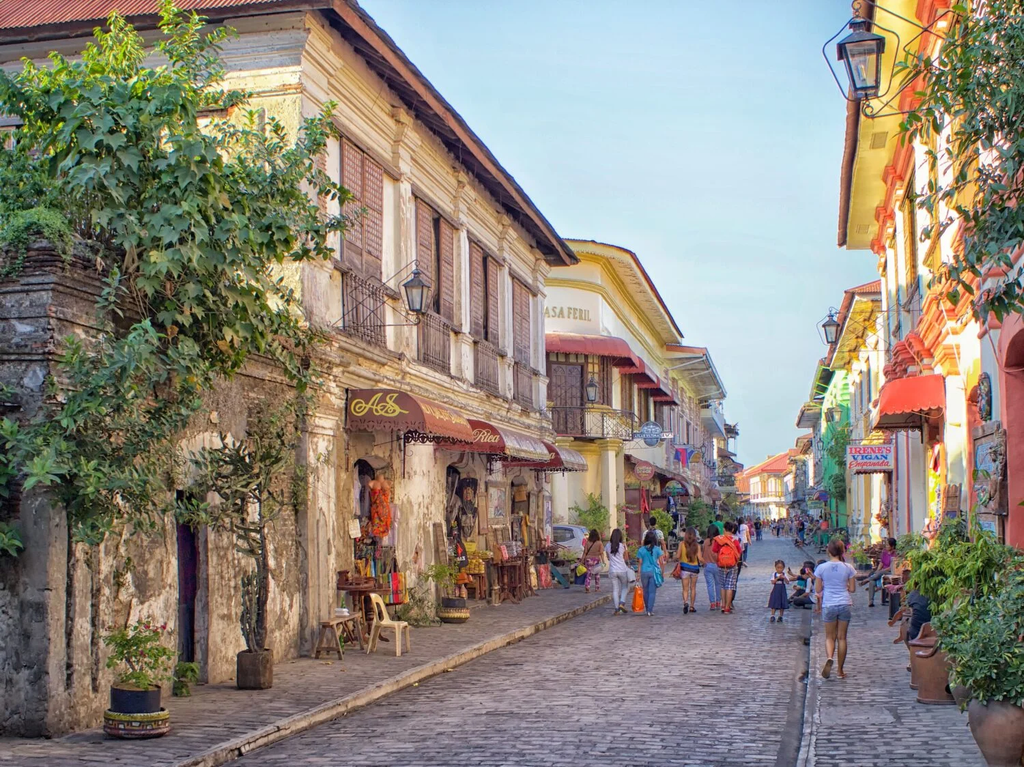
Banaue Rice Terraces by ph.pinterest.com Vigan City Sinanglaw by ar.inspiredpencil.com
Cultural Sites
- Vigan Historic Town — Spanish colonial architecture and cobblestone streets.
- San Agustin Church — Oldest stone church in the Philippines.
- Miagao Church — Fortress-style church with intricate carvings.
Natural Sites
- Banaue Rice Terraces — 2,000-year-old terraces carved by the Ifugao.
- Tubbataha Reefs — World-class diving and protected marine biodiversity.
Traveler Tips
- Respect conservation rules.
- Avoid touching heritage structures.
- Support local guides and community-led tours.
Related Guides
- Philippine UNESCO Sites Guide
History for Travelers
Understanding Philippine history enriches every trip—from ancient kingdoms to colonial eras and modern identity.
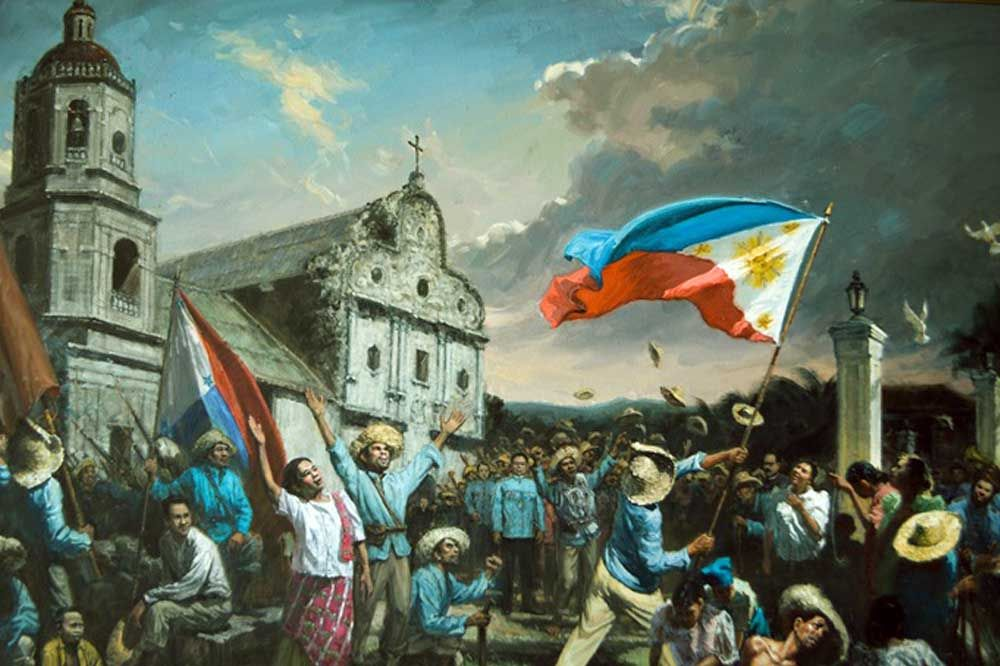
by storage.googleapis.com
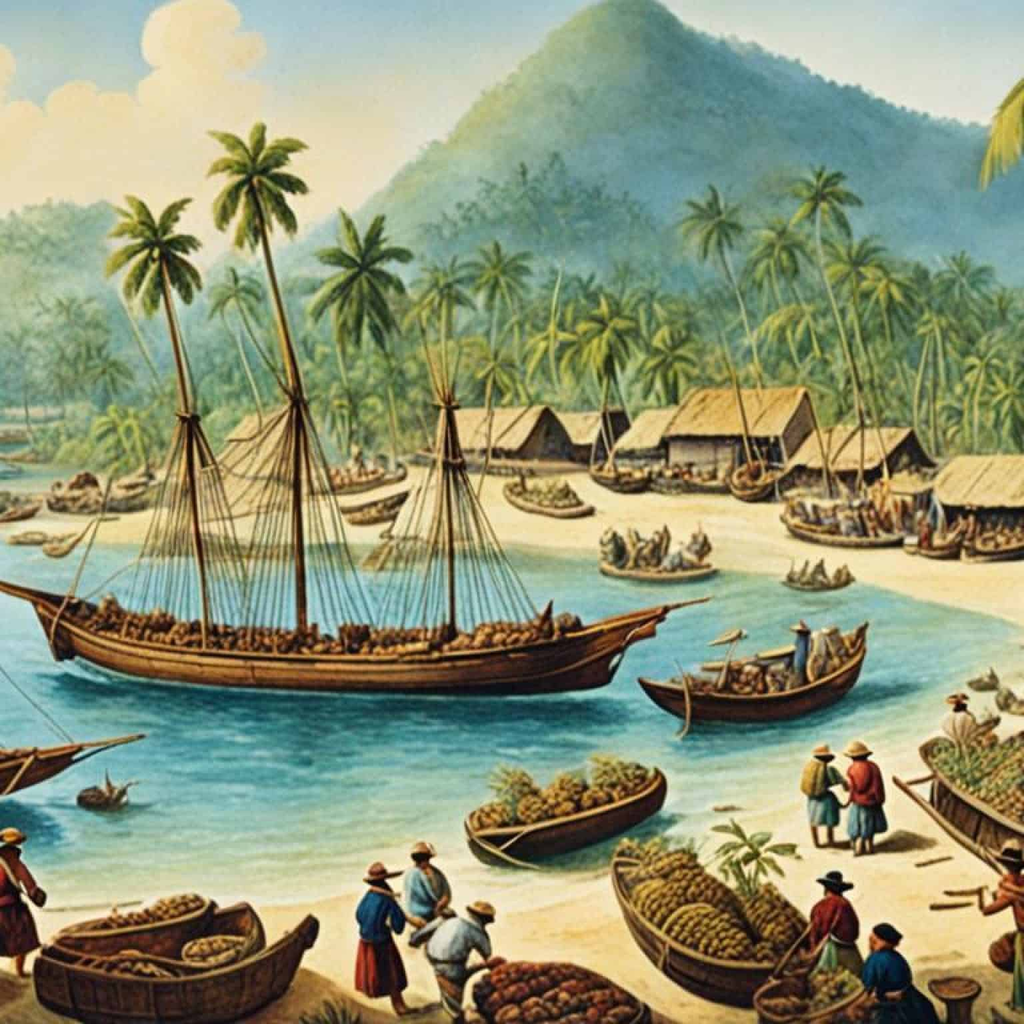
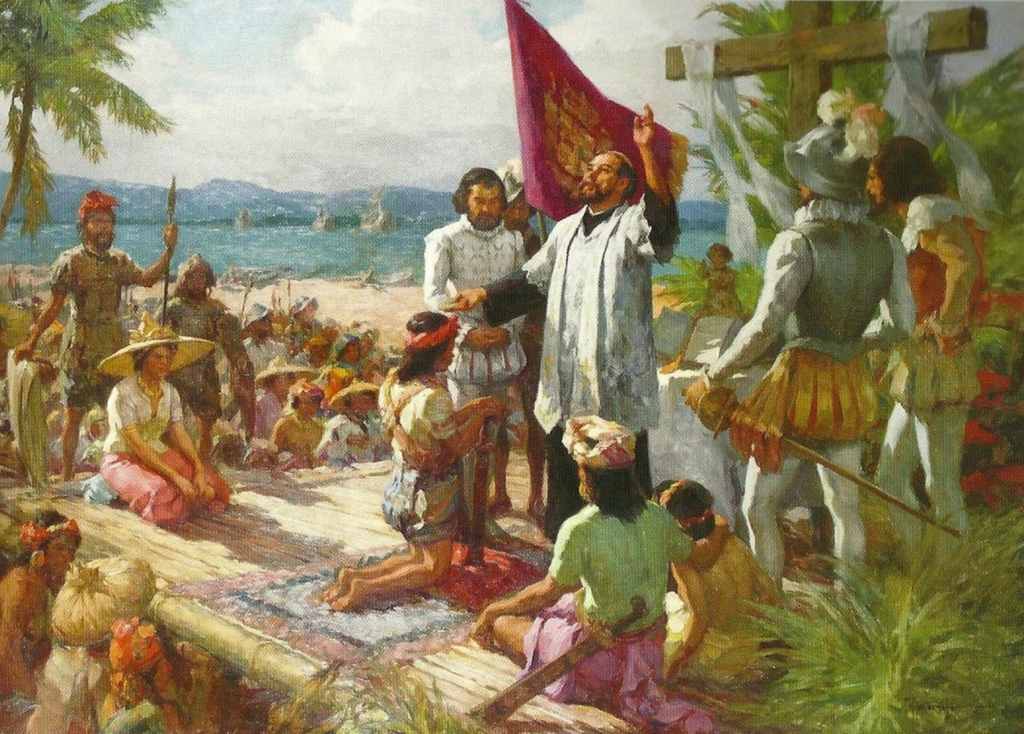
Pre-Colonial Period by pinaywise.com Spanish Colonial Period exozkviqk.blob.core.windows.net
Pre-Colonial Period
Before Spanish arrival, the Philippines was home to independent barangays, maritime trade networks, and diverse ethnolinguistic groups. Influences came from China, India, Arabia, and Southeast Asia.
Spanish Era (1521–1898)
- Introduction of Catholicism
- Construction of stone churches
- Development of towns and plazas
- Rise of national heroes like Rizal and Bonifacio
American Period (1898–1946)
- English language introduction
- Public education system
- Urban planning and modern infrastructure
Post-Independence to Present
A blend of indigenous identity, colonial heritage, and modern globalization shapes today’s Filipino culture.
Why History Matters for Travelers
- Helps contextualize architecture, food, and festivals.
- Enhances respect for local customs.
- Deepens appreciation for regional diversity.
Related Guide
- History and National Identity of the Philippines – Informational Deep Dive
Souvenirs & Handicrafts
The Philippines offers a wide range of authentic souvenirs that reflect regional craftsmanship.
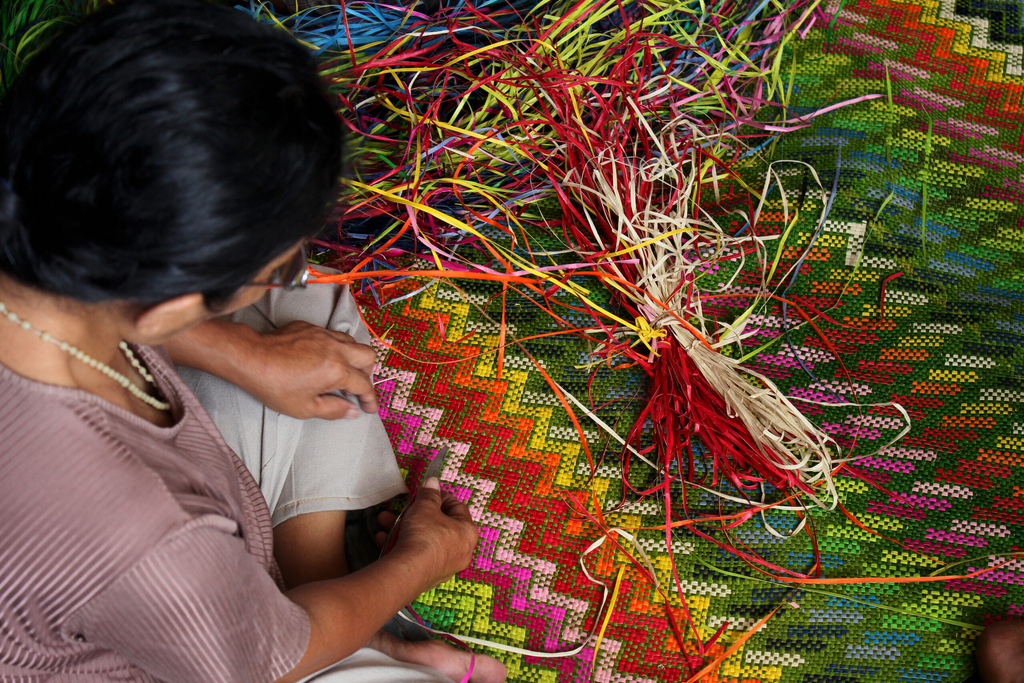
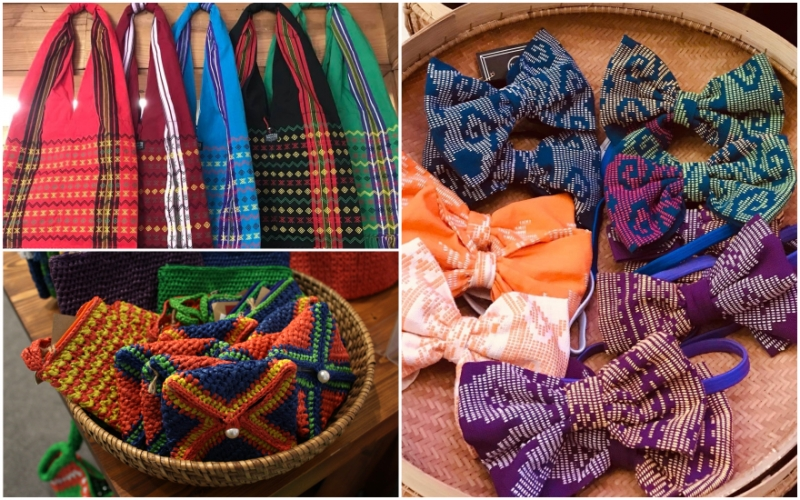
Banig Weaving by storage.googleapis.com Misc. Philippine Souvenirs by tripzilla.com
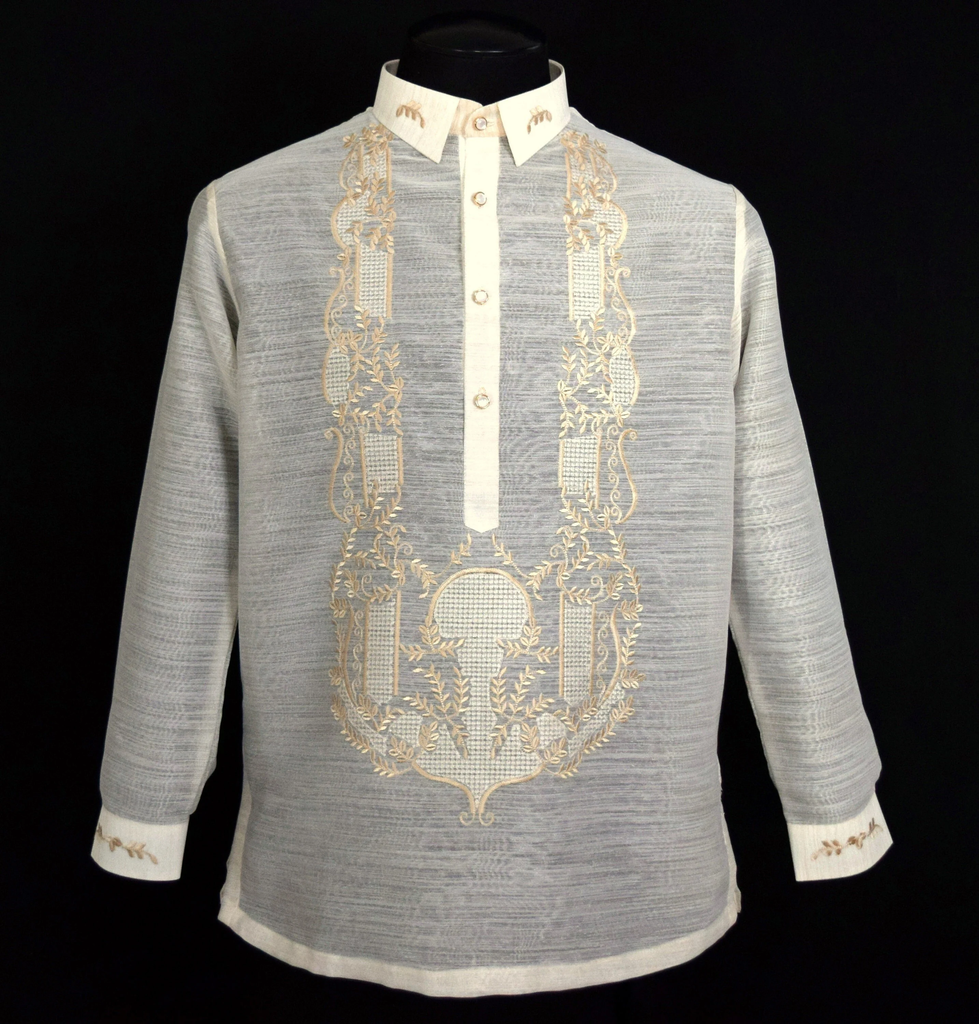
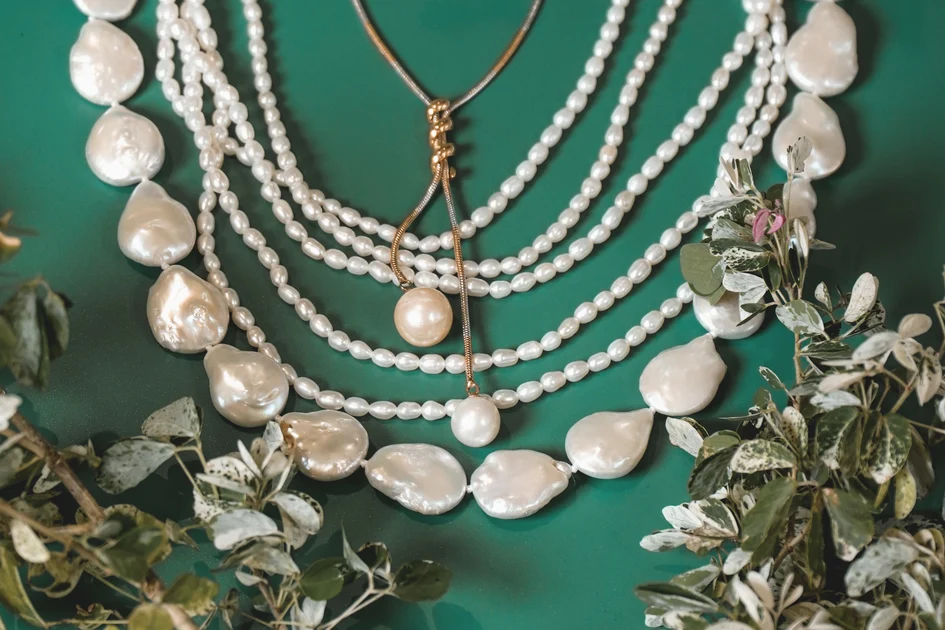
Barong -Traditional Male Shirt by fity.club Pearl Jewelry by kulturafilipino.com
Best Cultural Souvenirs
- Barong Tagalog — Traditional embroidered formal wear.
- Banig Weaving — Handwoven mats from Samar, Leyte, and Mindanao.
- Pearls — South Sea pearls from Palawan.
- Wood Carvings — Cordillera and Ifugao craftsmanship.
- Local Snacks — Polvoron, pastillas, dried mangoes.
Regional Craft Identity
- Ilocos — Abel weaving.
- Bicol — Handcrafted pottery.
- Visayas — Shell crafts and woven bags.
- Mindanao — Brassware, okir designs, and T’nalak weaving.
Buying Tips
- Support community cooperatives.
- Avoid mass-produced tourist items.
- Ask about the story behind each craft.
Related Guide
- Souvenirs & Handicrafts Guide
Related Guides
Internal silo links for deeper exploration:
- Philippine Cultural Etiquette
- Philippine Festivals Master Guide
- Philippine Food & Regional Cuisine Guide
- UNESCO Sites of the Philippines
- Philippine History for Travelers
- Souvenirs & Handicrafts Guide
Conclusion
Understanding the Philippines’ culture and regional identity transforms your travel experience—from the food you taste to the festivals you join, the heritage sites you explore, and the souvenirs you bring home. If you want to continue building your cultural silo or expand this into regional landing pages, choose the next section you want to develop: Customs, Festivals, Food Culture, UNESCO Sites, or Souvenirs.