Explore the rich rice farming traditions of the Philippines—from Cordillera terraces to Mindanao upland fields. Learn regional practices, harvesting rituals, cultural heritage, and how rice shapes Filipino identity.
Rice Farming Traditions in the Philippines: Regional Practices, Heritage, and Harvesting Rituals
Rice farming in the Philippines is more than agriculture—it is a cultural identity, a generational craft, and a living tradition that shapes communities across Luzon, Visayas, and Mindanao. From the world‑famous terraces of the Cordillera to the vast plains of Central Luzon and the upland fields of Mindanao, Filipino rice farming reflects centuries of innovation, adaptation, and spiritual connection to the land.
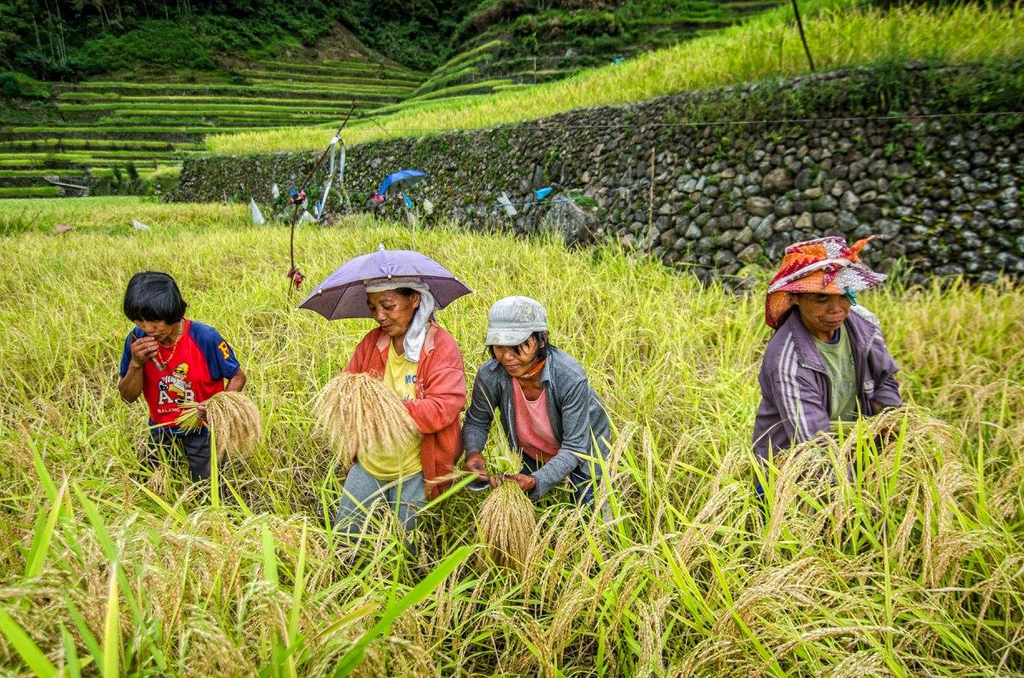
by play.personaltraining-physiotherapie.de
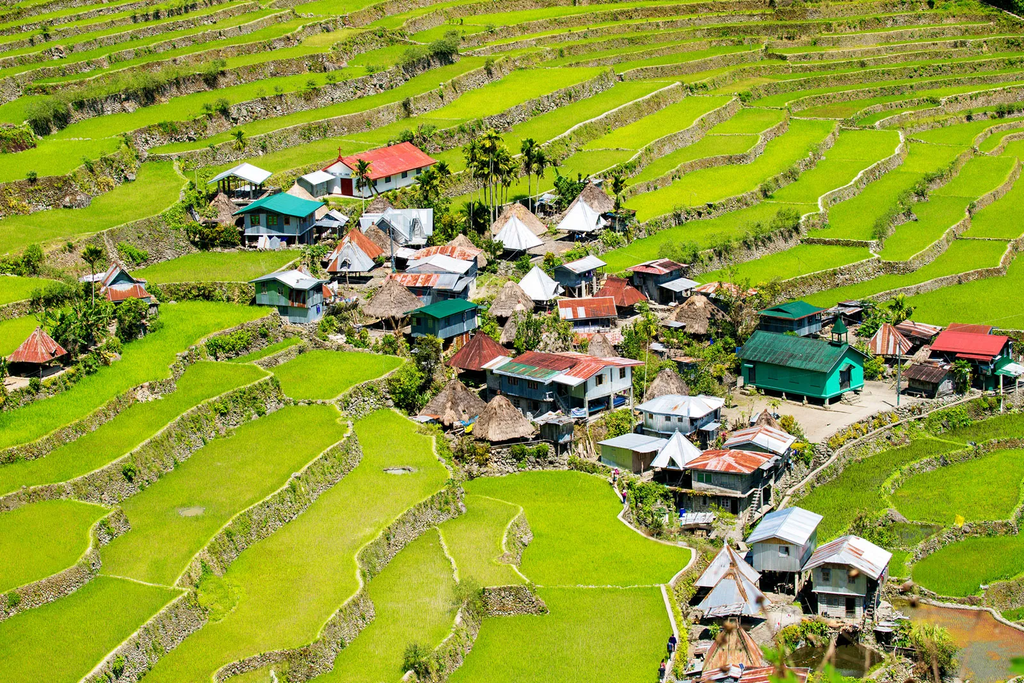
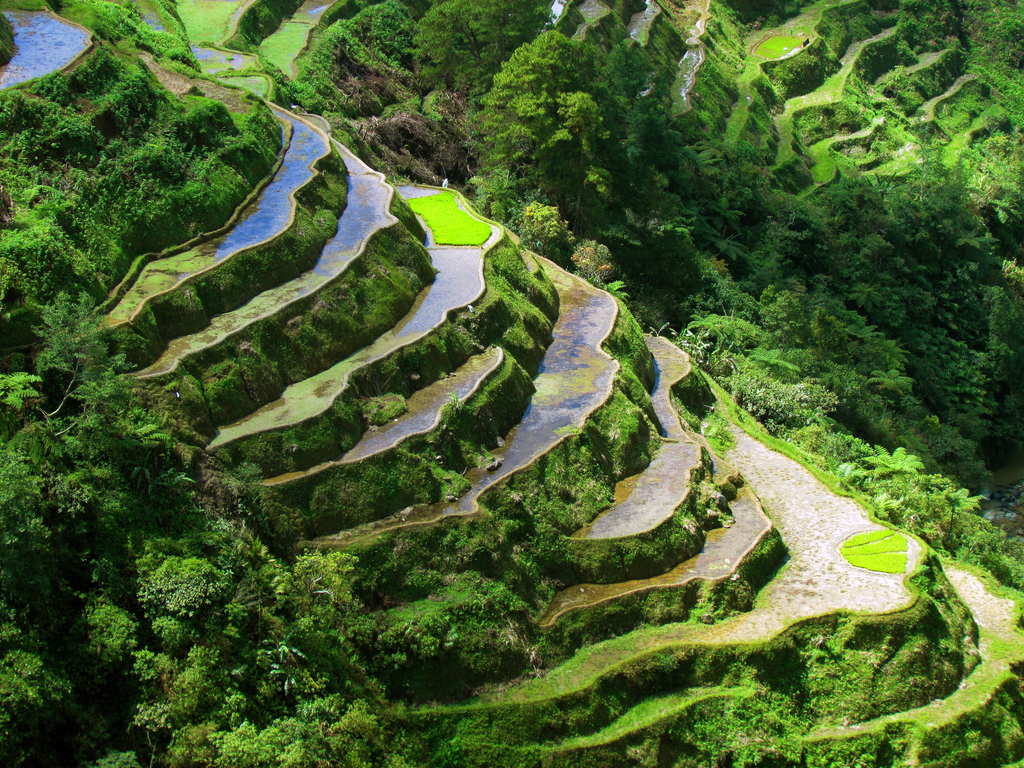
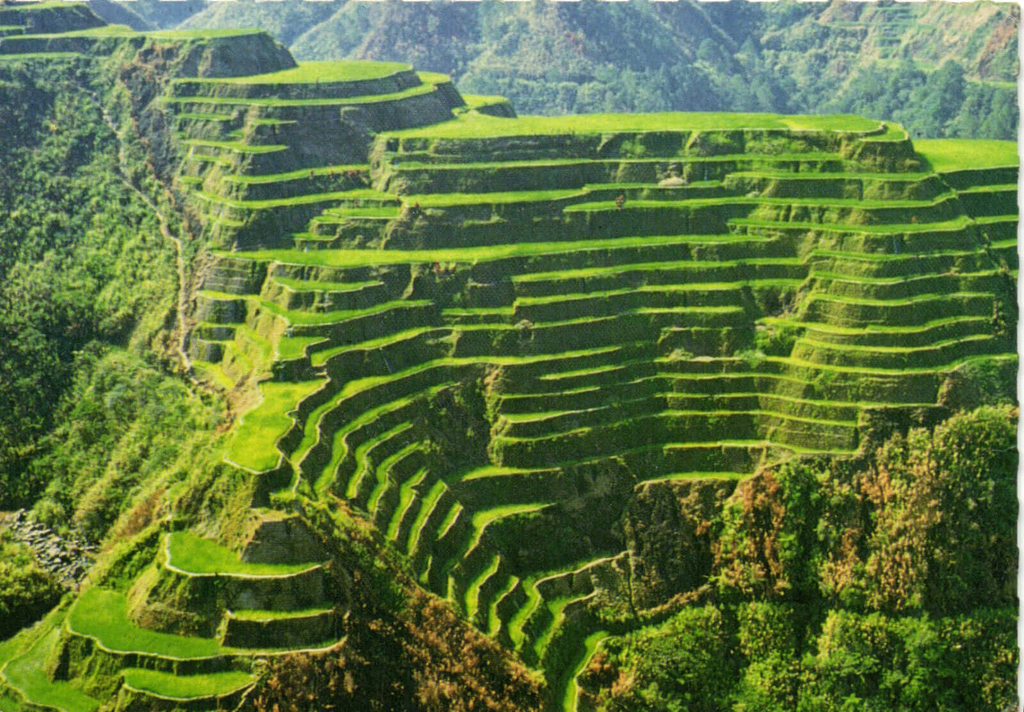
by britannica.com Banaue Rice Terraces by ph.pinterest.com Banaue Rice Terraces by fity.club
This guide explores regional farming traditions, planting and harvesting cycles, cultural rituals, modern challenges, and how rice remains the heart of Filipino life.
The Cultural Importance of Rice Farming in the Philippines
Rice is central to Filipino identity. It is the staple food, the symbol of abundance, and the foundation of countless traditions. Farming communities across the archipelago treat rice as both livelihood and heritage.
- Rice is present in festivals, rituals, and religious offerings.
- Farming knowledge is passed down through oral tradition and community practice.
- Many indigenous groups consider rice a gift from ancestral spirits.
Rice farming traditions vary widely across regions, shaped by geography, climate, and cultural heritage.
Regional Rice Farming Traditions Across the Philippines
Luzon Rice Farming Traditions
Cordillera Rice Terraces (Ifugao, Benguet, Mountain Province)
The Cordillera region is home to the iconic Ifugao Rice Terraces, a UNESCO World Heritage Site built over 2,000 years ago. These terraces are carved into mountainsides using stone walls and mud, irrigated by forest‑fed water systems.
Key traditions include:
- Muyong Forest System — a sustainable watershed managed by the community.
- Hudhud Chants — sung during planting and harvesting, recognized by UNESCO.
- Baki Rituals — offerings to ancestral spirits for protection and good harvest.
Rice varieties grown here include Tinawon, Diket, and other heirloom grains prized for aroma and flavor.
Central Luzon Plains (Nueva Ecija, Tarlac, Pampanga)
Known as the Rice Granary of the Philippines, Central Luzon features vast lowland paddies and mechanized farming.
Traditions include:
- Bayanihan planting — neighbors help each other during peak seasons.
- Fiestas celebrating harvest — such as the Araquio and Karihan festivals.
- Use of carabaos for plowing, still practiced in rural towns.
Modern irrigation systems from the Pampanga River and Pantabangan Dam support year‑round production.
Cagayan Valley (Isabela, Cagayan)
Cagayan Valley farmers practice synchronous planting, a coordinated community effort to reduce pests and maximize yield.
Traditional elements:
- Aggao Nac Cacaru — thanksgiving rituals for abundant harvest.
- Seed selection ceremonies led by elders.
The region is known for Dinorado and Jasmine‑like aromatic rice.
Mindoro Rice Farming Traditions
Mindoro’s Mangyan communities maintain some of the most culturally rich upland rice traditions in Luzon.
- Upland Rice Cultivation — planted on slopes using slash‑and‑mulch techniques.
- Mangyan Rituals — offerings to ancestral spirits before planting and harvesting.
- Community Seed Preservation — heirloom upland rice varieties passed down through generations.
- Rain‑fed Paddies — common in rural barangays, relying on seasonal monsoon cycles.
Mindoro is known for aromatic upland rice and glutinous varieties used in local kakanin.
Visayas Rice Farming Traditions
Western Visayas (Iloilo, Antique, Capiz)
Western Visayas farmers grow both lowland and upland rice, often integrating rice with coconut and sugarcane farming.
Traditions include:
- Panay Bukidnon chants during planting.
- Community seed banks preserving heirloom varieties.
- Harvest feasts featuring kakanin made from newly milled rice.
Iloilo’s Kinaray‑a communities maintain rituals honoring rice spirits.
Central Visayas (Cebu, Bohol, Negros Oriental)
Rice farming here is shaped by hilly terrain and small family‑owned plots.
Key traditions:
- Dryland rice cultivation in upland barangays.
- Carabao‑led plowing in rural towns.
- Rice‑based thanksgiving meals like budbud and puto maya.
Bohol’s irrigation systems allow two cropping seasons annually.
Eastern Visayas (Leyte, Samar)
Eastern Visayas farmers rely on rain‑fed paddies and community‑managed irrigation.
Traditions include:
- Pahina — communal labor for planting and harvesting.
- Blessing rituals led by local elders.
- Post‑harvest drying on village roads, a common rural practice.
The region grows Waray upland rice and sticky rice varieties used for kakanin.
Mindanao Rice Farming Traditions
Northern Mindanao (Bukidnon, Misamis Oriental)
Bukidnon’s wide plateaus are ideal for rice farming, producing both commercial and heirloom varieties.
Traditions include:
- Lumad planting rituals honoring the spirits of the land.
- Upland rice cultivation using slash‑and‑mulch techniques.
- Community granaries for storing rice during lean months.
Bukidnon is known for red and black upland rice.
Davao Region (Davao del Sur, Davao del Norte)
Davao farmers combine traditional methods with modern technology.
Key traditions:
- Kadayawan harvest celebrations.
- Seed‑sharing among indigenous groups.
- Irrigation from mountain springs.
Sticky rice varieties here are used for Mindanao kakanin like bibingka and puto bumbong.
SOCCSKSARGEN (South Cotabato, Sultan Kudarat)
This region features diverse rice farming traditions from both Muslim and indigenous communities.
Traditions include:
- Pagana rituals — Muslim thanksgiving feasts.
- T’nalak weaving inspired by rice fields.
- Upland rice grown by the B’laan and T’boli tribes.
The region produces aromatic upland rice and glutinous varieties.
Traditional Rice Planting Practices
Rice planting in the Philippines follows a cycle shaped by climate, tradition, and community cooperation.
Land Preparation
Farmers prepare fields through:
- Plowing with carabaos
- Harrowing to soften soil
- Flooding paddies for lowland rice
- Clearing upland plots for dryland rice
Seed Selection and Sowing
Seed selection is a sacred process in many communities.
- Elders choose seeds based on grain quality, aroma, and ancestral lineage.
- Seeds are soaked and sprouted before transplanting.
- Some groups perform blessing rituals before sowing.
Transplanting
Transplanting is often done by hand, especially in traditional communities.
- Farmers plant seedlings in straight rows.
- Bayanihan spirit encourages group labor.
- Songs and chants accompany planting in indigenous areas.
Harvesting Traditions and Rituals
Harvesting is the most celebrated stage of rice farming.
Traditional Harvesting Methods
- Hand harvesting using sickles
- Bundling stalks into sheaves
- Drying grains under the sun
- Threshing using wooden tools or carabaos
Cultural Harvest Rituals
Many communities perform rituals to thank spirits and ancestors.
- Ifugao “Gotad” festival celebrates harvest.
- Muslim Pagana feasts honor blessings.
- Visayan thanksgiving meals feature newly harvested rice.
Post‑Harvest Practices
- Rice drying on roads and courtyards
- Storage in bamboo granaries
- Milling using traditional stone mills
Modern Challenges and Evolving Traditions
Rice farming traditions continue to evolve due to:
- Climate change
- Typhoons and flooding
- Rising production costs
- Migration of younger generations
- Mechanization and modern irrigation
Despite these challenges, many communities preserve traditional knowledge through:
- Cultural schools
- Community seed banks
- Heritage farming programs
- Tourism initiatives showcasing rice traditions
Related Guides
- Rice Guide Landing Page
- Rice Varieties in the Philippines
- Rice Cooked Dishes Guide
- Rice Desserts by Region
- Rice Farming Traditions by Region
- Philippine Food Guide
Conclusion — Discover the Heart of Filipino Rice Culture
Rice farming traditions reveal the soul of the Philippines—its resilience, creativity, and deep connection to the land. Whether carved into mountains, planted in vast plains, or grown in upland fields, rice remains the foundation of Filipino life.
If you want to explore more about Filipino food culture, regional farming, or traditional dishes, continue your journey through our Rice Varieties Guide or dive deeper into Rice Desserts and Cooked Rice Dishes.