Explore the Philippines’ rich wildlife and biodiversity — endemic species, threatened animals, national parks, protected areas, biodiversity hotspots, and conservation programs. A comprehensive eco‑tourism guide for responsible travel.
Philippine Wildlife & Biodiversity Guide
The Philippines is one of the world’s most biologically rich nations, home to thousands of species found nowhere else on Earth. Its archipelagic geography, tropical climate, and diverse ecosystems — from rainforests and mangroves to coral reefs and mountain ranges — create ideal conditions for extraordinary wildlife. This guide explores the country’s endemic and threatened species, protected areas, national parks, biodiversity hotspots, and conservation programs shaping the future of Philippine ecology.
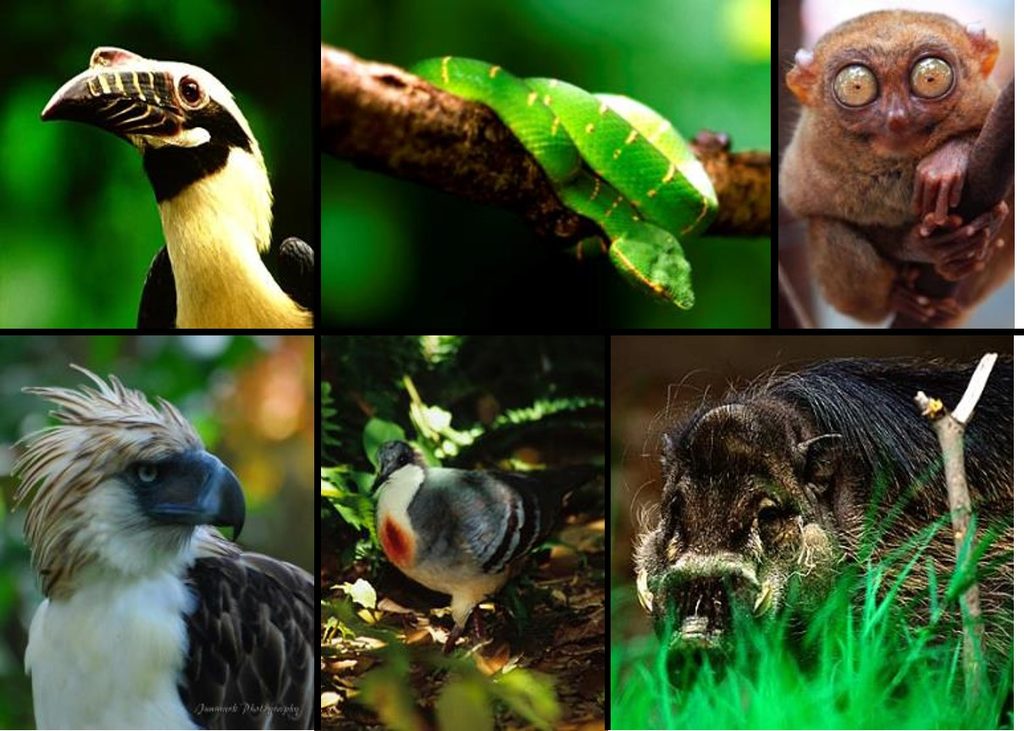
by fity.club
Endemic Species of the Philippines
Endemism is one of the Philippines’ greatest ecological strengths. Over 50% of terrestrial wildlife and 70% of flowering plants exist only within the archipelago. These species evolved in isolation across islands, mountains, and forests, resulting in unique biodiversity unmatched in Southeast Asia.
Iconic Endemic Animals
- Philippine Eagle — The national bird and one of the world’s largest eagles. Found in Mindanao, Luzon, Samar, and Leyte. Critically endangered due to habitat loss.
- Tamaraw — A dwarf buffalo endemic to Mindoro. Once abundant, now critically endangered with fewer than 600 individuals.
- Philippine Tarsier — A tiny primate with enormous eyes, found in Bohol, Leyte, Samar, and Mindanao.
- Visayan Warty Pig — A forest‑dwelling pig species endemic to the Visayas, threatened by hunting and habitat conversion.
- Palawan Peacock‑Pheasant — A striking bird found only in Palawan’s forests.
- Philippine Flying Lemur (Colugo) — A gliding mammal found in Mindanao’s forests.
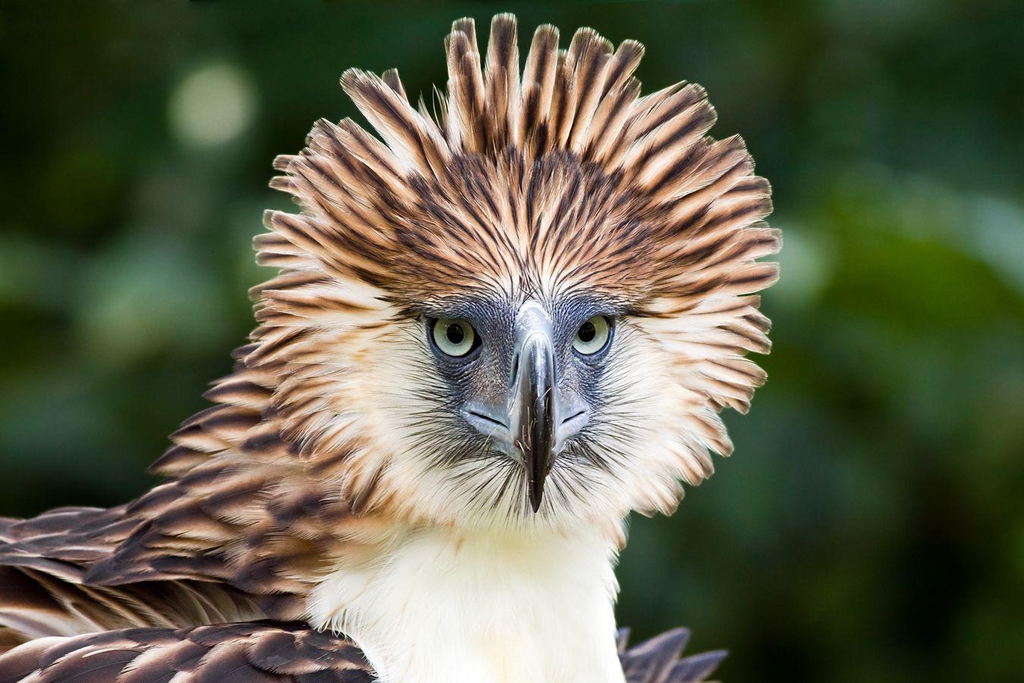
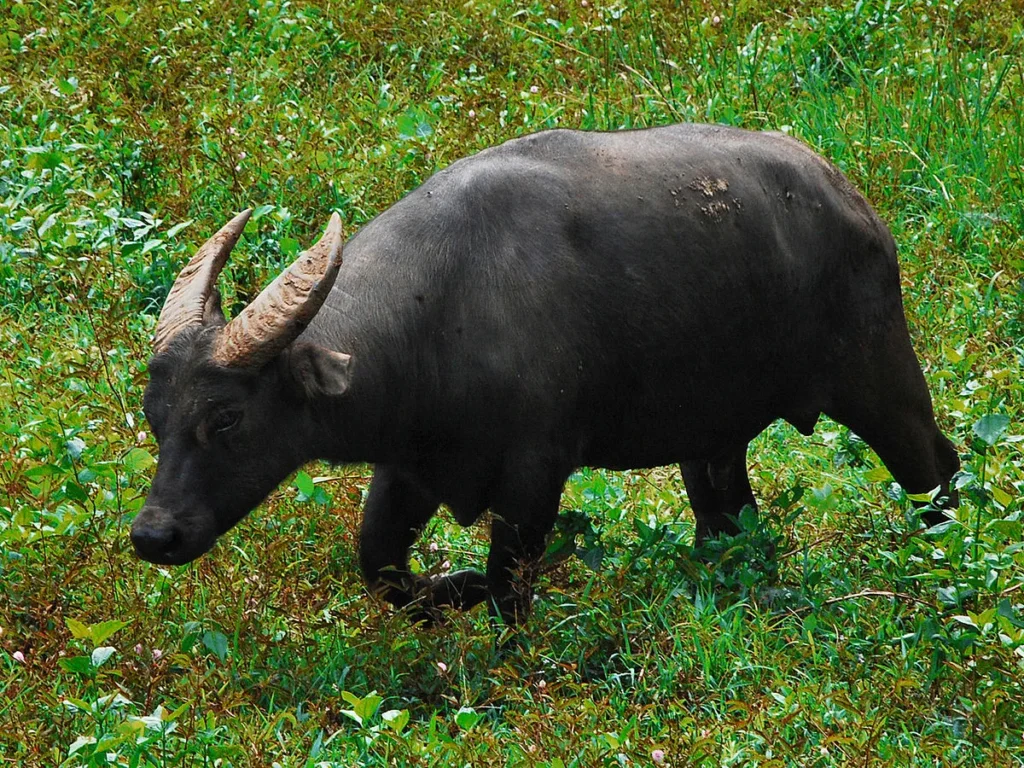
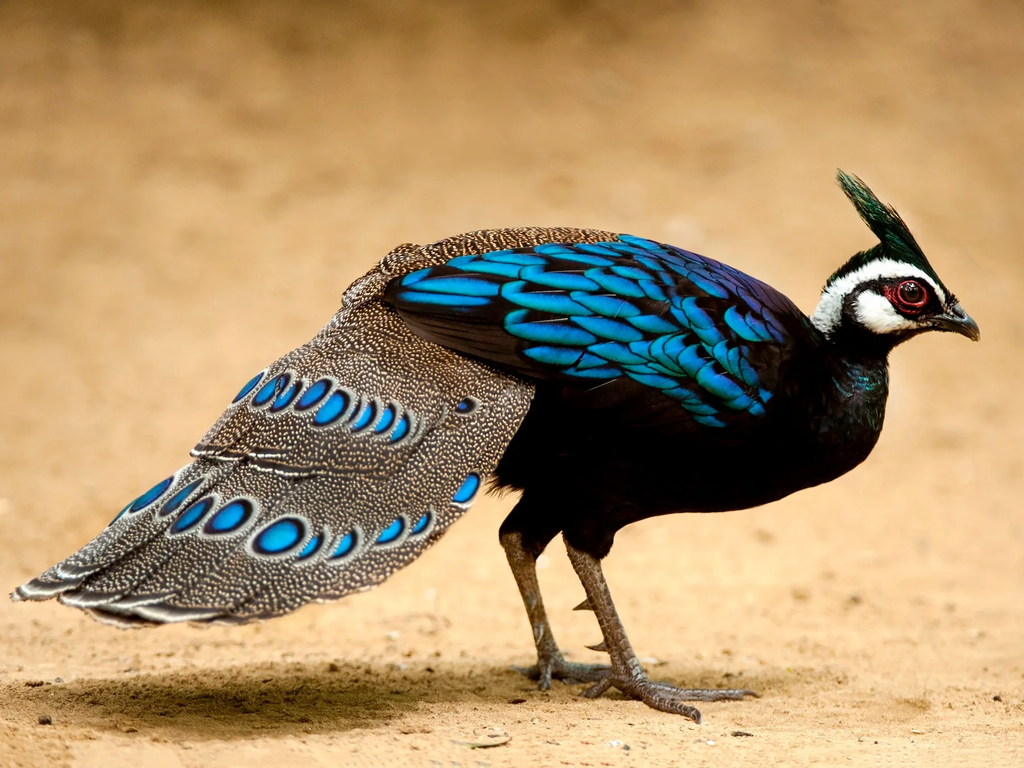
Philippine Eagle by wallpaperaccess.com Tamaraw by toyotavalencia.com.ph Palawan Peacock Pheasant by reddit.com
Endemic Marine Species
The Philippines sits at the center of the Coral Triangle, hosting more than 500 coral species and 2,000+ fish species.
- Bangus (Milkfish) — Though widespread, the Philippines is its primary natural habitat.
- Sinarapan — The world’s smallest commercial fish, found only in Lake Buhi, Camarines Sur.
- Giant Clams (Tridacna species) — Several species are endemic and threatened.
Why Endemism Matters
Endemic species are irreplaceable. Their extinction means global extinction. Protecting them safeguards the Philippines’ ecological identity and strengthens climate resilience.
Threatened Species in the Philippines
The Philippines is a biodiversity hotspot but also one of the world’s most threatened ecosystems. According to conservation assessments, over 700 species are threatened, including mammals, birds, reptiles, amphibians, and marine life.
Major Threats
- Deforestation — Logging, mining, agriculture, and urban expansion reduce habitats.
- Illegal Wildlife Trade — Birds, reptiles, and exotic mammals are trafficked domestically and internationally.
- Climate Change — Coral bleaching, rising temperatures, and extreme weather events disrupt ecosystems.
- Pollution — Plastics, chemical runoff, and waste affect rivers, forests, and seas.
- Overfishing — Marine species decline due to unsustainable fishing practices.
Examples of Threatened Species
- Philippine Eagle — Critically endangered
- Tamaraw — Critically endangered
- Philippine Crocodile — Critically endangered
- Visayan Hornbill — Endangered
- Hawksbill Turtle — Critically endangered
- Butanding (Whale Shark) — Endangered due to global population decline
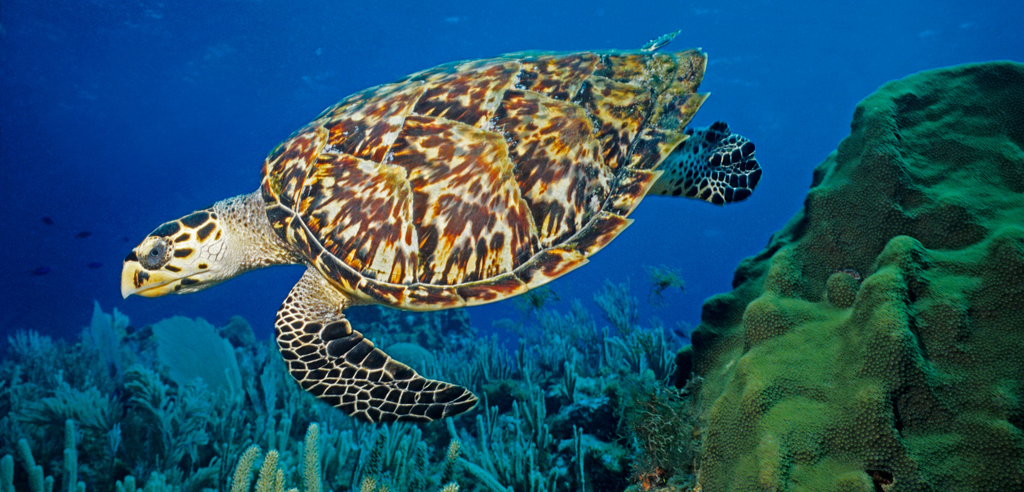
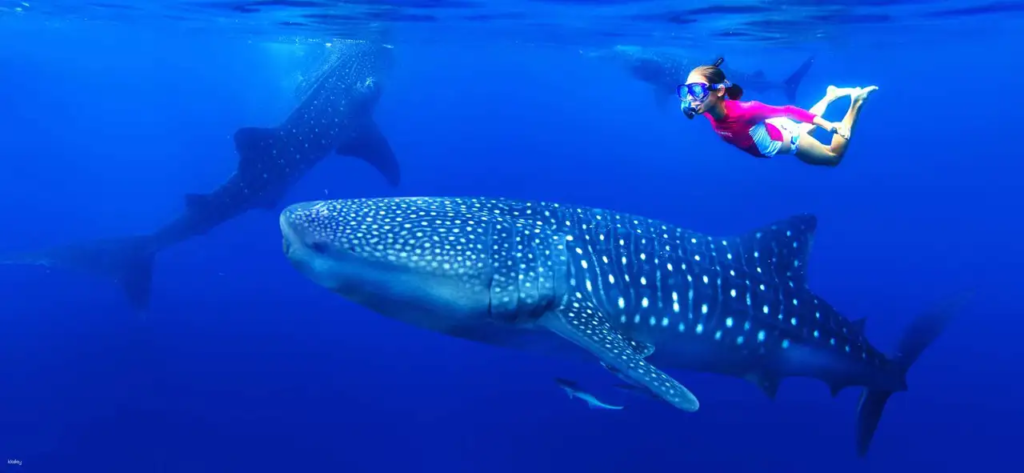
Hawksbill Turtles by hakaimagazine.com Bohol Whaleshark by traveloka.com
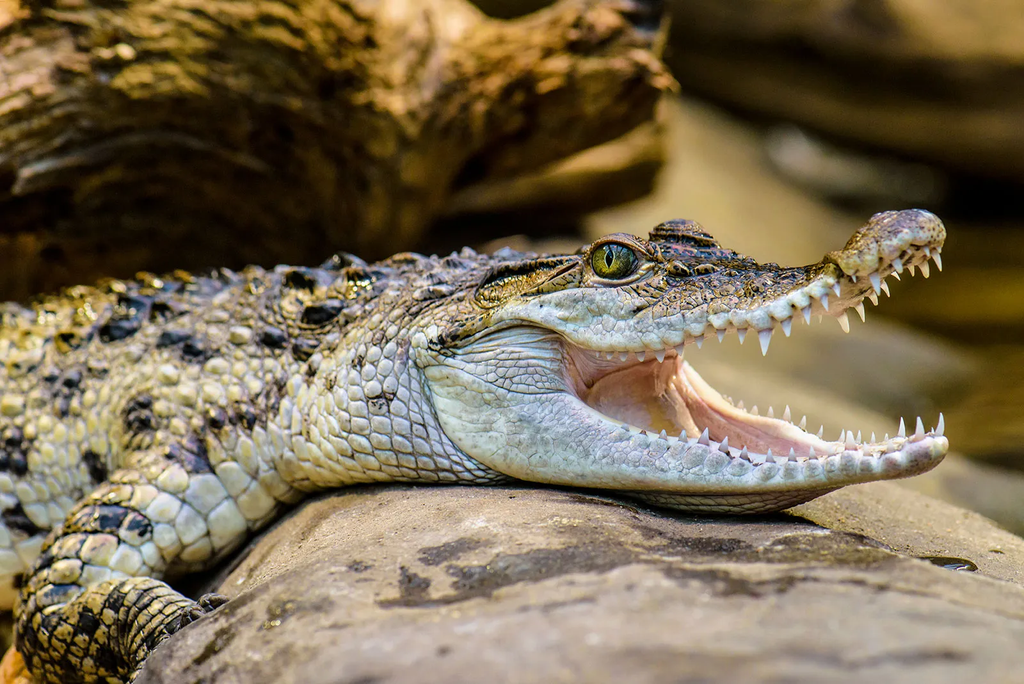
Philippine Crocodile by fity.club
Conservation Status Categories
- Critically Endangered — Extremely high risk of extinction
- Endangered — High risk of extinction
- Vulnerable — At risk of becoming endangered
- Near Threatened — Could become threatened soon
Protected Areas in the Philippines
Protected Areas (PAs) are designated zones that safeguard ecosystems, wildlife, and natural resources. The Philippines has over 240 protected areas under the National Integrated Protected Areas System (NIPAS).
Types of Protected Areas
- Natural Parks — Large areas preserving ecosystems and wildlife
- Wildlife Sanctuaries — Areas dedicated to species protection
- Marine Reserves — Coral reefs, mangroves, and marine habitats
- Protected Landscapes/Seascapes — Areas combining conservation and sustainable human use
- Natural Monuments — Unique geological or biological formations
Notable Protected Areas
- Mount Apo Natural Park — Home to the Philippine Eagle and diverse flora
- Tubbataha Reefs Natural Park — UNESCO World Heritage Site, world‑class marine biodiversity
- Mount Pulag National Park — Luzon’s highest peak, mossy forests, dwarf bamboo grasslands
- Sierra Madre Protected Areas — The country’s largest mountain range and biodiversity corridor
- Batanes Protected Landscapes and Seascapes — Unique ecosystems shaped by wind and waves
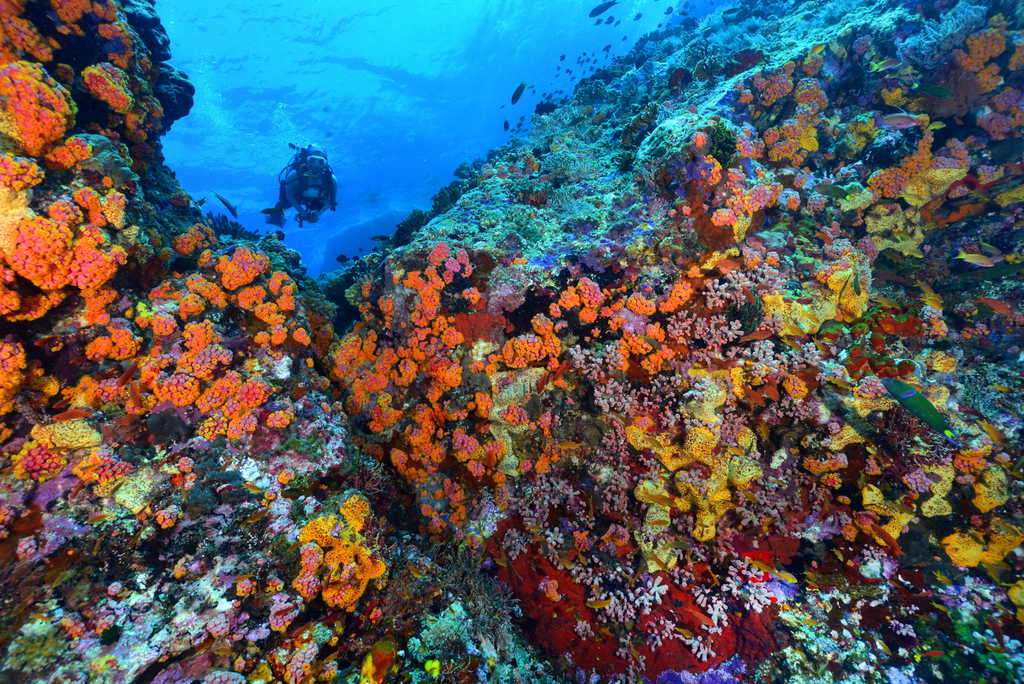
Tubbataha Reefs Natural Park by marine-conservation.org
Importance of Protected Areas
Protected areas preserve ecological balance, support tourism, and protect endangered species. They also serve as climate buffers, reducing flood and landslide risks.
National Parks of the Philippines
National parks are among the most accessible eco‑tourism destinations. They offer hiking, birdwatching, diving, and educational tours.
Top National Parks
- Rizal Park Natural Park — Historical and ecological landmark in Manila
- Minalungao National Park — Limestone formations and emerald river in Nueva Ecija
- Biri Larosa Protected Landscape and Seascape — Rock formations and marine life in Northern Samar
- Balinsasayao Twin Lakes Natural Park — Biodiverse freshwater ecosystem in Negros Oriental
- Mount Kitanglad Range Natural Park — Home to the Philippine Eagle and rare orchids
Eco‑Tourism Activities
- Birdwatching
- Forest trekking
- River cruises
- Diving and snorkeling
- Wildlife photography
- Educational conservation tours
Biodiversity Hotspots in the Philippines
The Philippines is recognized globally as a megadiverse country and a biodiversity hotspot — meaning it has exceptional biodiversity but faces severe threats.
H3: Key Hotspot Regions
- Luzon Biodiversity Corridor — Sierra Madre, Cordillera, Caraballo Mountains
- Mindanao Montane Forests — Mount Apo, Kitanglad, and Pantaron Range
- Palawan — Often called the Philippines’ “Last Frontier”
- Sulu‑Sulawesi Marine Ecoregion — Coral Triangle center
- Visayan Mangrove and Wetland Systems — Crucial for migratory birds
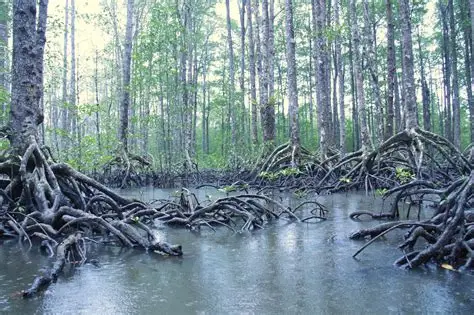
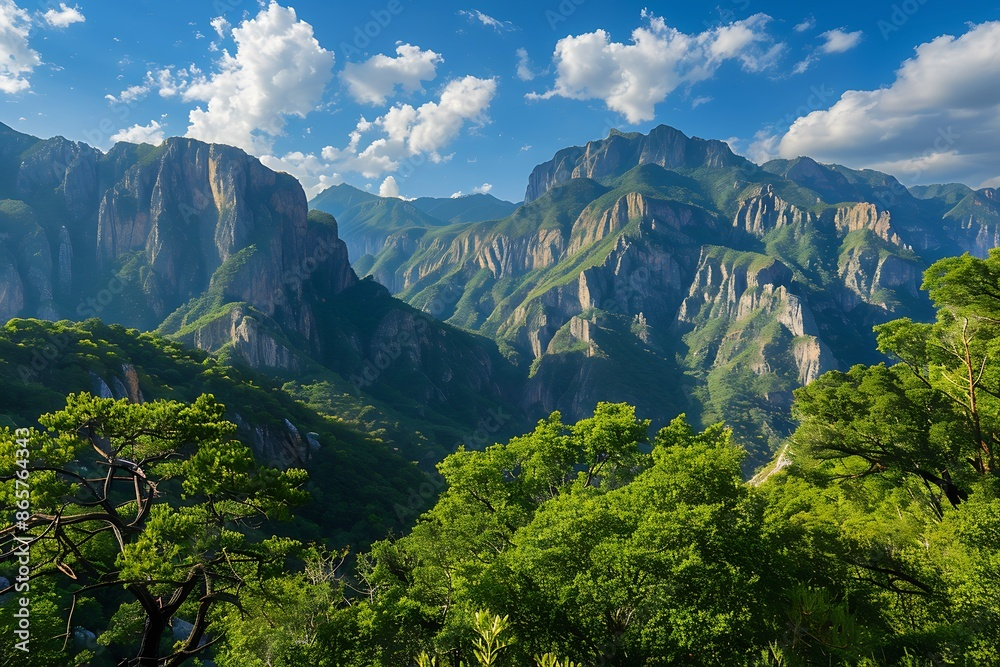
by travel-palawan.com by stock.adobe.com
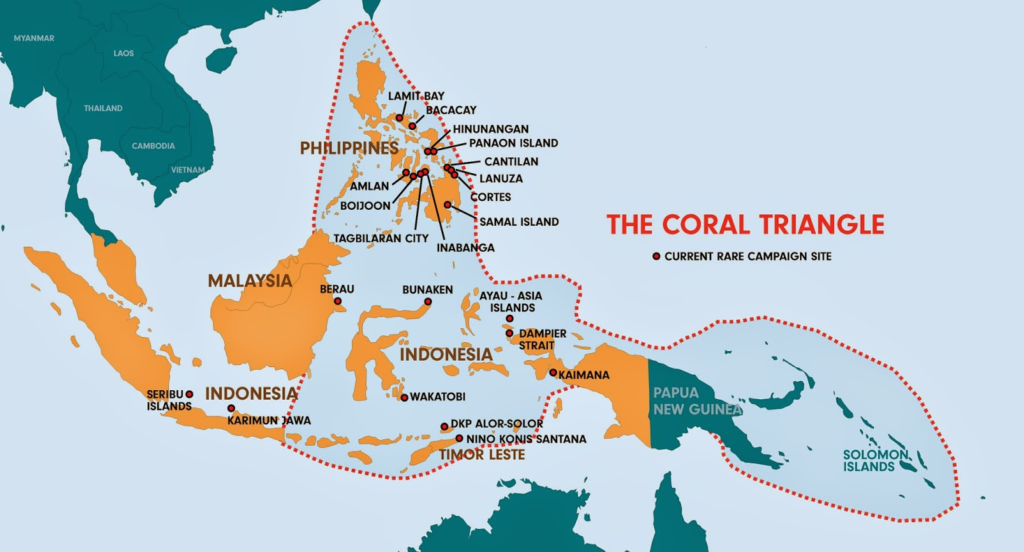
by mcmmarine.blogspot.com
Why Hotspots Matter
Hotspots contain species found nowhere else and are priority areas for conservation funding, research, and eco‑tourism development.
Conservation Programs in the Philippines
Conservation programs protect wildlife, restore habitats, and promote sustainable tourism.
Government‑Led Programs
- NIPAS Act Implementation — Expands protected areas and strengthens enforcement
- DENR Biodiversity Management Bureau (BMB) — Oversees wildlife protection and habitat restoration
- Philippine Eagle Foundation — Breeding, rescue, and forest conservation
- Tamaraw Conservation Program — Habitat protection and population monitoring in Mindoro
- Marine Protected Area Networks — Community‑managed marine sanctuaries
Community & NGO Programs
- Haribon Foundation’s “Road to 2020” — Reforestation using native species
- WWF Philippines — Marine conservation, climate programs, sustainable tourism
- Local Indigenous Communities — Traditional ecological knowledge and forest stewardship
Eco‑Tourism as Conservation
Responsible tourism generates funding for conservation, supports local communities, and raises awareness about endangered species.
Related Guides (Internal Linking)
- Philippine Wildlife Guide
- Birdwatching & Avian Habitats
- Wildlife Conservation Areas
- Eco‑Tourism Travel Guide
- Philippine National Parks Guide
Conclusion — Plan Your Eco‑Tourism Adventure
Exploring the Philippines’ wildlife and biodiversity is more than a travel experience — it’s a commitment to conservation. Whether you’re trekking through mossy forests, diving into coral reefs, or visiting wildlife sanctuaries, your journey helps protect the country’s natural heritage.
For more in‑depth guides, species lists, and eco‑tourism itineraries, explore our related wildlife and conservation resources. Start planning your responsible adventure today and help preserve the Philippines’ extraordinary biodiversity for future generations.