Understand real safety & security conditions across Philippine regions. Learn risks, on‑the‑ground realities, emergency readiness, crime patterns, and regional stability insights. Essential for travelers, expats, and long‑term visitors.
Regional Safety & Security Realities in the Philippines
Safety and security conditions across the Philippines vary significantly by region. While the country is globally known for warm hospitality, breathtaking landscapes, and vibrant culture, each region carries its own unique risk profile shaped by geography, weather exposure, crime trends, infrastructure, and local governance. This Regional Safety & Security Realities Pillar Page provides a comprehensive, region‑by‑region understanding of what travelers, expats, digital nomads, and long‑term visitors should realistically expect.
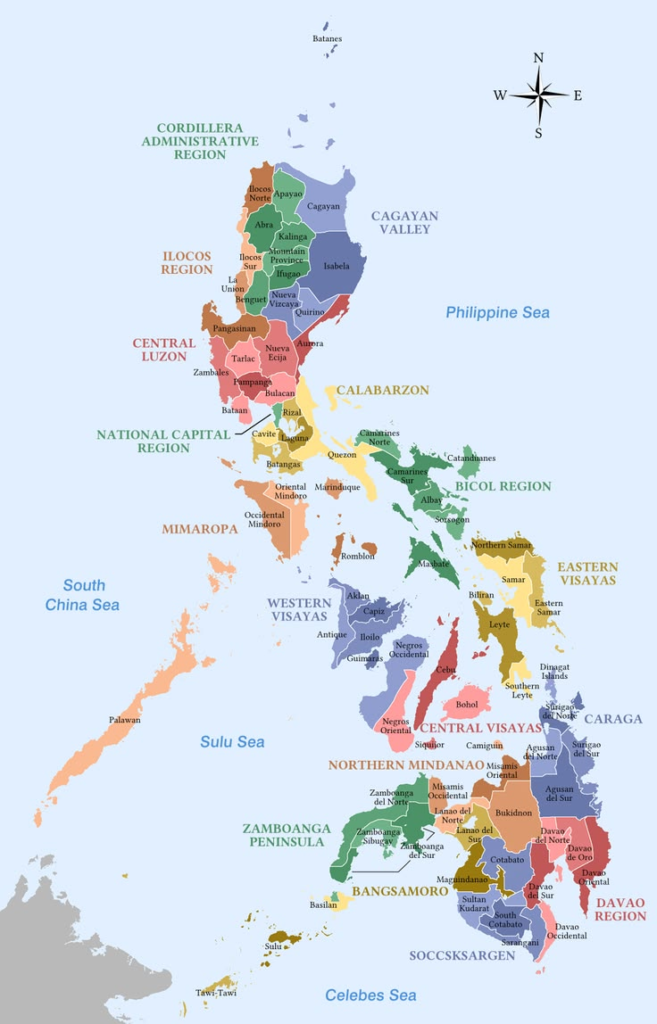
by pinterest.com
Whether you’re planning a multi‑week island‑hopping adventure, relocating for work, or exploring remote eco‑tourism destinations, understanding regional safety realities helps you make informed decisions, prepare properly, and travel confidently.
Why Regional Safety Awareness Matters
Safety in the Philippines is not uniform. Some regions are highly developed with strong emergency response systems, while others remain rural, remote, and exposed to natural hazards. Crime rates differ, weather patterns shift dramatically, and infrastructure quality varies widely.
Being aware of these differences allows you to:
- Plan safer itineraries
- Choose secure accommodations
- Prepare for natural hazards
- Understand local security protocols
Luzon Regional Safety & Security Realities
Related Guide
- Luzon Safety Realities
Northern Luzon (Regions I, II, CAR)
Northern Luzon is generally safe, with strong tourism infrastructure in Ilocos, La Union, and Baguio. Crime rates are moderate to low, and most incidents involve petty theft in busy tourist zones. Rural areas are peaceful but remote, meaning emergency response times may be slower.
Key Realities
- Weather Exposure: High risk of typhoons, landslides, and flooding during monsoon months.
- Urban vs Rural: Cities like Baguio and Laoag have reliable police presence; remote mountain towns may have limited access to medical facilities.
- Tourist Safety: Surf towns and heritage sites are well‑patrolled; petty theft occurs in crowded markets.
Central Luzon (Region III)
Central Luzon is a major economic corridor with strong infrastructure and rapid emergency response. Clark and Subic are among the safest areas in the country due to special economic zone governance.
Key Realities
- Crime: Low violent crime; moderate petty crime in transport hubs.
- Natural Hazards: Flooding in Pampanga and Bulacan; lahar zones near Mt. Pinatubo.
- Security Presence: High due to airports, business parks, and military installations.
Southern Luzon (Regions IV‑A, IV‑B, V)
Southern Luzon includes CALABARZON, MIMAROPA, and Bicol—each with distinct safety profiles.
CALABARZON (IV‑A)
Highly urbanized with strong police visibility. Petty crime is more common in dense cities like Cavite and Laguna.
MIMAROPA (IV‑B: Palawan, Mindoro, Romblon)
Palawan is safe for tourists, though remote areas require caution. Mindoro has occasional security advisories in rural zones. Romblon is peaceful but isolated.
Bicol (Region V)
Generally safe, but Mt. Mayon’s volcanic activity requires monitoring. Coastal towns face typhoon exposure.
Visayas Regional Safety & Security Realities
Related Guide
- Visayas Safety Realities
Western Visayas (Region VI)
Home to Boracay, Iloilo, and Bacolod—some of the safest and most tourist‑friendly destinations in the Philippines.
Key Realities
- Crime: Low violent crime; petty theft in nightlife zones.
- Infrastructure: Strong hospitals and emergency services in Iloilo and Bacolod.
- Tourism Safety: Boracay has strict safety regulations and active tourist police.
Central Visayas (Region VII)
Cebu is a major tourism and business hub with robust security. Bohol is known for safety and eco‑tourism stability.
Key Realities
- Urban Crime: Cebu City has moderate petty crime; violent crime is rare in tourist areas.
- Transport Safety: Island‑hopping routes are regulated; weather advisories are strictly enforced.
- Eco‑Tourism Zones: Bohol’s rural areas are safe but remote.
Eastern Visayas (Region VIII)
A region heavily exposed to typhoons, including past major disasters. Safety is generally stable, but infrastructure varies.
Key Realities
- Weather Risk: High typhoon frequency; travelers must monitor advisories.
- Crime: Low overall; rural areas may have limited emergency response.
- Infrastructure: Improving but still developing in remote islands.
Mindanao Regional Safety & Security Realities
Mindanao’s safety profile varies widely. Some regions are extremely safe and well‑developed, while others require heightened caution due to historical conflict zones.
Related Guide
- Mindanao Safety Realities
Northern Mindanao (Region X)
Cagayan de Oro and Camiguin are safe, with strong tourism infrastructure.
Key Realities
- Crime: Low to moderate; petty theft in urban centers.
- Natural Hazards: Flooding in river‑adjacent barangays.
- Tourism: Camiguin is one of the safest islands in the Philippines.
Davao Region (Region XI)
Davao City is widely regarded as one of the safest major cities in Southeast Asia.
Key Realities
- Crime: Very low; strict local regulations.
- Emergency Response: Highly efficient.
- Tourism: Safe for solo travelers, families, and expats.
SOCCSKSARGEN (Region XII)
Mixed safety profile. General Santos City is stable, but rural areas may have occasional security advisories.
Key Realities
- Crime: Moderate in urban centers; low in rural towns.
- Security Presence: Strong due to commercial activity.
- Travel Advisory: Stay updated on local bulletins.
Caraga (Region XIII)
Safe overall, especially in Siargao and Surigao City.
Key Realities
- Crime: Low; tourist zones well‑patrolled.
- Natural Hazards: Typhoons and coastal flooding.
- Tourism: Siargao is safe but remote; medical access limited.
BARMM (Region XV)
The Bangsamoro Autonomous Region has improved significantly in recent years but still requires heightened situational awareness.
Key Realities
- Security: Some areas remain sensitive; travel advisories should be checked regularly.
- Infrastructure: Developing; emergency response varies.
- Travel: Only visit with updated guidance and local coordination.
Cross‑Regional Safety Themes
Crime Patterns
Petty theft is the most common issue nationwide. Violent crime rarely affects tourists in major destinations.
Natural Hazards
Typhoons, earthquakes, volcanic activity, and flooding are part of the Philippines’ geography. Preparedness is essential.
Infrastructure Differences
Urban regions have strong hospitals and police presence; rural areas may have limited access.
Local Governance & Stability
Cities with strong governance—Davao, Iloilo, Baguio, Cebu—tend to have higher safety ratings.
Related Guides
- Safety & Emergency Preparedness Guide
- Typhoon Preparedness Guide
- Earthquake Preparedness Guide
- Volcano Alert Levels Guide
- Emergency Numbers & Response Guide
- Visitor & Expat Safety Guide
Stay Informed, Stay Prepared, Travel Confidently
Understanding regional safety realities empowers you to explore the Philippines with confidence. Whether you’re planning a short vacation or long‑term relocation, staying informed ensures safer travel, better decision‑making, and a more enjoyable experience across Luzon, Visayas, and Mindanao.