Local Food & Dining Tips in the Philippines – Complete Traveler’s Guide
Discover essential Filipino dining tips, local food etiquette, carinderia culture, market eating, street food safety, costs, and must‑try dishes.
Local Food & Dining Tips in the Philippines
A Complete Traveler’s Guide for Authentic Filipino Eating Experiences
The Philippines offers one of Southeast Asia’s most diverse and comforting food cultures. Whether you’re dining in a humble carinderia, exploring public markets, or enjoying regional specialties in local restaurants, understanding Filipino dining norms helps you enjoy meals confidently and safely. This 2,000‑word guide covers what to expect, how to order, typical costs, food safety tips, and the best dishes to try across Luzon, Visayas, and Mindanao.
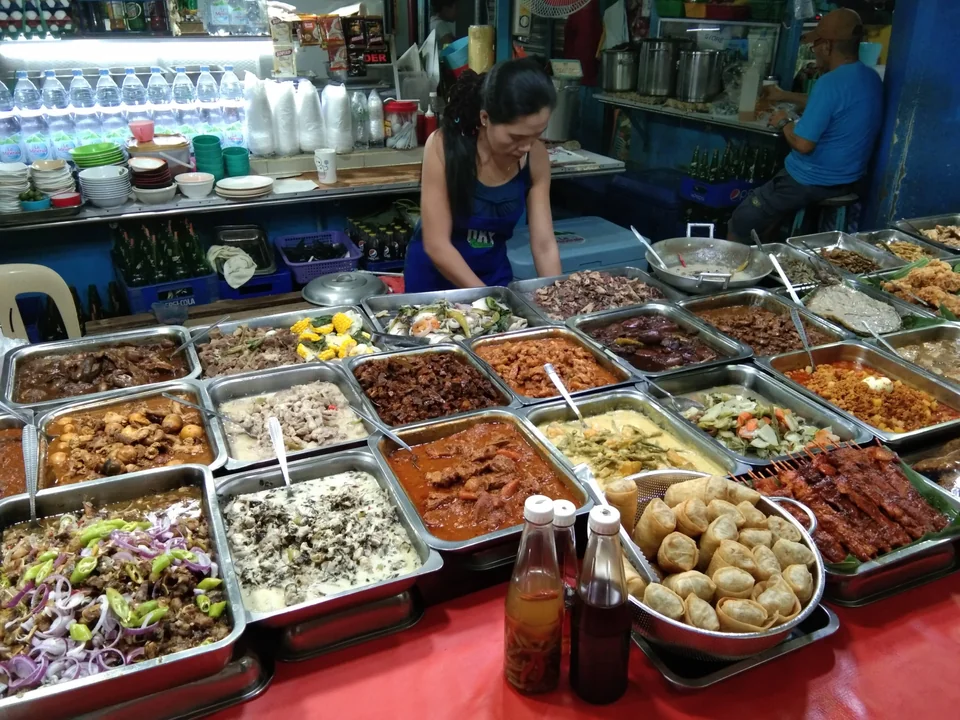
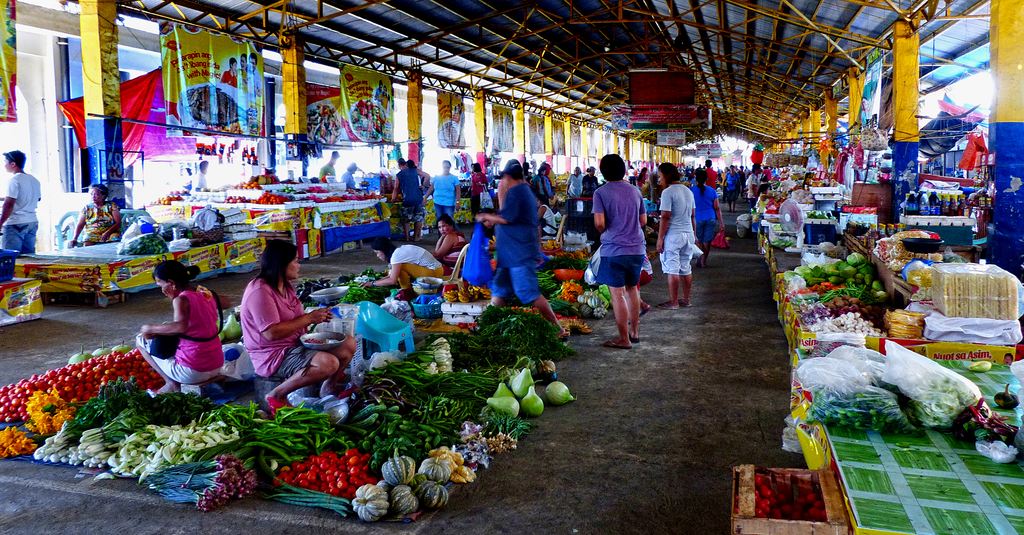
Typical carinderia by reddit.com Philippines Food Market by storage.googleapis.com
Understanding Filipino Dining Culture
Filipino food culture is rooted in hospitality, simplicity, and bold flavors. Meals are communal, often shared, and typically eaten with rice. Dining establishments range from ultra‑casual eateries to mid‑range restaurants and regional food houses.
Core Filipino Eating Values
- Hospitality — Locals often encourage visitors to eat more, share dishes, and try specialties.
- Communal dining — Food is placed at the center of the table for everyone to share.
- Rice culture — Expect rice with almost every dish, from breakfast to dinner.
Common Filipino Dining Etiquette
- Utensils — Spoon and fork are standard; knives are rarely used.
- Kamayan — Eating with hands is acceptable in many casual settings.
- Leftovers — Bringing home leftovers (take-out or balot) is normal.
Types of Eating Establishments in the Philippines
Carinderias (Local Eateries)
Carinderias are small, family-run eateries serving home-style dishes at very affordable prices. They are the backbone of everyday Filipino dining.
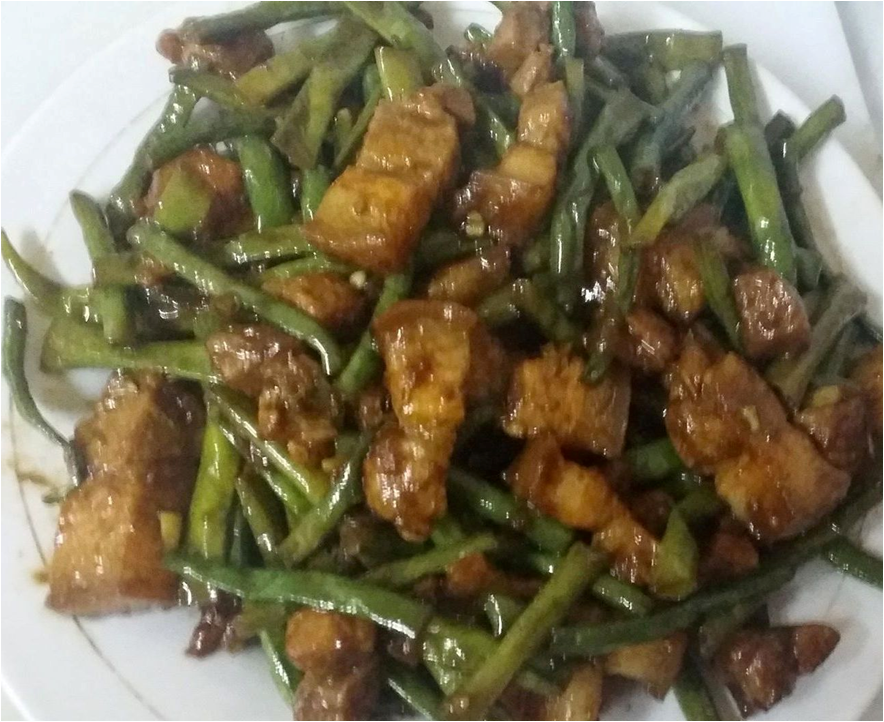
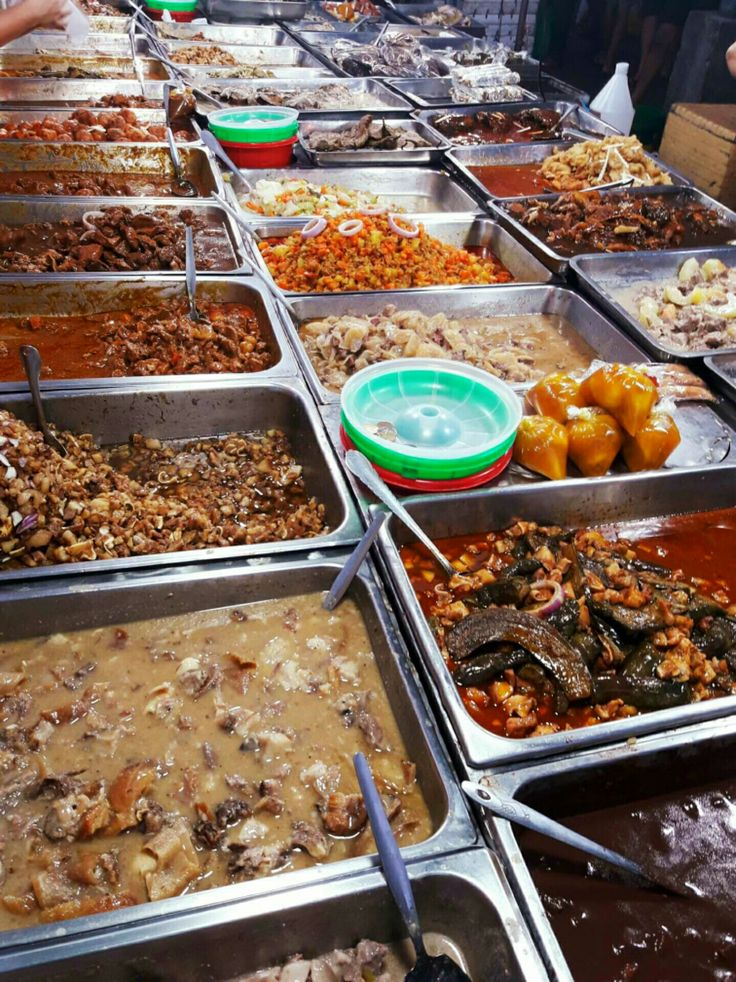
by bryont.net by ph.pinerest.com
What to Expect
- Daily viands displayed in trays (turo-turo style).
- Affordable meals ranging ₱60–₱120 per dish.
- Simple seating with monoblock chairs and open-air layouts.
- Home-cooked flavors like adobo, tinola, giniling, and fried fish.
Tips for Eating in Carinderias
- Go early — Food is freshest from 10 AM to 1 PM.
- Check turnover — Busy carinderias usually mean fresher food.
- Ask for reheating — Most owners will happily reheat dishes.
- Bring cash — Many do not accept digital payments.
Public Markets (Palengke)
Markets offer the most authentic Filipino food experience. You’ll find cooked meals, fresh produce, seafood stalls, and local delicacies.
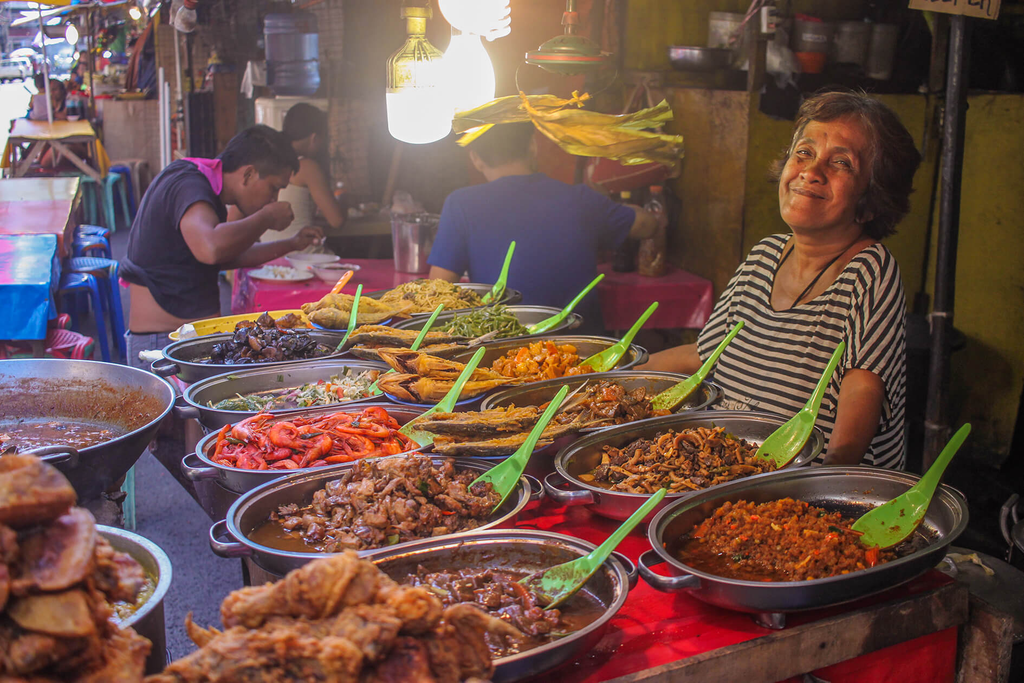
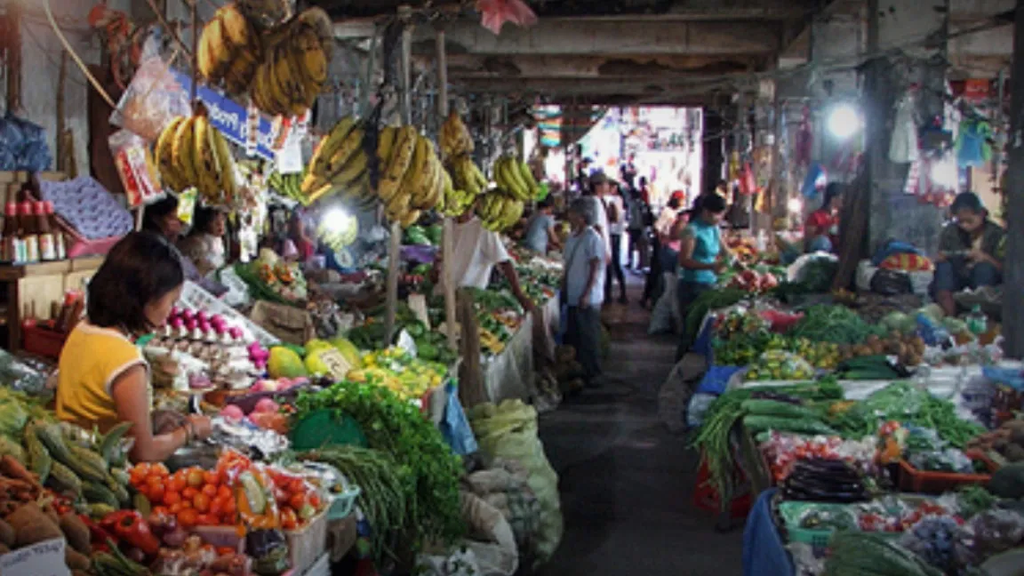
by timetravelbee.com by rmn.ph
What to Expect
- Fresh seafood cooked on the spot.
- Local snacks like kakanin, puto, suman, and bibingka.
- Breakfast stalls serving tapsilog, longsilog, and arroz caldo.
- Crowded atmosphere especially mornings.
Tips for Eating in Markets
- Choose busy stalls — High turnover means fresher food.
- Inspect seafood — Clear eyes, firm flesh, no strong odor.
- Negotiate politely — Bargaining is common but friendly.
- Watch your belongings — Markets can be crowded.
Local Restaurants & Food Houses
These establishments offer regional specialties, mid-range pricing, and more comfortable seating.
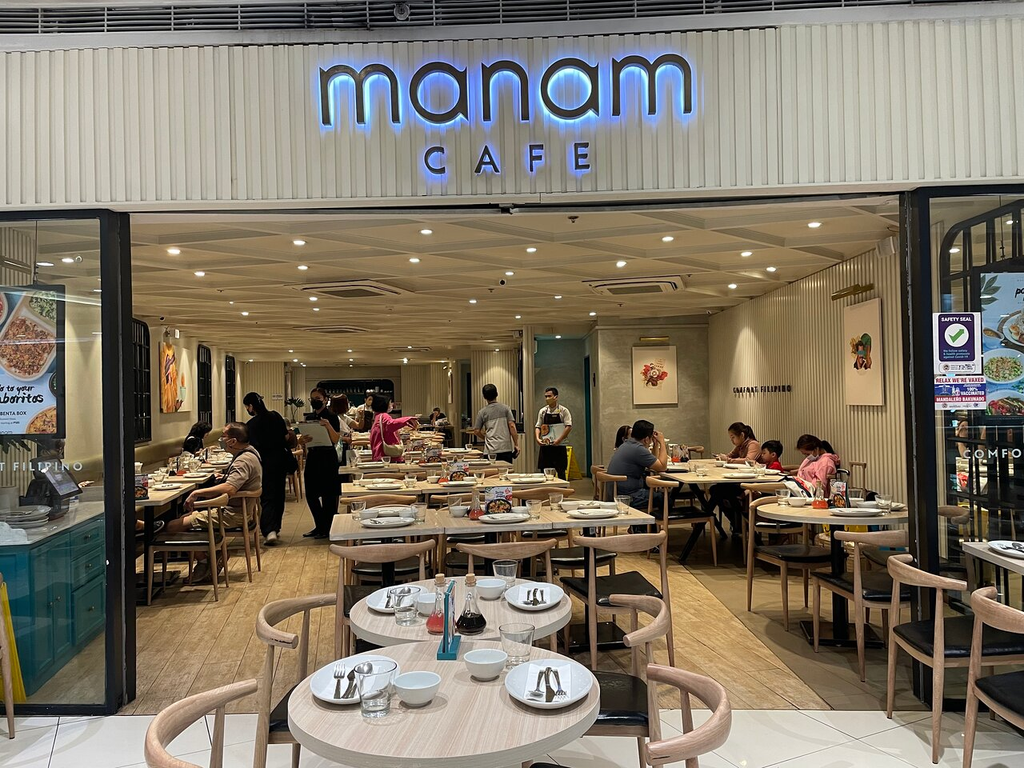
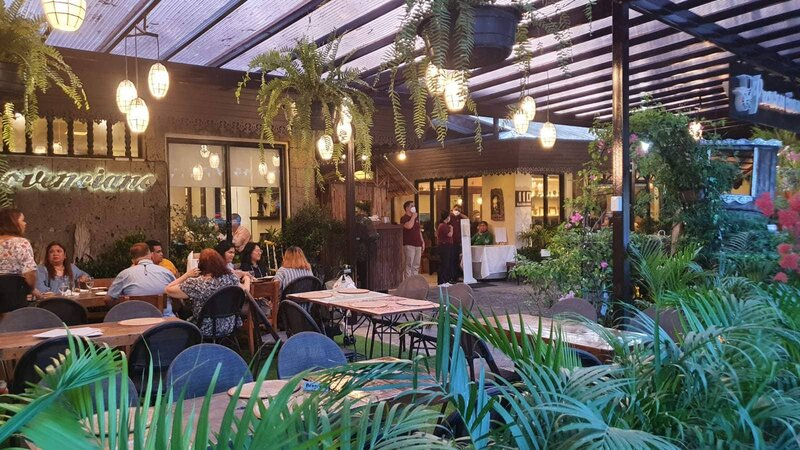
by tripadvisor.com by primer.com.ph
What to Expect
- Menu variety — Dishes vary by region (Ilocano, Cebuano, Kapampangan, etc.).
- Prices — Meals range ₱150–₱350 per dish.
- Air-conditioned dining in many city restaurants.
- Family-style servings — Large portions meant for sharing.
Street Food in the Philippines
Street food is a major part of Filipino culture, offering bold flavors and unique experiences.
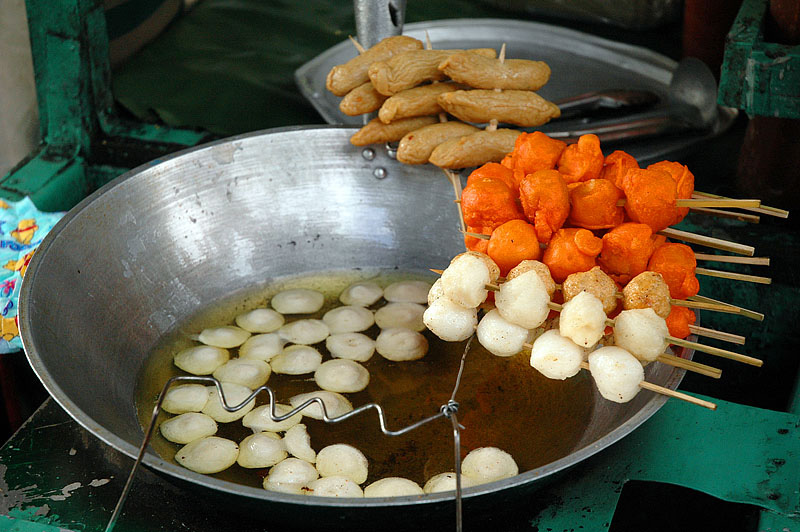
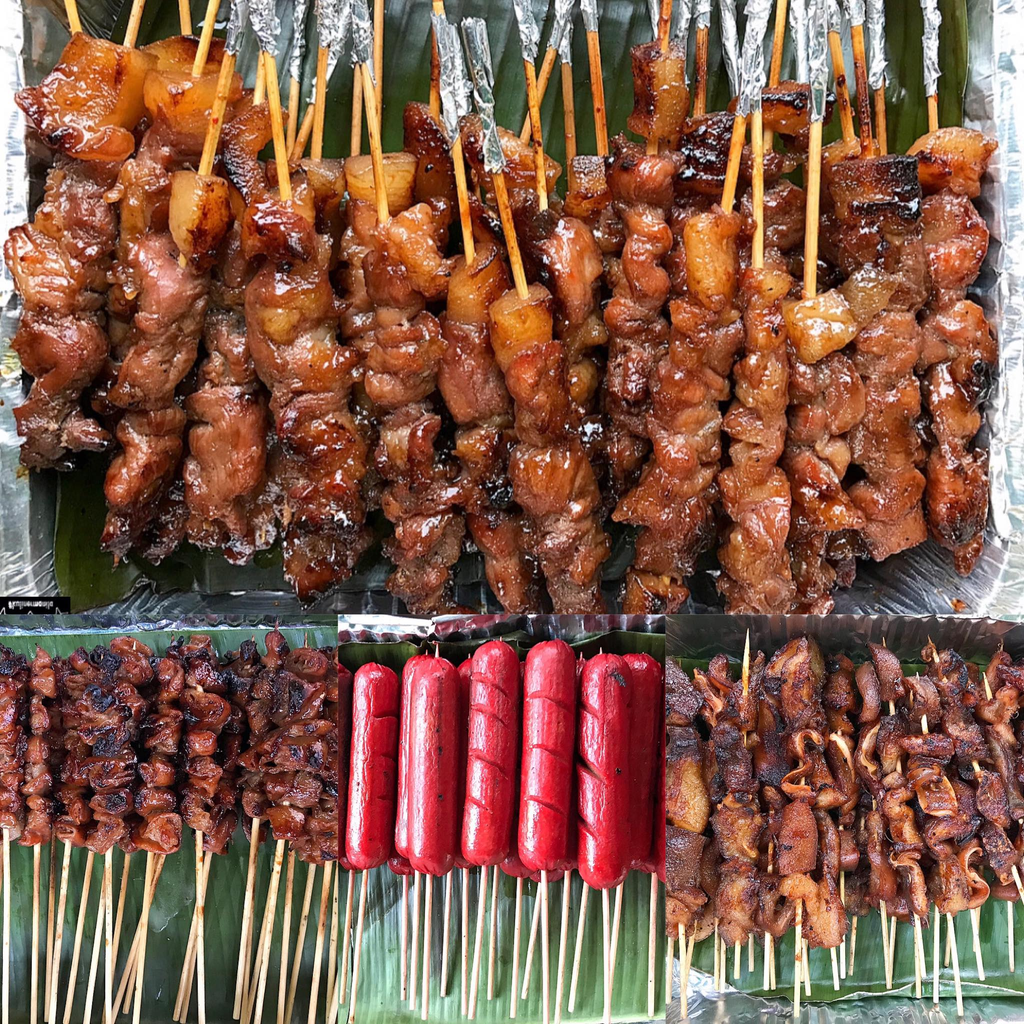
by beholdphilippines.com by reddit.com
Popular Street Foods
- Balut — Fertilized duck egg, iconic Filipino delicacy.
- Isaw — Grilled chicken or pork intestines.
- Kwek-kwek — Orange-battered quail eggs.
- Fishballs — Served with sweet or spicy sauce.
- Banana cue — Caramelized saba bananas on skewers.
Street Food Safety Tips
- Choose clean vendors — Look for gloves, clean grills, and fresh oil.
- Avoid lukewarm food — Hot food is safer.
- Watch the sauce — Communal dipping sauces can be risky; ask for a fresh cup.
- Check cooking time — Fully cooked meats reduce risk.
Costs of Eating in the Philippines
Food in the Philippines is generally affordable, especially in local establishments.
Typical Price Ranges
- Carinderia meals — ₱60–₱120
- Market meals — ₱80–₱150
- Street food — ₱10–₱50
- Local restaurants — ₱150–₱350
- Regional specialty restaurants — ₱250–₱500
Must-Try Filipino Dishes by Region
Luzon
- Adobo — Soy-vinegar braised chicken or pork.
- Sinigang — Sour soup with pork, shrimp, or fish.
- Laing — Taro leaves cooked in coconut milk (Bicol).
- Pancit Batil Patung — Tuguegarao noodle dish with egg and broth.
Visayas
- Lechon Cebu — Crispy roasted pork, famous nationwide.
- Batchoy — Noodle soup with pork organs and chicharon.
- Kinilaw — Filipino ceviche with vinegar and spices.
- Chicken Inasal — Grilled chicken marinated in calamansi and annatto.
Mindanao
- Pastil — Rice topped with shredded chicken or beef.
- Satti — Spicy breakfast dish with skewered meat.
- Piaparan — Maranao chicken curry with coconut.
- Curacha — Spanner crab with spicy Tausug sauce.
Food Safety Tips for Travelers
Food safety varies by location, but following basic guidelines ensures a comfortable dining experience.
General Safety Tips
- Drink bottled water — Tap water is not recommended for visitors.
- Avoid raw street food — Except trusted seafood markets.
- Check cleanliness — Look at floors, tables, and food trays.
- Watch food temperature — Hot food is safest.
Tips for Ordering Food
Ordering food in the Philippines is simple, but knowing local terms helps.
Useful Filipino Food Terms
- Ulam — Main dish
- Kanin — Rice
- Sabaw — Soup
- Prito — Fried
- Gisa — Sautéed
- Ihaw — Grilled
Ordering Tips
- Ask for recommendations — Locals love sharing favorites.
- Check portion sizes — Many dishes are for sharing.
- Specify spice level — Filipino food is usually mild unless noted.
Related Guides
- Philippines Travel Information Hub
- Filipino Dishes Foods by: Regional Specialties, Street Food & Culinary Travel in the Philippines
- Edible Plants of the Philippines – Complete Guide to Fruits, Vegetables & Native Crops
Other Related Guides
- Manila Travel Guide
- Metro Manila & the NCR Travel Guide
- Luzon Island Group Travel Guide
- Visayas Island Group Travel Guide
- Mindanao Island Group Travel Guide
Final Tips for Enjoying Filipino Food
Filipino cuisine is best enjoyed with curiosity and openness. Try regional dishes, explore markets, and embrace local dining customs.
Key Takeaways
- Be adventurous — Many dishes look simple but taste incredible.
- Eat where locals eat — It’s the best indicator of quality.
- Respect local customs — Hospitality is central to Filipino culture.
- Enjoy the diversity