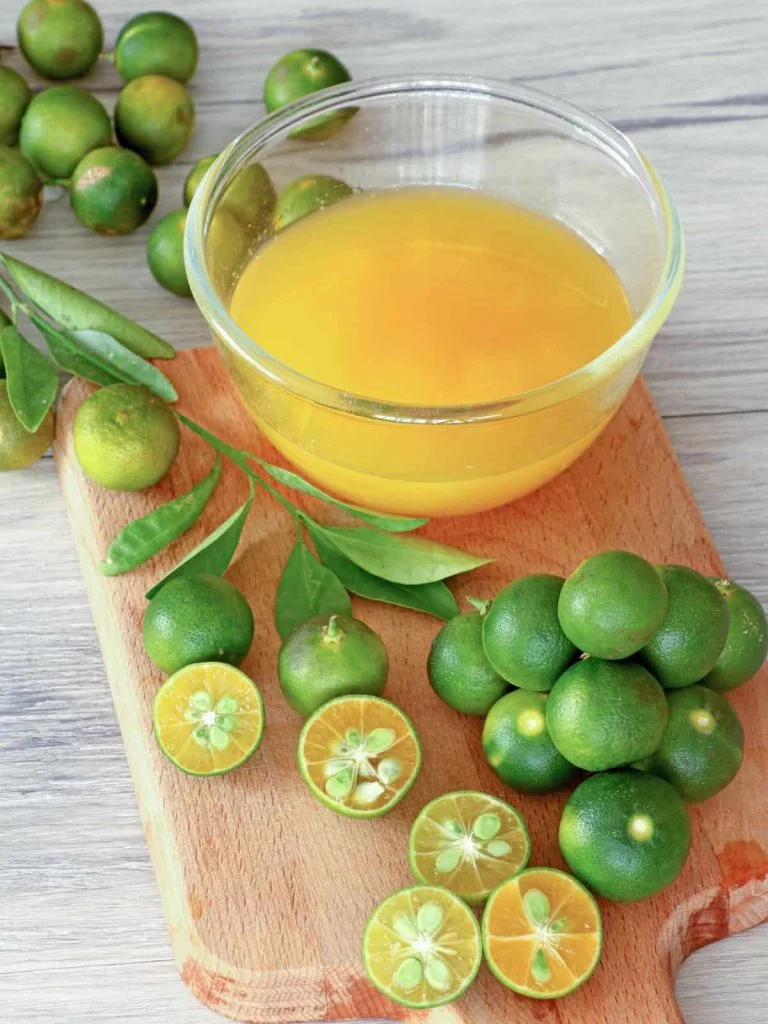
Fresh calamansi juice and ripe calamansi fruit. Calamansi is one of the most recognizable flavors in Filipino cuisine and is commonly used in drinks, marinades, sauces, and everyday meals.
Photo by kawalingpinoy.com
What Is Calamansi?
Few fruits are as closely associated with the Philippines as calamansi. Often called the Philippine lime, calamansi is a small citrus fruit known for its bright acidity, fragrant aroma, and wide range of culinary uses.
Found throughout the Philippines, calamansi appears in restaurants, homes, markets, farms, and backyard gardens. It is used to make refreshing beverages, flavor sauces, enhance seafood dishes, and add a citrus kick to countless Filipino recipes.
Although commonly compared to lime and lemon, calamansi has its own unique flavor profile that combines tartness with subtle sweetness and floral citrus notes.
Quick Facts About Calamansi
| Item | Information |
|---|---|
| Common Name | Calamansi |
| Other Names | Calamondin, Philippine Lime |
| Scientific Name | Citrus × microcarpa |
| Type | Citrus Fruit |
| Flavor | Tart, tangy, lightly sweet |
| Common Uses | Juice, marinades, sauces, cooking |
| Rich In | Vitamin C |
| Common Throughout | Philippines and Southeast Asia |
What Does Calamansi Taste Like?
Calamansi is difficult to compare directly with other citrus fruits.
Many people describe the flavor as a blend of:
- Lime
- Lemon
- Tangerine
- Orange
The juice is tart and refreshing but typically carries a subtle natural sweetness that differentiates it from ordinary lime juice.
Its versatility is one of the reasons calamansi has become such an important ingredient in Filipino cooking.
Fresh Calamansi Juice

by nawon.com.vn
One of the most popular ways to enjoy calamansi is as a freshly squeezed juice.
When I visit the Philippines, calamansi juice is one of my favorite drinks. Served cold over ice, it provides a refreshing combination of sweetness and acidity that works particularly well in the tropical climate.
Fresh calamansi juice is commonly served at:
- Restaurants
- Hotels
- Resorts
- Family gatherings
- Local eateries
For many visitors, this is their first introduction to the fruit.
Calamansi in Filipino Cuisine
Calamansi appears throughout Filipino food culture.
Seafood
Fresh calamansi is commonly squeezed over:
- Fish
- Shrimp
- Squid
- Shellfish
Grilled Foods
Many grilled dishes are served with calamansi, including:
- Pork barbecue
- Chicken dishes
- Grilled seafood
Pancit
Many Filipinos squeeze fresh calamansi over pancit noodles immediately before eating.
Sauces and Marinades
Mixed with soy sauce and chilies, calamansi creates one of the most recognizable dipping sauces in Filipino cuisine.
Visiting a Calamansi Grove in La Union
During our 2023 visit to the Philippines, we spent time with family and friends in La Union and had the opportunity to visit a working calamansi grove. Seeing the fruit growing firsthand gave me a greater appreciation for one of the Philippines’ most important citrus crops.

Harvesting calamansi in a grove in La Union.
Before visiting the grove, my experience with calamansi was primarily through food and drink. Walking through rows of citrus trees gave me a completely different appreciation for the fruit and the people who grow it.
One thing that immediately stood out was the size of the trees. Coming from California, I expected something more like an orange grove. Instead, many of the calamansi trees were smaller and easier to harvest by hand.
Despite their size, the trees carried impressive quantities of fruit. One thing that surprised me was how densely the grove was planted. Coming from California, I expected larger citrus trees with more open spacing, but many of the calamansi trees formed thick rows of foliage with fruit growing throughout the canopy. Walking through the grove made it easy to understand why calamansi is such a common ingredient in Filipino homes and restaurants.
Observations from the Grove
The grove taught me several things about calamansi production that I would never have learned simply by drinking the juice.
The Trees Were Smaller Than Expected
Many of the trees were compact and easy to harvest directly from the ground.
The Fruit Was Abundant
Even relatively small trees carried large amounts of fruit.
Most Fruit Was Green
Many visitors expect citrus to be bright yellow or orange when ready for use. Most of the calamansi growing in the grove was green, although some fruit showed signs of ripening.
Dense Planting
The grove felt almost like walking through a living green wall.
Calamansi growth inside a grove in La Union.
The lush foliage created a very different environment from the larger citrus orchards I had seen elsewhere. Fruit appeared throughout the branches and canopy.
What Does Calamansi Look Like?

Developing calamansi fruit growing directly on the tree.
Calamansi is much smaller than most lemons and many common limes. The fruit typically ranges from deep green to yellow-orange as it ripens.
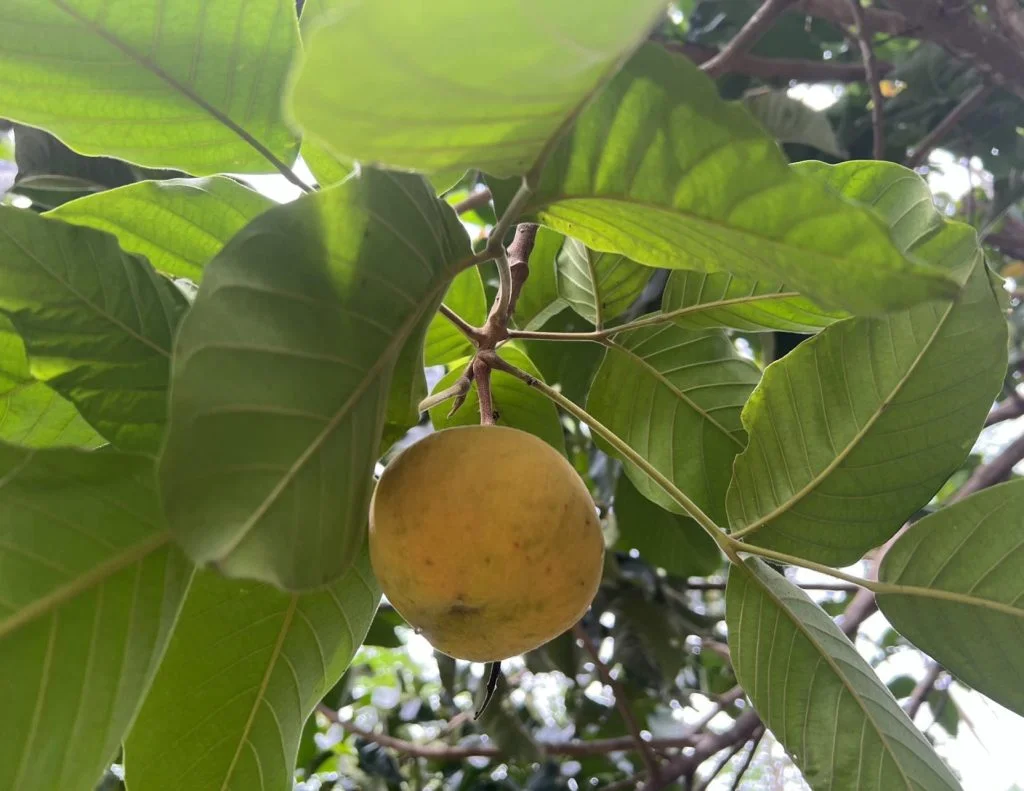
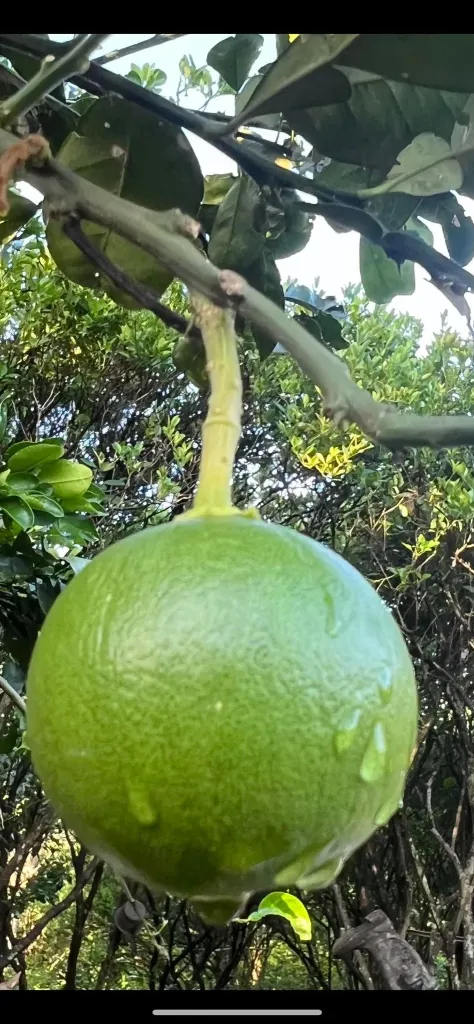
Calamansi fruit at different stages of maturity.
As the fruit ripens:
- Green fruit becomes yellow-orange.
- Sweetness increases slightly.
- Acidity becomes less intense.
- Aroma becomes stronger.
Calamansi vs Lime
| Feature | Calamansi | Lime |
|---|---|---|
| Size | Smaller | Larger |
| Flavor | Tart with light sweetness | Sharper citrus |
| Aroma | Strong | Moderate |
| Filipino Cuisine | Extremely common | Less common |
| Juice Yield | Lower per fruit | Higher per fruit |
Calamansi vs Lemon
| Feature | Calamansi | Lemon |
|---|---|---|
| Size | Small | Large |
| Flavor | Tangy and slightly sweet | More acidic |
| Culinary Role | Everyday Filipino ingredient | International ingredient |
| Ripening Color | Yellow-orange | Yellow |
Health Benefits of Calamansi
Like many citrus fruits, calamansi contains:
- Vitamin C
- Natural antioxidants
- Beneficial plant compounds
Because of its vitamin C content, calamansi has long been a popular ingredient in traditional home remedies throughout the Philippines.
Growing Calamansi
Calamansi is grown throughout the Philippines in:
- Home gardens
- Backyard orchards
- Commercial groves
- Agricultural farms
The fruit is especially valuable because the trees can remain relatively compact while still producing substantial harvests.
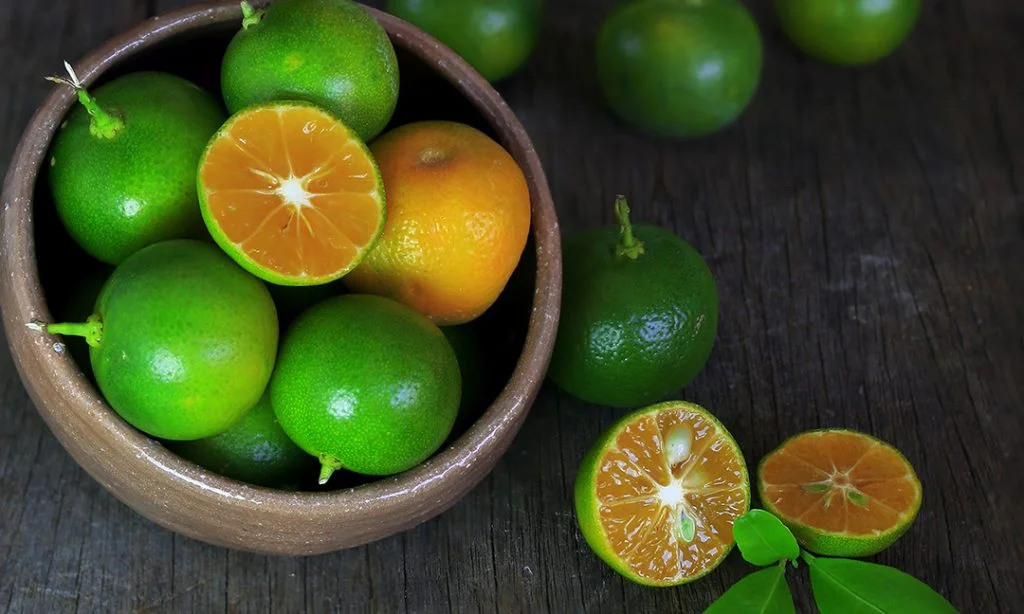
by manilasun.com
Where to Find Calamansi in the Philippines
Visitors can find calamansi almost everywhere.
Look for it in:
- Public markets
- Grocery stores
- Restaurants
- Fruit stands
- Farm stalls
- Fresh juice vendors
Frequently Asked Questions
Is calamansi a lime or a lemon?
Calamansi is its own citrus fruit, though it is commonly called the Philippine lime.
Can calamansi replace lime juice?
In many recipes, yes. However, calamansi generally has a sweeter and more aromatic flavor.
Why is calamansi important in Filipino cooking?
Its flavor complements a wide variety of Filipino dishes, sauces, beverages, and marinades.
What is the best way to try calamansi?
Fresh calamansi juice is often the easiest and most enjoyable introduction.
Related Food Guides
- Filipino Food Guide
- Fruits, Vegetables & Native Crops
- Street Food in the Philippines
- Regional Foods of the Philippines
- Festivals of the Philippines
- Food & Dining in the Philippines
Final Thoughts
For such a small fruit, calamansi plays an enormous role in Philippine food culture. Whether enjoyed as a refreshing juice, squeezed over seafood, mixed into a dipping sauce, or picked directly from a tree in a grove like the one we visited in La Union, calamansi remains one of the most recognizable and beloved flavors in the Philippines.