Explore the ultimate Philippine mango guide featuring Carabao mango origins, regional growing areas, flavor profiles, seasonality, nutrition, culinary uses, and travel insights. .
by pinterest.com
Philippine Mangoes Guide: Varieties, Growing Regions, Seasons & Uses
The Philippine mango, especially the iconic Carabao mango, is celebrated worldwide for its sweetness, fiberless flesh, and cultural significance. Known locally as mangga, it is a staple fruit in Filipino cuisine, agriculture, and tourism. The Philippines grows multiple mango varieties, but the Carabao mango remains the most prized—recognized for its 19–24° Brix sweetness, thin skin, and deep golden flesh.
Quick Facts About Philippine Mangoes
| Item | Information |
|---|---|
| Local Name | Mangga |
| Most Famous Variety | Carabao Mango |
| Peak Harvest Season | March to July |
| Secondary Harvest | December to February |
| Mango Capital | Guimaras |
| Major Producing Regions | Guimaras, Zambales, Pangasinan, Cebu |
| Common Uses | Fresh eating, desserts, dried mangoes, juices |
| Known For | Sweetness, aroma, low fiber content |
Why Philippine Mangoes Are Famous Worldwide
Philippine mangoes have earned an international reputation for exceptional sweetness, rich aroma, and smooth texture. The Carabao mango is often considered one of the finest mango varieties in the world and has become one of the country’s most recognizable agricultural exports.
Visitors to the Philippines frequently discover that local mangoes taste sweeter and less fibrous than many varieties commonly found elsewhere. This reputation has helped drive demand for fresh mango exports, dried mango products, and mango-based desserts throughout Asia, North America, and Europe.
For many travelers, tasting a ripe Philippine mango becomes one of the highlights of visiting the country.
What Makes Philippine Mangoes Special
Philippine mangoes stand out for their exceptional sweetness, vibrant aroma, and smooth, fiberless texture. The Carabao mango dominates national production, accounting for 83% of mango output, supporting millions of farmers across Luzon, Visayas, and Mindanao.
Key Characteristics
- Ultra‑sweet flavor (19–25° Brix)
- Golden-yellow skin when ripe
- Soft, buttery flesh with minimal fiber
- High flesh-to-seed ratio
- Strong tropical aroma
Popular Mango Uses
- Fresh ripe mango slices
- Green mango with bagoong
- Mango float & mango graham cake
- Dried mangoes (Cebu’s famous export)
- Mango shakes, smoothies, and juices
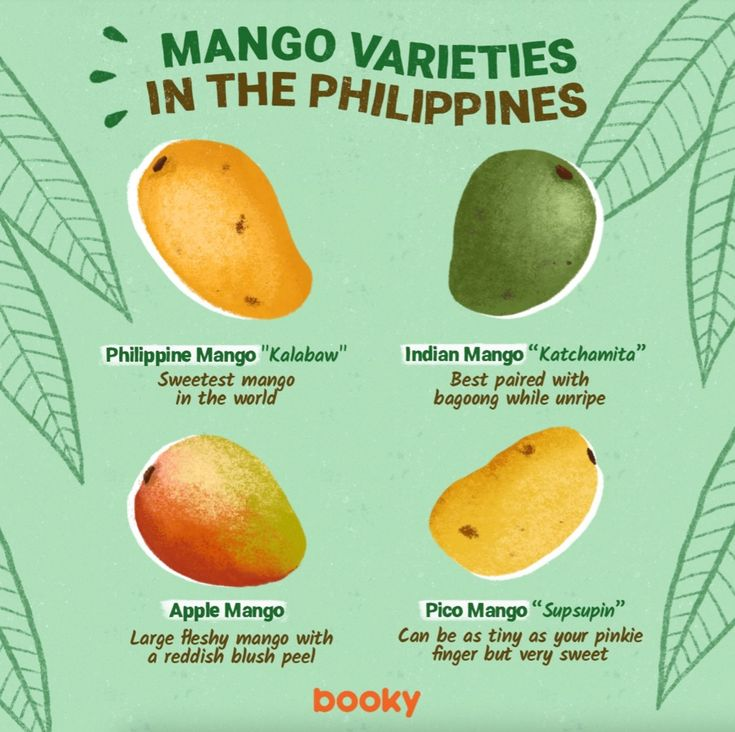
Mango Varieties in the Philippines
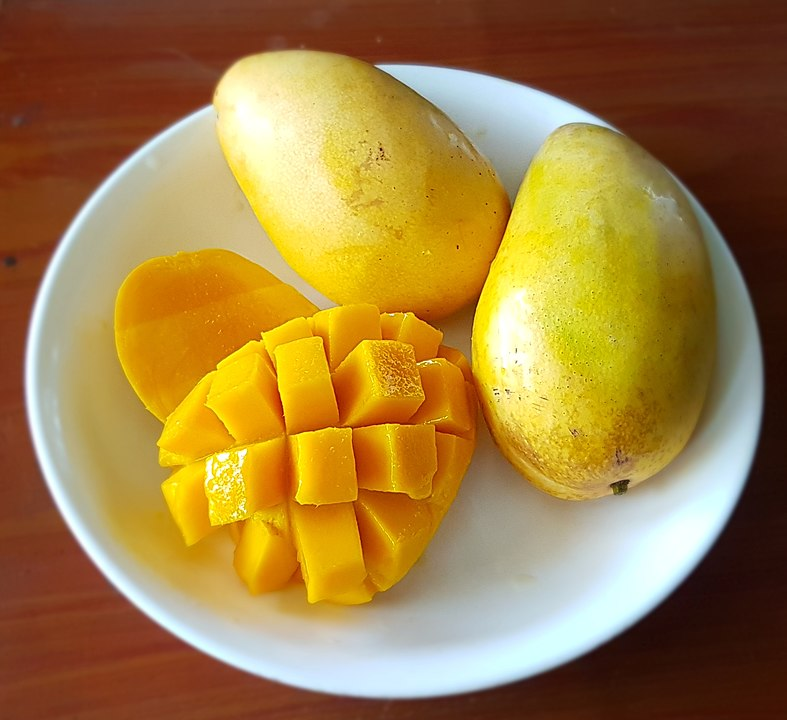
Carabao Mango (Manila Super Mango)
The Philippines’ flagship mango variety—sweet, aromatic, and globally exported. Grown widely in Zambales, Guimaras, Cebu, and Pangasinan.
by antioxidant-fruits.com
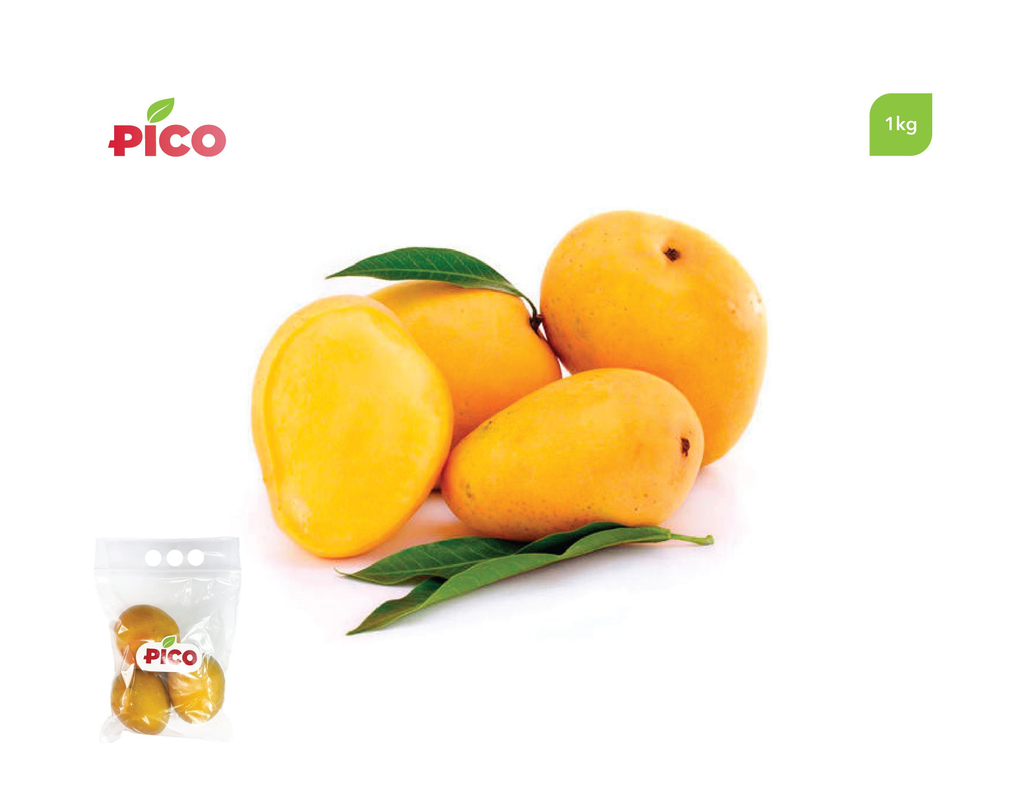
Pico Mango
A household favorite with mild sweetness and firmer flesh—ideal for salads and preserves.
by talabat.com
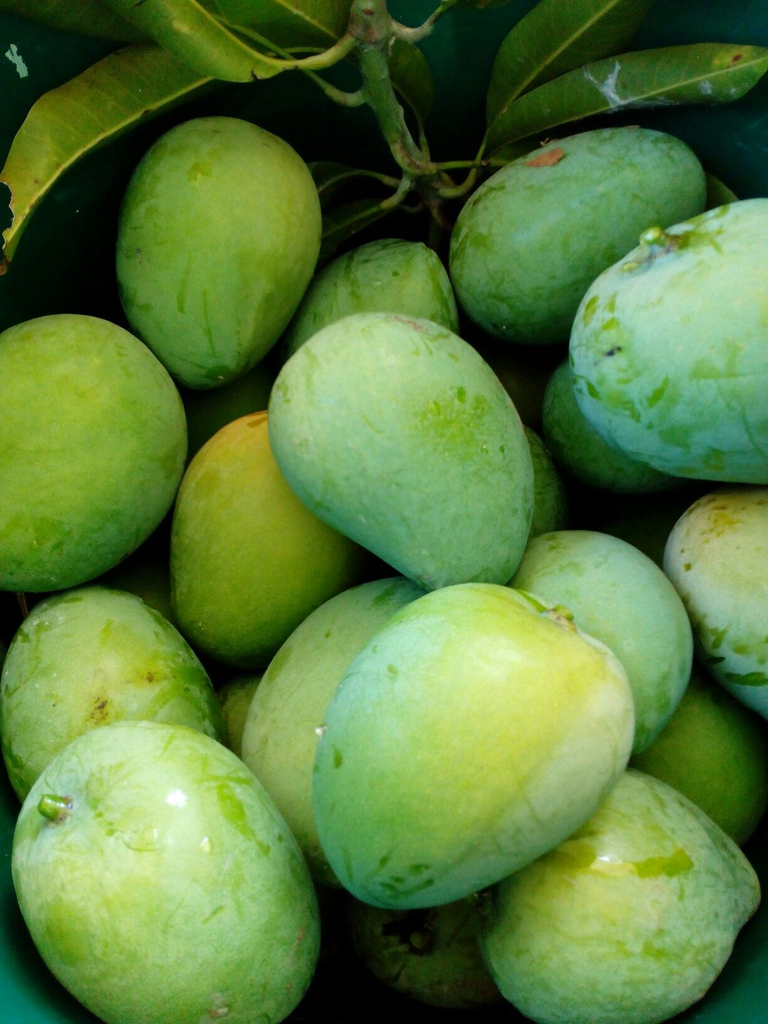
Indian/Katchamita Mango (Green Mango)
Crunchy, sour, and perfect for bagoong, pickles, and salads.
by id.pinterest.com
Apple Mango
Sweet, tangy tropical fruit with an oblong shape and buttery, apple-like flesh.
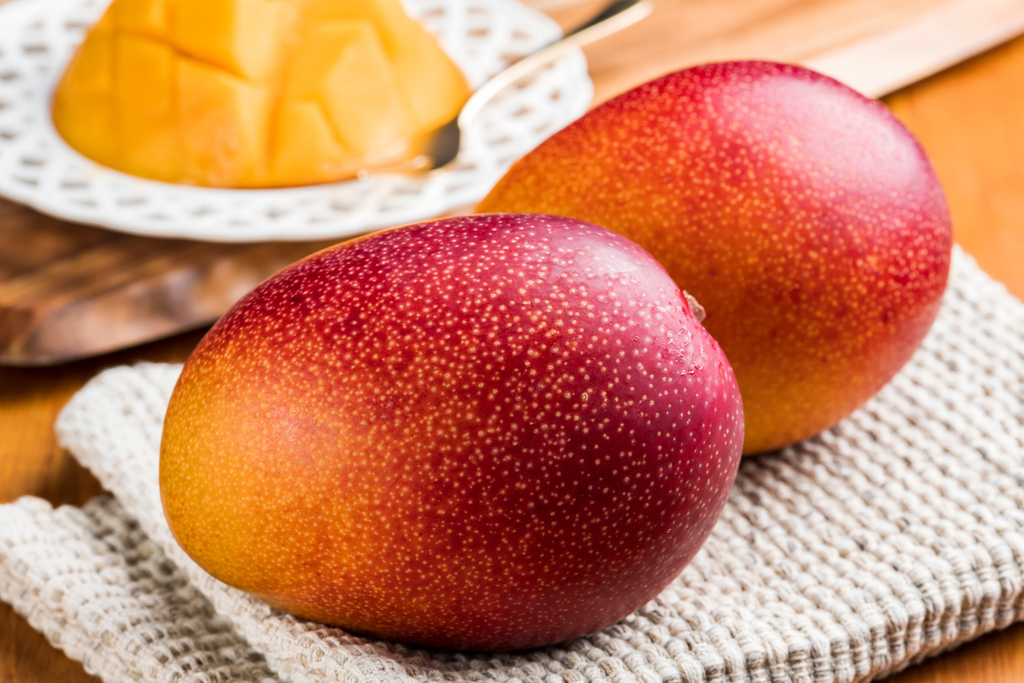
by storage.googlraps.com
Where Philippine Mangoes Are Grown
Zambales
A major supplier to Manila and Japan, producing export-grade Carabao mangoes.
Pangasinan & Ilocos Region
Large-scale farms known for green mangoes and commercial production.
Cebu
Cebu is internationally recognized for its dried mango industry. While the province produces fresh mangoes, it is best known for transforming high-quality mangoes into one of the Philippines’ most successful food exports.
Guimaras Island
Known for producing some of the world’s sweetest mangoes, protected by strict quarantine laws. Home to the annual Manggahan Festival.
Guimaras remains the most famous mango-producing province in the Philippines. The island’s warm climate and agricultural traditions have helped establish its reputation as the Mango Capital of the Philippines.
Related Guides:
- Guimaras Island Guide
- Cebu Island Guide
- Pangasinan Destinations
- Ilocos Destinations Guide
- Zambales Destinations
Mango Seasonality in the Philippines
Peak Mango Season
- March to July (peak April–May)
- Secondary harvest: December to February
Why Season Matters
Seasonal mangoes are sweeter, more aromatic, and cheaper—ideal for fresh eating and culinary use.
Mango Nutrition & Health Benefits
Nutritional Profile (per 100g)
- Calories: 60–70
- Vitamin C: 36 mg
- Fiber: 1.6 g
- Potassium: 168 mg
Health Benefits
- Boosts immunity
- Supports digestion
- High antioxidants
- Good for skin health
Mangoes in Filipino Cuisine
Fresh Mango Dishes
- Mango float
- Mango sago
- Fresh ripe mango with cream
Savory Mango Dishes
- Green mango with bagoong
- Mango salad
- Mango salsa with grilled seafood
Mango Desserts
- Mango cheesecake
- Mango sorbetes
- Cebu dried mangoes
How to Choose & Store Mangoes
Choosing Mangoes
- Look for bright yellow skin
- Slight softness when pressed
- Strong sweet aroma
- Avoid bruises or dark spots
Storing Mangoes
- Unripe: room temperature
- Ripe: refrigerate 3–5 days
- Cut mango: airtight container
Mango Tourism in the Philippines
Mango Festivals
- Guimaras Manggahan Festival
- Zambales Mango Festival
Mango Farm Tours
Experience mango picking, tasting, and local delicacies.
Visiting During Mango Season
Travelers visiting the Philippines during the peak mango harvest can often find roadside fruit stands, local mango festivals, fresh produce markets, and seasonal mango specialties that are unavailable during other times of the year.
Many visitors plan trips to Guimaras, Zambales, and Pangasinan specifically to experience mango harvest season and sample fresh fruit directly from producing regions.
Related Philippine Fruit Guides
- Calamansi: The Philippines’ Signature Citrus Fruit
- Filipino Food Guide
- Fruits, Vegetables & Native Crops
- Guimaras Island Guide
- Philippine Fruits Guide
Explore More Philippine Fruits & Travel
The Philippine mango is more than a fruit—it’s a cultural icon, a culinary treasure, and a symbol of tropical abundance. Whether you’re tasting ripe Carabao mangoes, exploring mango farms, or discovering regional varieties, the Philippines offers a mango experience like no other.