Cost of Living in the Philippines: Small Town vs City Prices for Travelers (2026 Guide)
A complete 2026 cost‑of‑living guide for travelers in the Philippines. Compare small town vs city prices for food, transport, accommodations, activities, and monthly budgets. Includes regional variations, budgeting tips, and traveler‑specific recommendations.
Cost of Living in the Philippines: Small Town vs City Prices for Travelers (2026 Full Guide)
The Philippines remains one of Asia’s most affordable destinations, but the actual cost of living varies dramatically depending on whether you stay in a small provincial town or a major city like Manila, Cebu, or Davao. For travelers, digital nomads, and long‑stay visitors, understanding these price differences is essential for planning realistic budgets.
This guide breaks down real-world prices, daily budgets, monthly living costs, and regional variations, giving you a clear comparison between small towns and cities across the Philippines.
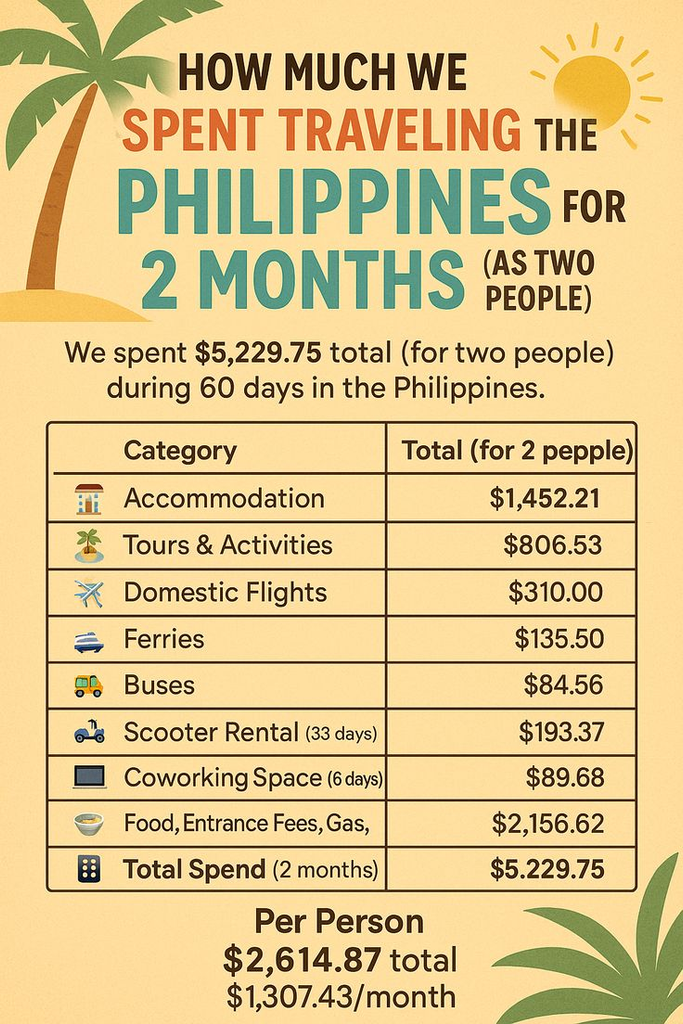
by uk.pinterest.com
Why Costs Vary So Much Across the Philippines
The Philippines is geographically diverse, and so are its economies. Prices shift based on:
- Tourism demand
- Access to imported goods
- Transportation availability
- Accommodation supply
- Local wages and business costs
- Island vs mainland logistics
Small towns often offer lower food and accommodation costs, while cities provide convenience, nightlife, and faster internet — at a higher price.
Small Town vs City Cost Comparison (2026)
Below is a detailed breakdown of daily travel budgets, monthly living budgets, and category-by-category price comparisons.
Daily Travel Budget Comparison
Small Towns (₱1,000–₱1,800/day)
Examples: Bohol countryside, Siargao (non-tourist areas), Antique, Catanduanes, Southern Leyte
- Meals: ₱150–₱300
- Accommodation: ₱500–₱1,000
- Motorbike rental: ₱350–₱500
- Local transport: ₱20–₱50
- Coffee/beer: ₱60–₱120
- Island hopping: ₱700–₱1,200
Cities (₱3,000–₱5,500/day)
Examples: Manila, Cebu City, Davao City, Makati, BGC
- Meals: ₱250–₱600
- Accommodation: ₱1,500–₱3,500
- Grab/taxi: ₱120–₱250
- Coffee/beer: ₱150–₱250
- Nightlife: ₱500–₱1,500
- Activities: ₱1,000–₱2,500
Monthly Living Budget Comparison
Small Towns (₱18,000–₱30,000/month)
- Rent (studio): ₱6,000–₱12,000
- Utilities: ₱1,500–₱3,000
- Groceries: ₱4,000–₱7,000
- Internet: ₱1,000–₱1,500
- Transport: ₱1,000–₱2,000
Cities (₱45,000–₱90,000/month)
- Rent (studio): ₱18,000–₱35,000
- Utilities: ₱3,000–₱6,000
- Groceries: ₱8,000–₱15,000
- Internet: ₱1,500–₱2,200
- Transport: ₱3,000–₱6,000
Category-by-Category Price Breakdown
Food Prices
Small Towns
- Local eateries: ₱80–₱150
- Mid-range restaurants: ₱150–₱300
- Western food: ₱250–₱450
Cities
- Local eateries: ₱120–₱200
- Mid-range restaurants: ₱250–₱500
- Western food: ₱350–₱700
Key Insight: Cities offer more variety but at a premium. Small towns are ideal for travelers who enjoy local Filipino food.
Accommodation Prices
Small Towns
- Guesthouse: ₱500–₱1,000
- Budget hotel: ₱1,000–₱1,800
- Long-stay studio: ₱6,000–₱12,000/month
Cities
- Budget hotel: ₱1,500–₱2,500
- Mid-range hotel: ₱2,500–₱4,500
- Condo rental: ₱18,000–₱35,000/month
Key Insight: Cities have more modern options but cost significantly more.
Transportation Prices
Small Towns
- Tricycle: ₱20–₱50
- Motorbike rental: ₱350–₱500/day
- Bus/jeepney: ₱15–₱30
Cities
- Grab/taxi: ₱120–₱250
- Jeepney: ₱15–₱25
- MRT/LRT: ₱15–₱30
Key Insight: Cities offer more transport options but Grab/taxi costs add up quickly.
Internet & Connectivity
Small Towns
- Fiber availability: Limited
- Average speed: 20–50 Mbps
- Cost: ₱1,000–₱1,500
Cities
- Fiber availability: Excellent
- Average speed: 100–300 Mbps
- Cost: ₱1,500–₱2,200
Key Insight: Digital nomads benefit from city speeds, but small towns are improving yearly.
Activities & Tours
Small Towns
- Island hopping: ₱700–₱1,200
- Waterfalls tours: ₱300–₱600
- Surfboard rental: ₱300–₱500
Cities
- Museums: ₱150–₱300
- Nightlife: ₱500–₱1,500
- Theme parks: ₱1,000–₱2,500
Key Insight: Small towns offer nature-based activities at lower prices.
Regional Variations Across the Philippines
Costs vary not only by town size but also by region. Here’s a quick overview:
Luzon
- Cities (Manila, BGC, Makati): Highest costs nationwide
- Small towns (La Union, Zambales): Moderate
Visayas
- Cities (Cebu, Iloilo): Mid-range
- Small towns (Bohol, Siquijor): Affordable
Mindanao
- Cities (Davao, Cagayan de Oro): Affordable for cities
- Small towns (Camiguin, Surigao): Very low cost
Sample Traveler Budgets
Backpacker Budget (₱1,200–₱2,000/day)
Best in small towns
- Hostel
- Local eateries
- Motorbike rental
- Occasional tours
Digital Nomad Budget (₱40,000–₱70,000/month)
Best in mid-size cities
- Condo rental
- Fiber internet
- Cafés + coworking
- Domestic flights
Long-Stay Expat Budget (₱50,000–₱120,000/month)
Best in major cities
- Condo
- Groceries + restaurants
- Healthcare + gym
- Regular travel
Which Is Better for Travelers — Small Town or City?
Choose Small Towns If You Want:
- Lower daily costs
- Nature, beaches, waterfalls
- Quiet lifestyle
- Local food
- Motorbike exploration
Choose Cities If You Want:
- Fast internet
- Nightlife
- International restaurants
- Convenience
- Modern accommodations
Related Guides for Travelers
- Philippines Travel Budget Guide
- Best Small Towns in the Philippines
- Cost of Living: Living Costs by Town & City: Long Term
- Cost of Living in Manila
- Cost of Living in Cebu City
- Digital Nomad Guide Philippines
- Island Hopping Prices Philippines
- Philippine Food Prices Guide
- Philippine Food Guide
Conclusion — Plan Your Philippines Budget with Confidence
Whether you choose a quiet small town or a busy modern city, the Philippines offers incredible value for travelers. Small towns deliver low-cost island living, while cities provide comfort, convenience, and connectivity — at a higher price.
Use this guide to plan your daily budget, monthly expenses, and travel style, and explore more detailed breakdowns through the related guides above. The Philippines remains one of the best destinations in Asia for affordable travel, long stays, and digital nomad life.