Philippine Money & Budgeting Guide (2026)

Learn how to budget and manage money in the Philippines, including banking, cash and digital payments, ATM fees, living costs, and money-saving tips for travelers, expats, retirees, and long-term visitors.
Philippine Money & Budgeting: A Practical Guide for Travelers, Expats, and Retirees
Managing money effectively can make any Philippine vacation, retirement, or long-term stay significantly easier. While the Philippines remains one of Southeast Asia’s more affordable destinations, costs can vary greatly between Metro Manila, major tourist centers, and smaller provincial communities.
Whether you are planning a short vacation, moving to the Philippines, or considering retirement, understanding local budgeting practices helps avoid financial surprises and allows you to enjoy more of what the country has to offer.
Philippine Currency Overview
The official currency of the Philippines is the Philippine Peso (PHP).
The Philippines uses the Philippine Peso (₱). Before traveling or relocating, readers should familiarize themselves with local currency denominations and exchange rates.
For a complete breakdown of Philippine banknotes, coins, and currency conversion examples, see our Philippine Currency Guide.
Most prices throughout the country are displayed using the symbol ₱.
Example Prices
| Item | Typical Cost |
|---|---|
| Local meal | ₱80-₱200 |
| Fast-food meal | ₱150-₱350 |
| Coffee shop drink | ₱120-₱250 |
| Domestic bus ride | ₱20-₱300+ |
| Island ferry ticket | ₱100-₱1,500+ |
| Budget hotel room | ₱800-₱2,500 |
| Mid-range hotel room | ₱2,500-₱6,000 |
Costs vary by region, season, and tourist demand.
Cash vs Digital Payments
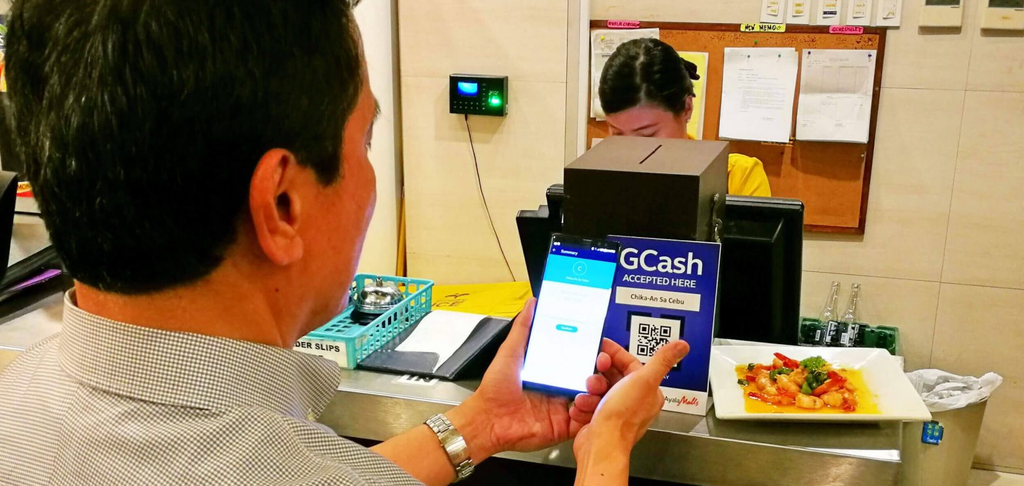
The Philippines remains a mixed cash-and-digital economy.
by mycebu.ph
Where Cash is Essential
Cash is often necessary for:
- Small restaurants
- Local markets
- Tricycle rides
- Jeepneys
- Rural stores
- Street food vendors
- Small island destinations
Many smaller businesses either do not accept cards or impose minimum purchase requirements.
Where Cards Are Widely Accepted
Credit and debit cards are commonly accepted in:
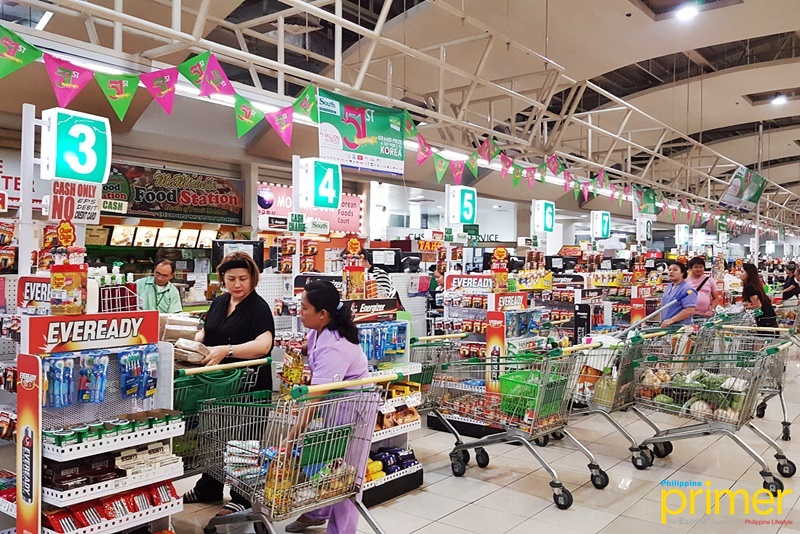
- Shopping malls
- Supermarkets
- Hotels
- Resorts
- Large restaurants
- International chains
Visa and Mastercard are the most widely accepted card networks.
Popular Digital Payment Systems
Digital payments continue growing throughout the country.
Common systems include:
GCash
GCash is one of the most popular Philippine e-wallets.
Features include:
- QR code payments
- Money transfers
- Bill payments
- Online shopping
- Mobile banking integrations
Maya
Formerly PayMaya, Maya offers:
- E-wallet services
- Digital banking
- Online purchases
- Savings tools
Bank Transfers
Major banks support online transfers including:
- BDO
- BPI
- Metrobank
- LandBank
- Security Bank
- UnionBank
Digital payments are especially common in major cities and tourist destinations.
ATM Availability
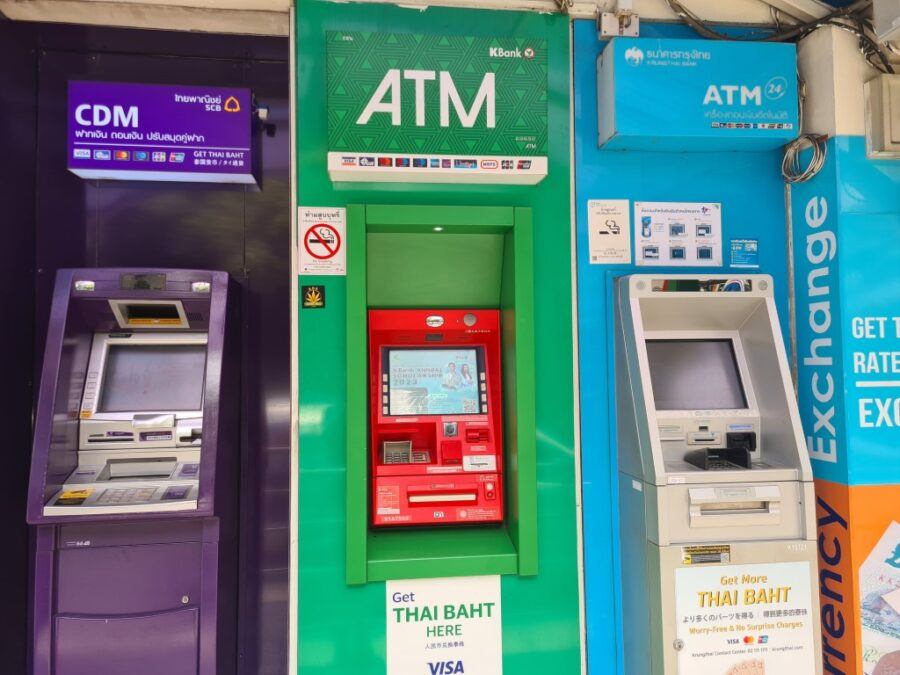
ATMs are widespread in:
- Metro Manila
- Cebu City
- Davao City
- Major provincial cities
- Popular tourist areas
However, travelers visiting remote islands or mountain regions should withdraw cash beforehand.
by tripatrek.com
Common ATM Fees
Visitors using foreign debit or credit cards may encounter several types of fees when withdrawing cash in the Philippines:
- Local ATM operator fees charged by the Philippine bank
- Foreign transaction fees charged by your home bank
- Currency conversion or exchange-rate markups
- Out-of-network ATM fees
Depending on your bank and the ATM used, the total cost of a withdrawal can range from a few dollars to significantly more when multiple fees are combined. Before traveling, check your bank’s international withdrawal policies and consider withdrawing larger amounts less frequently to reduce transaction costs.
Practical Tip: Because ATM fees are often charged per transaction rather than by withdrawal amount, some travelers prefer making fewer withdrawals and withdrawing larger amounts when practical. This may help reduce total ATM fees during a stay in the Philippines.
Sample Monthly Budgets
Actual expenses depend heavily on lifestyle and location.
by storage.googleapis.com
Budget Traveler
Estimated monthly expenses:
| Category | Cost |
|---|---|
| Accommodation | ₱15,000 |
| Food | ₱10,000 |
| Transportation | ₱4,000 |
| Entertainment | ₱3,000 |
| Miscellaneous | ₱3,000 |
| Total | ₱35,000 |
Comfortable Expat Lifestyle
Estimated monthly expenses:
| Category | Cost |
|---|---|
| Housing | ₱25,000-₱45,000 |
| Food | ₱12,000-₱20,000 |
| Utilities | ₱4,000-₱8,000 |
| Transportation | ₱3,000-₱8,000 |
| Entertainment | ₱5,000-₱15,000 |
| Total | ₱50,000-₱96,000+ |
Retiree Budget
Many retirees find a comfortable lifestyle between:
₱60,000 and ₱120,000 per month
depending on:
- Housing preferences
- Healthcare needs
- Travel frequency
- Dining habits
- Location
Provincial cities often provide substantially better value than Metro Manila.
Money-Saving Tips in the Philippines
by fity.club
Eat Like a Local
Local eateries called carinderias offer some of the country’s most affordable meals.
Benefits include:
- Authentic Filipino food
- Lower costs
- Generous portions
Use Public Transportation
Affordable options include:
- Jeepneys
- Modern jeepneys
- Buses
- UV Express vans
- Ferries
Ride-hailing services remain convenient but increase transportation costs.
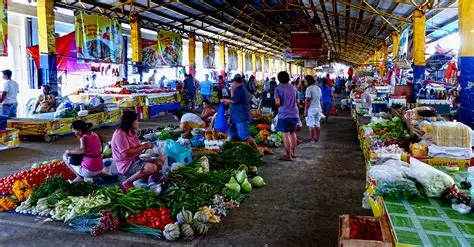
Shop at Local Markets
Fresh produce, seafood, and fruits are often cheaper at:
- Public markets
- Wet markets
- Farmers markets
Travel During Off-Peak Seasons
Hotel and airfare savings can be significant outside major holiday periods.
High-demand periods include:
- Christmas Season
- Holy Week
- Summer Vacation (March-May)
Compare Island Transportation Options
Ferries frequently cost less than domestic flights, especially when traveling between nearby islands.
Planning transportation in advance can reduce travel expenses considerably.
Building an Emergency Fund

by pixabay.com
Visitors planning extended stays should maintain emergency funds for:
- Medical treatment
- Flight changes
- Natural disasters
- Unexpected lodging expenses
- Transportation disruptions
A reserve equal to at least one month of living expenses provides helpful financial security.
Common Budgeting Mistakes
Avoid these frequent mistakes:
Relying Entirely on Cards
Many businesses still prefer cash.
Carrying Too Little Cash
Remote destinations may have limited ATM access.
Ignoring ATM Fees
Repeated small withdrawals can become expensive.
Underestimating Island Travel Costs
Boat transfers and flights can significantly impact vacation budgets.
Not Tracking Daily Spending
Small purchases add up quickly over time.
Is the Philippines Affordable?
For many travelers, retirees, and expats, the Philippines offers excellent value compared to many Western countries. Housing, transportation, dining, and domestic travel remain relatively affordable, particularly outside major metropolitan areas.
Successful money management comes down to maintaining a realistic budget, understanding when cash is necessary, monitoring expenses, and planning for unexpected costs. With proper budgeting, visitors can enjoy the country’s beaches, islands, mountains, food, and culture without overspending.
Related Guides
- Cost of Living in the Small-Town vs City Prices for Traveler
- Cost of Living in Small-Town Vs City Prices for Expats
- Money, Banking & ATMs
- Transportation & Getting Around
- Housing & Rentals Guide
- Philippine Island Tourism Hub
- Philippine Retirement Guide
- Travel Essentials Philippines
- Healthcare & Hospitals Guide
- Long-Term Stay Guide for Foreigners
- Philippine Currency Guide