Marine Conservation Tourism in the Philippines: Where Travel Helps Protect the Ocean
by freepik.com
Discover the best marine conservation tourism destinations in the Philippines. Explore coral reefs, whale shark encounters, marine protected areas, and sustainable ocean tourism experiences.
Marine Conservation Tourism in the Philippines: Where Travel Helps Protect the Ocean
The Philippines is one of the world’s most biodiverse marine nations, with thousands of islands, extensive coral reef systems, and countless species of fish, turtles, sharks, whales, and marine mammals. As awareness of environmental challenges grows, marine conservation tourism has emerged as an important way for travelers to support ocean protection while experiencing some of the country’s most beautiful destinations.
Marine conservation tourism allows visitors to contribute to local communities, support protected areas, and encourage sustainable tourism practices that help preserve marine ecosystems for future generations. From world-famous dive sites to community-managed marine sanctuaries, the Philippines offers numerous opportunities to enjoy the ocean responsibly.
What Is Marine Conservation Tourism?
Marine conservation tourism combines travel and recreation with environmental protection. Instead of simply visiting a destination, travelers help support conservation efforts through entrance fees, guided tours, sustainable accommodations, responsible wildlife viewing, and community-run tourism programs.
Benefits include:
- Supporting marine protected areas
- Funding conservation projects
- Providing alternative livelihoods for coastal communities
- Encouraging sustainable fishing practices
- Protecting coral reefs and seagrass habitats
- Promoting environmental education
For visitors, it also creates more meaningful travel experiences while helping maintain the natural beauty that makes the Philippines famous.
Why the Philippines Is Important for Marine Conservation
The Philippines lies within the Coral Triangle, often referred to as the “Amazon of the Seas.” This region contains some of the highest levels of marine biodiversity on Earth.
The country’s waters are home to:
- Hundreds of coral species
- Thousands of fish species
- Sea turtles
- Whale sharks
- Reef sharks
- Dolphins
- Dugongs
- Manta rays
- Numerous migratory marine animals
Protecting these ecosystems is essential not only for wildlife but also for tourism, fisheries, coastal protection, and local livelihoods.
1. Tubbataha Reefs Natural Park, Palawan
by marine-conservation.org
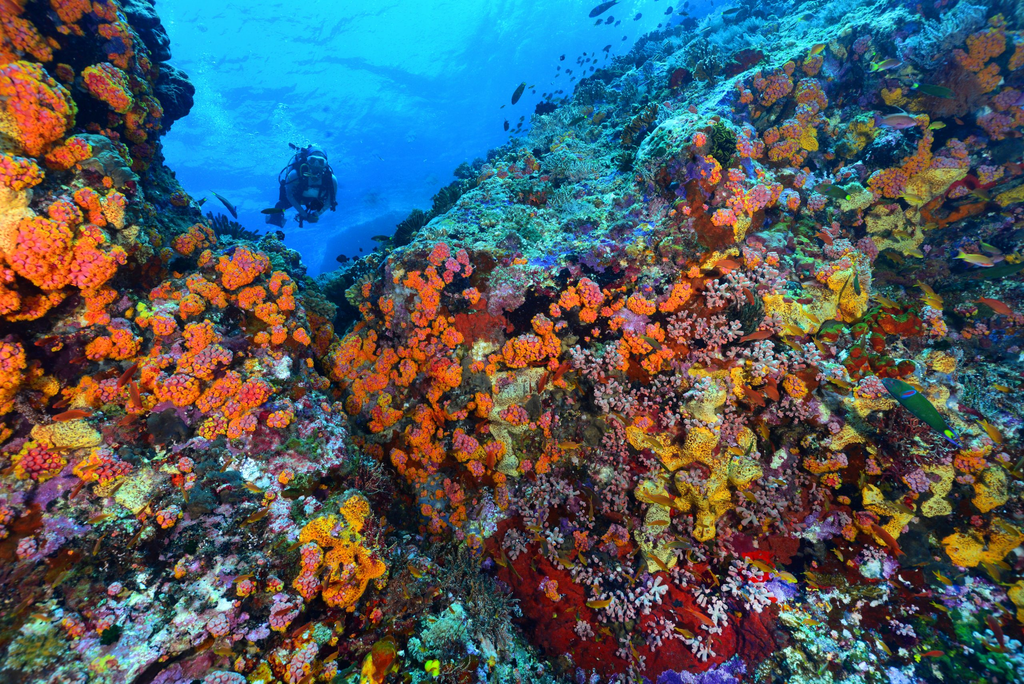
Tubbataha Reefs Natural Park is often regarded as the Philippines’ premier marine conservation success story.
Located in the middle of the Sulu Sea, the protected area is accessible only through liveaboard dive expeditions and remains one of Southeast Asia’s most pristine reef systems.
Highlights include:
- Massive coral walls
- Reef sharks
- Manta rays
- Sea turtles
- Exceptional coral diversity
- Strict environmental protections
Visitor fees directly contribute to conservation management, ranger operations, and reef protection.
2. Apo Island, Negros Oriental
by outoftownblog.com
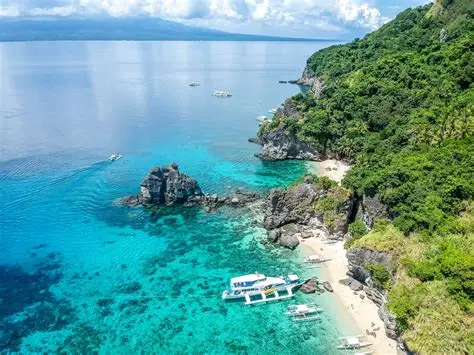
Apo Island is frequently cited as one of the world’s best examples of community-based marine conservation.
Local residents partnered with marine scientists to establish a marine sanctuary that transformed fish populations and reef health.
Visitors can enjoy:
- World-class snorkeling
- Healthy coral reefs
- Sea turtle encounters
- Sustainable local tourism
Apo Island demonstrates how conservation and tourism can benefit both wildlife and local communities.
3. Donsol, Sorsogon
by vestigeseekers.com
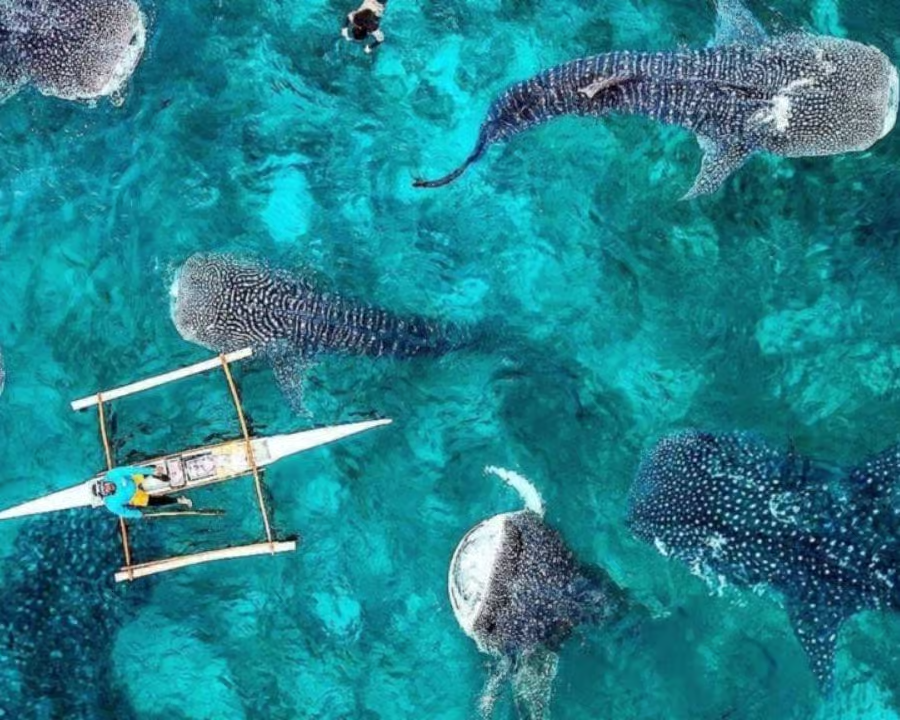
Donsol helped pioneer responsible whale shark tourism in the Philippines.
Unlike destinations that rely heavily on feeding practices, Donsol focuses on regulated wildlife encounters designed to minimize environmental impact.
Visitors may experience:
- Whale shark interaction tours
- Marine wildlife observation
- Community tourism programs
- Conservation education initiatives
Seasonal whale shark sightings attract visitors while supporting local livelihoods.
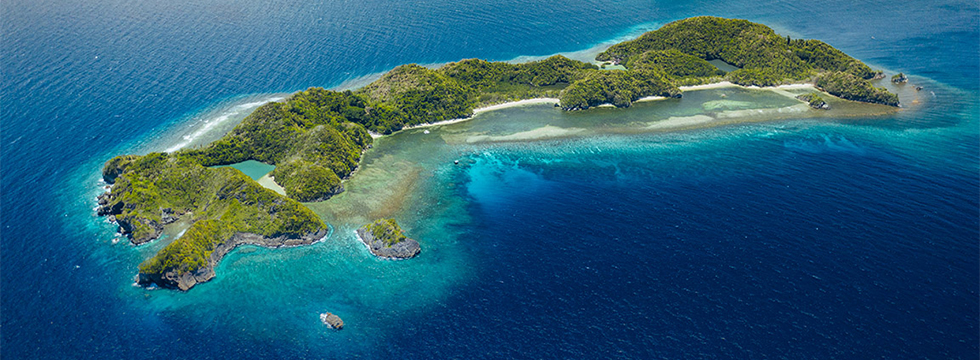
4. Danjugan Island, Negros Occidental
by prrcf.org
Danjugan Island is a privately protected conservation area known for environmental education and sustainable tourism.
The island protects both terrestrial and marine ecosystems and provides visitors with opportunities to learn about conservation.
Activities include:
- Guided nature walks
- Snorkeling
- Wildlife observation
- Environmental education programs
Tourism revenue helps support ongoing conservation and research efforts.
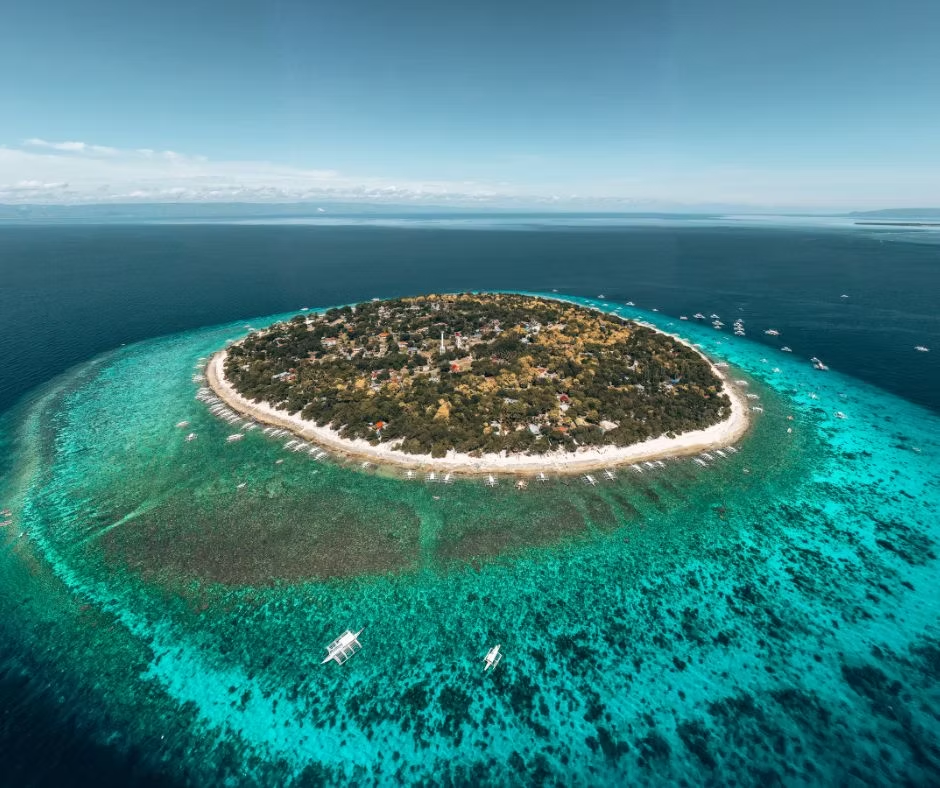
5. Balicasag Island, Bohol
by kgmresorts.com
Balicasag Island features vibrant coral reefs and marine sanctuaries that attract snorkelers and divers from around the world.
Responsible tourism practices help support:
- Coral reef protection
- Local boat operators
- Marine sanctuary management
- Community livelihoods
The island is particularly known for turtle encounters and colorful reef fish.
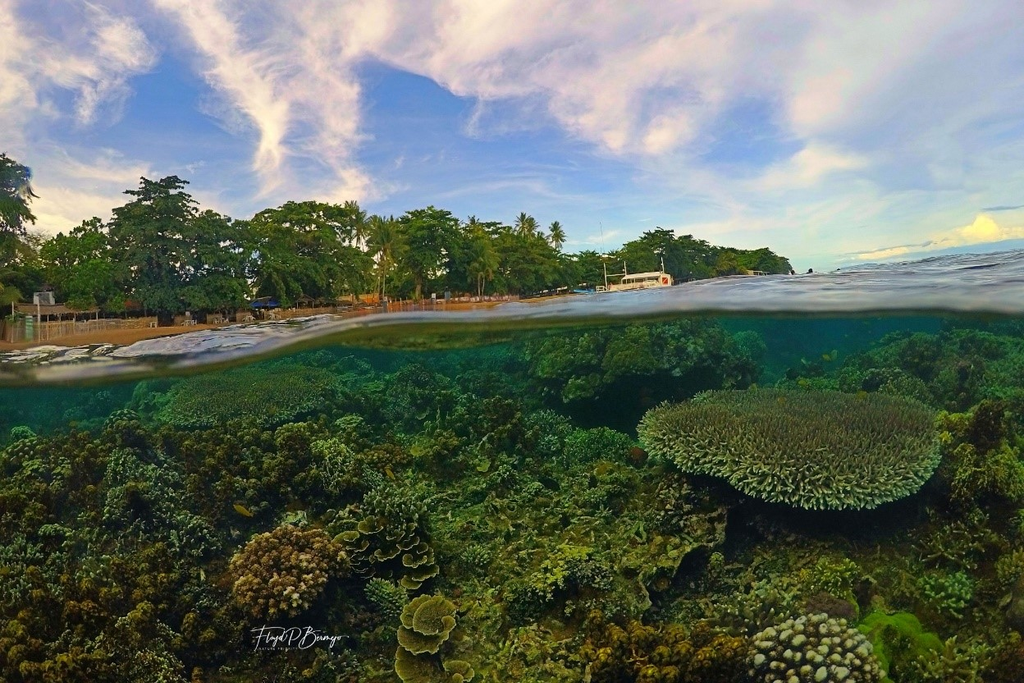
6. Dauin, Negros Oriental
by negrosseasonofculture.com
Dauin has become one of the Philippines’ most respected marine conservation destinations.
The municipality protects numerous marine sanctuaries while also attracting international divers.
Notable features include:
- Healthy reef ecosystems
- Muck diving sites
- Artificial reef projects
- Community-supported conservation programs
Entrance fees help maintain protected areas throughout the region.
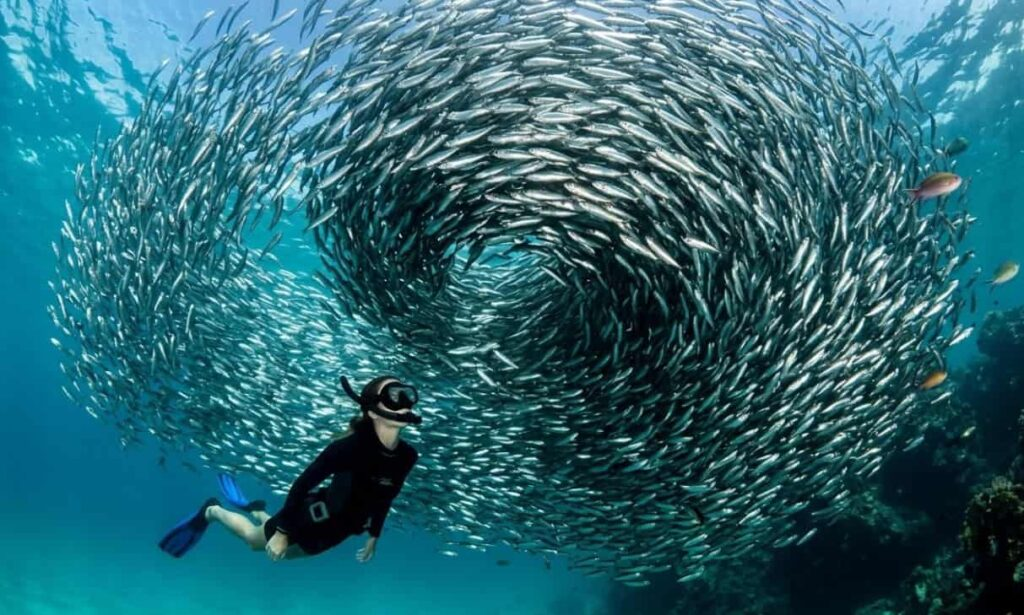
7. Moalboal, Cebu
by whycebu.com
Moalboal combines excellent marine biodiversity with increasing environmental awareness.
The area is renowned for:
- Sardine runs
- Sea turtles
- Coral reefs
- Sustainable dive tourism
Marine conservation efforts help preserve habitats that support both tourism and local communities.
8. Verde Island Passage, Batangas and Mindoro
by romblonnews.net
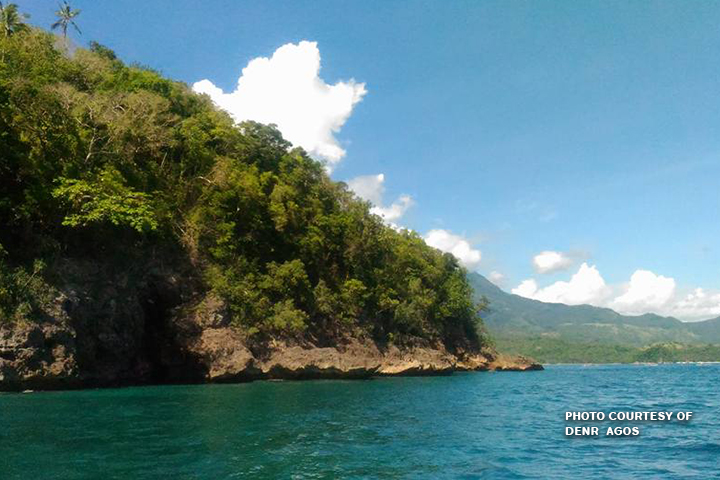
The Verde Island Passage is often considered one of the world’s most important centers of marine biodiversity.
Its waters support:
- Rich coral systems
- Diverse fish populations
- Diving tourism
- Marine research initiatives
Conservation projects throughout the region seek to balance economic activity with environmental protection.
9. Ticao Island, Masbate
by buzzsettler.com
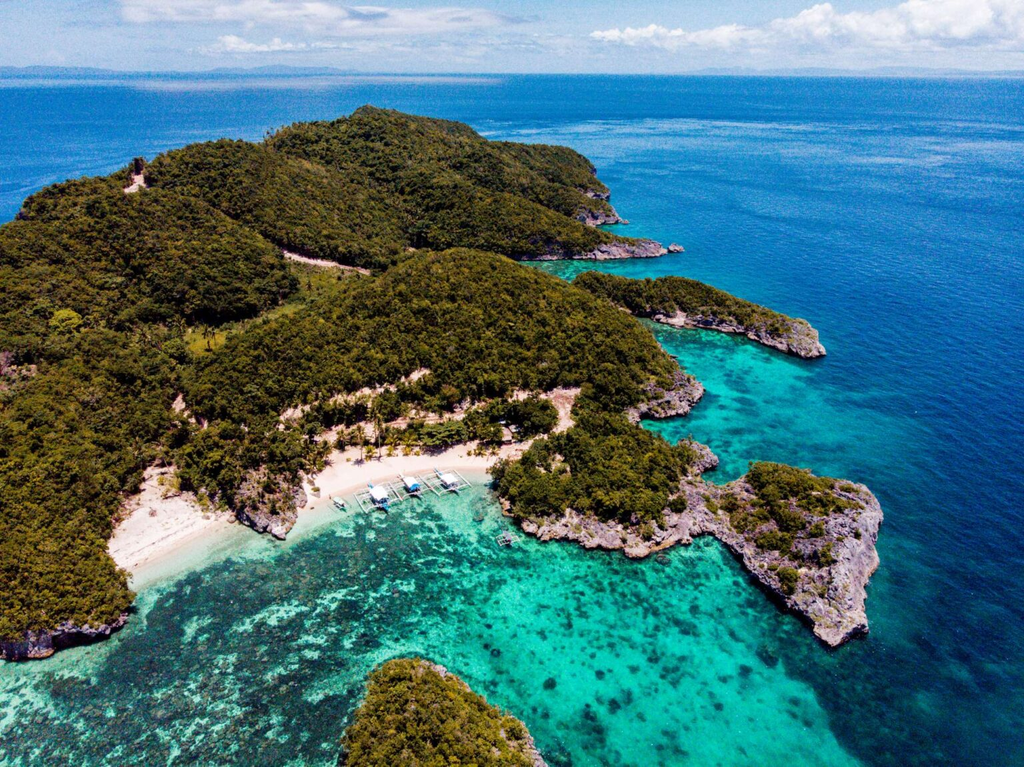
Ticao Island is gaining recognition for sustainable marine tourism opportunities.
The island offers:
- Manta ray experiences
- Coral reefs
- Less-crowded dive sites
- Emerging eco-tourism initiatives
As tourism develops, conservation-focused management will play a critical role in protecting local ecosystems.
10. Busuanga and Coron, Palawan
by mtapoltravel.com
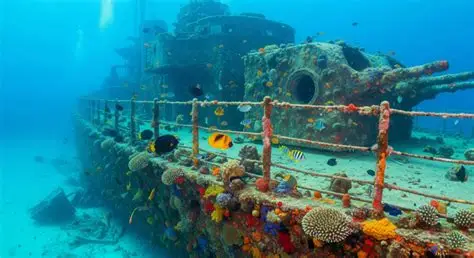
Coron is internationally known for shipwreck diving, but it also contains important coastal and marine ecosystems.
Responsible tourism helps support:
- Reef conservation
- Community tourism programs
- Sustainable diving operations
- Environmental awareness campaigns
Visitors can enjoy some of the Philippines’ most spectacular underwater landscapes while contributing to local economies.
Responsible Marine Tourism Tips
Travelers can help protect marine environments by following a few simple guidelines:
Avoid Touching Coral Reefs
Corals are living organisms that can be easily damaged by contact.
Never Chase Marine Wildlife
Maintain a respectful distance from marine animals and follow guide instructions.
Use Reef-Safe Sunscreen
Choose environmentally friendly products that minimize impacts on coral reefs.
Support Responsible Tour Operators
Select businesses that follow conservation guidelines and sustainable tourism practices.
Reduce Plastic Waste
Bring reusable water bottles and avoid single-use plastics whenever possible.
Follow Protected Area Rules
Marine sanctuaries and protected areas exist to conserve fragile ecosystems.
Why Marine Conservation Tourism Matters
Marine conservation tourism creates a positive cycle. Healthy oceans attract visitors, tourism generates income, and that income can fund conservation efforts that protect marine environments.
For many coastal communities, sustainable tourism provides alternatives to practices that may harm reefs and fish populations. Responsible travel helps ensure that future generations can continue to enjoy the Philippines’ extraordinary marine biodiversity.
Related Guides
Nature & Conservation
- Philippine Wildlife Guide
- Marine Protected Areas in the Philippines
- Coral Reefs of the Philippines
- Endangered Marine Species in the Philippines
Travel Inspiration
- Best Eco‑Tourism Destinations in the Philippines
- Best Diving Destinations in the Philippines
- Best Beach Destinations in the Philippines
- Philippine Eco-Tourism Guide
- Best Islands in the Philippines
Destination Guides
- Palawan Travel Guide
- Tubbataha Reefs Guide
- Apo Reef Guide
- Apo Island Guide
- Donsol Travel Guide
- Siargao Travel Guide
Final Thoughts
The Philippines offers some of the world’s finest opportunities for marine conservation tourism. Whether diving the reefs of Tubbataha, swimming alongside sea turtles at Apo Island, or observing whale sharks in Donsol, travelers can experience remarkable marine environments while supporting conservation efforts.
By choosing responsible operators, respecting marine wildlife, and supporting protected areas, visitors become partners in safeguarding one of the planet’s most important ocean ecosystems.