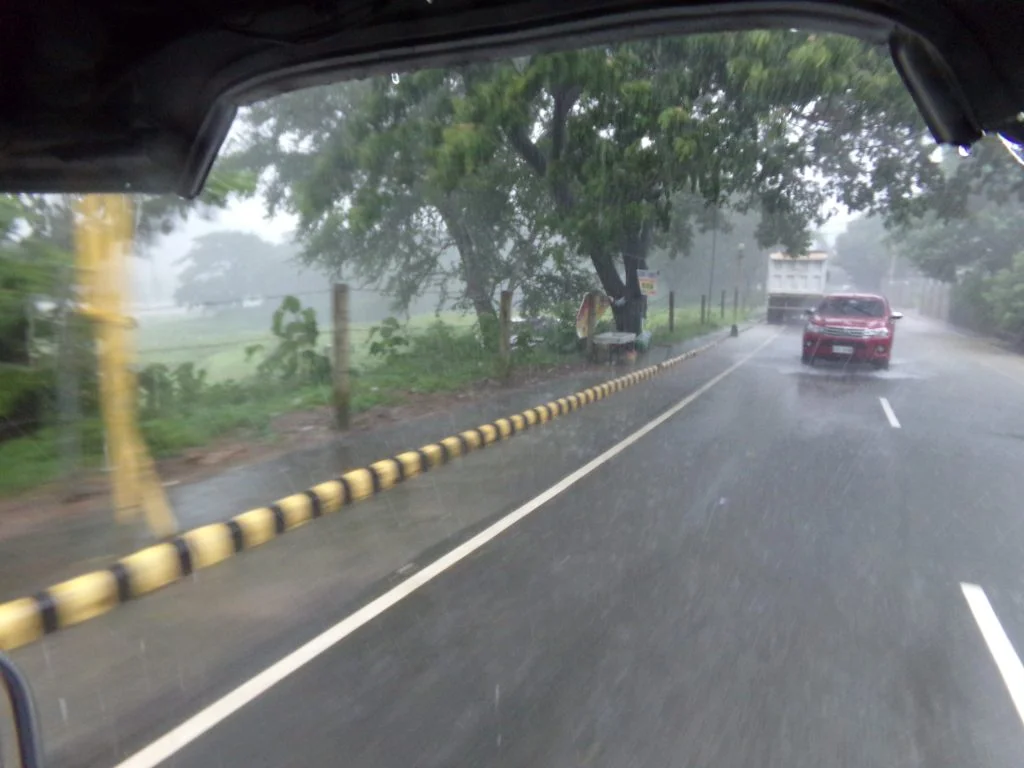
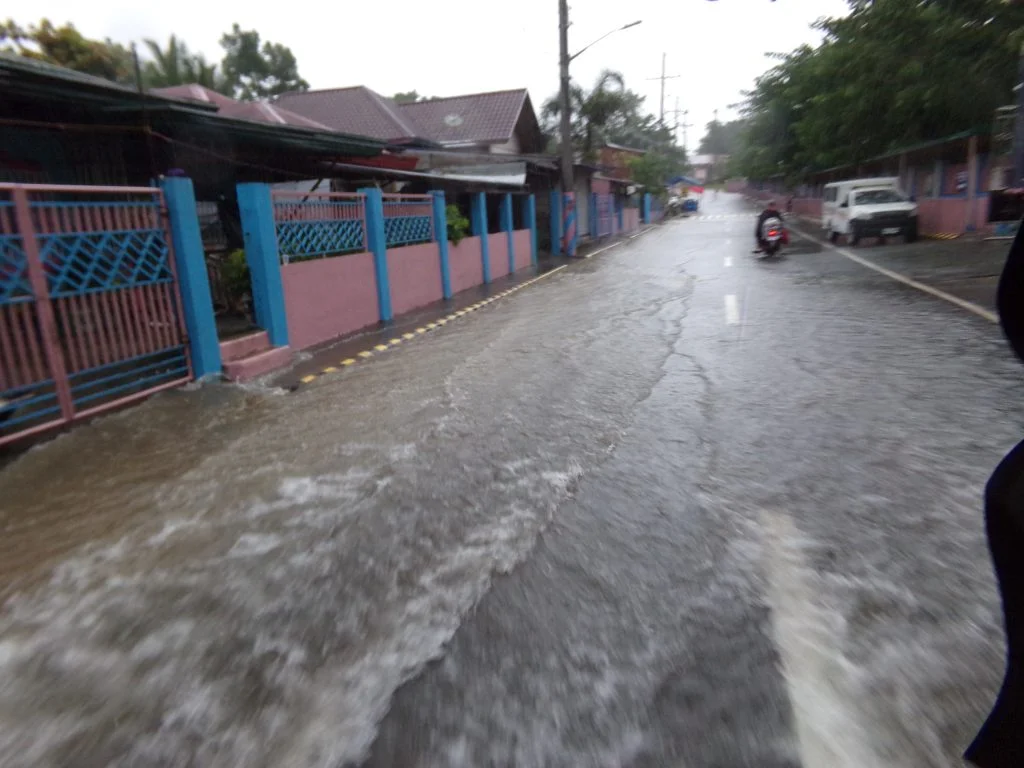
During Typhoon Egay
Philippines Weather & Travel Seasons Guide: When Is the Best Time to Visit?
The Philippines does not have the same weather everywhere at the same time. While travelers often hear about a “Rainy Season” and a “Dry Season,” the country’s geography, mountains, coastlines, and thousands of islands create significant regional differences. Understanding these weather patterns can help you choose the best destinations, activities, and travel dates for your trip.
Does the Philippines Have a Dry Season?
Yes, but “dry” is a relative term.
In many parts of the Philippines, the dry season means:
- Less rain
- Fewer rainy days
- Shorter storms
- More predictable weather
It does not necessarily mean zero rain.
Many destinations still experience occasional showers and thunderstorms, particularly in the afternoon or evening.
Traveling During the Dry Season
The dry season generally runs from November through May, depending on location and climate type.
Travelers can still expect rain during this period. The difference is that rain is usually:
- less frequent
- less intense
- shorter in duration
- less disruptive to travel
In many Type I climate regions, the dry season may bring rain every few days rather than nearly every day.
Traveling During the Rainy Season
In many areas, the rainy season means some form of rainfall is likely on most days.
This does not always mean all-day rain.
A typical rainy-season day may include:
- Sunny morning
- Afternoon thunderstorm
- Evening showers
- Clear periods between storms
Many visitors are surprised by how much sunshine can occur during the rainy season.
A Simple Rule for Travelers
Dry Season
- Rain is possible.
- Rain is less frequent.
- Beach conditions are generally better.
- Travel is more predictable.
Rainy Season
- Rain is expected regularly.
- Weather changes more quickly.
- Landscapes become greener.
- Waterfalls are often at their best.
The weather in the Philippines is as varied as the region you live in. Whether you’re visiting tropical coastlines, mountain provinces, island destinations, or major cities, the best travel season depends largely on where you are going.
Philippines Weather at a Glance
| Season | Typical Months | What to Expect |
|---|---|---|
| Dry Season | November–May | Less rainfall, beach weather, peak travel season |
| Rainy Season | May–October | Frequent rain, greener landscapes, lower prices |
| Peak Typhoon Season | July–October | Monitor forecasts, especially in Luzon and Eastern Visayas |
| Coolest Months | December–February | Comfortable sightseeing weather |
| Hottest Months | March–May | Ideal for beaches and island vacations |
Understanding Philippine Climate Types
The Philippines is generally divided into four major climate zones.
Type I Climate
Examples
- Manila
- Ilocos Region
- Pangasinan
- Zambales
- Much of Western Luzon
Weather Pattern
- Dry Season: November–April
- Wet Season: May–October
This is the climate many visitors associate with the Philippines.
Type II Climate
Examples
- Aurora
- Eastern Samar
- Catanduanes
- Parts of Eastern Luzon
Weather Pattern
- No true dry season
- Peak rainfall usually November–January
This region faces the Pacific Ocean and often receives weather systems before the rest of the country.
Type III Climate
Examples
- Parts of Cebu
- Central Visayas
- Some inland provinces
Weather Pattern
- Seasons less pronounced
- Relatively drier from November–April
Type IV Climate
Examples
- General Santos
- Parts of Mindanao
Weather Pattern
- Rainfall distributed fairly evenly throughout the year
Travel is generally possible year-round.
Traveling During the Rainy Season
When Is It?
Generally May through October.
The rainy season does not mean it rains all day, every day.
Many travelers are surprised to discover that a typical rainy-season day may include:
- Sunny mornings
- Afternoon thunderstorms
- Evening showers
- Several hours of pleasant weather between rain events
Temperatures often remain:
- 80-90°F (27-32°C)
Even during heavy rainfall.
Advantages of Rainy Season Travel
Lower Prices
Hotels and resorts often reduce rates outside the busiest travel periods.
Fewer Crowds
Popular attractions are less congested.
Greener Landscapes
Mountains, rice fields, waterfalls, and forests are often at their most beautiful.
Stronger Waterfalls
Many waterfall destinations are most impressive during the rainy months.
Challenges of Rainy Season Travel
Typhoons
Tropical storms and typhoons occasionally affect parts of the Philippines.
Transportation Delays
Flights, ferries, and island excursions may experience cancellations.
Flooding
Urban and low-lying areas may experience temporary flooding after intense rainfall.
Changing Travel Conditions
A sunny morning can become a rainy afternoon surprisingly quickly.
One of the first lessons many travelers learn in the Philippines is:
Just because it is sunny now does not mean it will stay sunny all day.
Traveling During the Dry Season
When Is It?
Typically November through May.
This is generally considered the most popular travel period in much of the country.
Advantages of Dry Season Travel
Better Beach Conditions
Ideal for:
- Swimming
- Island hopping
- Snorkeling
- Beach vacations
Better Road Trip Conditions
Road conditions are generally more predictable.
More Reliable Ferry Travel
Calmer seas frequently improve travel schedules.
Outdoor Activities
Excellent conditions for:
- Hiking
- Sightseeing
- Photography
- Exploring historic districts
Challenges of Dry Season Travel
Higher Prices
Expect increased accommodation rates during peak travel periods.
Larger Crowds
Popular destinations become busier.
Hotter Temperatures
March through May can be extremely hot, particularly in central Luzon and urban areas.
Best Time to Visit by Region
| Region | Recommended Travel Period |
|---|---|
| Ilocos Region | November–May |
| Central Luzon | November–May |
| CALABARZON | November–May |
| Bicol Peninsula | January–May |
| Aurora Coast | February–May |
| Palawan | November–May |
| Cebu & Central Visayas | November–May |
| Davao Region | December–May |
Always check current local forecasts before traveling.
What Should You Pack?
Rainy Season
Bring:
- Compact umbrella
- Lightweight rain jacket
- Sandals
- Water shoes
- Dry bags
- Extra clothing
- Extra underwear and socks
Dry Season
Bring:
- Sunscreen
- Sunglasses
- Hat
- Light clothing
- Reusable water bottle
- Body lotion
- Comfortable walking shoes
Rainy Season vs Dry Season
| Factor | Rainy Season | Dry Season |
|---|---|---|
| Crowds | Lower | Higher |
| Hotel Prices | Lower | Higher |
| Waterfalls | Better | Reduced Flow |
| Beaches | Variable | Best Conditions |
| Road Trips | Weather Dependent | Easier |
| Island Hopping | Less Predictable | More Reliable |
| Photography | Dramatic Skies | Clear Conditions |
Which Season Is Better?
Neither season is automatically better.
Choose the Rainy Season If You:
- Prefer lower prices
- Enjoy greener scenery
- Want fewer crowds
- Love waterfalls and nature
Choose the Dry Season If You:
- Prioritize beach vacations
- Plan island hopping trips
- Prefer predictable weather
- Want the best diving and snorkeling conditions
Related Guides
Travel Planning
- What Should You Buy Before Traveling to the Philippines?
- Travel Essentials Guide
- Cost of Living for Travelers
- Long-Term Stay Guide for Foreigners
Destination Guides
- Central Luzon Destinations
- CALABARZON Destinations
- Ilocos Region Destinations
- Aurora Coast Destinations
Seasonal Travel
Final Thoughts
The Philippines is a year-round destination, but understanding regional weather patterns can greatly improve your travel experience. Whether you visit during the greener rainy months or the drier beach season, planning around weather conditions helps you choose the right destinations, pack appropriately, and make the most of your trip. Rather than asking “When is the best time to visit the Philippines?” a better question is “Which part of the Philippines do I want to visit, and when does that destination experience its best weather?”