25 Amazing Eco‑Tourism & Wildlife Destinations in the Philippines

Discover 25 amazing eco‑tourism and wildlife destinations in the Philippines, from whale shark encounters and marine sanctuaries to rainforests, rice terraces, bird sanctuaries, and protected natural landscapes.
25 Amazing Eco‑Tourism & Wildlife Destinations in the Philippines
The Philippines is one of the world’s most biodiverse countries. Spread across more than 7,000 islands, the archipelago contains coral reefs, mangrove forests, ancient rainforests, wetlands, volcanoes, mountains, cultural landscapes, and countless habitats supporting unique wildlife.
For travelers, eco‑tourism provides an opportunity to experience these natural wonders while supporting conservation, sustainable tourism, local communities, and protected areas. Whether you’re hoping to see whale sharks, spot endemic birds, dive among coral reefs, hike through mountain forests, or explore landscapes shaped by centuries of human stewardship, the Philippines offers exceptional eco‑tourism experiences.
This guide showcases 25 of the country’s best eco‑tourism and wildlife destinations.
Quick Winner Guide
| Category | Best Destination |
|---|---|
| Best Overall Eco‑Tourism Destination | Tubbataha Reefs Natural Park |
| Best Wildlife Destination | Mount Kitanglad Range Natural Park |
| Best Marine Wildlife Experience | Donsol |
| Best Birdwatching Destination | Olango Island Wildlife Sanctuary |
| Best Nature & Culture Experience | Banaue Rice Terraces |
| Best Family-Friendly Eco‑Tourism Destination | Puerto Princesa Underground River |
| Best Hiking Destination | Mount Apo Natural Park |
| Best Sustainable Tourism Model | Danjugan Island |
| co‑Tourism Experience | Best Destination |
|---|---|
| Marine Conservation | Tubbataha Reefs |
| Whale Sharks | Donsol |
| Birdwatching | Olango Island |
| Rainforest Wildlife | Northern Sierra Madre |
| Philippine Eagle Habitat | Mount Kitanglad |
| Cultural Eco‑Tourism | Banaue Rice Terraces |
| Sustainable Tourism Model | Danjugan Island |
| Family Nature Experience | Puerto Princesa Underground River |
Why the Philippines Is a Global Eco‑Tourism Destination
The Philippines is recognized as one of the world’s biodiversity hotspots. Thousands of plant and animal species live in the country, many of which cannot be found anywhere else on Earth.
Eco‑tourism in the Philippines combines:
- Wildlife conservation
- Sustainable tourism
- Community-based tourism
- Marine protection
- Forest preservation
- Indigenous cultural heritage
- Responsible travel
The country’s eco‑tourism destinations are not only beautiful places to visit. They are also living examples of conservation in action.
| Quick Fact | Value |
|---|---|
| Destinations Featured | 25 |
| UNESCO Sites | Tubbataha, Underground River, Banaue-related landscape |
| Best Wildlife Destination | Mount Kitanglad |
| Best Marine Conservation Site | Tubbataha |
| Best Birdwatching Destination | Olango |
| Best Sustainable Tourism Example | Danjugan Island |
Tier 1: World-Class Eco‑Tourism Destinations
1. Tubbataha Reefs Natural Park
by marine-conservation.org
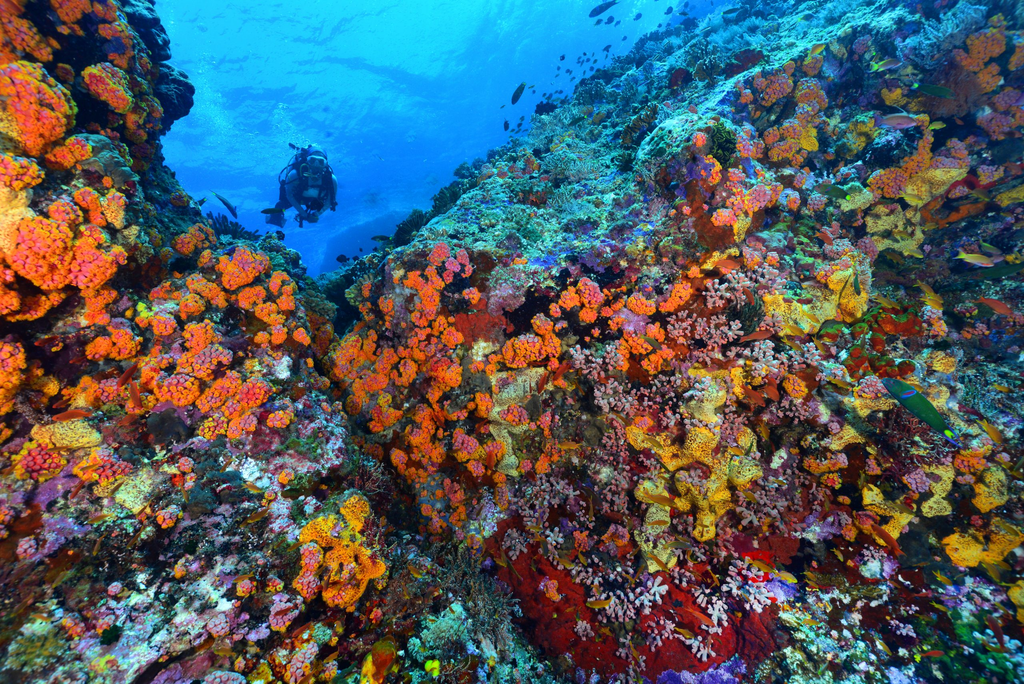
Tubbataha is often considered the crown jewel of Philippine marine conservation. Located in the middle of the Sulu Sea, the protected reef system supports sharks, rays, turtles, dolphins, and hundreds of fish species.
Best For
- Divers
- Marine wildlife enthusiasts
- Underwater photographers
Wildlife Highlights
- Reef sharks
- Whale sharks
- Sea turtles
- Manta rays
Related Guides:
- Marine Life of the Philippines
- Diving & Snorkeling Guide in the Philippines
- Protected Areas of the Philippines
- National Parks of the Philippines
- Best Islands in the Philippines
- Philippine Marine Life Guide
2. Puerto Princesa Underground River
by natioaltoday.com
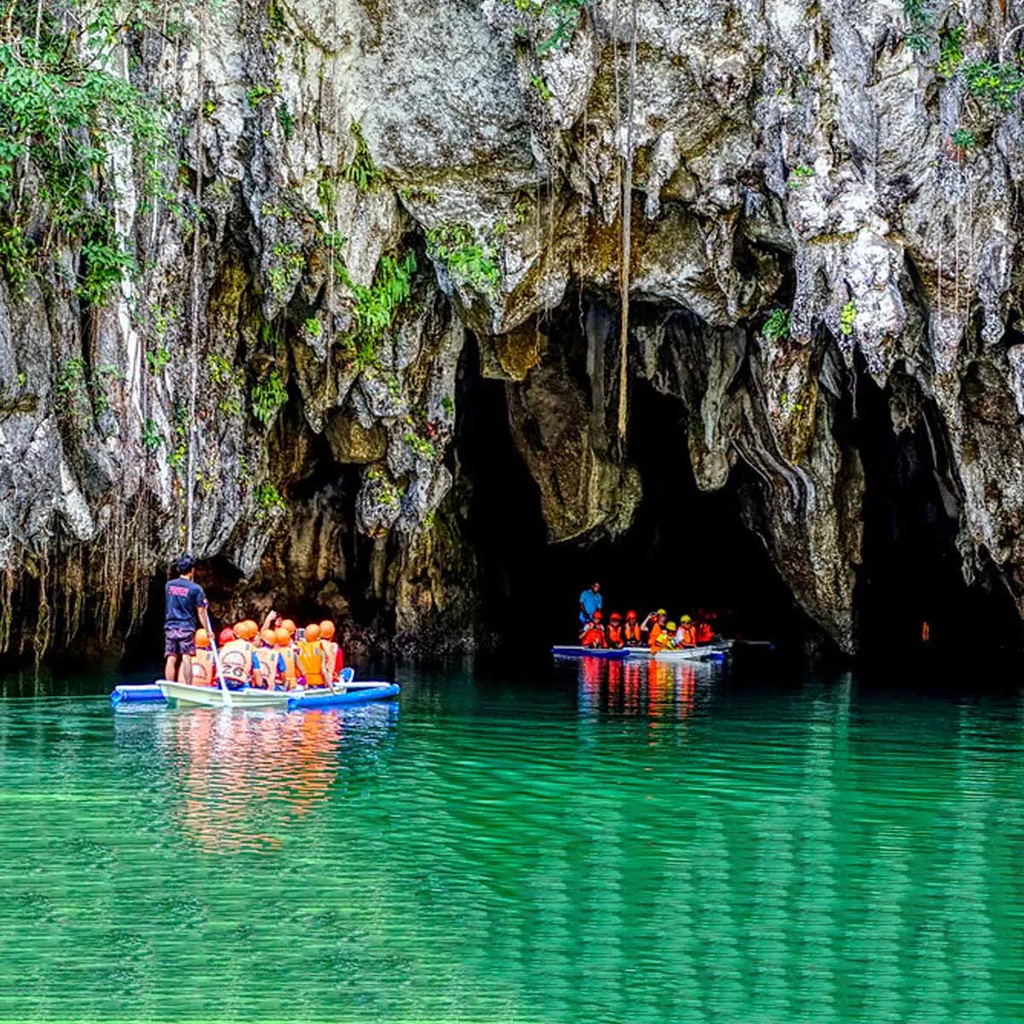
One of the world’s most famous cave systems, the Underground River combines rainforest, limestone karst landscapes, caves, and coastal ecosystems.
Best For
- Families
- Nature lovers
- First-time eco‑tourists
Related Guides:
- Puerto Princesa Underground River
- Cave Tourism Guide in the Philippines
- Luzon’s Caves Guide
- Protected Areas of the Philippines
- Palawan Travel Guide
- National Parks of the Philippines
3. Banaue Rice Terraces
by roughguides.com
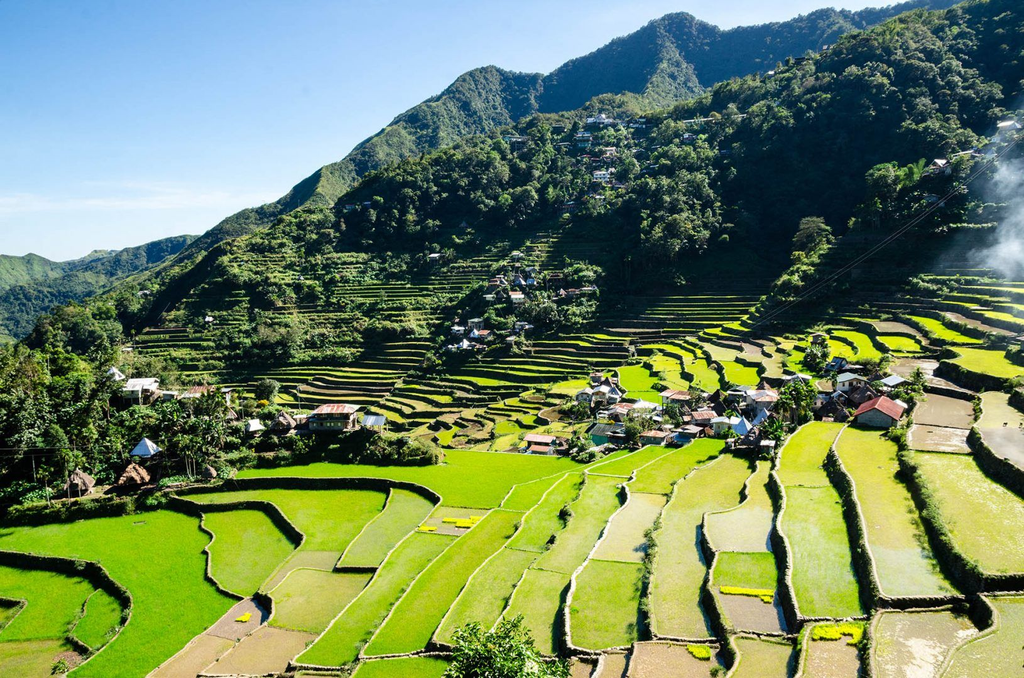
The Banaue Rice Terraces are one of the Philippines’ greatest examples of sustainable land management and cultural conservation.
While many visitors think of wildlife when discussing eco‑tourism, eco‑tourism also includes cultural landscapes that work in harmony with nature. Maintained for centuries by Ifugao communities, the terraces demonstrate sustainable agriculture, water management, and environmental stewardship.
Best For
- Nature travelers
- Cultural tourism
- Photography
Why It Matters
The terraces showcase how humans and nature can coexist sustainably across generations.
Related Guides:
- Rice Terraces of the Philippines
- Biodiversity Hotspots of the Philippines
- Northern Luzon Travel Guide
- Protected Areas of the Philippines
- Cordillera Travel Guide
4. Olango Island Wildlife Sanctuary
by gettyimages.com
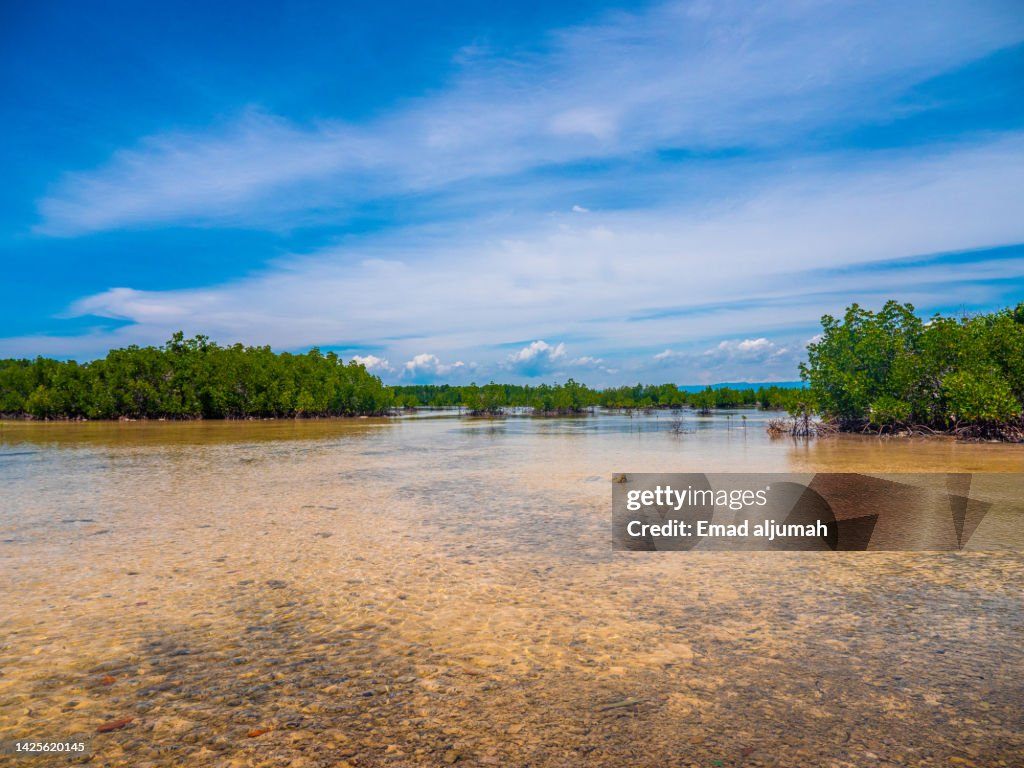
Olango serves as one of Asia’s most important migratory bird stopovers.
Best For
- Birdwatchers
- Wildlife photographers
- Nature enthusiasts
Wildlife Highlights
Thousands of migratory birds visit the sanctuary during migration seasons.
Related Guides:
- Wildlife of the Philippines
- Wildlife Tourism in the Philippines
- Birdwatching in the Philippines
- Biodiversity Hotspots of the Philippines
- Marine Life of the Philippines
- Philippine Marine Life Guide
5. Donsol Whale Shark Interaction Area
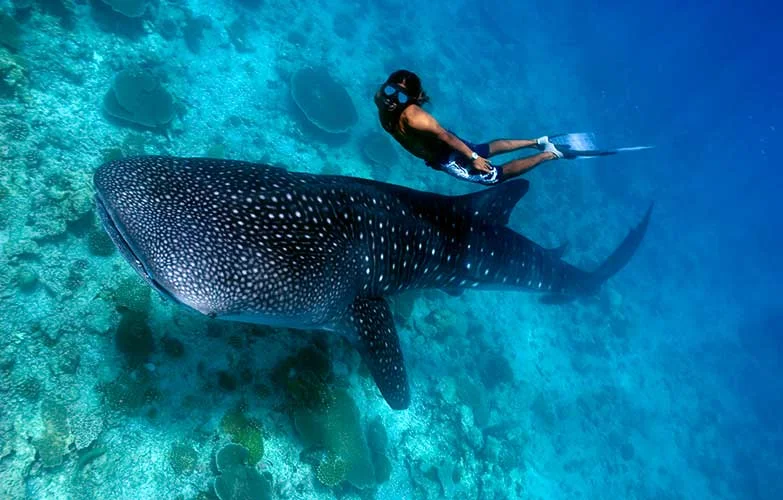
by philippinesislandhopping.com/blog
Donsol is one of the country’s most famous locations for responsible whale shark encounters.
Best For
- Marine wildlife viewing
- Responsible eco‑tourism
Wildlife Highlights
- Whale sharks
- Marine life
- Coastal ecosystems
Related Guides:
- Whale Shark Tourism in the Philippines
- Diving & Snorkeling Guide in the Philippines
- Marine Life of the Philippines
- Philippine Marine Life Guide
- Sustainable Travel in the Philippines
- Wildlife of the Philippines
- Wildlife Tourism in the Philippines
- Donsol Travel Guide
Eco‑Tourism Experience Comparison
| Destination | Wildlife | Culture | Hiking | Water Activities |
|---|---|---|---|---|
| Banaue Rice Terraces | ★★ | ★★★★★ | ★★★★ | ★ |
| Tubbataha | ★★★★★ | ★ | ★ | ★★★★★ |
| Donsol | ★★★★★ | ★★ | ★ | ★★★★ |
| Mount Apo | ★★★★ | ★★ | ★★★★★ | ★ |
| Lake Sebu | ★★ | ★★★★★ | ★★★ | ★★★ |
Tier 2: Major Nature & Biodiversity Destinations
6. Mount Apo Natural Park
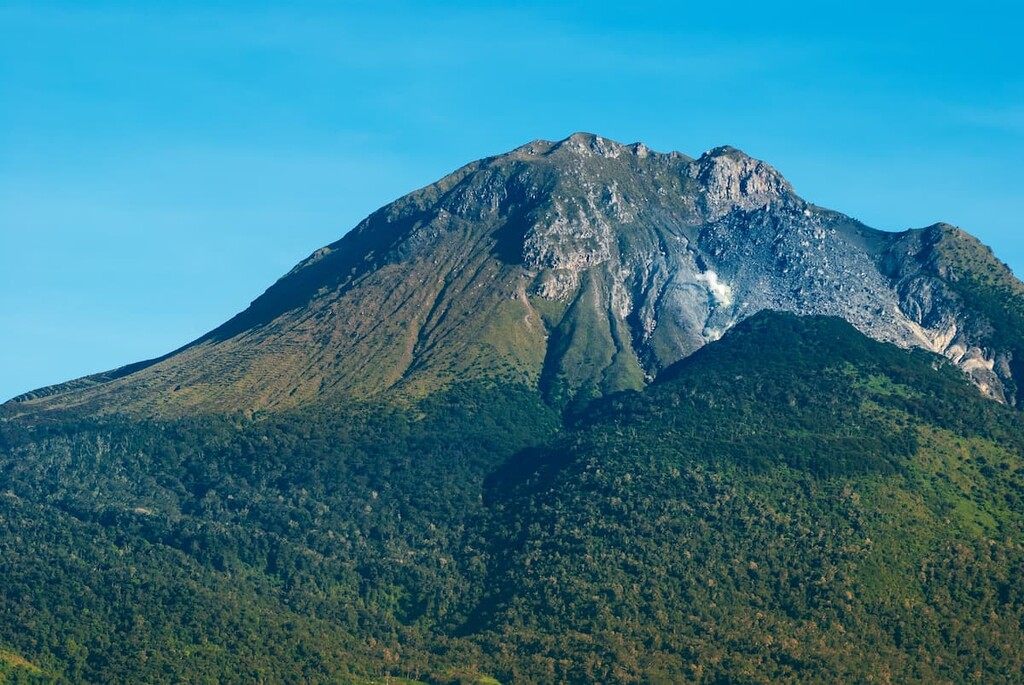
by peakvisor.com
Home to the country’s highest mountain, Mount Apo protects important habitats for endemic birds, mammals, and plant species.
Best For
- Hikers
- Birdwatchers
- Adventure travelers
Related Guides:
- Hiking & Trekking in the Philippines
- Volcano Tourism in the Philippines
- Wildlife of the Philippines
- Wildlife Tourism in the Philippines
- National Parks of the Philippines
7. Mount Kitanglad Range Natural Park
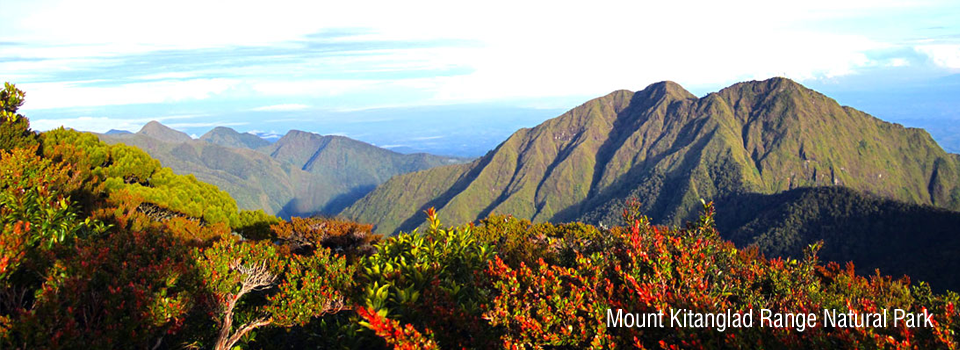
by pinerest.com
One of the most important strongholds for the Philippine Eagle.
Best For
- Wildlife enthusiasts
- Conservation-focused travelers
Wildlife Highlights
- Philippine Eagle
- Endemic birds
- Forest wildlife
Related Guides:
- Wildlife of the Philippines
- Wildlife Tourism in the Philippines
- Endangered Species of the Philippines
- Biodiversity Hotspots of the Philippines
- Hiking & Trekking in the Philippines
8. Northern Sierra Madre Natural Park
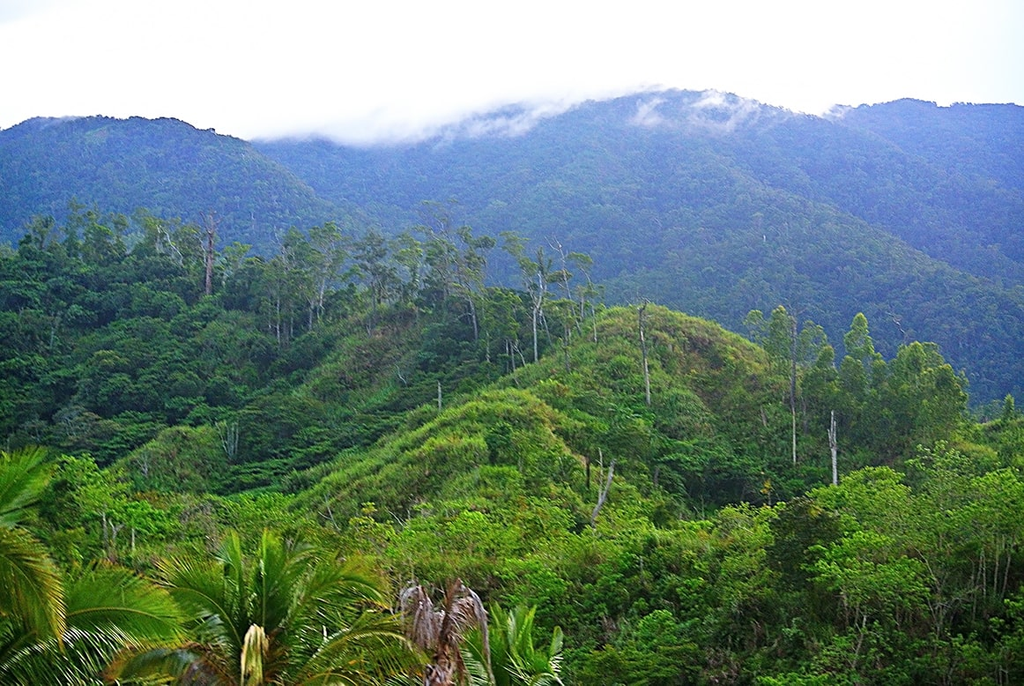
by fromtotravel.com
The largest protected area in the Philippines protects forests, rivers, mountains, and coastal environments.
Best For
- Wildlife viewing
- Rainforest exploration
Related Guides:
- Wildlife of the Philippines
- Wildlife Tourism in the Philippines
- Biodiversity Hotspots of the Philippines
- Endangered Species of the Philippines
- Protected Areas of the Philippines
9. Apo Island Marine Sanctuary
A pioneer of marine conservation in the Philippines.
Best For
- Snorkeling
- Diving
- Sea turtle encounters
Related Guides:
- Diving & Snorkeling Guide in the Philippines
- Marine Life of the Philippines
- Philippine Marine Life Guide
- Wildlife of the Philippines
- Wildlife Tourism in the Philippines
- Sustainable Travel in the Philippines
- Apo Island Travel Guide
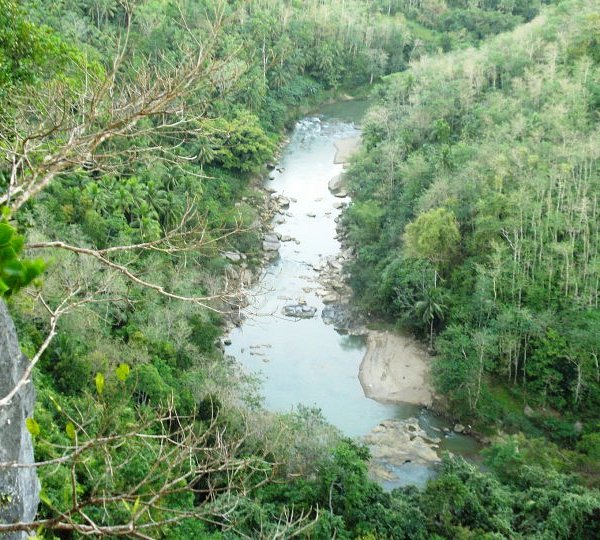
10. Rajah Sikatuna Protected Landscape
tripadvisor.se
One of Bohol’s most important wildlife areas and forest ecosystems.
Best For
- Nature walks
- Wildlife observation
- Outdoor recreation
Related Guides:
- Wildlife of the Philippines
- Wildlife Tourism in the Philippines
- Hiking & Trekking in the Philippines
- Biodiversity Hotspots of the Philippines
- Protected Areas of the Philippines
- Nature Tourism Guide
- Bohol Island Travel Guide
Tier 3: Island & Coastal Eco‑Tourism Destinations
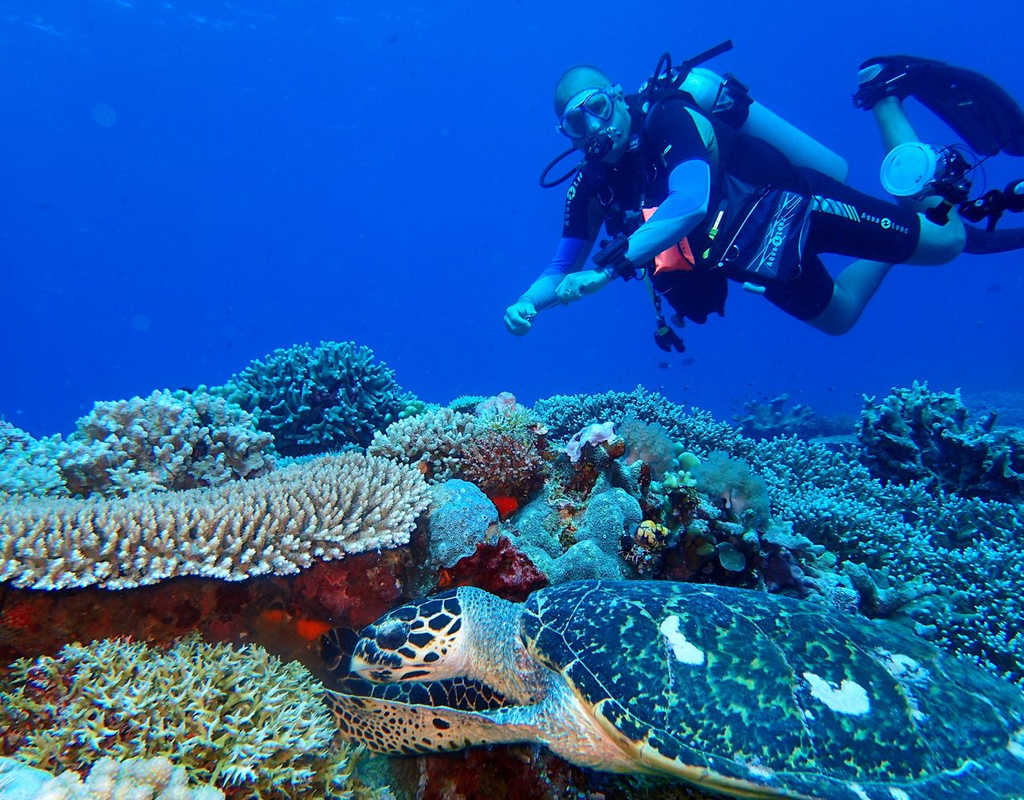
11. Apo Reef Natural Park
by
One of the world’s largest coral reef systems.
Related Guides:
- Diving & Snorkeling Guide in the Philippines
- Marine Life of the Philippines
- Philippine Marine Life Guide
- Protected Areas of the Philippines
- Wildlife of the Philippines
- Wildlife Tourism in the Philippines
- Best Islands in the Philippines
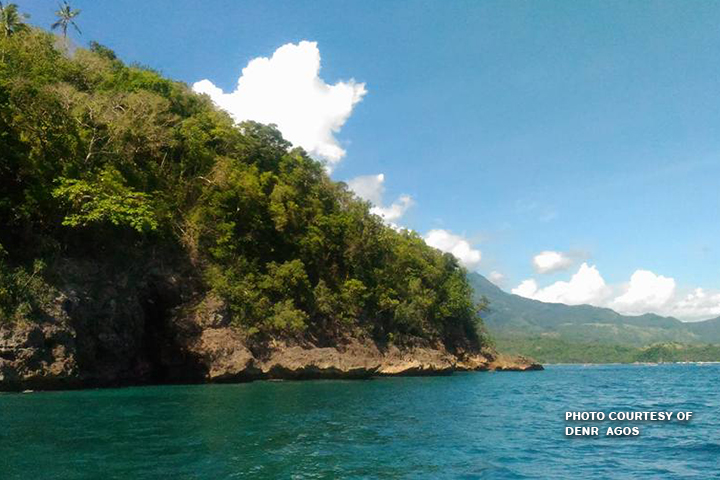
12. Verde Island Passage
by romblonnews.net
Often called the center of the world’s marine biodiversity.
Related Guides:
- Marine Life of the Philippines
- Philippine Marine Life Guide
- Diving & Snorkeling Guide in the Philippines
- Biodiversity Hotspots of the Philippines
- Best Islands in the Philippines
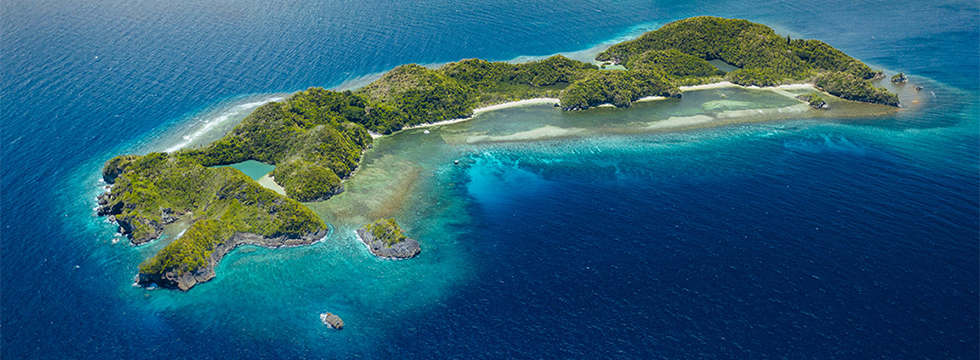
13. Danjugan Island
by danjuganisland.ph
A private conservation island offering sustainable eco‑tourism experiences.
Related Guides:
- Sustainable Travel in the Philippines
- Wildlife of the Philippines
- Wildlife Tourism in the Philippines
- Marine Life of the Philippines
- Philippine Marine Life Guide
- Protected Areas of the Philippines
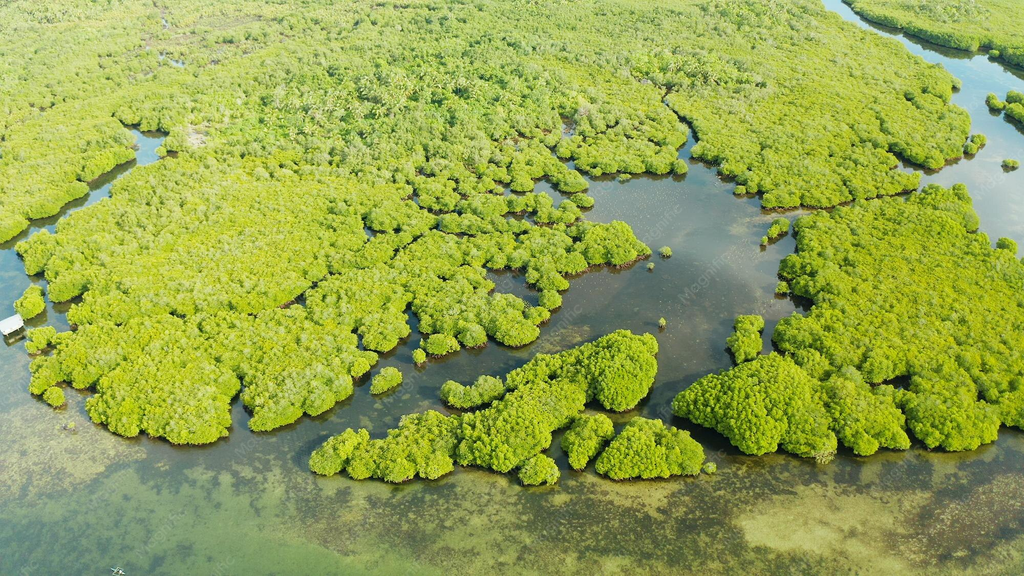
14. Siargao Mangrove Forests
by freepik.com
Important habitats supporting marine and coastal ecosystems.
Related Guides:
- Wetlands of the Philippines
- Best Islands in the Philippines
- Wildlife of the Philippines
- Wildlife Tourism in the Philippines
- Sustainable Travel in the Philippines
- Biodiversity Hotspots of the Philippines
- Siargao Travel Guide
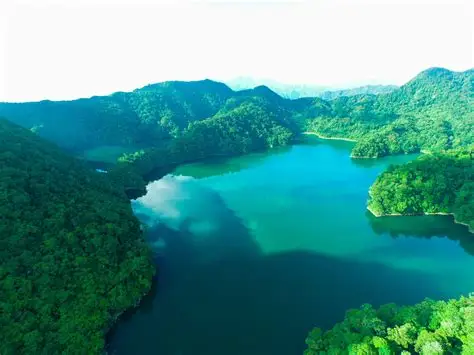
15. Balinsasayao Twin Lakes Natural Park
by facebook.com
A beautiful, protected area featuring lakes, forests, and birdlife.
Related Guides:
- Wildlife of the Philippines
- Wildlife Tourism in the Philippines
- Hiking & Trekking in the Philippines
- Protected Areas of the Philippines
- Nature Tourism Guide
Wildlife Experience Comparison
| Destination | Marine Life | Birdlife | Land Wildlife | Conservation Significance |
|---|---|---|---|---|
| Tubbataha | ★★★★★ | ★★ | ★ | ★★★★★ |
| Apo Reef | ★★★★★ | ★★ | ★ | ★★★★★ |
| Olango | ★★ | ★★★★★ | ★ | ★★★★★ |
| Mount Kitanglad | ★ | ★★★★ | ★★★★★ | ★★★★★ |
| Agusan Marsh | ★ | ★★★★★ | ★★★ | ★★★★★ |
Tier 4: Wildlife & Birdwatching Hotspots
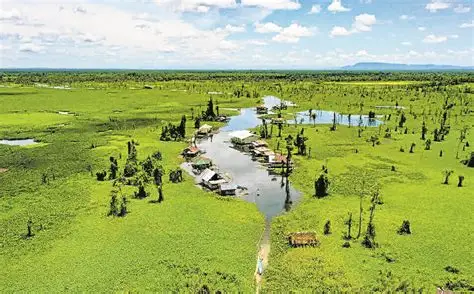
16. Agusan Marsh Wildlife Sanctuary
by newsinfo.inquirer.net
One of Southeast Asia’s most important wetland ecosystems.
Best For
- Birdwatching
- Wildlife photography
- Wetland exploration
Related Guides:
- Wildlife of the Philippines
- Wildlife Tourism in the Philippines
- Birdwatching in the Philippines
- Biodiversity Hotspots of the Philippines
- Protected Areas of the Philippines
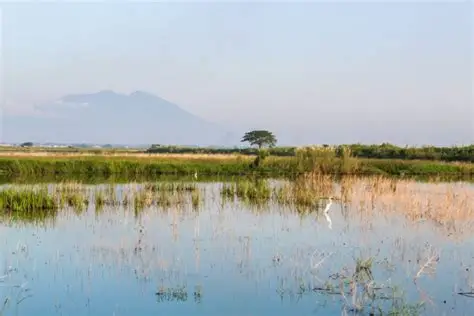
17. Candaba Wetlands
by pia.gov.ph
A major migratory bird habitat in the Philippines.
Best For
- Birdwatching
- Nature photography
Related Guides:
- Wildlife of the Philippines
- Wildlife Tourism in the Philippines
- Birdwatching in the Philippines
- Biodiversity Hotspots of the Philippines
- Protected Areas of the Philippines
- Nature Tourism Guide
18. Rasa Island Wildlife Sanctuary
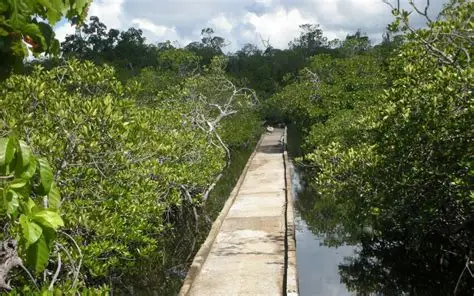
by researchgate.com
Known for supporting populations of the endangered Philippine Cockatoo.
Best For
- Conservation travel
- Birdwatching
Related Guides:
- Endangered Species of the Philippines
- Wildlife of the Philippines
- Wildlife Tourism in the Philippines
- Protected Areas of the Philippines
- Birdwatching in the Philippines
19. Subic Bay Forest Reserve
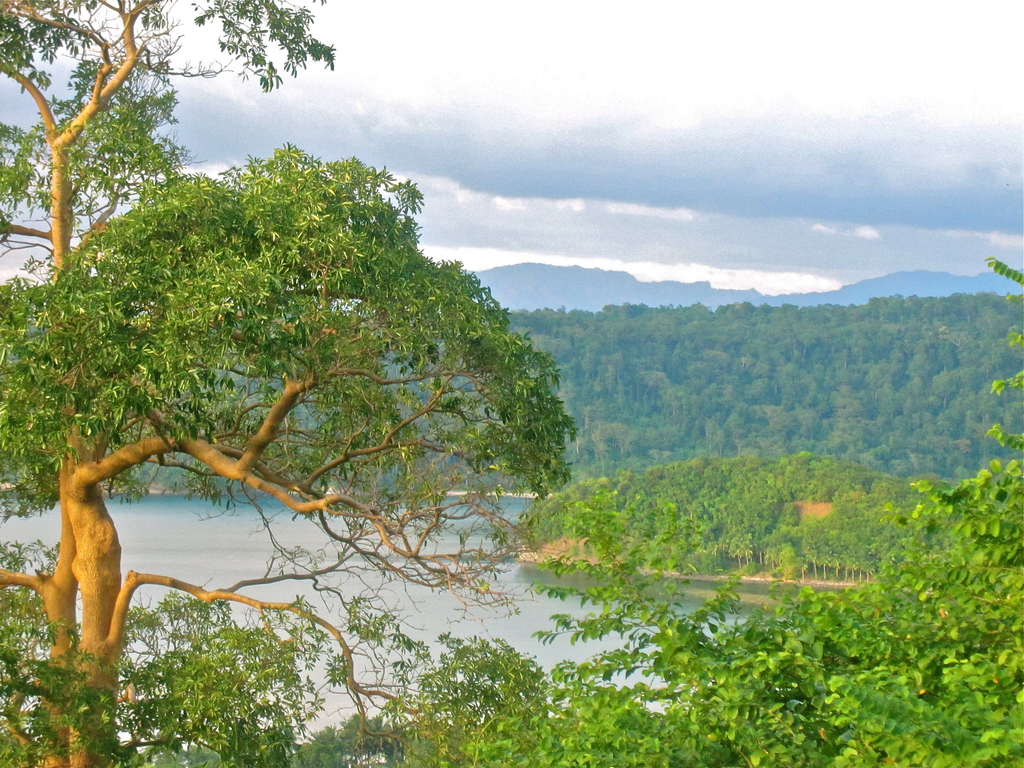
by pinterest.com
A surprising biodiversity hotspot near major urban areas.
Best For
- Accessible wildlife experiences
- Birdwatching
Related Guides:
- Wildlife of the Philippines
- Wildlife Tourism in the Philippines
- Hiking & Trekking in the Philippines
- Biodiversity Hotspots of the Philippines
- Nature Tourism Guide
- Subic Bay Travel Guide
20. Calauit Safari Park

palawan-news.com
A unique wildlife destination combining conservation and education.
Best For
- Families
- Wildlife observation
Related Guides:
- Wildlife of the Philippines
- Wildlife Tourism in the Philippines
- Endangered Species of the Philippines
- Sustainable Travel in the Philippines
- Palawan Travel Guide
Philippine Wildlife You May Encounter
| Wildlife | Where to See It |
|---|---|
| Philippine Eagle | Mount Apo, Mount Kitanglad |
| Whale Shark | Donsol |
| Dugong | Palawan Waters |
| Sea Turtles | Apo Island, Tubbataha |
| Hornbills | Sierra Madre Forests |
| Tamaraw | Mindoro |
| Migratory Birds | Olango, Candaba |
| Monitor Lizards | Various Protected Areas |
Tier 5: Emerging Eco‑Tourism Destinations
21. Samar Island Natural Park
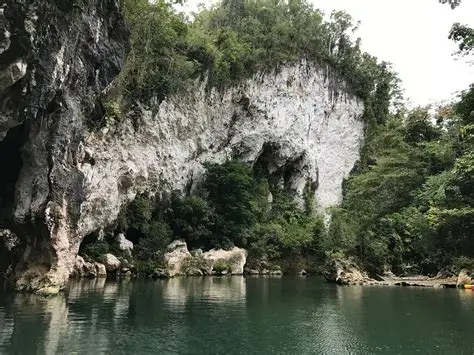
by tripadvisor.co.uk
One of the country’s largest remaining forest landscapes.
Related Guides:
- Cave Tourism Guide in the Philippines
- Visayas Caves Guide
- Waterfall Tourism in the Philippines
- Visayas Waterfalls
- Biodiversity Hotspots of the Philippines
- National Parks of the Philippines
- Samar Island Travel Guide
22. Batanes Protected Landscapes
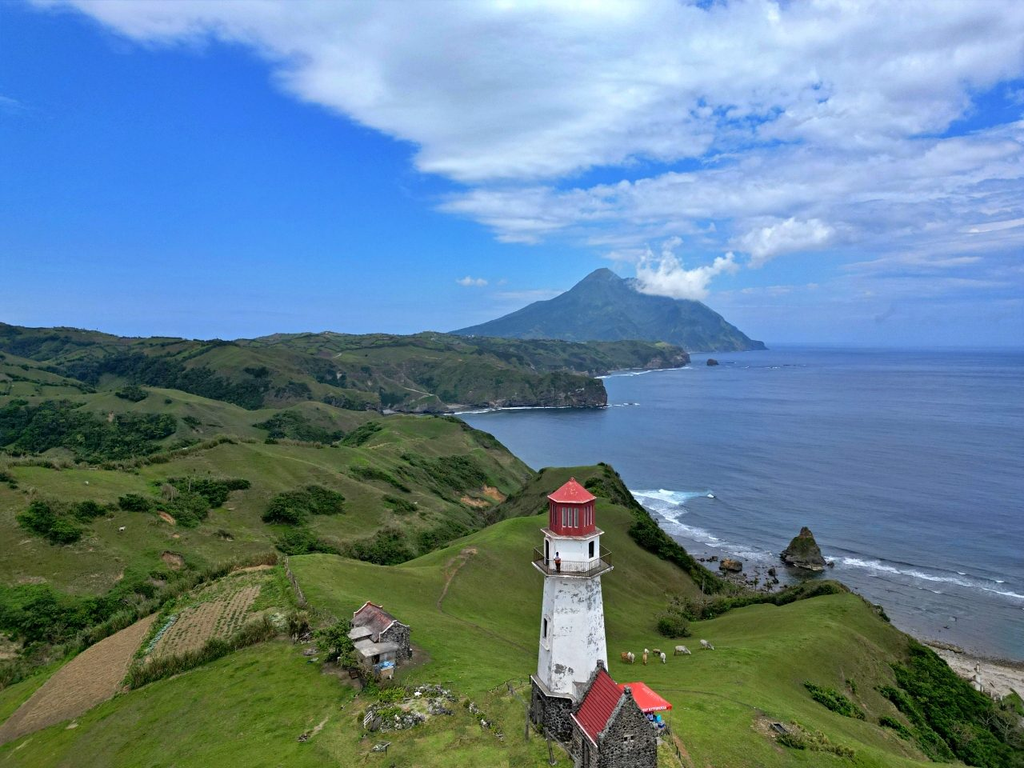
by morilly.com
A unique combination of nature, culture, and dramatic scenery.
Related Guides:
- Best Islands in the Philippines
- Sustainable Travel in the Philippines
- Nature Tourism Guide
- Protected Areas of the Philippines
- Batanes Islands Guide
23. Lake Sebu
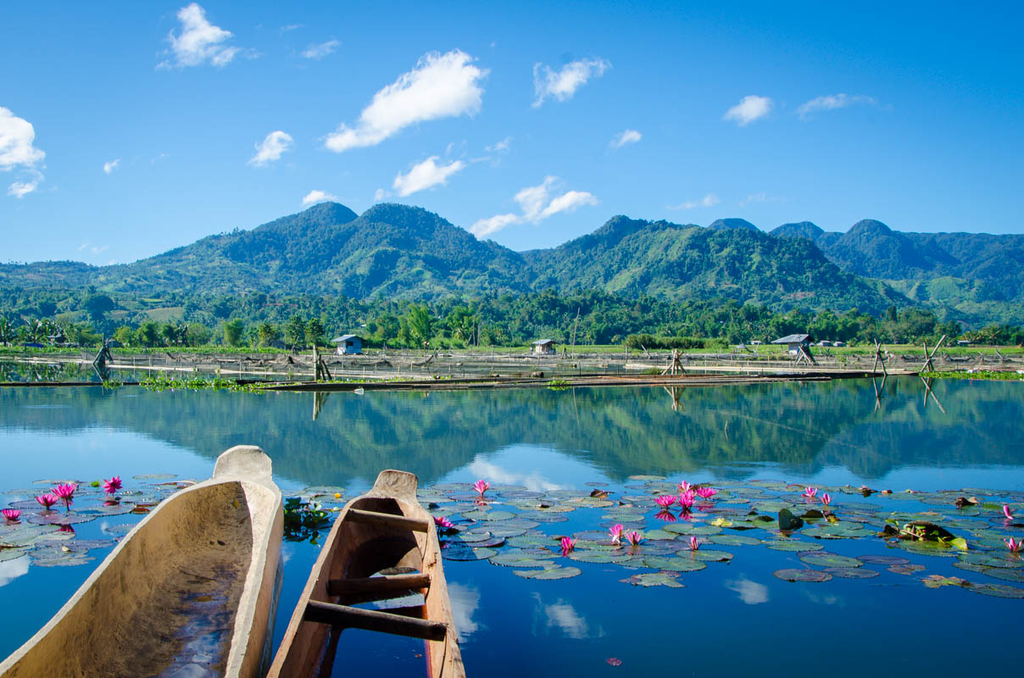
by twomonkeystravelgroup.com
A destination combining indigenous culture, lakes, forests, and sustainable tourism.
Related Guides:
- Sustainable Travel in the Philippines
- Nature Tourism Guide
- Waterfall Tourism in the Philippines
- Mindanao’s Waterfalls Guide
- Wildlife of the Philippines
- Lake Sebu Travel Guide
24. Dinagat Islands
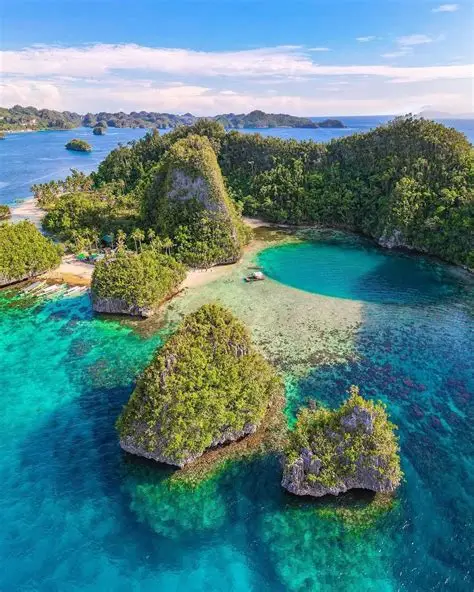
by lakbaypinas.com
Known for rugged landscapes, biodiversity, and growing eco‑tourism opportunities.
Related Guides:
- Best Islands in the Philippines
- Biodiversity Hotspots of the Philippines
- Marine Life of the Philippines
- Philippine Marine Life Guide
- Sustainable Travel in the Philippines
- Dinagat Islands Travel Guide
25. Hundred Islands National Park
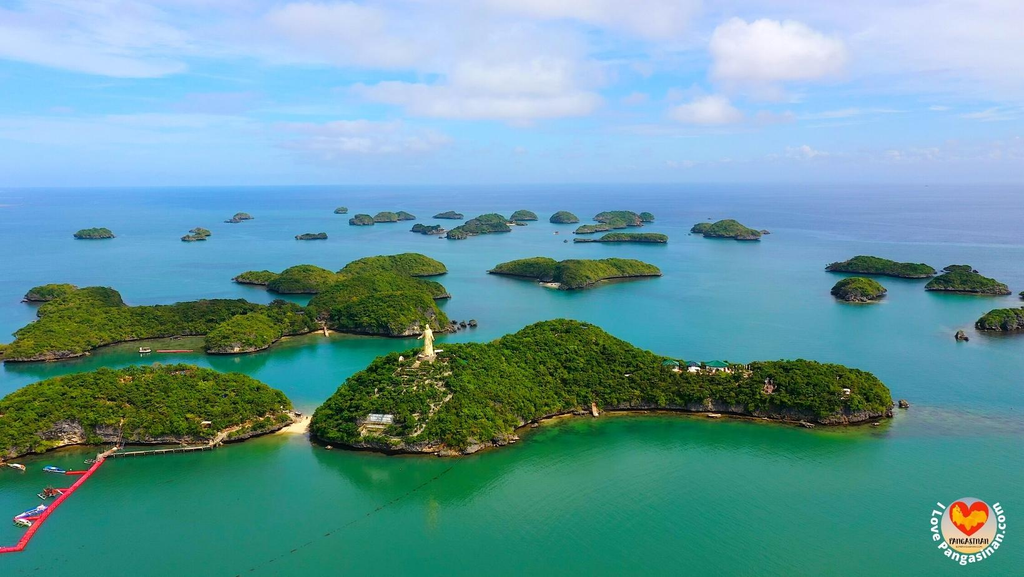
by ilovepangasinan.com
A popular destination featuring island ecosystems and coastal habitats.
Related Guides:
- Best Islands in the Philippines
- Marine Life of the Philippines
- Philippine Marine Life Guide
- Wildlife of the Philippines
- Wildlife Tourism in the Philippines
- Nature Tourism Guide
Best Eco‑Tourism Destinations by Traveler Type
| Traveler Type | Recommended Destination |
|---|---|
| Divers | Tubbataha Reefs |
| Wildlife Photographers | Agusan Marsh |
| Birdwatchers | Olango Island |
| Families | Puerto Princesa Underground River |
| Hikers | Mount Apo |
| Cultural Travelers | Banaue Rice Terraces |
| Sustainable Tourism Enthusiasts | Danjugan Island |
| First-Time Eco‑Tourists | Donsol |
Responsible Wildlife Tourism Guidelines
Responsible tourism helps preserve the natural environments that make these destinations special.
Follow These Principles
- Observe wildlife from a safe distance.
- Never feed wild animals.
- Stay on designated trails.
- Follow local conservation rules.
- Support community-based tourism.
- Use reef-safe sunscreen.
- Leave no trace.
- Respect protected areas and conservation zones.
Why the Banaue Rice Terraces Belong on This List
Some travelers associate eco‑tourism exclusively with wildlife. In reality, eco‑tourism also involves sustainable relationships between people and nature.
The Banaue Rice Terraces are among the Philippines’ best examples of environmental stewardship. For centuries, Indigenous communities have maintained the terraces using traditional methods that balance agriculture, water management, biodiversity, and human needs.
The terraces are not simply a tourist attraction. They are a living cultural landscape demonstrating sustainability long before the term eco‑tourism existed.
Frequently Asked Questions About Eco‑Tourism & Wildlife Destinations in the Philippines
What is the best eco‑tourism destination in the Philippines?
Many travelers consider Tubbataha Reefs Natural Park the best overall eco‑tourism destination in the Philippines. This UNESCO World Heritage Site protects one of the world’s most important coral reef ecosystems and offers exceptional opportunities to experience marine biodiversity, conservation, and sustainable tourism in action. However, the best destination depends on your interests, with Donsol, Banaue, Mount Apo, and Olango Island each offering unique eco‑tourism experiences.
Where can I see wildlife in the Philippines?
Wildlife can be found throughout the Philippines in national parks, marine sanctuaries, wetlands, forests, and protected landscapes. Some of the best wildlife destinations include Mount Kitanglad Range Natural Park, Northern Sierra Madre Natural Park, Agusan Marsh Wildlife Sanctuary, Olango Island Wildlife Sanctuary, Tubbataha Reefs Natural Park, Apo Island Marine Sanctuary, and Donsol’s Whale Shark Interaction Area.
Can you see Philippine Eagles in the wild?
Yes, although sightings are rare. The best opportunities to see the Philippine Eagle, one of the world’s largest and most endangered eagles, are in protected forest areas such as Mount Kitanglad Range Natural Park, Mount Apo Natural Park, and parts of the Northern Sierra Madre. Most visitors interested in learning about the species also visit the Philippine Eagle Center in Davao.
Where can I see whale sharks in the Philippines?
Donsol, Sorsogon is widely regarded as the country’s leading destination for responsible whale shark encounters. The area is known for conservation-focused tourism practices that emphasize natural interactions between visitors and whale sharks. Whale sharks can also be encountered in other parts of the Philippines, but Donsol remains one of the most respected eco‑tourism models for marine wildlife viewing.
What is the most important marine protected area in the Philippines?
Tubbataha Reefs Natural Park is often considered the Philippines’ most important marine protected area. Located in the middle of the Sulu Sea, it protects extensive coral reefs, deep-water ecosystems, sea turtles, sharks, rays, and hundreds of fish species. It is also recognized internationally as one of the world’s premier diving destinations.
Which destinations are best for birdwatching in the Philippines?
Birdwatchers should prioritize:
- Olango Island Wildlife Sanctuary for migratory birds
- Agusan Marsh Wildlife Sanctuary for wetland species
- Candaba Wetlands for seasonal migrants
- Mount Kitanglad Range Natural Park for endemic mountain birds
- Northern Sierra Madre Natural Park for forest birdlife
- Rasa Island Wildlife Sanctuary for the endangered Philippine Cockatoo
These sites collectively support some of the country’s most important bird habitats.
Are the Banaue Rice Terraces considered an eco‑tourism destination?
Yes. Eco‑tourism is not limited to wildlife viewing. The Banaue Rice Terraces are a globally recognized example of sustainable interaction between people and nature. For centuries, Ifugao communities have maintained the terraces using traditional agricultural and water‑management techniques that support biodiversity and environmental stewardship. The terraces represent one of the Philippines’ finest cultural landscapes.
What is responsible wildlife tourism?
Responsible wildlife tourism focuses on observing wildlife without causing harm to animals or their habitats. Responsible travelers should maintain a safe distance from wildlife, avoid feeding animals, follow conservation guidelines, stay on designated trails, respect protected areas, and support local conservation and community‑based tourism programs.
What is the best eco‑tourism destination for families?
The Puerto Princesa Underground River is one of the most family‑friendly eco‑tourism destinations in the Philippines. The site combines accessible nature experiences, rainforest ecosystems, limestone landscapes, and a world-famous cave system while requiring relatively little physical effort compared to mountain or wilderness destinations.
What is the best eco‑tourism destination for hiking?
Mount Apo Natural Park is widely considered the premier hiking eco‑tourism destination in the Philippines. As the country’s highest mountain, it offers diverse ecosystems, endemic wildlife, volcanic landscapes, and challenging trekking routes that attract nature lovers and adventure travelers alike.
What makes the Philippines a global biodiversity hotspot?
The Philippines is recognized as one of the world’s biodiversity hotspots because of its extraordinary concentration of plant and animal species, many of which are found nowhere else on Earth. The country’s thousands of islands support coral reefs, mangrove forests, wetlands, rainforests, mountain ecosystems, and cultural landscapes that collectively harbor remarkable levels of biodiversity and endemism.
When is the best time to visit eco‑tourism destinations in the Philippines?
The dry season, generally from November to May, is the most popular time for eco‑tourism activities, offering favorable conditions for hiking, birdwatching, island hopping, diving, and wildlife viewing. However, some destinations and species, such as migratory birds or whale sharks, have seasonal peak periods that may vary throughout the year.
Final Thoughts
The Philippines offers an extraordinary range of eco‑tourism experiences. Visitors can dive among coral reefs, observe whale sharks, watch migratory birds, explore rainforests, hike volcanic mountains, and discover cultural landscapes that have coexisted with nature for generations.
Whether you’re seeking wildlife encounters, conservation-focused travel, or some of the country’s most beautiful natural destinations, these 25 eco‑tourism and wildlife destinations showcase the incredible biodiversity and environmental heritage that make the Philippines one of the world’s most rewarding places for nature travel.
Related Guides
Wildlife & Biodiversity
- Wildlife of the Philippines
- Marine Life of the Philippines
- Philippine Marine Life Guide
- Endangered Species of the Philippines
- Biodiversity Hotspots of the Philippines
- Wildlife Tourism in the Philippines
Parks & Conservation
- Protected Areas of the Philippines
- National Parks of the Philippines
- Sustainable Travel in the Philippines
- Nature Tourism Guide
Nature Destinations
- Hiking & Trekking in the Philippines
- Diving & Snorkeling Guide in the Philippines
- Waterfall Tourism in the Philippines
- Volcano Tourism in the Philippines
- Cave Tourism Guide in the Philippines
- Whale Shark Tourism in the Philippines
- Rice Terraces of the Philippines
Wetlands, Forests & Ecosystems
Islands & Regional Travel Guides
- Best Islands in the Philippines
- Palawan Travel Guide
- Bohol Island Travel Guide
- Siargao Travel Guide
- Donsol Travel Guide
- Apo Island Travel Guide
- Samar Island Travel Guide
- Dinagat Islands Travel Guide
- Batanes Islands Guide
- Lake Sebu Travel Guide