Zamboanga Peninsula Travel Guide 2026 – Best Places to Visit in Zamboanga City, Dipolog & Pagadian
Explore Zamboanga Peninsula’s top destinations including Zamboanga City, Great Santa Cruz Island, Dipolog, Dapitan, and Panguil Bay Bridge. Includes itineraries, travel tips, costs, and must‑see attractions.

Vintas of Zamboanga by Jojo Lacerona
Zamboanga Peninsula Travel Guide (2026 Edition)
Zamboanga Peninsula (Region IX) is one of the Philippines’ most culturally diverse and visually striking regions. Known for its pink‑sand beaches, Spanish‑influenced architecture, colorful vinta boats, rich Tausug and Chavacano heritage, and emerging eco‑tourism sites, the region offers a unique blend of culture, nature, and history.
The region includes Zamboanga City, Zamboanga del Norte, and Zamboanga del Sur, each with distinct attractions that make it a rewarding destination for adventurous travelers.
Why Visit Zamboanga Peninsula
Zamboanga Peninsula is ideal for travelers who want:
- Unique beaches (pink sand, white sand, island coves)
- Cultural immersion (Chavacano, Tausug, Subanen heritage)
- Historic landmarks (Fort Pilar, Rizal Shrine)
- Eco‑tourism (waterfalls, rivers, mangrove parks)
- Emerging modern attractions (Panguil Bay Bridge)
- Colorful festivals (Hermosa Festival)
It’s one of the most culturally rich regions in the Philippines.
by Tourism Philippines
Top Destinations in Zamboanga Peninsula
1. Zamboanga City
Known as “Asia’s Latin City,” famous for vinta boats, Fort Pilar, Yakan Weaving Village, and vibrant Chavacano culture.
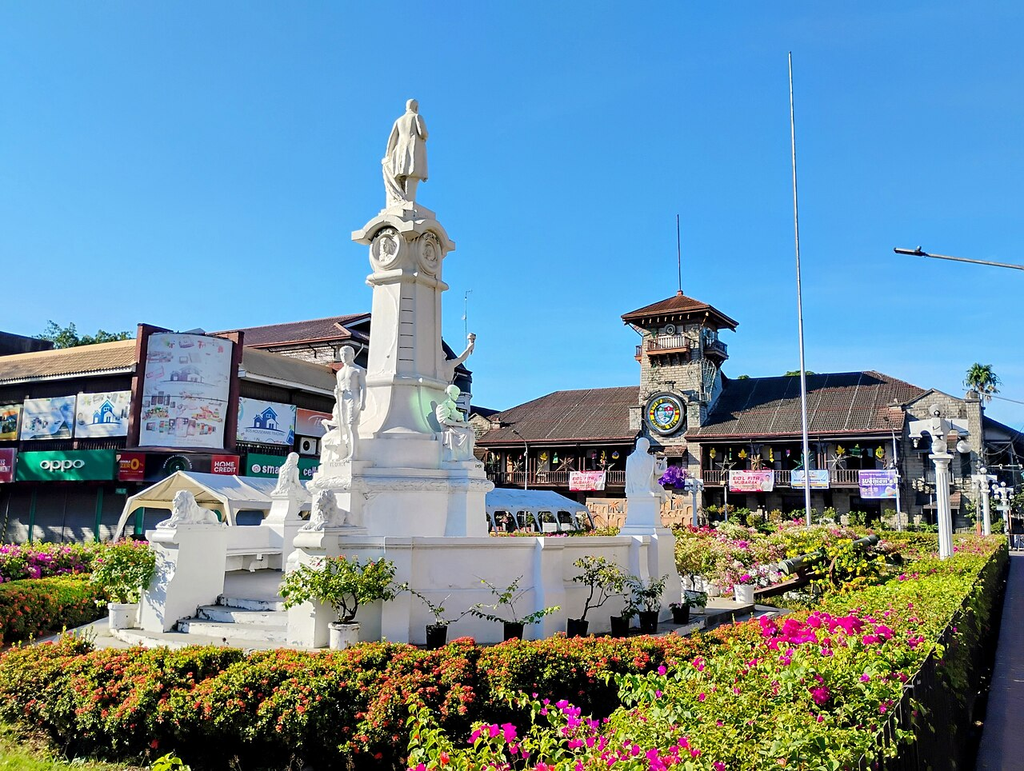
Zamboanga City Hall & Rizal Park, Mar 2026 by Ralff Nestor Nacor
2. Great Santa Cruz Island
A rare pink‑sand beach, considered one of the most unique beaches in the world.
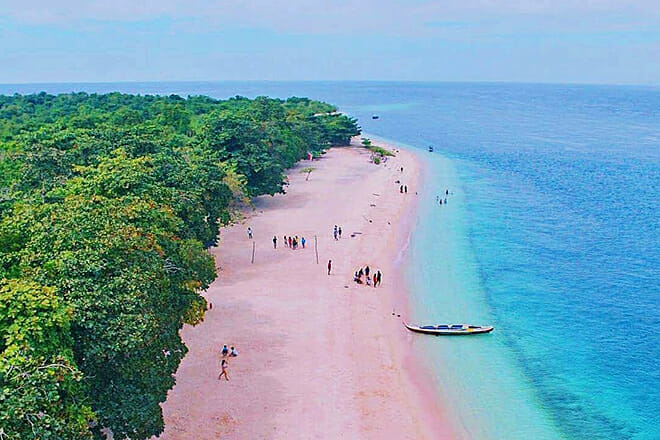
by familydestinationsguide.com
3. Panguil Bay Bridge
The longest bridge in Mindanao, connecting Zamboanga del Sur and Lanao del Norte — a new landmark for tourism and transport.

by Engineer’S Gaming
4. Dipolog City
Known for its clean city center, sunset boulevard, and access to nearby nature attractions.
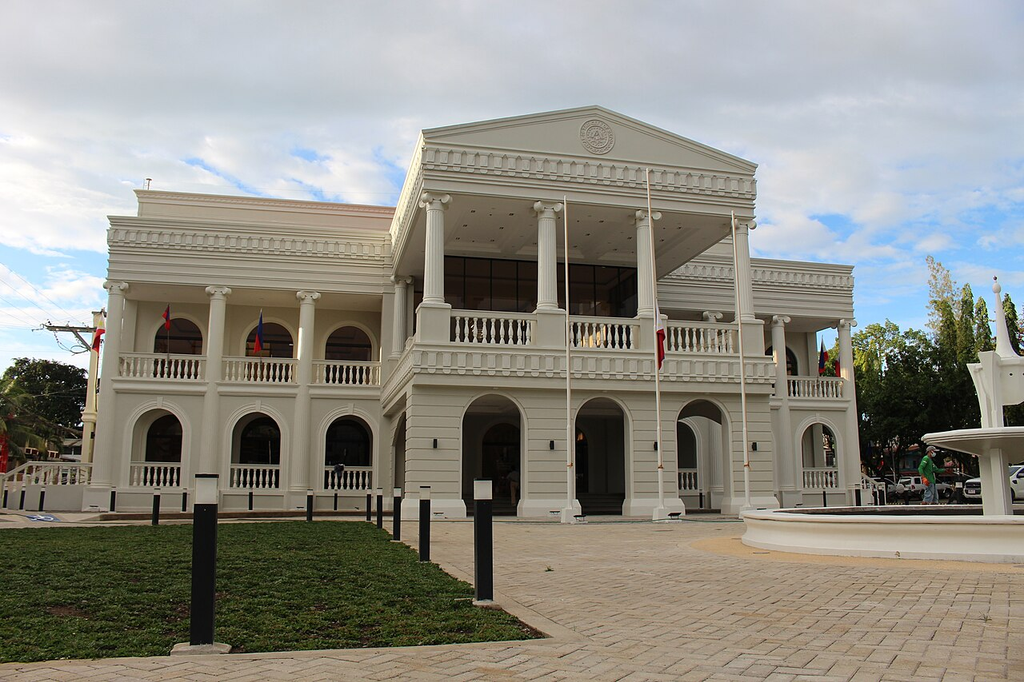
Dipolog City Hall at Zamboanga del Norte by Marwan Khan
5. Dapitan City
A heritage city famous for the Rizal Shrine, Dakak Beach, and historical landmarks.
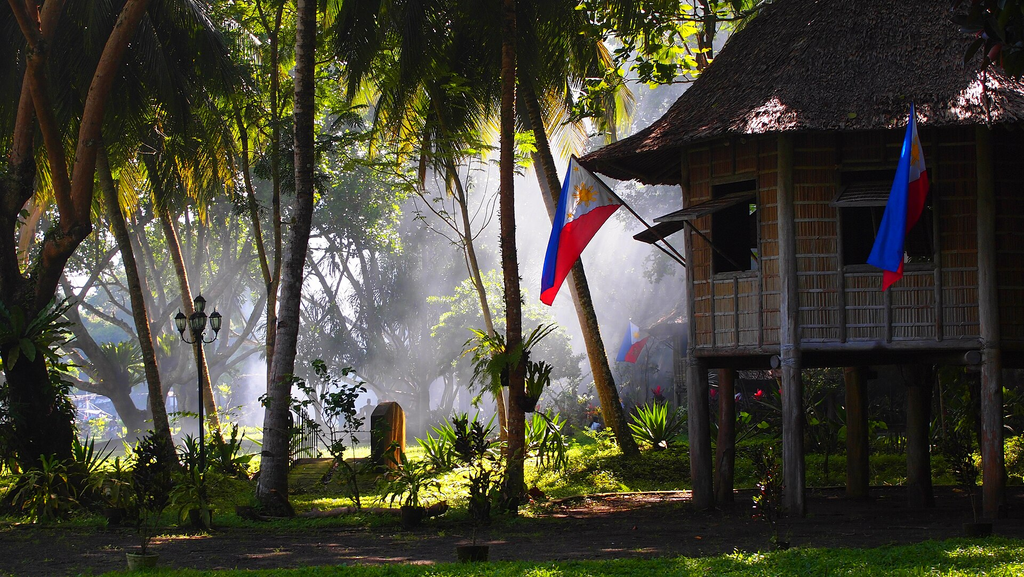
The Rizal Shrine in Dapitan by Rcanizares
6. Pagadian City
Known as the “Little Hong Kong of the South” due to its sloping terrain and scenic bay.
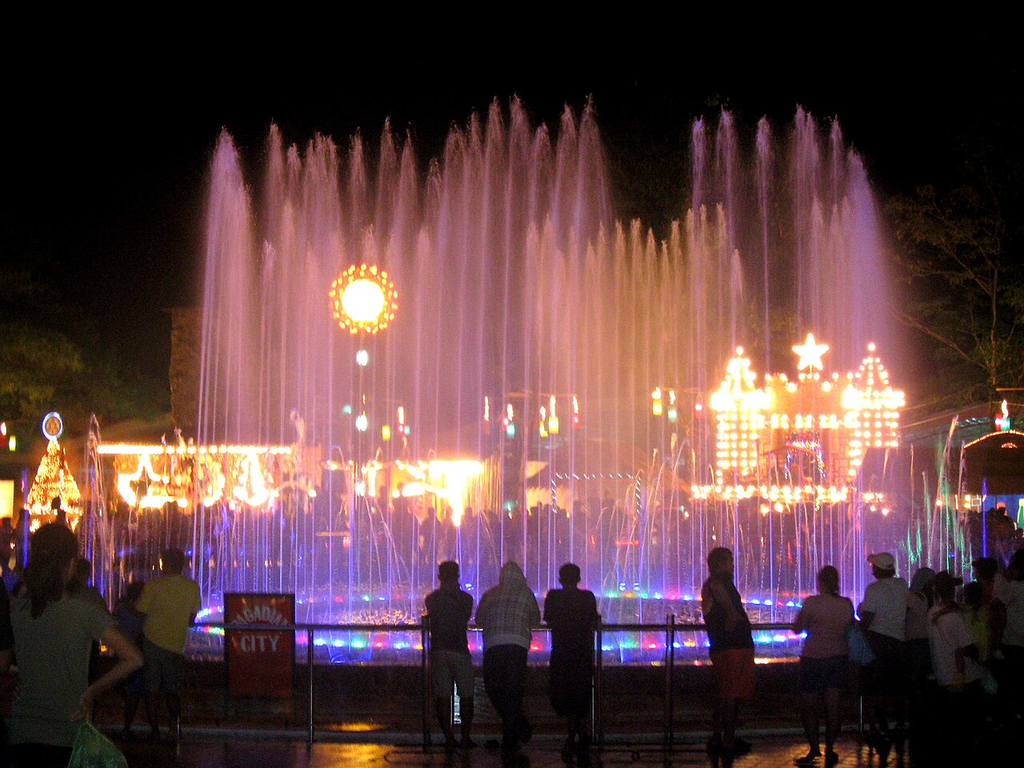
Plaa Luz Dancing Fountain in Pagadian in December by Razzmatazz143
7. Aliguay Island
A marine sanctuary with white‑sand beaches and excellent snorkeling.
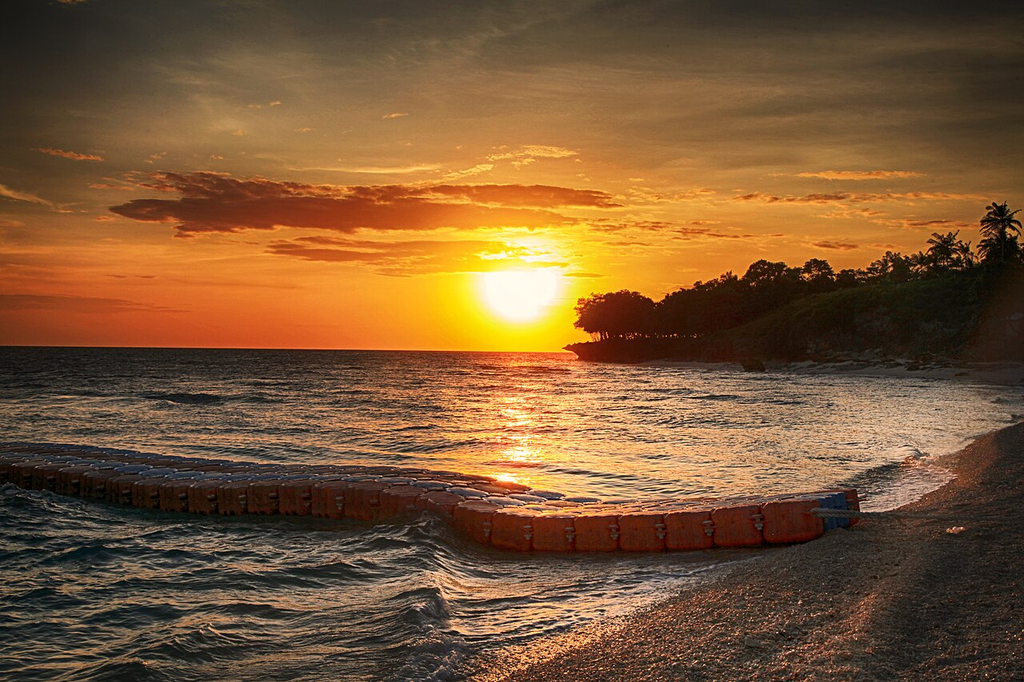
Aliguay sunset by Rio Ubatay
8. Muricay River
An emerging eco‑tourism site ideal for river cruises and nature photography.
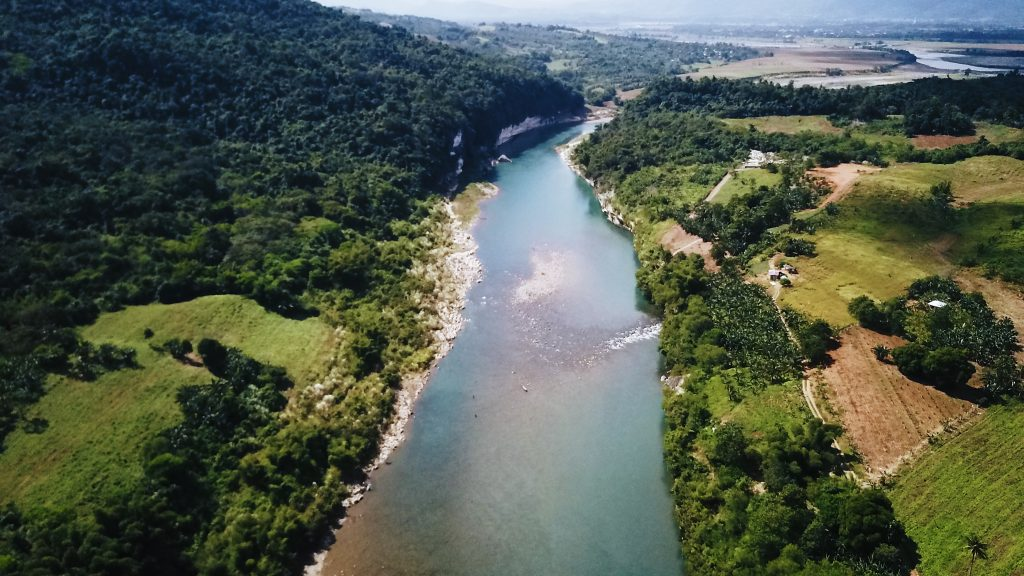
by 7641islands.ph
by Tourism Philippines
Sample 4‑Day Zamboanga Peninsula Itinerary
Day 1 – Zamboanga City
- Fort Pilar Shrine
- Paseo del Mar
- Yakan Weaving Village
- Sunset at RT Lim Boulevard
- Dinner with Tausug cuisine
Day 2 – Great Santa Cruz Island
- Pink‑sand beach tour
- Mangrove boat ride
- Lagoon exploration
- Beach picnic
Day 3 – Dapitan & Dipolog
- Rizal Shrine
- Dakak Beach
- Dapitan River Cruise
- Dipolog Sunset Boulevard
Day 4 – Pagadian City
- Pagadian Rotonda
- Dao Dao Islands
- Panguil Bay Bridge sightseeing
- Local seafood dinner
by San
Best Time to Visit Zamboanga Peninsula
- Dry season (December–May) — best for beaches and island tours
- Festival season:
- Zamboanga Hermosa Festival (October)
- Avoid: July–September (heavy rains)
How to Get to Zamboanga Peninsula
By Air
- Manila → Zamboanga City
- Cebu → Zamboanga City
- Manila → Dipolog
- Manila → Pagadian
By Sea
- Ferries from Cebu → Dapitan
- Ferries from Dumaguete → Dapitan
By Land
- Buses connect Zamboanga ↔ Pagadian ↔ Dipolog
Where to Stay in Zamboanga Peninsula
Zamboanga City
- City hotels
- Boutique inns
- Beachfront resorts
Dipolog & Dapitan
- Heritage hotels
- Beach resorts
- Budget inns
Pagadian
- Bayfront hotels
- Business inns
Travel Costs (Estimated)
- Meals: ₱120–₱350
- Hotels: ₱1,000–₱4,000/night
- Santa Cruz Island tour: ₱1,000–₱1,500
- Dapitan heritage tour: ₱500–₱1,000
- Transportation: ₱200–₱800/day
What to Eat in Zamboanga Peninsula
- Curacha with Alavar sauce
- Satti
- Knickerbocker dessert
- Tausug tiyula itum
- Seafood specialties
Travel Tips for Zamboanga Peninsula
- Book Santa Cruz Island tours early — limited daily slots
- Respect cultural sites and local customs
- Bring cash for island and rural destinations
- Try Tausug and Chavacano dishes
- Expect warm weather — bring sun protection
Related Guides
Other Related Guides
- Top 100 Best Destinations in the Philippines
- Metro Manila & the NCR
- Luzon Island Group
- Visayas Island Group
- Mindanao Island Group
Final Thoughts
Zamboanga Peninsula is one of the Philippines’ most culturally rich and visually unique regions. From pink‑sand beaches to heritage cities and emerging eco‑tourism sites, it offers experiences you won’t find anywhere else in the country. Whether you’re exploring Zamboanga’s vibrant culture or relaxing on Dapitan’s beaches, the region delivers unforgettable adventures.
by Mary Grace