Mangoes: A Philippine Fruit Guide – Varieties, Regions, Seasonality & Culinary Uses
Explore the ultimate Philippine mango guide featuring Carabao mango origins, regional growing areas, flavor profiles, seasonality, nutrition, culinary uses, and travel insights. Includes photos, H1–H4 format, and helpful related guides.
by pinterest.com
Mangoes – A Philippine Fruit Guide
The Philippine mango, especially the iconic Carabao mango, is celebrated worldwide for its sweetness, fiberless flesh, and cultural significance. Known locally as mangga, it is a staple fruit in Filipino cuisine, agriculture, and tourism. The Philippines grows multiple mango varieties, but the Carabao mango remains the most prized—recognized for its 19–24° Brix sweetness, thin skin, and deep golden flesh.
What Makes Philippine Mangoes Special
Philippine mangoes stand out for their exceptional sweetness, vibrant aroma, and smooth, fiberless texture. The Carabao mango dominates national production, accounting for 83% of mango output, supporting millions of farmers across Luzon, Visayas, and Mindanao.
Key Characteristics
- Ultra‑sweet flavor (19–25° Brix)
- Golden-yellow skin when ripe
- Soft, buttery flesh with minimal fiber
- High flesh-to-seed ratio
- Strong tropical aroma
Popular Mango Uses
- Fresh ripe mango slices
- Green mango with bagoong
- Mango float & mango graham cake
- Dried mangoes (Cebu’s famous export)
- Mango shakes, smoothies, and juices
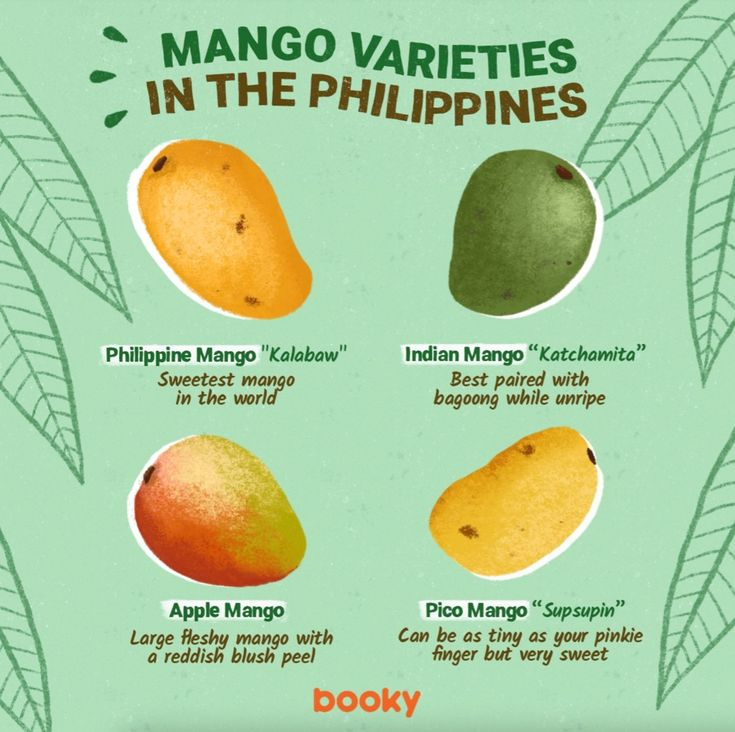
Mango Varieties in the Philippines
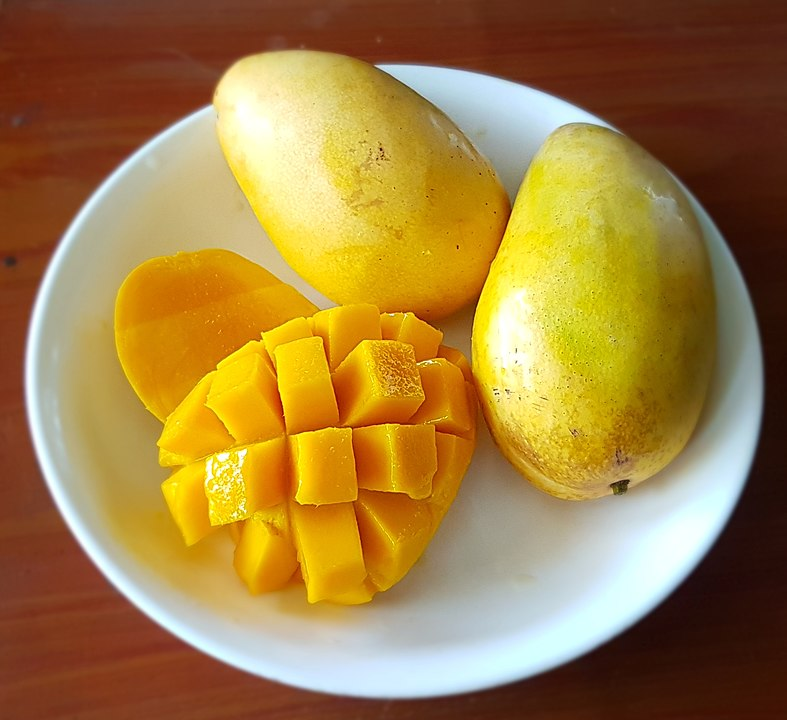
Carabao Mango (Manila Super Mango)
The Philippines’ flagship mango variety—sweet, aromatic, and globally exported. Grown widely in Zambales, Guimaras, Cebu, and Pangasinan.
by antioxidant-fruits.com
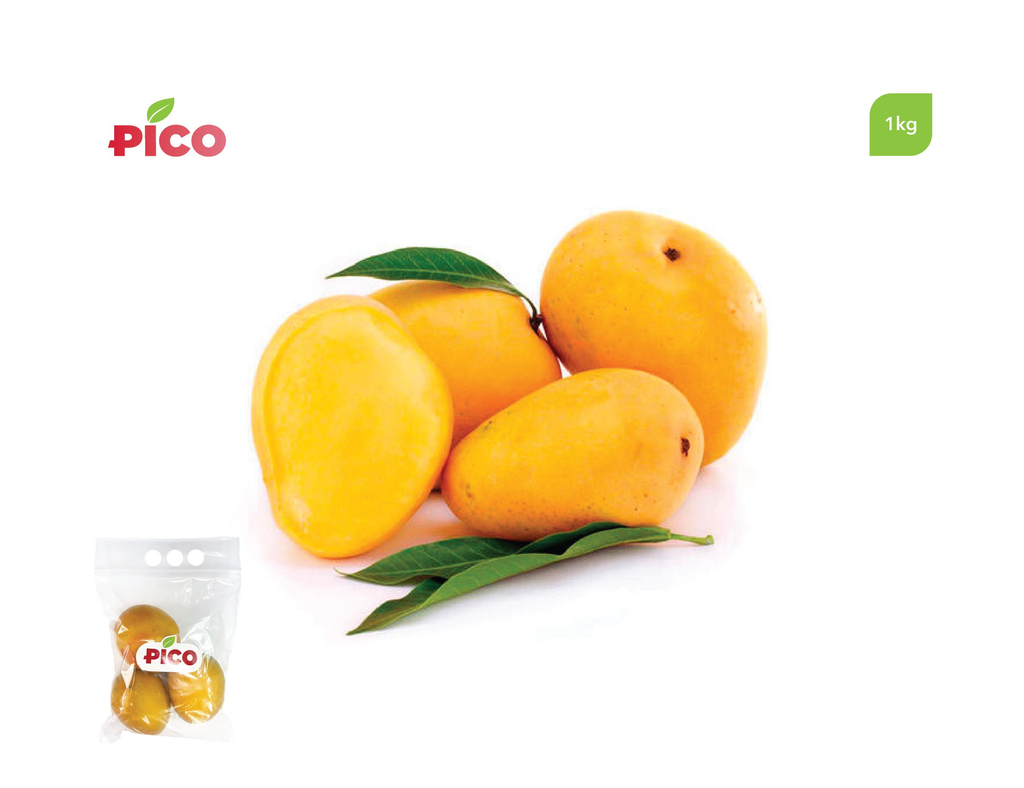
Pico Mango
A household favorite with mild sweetness and firmer flesh—ideal for salads and preserves.
by talabat.com
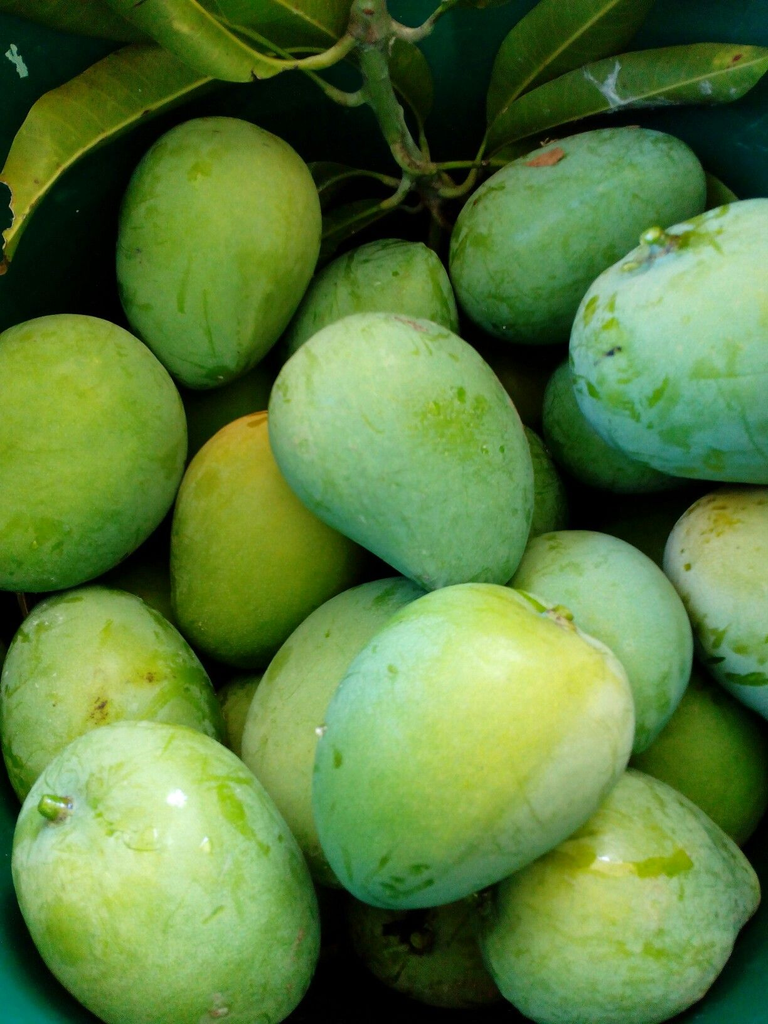
Indian/Katchamita Mango (Green Mango)
Crunchy, sour, and perfect for bagoong, pickles, and salads.
by id.pinterest.com
Apple Mango
Sweet, tangy tropical fruit with an oblong shape and buttery, apple-like flesh.
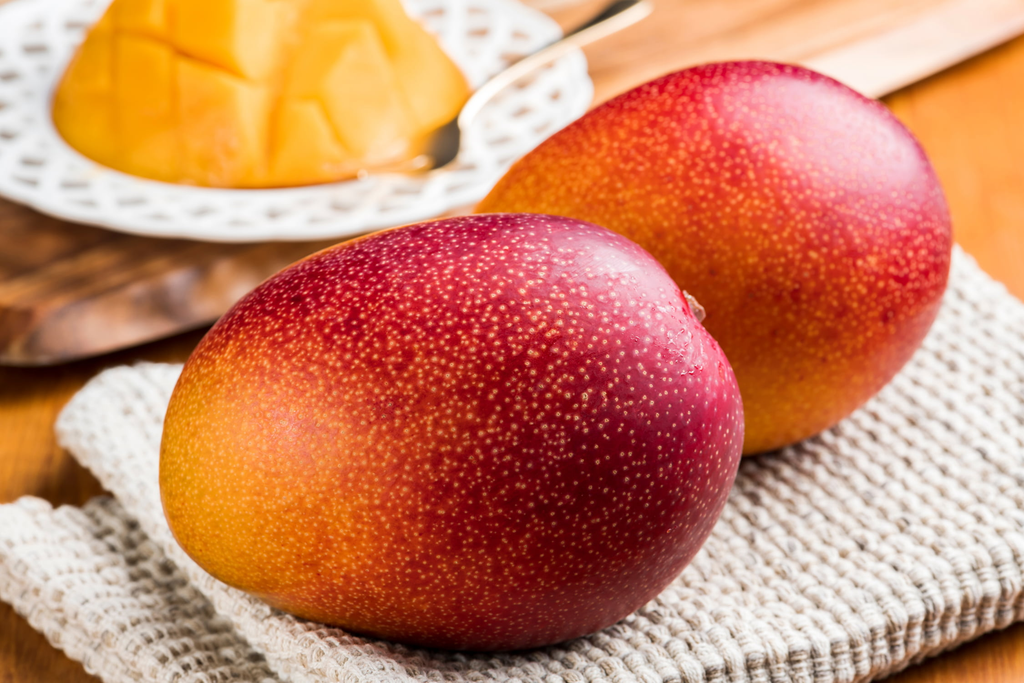
by storage.googlraps.com
Where Philippine Mangoes Are Grown
Guimaras – Mango Capital of the Philippines
Known for producing some of the world’s sweetest mangoes, protected by strict quarantine laws. Home to the annual Manggahan Festival.
Zambales
A major supplier to Manila and Japan, producing export-grade Carabao mangoes.
H3: Pangasinan & Ilocos Region
Large-scale farms known for green mangoes and commercial production.
Mango Seasonality in the Philippines
Peak Mango Season
- March to July (peak April–May)
- Secondary harvest: December to February
Why Season Matters
Seasonal mangoes are sweeter, more aromatic, and cheaper—ideal for fresh eating and culinary use.
Mango Nutrition & Health Benefits
Nutritional Profile (per 100g)
- Calories: 60–70
- Vitamin C: 36 mg
- Fiber: 1.6 g
- Potassium: 168 mg
Health Benefits
- Boosts immunity
- Supports digestion
- High antioxidants
- Good for skin health
Mangoes in Filipino Cuisine
Fresh Mango Dishes
- Mango float
- Mango sago
- Fresh ripe mango with cream
Savory Mango Dishes
- Green mango with bagoong
- Mango salad
- Mango salsa with grilled seafood
Mango Desserts
- Mango cheesecake
- Mango sorbetes
- Cebu dried mangoes
How to Choose & Store Mangoes
Choosing Mangoes
- Look for bright yellow skin
- Slight softness when pressed
- Strong sweet aroma
- Avoid bruises or dark spots
Storing Mangoes
- Unripe: room temperature
- Ripe: refrigerate 3–5 days
- Cut mango: airtight container
Mango Tourism in the Philippines
Mango Festivals
- Guimaras Manggahan Festival
- Zambales Mango Festival
Mango Farm Tours
Experience mango picking, tasting, and local delicacies.
Related Philippine Fruit Guides
- Philippine Pineapple Guide
- Philippine Banana Guide
- Philippine Papaya Guide
- Philippine Coconut Guide
- Philippine Calamansi Guide
- Philippine Guava Guide
Explore More Philippine Fruits & Travel
The Philippine mango is more than a fruit—it’s a cultural icon, a culinary treasure, and a symbol of tropical abundance. Whether you’re tasting ripe Carabao mangoes, exploring mango farms, or discovering regional varieties, the Philippines offers a mango experience like no other.