Explore the ultimate Filipino Food Guide featuring iconic dishes, regional specialties, street food favorites, culinary destinations, and must‑try meals across the Philippines. Learn about pork, chicken, seafood, vegetable dishes, food festivals, and where to find the most authentic flavors.
Foods in the Philippines: A Complete Travel & Culinary Guide
The Philippines is one of Asia’s most diverse culinary destinations. Its food culture blends indigenous traditions with Spanish, Chinese, Malay, and American influences, resulting in dishes that are bold, comforting, and deeply regional. For travelers, Filipino cuisine is not just about eating—it is a gateway to understanding local identity, history, and community. This comprehensive guide explores the country’s most iconic dishes, regional food destinations, street food culture, ingredient‑based categories, and practical tips for culinary travel.
Related Guides
Local Food & Dining Tips Guide
1. Introduction to Filipino Cuisine
Filipino food is defined by bold flavors, slow cooking techniques, and regional diversity. While dishes like adobo and sinigang are known worldwide, the country’s culinary landscape is far more extensive. Each province has its own specialties, cooking methods, and flavor profiles. Travelers exploring the Philippines will quickly discover that food is central to Filipino hospitality—every visit, celebration, or gathering revolves around shared meals.
Key characteristics of Filipino cuisine include:
- Sourness from vinegar, calamansi, tamarind, and fruits
- Saltiness from soy sauce, fish sauce, and fermented seafood
- Sweetness from sugar, coconut milk, and banana ketchup
- Richness from slow‑cooked meats and coconut‑based stews
Filipino food is approachable, hearty, and perfect for travelers seeking authentic cultural immersion.
2. Essential Filipino Dishes Every Traveler Should Try
Below are the foundational dishes that define Filipino cuisine. Each one is a cultural symbol and a must‑try for visitors.
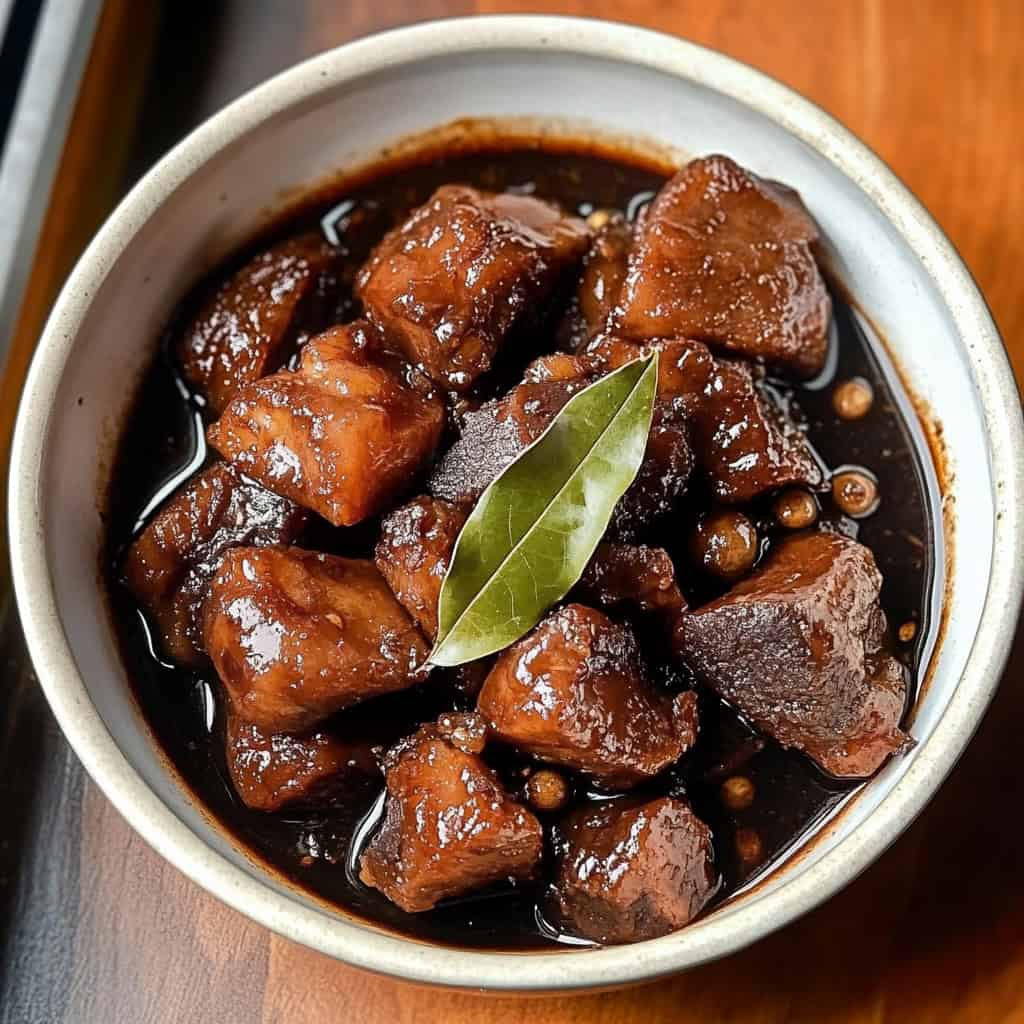
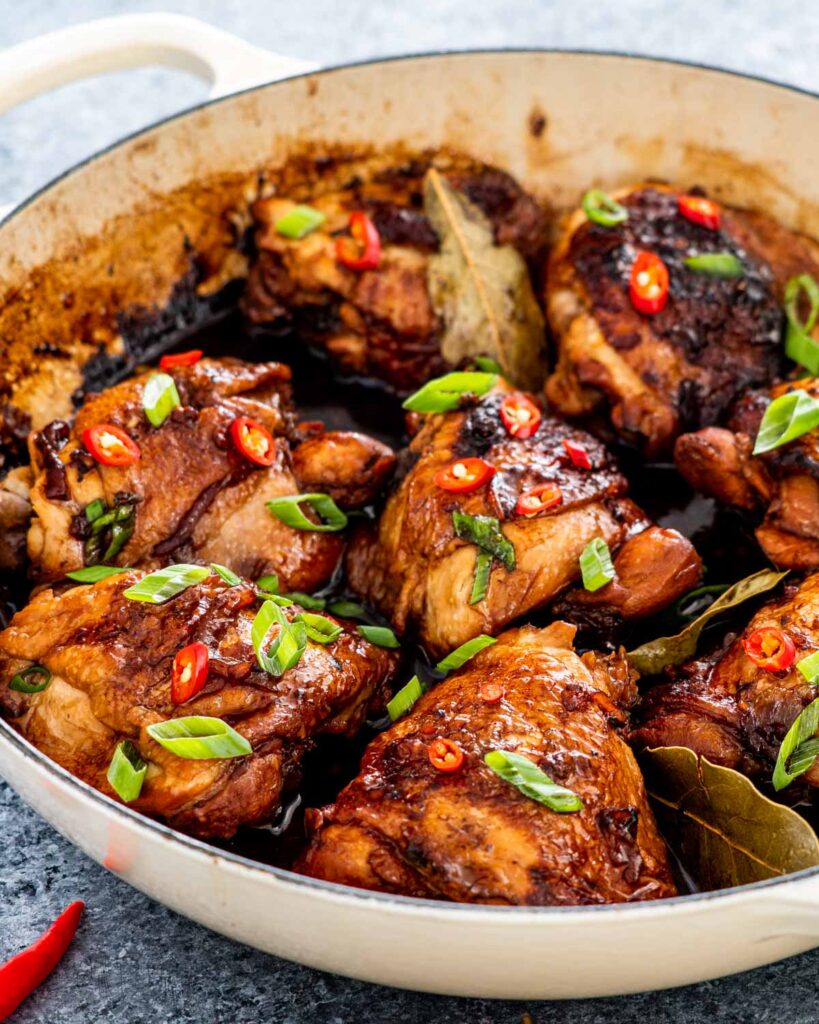
Adobo
The unofficial national dish, adobo is made by braising meat in vinegar, soy sauce, garlic, and peppercorns. Variations include pork adobo, chicken adobo, adobong pusit, and adobong kangkong. Its tangy‑savory flavor profile makes it universally loved.
Sinigang
A sour soup made with tamarind, guava, calamansi, or green mango. Popular versions include sinigang na baboy, sinigang na hipon, and sinigang na salmon. Its refreshing acidity makes it ideal for tropical weather.
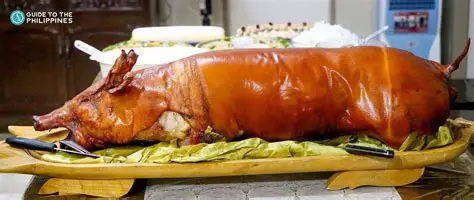
Lechon
A whole roasted pig with crispy skin and tender meat. Cebu lechon is the most famous, known for its seasoning and crackling skin. Learn more: Cebu Lechon
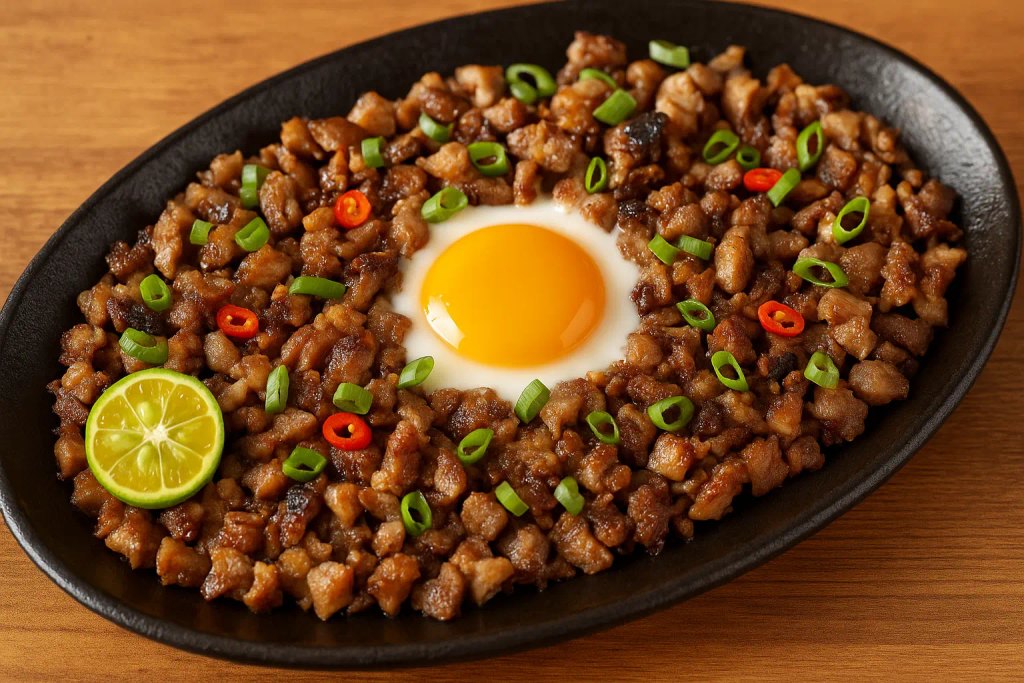
Sisig
A sizzling dish made from chopped pork face, onions, and calamansi. Originating from Pampanga, sisig is a favorite pulutan and a culinary icon. Learn more: Pampanga Sisig
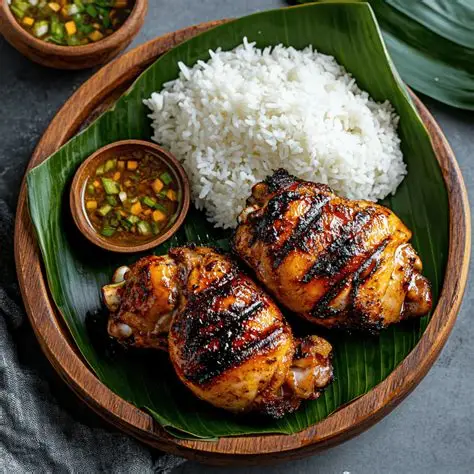
Chicken Inasal
A smoky, tangy grilled chicken marinated in calamansi, vinegar, garlic, and annatto. Best experienced in Bacolod’s Manokan Country. Learn more: Bacolod Inasal
La Paz Batchoy
A rich noodle soup with pork offal, egg, and chicharon, originating from Iloilo. Learn more: Iloilo Batchoy
Kare‑Kare
A peanut‑based stew served with oxtail, tripe, vegetables, and bagoong. It is a staple in fiestas and celebrations.
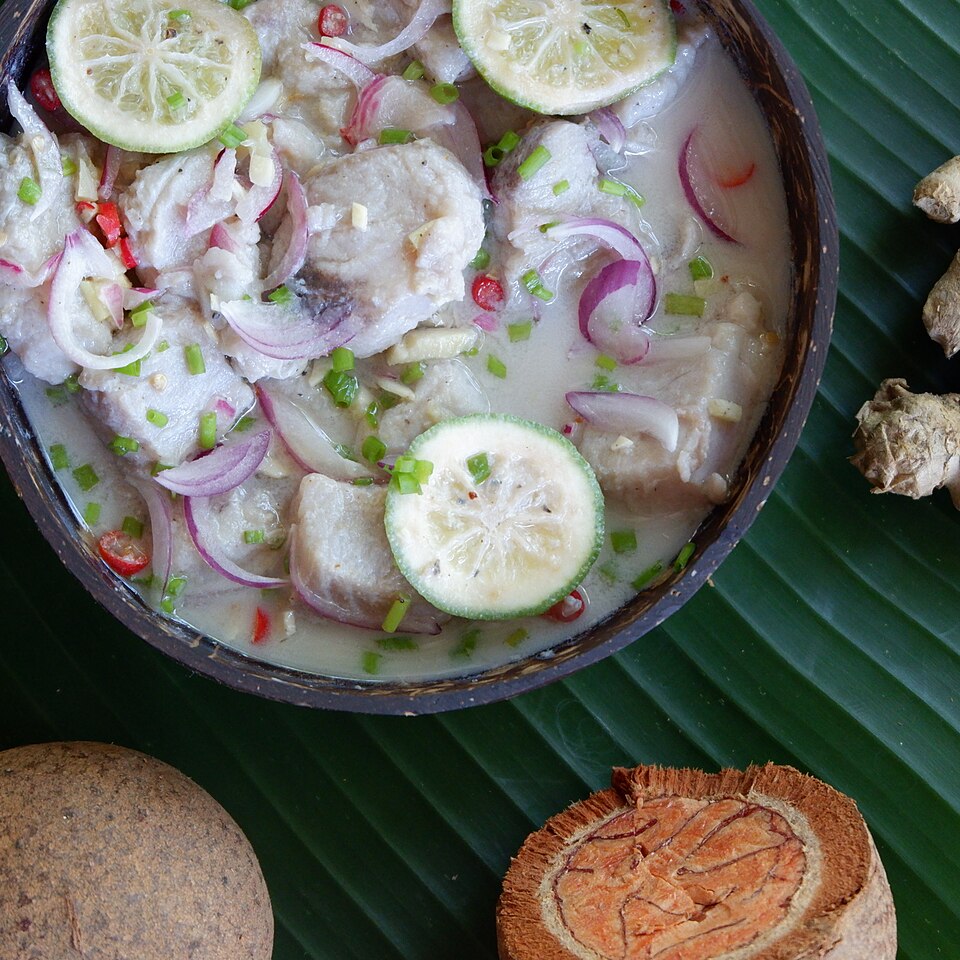
Kinilaw
A Filipino ceviche made with fresh fish, vinegar, ginger, onions, and chili. Davao and General Santos are known for tuna kinilaw. Learn more: Davao Tuna & Kinilaw
3. Ingredient‑Based Filipino Food Categories
Pictures by: fityclub; bbqgrillfit.com; kusinasecrects.com; philippineadobe.com; yummykitchentv.com; and gagooking.com
Pork Dishes in the Philippines
Pork is central to Filipino cuisine, appearing in countless dishes:
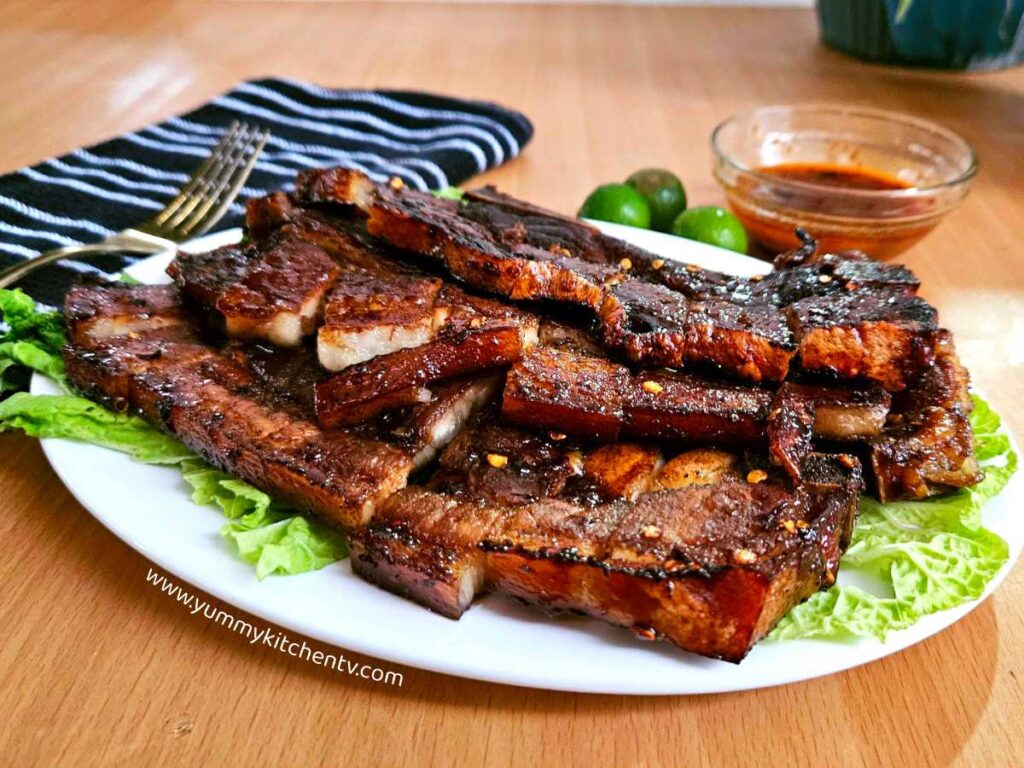
- Lechon – roasted whole pig
- Sisig – sizzling chopped pork
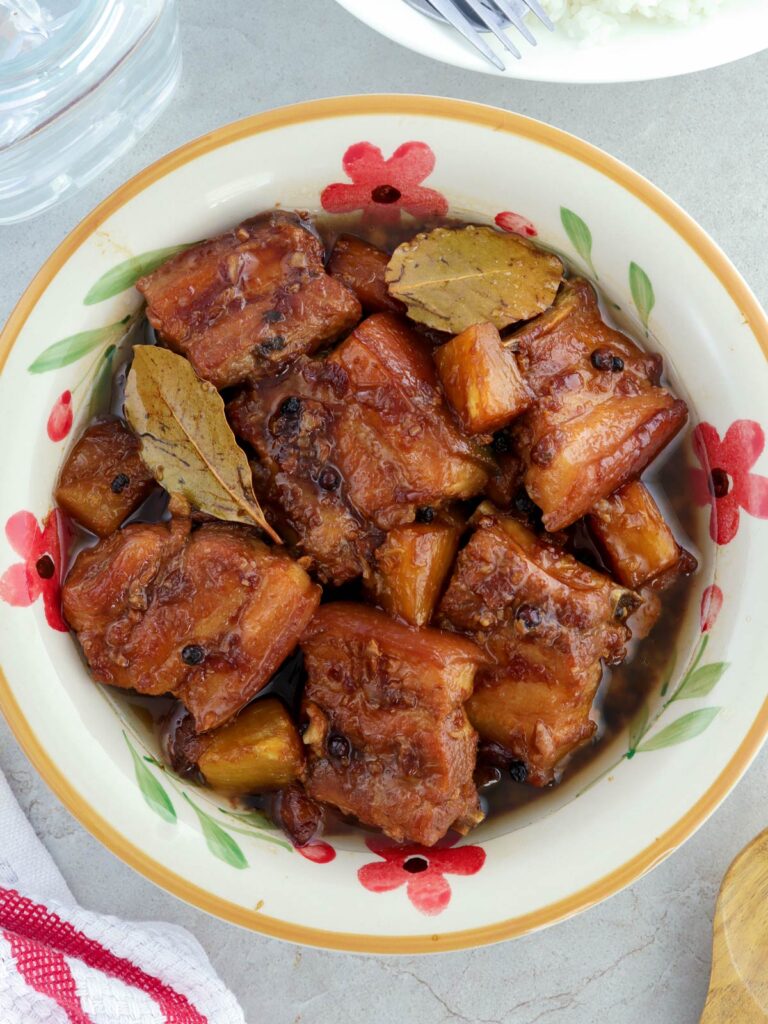
- Adobong Baboy – vinegar‑soy braised pork
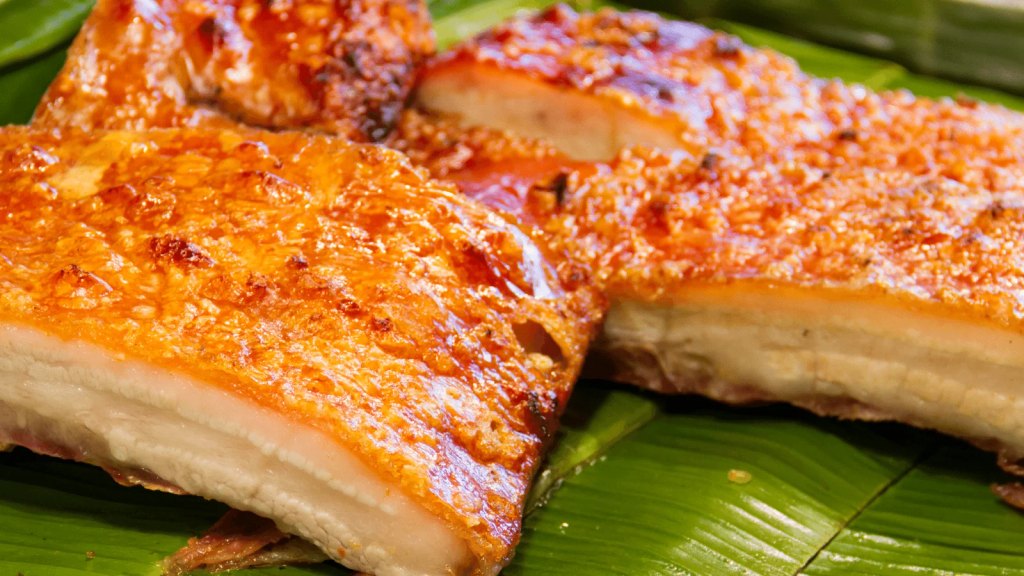
- Bagnet – Ilocano crispy pork belly
- Liempo – grilled pork belly
- Hamonado – sweet pineapple pork stew
Regional highlight: Ilocos Bagnet & Pinakbet Learn more: Ilocos Cuisine
Pictures by: kusinasecrects.com; ph.pinterest.com; jocooks.com; and storagegoogleaspis.com
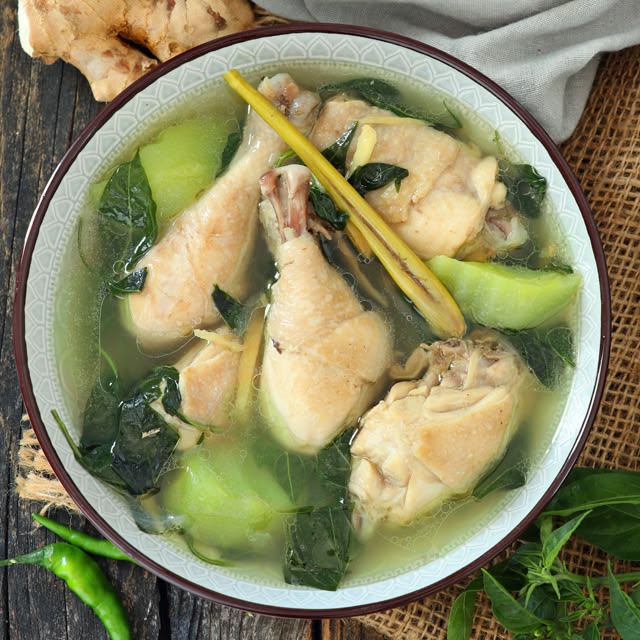
Chicken Dishes in the Philippines
Chicken is widely used in everyday meals and celebrations:
- Chicken Inasal – Bacolod’s grilled specialty
- Tinola – ginger‑based chicken soup
- Chicken Adobo – classic Filipino comfort food
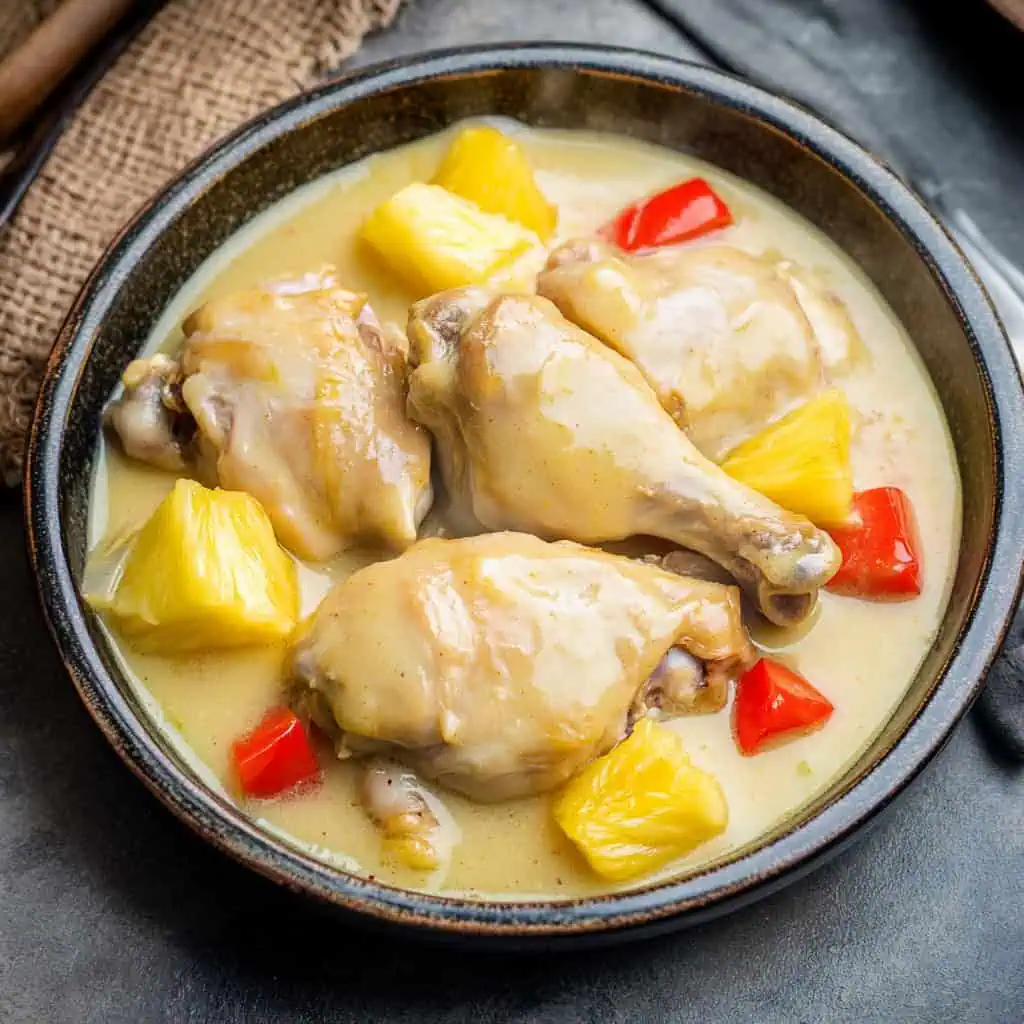
- Pininyahang Manok – chicken cooked with pineapple
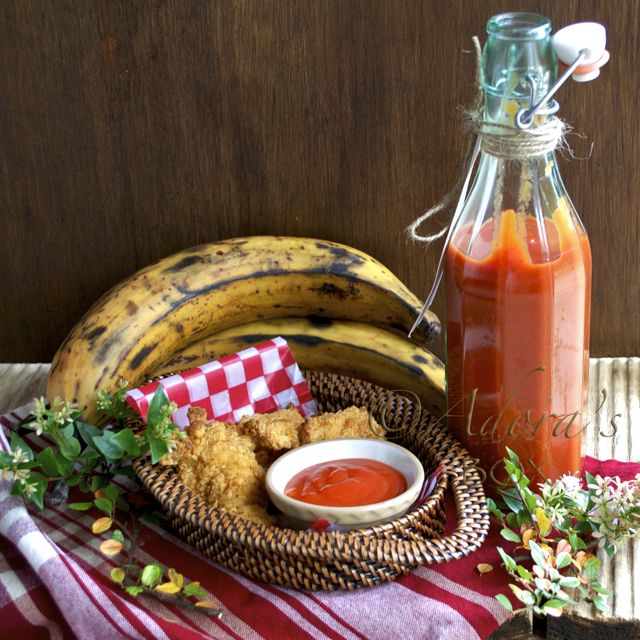
- Fried Chicken with Banana Ketchup – a Filipino twist on a global favorite
Pictures by: Lokapedia.com; panlasangpinoy.com; pinoyfamilyrecioes.com; and kawalingpinoy.com
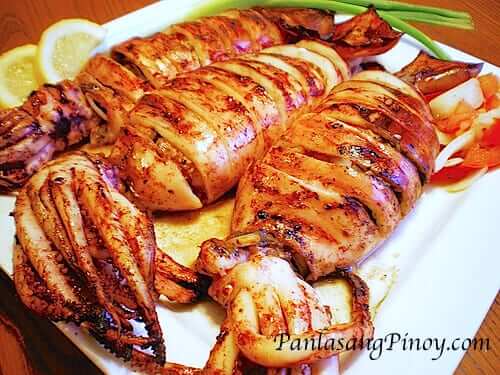
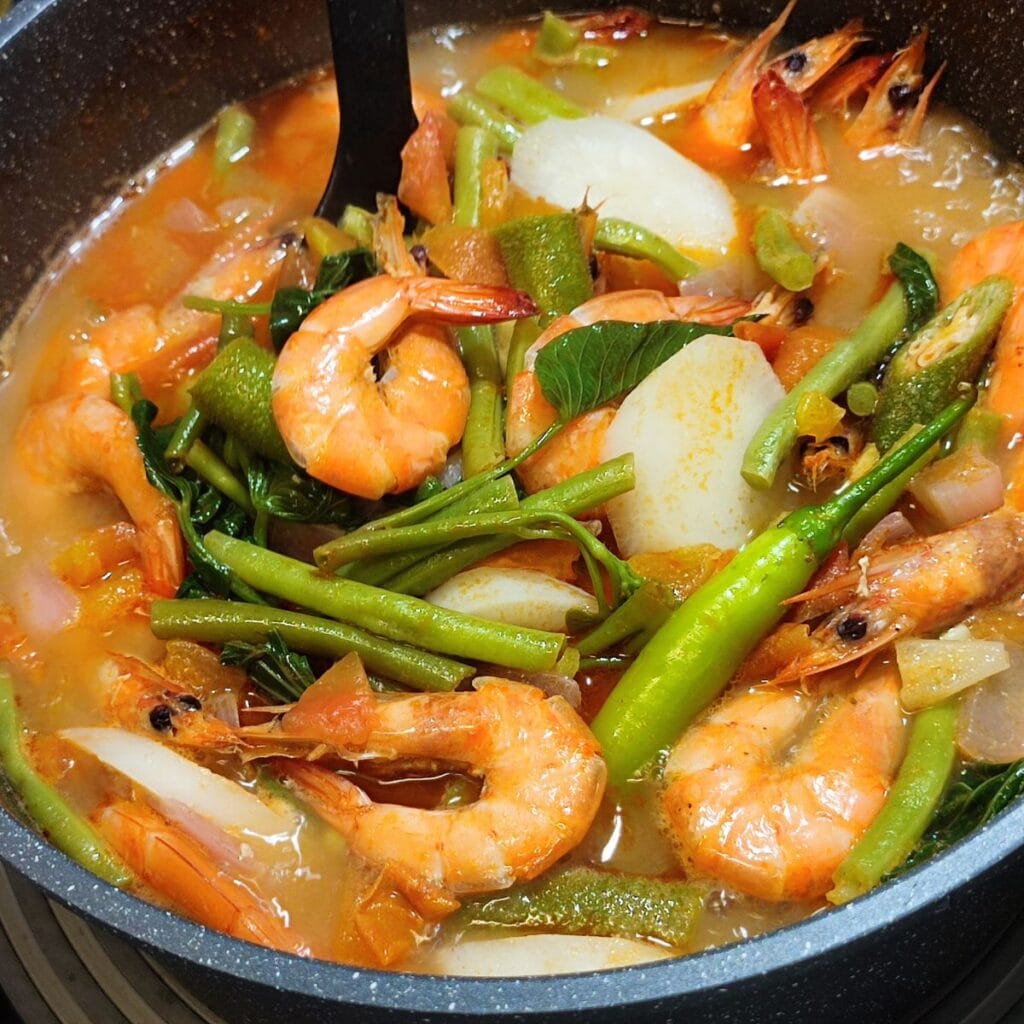
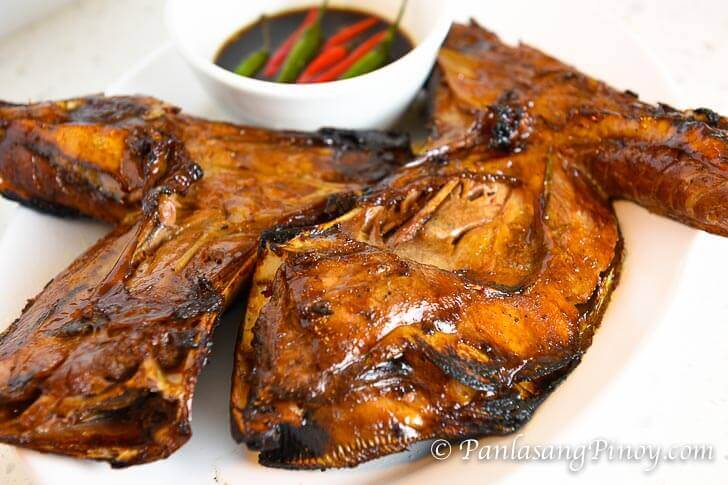
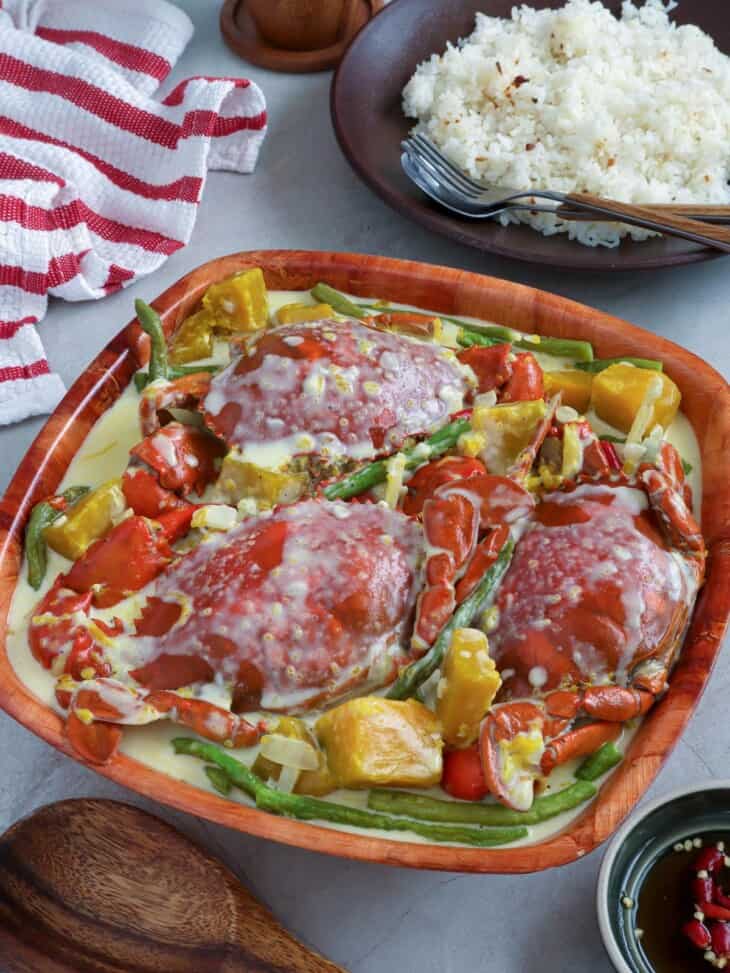
Fish & Seafood Dishes in the Philippines
With over 7,641 islands, seafood is abundant:
- Kinilaw – Filipino ceviche
- Inihaw na Pusit – grilled squid
- Sinigang na Hipon – sour shrimp soup
- Tuna Panga – grilled tuna jaw
- Ginataang Alimasag – crab in coconut milk
Regional highlight: General Santos Tuna Capital Learn more: General Santos Tuna
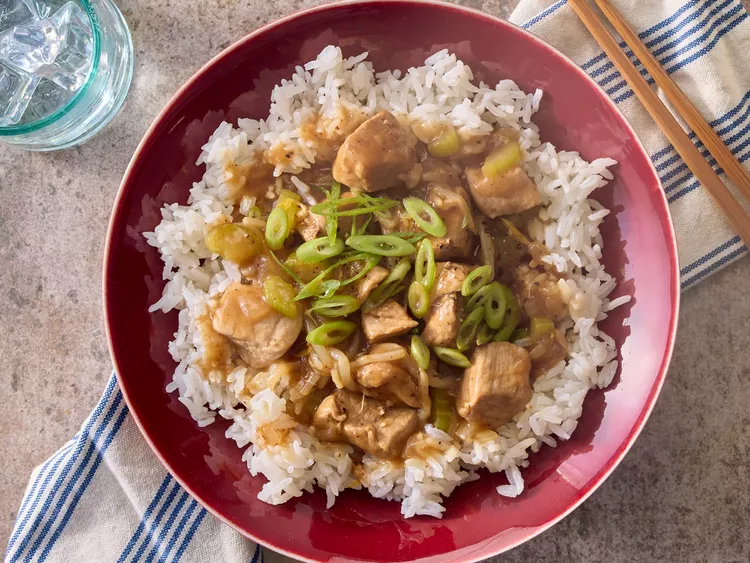
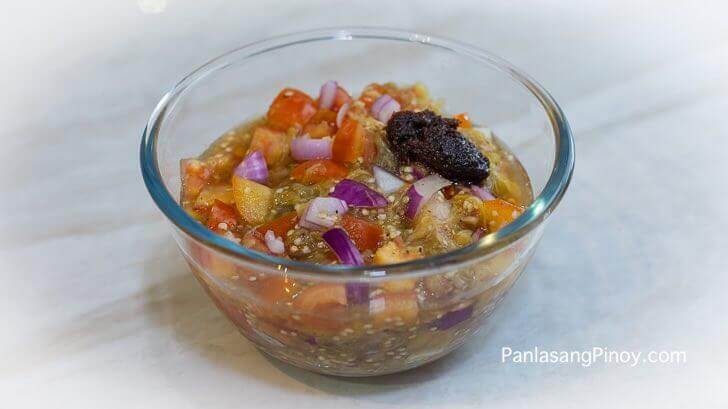
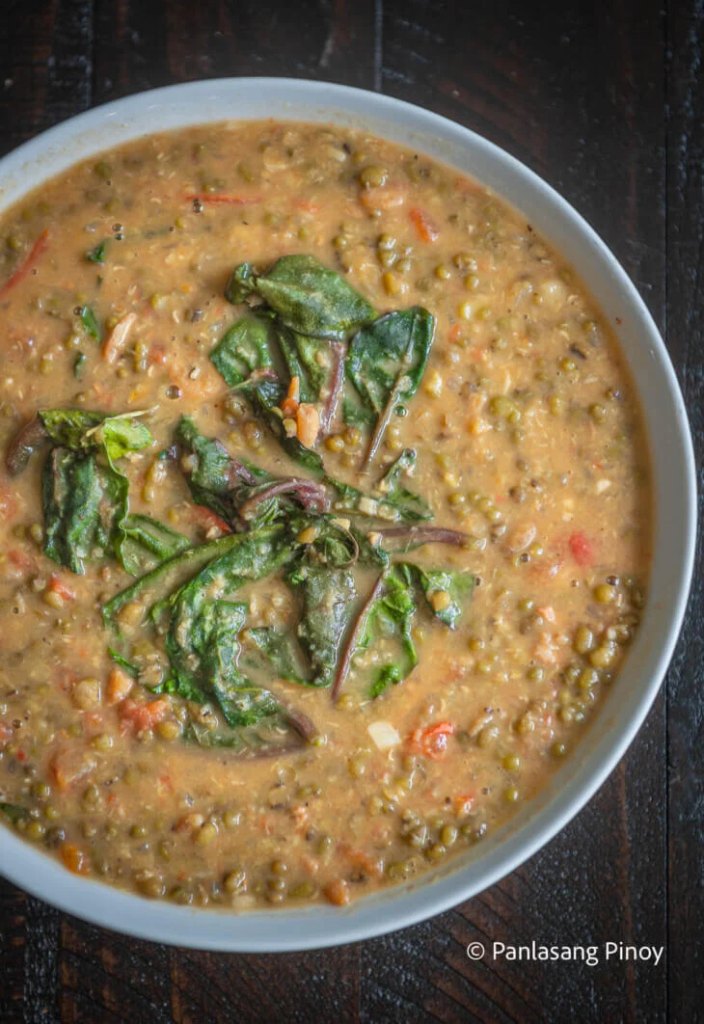
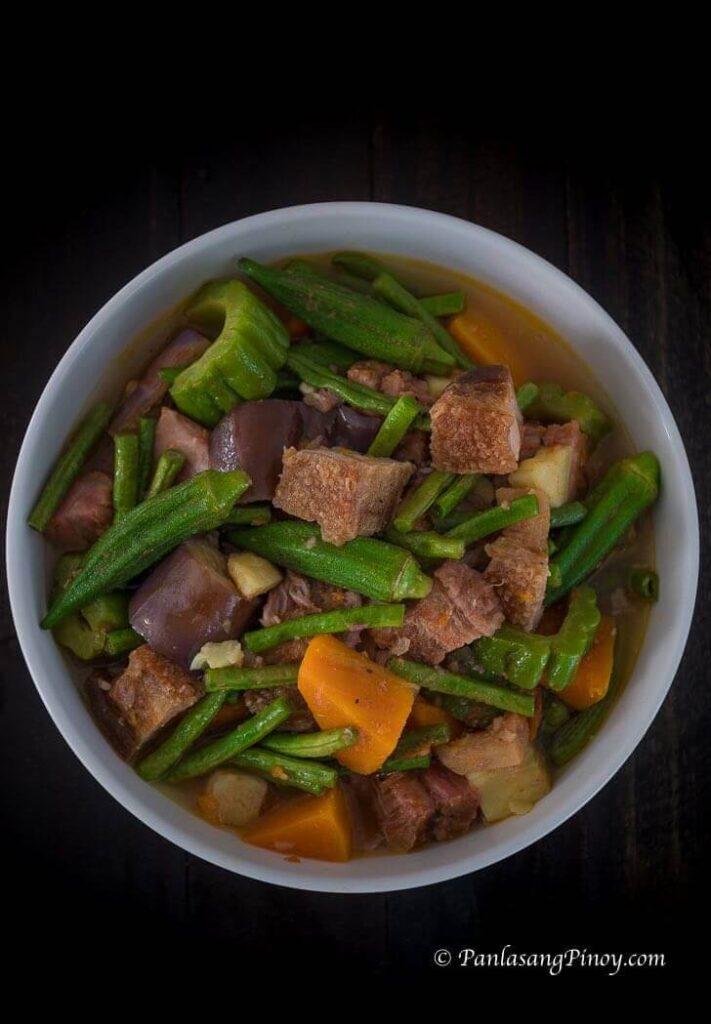
Pictures by: panlasangpionoy.com and allrecipes.com
Vegetable Dishes in the Philippines
Vegetable dishes often use coconut milk, fermented shrimp paste, or local greens:
- Pinakbet – mixed vegetables with bagoong
- Laing – taro leaves cooked in coconut milk
- Ginisang Munggo – mung bean stew
- Ensaladang Talong – grilled eggplant salad
- Chopsuey – Filipino‑Chinese vegetable stir‑fry
Regional highlight: Bicol Laing & Coconut Dishes Learn more: Bicol Cuisine
4. Regional Food Destinations in the Philippines
Food tourism is one of the strongest travel motivators in the Philippines. Each region offers unique flavors shaped by geography, culture, and history.
Cebu – Lechon Capital of the Philippines
Cebu’s lechon is internationally recognized for its crispy skin and flavorful meat. Travelers visit Carcar, Talisay, and Cebu City for authentic lechon experiences.
Bacolod – City of Chicken Inasal
Bacolod’s Manokan Country is a must‑visit for grilled chicken lovers. The city’s sweet‑savory flavor profile extends to desserts like piaya and napoleones.
Pampanga – Culinary Capital of the Philippines
Pampanga is home to sisig, tocino, and a wide range of heritage dishes. Kapampangan cuisine is known for its richness and creativity.
Iloilo – Home of Batchoy & Pancit Molo
Iloilo offers comforting noodle dishes and a vibrant food scene centered around markets and heritage restaurants.
Davao – Seafood & Durian Hub
Davao’s coastal access makes it ideal for tuna dishes, kinilaw, and seafood platters. The city is also famous for durian and cacao.
Ilocos – Bagnet, Empanada & Pinakbet
Ilocos cuisine is defined by crispy pork, vegetable stews, and street snacks like Vigan empanada.
Pictures by tasteatlas; kawayalingpinoy; ar.inspiredpencil; panlasangpinoy; and fityclub
5. Filipino Street Food Culture
Street food is an essential part of Filipino daily life. It is affordable, flavorful, and widely available in markets, sidewalks, and night food hubs.
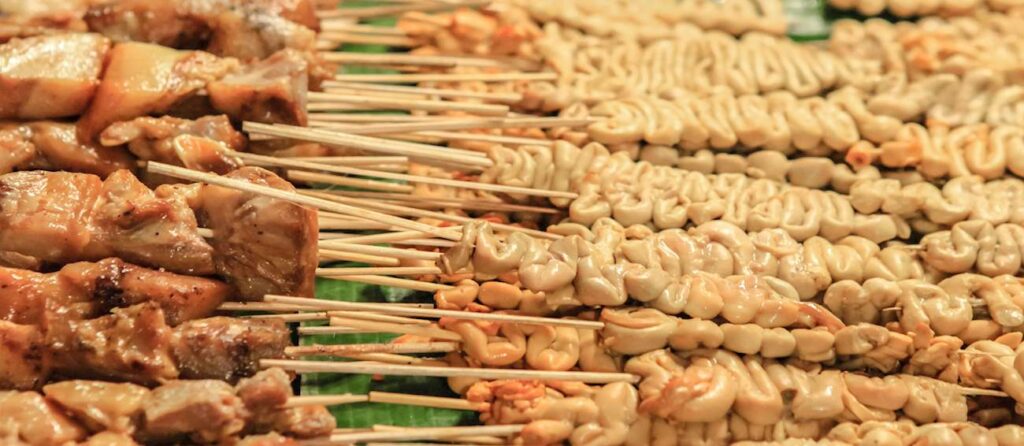
- Isaw – grilled chicken or pork intestines
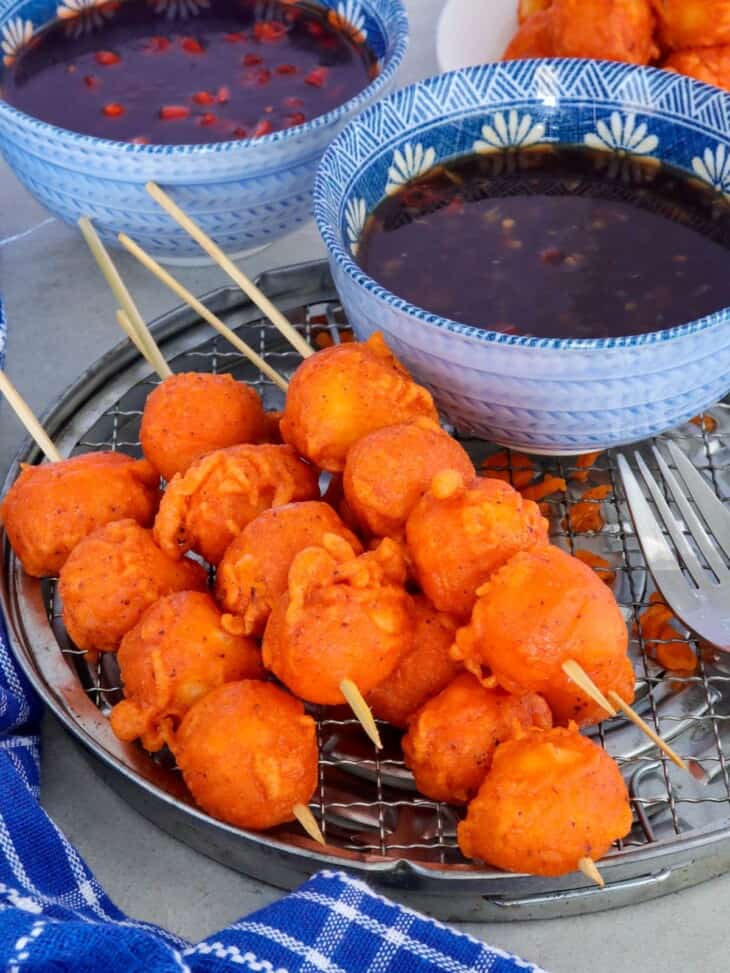
- Kwek‑Kwek – orange‑battered quail eggs
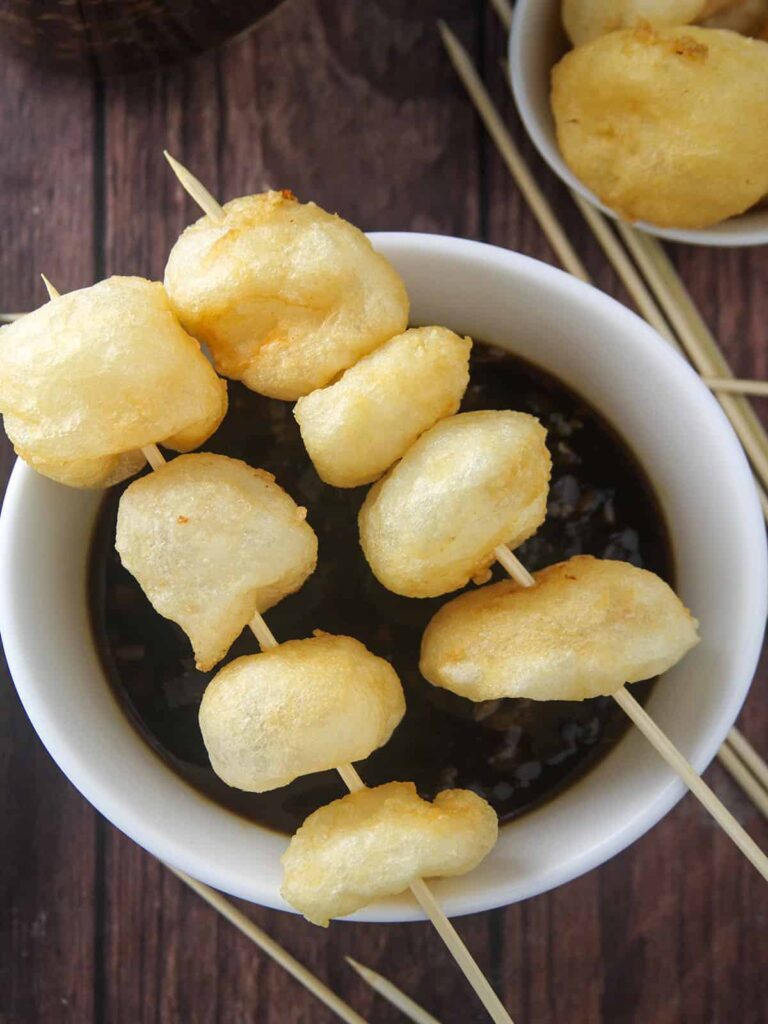
- Fishballs & Squidballs – skewered and dipped in sweet or spicy sauce
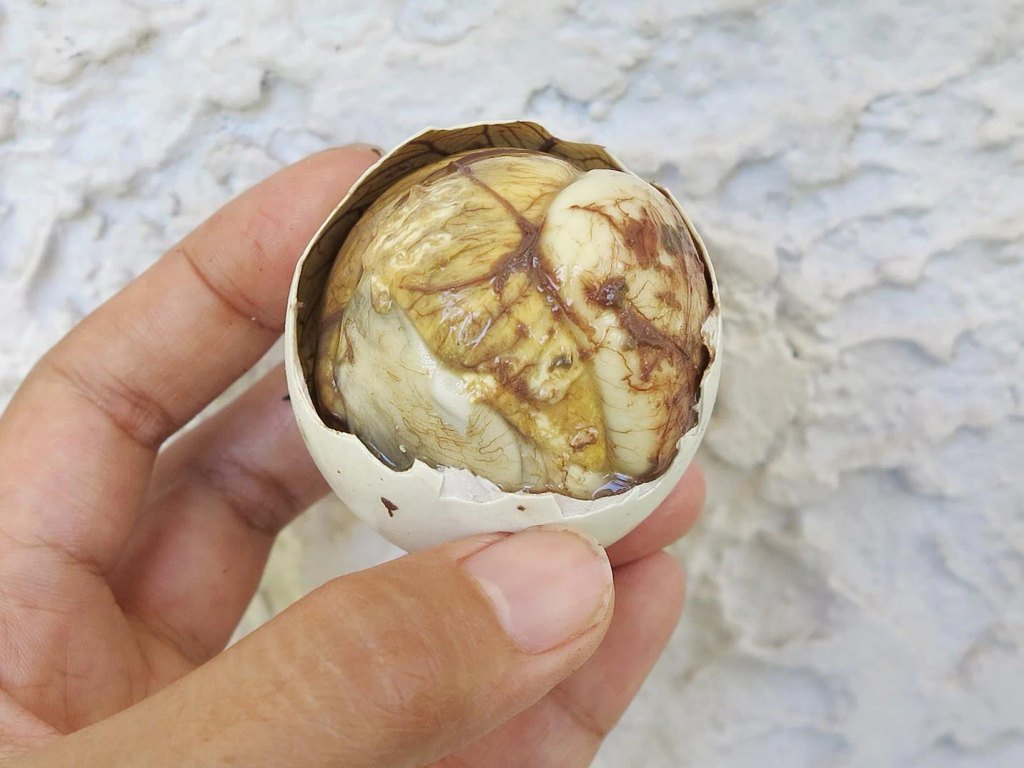
- Balut – fertilized duck egg
- Banana Cue – caramelized fried bananas
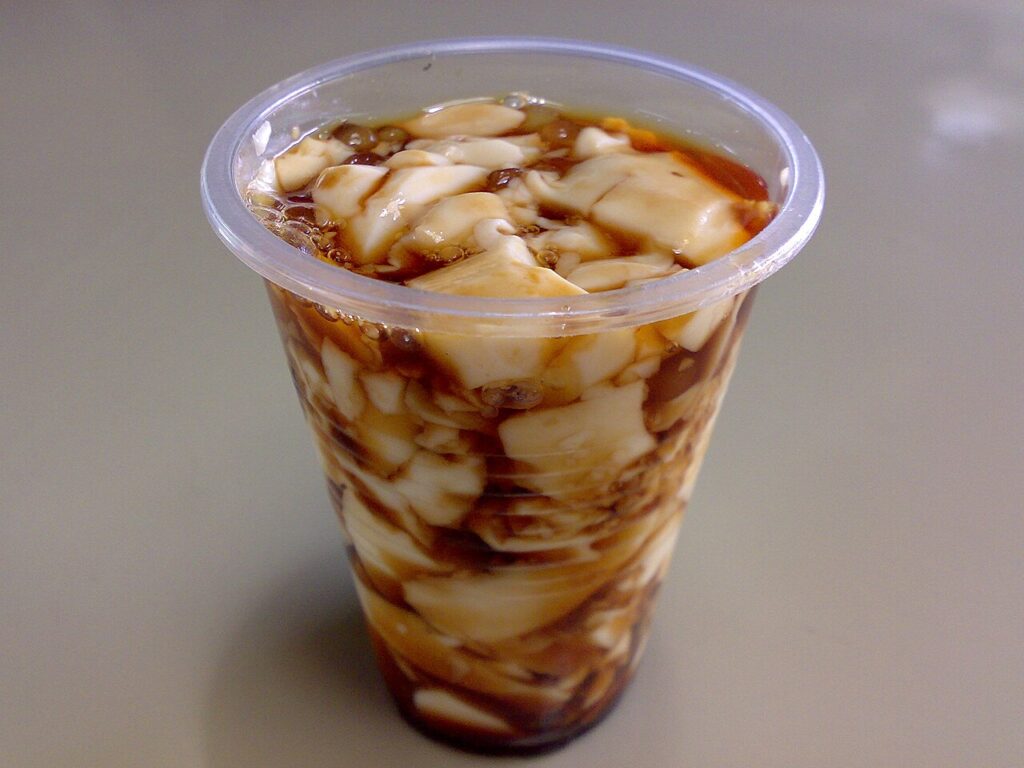
- Taho – soft tofu with syrup and sago pearls
Street food is best enjoyed in places like Manila’s Binondo, Cebu’s Larsian, Davao’s Roxas Night Market, and Baguio’s Harrison Road.
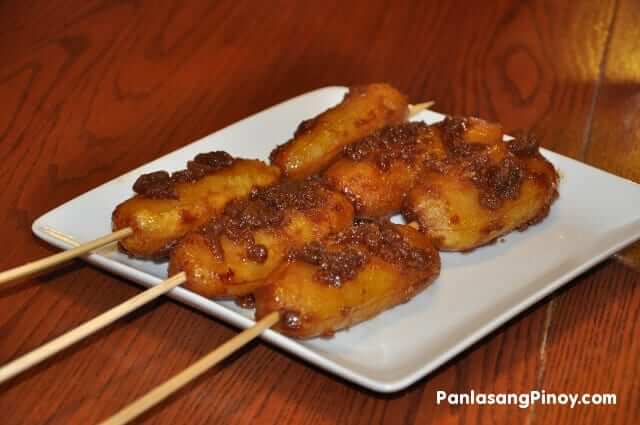
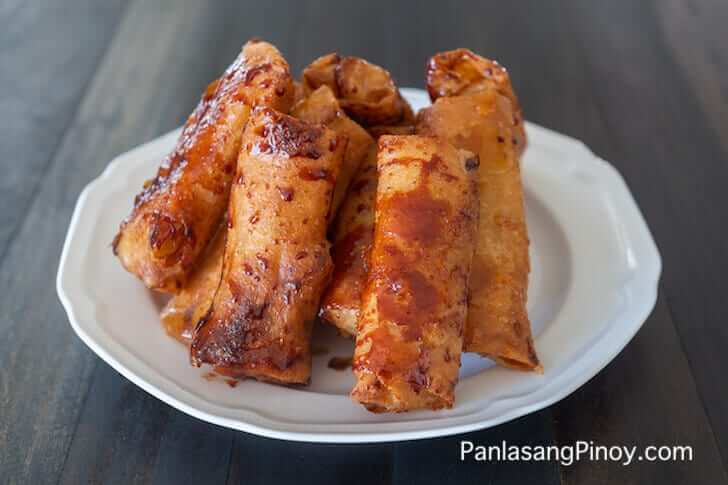
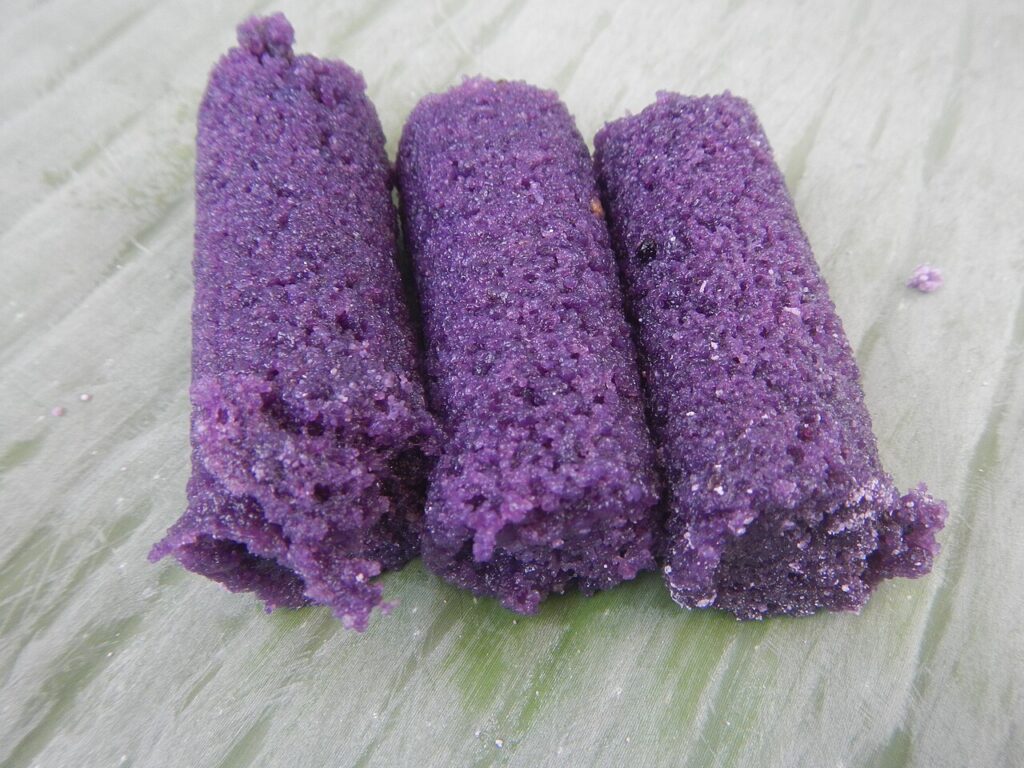

Pictures by: Kawalingpinoy; Panlasangpinoy; and Judgefloro;
6. Filipino Desserts & Sweets
Filipino desserts often use rice, coconut, and tropical fruits.
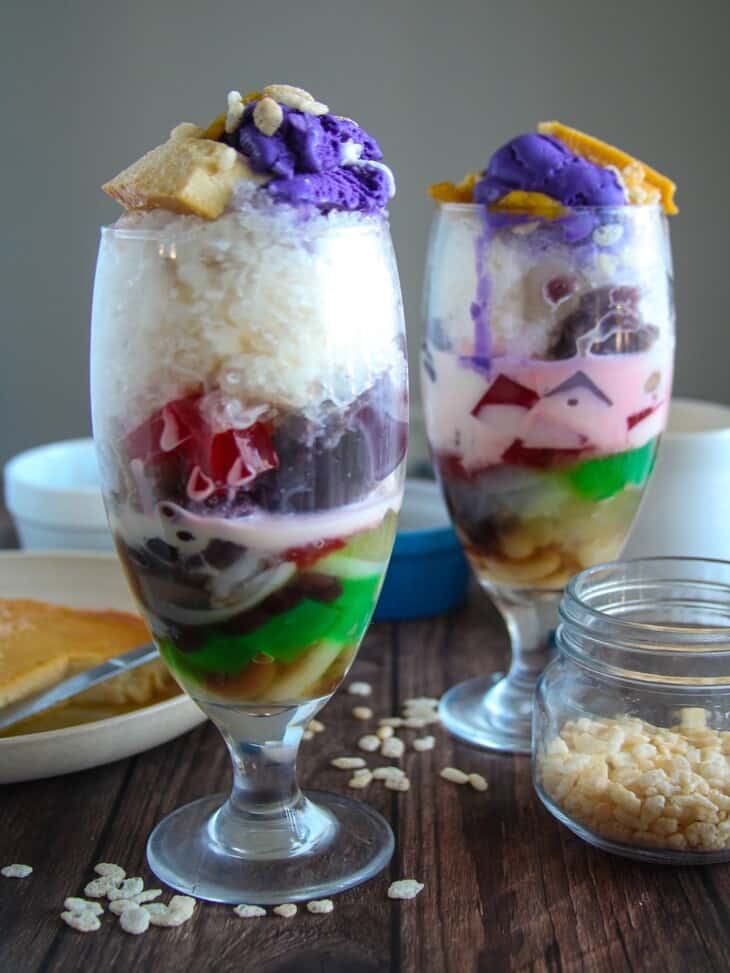
- Halo‑Halo – shaved ice dessert with fruits, beans, and leche flan
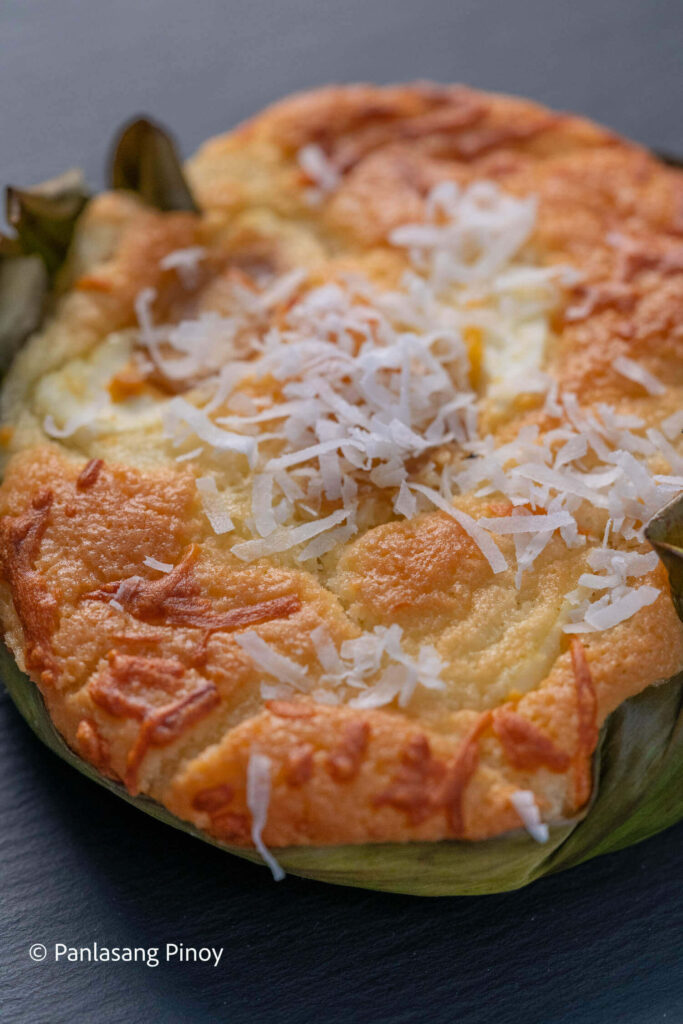
- Bibingka – rice cake baked in clay pots
- Puto Bumbong – purple rice cake steamed in bamboo
- Leche Flan – caramel custard
- Ube Halaya – purple yam dessert
- Turon – banana spring roll
These desserts are commonly found during holidays, fiestas, and street markets.
7. Food Festivals in the Philippines
Food festivals are excellent opportunities for travelers to experience regional specialties.
- Lechon Festival (Batangas & Cebu)
- Sisig Festival (Pampanga)
- Pahiyas Festival (Quezon) – agricultural food celebration
- Kadayawan Festival (Davao) – fruit and harvest festival
- MassKara Festival (Bacolod) – inasal and street food highlights
These festivals combine food, culture, and community celebrations.
8. Best Places to Eat Filipino Food
Travelers can enjoy Filipino cuisine in various settings:
Carinderias
Affordable home‑style eateries serving daily Filipino meals.
Palengkes (Public Markets)
Fresh seafood, grilled meats, soups, and local specialties.
Street Food Stalls
Quick snacks and grilled favorites.
Heritage Restaurants
Family‑owned establishments preserving traditional recipes.
Modern Filipino Restaurants
Contemporary takes on classic dishes, often found in Manila, Cebu, and Davao.
9. Culinary Travel Tips for the Philippines
- Explore regional dishes—each province has unique specialties.
- Visit markets early for fresh seafood and breakfast dishes.
- Try carinderias for authentic home‑cooked meals.
- Ask locals for recommendations—they know the best hidden spots.
- Be open to street food—it’s safe in reputable markets and night bazaars.
- Pair dishes with local drinks like calamansi juice, buko juice, or San Miguel beer.
Stay Updated
We regularly add new informational posts to help travelers discover more of the Philippines. Check back often for fresh guides, tips, and insights.