Learn about Philippine visa requirements, passport validity rules, visa-free entry eligibility, visa extensions, arrival procedures, and essential travel documents before visiting the Philippines.
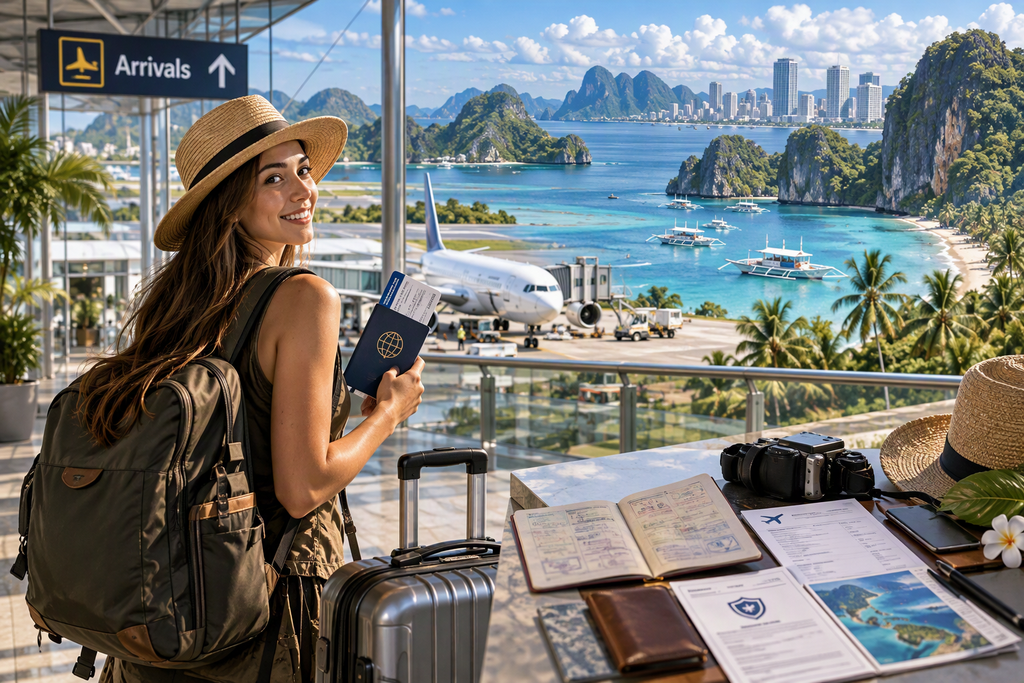
Before arriving in the Philippines, ensure your passport, travel documents, visa eligibility, return ticket, and entry requirements are in order for a smooth arrival experience.
Understanding Philippine visa and entry requirements before booking your trip can help prevent travel disruptions, denied boarding, and immigration issues upon arrival. While many nationalities can enter the Philippines without obtaining a visa in advance, requirements vary depending on citizenship, length of stay, and travel purpose.
Whether you’re planning a vacation, a long-term stay, retirement exploration, digital nomad travel, or an extended island-hopping adventure, this guide provides an overview of Philippine entry requirements, passport validity rules, visa eligibility, extensions, and arrival preparations.
Quick Entry Requirements Checklist
Before traveling to the Philippines, make sure you have:
✅ Passport valid for at least six months beyond your intended stay
✅ Return or onward ticket
✅ Accommodation information
✅ Sufficient funds for your visit
✅ Travel insurance (strongly recommended)
✅ Any required visa documentation
✅ Printed and digital copies of important travel documents
Do You Need a Visa for the Philippines?
Many travelers can enter the Philippines without obtaining a visa before departure.
Entry eligibility depends on:
- Nationality
- Purpose of travel
- Length of stay
- Current immigration regulations
Many countries qualify for visa-free entry for tourism and business visits, while others must apply for a visa before traveling.
Philippine Visa Eligibility Overview
| Traveler Type | Typical Entry Eligibility | Initial Stay |
|---|---|---|
| United States | Visa-Free Entry | Up to 30 Days |
| Canada | Visa-Free Entry | Up to 30 Days |
| United Kingdom | Visa-Free Entry | Up to 30 Days |
| Australia | Visa-Free Entry | Up to 30 Days |
| New Zealand | Visa-Free Entry | Up to 30 Days |
| Japan | Visa-Free Entry | Up to 30 Days |
| South Korea | Visa-Free Entry | Up to 30 Days |
| Singapore | Visa-Free Entry | Up to 30 Days |
| Germany | Visa-Free Entry | Up to 30 Days |
| France | Visa-Free Entry | Up to 30 Days |
| Most EU Countries | Visa-Free Entry | Up to 30 Days |
| Other Eligible Countries | Visa-Free Entry | Up to 30 Days |
| Non-Eligible Nationalities | Visa Required Before Travel | Varies |
Common Visa-Free Entry Requirements
Most visa-free visitors should have:
- A passport valid for at least six months
- A return or onward ticket
- Travel for tourism or business purposes
- No immigration restrictions affecting entry
Passport Requirements
Your passport is the most important travel document you will carry.
General Passport Guidelines
Visitors should:
- Carry a passport valid for at least six months beyond arrival
- Ensure several blank pages remain available
- Keep digital backup copies
- Store copies separately from originals
- Confirm passport validity before purchasing flights
Many airlines will refuse boarding if passport validity requirements are not met.
Return & Onward Travel Requirements
Visitors are commonly expected to demonstrate plans to leave the Philippines within their authorized stay period.
Examples include:
- Return airline ticket
- Onward international flight
- Other proof of departure
Immigration officers may request proof of onward travel upon arrival.
Practical Tip
Keep printed and digital copies of:
- Flight schedules
- Hotel reservations
- Travel insurance
- Passport information
These documents may be useful during check-in and immigration procedures.
Arriving in the Philippines
Most international visitors arrive through one of the country’s major gateways.
Common Entry Airports
- Ninoy Aquino International Airport (Manila)
- Mactan-Cebu International Airport
- Clark International Airport
- Davao International Airport
Travelers should have easy access to:
- Passport
- Return ticket
- Accommodation details
- Travel itinerary
- Emergency contact information
Related Guides
Visa Extensions
Many travelers arrive under visa-free entry and later decide to extend their stay.
Depending on nationality and immigration status, extensions may be available through the Philippine Bureau of Immigration.
Visa-free visitors commonly receive an initial authorized stay and may qualify for extensions beyond that period, subject to immigration rules and approval.
Extending Your Stay in the Philippines
Visitors who wish to remain in the Philippines beyond their initial authorized stay should begin researching extension requirements well before their authorized period expires.
Common Reasons for Extensions
- Long-term travel
- Digital nomad stays
- Retirement exploration
- Extended island-hopping itineraries
- Family visits
- Relocation planning
Typical Extension Considerations
Travelers may need:
- Passport
- Current immigration documents
- Accommodation details
- Applicable fees
- Additional supporting documentation
Requirements vary depending on nationality and individual circumstances.
Long-Term Stay Planning
If you plan to stay for several months, you may also want to explore:
- Housing options
- Healthcare availability
- Transportation logistics
- Regional living costs
- Banking services
Related Guides
- Long-Term Stay Guide for Foreigners
- Philippine Retirement Guide
- Housing & Rentals Guide
- Healthcare & Hospitals Guide
- Money & Budgeting in the Philippines
Long-Term Stay Considerations
Not every visitor comes to the Philippines for a short vacation.
Digital Nomads
Often research:
- Internet reliability
- Accommodation costs
- Monthly budgets
- Transportation access
Expats
Common concerns include:
- Banking
- Housing
- Healthcare
- Cost of living
Retirees
Often focus on:
- Retirement budgets
- Housing options
- Healthcare access
- Long-term residency planning
Related Guides
Travel Insurance Considerations
Travel insurance is strongly recommended for most visitors.
Coverage may help protect against:
- Medical emergencies
- Trip interruptions
- Flight delays
- Lost baggage
- Emergency evacuation
Travelers planning activities such as diving, surfing, island hopping, or trekking should review policy coverage carefully.
Related Guides
- Travel Insurance for the Philippines
- Travel Safety in the Philippines
Common Entry Mistakes to Avoid
Insufficient Passport Validity
Always verify passport expiration dates before booking flights.
Missing Return or Onward Ticket
Many airlines verify departure plans before allowing boarding.
Incomplete Documentation
Keep copies of:
- Passport
- Flight reservations
- Accommodation bookings
- Insurance information
Waiting Until the Last Minute
Entry requirements can change, making early preparation important.
Preparing for Arrival
Before boarding your flight, confirm:
- Passport validity
- Visa eligibility
- Return ticket requirements
- Accommodation reservations
- Travel insurance coverage
- Budget planning
- Mobile connectivity options
A little preparation can make your arrival in the Philippines significantly smoother.
Visa & Entry Requirements Disclaimer
Disclaimer: Visa policies, entry requirements, immigration procedures, fees, permitted lengths of stay, and extension rules may change without notice. Travelers should always verify the latest requirements with the Philippine Bureau of Immigration, the Philippine Department of Foreign Affairs, or the nearest Philippine Embassy or Consulate before booking travel or submitting visa applications. This guide is provided for general informational purposes only and does not constitute legal or immigration advice.
Related Guides
Before You Visit the Philippines
- What You Need to Know Before Visiting the Philippines
- Best Time to Visit the Philippines
- Travel Safety in the Philippines
- Packing for the Philippines
- Money & Budgeting in the Philippines
Travel Preparation
- Travel Insurance for the Philippines
- Mobile Data, SIM Cards & eSIMs in the Philippines
- Travel Essentials Philippines
- Visitor & Expat Quick Reference Hub
Transportation
- How to Fly to the Philippines
- Philippine Airports Guide
- Domestic Flights in the Philippines
- Transportation & Getting Around the Philippines
Long-Term Living & Retirement
- Long-Term Stay Guide for Foreigners
- Retirement Guide for the Philippines
- Housing & Rentals Guide
- Healthcare & Hospitals Guide
Ready for Your Philippine Adventure?
Understanding entry requirements is one of the most important parts of travel planning. By verifying passport validity, visa eligibility, travel documents, and arrival requirements before departure, visitors can avoid common problems and begin their Philippine journey with confidence.