Explore all regions of the Philippines—Luzon, Visayas, and Mindanao—with province‑by‑province introductions, NCR highlights, and essential travel, culture, and geography insights. Perfect for travelers, researchers, and SEO‑focused Philippine regional content.
Complete Guide to the Regions of the Philippines (Luzon, Visayas & Mindanao)
The Philippines is divided into three major island groups—Luzon, Visayas, and Mindanao—comprising 17 administrative regions and 82 provinces. Each region offers unique landscapes, cultures, languages, and travel experiences. This comprehensive guide breaks down every region and province with clear introductions, SEO‑ready structure, and internal related guides for deeper exploration.

Map by animalia-life.club
National Capital Region (NCR)
The National Capital Region is the political, economic, and cultural center of the Philippines. Home to Metro Manila’s 16 cities and 1 municipality, NCR is the country’s most urbanized region.
H3: Metro Manila (NCR)
Metro Manila is a dense metropolitan hub known for its business districts, heritage sites, and diverse food culture. It serves as the gateway to the rest of the Philippines.
- Manila — The capital city, rich in history, museums, and Spanish-era architecture.
- Quezon City — The largest city in NCR, known for universities, government offices, and entertainment hubs.
- Makati — The premier financial district with luxury malls and global businesses.
- Taguig — Home to Bonifacio Global City (BGC), a modern lifestyle and commercial center.
- Pasay — Known for airports, convention centers, and Manila Bay attractions.
- Parañaque — A mix of residential communities and entertainment complexes.
- Las Piñas — Famous for its bamboo organ and heritage sites.
- Muntinlupa — Hosts Alabang’s business and commercial districts.
- Pasig — A blend of business centers and residential communities.
- Marikina — The shoe capital of the Philippines with clean, organized city planning.
- Caloocan, Malabon, Navotas, Valenzuela — Northern Metro Manila cities known for industry and fishing communities.
- San Juan — A small city with historic landmarks and shopping districts.
- Pateros — The only municipality in NCR, known for balut and duck-raising traditions.
Luzon Island Group
Luzon is the largest island group, home to the capital and the majority of the country’s population. It includes Regions I–IV‑A, IV‑B, V, and the Cordillera Administrative Region (CAR).
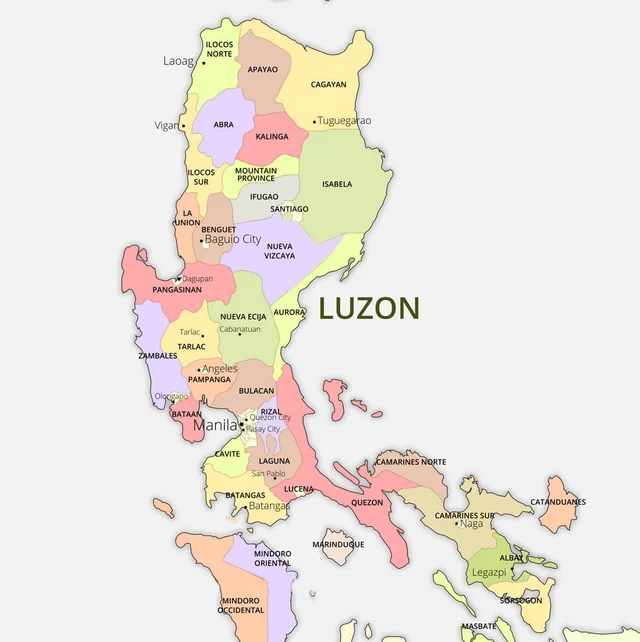
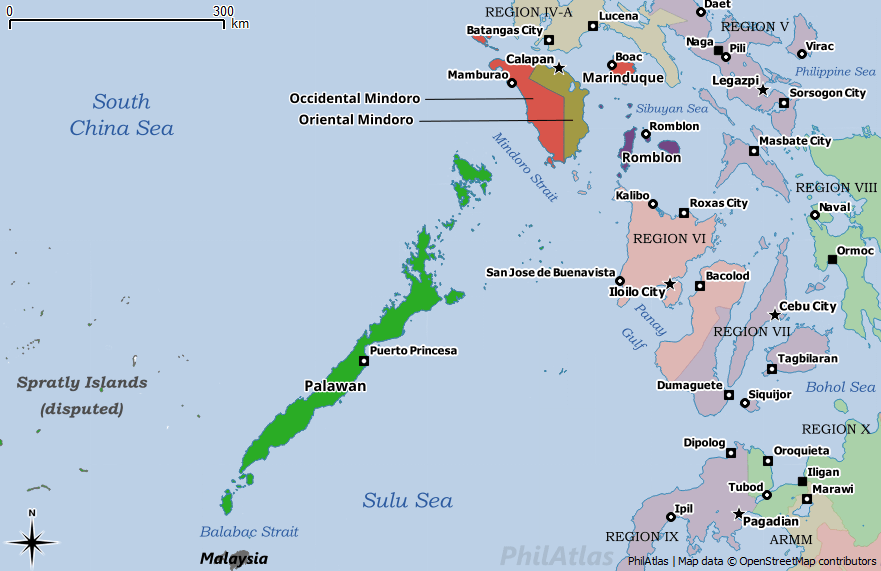
Maps by pinnaxais.com and philatlas.com
Region I – Ilocos Region
The Ilocos Region is known for its coastal landscapes, heritage towns, and strong Ilocano culture.
Provinces of Region I
- Ilocos Norte — Famous for windmills, heritage sites, and dramatic coastlines.
- Ilocos Sur — Home to Vigan, a UNESCO World Heritage city with preserved Spanish architecture.
- La Union — A surfing hotspot with a growing food and arts scene.
- Pangasinan — Known for Hundred Islands National Park and rich coastal communities.
Region II – Cagayan Valley
Cagayan Valley features vast plains, mountain ranges, and river systems ideal for agriculture and adventure travel.
Provinces of Region II
- Batanes — The northernmost province, known for stone houses and breathtaking landscapes.
- Cagayan — A mix of historical sites, caves, and coastal attractions.
- Isabela — A major agricultural hub with natural parks and waterfalls.
- Nueva Vizcaya — Mountainous terrain with indigenous cultures and eco‑tourism sites.
- Quirino — A quiet province with caves, rivers, and forest reserves.
Region III – Central Luzon
Central Luzon is the rice granary of the Philippines and a gateway between Metro Manila and Northern Luzon.
Provinces of Region III
- Aurora — Known for surfing beaches and lush mountain ranges.
- Bataan — Rich in WWII history and coastal eco‑tourism.
- Bulacan — A historic province with heritage towns and growing urban centers.
- Nueva Ecija — The country’s top rice producer with scenic farm landscapes.
- Pampanga — Culinary capital famous for Kapampangan cuisine and cultural festivals.
- Tarlac — A mix of agricultural lands and pilgrimage sites.
- Zambales — Known for coves, beaches, and volcanic landscapes.
Region IV‑A – CALABARZON
CALABARZON is one of the most industrialized regions, blending heritage towns, mountains, and coastal areas.
Provinces of Region IV‑A
- Cavite — A historic province central to Philippine independence.
- Laguna — Known for hot springs, lakes, and cultural landmarks.
- Batangas — Famous for beaches, diving spots, and Taal Volcano.
- Rizal — A mountainous province with art communities and nature escapes.
- Quezon — Rich in coconut plantations, festivals, and coastal towns.
Region IV‑B – MIMAROPA
MIMAROPA is a diverse region of islands, forests, and world‑class marine biodiversity.
Provinces of Region IV‑B
- Marinduque — Known for Moriones Festival and quiet beach towns.
- Occidental Mindoro — Home to pristine beaches and indigenous Mangyan communities.
- Oriental Mindoro — Features Puerto Galera’s diving spots and mountain ranges.
- Palawan — A globally recognized paradise with limestone cliffs and turquoise waters.
- Romblon — The marble capital with island-hopping destinations.
Region V – Bicol Region
Bicol is known for spicy cuisine, active volcanoes, and strong Catholic traditions.
Provinces of Region V
- Albay — Home to Mayon Volcano’s iconic perfect cone.
- Camarines Norte — Known for surfing beaches and historical landmarks.
- Camarines Sur — Features wakeboarding parks and island destinations.
- Catanduanes — A rising surfing destination with rugged coastlines.
- Masbate — A cowboy country with ranches and rodeo festivals.
- Sorsogon — Known for whale shark interactions and eco‑tourism.
Region XIV- Cordillera Administrative Region (CAR)
CAR is a highland region known for rice terraces, indigenous cultures, and cool climates.
Provinces of CAR
- Abra — Mountainous terrain with heritage churches and natural attractions.
- Apayao — A quiet province with rivers, forests, and indigenous communities.
- Benguet — Home to Baguio City and highland vegetable farms.
- Ifugao — Famous for Banaue Rice Terraces, a UNESCO site.
- Kalinga — Known for tattoo culture and river adventures.
- Mountain Province — Features hanging coffins and scenic mountain trails.
Visayas Island Group
The Visayas is the central island group known for beaches, festivals, and diverse languages.
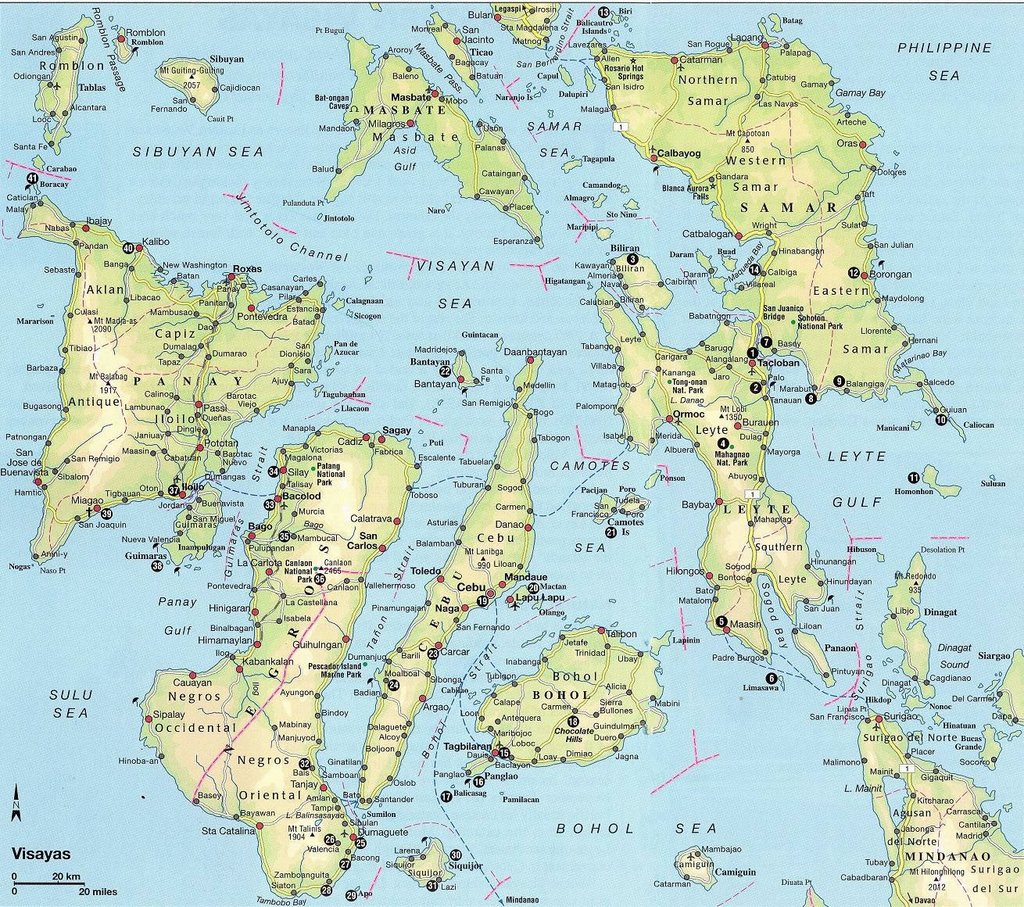
Map by ar.inspiredpencil.com
Region VI – Western Visayas
Western Visayas blends heritage cities, beaches, and culinary traditions.
Provinces of Region VI
- Aklan — Gateway to Boracay’s world-famous white sand beaches.
- Antique — Known for mountains, rivers, and eco‑adventures.
- Capiz — Seafood capital with coastal and cultural attractions.
- Guimaras — Famous for sweet mangoes and island-hopping.
- Iloilo — A heritage-rich province with Spanish-era architecture and festivals.
- Negros Occidental — Known for sugar plantations and cultural landmarks.
Region VII – Central Visayas
Central Visayas is a tourism powerhouse with beaches, diving spots, and vibrant cities.
Provinces of Region VII
- Bohol — Home to Chocolate Hills and tarsiers.
- Cebu — A major economic hub with historical sites and island destinations.
- Negros Oriental — Known for diving, waterfalls, and coastal towns.
- Siquijor — A mystical island with beaches and natural springs.
Region VIII – Eastern Visayas
Eastern Visayas is rich in history, natural wonders, and resilient communities.
H4: Provinces of Region VIII
- Biliran — A small island province with waterfalls and beaches.
- Eastern Samar — Known for rugged coastlines and surfing spots.
- Leyte — Home to historical WWII landmarks and natural attractions.
- Northern Samar — Features caves, rock formations, and island-hopping.
- Samar — Known for caves, rivers, and eco‑adventures.
- Southern Leyte — A diving hotspot with whale shark sightings.
Mindanao Island Group
Mindanao is the southernmost island group, known for diverse cultures, fertile lands, and emerging tourism.
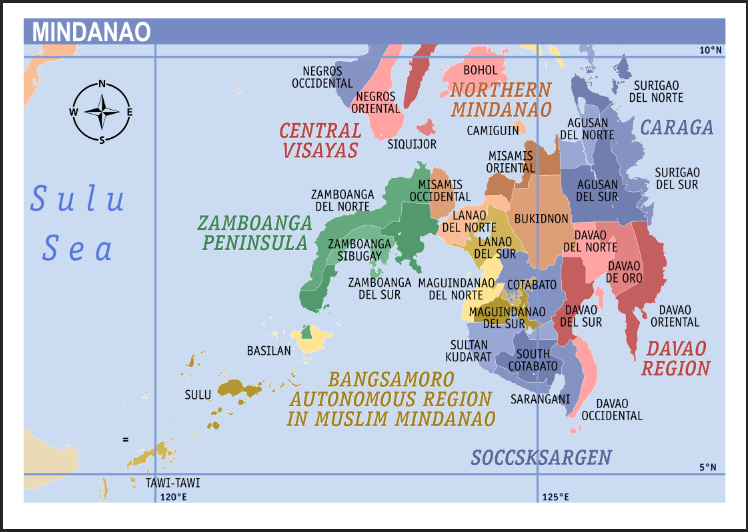
Map by fity.club
Region IX – Zamboanga Peninsula
A culturally diverse region blending Hispanic influences and indigenous traditions.
Provinces of Region IX
- Zamboanga del Norte — Known for beaches, waterfalls, and heritage sites.
- Zamboanga del Sur — Features urban centers and natural attractions.
- Zamboanga Sibugay — A young province with coastal and agricultural communities.
Region X – Northern Mindanao
Northern Mindanao offers mountains, waterfalls, and thriving cities.
Provinces of Region X
- Bukidnon — A highland province with farms, mountains, and cool climate.
- Camiguin — Known as the Island Born of Fire with volcanoes and springs.
- Lanao del Norte — Features coastal towns and cultural landmarks.
- Misamis Occidental — Known for heritage sites and coastal attractions.
- Misamis Oriental — Home to Cagayan de Oro’s adventure tourism.
Region XI – Davao Region
A dynamic region known for agriculture, eco‑tourism, and urban development.
Provinces of Region XI
- Davao del Norte — Known for island resorts and agricultural lands.
- Davao del Sur — Home to Mount Apo, the country’s highest peak.
- Davao Oriental — Features beaches, forests, and marine sanctuaries.
- Davao Occidental — A coastal province with emerging tourism.
- Davao de Oro — A landlocked province once known as Compostela Valley
Region XII – SOCCSKSARGEN
A region known for tuna industry, mountains, and diverse cultures.
Provinces of Region XII
- Cotabato (North) — A landlocked province with lakes and cultural diversity.
- Sarangani — Known for beaches and marine biodiversity.
- South Cotabato — Home to Lake Sebu and indigenous communities.
- Sultan Kudarat — Rich in heritage sites and natural attractions.
Region XIII – Caraga Region
Caraga is known for surfing, forests, and river systems.
Provinces of Region XIII
- Agusan del Norte — Features rivers, forests, and growing urban centers.
- Agusan del Sur — Known for marshlands and eco‑tourism.
- Dinagat Islands — A quiet island province with beaches and rock formations.
- Surigao del Norte — Home to Siargao, the surfing capital of the Philippines.
- Surigao del Sur — Known for waterfalls, rivers, and coastal attractions.
H3: Bangsamoro Autonomous Region in Muslim Mindanao (BARMM)
BARMM is a culturally rich region with strong Islamic heritage and diverse landscapes.
Provinces of BARMM
- Basilan — Known for beaches and cultural diversity.
- Lanao del Sur — Home to Marawi and Lake Lanao.
- Maguindanao del Norte — Coastal and rich in history, culture, and natural attractions.
- Maguindanao del Sur — Landlocked and mountainous
- Sulu — Famous for white-sand islands and Tausug culture.
- Tawi‑Tawi — The southernmost province with pristine beaches and cultural sites.
Conclusion
The Philippines’ 17 regions and 83 provinces offer unmatched diversity—from Luzon’s mountains and heritage towns to Visayas’ beaches and festivals, and Mindanao’s cultural richness and natural wonders. Whether you’re building travel content, researching geography, or planning an itinerary, understanding each region provides deeper insight into the country’s identity and beauty.